2027 Online Economics Bachelor's Degree Programs With No Prerequisites

Co-Founder and Chief Data Scientist
Many adults with unrelated bachelor's degrees aim to enter the economics field but lack the required prerequisite courses for traditional programs. This barrier often deters skilled professionals who seek career changes without additional costly coursework. As of 2023, approximately 45% of online economics bachelor's programs offer no prerequisite requirements, reflecting increased accessibility for nontraditional students. These programs provide flexible paths for learners balancing work and study, removing initial academic obstacles. This article explores the landscape of online economics bachelor's degrees without prerequisites, helping readers identify suitable accredited options to efficiently transition into economics-focused careers.
Key Benefits of Online Economics Bachelor's Degree Programs With No Prerequisites
- Online economics degrees with no prerequisites offer flexible schedules, enabling working professionals to balance studies, work, and family commitments without requiring prior academic credentials.
- Such programs accelerate skill acquisition by focusing on foundational concepts and practical applications, helping students quickly gain industry-relevant knowledge.
- These degrees allow students to build valuable economics credentials on timelines and budgets tailored to their personal and financial situations, often with available financial aid and credit transfer options.
What Does 'No Prerequisites' Mean for Online Economics Bachelor's Degree Programs, and Who Benefits Most?
The term no prerequisites in online economics bachelor's degree programs means that students can enroll without completing specific prior coursework or holding certain academic qualifications. This differs from open admission or low-barrier enrollment policies, which generally remove formal admissions criteria like standardized test scores or minimum GPA requirements. No prerequisites specifically indicate that foundational classes in economics, math, or related subjects are not mandatory before starting the degree. Many students seeking online economics bachelor's programs with no prerequisites find these policies helpful as they do not need to retrace previous academic steps.
Such programs are particularly beneficial for career changers, working adults, returning learners, and first-generation college students aiming to enter economics without traditional academic backgrounds. Data from the National Center for Education Statistics (NCES) show that non-traditional students make up a growing share of online enrollment, seeking flexible and accessible education that fits their diverse needs. Working adults especially value this flexibility to balance education with professional and family responsibilities.
This article will explore essential aspects of no-prerequisite economics programs, covering the following key topics to help prospective students navigate their options:
- Admission Clarity: How no-prerequisite policies differ from open admission and what academic expectations students should have before enrolling.
- Program Quality: Understanding accreditation standards and identifying reputable online economics programs with rigorous curricula.
- Support Services: Availability of tutoring, advising, and career counseling tailored specifically for non-traditional learners.
- Financial Aid Access: Common funding options, scholarships, and financial support available for students pursuing a no-prerequisite online economics degree.
To explore efficient advanced study options in economics or related fields, consider resources such as the 1 year masters degree online, which can complement a no-prerequisites economics degree for faster career progression.
Which Accredited Online Economics Bachelor's Programs Accept Students With No Prior College Coursework?
Several accredited institutions offer online economics bachelor's degree programs designed specifically for students with no prior college coursework. These programs often feature open-admission policies or provide foundational courses integrated into the curriculum to bridge any academic gaps. Verification through resources like the NCES College Navigator and College Scorecard confirms these schools maintain regional accreditation, ensuring recognized quality.
- Western Governors University: Known for its competency-based model, this university accepts students without prior college experience and does not require traditional prerequisites. Its economics program emphasizes real-world application, offering personalized support and flexible pacing. With enrollment exceeding 120,000-predominantly adult learners-it appeals strongly to career changers and first-generation students.
- University of Illinois Springfield: This public university offers an online economics bachelor's program with minimal entry barriers. While some introductory courses may be recommended, students can typically start directly without college credits. Support services include tutoring and advising tailored to online learners. Regional accreditation assures solid academic standards.
- Southern New Hampshire University: SNHU's online economics degree is accessible without prior college enrollment, offering bridge courses to build foundational skills. The university supports financial aid options and credit transfer, easing the path to degree completion. Enrollment is around 135,000 online students with many pursuing business-related programs.
- Fort Hays State University: With an open-enrollment policy, this university provides an online economics bachelor's degree with no prerequisite coursework required. It features substantial academic support and career services to enhance student success and employment outcomes.
- Granite State College (part of UNH System): Targeted at adult learners, Granite State offers a fully online economics degree pathway without previous college classes. Foundational courses prepare students for upper-level economics topics. The college is regionally accredited and emphasizes affordability and flexible learning.
Each of these accredited online economics degree programs with no prerequisite courses shares a commitment to accessibility, strong student support, and regional accreditation. Prospective students should confirm whether foundational courses are integrated or optional, explore credit transfer policies, and consider available financial aid and career services when selecting programs. Choosing a program that balances flexibility with recognized accreditation helps working adults and first-generation students maximize their educational investment and future career prospects.
For those curious about fun majors in college that pay well, economics remains a strong choice with versatile career pathways and rewarding outcomes.
2026 Update: Matching Economics Curriculum to Career Goals
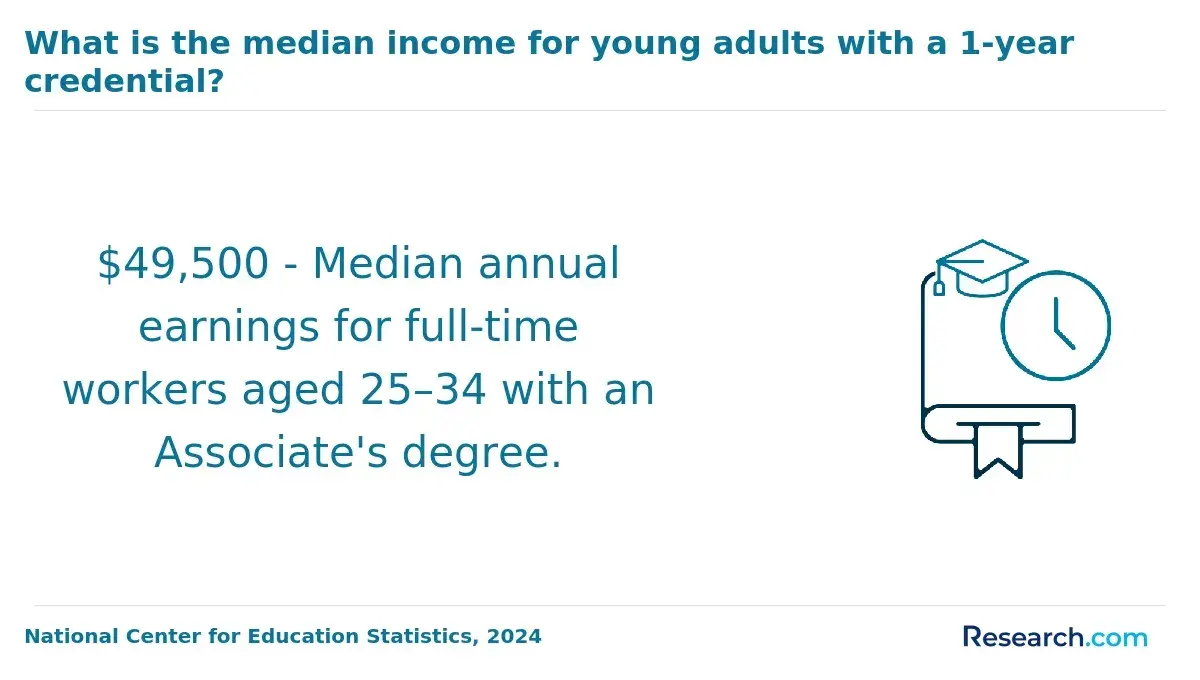
This 2026 update adds a closer look at how no-prerequisite online economics bachelor’s programs align their coursework with common career paths, especially for adults changing fields.
- Whether the program emphasizes policy, business economics, finance, data analysis, or general economic theory.
- How early students take core economics courses versus general education requirements.
- Whether electives include practical topics such as forecasting, labor markets, international trade, or public economics.
- Whether coursework uses spreadsheet, statistics, or data visualization tools relevant to entry-level roles.
- Whether the program includes a capstone, research project, internship option, or portfolio-building assignment.
- How well academic advising connects course choices to graduate school, analyst roles, government work, or business careers.
Checking curriculum fit helps students choose a no-prerequisite program that is not only accessible, but also useful for the kind of economics-related work they want to pursue.
How Do Open-Admission Policies in Online Economics Programs Differ From Traditional Selective Admissions?
Open admission policies in online economics bachelor's degree programs enable nearly all applicants with a high school diploma or equivalent to enroll, eliminating traditional barriers like minimum GPAs, test scores, or prior college credits. This inclusive approach contrasts with selective admissions, which evaluate candidates against competitive academic standards, recommendation letters, and entrance exams. Rolling admissions, by comparison, admit students continuously until capacity is reached, often requiring minimal qualifications. Conditional admissions may accept students based on readiness criteria, sometimes mandating remedial coursework prior to full acceptance. Schools such as Southern New Hampshire University, Liberty University, and Western Governors University publicly affirm their open-admission policies on their admissions web pages and through IPEDS data, demonstrating their commitment to accessible education.
- Open Admission Definition: Open admission allows most applicants with basic educational credentials to enroll, broadening opportunities for non-traditional and diverse students seeking economics degrees.
- Admission Frameworks: Selective admissions focus on academic competitiveness, rolling admissions offer ongoing acceptance with minimum standards, and conditional admission requires meeting preparatory conditions before full enrollment.
- Academic Preparedness: Open-admission cohorts often display varied academic backgrounds, prompting institutions to provide developmental courses and orientation programs to support student success.
- Trade-Offs: While expanding access, open-admission programs may demand greater self-motivation, as students receive less individualized guidance due to diverse readiness levels.
- Accreditation Importance: Regardless of admission type, students should verify the program's recognized accreditation to ensure educational quality and rigor.
- Recent Enrollment Trend: The National Center for Education Statistics (NCES) reports a 10% increase in enrollment at open-admission online undergraduate programs from 2019 to 2022, highlighting growing interest among adult learners.
A professional who enrolled in an online economics bachelor's program with no prerequisites shared how the open-admission policy made higher education accessible during a career shift. He recalled feeling "relieved not to be judged by prior academic records" but admitted that adjusting to the coursework's pace was challenging without traditional academic preparation. He appreciated the availability of support services like tutoring and orientation, noting that "those resources were essential to building my confidence and staying motivated." Although it required discipline, he highlighted that open admission allowed him to "focus on learning rather than on gatekeeping barriers," which was pivotal in completing the degree and moving forward professionally.
What Are the Typical Enrollment Requirements for No-Prerequisite Online Economics Bachelor's Programs?
The typical enrollment requirements for online economics bachelor's degree programs with no prerequisites include the following:
- Proof of High School Completion: Most institutions require a high school diploma or an equivalent like a GED. This remains essential even for online economics bachelor's programs with no prerequisites to verify readiness for college-level study.
- English Language Proficiency: Non-native English speakers must typically prove their language skills through tests such as TOEFL or IELTS, though some programs may accept prior education completed in English to meet this standard.
- Minimum Age Requirement: Applicants usually need to be at least 17 or 18 years old. This aligns with legal mandates and eligibility criteria for federal aid, ensuring students qualify for independent enrollment.
- Residency Considerations: Public schools often implement residency rules affecting tuition, favoring in-state students. Conversely, private nonprofit schools tend to offer more flexible admissions without different tuition rates based on residency, making them attractive for diverse applicants.
- Alternative Pathways: Those lacking traditional credentials can explore options like GED certification or dual-enrollment through community colleges. Such routes support nontraditional learners aiming to enter no-prerequisite online economics degree programs offering open admission policies.
- Application Preparation: Organizing key documents-transcripts, identification, and sometimes a personal statement-helps expedite admissions. Early readiness reduces delays and enhances the chance for timely acceptance.
Many students seeking low-barrier access also consider enrolling at fully online accredited colleges to ensure quality and support while pursuing their economics degrees.
Are No-Prerequisite Online Economics Bachelor's Programs Available at Regionally Accredited Universities?
Regional accreditation plays a crucial role for students seeking no-prerequisite online economics programs. This type of accreditation assures academic quality and is recognized by the U.S. Department of Education and CHEA, which enhances credit acceptance across institutions and supports eligibility for federal financial aid. Graduates from regionally accredited programs often find their degrees hold more value with employers and graduate schools compared to those with only national accreditation, which typically applies to vocational institutions and may limit credit transfer and recognition.
To ensure a program meets these standards, students should consult the U.S. Department of Education's accreditation database and CHEA's directory. Schools offering open or low-barrier admissions for online economics degrees that are regionally accredited provide access without sacrificing quality or future opportunities.
- Check Accreditation Status: Use official federal and CHEA resources to confirm the university has active regional accreditation.
- Review Program Details: Verify the economics degree is fully online and admits students without prior coursework.
- Understand Transfer Policies: Investigate how credits will transfer to other institutions or count toward advanced degrees.
- Confirm Financial Aid Eligibility: Ensure the program qualifies for federal grants and loans, which typically require regional accreditation.
One professional who completed an online economics bachelor's with no prerequisites reflected on her journey by emphasizing how regional accreditation gave her confidence throughout the process. She described encountering initial doubts about balancing work and study but felt reassured knowing her credits would transfer smoothly if needed. Along the way, she appreciated having access to federal aid and online support services, which eased financial and academic challenges. "Being able to join a program without jumping through hoops was a game-changer," she said, highlighting how the program's recognized quality opened doors in her career after graduation.
How Do Students Without Academic Prerequisites Catch Up in Online Economics Bachelor's Courses?
Many accredited online economics bachelor's programs without prior course requirements use targeted academic supports to help students catch up and succeed. These services address gaps in foundational knowledge and skills for learners from diverse backgrounds.
- Developmental Courses: Foundational classes in math, statistics, and economics fundamentals introduce key concepts gradually. These are often mandatory before progressing to higher-level coursework, ensuring students build a solid base.
- Bridge Programs and Modules: Certain universities, including Southern New Hampshire University and Liberty University, offer bridge courses tailored to students new to economics. These focus on practical applications and core theories to ease the transition into the major.
- Tutoring and Academic Coaching: Personalized tutoring sessions and academic coaching provide targeted support, especially for quantitative problem-solving and economic reasoning. Both individual and small group formats are common.
- Peer Mentoring: Matching newcomers with experienced peers gives practical guidance on coursework and study strategies. Data from the National Survey of Student Engagement (NSSE) links this mentorship with improved engagement, retention, and graduation rates in online learning.
- Self-Assessment Tools: Institutions encourage students to use readiness assessments before and during enrollment. Early identification of skill gaps enables proactive use of support resources to bolster academic preparation.
- Student Support Services: Comprehensive advising and career counseling help students navigate their studies and maintain motivation. These supports are especially vital for adult learners and first-generation college students pursuing economics degrees.
According to recent NSSE findings, online programs with strong academic assistance demonstrate retention rates up to 20% higher than those lacking such supports, underscoring the value of these services in student success.
What Support Services Help No-Prerequisite Students Succeed in Online Economics Bachelor's Programs?
Students pursuing no-prerequisite online economics bachelor's degree programs benefit from a comprehensive array of student success services designed to enhance retention and completion rates. Leading programs featured in U.S. News Best Online Bachelor's Programs rankings emphasize accessible, flexible support tailored for adult learners balancing work, family, and education.
- Academic Advising: Personalized guidance helps students navigate course selection, degree planning, and effective time management. Advisors assist learners in staying focused from enrollment through graduation, even without prior academic experience.
- Mental Health Resources: Virtual counseling, stress management workshops, and crisis hotlines provide crucial emotional support. These resources address challenges unique to online students managing competing life demands.
- Disability Accommodations: Programs offer assistive technologies and flexible deadlines, ensuring equitable access to coursework and assessments. Such accommodations foster inclusive learning environments for students with disabilities.
- Career Counseling: Tailored services include resume development, interview coaching, and networking opportunities. Career advisors help students connect their economics studies to diverse employment pathways.
These services typically operate asynchronously or virtually, allowing students to access help anytime without disrupting their schedules. According to a 2023 National Student Clearinghouse report, use of comprehensive support services correlates with a 22% increase in retention rates for online students. Selecting a no-prerequisite economics program with a strong student support system can significantly reduce dropout risk and improve the likelihood of degree completion.
Can Transfer Credits or Prior Learning Assessments Replace Prerequisites in Online Economics Programs?
Transfer credits and Prior Learning Assessments (PLA) can replace prerequisite coursework in many online economics bachelor's degree programs, allowing students to accelerate their studies and reduce tuition expenses. These options recognize previous college coursework, professional experience, or standardized exams, offering flexible pathways for those who can demonstrate existing knowledge. Students seeking to enroll in programs that can transfer credits for online Economics degrees should examine institutions' policies carefully to understand credit limits and acceptable assessment types.
- Transfer Credit Policies: Numerous accredited schools accept transfer credits from regionally accredited colleges with limits generally between 60 to 90 semester hours. Official transcripts are evaluated to fulfill prerequisite courses within the economics curriculum, making it easier for students to bypass basic classes.
- Prior Learning Assessments: PLA programs use exams like CLEP (College-Level Examination Program) and DSST (DANTES Subject Standardized Tests), which are endorsed by the American Council on Education (ACE). These assessments validate knowledge in economics and related disciplines, enhancing credit-earning opportunities without formal coursework.
- ACE Credit Recommendations: ACE supports credit awards for workplace training, military education, and professional certifications relevant to economics. Schools adhering to ACE guidelines tend to have more flexible transfer and PLA credit acceptance, especially for documented skills and training.
- Documentation & Submission: To maximize prerequisite waivers, students should submit thorough portfolios including course descriptions, syllabi, exam results, and certificates. This detailed evidence helps institutions approve PLA credits or course equivalencies.
- Flexible Institutions: Thomas Edison State University and Excelsior College are examples known for accommodating transfer and PLA policies, sometimes allowing up to 75% of degree credits through these methods.
- Recent Trends: Over 40% of undergraduate students now use transfer credits or PLA, showing growing acceptance and integration in online degree programs nationwide.
Students returning to higher education or making a career change for teachers can benefit substantially from these flexible policies. Prior learning assessments in online economics programs provide an alternative path to meeting prerequisites, helping diverse learners transition smoothly into their academic and professional goals.
What Is the Average Time to Completion for No-Prerequisite Online Economics Bachelor's Degree Programs?
The average time to complete an online economics bachelor's degree generally adheres to the standard 120-credit-hour framework common to most bachelor's degrees. However, the typical graduation timeline for no-prerequisite economics programs varies depending on enrollment pace, term length, and whether students transfer prior college credits.
- Standard Credit Load: Most online economics bachelor's degree programs require 120 credit hours, equating to approximately four years of full-time study. Part-time study or lighter course loads extend this timeline accordingly.
- Enrollment Pace and Term Length: Accelerated online programs with eight-week terms or competency-based formats allow continuous year-round enrollment, enabling faster progression than traditional 15-week semesters. Institutions like Western Governors University and Southern New Hampshire University use these models to support adult learners seeking flexible pacing.
- Impact of Transfer Credits: Students entering with transferable credits, such as from an associate degree or previous coursework, may reduce their time to completion significantly-sometimes finishing in as little as two years.
- Graduation Timelines by Admission Selectivity: IPEDS data indicate that open-admission online economics programs often see longer average completion times compared to selective-admission programs, influenced by factors like student preparedness and attendance patterns.
- Financial and Opportunity Costs: Time to completion directly affects total tuition paid and potential lost earnings during study. These costs are crucial for working adults evaluating no-prerequisite programs and should inform decisions alongside other factors.
For students seeking to expedite their education, exploring quick masters degrees online may provide insight into accelerated formats and flexible options relevant to economics degree pathways as well.
How Does Tuition Compare Between No-Prerequisite and Standard Online Economics Bachelor's Programs?
Open-admission online economics bachelor's programs typically offer per-credit-hour tuition rates comparable to or lower than those at selective schools. Many no-prerequisite options are hosted by public, state-funded universities that maintain competitive tuition to increase accessibility. In contrast, selective institutions-often private-may charge higher rates reflecting their resources and prestige.
Additional fees can significantly affect costs for students in no-prerequisite programs. These charges often cover developmental or foundational courses intended to build essential skills, which selective-admission programs usually do not require. As a result, the total price of no-prerequisite degrees may rise beyond the nominal tuition rate.
Institutional type and program delivery also influence pricing. Public universities frequently provide more affordable economic degree options, while private schools may have higher tuition. Moreover, asynchronous or self-paced learning formats can alter costs depending on the structure and support offered.
Rather than focusing solely on per-credit-hour rates, prospective students should assess the comprehensive expense of earning their economics bachelor's, factoring in fees, materials, and any preparatory coursework. Because no-prerequisite students might need additional time to complete their degrees, it's important to consider how extended enrollment could increase overall expenditures.
Which Online Economics Bachelor's Programs Allow Students To Start Without A High School Diploma Or GED?
Many accredited online economics bachelor's degree programs accept applicants with high school equivalency credentials like the GED or HiSET instead of a traditional diploma. These programs consider such credentials as valid proof of secondary education, simplifying access for nontraditional students.
- GED Equivalency: Programs typically treat GED certificates as equivalent to high school diplomas, requiring official score submissions to fulfill admission criteria.
- Provisional Acceptance: Some schools grant conditional enrollment to GED holders, often mandating the completion of entry-level courses or maintaining a set GPA during the initial term to continue.
- Placement Assessments: To gauge preparedness, institutions may require math or English placement tests, especially for students lacking prior college coursework.
- International Credentials: Applicants educated abroad should submit evaluated transcripts or recognized equivalency certifications through accepted credential evaluation services.
- Open Admission Options: Community colleges and public universities frequently offer low-barrier admission for economics online, emphasizing inclusivity without strict prerequisites.
- Accreditation Standards: Even programs with minimal entry requirements adhere to regional or national accreditation to ensure academic rigor and degree legitimacy.
- Support Services: Advising, tutoring, and career counseling are commonly available to help GED students transition successfully into higher education.
- Financial Aid Eligibility: GED recipients qualify for federal aid like Pell Grants and student loans, aiding in funding their economics studies.
What Graduates Say About Their Online Economics Bachelor's Degree Program With No Prerequisites
- Cade: "Choosing an online economics bachelor's degree with no prerequisites was a game-changer for me because it allowed immediate enrollment without worrying about prior coursework. The affordability of the program was crucial, especially since I was balancing work and education simultaneously. Since graduating, I've noticed a significant boost in my career opportunities-it's opened doors I never thought possible."
- Mohamed: "Reflecting on my journey, the no-prerequisite structure was what made pursuing an economics degree online feasible given my unconventional academic background. The lower costs compared to traditional universities really helped reduce financial stress, allowing me to focus on learning. Professionally, this degree has enhanced my analytical skills and credibility, positioning me well for promotions within my company."
- Axel: "For me, the appeal of an online economics bachelor's degree with no prerequisites was the flexibility it provided amidst a busy schedule. I appreciated how cost-effective the entire program was, making higher education a reality without overwhelming debt. Earning the degree has had a profound impact on my career trajectory-now, I engage in more strategic projects and have a clearer path to leadership roles."
Other Things You Should Know About Economics Degrees
Students in no-prerequisite online economics bachelor's programs often qualify for federal financial aid, including Pell Grants and student loans, as long as their institution participates in Title IV funding. Many schools also offer institutional scholarships, grants, and payment plans to support learners with diverse financial backgrounds. Additionally, employers may provide tuition assistance for working adults pursuing online degrees in economics.
Selecting a 2027 no-prerequisite online economics program involves evaluating accreditation, curriculum relevance, faculty expertise, and support services. Tailor your choice to meet career goals and ensure the institution's credentials enhance job prospects in the economics field.
Quality online economics programs are accredited by regional accreditation bodies recognized by the U.S. Department of Education. Specialized accreditation from organizations focused on business and economics education may also indicate a higher standard. Accreditation ensures programs meet academic quality benchmarks, offer robust curriculum content, and provide student support services essential for success.
References
- How Many Years is a Bachelor's Degree? https://www.snhu.edu/about-us/newsroom/education/how-long-does-it-take-to-get-a-bachelors-degree
- Distance learning without A-levels: Start now and realize your dream! - Allensbach University https://www.allensbach-hochschule.de/en/distance-learning-without-high-school-diploma/
- Open admissions - Wikipedia https://en.wikipedia.org/wiki/Open_admissions
- Accredited Online Economics Degree Programs https://www.accreditedonlinecolleges.org/economics/
- Recognition of prior learning through credit transfer https://studies.helsinki.fi/instructions/article/recognition-prior-learning-through-credit-transfer
- Recognizing Prior Learning in the 21st Century: A Synthesis Brief https://www.wiche.edu/key-initiatives/recognition-of-learning/synthesis-brief/
- Credit for Prior Learning - Complete College America https://completecollege.org/our-approach/momentum/credit-prior-learning/
- Boost Your Career Prospects with an MA in Economics! https://www.onlinecu.in/blog/cu/boost-your-career-prospects-with-an-ma-in-economics.php
- How Colleges Award Credits For Work Experience https://www.affordablecollegesonline.org/college-resource-center/college-credit-for-work-experience/
- Online Colleges with Open Admission Policies https://www.publicservicedegrees.org/online-degrees/online-colleges-with-open-admissions/