2027 Return on Investment of an Online Economics Bachelor's Degree: Salary vs Cost

Co-Founder and Chief Data Scientist
Many working professionals face the dilemma of whether pursuing an online Economics bachelor's degree will justify the expense and time commitment. For those seeking to shift careers or advance in finance or data analysis, understanding the salary boost versus tuition costs is critical.
Recent data shows that graduates with an Economics degree earn a median annual wage about 30% higher than those with only a high school diploma. However, the high variation in online program costs complicates the decision. This article examines the balance between salary outcomes and tuition fees to help prospective students evaluate the true return on investment of an online Economics bachelor's degree.
Key Things to Know About the Return on Investment of an Online Economics Bachelor's Degree
- Average tuition for online economics bachelor's degrees ranges from $12,000 to $30,000-significantly lower than traditional programs-boosting affordability for working professionals and first-generation students.
- Graduates report median salaries around $65,000 annually, reflecting a strong salary premium compared to non-degree holders, with growth tied to experience and industry.
- Non-financial benefits include enhanced career advancement potential, greater job security in volatile markets, and expanded professional networks supporting lifelong development.
What Is the True Cost of Earning an Online Economics Bachelor's Degree From Enrollment to Graduation?
The cost breakdown of online economics bachelor's degree programs involves several components beyond published tuition rates. Students should consider all financial factors to gauge the true investment required for completion.
- Tuition Sticker Price: Published rates typically range from $15,000 to $50,000 for the full program. These figures represent the total cost before applying any financial aid and reflect variations based on institution prestige and residency status.
- Net Price After Aid: Many students pay significantly less once grants, scholarships, and work-study awards are factored in. According to IPEDS data, aid can lower expenses by 30 to 50 percent, resulting in actual tuition costs closer to $10,000 to $35,000.
- Additional Fees: Mandatory costs like technology fees, proctoring charges for online exams, and access to learning platforms can add $500 to $1,500 over the program's duration. These fees support the digital infrastructure essential for online learning but are often overlooked.
- Textbooks and Course Materials: Budgeting approximately $1,000 to $2,000 for textbooks and supplementary resources over four years is advisable. While some materials are digital or used options may reduce expenses, this cost rarely disappears entirely.
Combining tuition, fees, and materials, the total tuition and fees for online economics degrees normally fall between $12,000 and $40,000. This estimate helps prospective students-whether first-generation, working professionals, or career changers-make informed decisions when evaluating the return on investment based on salary outcomes and career growth.
For those weighing alternatives in graduate programs, comparing costs with options like the cheapest MSW programs online can provide further insight into affordable online education opportunities.
How Does the Starting Salary for Economics Bachelor's Degree Graduates Compare to the Total Cost of the Degree?
The median annual starting salary for graduates holding a bachelor's degree in economics typically ranges from approximately $55,000 to $65,000, based on Bureau of Labor Statistics (BLS) data for common roles such as economic analyst, financial analyst, and market research analyst.
Comparing this starting salary against the total cost of an online economics bachelor's degree highlights important financial considerations. The total tuition and fees vary widely, from as low as $15,000 in affordable programs to upwards of $50,000 in higher-priced programs without significant aid.
In a best-case scenario, a $15,000 tuition program paired with a $60,000 starting salary means graduates need about three months of gross earnings to recoup their investment. Conversely, a costlier program with $50,000 tuition and a $55,000 starting salary can require nearly eleven months to break even.
This payback period frames the initial salary against tuition but does not capture salary growth over time-which is common in economics careers due to steady demand in finance, government, and consulting sectors.
For individuals considering an online counseling degree or other fields, these economics salary benchmarks provide useful context. It's vital to factor in not just immediate financial returns but also ongoing career advancement opportunities and skill development when evaluating the full value of earning an economics degree online.
- Starting Salary Benchmarks: Median entry-level salaries for economics graduates range from $55,000 to $65,000, establishing a solid baseline for cost comparison.
- Degree Cost Variability: Total tuition costs vary dramatically-from as low as $15,000 to $50,000 without substantial financial aid-impacting how quickly graduates recover expenses.
- Payback Periods: Depending on program costs, it typically takes between three and eleven months of starting salary to cover degree expenses, showcasing the initial financial impact.
- Salary Growth Potential: Economics-related roles often experience steady salary increases, improving the long-term return on investment well beyond starting pay.
- Beyond Financial Factors: Career advancement, job security, and versatile skills add non-monetary value that enhances overall degree returns.
For students seeking cost-effective options, researching the most affordable programs is crucial. Resources like the online counseling degree listings can offer insights into financial aid opportunities and program affordability that similarly benefit economics degree seekers.
What Is the Average Return on Investment (ROI) for an Online Economics Bachelor's Degree Over a 10-Year Career?
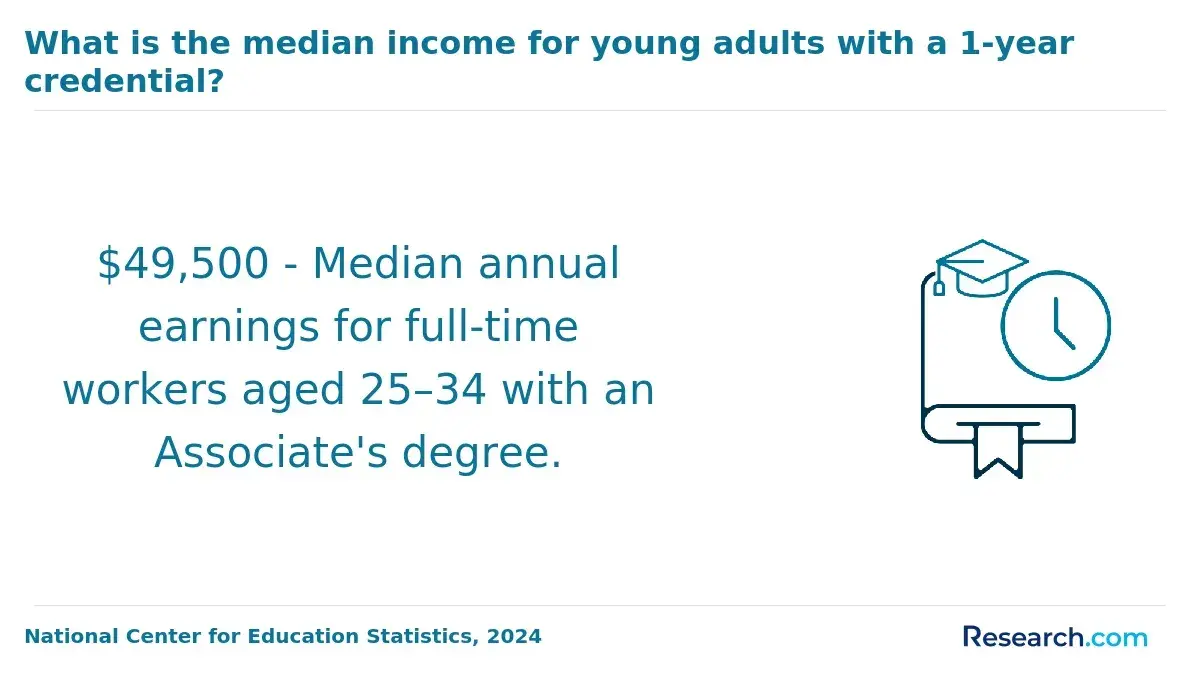
Return on investment (ROI) in higher education calculates the financial benefit a degree provides by comparing the costs of earning it with the increased income over time versus someone with only a high school diploma or an associate degree in the same field.
According to sources like the Georgetown University Center on Education and the Workforce and PayScale's College ROI Report, this calculation reflects the difference between total education expenses and the additional earnings amassed over a 10-year period.
For instance, the U.S. Bureau of Labor Statistics reports a median annual wage near $105,000 for economists in 2023. Starting salaries for recent economics graduates typically hover around $75,000, with an estimated 3% yearly raise. Over a decade, this growth could amount to about $850,000 in earnings.
By contrast, a high school-educated worker in a similar role might make roughly $45,000 yearly with smaller raises, totaling close to $520,000 over 10 years. Given the usual online bachelor's degree tuition between $40,000 and $60,000, subtracting these costs from the earnings gap suggests an ROI ranging from $270,000 to $290,000 after ten years. This exceeds the average ROI across all bachelor's degrees, which generally falls between $200,000 and $250,000 in the same timeframe.
- Clear ROI Definition: ROI contrasts degree expenses with increased lifetime earnings against less-credentialed peers, providing a measurable financial perspective.
- Cumulative Earnings Impact: Incremental annual raises enhance total income significantly for economics graduates over a decade.
- Degree Cost Variation: Tuition fees vary widely in online programs, influencing overall net ROI, particularly for students balancing work and study.
- Comparison to National Averages: Economics bachelor's degree ROI typically outperforms the national bachelor's degree average by $20,000 to $70,000 over 10 years.
- Non-Financial Benefits: Beyond salary, economics graduates often experience better job stability and career growth opportunities that add value beyond raw earnings.
A professional who enrolled in an online economics bachelor's program after thorough ROI analysis shared that the decision wasn't simple. "I weighed the tuition against my family's budget and the potential salary boost," he explained. Managing coursework while maintaining a full-time job took discipline and planning, but understanding the long-term financial payoff motivated him through challenging moments.
He noted, "Seeing the growth possibilities made me confident that the investment was worthwhile, even if the process was demanding." This experience highlights the importance of diligent research and realistic expectations when considering online degrees for career advancement.
How Do Online Economics Program Tuition Rates Compare Across Public, Private, and For-Profit Institutions?
Choosing the right online economics bachelor’s program involves more than just comparing tuition rates. Public universities often offer the most affordable and recognized options, especially for in-state students, while private nonprofit colleges provide stronger academic support, networking opportunities, and career services despite higher costs.
For-profit schools may appear cheaper upfront, but lower graduation rates and employer skepticism can limit long-term value. Evaluating programs based on both cost and career outcomes helps students make smarter decisions that maximize return on investment.
Public Universities: Public institutions provide the most cost-effective options for an online economics bachelor tuition costs by institution type, especially for in-state students. Many public universities offer flat-rate tuition for online learners, removing residency-based price differences and benefiting nontraditional students. These schools often deliver higher graduation rates and enjoy stronger employer recognition, enhancing long-term return on investment despite tuition that may be slightly more than some for-profit colleges.
Private Nonprofit Institutions: Tuition at private nonprofit colleges typically runs higher than at public universities. Nonetheless, they often grant more substantial financial aid and scholarships. Their programs feature rigorous academics and robust alumni networks, alongside dedicated career services, contributing to enhanced job prospects and increased earning potential over time.
For-Profit Colleges: For-profit colleges usually advertise the lowest tuition rates among online economics programs, attracting students aiming to minimize upfront expenses. However, this affordability comes with trade-offs such as reduced graduation rates, weaker academic standards, and employer skepticism of for-profit credentials. These factors can limit graduates' ability to secure well-compensated employment, ultimately weakening overall ROI.
Choosing the lowest tuition does not always maximize benefits. Students seeking to balance cost with career advancement should consider outcomes beyond sticker prices, including graduation success and employer perceptions. For detailed comparisons of affordable advanced online degrees, researching options like a data master online program may also provide insight into diverse pricing models and academic value.
What Long-Term Salary Growth Can Economics Bachelor's Degree Holders Expect Over a 20- to 30-Year Career?
Earning an online economics bachelor's degree can open doors to steadily increasing salaries and long-term career growth. Early-career graduates typically start around $60,000, while mid-career roles in analysis or specialized economics often reach $80,000 to $110,000.
Over a 30-year span, degree holders can earn more than $2.5 million, significantly outpacing non-degree peers. Success often depends not just on the credential itself, but on applying economic knowledge effectively in the workplace to accelerate promotions and earnings.
Early Career Growth: In the initial five years, economics graduates usually see gradual salary increases as they build essential skills and gain experience. Starting salaries average around $60,000, with raises often reflecting job performance and additional qualifications.
Mid-Career Acceleration: Between five and fifteen years, salary growth becomes more pronounced. This phase often involves moving into analyst or specialist roles with greater responsibilities, where earnings typically range from $80,000 to $110,000 based on data from PayScale. Leadership opportunities and project oversight contribute to this boost.
Senior-Level Earnings Peak: After fifteen years, professionals often reach senior positions like senior economist or policy advisor. Salaries frequently exceed $120,000, driven by specialized expertise and leadership roles within private firms, government, or research organizations.
Cumulative Lifetime Earnings: Over a 30-year span, those with a bachelor's degree in economics can earn more than $2.5 million, adjusted for wage growth. This total significantly outpaces earnings of non-degree holders in similar roles by 20% to 40%, emphasizing the financial advantage of this educational background across a full career.
A professional who established their career following an online economics bachelor's degree shared that the journey involved balancing coursework with work and personal commitments, which was challenging but rewarding. She emphasized that applying economic principles directly to her job helped accelerate promotions and salary growth.
Reflecting on her experience, she noted, "It wasn't just about the degree, but understanding how to leverage the knowledge effectively in the workplace." Her story highlights that dedication and practical application are key components in realizing long-term salary gains after earning the degree.
How Does the ROI of an Online Economics Bachelor's Degree Compare to an Associate Degree or a Professional Certificate?
Choosing the right economics credential often comes down to balancing cost, time, and career goals. Online bachelor's programs are more expensive upfront, but they offer higher long-term earnings and greater professional opportunities.
In contrast, associate degrees and certificates provide quicker, lower-cost pathways into the workforce, delivering faster financial returns with less risk. Understanding these differences can help students align their education choices with both immediate needs and long-term ambitions.
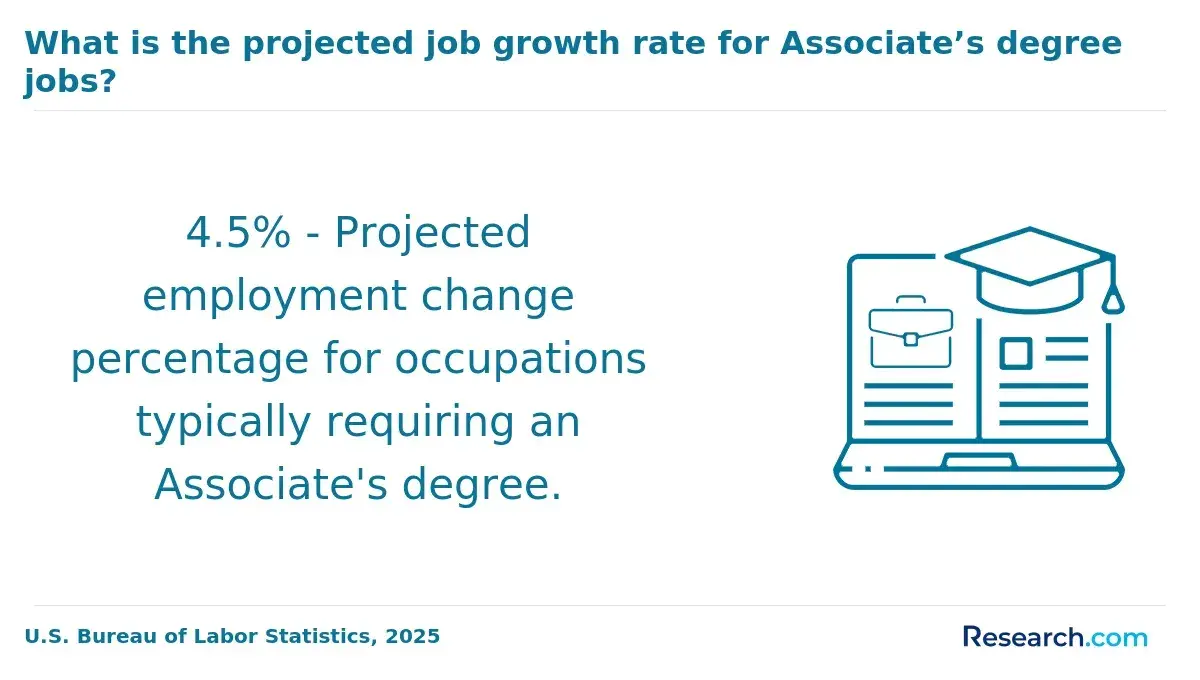
Cost Differences: Tuition for online economics bachelor's degrees ranges from $40,000 to $60,000, based on data from the National Center for Education Statistics. In contrast, associate degrees typically cost between $15,000 and $20,000, while professional certificates are often available for under $5,000.
Salary Comparisons: According to the Bureau of Labor Statistics, median annual wages for bachelor's-level economics roles are about $74,000. Those holding associate degrees earn roughly $45,000 per year, and certificate holders generally make less than $40,000.
Short-Term Investment: Certificates and associate degrees require less time and lower initial expenses, making them appealing for individuals needing a quick return on investment or immediate entry into the job market. These credentials can boost employability and income faster than entering the workforce without credentials, reducing financial risks.
Long-Term Gains: A bachelor's degree tends to lead to higher lifetime earnings and improved career advancement opportunities. The Lumina Foundation highlights its role in enhancing job stability and promoting progression within economics-related fields.
Decision Framework:For individuals prioritizing budget constraints or fast employment, starting with a certificate or associate degree may be more practical, providing quicker financial returns while limiting debt.Those targeting mid- to senior-level positions or specialized economic roles are likely to benefit more from investing in a bachelor's degree, despite the higher upfront cost.
Non-Financial Returns: Beyond salary, bachelor's degrees often offer richer professional growth, better networking, and access to competitive roles, advantages less commonly associated with certificates or associate degrees.
Which Online Economics Specializations or Concentrations Yield the Highest Earning Potential After Graduation?
Specializing within an online economics bachelor's program can significantly influence salary outcomes, according to data from the Bureau of Labor Statistics (BLS) and higher education research. Graduates with targeted skills often command higher median salaries compared to general economics majors, enhancing their return on investment (ROI).
- Financial Economics: Focuses on investment analysis, banking, and portfolio management. Median salaries average around $90,000, offering a 15-25% salary premium over general economics graduates. Careers in financial analysis or advising dominate this track with relatively low additional certification costs.
- Econometrics and Data Analysis: Emphasizes quantitative methods and software proficiency (e.g., Stata, R). Median earnings typically exceed $85,000. This specialization benefits from strong market demand with minimal extra expenses in certification, making it an efficient path for those prioritizing swift ROI.
- International Economics: Leads to roles in trade analysis, policy advising, and international development. Median salaries range $60,000 to $80,000. Some positions may require further certification or advanced degrees, increasing the time and financial investment before reaching full earning potential.
- Behavioral Economics: Combines psychology with economic theory to study decision-making. Salaries begin around $70,000, with opportunities in marketing and consulting. Emerging certifications and short courses may improve credentials but potentially extend time-to-ROI.
- Public Policy and Economic Consulting: Graduates often join government or consulting firms with median incomes near $75,000. Licensure or policy analysis certification can boost job security and advancement, though they add modest costs.
Choosing the right specialization requires balancing potential salary gains with any necessary additional investment in certification or education. Financial economics and econometrics stand out for those seeking strong earnings with limited extra costs, while international economics and public policy offer broader career avenues at the expense of longer preparation. Evaluating these factors against your prior experience and goals will help optimize your economics degree's financial and professional value.
How Do Employer Tuition Reimbursement and Financial Aid Reduce the Net Cost of an Online Economics Bachelor's Degree?
Employer tuition reimbursement programs can play a crucial role in lowering the out-of-pocket costs for students pursuing an online economics bachelor's degree. Many U.S. employers offer tax-free educational assistance of up to $5,250 per calendar year under IRS Section 127, which directly offsets tuition expenses.
According to the Society for Human Resource Management (SHRM), nearly 55% of employers include such tuition reimbursement in their employee benefits. These programs allow working professionals to reduce the immediate financial burden of tuition while advancing their education and careers.
In addition to employer tuition reimbursement programs for online economics degrees, students often qualify for federal and institutional financial aid that further lowers the net cost. Federal Pell Grants, merit-based scholarships, and subsidized loans provide substantial financial relief.
Pell Grants offer need-based funding that can cover thousands annually, while many colleges present scholarships specifically aimed at online learners. Subsidized federal loans prevent interest accumulation while students remain enrolled, decreasing long-term debt pressures.
Consider a student with an annual tuition of $15,000. If their employer reimburses $5,250 and they receive a Pell Grant of $4,000 plus a $2,000 institutional scholarship, the net tuition is reduced to $3,750. This approach combines employer benefits and financial aid to cut the overall cost by 75%, making degree completion realistic even on a limited budget. For professionals seeking to enhance their qualifications, exploring the best certifications for jobs alongside a degree can further improve career flexibility and financial outcomes.
- Employer Support: Employer tuition reimbursement programs provide up to $5,250 tax-free annually under IRS Section 127, lessening out-of-pocket tuition costs for working professionals pursuing an economics degree.
- Financial Aid Availability: Federal grants, scholarships, and subsidized loans are widely accessible and can substantially reduce net tuition fees by addressing financial need and rewarding academic merit.
- Combined Impact: Coordinating employer benefits with federal and institutional aid can lower degree expenses to about one-quarter of the sticker price, increasing affordability for first-generation college students and career changers.
What Hidden Costs Should Students Factor Into the Total Investment of an Online Economics Bachelor's Degree?
Calculating the return on investment (ROI) for an online economics bachelor's degree involves more than tuition costs. Many students overlook additional expenses that can substantially increase the total financial commitment and delay their break-even timeline.
Technology fees, commonly charged annually between $200 and $1,000, cover access to online learning platforms and technical support. Proctoring services for exams add $30 to $50 per test, accumulating across multiple courses, while graduation fees typically range from $100 to $300 to cover diploma processing and commencement activities.
Course-specific software licenses, such as those for Stata or SPSS, may cost $100 to $300 per year. Additionally, memberships in professional organizations like the American Economic Association-though optional-can enhance networking and career development but add $50 to $200 annually. These hidden costs, frequently excluded from published tuition figures, often total $1,000 to $3,000 per year based on College Board and institutional data.
Students budgeting for an online economics degree should carefully consider these additional expenses in their total cost considerations for online economics students. These costs increase the overall investment and lengthen the time before higher earnings offset the degree's costs.
Prospective students should always request a comprehensive cost-of-attendance breakdown-including all fees and ancillary costs-before enrolling. For those considering easy certifications to get alongside or after their degree, understanding this complete financial picture is key for informed planning.
- Technology Fees: Annual fees ranging from $200 to $1,000 cover essential access to online platforms and technical support, increasing overall program costs beyond tuition.
- Proctoring and Graduation Fees: Paid proctoring for online exams costs $30 to $50 per test, and graduation fees of $100 to $300 cover diploma processing and ceremonies.
- Software Licenses: Specialized statistical software required in economics courses can cost up to $300 annually, necessitating budgeting separate from tuition.
- Professional Memberships: Optional associations enhance career prospects but add $50 to $200 yearly, often overlooked in cost estimates.
- Impact on Break-Even: Hidden expenses increase investment totals, extending the time before graduates recoup costs via higher salaries and career advancement.
How Does the Accreditation Status of an Online Economics Program Affect Graduate Salary and Employability?
Regional accreditation signifies that an online economics program meets rigorous academic standards recognized nationwide, while programmatic accreditation evaluates specific fields but may lack broad acceptance. Employers favor degrees from regionally accredited schools, associating them with quality education and preparedness.
According to surveys by the National Association of Colleges and Employers (NACE), hiring managers show clear preference for candidates with regionally accredited credentials, leading to stronger salary negotiations and enhanced job prospects.
Graduates from programs with only national accreditation or lacking accreditation often face restricted opportunities-including limited access to licensure exams, graduate programs, and roles in government or healthcare sectors that require verified credentials. These limitations can reduce earning potential and career mobility.
Prospective students should confirm accreditation status by consulting the U.S. Department of Education's accreditation database and the Council for Higher Education Accreditation (CHEA) before enrolling to ensure their investment supports future goals.
- Regional vs Programmatic Accreditation: Regional accreditation covers overall institutional quality, widely accepted by employers and schools, while programmatic accreditation targets specific disciplines with narrower recognition.
- Effect on Employability and Salaries: Degrees from regionally accredited schools typically yield higher starting salaries and better job placement due to employer trust in the program's rigor.
- Hiring Manager Preferences: NACE data reveals many recruiters prioritize candidates from regionally accredited institutions, viewing them as better prepared and credible.
- Licensing and Graduate School Access: Non-accredited programs may block eligibility for licensure exams and advanced degrees, particularly impacting healthcare and government careers.
- Verification Recommendations: Use official accreditation databases from the U.S. Department of Education and CHEA to verify program status before financial or academic commitment.
What Entry-Level Job Titles and Salary Ranges Are Available to Graduates of Online Economics Bachelor's Programs?
Graduates with an online economics bachelor's degree often start their careers in roles across finance, government, technology, and healthcare, each offering distinct entry-level salary ranges. These salaries influence the timeframe for recovering education costs.
- Financial Analyst: Starting salaries typically range from $55,000 to $70,000, especially in finance and tech sectors. Credentials like CFA and relevant internships can increase starting pay.
- Market Research Analyst: Entry pay between $50,000 and $65,000 is common, with healthcare and consumer goods industries offering competitive wages, particularly for those skilled in data analytics.
- Economic Consultant: Salaries from $60,000 to $75,000 are standard in government and private consulting, with specialized areas like environmental economics fetching higher salaries.
- Data Analyst: Entry-level wages generally range from $50,000 to $68,000, with higher offers in startups and tech companies. Programming and visualization skills boost earning potential.
- Budget Analyst: Median starting pay falls between $55,000 and $67,000, often elevated in nonprofits and government roles; experience with budgeting tools helps.
- Actuarial Analyst: Typically begins between $60,000 and $75,000 in insurance and finance; passing initial actuarial exams accelerates salary growth.
- Policy Analyst: Entry salaries near $50,000 to $65,000 are offered in government and education sectors. Advanced degrees and internships improve prospects.
- Financial Planner: Starting pay ranges from $50,000 to $68,000, rising with certifications like CFP and client experience mainly within finance and insurance industries.
These positions illustrate varied career pathways for economics graduates. Targeted internships, certifications, and specialized fields enhance starting salaries and speed return on investment. Evaluating these factors helps graduates align their education with professional and financial goals, balancing cost with career growth and job stability.
What Graduates Say About the Return on Investment of Their Online Economics Bachelor's Degree
- Cade: "Choosing the online economics bachelor's degree was a strategic decision for me after carefully evaluating its ROI compared to the tuition cost. Not only did it offer a flexible schedule that fit my full-time job, but it also opened doors to career advancement opportunities I hadn't anticipated. The financial gains coupled with increased job security have made the investment more than worthwhile."
- Mohamed: "Pursuing the online economics degree changed my perspective on education and investment. Beyond the clear financial return, the program provided invaluable skills that enhanced my critical thinking and data analysis, which employers highly value. This non-financial return has translated directly into professional growth and a stronger resume in a competitive job market."
- Axel: "From a professional standpoint, earning an online economics bachelor's degree significantly boosted my career trajectory. The ROI was clear not just in salary increases but also in the respect and credibility gained within my industry. This program allowed me to balance learning with work, making the financial and personal rewards all the more satisfying."
Other Things You Should Know About Economics Degrees
Typically, graduates of online economics bachelor's programs see a return on investment within about five to seven years after entering the workforce. This period depends on factors like tuition costs, scholarships, and the graduate's starting salary. Salaries for economics majors tend to be above average, which helps reduce the payback time despite the initial expenses.
Geographic location plays a significant role in salary differences, with urban areas and regions with a high cost of living generally offering higher pay. Additionally, industry sectors such as finance, consulting, and technology typically provide better salaries to economics graduates compared to education or government roles. These variations impact the overall return on investment by influencing post-graduation income.
In 2027, employer surveys and labor market data help identify sectors with high demand for economics graduates, revealing potential salary benefits. However, their relevance is limited for ROI calculation due to diverse factors affecting individual outcomes, including specific programs and courses.
Prospective students can use cost-benefit analysis tools by comparing total program costs-including tuition, fees, and potential lost income-to expected salary increases after graduation. These tools factor in variables such as graduation rates, average starting salaries, and loan interest. Using this data helps students identify programs offering the best financial return relative to their personal and professional goals.
References
- The Truth About ‘Free’ and Low-Cost Online Colleges: Catches and Hidden Costs to Consider https://www.investopedia.com/the-truth-about-free-online-colleges-catches-and-hidden-costs-to-consider-11789310
- Associate degrees and certificates are more valuable than you may think https://fordhaminstitute.org/national/commentary/associate-degrees-and-certificates-are-more-valuable-you-may-think
- Breaking Down Educational Costs: Private, Public, and Social Perspectives - Distance Learning Institute https://distancelearning.institute/economic-perspective/educational-costs-private-public-social-perspectives/
- Employer-offered educational assistance programs can help pay for college | Internal Revenue Service https://www.irs.gov/newsroom/employer-offered-educational-assistance-programs-can-help-pay-for-college
- Online College Cost Analysis: The Ultimate Degree Expense Breakdown https://www.onlinecolleges.me/resources/cost-of-online-college-degree/
- Studying Economics Increases Wages a Lot - Marginal REVOLUTION https://marginalrevolution.com/marginalrevolution/2020/10/studying-economics-increases-wages-a-lot.html
- What can economists expect to earn in different fields? https://www.aeaweb.org/resources/students/careers/earnings
- 10 college degrees with the best return on investment https://qz.com/college-degrees-highest-best-return-on-investment
- Cost of Online College vs. Traditional | Champlain College Online https://online.champlain.edu/blog/cost-of-online-education-vs-traditional-education
- 2025 Most Affordable Online Bachelor's Degrees https://www.onlineu.com/most-affordable-colleges/bachelors-degrees