
2027 Online Digital Audiences Master's Programs With University Scholarships: Awards, Eligibility & Tuition After Aid

Co-Founder and Chief Data Scientist
University scholarships can materially change the cost of an online Digital Audiences master's, but award rules often differ by program, enrollment status, and residency. College Board reported average 2024-25 graduate tuition and fees of $12,596 for in-state students at public four-year institutions and $29,920 at private nonprofit institutions.
This guide is for prospective and current online students who need to compare scholarship opportunities, estimate tuition after aid, understand eligibility, and build a funding strategy that limits borrowing.
Key Things to Know About Digital Audiences Master's Programs with Scholarships
- Online Digital Audiences master's students may qualify for institutional merit awards, need-based grants, federal Direct Unsubsidized Loans, employer tuition assistance, and external scholarships, but availability is determined by each university rather than by the degree title alone.
- For 2024-25, average graduate tuition and fees were $12,596 at public four-year institutions for in-state students and $29,920 at private nonprofit institutions; a scholarship's value depends on whether it applies to tuition only or also reduces mandatory fees.
- Prioritize schools that provide a written aid offer, state whether online enrollment is eligible, disclose renewal standards, and show the total estimated cost after grants and scholarships rather than advertising only a headline award.
What online Digital Audiences master's programs offer university scholarships?
"Digital Audiences" is used differently across universities. It may describe a standalone digital audience strategy program or a concentration within communication, media, marketing, analytics, public relations, journalism, or digital media. Because of that variation, applicants should search both the exact program name and the graduate school's broader scholarship catalog.
Some online programs administer scholarships centrally through a graduate college, while others leave awards to the academic department. A school may admit online students but reserve certain departmental awards for campus-based students, so admission alone is not proof of scholarship eligibility. Applicants considering creative audience-development pathways can also compare related graphic design degree online options when their intended work combines content design, engagement, and platform strategy.
The comparison below shows how to assess scholarship access without assuming that a university-wide scholarship automatically applies to a particular online program.
| Program or school feature | What to verify before applying | Why it affects the decision |
| Standalone digital audience strategy master's | Whether the program lists online students as eligible for graduate or departmental scholarships | Specialized programs may have fewer program-specific awards but may still use university-wide merit funds |
| Online communication or digital media master's with audience-focused coursework | Whether scholarships cover distance learners and part-time enrollment | Broader programs can offer more scholarship pools, but awards may be competitive across multiple concentrations |
| Marketing or analytics master's with audience intelligence coursework | Whether awards are automatic at admission or require a separate application | An automatic merit review reduces application burden but may not allow students to explain financial need or professional achievements |
| Public university online program | Resident and nonresident tuition, institutional grants, and state-residency restrictions | Lower base tuition can make a smaller scholarship more valuable than a larger award at a higher-priced school |
Start with the program admissions page, then contact financial aid and the graduate coordinator using the exact program name. Ask for a current list of awards open to online master's students, the prior year's typical award range if the school can disclose it, and whether an award can be renewed.
What is the average tuition for Digital Audiences master's programs before aid?
There is no national tuition average limited solely to Digital Audiences master's programs, so the best benchmark is graduate tuition by institution type. College Board's 2024-25 figures place average tuition and fees at $12,596 for in-state graduate students at public four-year institutions, $22,430 for out-of-state students at those institutions, and $29,920 at private nonprofit four-year institutions.
These are broad benchmarks, not price quotes for a specific online program. A Digital Audiences degree may be priced per credit, use a flat online rate, or charge separate technology, student-service, graduation, and course-material fees. Compare the published total program cost, not only the per-credit figure. Students evaluating a management-focused alternative may also compare the shortest MBA options, but should weigh curriculum fit and total cost rather than program length alone.
This example illustrates how the same scholarship can produce very different net tuition outcomes at different starting prices.
| Illustrative tuition before aid | University scholarship | Estimated tuition after scholarship | Interpretation |
| $15,000 | $3,000 | $12,000 | A modest award reduces the listed tuition by one-fifth before fees and other aid are considered |
| $30,000 | $3,000 | $27,000 | The same award has less effect on affordability when the starting price is higher |
| $30,000 | $15,000 | $15,000 | A large award can make a higher-priced program competitive, but renewal conditions matter |
For an accurate estimate, subtract grants and scholarships that are confirmed in writing from direct billed tuition and mandatory fees. Then separately budget for books, software, equipment, commuting for any residency, and lost earnings if reducing work hours.
What types of financial aid and scholarships are available for Digital Audiences master's programs?
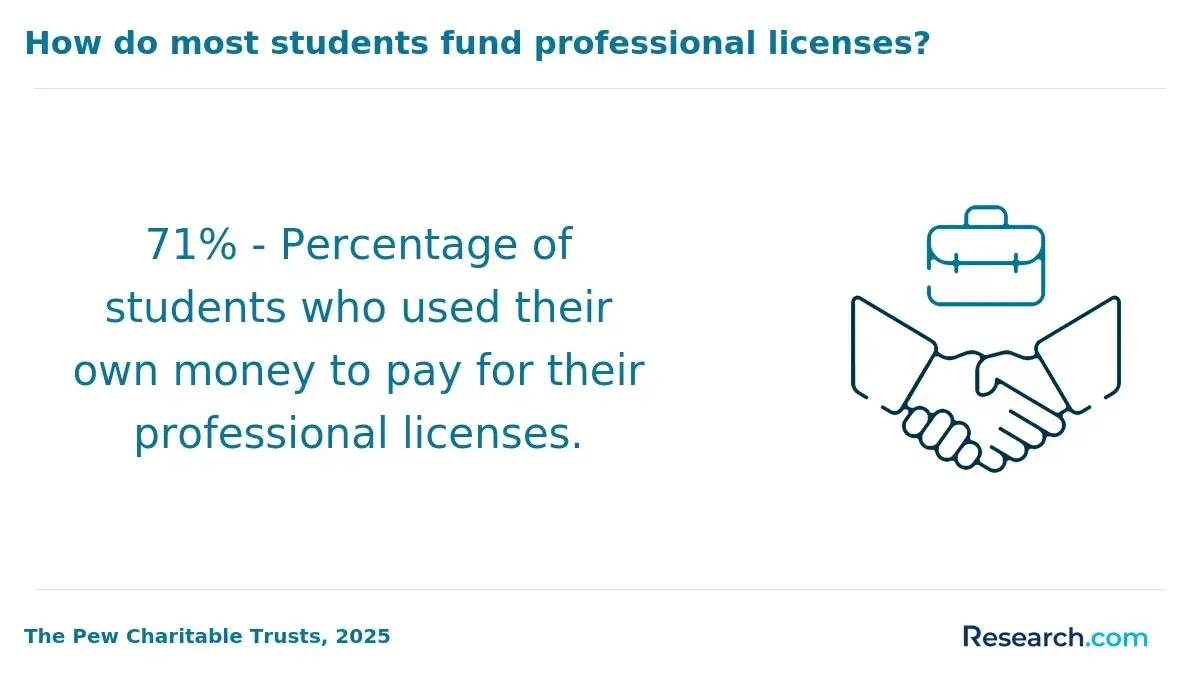
Most students use a funding mix rather than one "full scholarship." Scholarships and grants generally do not require repayment when the recipient meets the terms; loans do. Graduate students should submit the Free Application for Federal Student Aid even when they expect a merit award because the FAFSA can determine eligibility for federal loans, work-study where available, and some institutional need-based aid.
The options below differ in selectivity, repayment obligations, and usefulness for working online students.
| Funding source | Typical basis for selection | Repayment expectation | Best use case |
| University merit scholarship | Academic record, professional accomplishments, portfolio, leadership, or admissions strength | No, if terms are met | Applicants with a strong academic and professional profile |
| Need-based institutional grant | Demonstrated financial need, often using FAFSA information | No, if terms are met | Students whose documented resources do not cover educational costs |
| Departmental scholarship | Field alignment, faculty review, portfolio, research, or career goals | No, if terms are met | Students with relevant media, analytics, content, or audience-engagement experience |
| Employer tuition assistance | Employment status and employer policy | Usually no, but a work commitment may apply | Working professionals whose studies support their present role |
| Federal Direct Unsubsidized Loan | FAFSA and enrollment requirements | Yes | Closing a remaining, carefully budgeted funding gap |
Assistantships can be valuable at some universities, but they are less common and sometimes unavailable to fully online students because the work may require campus presence. Avoid assuming an assistantship will be offered unless it is explicitly listed for the online program.
How much do Digital Audiences master's scholarships typically cover?
Digital Audiences master's scholarships commonly function as partial tuition discounts rather than full-cost awards. Universities set their own amounts, and many publish eligibility without publishing a standard award value because funding, applicant quality, enrollment level, and annual budgets affect the offer.
Use the award's actual terms to judge coverage. A $5,000 tuition scholarship has a different practical value in a $16,000 program than in a $40,000 program, and neither figure necessarily includes fees, books, or living costs.
When comparing offers, calculate the remaining direct cost using this sequence:
- Confirm total required tuition and mandatory fees for the entire degree, including any online or program fees.
- Subtract scholarships and grants that are guaranteed in the written aid offer.
- Separate renewable awards from one-time awards and calculate each academic year independently.
- Subtract employer benefits only after confirming reimbursement timing, grade requirements, and any employment commitment.
- Use loans only for the remaining gap after reviewing interest, origination fees, and likely repayment obligations.
A "full tuition" scholarship may still leave non-tuition charges, while a full-cost award is designed to address a broader cost-of-attendance budget. Ask the financial aid office which definition applies rather than relying on promotional wording.
Who is eligible for Digital Audiences master's scholarships?
Eligibility is scholarship-specific. Common requirements include admission to an eligible degree, minimum enrollment, satisfactory academic progress, a stated grade-point average, a completed application, and - in need-based programs - financial information through the FAFSA. Some awards limit eligibility by residency, citizenship or eligible noncitizen status, employer affiliation, identity-based criteria, professional background, or field of study.
Merit applicants should present evidence that directly supports digital audience work: campaign results, analytics projects, editorial strategy, social platform management, community engagement, research, design work, or leadership. A portfolio need not be visually elaborate; it should make the applicant's role, methods, and results easy to understand.
Check these conditions before investing time in an application:
- Whether fully online and part-time students are eligible, since some awards require campus attendance or full-time enrollment.
- Whether the scholarship is available to newly admitted students, continuing students, or both.
- Whether international students, nondegree students, certificate students, or students receiving employer support are excluded.
- Whether a FAFSA, separate scholarship form, nomination, recommendation, portfolio, or interview is required.
- Whether the scholarship is automatically reviewed at admission or has an earlier priority deadline.
Applicants without a high undergraduate GPA should not assume they are ineligible for every award. They should emphasize recent academic performance, relevant work outcomes, strong recommendations, and program-specific fit, while also pursuing external scholarships and employer funding.
What is the application process for Digital Audiences master's scholarships?
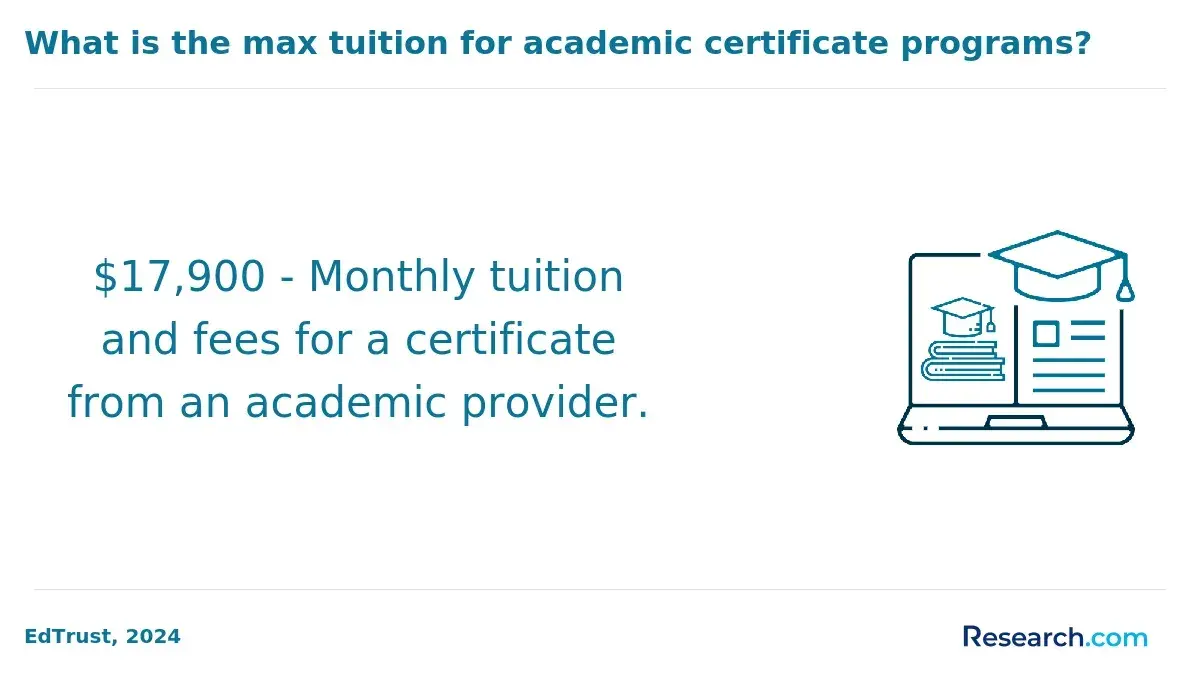
The scholarship process usually begins before admission is finalized. Many institutions review admitted applicants automatically for merit aid, but others require a separate portal application after the admission application is submitted. Missing the scholarship priority date can remove an otherwise qualified applicant from consideration.
Build a simple application calendar with program deadlines, FAFSA milestones, departmental deadlines, decision dates, and renewal dates. The following sequence prevents the most common timing errors.
- Create a shortlist of accredited programs and request confirmation that online Digital Audiences students can receive each identified award.
- Submit the admissions application early enough to meet scholarship priority consideration, not merely the final admissions deadline.
- File the FAFSA when federal or institutional need-based aid may be relevant, following the school's instructions for the correct aid year.
- Prepare a concise résumé, transcript, recommendation requests, personal statement, and a portfolio or work samples if required.
- Tailor each statement to the award's criteria by connecting your experience and career plan to audience research, engagement, content, analytics, or digital strategy.
- Review the written award notice for amount, disbursement schedule, enrollment requirement, renewal standard, and restrictions before accepting.
- Appeal or request reconsideration if circumstances changed or a competing offer materially improves your options, using documentation and a respectful, specific request.
A common mistake is treating the admission essay as the scholarship essay. Reuse core facts, but answer the scholarship's stated selection criteria directly and quantify relevant outcomes where you can substantiate them.
Do online Digital Audiences students qualify for the same aid as on-campus students?
Sometimes, but not automatically. Online students at an accredited, eligible institution can generally be considered for federal student aid when they meet federal and school requirements. University scholarships, assistantships, work-study roles, and fee waivers are governed by institutional rules and may distinguish among online, hybrid, campus-based, full-time, and part-time students.
Do not infer eligibility from a university's overall online reputation. Ask whether the specific scholarship is open to students in the online delivery format and whether any on-campus residency affects eligibility. Program accreditation also matters where a profession requires it, although CACREP is a counseling standard and does not evaluate Digital Audiences programs.
Online students should request answers in writing to these questions before enrolling:
- Is my program code eligible for this scholarship and for federal aid?
- Does eligibility change if I take fewer credits in a term?
- Are online-specific fees covered by the award?
- Can distance learners apply for graduate assistantships, fellowships, or emergency grants?
- Will a required in-person residency create travel costs that are not covered by the scholarship?
For many working professionals, online eligibility is most useful when combined with employer reimbursement and a flexible course load. Students seeking assistantships or substantial living-cost support may find campus-based programs offer a different funding profile.
Can Digital Audiences master's students combine multiple scholarships and grants?
Students can often combine university scholarships, external scholarships, grants, savings, and employer assistance, but the total cannot exceed institutional limits or the school's cost-of-attendance rules. External awards can sometimes reduce loans first, but a university may revise another aid component after receiving the outside scholarship.
Stacking smaller awards can be an effective strategy when no full scholarship is available. It also creates administrative work: every donor may have different payment timing, enrollment rules, reporting requirements, and tax treatment. Students comparing a Digital Audiences master's with other career-oriented credentials can review degrees you can get online that pay well as part of a broader cost-and-career comparison.
Before accepting multiple awards, confirm the following with financial aid and each sponsor:
- Whether the combined assistance changes institutional grants, loans, or payment plans.
- Whether each award is restricted to tuition or may be used for fees, books, software, or other education expenses.
- Whether employer reimbursement is paid upfront or only after successful course completion.
- Whether each scholarship is taxable under the student's circumstances; a qualified tax professional can provide individualized advice.
- Whether award funds must be reported to the university before disbursement.
The main red flag is accepting an award without understanding its interaction with other aid. A written revised aid estimate is more useful than verbal assurances about "stackability."
What are the requirements to maintain scholarship status in Digital Audiences master's programs?
Renewable scholarships usually require satisfactory academic progress and may add a minimum cumulative GPA, continuous enrollment, a minimum credit load, timely degree progress, good disciplinary standing, or annual renewal paperwork. Requirements vary widely, so the award letter and scholarship agreement control.
Students should distinguish between a scholarship that is renewed automatically after meeting academic standards and one that requires an annual application. A one-time award should not be included in a second-year budget unless the university confirms renewal.
Use these practices to protect funding throughout the degree:
- Save the award letter and record the required GPA, credit load, renewal date, and number of covered terms.
- Check with financial aid before withdrawing, taking a leave, changing programs, dropping below a credit threshold, or repeating a course.
- Monitor grades before the end of each term and use academic support early if performance could fall below the required standard.
- Report changes in employer benefits, external awards, residency, or financial circumstances when the institution requires disclosure.
- Request clarification promptly if an aid portal shows a different amount from the written scholarship agreement.
If academic or personal circumstances threaten eligibility, contact the scholarship office before the deadline. Some schools have appeal processes, but reinstatement is not guaranteed and typically requires documentation.
What tips can help Digital Audiences master's students secure more scholarship funding?
Strong applicants treat scholarship funding as part of program selection, not as an afterthought after admission. Compare net price, award certainty, renewal rules, program fit, schedule flexibility, and employer support together. A lower scholarship at a lower-cost school can be financially preferable to a larger but nonrenewable discount elsewhere.
Applicants whose goals overlap with analytics, automation, personalization, or audience measurement can strengthen their program rationale through relevant technical preparation. Reviewing AI degree programs may help identify complementary skills, but applicants should choose coursework because it fits their intended role rather than because it appears trendy.
These actions tend to make a scholarship search more disciplined and competitive:
- Apply by priority deadlines and submit separate departmental applications even when an admissions application receives automatic merit review.
- Request recommendations from people who can describe specific outcomes, such as audience growth, campaign analysis, editorial judgment, research quality, or cross-functional collaboration.
- Use a targeted portfolio that explains your contribution, the audience problem, the approach, and verifiable results without disclosing confidential employer information.
- Ask your employer's human resources team about tuition reimbursement, professional-development budgets, grade thresholds, and repayment clauses before choosing a program.
- Ask each university for a full-program cost estimate and compare renewable aid over the expected completion timeline.
- Apply to multiple eligible scholarships, including external awards from professional associations, community organizations, and employers, instead of relying on one large award.
Avoid red flags such as scholarship offers that require an immediate payment, lack written terms, promise guaranteed funding, or are not administered through a verifiable university or established sponsor. Legitimate aid should clearly identify eligibility, amount, conditions, and payment process.
Other Things You Should Know About Digital Audiences
Not necessarily. Compare total tuition and required fees after renewable aid, the expected completion time, course flexibility, curriculum fit, and employer support. The largest headline award may still leave a higher net cost than a lower-priced alternative.
Usually, university scholarships apply to tuition first, but rules differ. Some awards may be used for qualified education expenses, while others are restricted to tuition. Confirm the restriction in the award terms before budgeting.
Contact the financial aid office promptly and ask about professional judgment, institutional grant reconsideration, emergency funds, or payment-plan options. Provide concise documentation of the change and ask whether revised aid is available.
Tax treatment depends on how funds are used and the student's circumstances. Scholarship amounts used for qualified tuition and required course materials may be treated differently from funds used for living expenses. Keep records and consult a qualified tax professional for advice specific to your situation.
References
- Scholarships for Online Grad School | OEDb.org https://www.oedb.org/graduate-scholarship/
- Financial Aid For Online Colleges https://www.affordablecollegesonline.org/financial-aid/financial-aid-for-online-colleges/
- Different types of scholarship opportunities https://www.citizensbank.com/student/articles/different-types-scholarship-opportunities.aspx
- The Three Types Of Scholarships https://www.themathergroup.com/insights/the-three-types-of-scholarships
- Best Online Digital Marketing Master's Degrees | Ranking https://www.collegeconsensus.com/rankings/online-digital-marketing-masters/
- Funding Your Online Master's Degree: How to Pay Less with Financial Aid https://www.onlinemastersdegrees.org/financial-aid/
- Private vs. Public Colleges: Differences, Pros & Cons https://collegewise.com/blog/private-vs.-public-colleges-differences
- Master of Arts in Digital Media Strategy https://www.bridgewater.edu/academics/divisions/communication-studies-theatre/master-of-arts-in-digital-media-strategy/
- Grad School Application Deadlines https://www.collegeessayguy.com/blog/grad-school-application-deadlines
- Digital Privacy Scholarship https://accessscholarships.com/scholarship/digital-privacy-scholarship/





