2027 Online Criminology Bachelor's Degrees for Adults Over 30
Audited and Verified:
Our Editorial and Data Verification Process
Research.com uses government datasets, official education statistics and primary institutional information to support its career and degree guides. Our review process checks factual accuracy, occupational definitions, source dates and the requirements associated with the credentials discussed.
How This Article Was Fact-Checked
Our editorial team verifies salary estimates, employment projections, education requirements and program information against original data providers and official organizations. Salary figures are checked against the relevant occupational definitions and reporting periods. Information about licensure, accreditation and required in-person training is reviewed separately.
Fact-checked and verified on:

Co-Founder and Chief Data Scientist
Adults over 30 often juggle careers, family, and other responsibilities while contemplating higher education. Many seek a criminology bachelor's degree to pivot careers or enhance job stability in a growing field. In fact, the Bureau of Labor Statistics projects a 6% growth in criminal justice jobs through 2030, underscoring rising opportunities.
Online programs offer crucial flexibility for time management and allow learners to apply life experience directly to coursework. This article examines how online criminology bachelor's degrees serve adults over 30, detailing strategies and program features that help balance commitments and achieve academic and career success.
Key Benefits of Online Criminology Bachelor's Degrees for Adults Over 30
- Online criminology bachelor's programs offer flexible scheduling, allowing adults over 30 to study at their own pace while managing work and family commitments.
- These degrees enhance career advancement, with 65% of graduates reporting improved job prospects in law enforcement, social services, or legal fields.
- Balancing education with personal and professional responsibilities is feasible due to asynchronous classes and accessible digital resources tailored for adult learners.
Is 30 too old to start a criminology bachelor's degree?
Starting a criminology bachelor's degree at age 30 is increasingly common and entirely feasible. Higher education has become more accessible to diverse populations, including those who begin their studies later in life. The growing presence of adult learners in undergraduate programs reflects a shift in student demographics that values experience and maturity alongside traditional academic readiness.
Many institutions recognize the unique strengths adult learners bring to their studies, creating a more inclusive environment for people starting their education at a different stage.
Colleges and universities support adult learners starting criminology degree later in life by fostering inclusive, structured environments that accommodate various academic and life backgrounds. Broad academic pathways allow students to engage with essential criminology concepts while offering flexibility in course selection to suit different interests and goals.
These support systems emphasize accessibility and tailored resources, helping mature students integrate their distinct perspectives into their educational journey. For those exploring their options, researching easy masters programs might also provide insight into continuing education beyond the bachelor's level.
Why do adults over 30 choose online degree programs?
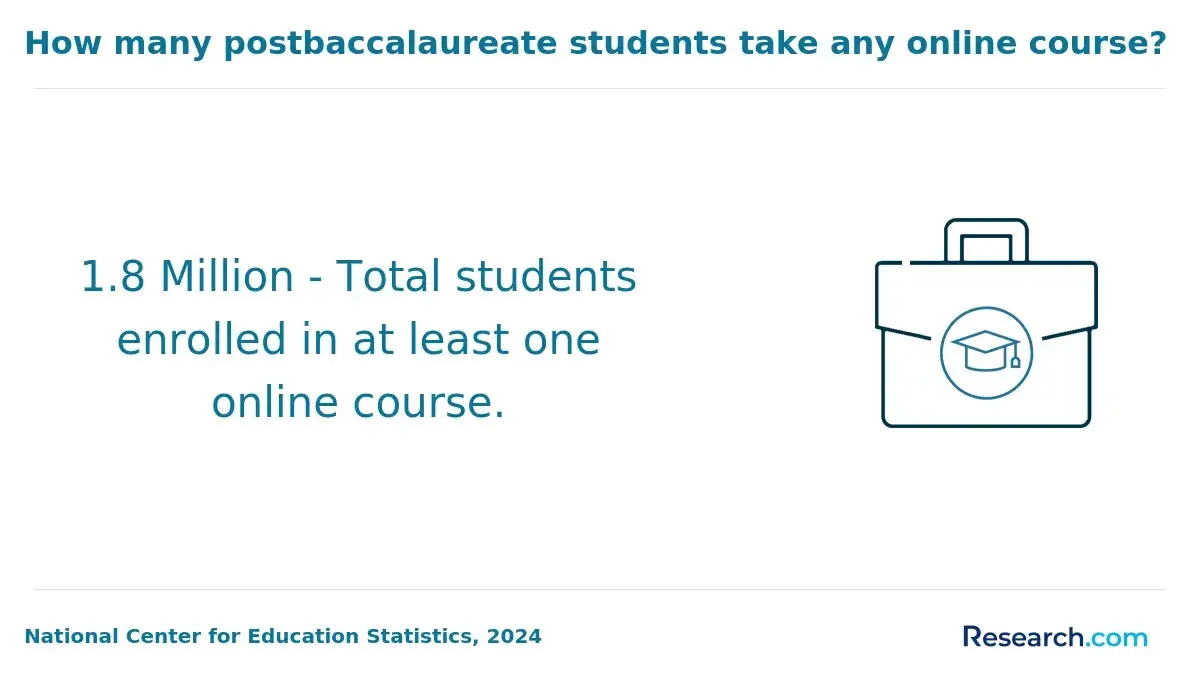
Many adults over 30 pursue online criminology bachelor's degrees to balance life responsibilities with professional growth. According to the National Center for Education Statistics, over one-third of students enrolled solely in online higher education courses are aged 25 or older, reflecting the growing presence of adult learners in these programs.
Several important factors influence this choice, including:
- Career Advancement: Adults often seek flexible criminology bachelor's programs for adult learners that allow them to upgrade skills or switch career paths without interrupting their current jobs. This flexibility supports continued professional development and long-term goals.
- Schedule Flexibility: Balancing work, family, and education is crucial, and online options provide adults over 30 with the flexibility they need to study on their own time.
- Geographic Accessibility: Many find the benefits of online criminology degrees for adults over 30 attractive because programs are accessible regardless of location, especially for those living far from institutions offering specialized curricula.
- Skill Development: Adults seek to acquire up-to-date knowledge in areas such as criminal justice systems and forensic analysis to remain competitive in evolving job markets.
- Program Credibility: Improvements in the quality and reputation of online criminology programs give adults confidence that their education meets recognized standards similar to traditional formats.
Students interested in related fields might also consider exploring options like affordable online masters in psychology, which can complement criminology studies and career goals.
What challenges do adults over 30 face in online criminology programs?
Adults over 30 who pursue an online criminology bachelor's degree often seek to enhance their education or shift careers, but returning to school after time away presents distinct hurdles. These challenges can affect their academic performance and overall experience.
Common obstacles these learners face include:
- Academic Adjustment: Re-entering an academic setting means refreshing research skills, critical thinking, and writing techniques that may not have been used recently. This adjustment can create anxiety while relearning the expectations of criminology coursework.
- Time Management: Adults often balance work, family, and community roles alongside studies. Juggling these responsibilities requires strong organization to meet deadlines and avoid burnout during demanding study periods.
- Technology Learning Curve: Many online programs require proficiency with digital platforms and virtual tools. Gaining comfort with new software can be time-consuming and occasionally frustrating for those less familiar with technology.
- Role Balancing: Managing multiple identities such as employee, parent, and student simultaneously can affect motivation and energy. This balancing act sometimes leads to fatigue or diminished focus on academic tasks.
One professional who completed an online criminology program after turning 30 shared his experience, noting that "it wasn't just the coursework; it was mastering the online systems and staying disciplined amid everything else going on in my life."
He explained how adapting to virtual classrooms initially felt overwhelming, particularly when "technical glitches" interrupted study sessions. Moreover, he emphasized how important it was to establish routines and set boundaries to keep motivation strong while managing family and job demands. His journey underscored that perseverance and adjusting expectations were key to succeeding as a mature online learner.
Flexibility in online criminology bachelor's degrees allows adults over 30 to balance education with work, family, and other commitments by offering adaptable scheduling options. Nearly 40% of online higher education students fall into this age group, highlighting the rising demand for adult learner-friendly online criminology programs.
These programs provide various scheduling formats to accommodate different lifestyles, including:
- Asynchronous Classes: Students can access lectures and complete assignments anytime, enabling maximum schedule freedom without the constraints of set class times.
- Evening and Weekend Courses: Classes offered outside traditional working hours support those who maintain standard day jobs, making it easier to attend live sessions or deadlines.
- Accelerated Pacing: Motivated learners have the option to complete coursework faster than usual, helping them achieve their degree in a shorter time frame.
- Self-Paced Enrollment: This model lets students move through course material independently, advancing at their own speed without strict deadlines, which is ideal for balancing multiple priorities.
Such flexibility makes online criminology degrees practical for adults seeking to continue education, similar to how other flexible programs like an online LMFT program cater to busy learners.
Adults over 30 enrolled in online criminology bachelor's degree programs often dedicate between 15 and 20 hours weekly to their studies, though this can vary depending on whether they are full-time or part-time students. Many learners balance coursework with job responsibilities and family, using flexible schedules and breaking study sessions into manageable chunks.
Programs designed with asynchronous elements allow these students to study at their own pace, accommodating fluctuating demands in their daily lives. Research indicates online undergraduates typically spend about 3 to 5 hours per credit hour each week, which helps guide students in estimating their time commitments while adjusting course loads accordingly.
When asked about her study habits, an adult learner in her thirties pursuing an online criminology degree shared that managing time was initially daunting. She recalled, "Finding quiet moments late at night or early mornings became essential." Although juggling job and family demands was stressful, she found breaking her work into focused, shorter intervals helped maintain consistency.
Reflecting on the experience, she noted that adapting to unexpected life events while sticking to a flexible study routine was key to progressing steadily, showing how perseverance and thoughtful planning intersect in adult online learning.
Adults over 30 pursuing an online criminology bachelor's degree typically finish in about four years if attending full-time, but the duration can vary widely depending on personal circumstances. Some learners complete their degree in as little as two years, while others may take six years or more.
The time it takes to earn a criminology degree depends on several important factors including course load, program flexibility, transfer credits, and enrollment consistency. Key considerations include:
- Course Load: Taking a full-time schedule of 12 to 15 credit hours each semester usually speeds up graduation. Part-time enrollment stretches out completion as students balance school with work and family duties.
- Pacing Flexibility: Many online programs allow students to progress at their own pace. Self-paced formats accommodate busy adults by letting them adjust study speed, which may either shorten or extend the overall timeline.
- Transfer Credits: Applying previous college credits, military training, or certifications can reduce the number of required courses. The acceptance of these credits varies between institutions, impacting how quickly students can graduate.
- Continuous Enrollment: Students who remain enrolled each term without breaks tend to finish faster. Interruptions due to personal or financial reasons often delay degree completion.
- Degree Requirements: Specific program demands, including internships or specialized courses, also affect how long it takes to earn the degree, sometimes adding extra time to satisfy these components.
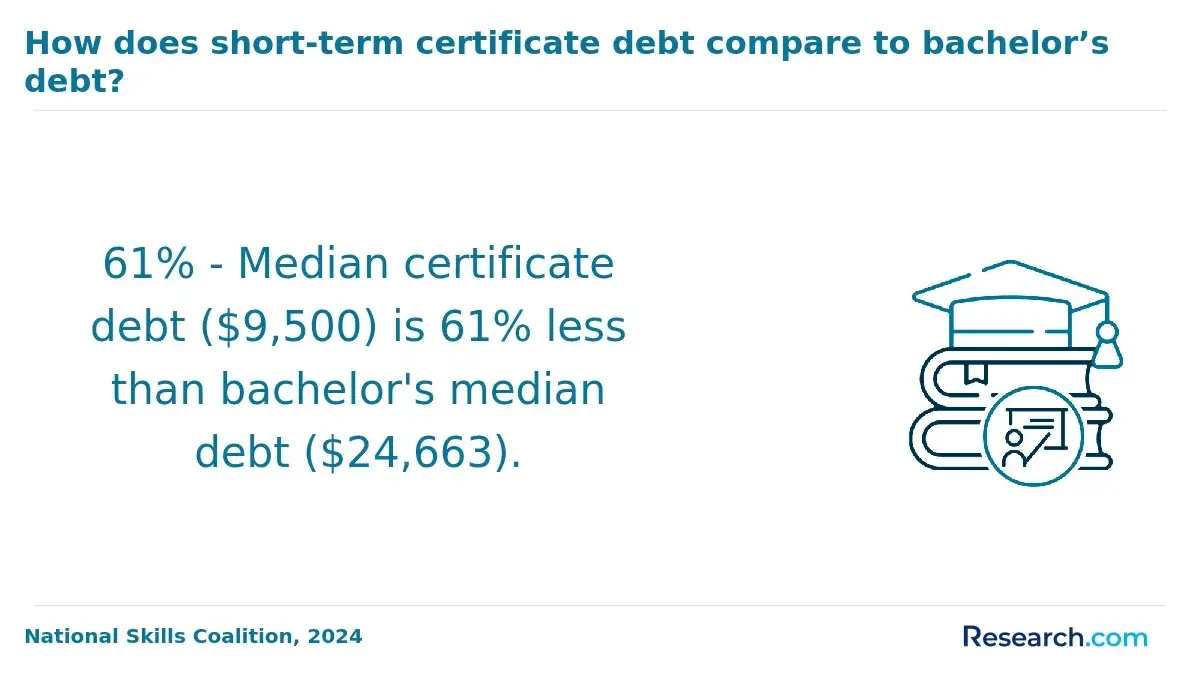
Online criminology bachelor's degrees for adults over 30 typically charge tuition per credit hour, with the total cost averaging between $20,000 and $60,000 depending on the program and institution. Many learners pay around $400 to $600 per credit, which accumulates based on the number of credits required to graduate.
Several key cost factors influence the overall price of these programs:
- Tuition Structure: Most programs use a per-credit tuition model, allowing students to pay only for the courses they take. This flexibility benefits adult learners who may enroll part-time and spread costs over a longer period.
- Additional Fees: Beyond tuition, students often encounter technology fees, application charges, and variations between in-state and out-of-state tuition rates, which can increase the total expense by several hundred dollars.
- Learning Materials: Textbooks and software contribute to costs, although many institutions are adopting digital resources that are either included or more affordable, easing this financial burden.
- Financial Considerations: Adults balancing education with work and family might extend their timelines, increasing costs. Flexible payment plans, financial aid options, and employer tuition reimbursement can help reduce out-of-pocket expenses.
Nearly 40% of undergraduate online learners are aged 30 or older, highlighting the need for online criminology bachelor's programs tailored to adult students. Programs designed for adults over 30 often balance rigorous academics with the flexibility necessary for those managing work and family responsibilities.
Key features that make an online criminology bachelor's program adult-friendly include:
- Flexible Scheduling: Many flexible online criminology degrees for students over 30 offer asynchronous classes, allowing learners to study lectures, complete readings, and submit assignments at convenient times. This flexibility supports adults juggling professional and personal commitments without compromising educational quality.
- Accessible Course Delivery: Adult learners benefit from organized, clear, and interactive content that supports various learning styles. Programs using multimedia tools such as videos, podcasts, and discussion boards enhance engagement and improve comprehension, aligning with how many adult students prefer to learn.
- Support Services: Comprehensive advising, career counseling, and dedicated technical support address the unique challenges adult students face. Personalized guidance helps learners stay on track and overcome obstacles related to balancing education with other life demands.
- Recognition of Prior Experience: Adaptable learning environments that grant credit for prior work or life experience can accelerate degree completion and reduce costs. This approach respects the professional skills and knowledge adult learners bring to their education.
For adults interested in finding affordable options in related fields, exploring the cheapest masters in counseling online may offer valuable insights into flexible and supportive online graduate programs.
Earning a criminology bachelor's degree after age 30 can open valuable opportunities across public safety, social services, and justice sectors. Employment in protective service occupations is projected to grow by 5% from 2022 to 2032, indicating steady demand for professionals skilled in criminal behavior and legal frameworks. Many adults returning to education bring life experience that enhances their application of criminology theories in practical settings.
For adults exploring criminology degree career options for adults over 30, here are some promising roles:
- Probation Officer: Probation officers supervise offenders sentenced to probation rather than incarceration, focusing on rehabilitation and compliance. A criminology degree provides essential insights into criminal patterns and social influences that impact behavior.
- Crime Analyst: Crime analysts gather and interpret crime data to identify patterns and help law enforcement allocate resources effectively. This role demands strong analytical skills grounded in criminology research methods and theory.
- Correctional Treatment Specialist: These specialists design and implement inmate rehabilitation programs aimed at lowering recidivism rates. Their success depends on understanding offender psychology and the legal environment affecting corrections.
- Victim Advocate: Victim advocates assist individuals impacted by crime by guiding them through legal processes and connecting them with resources. Knowledge from a criminology degree supports trauma-informed care and victim rights awareness.
- Law Enforcement Officer: Graduates often pursue careers in law enforcement, where their degree enhances investigative skills, criminal justice policy knowledge, and community engagement.
Mature students seeking the best jobs with a criminology bachelor's degree can explore flexible pathways, including online options. Programs such as the ASHA online SLP programs illustrate how adult learners can balance education with other commitments while advancing their careers.
When hiring candidates with an online criminology bachelor's degree, age is generally not a decisive factor. Employers prioritize skills, relevant qualifications, and professional experience over how old an applicant might be.
The workforce has grown to appreciate diverse age representation, with around 38% of workers aged 45 and older according to data from the U.S. Bureau of Labor Statistics. This trend shows an increasing openness to hiring non-traditional and older graduates, especially when they bring updated knowledge and practical expertise.
Ongoing education, such as pursuing an online criminology degree later in life, is often seen as a testament to dedication and adaptability-traits valued by many employers. Rather than focusing on age, hiring managers emphasize certifications, internship experience, and abilities like critical thinking and ethical judgment.
Continual skill development signals motivation and resilience, which can enhance a candidate's appeal in a field that values both competence and ethical standards.
What Graduates Say About Online Criminology Bachelor's Degrees for Adults Over 30
- Kayden: "Deciding to pursue an online criminology bachelor's degree after turning 30 was initially intimidating, but it allowed me to balance family commitments while advancing my education. The flexibility of online courses helped me manage my time effectively despite a demanding job. Earning this degree has opened doors to leadership roles in law enforcement that I hadn't anticipated before."
- Cannon: "Going back to school for criminology in my thirties meant confronting doubts about fitting in with younger classmates and managing work-study-life balance. However, the mature perspective I brought to discussions enriched my learning experience, and the structured curriculum online made it easier to stay on track. Ultimately, the degree transformed my career by providing the credentials needed to shift into criminal justice consulting."
- Nolan: "At over 30, studying criminology online was a conscious choice to change career paths and pursue a passion I had long put aside. Despite initial challenges with self-discipline and online interaction, the program's real-world focus and supportive faculty made the journey rewarding. Completing the degree has significantly enhanced my professional credibility in forensic analysis and helped me achieve new career goals."
Other Things You Should Know About Criminology Degrees
Accreditation is critical for any criminology program, and many reputable online bachelor's degrees for adults over 30 hold regional or national accreditation. It ensures that the curriculum meets academic standards and that credits are transferable. Prospective students should always verify the institution's accreditation before enrolling.
Some online criminology bachelor's programs offer internship or practicum opportunities designed to fit adult learners' schedules. These experiences provide practical insights into the criminal justice field and may be completed locally or through partner organizations. However, availability varies by program, so checking specific program details is recommended.
Yes. Many accredited programs accept transfer credit, CLEP/DSST exam credit, and prior learning assessments for approved military training or work experience. Schools usually cap total transfer credit at 90 semester hours in a 120-hour degree, and many require a minimum 30 credits earned at the institution.
- Breaking Barriers: Issues Encountered by Criminology Students in Science-Related Subjects - International Journal of Research and Innovation in Applied Science (IJRIAS) https://rsisinternational.org/journals/ijrias/articles/breaking-barriers-issues-encountered-by-criminology-students-in-science-related-subjects/
- Online Criminology Degree - B.A. in Criminology https://online.ben.edu/programs/undergraduate/criminology-bachelors/
- Criminology Degree Online https://www.snhu.edu/online-degrees/bachelors/bs-in-criminal-justice/criminology
- Common Problems Encountered by Criminology Students in the Implementation of Online Classes https://mseuf.edu.ph/research/read/1470
- Client Challenge https://www.scribd.com/document/656732677/CHAPTERS-1-2-3-AVY
- The 7 biggest challenges for students in online colleges https://lcps.org.uk/online-colleges/
- Should I Get My Bachelor’s Degree in Criminal Justice Online? | CSU Global https://csuglobal.edu/blog/should-i-get-my-bachelors-degree-criminal-justice-online
- AU – Careers Available to Graduates with A BA in Criminal Justice https://online.aurora.edu/program-resources/careers-for-a-bachelors-in-criminal-justice/