2027 Can You Get a Criminology Bachelor's Degree After 30?
Audited and Verified:
Our Editorial and Data Verification Process
Research.com uses government datasets, official education statistics and primary institutional information to support its career and degree guides. Our review process checks factual accuracy, occupational definitions, source dates and the requirements associated with the credentials discussed.
How This Article Was Fact-Checked
Our editorial team verifies salary estimates, employment projections, education requirements and program information against original data providers and official organizations. Salary figures are checked against the relevant occupational definitions and reporting periods. Information about licensure, accreditation and required in-person training is reviewed separately.
Fact-checked and verified on:

Co-Founder and Chief Data Scientist
Imagine juggling family commitments, a full-time job, and the desire to earn a criminology bachelor's degree after 30. This challenge often deters adults from pursuing higher education due to fears of time constraints and financial burdens.
Yet, a 2022 study shows over 40% of criminology students are now aged 30 or older, reflecting growing opportunities for mature learners. Understanding flexible program formats and credit transfer options can make this goal attainable.
This article explores the unique pathways, challenges, and strategies for adults seeking a criminology degree later in life, aiming to guide readers toward informed, confident choices.
Key Things to Know About Getting a Criminology Bachelor's Degree After 30
- Admission to criminology programs after 30 typically requires a high school diploma or GED, with many schools offering credit for prior learning or military experience to accelerate completion.
- Balancing family and studies is critical—part-time, online, and hybrid programs provide flexibility, while financial aid, employer tuition assistance, and scholarships help manage costs.
- Graduates over 30 see strong long-term earnings growth—adult learners report a 20% higher ROI due to focused career goals and relevant work experience combined with degree credentials.
Can You Really Get a Criminology Bachelor's Degree After 30?
Recent data from the National Center for Education Statistics (NCES) shows a notable rise in adults aged 25 and older enrolling in bachelor's programs-including those pursuing a criminology bachelor's degree for adults over 30. Returning to college after 30 is not only achievable but increasingly common, with many institutions redesigning curricula to meet the needs of adult learners.
As more adults seek flexible and accelerated learning paths, understanding the key factors influencing their success is essential. This article covers time commitment, financial investment, career impact, program types, and support systems, offering a clear and realistic overview for prospective students.
- Enrollment Trends: Adults over 25 contribute to a growing share of undergraduate enrollment, reflecting a widespread recognition that earning a criminology degree later in life remains a viable way to pivot careers or advance professionally.
- Flexible Programs: Colleges now provide part-time, evening, and online criminology courses designed to accommodate working professionals, parents, and veterans by fitting education around their existing commitments.
- Time Management: Balancing school with personal and professional responsibilities is challenging, but options like prior learning credit and accelerated formats can shorten time-to-degree completion.
- Financial Considerations: Scholarships, employer tuition assistance, and federal aid help adult learners manage costs, and exploring options such as BCBA accredited programs online can also provide affordable pathways.
- Career Outcomes: Graduates with a criminology degree often find doors open to careers in law enforcement, social work, and criminal justice, where employers value the life experience adult learners bring.
Adults over 30 pursuing a criminology bachelor's degree for adults over 30 form a motivated community supported by tailored programs and resources, proving that earning a valued credential later in life is entirely within reach.
Why Are More Adults Over 30 Pursuing a Criminology Bachelor's Degree?
More adults over 30 are pursuing a criminology bachelor's degree today than ever before, a shift documented by longitudinal data from the Lumina Foundation, the National Center for Education Statistics (NCES), and the American Council for Education (ACE).
This trend reflects broader changes in adult education and workforce dynamics, where returning to school is a crucial step for career changers, military veterans, and parents reentering the workforce seeking flexible, credentialed pathways.
The factors driving this rise among adult learners pursuing criminology bachelor's degree programs are varied and impactful:
- Career Transitions: Adults in their 30s and beyond often choose criminology to shift into law enforcement, forensic science, or social justice-fields requiring robust academic credentials.
- Employer Tuition Benefits: Many companies offer tuition reimbursement or assistance, reducing financial burdens and encouraging degree completion while working.
- Layoffs and Economic Uncertainty: Workforce disruptions from the pandemic have prompted adults to seek new qualifications offering job security and better wages in criminology-related careers.
- Increased Online Program Availability: Expansion of online criminology degrees provides needed flexibility for balancing education with work and family obligations.
- Wage Premiums Tied to Credential Attainment: Adults with criminology degrees typically earn higher wages over time, reinforcing the value of completing the degree.
Post-pandemic labor market shifts have made criminology more accessible and appealing for adults over 30, supported by enhanced educational systems offering prior learning assessments and accelerated pathways tailored to adult responsibilities.
For those considering advanced studies, options like a doctorate in organizational leadership can further expand career opportunities beyond the bachelor's level.
What Are the Most Common Challenges Adults Over 30 Face When Pursuing a Criminology Degree?
Pursuing a criminology degree after 30 can open new career opportunities, but it often requires navigating challenges that go beyond academics. Many adult learners must balance education with work, family responsibilities, and financial obligations while readjusting to a structured learning environment.
Recognizing these common barriers—and the support systems available—can help returning students stay on track and make steady progress toward their goals.
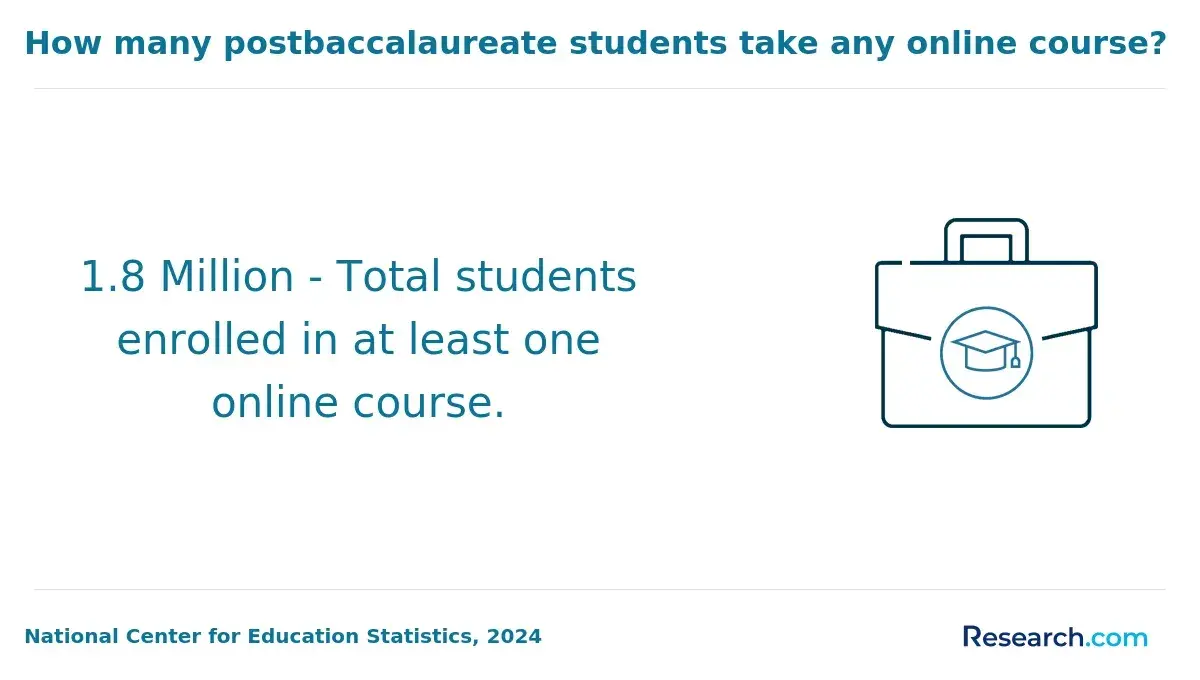
- Time Constraints: Adults over 30 pursuing criminology degrees often balance demanding work schedules, family care, and home responsibilities. Research from the Bill & Melinda Gates Foundation reveals that these overlapping obligations limit available study time, complicating consistent academic engagement and sometimes causing pauses or delays in degree progress. Flexible class schedules and online learning options can help overcome this hurdle.
- Financial Pressures: Higher education costs remain a notable barrier for adult learners who often manage mortgages, childcare, or other expenses. Complete College America reports many adults temporarily halt their studies due to financial challenges. However, opportunities such as scholarships, employer tuition aid, and adult learner-specific financial support can ease these strains.
- Technology Gaps: Returning students may struggle with new digital platforms and academic software, creating early setbacks and diminished confidence. Many schools mitigate this by offering orientation programs and technical assistance tailored to those less familiar with current educational technology.
- Imposter Syndrome: Self-doubt about academic ability is common among adults reentering education after long breaks, sometimes reducing classroom participation or persistence. Counseling and peer networks are effective in fostering confidence and affirming learners' skills.
- Academic Bureaucracy: Navigating registration, credit transfers, and degree requirements is often complex for transfer and veteran students. Proactive advising and clear institutional communication are essential to simplify these processes and encourage steady progress.
A professional who enrolled in a criminology bachelor's degree after 30 shared that managing work and family "felt like juggling without dropping anything." Despite initial struggles with campus technology and the maze of credit evaluations, he noted, "Having advisors who understood adult learners made a huge difference."
Over time, peer support helped him overcome self-doubt, with one mentor reminding him that "returning to school after years away is a strength, not a weakness." His experience underscores that these challenges are common but surmountable with targeted resources and perseverance.
Adult learners pursuing the best criminology bachelor's degree programs for adult learners have several flexible formats tailored to fit their unique schedules and goals.
- Fully Online: Offering complete scheduling freedom with no campus visits, these programs—like those from Arizona State Online—support students balancing work and family through asynchronous classes and digital resources.
- Hybrid: These blend remote learning with occasional in-person sessions, ideal for those seeking flexibility but valuing some face-to-face engagement.
- Evening and Weekend On-Campus: Suited for working adults near campus, these courses meet outside regular work hours, fostering direct interaction but requiring physical attendance.
- Competency-Based Education (CBE): Institutions such as WGU provide CBE, emphasizing skill mastery over time spent, enabling faster completion for students with relevant experience and emphasizing self-paced study.
- Accelerated Cohort Models: These fast-track, group-based programs deliver structured pacing and peer support, appealing to learners wanting to finish quickly with consistent timelines.
Choosing the right format depends on lifestyle, learning preferences, and career timelines. Hybrid and evening/weekend options offer a balance between flexibility and personal connection, while fully online and CBE formats prioritize rapid, convenient pathways.
Those seeking a comprehensive view of affordable options might also explore the cheapest construction management degree as a comparative benchmark for cost-effective, flexible adult education.
Adults pursuing a criminology bachelor's degree after age 30 often experience varied timelines influenced by enrollment status and prior academic credits. Full-time learners without existing credits generally complete their studies in about four years.
In contrast, part-time students-who frequently balance work and family-may take six years or more. Flexible programs offering online or accelerated courses help adult students manage commitments while progressing steadily.
Prior learning assessments (PLA), including CLEP exams and military credit transfers, significantly reduce degree duration by up to two years. These options allow adults with relevant professional or military experience to earn academic credits without retaking foundational classes, effectively accelerating their path.
Approximately 45% of adult learners used some form of credit recognition in 2023, a testament to its growing effectiveness.
Estimating your completion timeline starts with evaluating transferred credits and PLA eligibility. Balancing weekly study hours with program demands will help determine whether full-time or part-time enrollment is most feasible. Tailoring a graduation plan to your unique situation enhances both motivation and success.
- Enrollment Impact: Full-time study generally takes four years; part-time study can extend beyond six years, reflecting students' external responsibilities.
- Credit Recognition: Prior learning and transfer credits can shorten degree completion by one or two years, especially benefiting those with military or occupational experience.
- Flexible Formats: Online and accelerated courses accommodate adult learners juggling family and work commitments.
- PLA Utilization: Nearly half of adult students apply CLEP and similar assessments to reduce the study timeline.
- Customized Planning: Aligning current credits and available weekly hours with program requirements is key to a realistic graduation timetable.
A professional who completed her criminology degree after 30 reflected on the journey's challenges: "Balancing night shifts and family time made full-time study impossible, so I chose part-time with evening classes."
She found transferring military credits crucial, saying, "Being able to apply years of real-world experience saved me from repeating basics and kept me motivated."
Though the timeline extended longer than younger peers', she valued the personalization of her studies and later remarked, "It wasn't just about finishing faster but doing it on terms that fit my life—and that made the achievement profoundly rewarding."
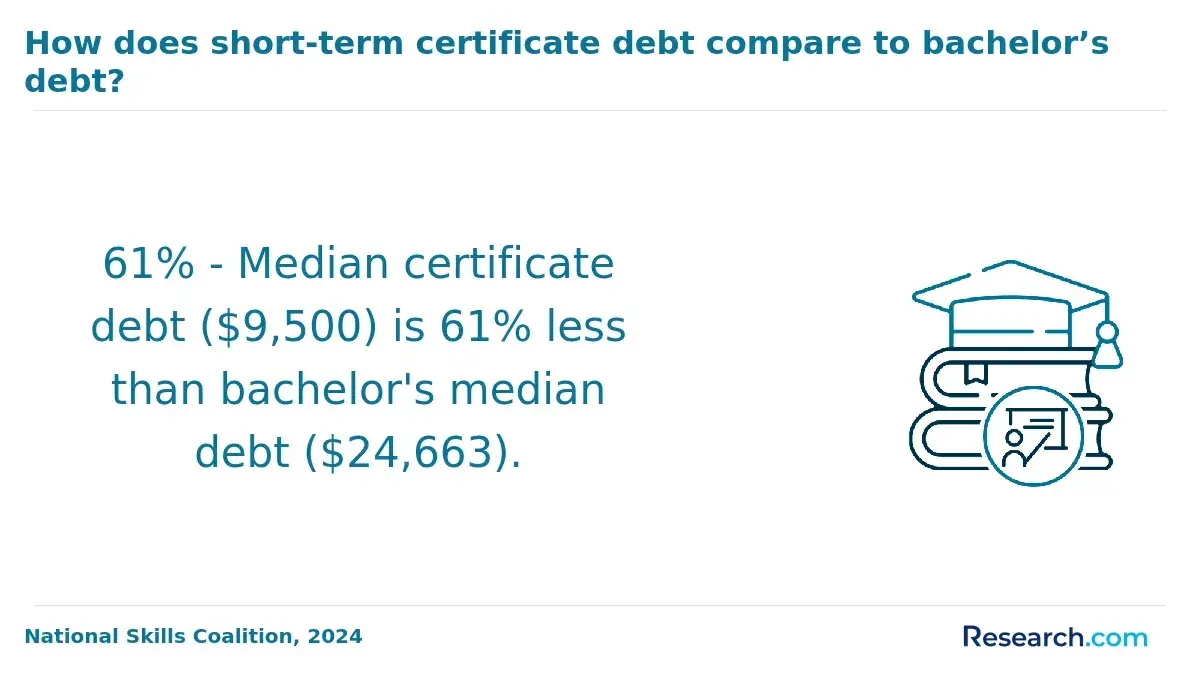
Adults over 30 pursuing a criminology bachelor's degree have access to various funding sources—federal financial aid, employer assistance, state grants, scholarships, and income-share agreements (ISAs) among them.
The Free Application for Federal Student Aid (FAFSA) remains the key to unlocking federal aid programs. Contrary to the myth that financial aid targets only traditional students, over 40% of Pell Grant recipients are age 25 or older, confirming that adult learners are well within eligibility guidelines.
- Federal Financial Aid: Pell Grants offer need-based support with no repayment obligation, complemented by subsidized and unsubsidized federal loans featuring flexible repayment plans. Completing FAFSA early each academic year can maximize aid opportunities.
- Employer Tuition Assistance: Many organizations, especially in government, public safety, and corporate sectors, provide tuition reimbursement. These programs often cover partial or full costs but may require employees to stay with the company for a designated period.
- State Adult Learner Grants: Several states specifically award grants to adult students returning to college, which can substantially lower education expenses.
- Scholarships from Criminology Associations: Numerous professional bodies dedicated to criminology and criminal justice offer merit-based scholarships recognizing academic excellence and commitment.
- Income-Share Agreements: ISAs present an alternative repayment model where students pay a percentage of their future income for a set timeframe, easing upfront financial burdens.
Tuition costs vary widely—public institutions generally charge less than private ones, while online programs often provide greater affordability and flexibility, appealing to working adults balancing commitments.
To optimize financial aid before borrowing, adult students should:
- Submit FAFSA promptly each year
- Investigate employer tuition benefits and state-specific grants
- Apply early for scholarships
- Compare program costs and delivery formats
- Understand loan and ISA repayment conditions
Enrollment in online criminology programs is growing, reflecting a trend toward flexible, affordable education tailored for adult learners reentering the workforce.
Employers consistently value a regionally accredited criminology bachelor's degree, whether earned before or after age 30. Surveys from the Society for Human Resource Management (SHRM) and the National Association of Colleges and Employers (NACE) confirm that hiring managers focus on the credential itself—not the graduate's age or time taken to complete the degree.
This makes the degree particularly powerful for adult learners initiating career changes or reentering the workforce.
- Employer Respect: Hiring managers prioritize qualifications and proven skills over age, recognizing that adult learners often bring professional maturity, real-world experience, and perseverance—qualities that enhance workplace performance.
- Industry Requirements: Bachelor's degrees serve as a non-negotiable employment threshold in sectors like law enforcement, corrections, and forensic analysis.
- In these fields, earning a degree after 30 holds the same value as obtaining it earlier, since the focus is on meeting formal credential standards.
- Resume and Credentialing: Credential verification reflects only the degree and accrediting institution; the graduate's age or duration of study is irrelevant, ensuring equal opportunity upon presentation of an accredited degree.
- Workforce Trend: LinkedIn Workforce Insights reports an 18% growth in professionals over 30 entering criminology-related roles recently, reflecting increased employer acceptance and expanding opportunities for adult learners.
This research-grounded insight provides reassurance to career changers, military veterans, transfer students, and parents pursuing criminology degrees later in life—empowering confident decision-making around earning a valuable credential.
Adult learners with prior work experience credited in criminology bachelor's degree programs can often accelerate their education by converting professional knowledge into academic credits. Many universities recognize the value of criminology-relevant careers and offer several pathways to shorten degree time.
- Prior Learning Assessment (PLA): PLA enables students to earn college credit for skills gained outside traditional classrooms. Through portfolio assessments or interviews, learners document their professional experience in fields such as law enforcement or forensic science. Institutions typically grant between 6 and 30 credit hours, depending on program policies and evaluated depth of expertise.
- Portfolio Evaluation: This component of PLA involves compiling detailed portfolios showcasing competencies in areas like criminal justice procedures or forensic analysis. Admissions staff use these portfolios to holistically evaluate non-traditional applicants, turning their work history into academic strengths rather than gaps.
- CLEP and DSST Exams: Exams like the College-Level Examination Program (CLEP) and DANTES Subject Standardized Tests (DSST) offer college credit for existing knowledge in sociology, psychology, or law enforcement fundamentals. Passing these exams can reduce criminology coursework by 3 to 12 credits per exam, speeding up degree completion.
- ACE-Recommended Credit for Professional Certifications: The American Council on Education (ACE) evaluates certifications and military training for academic credit recommendations. Popular certifications in law enforcement and corrections often translate into 15 to 30 credit hours, according to CAEL data.
Admissions offices at institutions with strong PLA processes emphasize clear connections between applicants' prior criminology work experience and degree requirements. Applicants are encouraged to submit detailed resumes, reference letters, and competency statements to demonstrate their suitability.
This adult learner recognition of professional experience in criminology degrees especially benefits career changers, veterans, and parents seeking efficient, accelerated pathways.
By leveraging these credit conversion mechanisms, students can significantly shorten their time to degree completion and reduce tuition costs, making a career pivot into criminology more accessible.
For more options related to flexible learning, adult learners might also explore programs like online masters in communications that accommodate complex life obligations.
Admission requirements for criminology bachelor's programs often reflect the unique needs of adult learners, particularly those over 30, by balancing academic standards with recognition of life and work experience.
Many institutions look for a minimum GPA around 2.0 to 2.5 from any prior college coursework, though some allow conditional admission or probationary status for those with weaker academic histories.
Adult applicants frequently benefit from standardized test waivers—most schools routinely waive SAT or ACT requirements for students over 25, thus lowering barriers for experienced learners.
- GPA: Typical minimum expectations fall between 2.0 and 2.5; conditional admission or academic renewal policies may support those with earlier low grades.
- Standardized Tests: Waivers are common for adult students, especially those 25 or older, acknowledging professional experience and maturity in lieu of test scores.
- Letters of Recommendation: Usually required, these often emphasize references from supervisors or academic mentors who can attest to the applicant's motivation and aptitude for criminology studies.
- Personal Statement: Serves as a critical element for applicants to convey their readiness, goals, and unique qualifications for success in the program.
- Residency and Transfer Credits: Generous transfer policies frequently apply-accepting previous college credits or military training-to accelerate degree completion for adult learners.
- Academic Renewal and Conditional Admission: Policies may allow grade forgiveness or conditional enrollment with progress monitoring, enabling students to rebuild their academic record.
- Open or Rolling Admissions: Many programs catering to adult learners offer flexible, year-round application cycles, contrasting with the strict deadlines of traditional selective undergraduate programs.
Adult students should carefully evaluate their academic history and personal circumstances to identify criminology bachelor's programs that prioritize flexibility and prior experience, often facilitating the fastest paths to credentialing. Those interested in related fields may also explore ASHA accredited SLP programs for alternate career routes.
Balancing caregiving duties and full-time jobs often extends the length of criminology degrees for adult learners over 30. Financial pressures related to supporting dependents may push many toward part-time study, which research from the Institute for Women's Policy Research and the Pell Institute links to lower completion rates without sufficient support systems.
Effective time management methods frequently cited include constructing weekly plans that carve out study periods during lower-demand family or work hours. Tools like the Pomodoro technique—working in focused bursts separated by breaks—are proven to enhance concentration and minimize fatigue.
Flexible work arrangements from employers, such as adjusted hours or remote options, are key to sustaining consistent study habits. Emotional and practical backing from spouses or family members significantly contributes to persistence, while institutional resources like campus childcare and emergency financial aid reduce common barriers for student-parents.
Prospective students should evaluate their personal support networks prior to enrollment and actively engage their school's adult learner services to explore available accommodations and targeted assistance.
- Caregiving Impact: Responsibilities caring for dependents limit available study time, often prolonging degree completion and increasing the chance of withdrawal without adequate help.
- Workplace Flexibility: Supportive employer policies-like flexible schedules-allow adult learners to maintain study consistency and reduce stress.
- Time Management: Structured weekly plans and techniques such as the Pomodoro method boost productivity and combat burnout effectively.
- Support Networks: Family cooperation and campus services, including childcare, play vital roles in enabling student success.
- Proactive Planning: Reviewing personal resources and liaising with adult learner offices enhances access to essential accommodations and support.
Research from the National Student Clearinghouse and Complete College America highlights that frequent, personalized advising-known as advising intensity-is closely linked to better completion rates for adult learners.
For those pursuing a criminology degree later in life, specific institutional supports are vital in sustaining progress through the program while managing other responsibilities.
- Dedicated Adult Learner Advisors: These advisors focus exclusively on adult students, guiding academic planning, easing the transfer credit process, and providing encouragement tailored to challenges such as balancing work, family, and study.
- Prior Learning Assessment Offices: Evaluation of professional experience, military service, or other relevant training can earn college credits, reducing time and cost-an essential benefit for veterans and career changers aiming for an expedited path.
- Evening and Weekend Tutoring: Flexible tutoring options outside regular hours accommodate adults' schedules, reinforcing criminology concepts without conflicting with daytime commitments.
- Virtual Library Access: Online databases and resources offer 24/7 availability-a critical tool for remote learners or those fitting study sessions into irregular hours.
- Career Services for Career Changers: Focused career advising supports job market transitions, helping adult learners tailor resumes and build networks relevant to criminology fields.
- Peer Networks for Non-Traditional Students: Connecting with others in similar life situations fosters motivation, moral support, and academic collaboration important for persistence.
When exploring criminology programs, inquire about these support services. Their presence strongly predicts successful degree completion for adult students over 30 and can make the difference between dropout and graduation.
What Graduates Say About Getting a Criminology Bachelor's Degree After 30
- Kayden: "Returning to study criminology after 30 was daunting, but the financial support options made it manageable-scholarships and payment plans took a lot of pressure off. The program's strong accreditation gave me confidence that my degree would be respected in the job market. Now, I'm thriving in a fulfilling career that I'm passionate about, all thanks to the solid foundation I built here."
- Cannon: "Studying criminology later in life offered me unique insights, especially since the program values real-world experience and offers excellent financial aid resources. I appreciated how the program's accreditation ensured quality education, which opened doors for me professionally. Looking back, enrolling after 30 was one of the best decisions I've made toward advancing my career."
- Nolan: "The criminology bachelor's after 30 truly reshaped my career trajectory-I found the blend of financial support and accredited curriculum invaluable. The practical knowledge I gained translated directly into opportunities in the justice system and nonprofit sectors. Reflecting on my journey, I'm grateful for the program's flexibility and professional focus that suited my goals."
Other Things You Should Know About Criminology Degrees
Yes. Most accredited criminology bachelor’s programs require a high school diploma or GED, plus official transcripts and proof of English proficiency if needed. Adults over 30 usually follow the same admissions rules as younger applicants, and some schools may also request a personal statement or prior college records.
Yes, many institutions offer accelerated criminology bachelor's programs tailored for adult learners over 30. These programs often provide credit for prior learning, including professional experience, military service, and certifications. This approach helps reduce time and cost to degree completion-making it feasible for adults balancing careers and family commitments.
Adults over 30 might face challenges such as balancing work, family commitments, and studies. Time management becomes crucial, alongside adjusting to new technology used in online courses. Financial planning is also essential to manage tuition and related expenses effectively.
Adults over 30 should prioritize programs offering flexibility, such as online coursework or evening classes, to fit their schedules. It is also important to select accredited programs that provide credit for prior experience and have strong connections to criminal justice employers. Researching program curriculum and support services ensures alignment with career goals and personal circumstances.
- Explore UM | University of Manitoba - Criminology (BA) https://umanitoba.ca/explore/programs-of-study/criminology-ba
- Applied as a mature student for criminogy degrees am I wasting my time? https://www.thestudentroom.co.uk/showthread.php
- Criminology Program Corner Brook, Trade School in Newfoundland Academy Canada https://www.academycanada.com/campus-life/blog/changing-careers-why-criminology-is-a-great-fit-for-mature-students/
- Criminology Requirements: Degree Guide https://www.northcentralcollege.edu/news/2023/02/01/criminology-requirements-degree-guide
- Admissions Requirements Criminal Justice Administration https://www.ccsu.edu/programs/criminal-justice-administration-ma/admissions-requirements-criminal-justice-administration
- Which criminology degree is right for you? https://www.surrey.ac.uk/news/which-criminology-degree-right-you
- Client Challenge https://www.scribd.com/document/689602113/BALANCING-WORK-AND-STUDY
- Criminology degree entry requirements | Minimum entry grades https://www.whatuni.com/advice/clearing/entry-requirements-to-study-a-criminology-degree/92681/
- How Long Does It Take https://www.stonehill.edu/programs/criminology-major/how-long-does-it-take/
- Explore Degrees And Colleges For Criminology https://www.criminaljusticedegreeschools.com/degrees/criminology-degree/