2027 Online Counseling Psychology Bachelor's Degree Programs With Weekly Start Dates

Co-Founder and Chief Data Scientist
Many working adults with unrelated undergraduate degrees seek a career change into counseling psychology but face scheduling conflicts with traditional semester start dates. This delay can slow their entry into a growing mental health workforce-that expands annually by 22% according to the U. S. Bureau of Labor Statistics. Online counseling psychology bachelor's degree programs with weekly start dates offer flexible enrollment, allowing continuous progress without waiting months to begin.
This article explores how these programs enable timely career transitions, outlining program features, deadlines, and benefits that help prospective students overcome barriers and enter the counseling psychology field more efficiently.
Key Benefits of Online Counseling Psychology Bachelor's Degree Programs With Weekly Start Dates
- Flexible weekly start dates accommodate working professionals and career changers, allowing enrollment without waiting for traditional semester schedules.
- Eliminates frustrating wait times by enabling students to start coursework within days of acceptance-key for those balancing personal and professional obligations.
- Offers a path to a regionally accredited counseling psychology bachelor's degree while managing existing commitments, enhancing career prospects in mental health fields.
What Are Weekly Start Dates in Online Counseling Psychology Bachelor's Programs, and How Do They Differ From Traditional Term-Based Enrollment?
Weekly start dates in online counseling psychology bachelor's degree programs offer a flexible enrollment system where students can begin classes every week instead of waiting for traditional semester start times. This approach contrasts with conventional term-based enrollment schedules that follow fixed academic calendars-usually limited to fall, spring, and sometimes summer-requiring students to adhere to predetermined start dates. Weekly or rolling start dates reduce the long waiting periods between acceptance and starting classes, giving students more control over their academic timelines and helping them avoid unnecessary delays.
Institutions such as Western Governors University and Purdue Global provide clear examples of continuous enrollment models. At these schools, students often register and start coursework on a weekly or near-weekly basis, which creates a personalized academic pace that suits the needs of working adults, caregivers, and others managing multiple responsibilities. This flexibility is especially valuable in online counseling psychology programs with rolling start dates, allowing learners to start when ready without being constrained by rigid semester systems.
The benefits of weekly enrollment in counseling psychology degrees have contributed to growing demand-these programs support career-focused adults who want to resume education in a way that fits their schedule. Many students can also maximize savings and accelerate degree completion through transfer credits and prior learning assessments. For those exploring degree options, programs like these often offer financial aid opportunities and meet rigorous accreditation standards ensuring quality education and positive career outcomes.
- Increased Flexibility: Students can enroll and start classes whenever they are ready, avoiding the rigid constraints of semester schedules.
- Reduced Waiting Periods: Eliminates delays between application and enrollment, enabling quicker progression through the program.
- Personalized Pace: Allows learners to control their academic load and timeline, which is ideal for those managing work or family responsibilities.
- Continuous Access: Supports ongoing course availability and multiple enrollment windows, fostering consistent momentum toward degree completion.
For those interested in advancing their education through flexible pathways, institutions offering weekly starts are also often competitive in tuition and provide generous transfer credit policies. Prospective students looking for online rn to bsn no clinicals programs can find similarly adaptable enrollment models at select schools, making these formats a practical choice across disciplines.
Which Accredited Institutions Offer Online Counseling Psychology Bachelor's Degree Programs With Weekly or Rolling Start Dates?
Several regionally accredited institutions offer accredited online counseling psychology bachelor's programs with rolling start dates, providing significant flexibility for working professionals and adult learners. These flexible weekly start dates for counseling psychology bachelor's degrees allow students to enroll frequently-often every week-minimizing wait times and enabling faster progress through coursework without being confined to traditional semester schedules.
- Southern New Hampshire University: Offers a Bachelor of Arts in Psychology with a counseling concentration, accredited by the New England Commission of Higher Education (NECHE). Tuition is approximately $320 per credit, with weekly enrollment allowing continuous program access and adaptable pacing.
- Capella University: Features a Bachelor of Science in Psychology with counseling-related emphasis options, accredited by the Higher Learning Commission (HLC). Tuition runs about $320 per credit, and sessions start on a rolling weekly basis for enrolled students.
- Walden University: Offers an online Bachelor of Science in Psychology emphasizing counseling techniques, also accredited by HLC. Tuition averages $340 per credit, with weekly starts designed for ongoing enrollment and flexible degree completion timelines.
- National University: Holds accreditation from the WASC Senior College and University Commission (WSCUC) and provides a Bachelor of Arts in Psychology with counseling coursework. Tuition is near $370 per credit, with nearly weekly course start options to meet immediate enrollment needs.
- Liberty University: Provides a Bachelor of Science in Psychology featuring counseling electives, accredited by the Southern Association of Colleges and Schools Commission on Colleges (SACSCOC). Tuition runs around $390 per credit, with multiple start dates monthly approximating weekly enrollment availability.
These institutions uphold rigorous regional accreditation standards, ensuring academic quality and transfer credit recognition. The availability of weekly or rolling start dates means students can begin their studies without delay-an important benefit for balancing education with work or personal commitments. Many programs accept generous transfer credits and offer prior learning assessments to accelerate degree completion and reduce overall costs. Prospective students should check with admissions offices for specific information on financial aid and the counseling psychology emphases available online. For those also interested in healthcare-related fields, courses supporting the best online nursing prerequisites can sometimes complement these degree plans.
How Do Weekly Start Dates in Online Counseling Psychology Programs Benefit Working Adults and Non-Traditional Students?
Weekly start dates in online counseling psychology bachelor's degree programs eliminate rigid scheduling obstacles that often hinder working adults and non-traditional students. Instead of waiting for traditional semester beginnings, learners can start their coursework immediately after acceptance. This reduces the time gap between deciding to pursue further education and actual enrollment, maintaining momentum and motivation.
- Flexible Scheduling: Weekly start options free students from fixed academic calendars, allowing them to balance education with work and family demands. This flexibility ensures learners can begin as soon as they feel ready without unnecessary delays.
- Higher Persistence: Studies from the National Center for Education Statistics indicate that adult students tend to stay engaged and complete degrees more often when programs accommodate their complex lives. Weekly enrollment supports continuous progress, which strengthens commitment and completion rates.
- Faster Enrollment: Immediate start opportunities minimize wait periods, enabling students to move quickly from intention to action. This supports professional growth by helping learners capitalize on educational momentum.
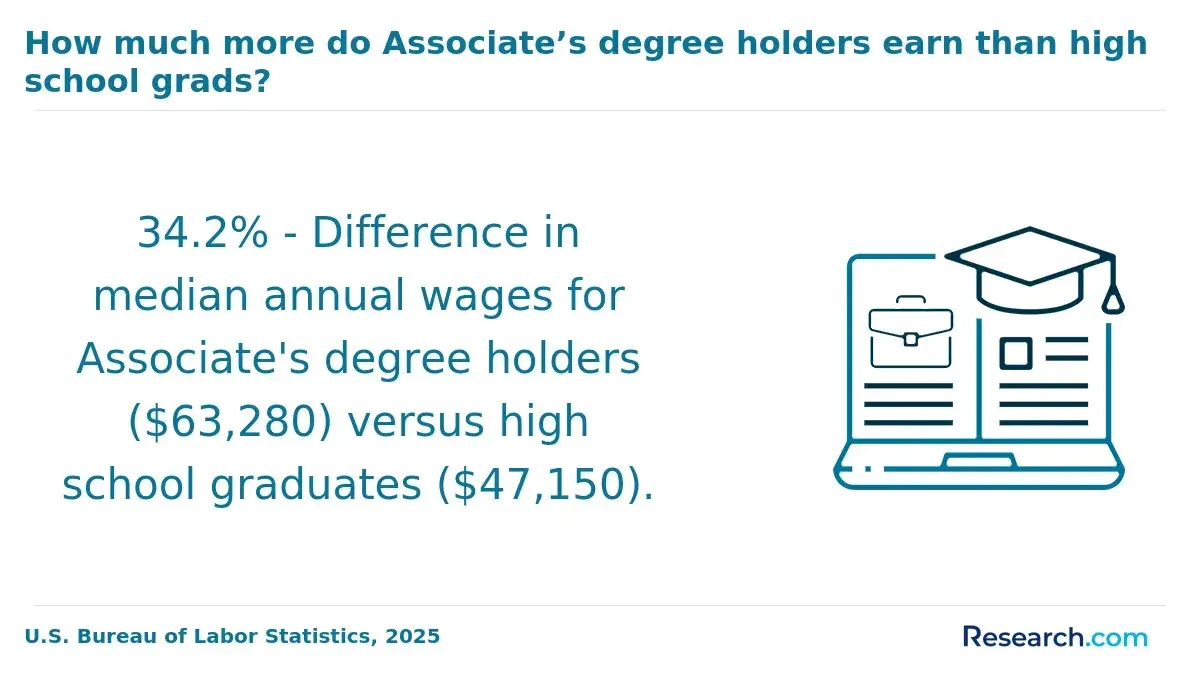
- Financial Benefits: Starting earlier lets students advance their counseling psychology careers sooner, which can translate into better job positions and higher earnings. Accelerated career progression also helps recoup education expenses more rapidly.
A professional who enrolled in an online counseling psychology bachelor's program with weekly start dates described his experience as transformative. "Juggling work and family was overwhelming before-I worried missing a semester would mean waiting months," he shared. The ability to start right away removed that pressure. He found himself engaging deeply with the material because the timing matched his readiness. "It wasn't just about convenience; it kept me motivated through unexpected challenges." This immediate access allowed him to build skills continuously and gave him a clearer, faster path toward his career goals.
What Is the Total Tuition Cost for Online Counseling Psychology Bachelor's Programs That Allow Weekly Enrollment?
Tuition for online counseling psychology bachelor's programs with weekly enrollment varies widely due to different pricing systems. Most programs require about 120 credit hours, but students face a range of average tuition rates for online counseling psychology bachelor's degrees depending on how universities charge.
- Per-Credit Tuition: Many schools bill between $300 and $450 per credit hour. Multiplying this by 120 credits results in total tuition typically between $36,000 and $54,000, excluding extra costs.
- Flat-Rate Pricing: Some programs use block tuition covering several courses each term. This benefits students who can accelerate their pace since it effectively lowers costs per credit.
- In-State Tuition for All: Select public universities offer identical in-state tuition online regardless of residency, creating highly competitive pricing that can reduce total costs below $30,000.
- Additional Expenses: Beyond base tuition, fees such as technology, course materials, and occasional proctoring add hundreds or even thousands to the total amount owed.
To compare cost differences accurately, prospective students should consult official tuition pages and NCES IPEDS data. Those who want to find affordable, accredited programs with flexible start dates can also explore options that reward transfer credits and prior learning. For more detailed research on self paced degrees, authoritative sources are invaluable for making smart financial decisions.
How Quickly Can Students Complete an Online Counseling Psychology Bachelor's Degree When Enrolling Through a Weekly Start Option?
Credit Load Flexibility: Many programs let students enroll in multiple classes at once, helping full-time learners shorten their studies by completing more credits each term.
Transfer Credit Acceptance: Some online bachelor's degrees in counseling psychology allow students to apply up to 90 previously earned credits-whether from earlier college work or certifications-significantly cutting down the time needed to graduate.
Self-Paced and Competency-Based Options: Certain schools use competency-based models, enabling students to progress by demonstrating mastery instead of following fixed schedules. This can accelerate completion for dedicated students.
Full-Time vs. Part-Time Enrollment: Full-time students typically finish in 3 to 4 years when enrolling weekly, while part-time students often take 5 to 6 years but benefit from greater flexibility to juggle work and family.
Immediate Start Opportunities: Weekly start dates remove waiting periods tied to traditional semesters, allowing students to begin as soon as they're ready and advance more quickly through their programs.
A professional who recently graduated from a self-paced online counseling psychology program shared that the flexibility made balancing work and school manageable, even during busy seasons. She valued being able to start courses without delay and appreciated progressing at her own rhythm-sometimes accelerating when motivation was high and pacing herself during challenging periods. "It wasn't always easy," she admitted, "but knowing I could move through material as I mastered it, rather than sticking to rigid terms, kept me focused. Finishing faster than I expected gave me confidence to pursue new career opportunities sooner." Her experience highlights how weekly starts and self-paced learning can transform the traditional college timeline into a tailored journey aligned with individual goals and life demands.
What Admission Requirements Must Students Meet to Enroll in an Online Counseling Psychology Bachelor's Program With a Weekly Start Date?
Online counseling psychology bachelor's programs with weekly or rolling start dates often adopt open admission policies, making entry more accessible than traditional semester-based programs. Most applicants need a high school diploma or GED, while minimum GPA requirements tend to be low or occasionally waived to welcome working adults and returning students. Many programs have also eliminated standardized testing mandates like the SAT or ACT, streamlining applications and recognizing diverse student backgrounds.
While these open-access options reduce barriers, they sometimes come with less rigorous curricula or a heavier reliance on academic support services. Schools with open admissions typically provide extensive tutoring, advising, and mentoring to help students navigate challenges. More selective programs may require higher GPAs but expect greater self-discipline as their accelerated coursework offers less institutional support.
Applicants with non-traditional educational histories or extended gaps since previous schooling can strengthen their applications by submitting detailed personal statements or resumes showcasing relevant volunteer work, employment, or prior college courses. Demonstrating motivation and readiness can offset weaker formal academic records.
Recent data from the National Center for Education Statistics highlights a surge of more than 30% in undergraduate online enrollment from 2019 to 2022-a clear indicator of growing demand for flexible weekly-start options.
- Open Admission Accessibility: Rolling admissions with minimal GPA and testing requirements increase opportunities for diverse learners to enroll quickly without traditional barriers.
- High School Diploma Needed: A diploma or GED is essential, while standardized test scores are often optional or waived in continuous enrollment programs.
- Academic Support Emphasis: Institutions with open entry invest heavily in tutoring and advising to support student achievement and retention.
- Non-Traditional Applicants: Comprehensive personal statements and documentation of practical experience can strengthen applications from those with gaps or unique backgrounds.
- Growing Online Enrollment: A significant rise in online participation demonstrates increasing interest in programs offering flexible starts and continuous enrollment.
How Do Online Counseling Psychology Programs With Weekly Starts Handle Transfer Credits From Previous College Coursework?
Weekly-start online counseling psychology bachelor's programs commonly accept generous transfer credits, making them an attractive option for adult learners. Institutions frequently evaluate prior coursework from accredited community colleges, regionally accredited universities, and military or employer-based training programs. Some schools, according to official policies, allow up to 90 transfer credits, significantly reducing degree completion time and overall tuition. This flexibility is essential for working professionals seeking to advance without repeating previously earned credits.
The American Council on Education's (ACE) credit recommendation system plays a crucial role in these evaluations. ACE reviews military and workforce training programs and recommends credit equivalencies, enabling many students-especially veterans and non-traditional learners-to convert real-world experience into academic credit. Programs that explicitly recognize ACE-reviewed credits enhance accessibility and cost savings for their students.
Prospective students should request a detailed transcript evaluation before enrolling to understand how many credits will transfer and which requirements remain. Such evaluations provide clarity on academic progress and support better financial planning, since transferring more credits can dramatically lower tuition costs. According to the National Center for Education Statistics, approximately 38% of bachelor's degree candidates transfer prior credits, underscoring the importance of these policies.
- Generous Transfer Limits: Many weekly-start counseling psychology programs accept up to 90 transferable credits, enabling students to bypass basic courses and advance faster.
- ACE Credit Recognition: Military and workforce training evaluated by ACE are often counted toward degree requirements, benefiting veterans and experienced professionals.
- Transcript Evaluations: Early credit assessments clarify degree progress and prevent unnecessary coursework, reducing time and tuition.
- Cost Savings: Extensive transfer credit acceptance shortens program length and decreases total tuition, essential for budget-conscious learners balancing work and study.
- Flexible Enrollment: Weekly start dates combined with transfer credit policies support accelerated and personalized degree pathways for busy students.
What Financial Aid and Scholarship Options Are Available for Students Enrolling in Weekly-Start Online Counseling Psychology Programs?
Students enrolling in weekly-start online counseling psychology bachelor's degree programs benefit from a variety of federal and institutional financial aid options, though the unique scheduling can affect aid disbursement. Federal aid such as Pell Grants and subsidized and unsubsidized Stafford loans remain accessible to eligible students, but since most aid calendars follow the academic year-from fall to spring with an optional summer term-financial aid offices often need to pro-rate awards based on actual credit loads and term lengths. This adjustment can cause variability in aid amounts each payment period. For students exploring financial aid options for online counseling psychology programs, understanding these mechanics is essential.
Filing the Free Application for Federal Student Aid (FAFSA) early is critical since many grants and scholarships operate on a first-come, first-served basis. Completing FAFSA promptly maximizes access to federal grants, loans, and work-study opportunities. However, part-time or rolling start enrollment may influence work-study eligibility and employer availability. According to College Board Trends in Student Aid data, the average undergraduate aid package combines grants, loans, and work-study, often covering a substantial portion of tuition.
Students should also explore scholarships targeted specifically at counseling psychology students or online learners, often provided by professional associations and nonprofits. Institutional scholarships frequently consider academic achievement, financial need, or related volunteer experience and may have distinct deadlines from federal aid, making it important to track all timelines carefully.
- FAFSA Submission: Apply as soon as possible each year since most federal aid and many scholarships are awarded on a first-come, first-served basis; early submission ensures greater access to funds.
- Federal Aid Options: Pell Grants and Stafford loans remain available for eligible online students, but aid amounts may be adjusted depending on enrollment timing within the academic calendar.
- Work-Study Eligibility: Online students may qualify, but weekly or rolling start dates could limit work opportunities or require flexible scheduling.
- Targeted Scholarships: Numerous scholarships specifically support counseling psychology majors or online learners, provided through professional associations and nonprofit organizations.
- Institutional Aid: Many programs award scholarships or grants unique to their online student population, with deadlines that may differ from the FAFSA timeline.
- Financial Aid Calendar Impact: Weekly start terms demand attention to aid disbursement dates and credit hours enrolled to ensure funds arrive on time and fully cover tuition.
For those considering certification and career outcomes after earning their degree, resources comparing credentials such as cpc vs ccs can be helpful in planning the next steps. Prospective students should weigh all financial aid opportunities alongside transfer credit policies and accreditation standards when selecting the best online counseling psychology program to fit their unique needs. Prior learning assessments and generous transfer credit acceptance can accelerate progress and increase savings, which is especially beneficial for working professionals and adult learners.
What Accreditation Standards Should a Weekly-Start Online Counseling Psychology Bachelor's Program Meet to Ensure Employer and Transfer Recognition?
When selecting an accredited online counseling psychology bachelor's program with weekly start dates, understanding the difference between regional and national accreditation is vital. Regional accreditation remains the gold standard-it ensures rigorous academic quality, is widely accepted by employers, and facilitates transfer-friendly accreditation standards for weekly-start counseling psychology degrees, allowing easier credit transfer between institutions.
The U.S. Department of Education recognizes seven regional accrediting bodies: the Middle States Commission on Higher Education (MSCHE), the New England Commission of Higher Education (NECHE), the Higher Learning Commission (HLC), the Western Association of Schools and Colleges Senior College and University Commission (WSCUC), the Southern Association of Colleges and Schools Commission on Colleges (SACSCOC), the Northwest Commission on Colleges and Universities (NWCCU), and the Accrediting Commission for Community and Junior Colleges (ACCJC). Among these, HLC and SACSCOC most commonly accredit weekly-start online programs focused on adult learners.
Prospective students should always verify accreditation status directly through the U.S. Department of Education's official accreditation database before enrolling to ensure their program's recognition and quality. Attending a nationally accredited-only institution might appear convenient but can present challenges in transferring credits to regionally accredited schools or pursuing graduate degrees in counseling psychology.
- Regional vs. National: Regional accreditation is preferred for counseling psychology degrees because it is widely accepted by employers and graduate programs, while national accreditation may limit credit transfers and recognition.
- Recognized Accrediting Bodies: Seven regional bodies exist, including HLC and SACSCOC, which most commonly oversee weekly-start online programs catering to adult learners.
- Verify Accreditation: Always check the U.S. Department of Education's database directly to confirm a program's status and ensure it meets recognized quality standards.
- Transfer Risks: Credits from nationally accredited-only schools may not transfer to regionally accredited programs, causing delays or additional costs if you pursue further study.
- Employer Recognition: Regional accreditation strengthens employer confidence in your degree's validity and prepares you for future licensing or certification in Counseling Psychology fields.
Searching for affordable online mba in healthcare management programs? Many students combining graduate business studies with Counseling Psychology careers find flexibility in programs featuring weekly start dates and generous transfer credit policies. Taking advantage of prior learning assessments and transfer-friendly accreditation standards can maximize both your speed-to-degree and savings.
How Is Coursework Structured in Online Counseling Psychology Bachelor's Programs With Weekly Starts Compared to Semester-Based Formats?
Weekly-start counseling psychology bachelor's degree programs deliver coursework through asynchronous video lectures, discussion boards, and regular assignment deadlines-all accessible online to fit varied schedules. Digital collaboration tools support group projects and peer engagement despite the accelerated pace. These condensed terms, typically lasting five to eight weeks, contrast with traditional 15- to 16-week semesters by demanding sharper time management and self-discipline to meet frequent deadlines without much flexibility.
This format enhances the development of core counseling psychology skills such as active listening, ethical decision-making, and crisis intervention by encouraging frequent practice and immediate application. However, the shorter duration may limit opportunities for deep theoretical study and extended research typical of semester-based programs.
To thrive in accelerated programs, students should establish a consistent study routine, secure a distraction-free workspace, and actively utilize academic resources early on. Enrollment in rolling start online bachelor's programs has grown by over 20% in the last five years, highlighting the increasing demand for flexible learning options.
- Flexible Learning Delivery: Asynchronous formats enable studying on personal schedules, promoting convenience but requiring strong individual accountability.
- Accelerated Course Pace: Shorter terms increase workload intensity, suited for motivated learners but challenging for those juggling multiple commitments.
- Skill Development Focus: Emphasis on communication, ethics, and crisis skills sharpens practical readiness for counseling roles.
- Limitations of Shorter Terms: Limited time restricts in-depth theory exploration and extended research projects.
- Preparation Strategies: Success depends on disciplined scheduling, effective use of digital tools, and early engagement with available academic support.
Can Students Earn Credit Through CLEP, DSST, or Prior Learning Assessment in Weekly-Start Online Counseling Psychology Programs?
Credit by examination options such as CLEP and DSST allow students pursuing online counseling psychology bachelor's degrees with weekly start dates to earn college credit by demonstrating mastery of foundational subjects. These exams, endorsed by the College Board and the American Council on Education (ACE) credit recommendation service, help learners skip introductory coursework, accelerating graduation and reducing tuition expenses.
Prior learning assessment (PLA) expands opportunities further-students can submit portfolios, military training records, and professional experience documentation for faculty review. Some programs stand out for their flexible PLA policies, accepting up to 30 credit hours from such evidence. Military transcripts and detailed portfolios are especially valuable in programs with rolling enrollment, which use formal evaluations through admissions or registrar offices to award credit.
Students aiming to maximize transfer and PLA credits should prepare comprehensive documentation, including official transcripts, resumes, and reflective essays that clearly demonstrate college-level knowledge. It's essential to consult program advisors early to understand specific procedures, credit limits, and accreditation standards governing these options.
- Credit-by-Exam Programs: CLEP and DSST provide standardized exam pathways allowing students to bypass prerequisite counseling psychology courses and save time and tuition.
- Flexible PLA Options: Many weekly-start programs accept military and work experience documentation, with some granting as many as 30 credits based on portfolio submissions.
- Documentation Requirements: Successful PLA credit approval relies on thorough, well-organized transcripts, resumes, and reflective statements detailing prior learning.
- Institutional Variability: Each school sets individual limits on PLA credits and requires formal submission through designated offices, so learners should verify policies in advance.
- Advising Support: Early engagement with program advisors ensures students understand their credit options and can efficiently plan their academic trajectory.
What Graduates Say About Online Counseling Psychology Bachelor's Degree Programs With Weekly Start Dates
- Bryson: "I chose an online counseling psychology bachelor's degree program with weekly start dates because it gave me the flexibility to balance work and education without waiting months to begin. The program's affordability made it accessible while I supported my family, which was a huge relief. Since graduating, I've noticed a clear boost in my professional confidence and opportunities-this degree truly laid the foundation I needed."
- Trudy: "Reflecting on my experience, the weekly start dates in the online counseling psychology program were a game-changer, allowing me to begin my career journey at my own pace. The manageable tuition fees meant I could invest in my future without the burden of excessive debt. Overall, completing this program has enhanced my credentials and opened doors to roles I hadn't considered before."
- Jennifer: "What stood out most for me was the combination of weekly start dates and the cost-effective nature of the counseling psychology bachelor's program-it felt tailored to professionals eager to establish their careers quickly. The online format offered the convenience I needed, and finishing the program accelerated my promotion within the mental health field. I'm grateful for the practical knowledge and timely support throughout my studies."
Other Things You Should Know About Counseling Psychology Degrees
Weekly-start online counseling psychology programs maintain educational quality by using accredited curricula, interactive technologies, and expert faculty. These programs often incorporate live webinars, discussion forums, and real-time feedback, allowing for an engaging and rigorous learning experience that mirrors traditional settings.
Graduates with a bachelor's degree in counseling psychology typically pursue entry-level roles such as behavioral health technicians, case managers, or rehabilitation specialists. These positions generally offer salaries ranging from $35,000 to $50,000 annually, depending on location and employer. While a bachelor's degree can open doors to certain roles, many counseling psychology careers require graduate-level education for licensure and higher earning potential.
In 2027, online counseling psychology programs with weekly start dates may vary in cost, typically aligning with or slightly above the national average of approximately $300-$400 per credit hour. The convenience of flexible scheduling may justify the premium in some universities.
References
- Raising the Bar: The Impact of Accreditation on Psychology Training | SoMAP - The Society of Modern Applied Psychology https://thesomap.org/raising-the-bar-the-impact-of-accreditation-on-psychology-training/
- CLEP/DSST Exams - NECC https://necc.edu/academics/beyond-the-classroom/credit-prior-learning/clepdsst-exams/
- Undergrad Application & Transfer Guide | Psychology.org https://www.psychology.org/resources/undergraduate-application-and-transfer-guide/
- CLEP and DSST Exams https://www.frontrange.edu/student-experience/academic-support/testing-centers/clep-dsst.html
- CLEP vs. DSST vs. ECE: Which Credit-by-Exam Option Is Right for You? https://straighterline.com/blog/test-comparison-clep-vs-dsst-vs-ece
- Program Details: https://www.eastern.edu/academics/online-undergraduate-programs/ba-psychology-online
- APA Accreditation Requirements and Standards https://lumivero.com/resources/blog/apa-accreditation/
- Why Pursue an Online Counseling Degree? | University of Bridgeport https://www.bridgeport.edu/news/pursue-an-online-counseling-degree-now/
- How to Transfer Credits Between Human Services Programs https://www.allpsychologyschools.com/blog/your-guide-to-transferring-credits-to-a-human-services-program/
- Is an Online Psychology Degree Cheaper Than a Traditional One? https://www.onlinepsychologydegree.info/faq/is-an-online-psychology-degree-cheaper-than-a-traditional-one/