2027 Return on Investment of an Online Counseling Psychology Bachelor's Degree: Salary vs Cost

Co-Founder and Chief Data Scientist
Consider a working professional aiming to transition into the mental health field without sacrificing income during long campus residencies. An online counseling psychology bachelor's degree offers flexibility, but prospective students often question its return on investment. According to the U.S. Bureau of Labor Statistics, counseling professionals with a bachelor's degree see median salaries around $46,000 annually, yet the cost of online programs varies widely, affecting net financial benefit.
This article examines salary outcomes relative to program costs-providing data-driven insights to help readers assess whether pursuing an online counseling psychology degree aligns with their career and financial goals.
Key Things to Know About the Return on Investment of an Online Counseling Psychology Bachelor's Degree
- Online counseling psychology bachelor's degrees often cost between $15,000 and $40,000-significantly less than traditional programs-making them accessible for first-generation or budget-conscious students.
- Graduates earn median salaries around $45,000 to $55,000 annually, with growth aligned to labor market trends reported by the Bureau of Labor Statistics.
- Beyond salary, these degrees enhance job security, enable career advancement, and support ongoing professional development opportunities crucial in evolving mental health fields.
What is the true cost of earning an online counseling psychology bachelor's degree from enrollment to graduation?
The true cost of earning an online Counseling Psychology bachelor's degree goes beyond just the published tuition rates. Prospective students should account for direct and indirect expenses accrued from enrollment through graduation.
According to IPEDS and the National Center for Education Statistics, public institutions charge between $7,000 and $15,000 annually for online undergraduate programs, while private colleges may exceed $20,000 per year. However, many students pay significantly less once financial aid and scholarships reduce the net price.
Tuition and Fees: Published tuition varies widely, but net prices after grants and scholarships can be 25-50% lower. Most students pay between $15,000 and $45,000 total to complete their degree.
Technology Costs: Reliable computers, software, and internet are essential for online learners. Additional fees for required software and learning platforms often range from $200 to $600 annually.
Course Materials: Textbooks and digital resources typically add about $1,000 to $1,500 for the full program.
Proctoring and Exam Fees: Secure online exam monitoring adds another $50 to $150 per course, representing a recurring cost to factor into the budget.
When combined, these components yield an estimated total cost between $18,000 and $50,000. This financial baseline supports evaluating the return on investment for online Counseling Psychology bachelor's degree programs compared to expected salary outcomes and career advancement opportunities.
Prospective students also should consider non-financial returns, such as job security and professional development, which contribute to the overall value of the degree. For those aiming to explore advanced credentials, 1 year PhD programs online no dissertation may offer efficient pathways to higher qualifications after completing their bachelor's degree.
How does the starting salary for counseling psychology bachelor's degree graduates compare to the total cost of the degree?
The starting salary for graduates holding a bachelor's degree in Counseling Psychology depends on the career path chosen. According to the Bureau of Labor Statistics (BLS) Occupational Outlook Handbook, entry-level positions such as psychiatric technicians, social service assistants, and human resources specialists typically offer median annual salaries ranging from $30,000 to $45,000.
When comparing these figures to the total cost of earning an online Counseling Psychology bachelor's degree, the financial commitment becomes clearer.
The total expense of online Counseling Psychology degree programs varies widely. According to IPEDS data, tuition and fees can range from as low as $10,000 to over $40,000, depending on the institution and availability of financial aid.
For students concerned about how cost compares to salary outcomes for Counseling Psychology bachelor's degree holders, this means that recouping tuition through earnings may take as little as four months in the best cases or as long as sixteen months in the worst cases.
These numbers represent only the beginning. Entry-level salaries often increase with experience, professional certifications, and graduate education, improving the long-term return on investment.
Graduates may also access roles in mental health counseling, management in human services, or education, where career growth offers enhanced job security and compensation.
Those seeking options for affordable graduate advancement may consider exploring the cheapest online master's degree in psychology to complement their bachelor's qualification.
- Median Starting Salary Range: Entry-level roles accessible with a bachelor's in Counseling Psychology offer median salaries between $30,000 and $45,000 annually according to BLS data.
- Total Degree Cost Variation: Online Counseling Psychology programs vary from $10,000 to $40,000 total, with financial aid significantly affecting effective tuition paid.
- Months to Offset Degree Cost: Best-case financial scenarios require about 4 months of starting salary to cover tuition, while worst-case scenarios can take up to 16 months.
- Salary Growth Potential: Career advancement and experience can increase earnings substantially, making the bachelor's degree a foundation for improving financial outcomes over time.
- Non-Financial Benefits: Job security, advancement opportunities, and professional development add lasting value beyond initial salary comparisons.
What is the average return on investment (ROI) for an online counseling psychology bachelor's degree over a 10-year career?
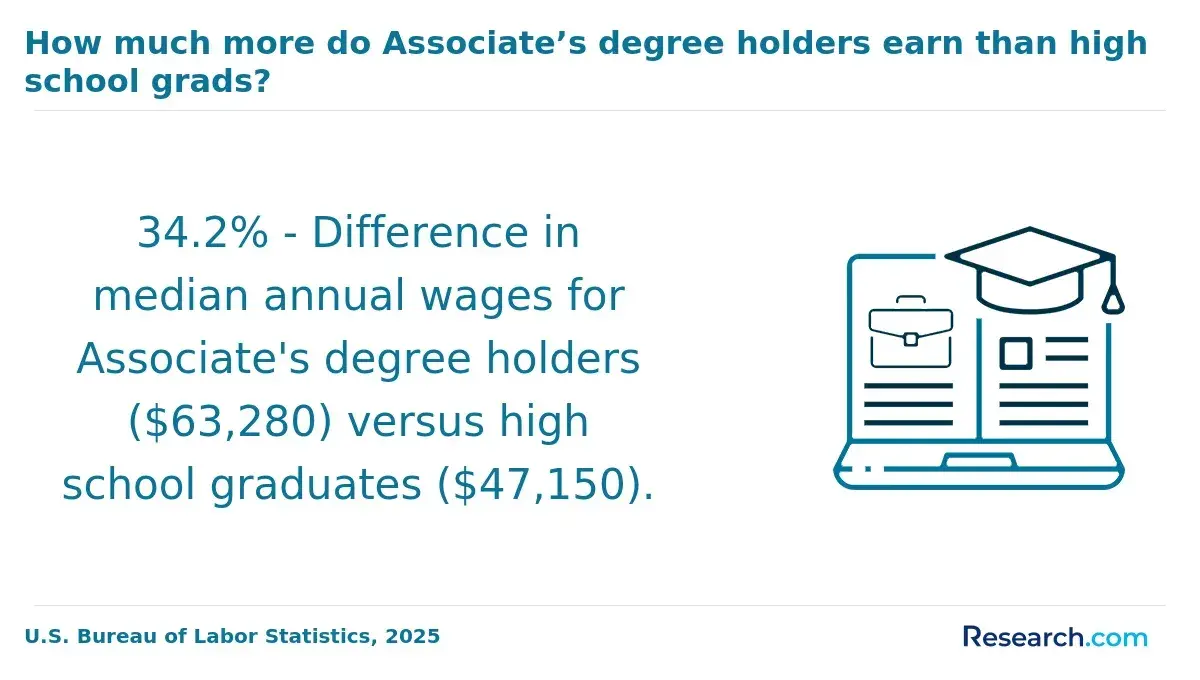
Return on investment (ROI) in higher education refers to the financial benefit a graduate gains from their degree compared to someone with only a high school diploma or associate degree in the same field. It's determined by subtracting the total cost of the degree-including tuition and fees-from the extra earnings accumulated over 10 years.
Research from the Georgetown University Center on Education and the Workforce shows that individuals with bachelor's degrees earn around 84% more over 40 years than those with only a high school diploma. PayScale's College ROI Report places the median 10-year ROI for counseling-related degrees between $250,000 and $400,000.
Using median wage data from the Bureau of Labor Statistics, mental health counselors start with an average salary near $48,000 annually. If this salary grows by approximately 2% per year, total earnings over a decade reach about $530,000.
After accounting for an average online counseling psychology bachelor's degree cost of $40,000, graduates realize a meaningful net gain. This supports the long-term financial viability of investing in such a degree.
- Total Cost Versus Earnings: A $40,000 investment in tuition and fees is offset by substantially higher cumulative wages earned within ten years post-graduation.
- Salary Growth Potential: Starting salaries of about $48,000 increase steadily, enhancing lifetime earnings and overall financial stability.
- Competitive Earnings Advantage: Graduates with counseling psychology degrees consistently earn more than peers without similar credentials in related fields.
- National Benchmark Comparisons: The 10-year ROI aligns with or surpasses the average returns for bachelor's degree holders across all disciplines, reflecting consistent demand for counseling professionals.
A professional who enrolled in an online counseling psychology bachelor's program after thoroughly assessing the degree's cost against potential earnings emphasized the careful balancing act involved. "I had to consider not just tuition fees but the time away from full-time work and the emotional commitment," he shared.
Despite these challenges, he found that flexible scheduling and clear career pathways made the investment worthwhile. "Seeing the steady salary growth and knowing the job security this field offers really helped me stay motivated throughout the program." His experience illustrates how deliberate planning and realistic expectations contribute to maximizing the ROI of an online counseling psychology degree.
How do online counseling psychology program tuition rates compare across public, private, and for-profit institutions?
Public institutions generally offer the most affordable tuition for online counseling psychology programs, especially with in-state rates. Many public schools now use flat-rate pricing for online students, making costs predictable, typically between $5,000 and $15,000 per year. Out-of-state learners might face higher fees, but these institutions are known for solid academic reputations and widely recognized credentials that support long-term career prospects.
Tuition tends to be higher at private nonprofits, often ranging from $15,000 to $35,000 annually. Although pricier, these schools frequently provide extensive alumni networks, enhanced student services, and higher graduation rates compared to for-profit colleges. The added prestige can lead to stronger employer recognition and better job placement outcomes in counseling psychology fields.
For-profit colleges promote lower tuition options or flexible payment plans, sometimes charging between $7,000 and $25,000 yearly. However, lower costs come with potential drawbacks such as lower graduation rates and skepticism among employers. Career advancement and salary growth may be affected, which can reduce the overall return on investment for many students.
When comparing online counseling psychology program tuition, the cheapest option doesn't always yield the best value. Evaluating graduation success, accreditation, and job outcomes is crucial. Balancing upfront expenses with long-term career benefits helps ensure a wise investment.
For those interested in flexible yet robust education options, researching programs like an accelerated business management degree might offer additional pathways worth considering.
What long-term salary growth can counseling psychology bachelor's degree holders expect over a 20- to 30-year career?
Here is the projected long-term salary trajectory over a 20- to 30-year career:
Early Career Growth: Salary increases tend to be moderate during the initial five years following graduation. Entry-level roles usually offer compensation consistent with foundational counseling psychology skills. Incremental raises occur as professionals gain experience and acquire certifications relevant to their field.
Mid-Career Acceleration: By about the 10-year mark, salaries typically rise more steeply. This phase often aligns with obtaining licensure or specialized training and stepping into positions with added responsibilities, such as supervisory roles or clinical specialties.
Established Career Milestones: After 15 years or more, salary growth often peaks as many professionals secure senior roles like clinical supervisors, program managers, or administrative leaders within mental health services. Data from the American Community Survey and PayScale suggest mid-career earnings can exceed early career salaries by 20% to 35%, reflecting increased expertise and leadership duties.
Cumulative Lifetime Earnings Premium: Over a full career span, holding a counseling psychology bachelor's degree translates into a substantial financial advantage. This premium, estimated to surpass $400,000 compared to those without a degree, highlights the long-term monetary benefits of this education.
A professional who built her career following an online counseling psychology bachelor's degree shared that the early years were marked by balancing work commitments and intensive study. "I was often exhausted but determined," she recalled. Navigating the certification processes while gaining hands-on experience was challenging but rewarding.
She emphasized that perseverance through licensing hurdles and career transitions eventually led to leadership opportunities. Her journey illustrates how initial modest gains can evolve into meaningful salary growth as expertise and responsibilities expand over time.
How does the ROI of an online counseling psychology bachelor's degree compare to an associate degree or a professional certificate?
The financial and career outcomes of an online counseling psychology bachelor's degree differ notably from those of an associate degree or professional certificate. Evaluating both tuition expenses and median wages offers crucial insight for students considering their educational investment.
- Cost Efficiency: Certificates and associate degrees generally require less upfront spending, usually between $5,000 and $15,000 at community colleges or certificate providers. Bachelor's programs, by comparison, can range from $30,000 to $60,000 depending on the school and residency.
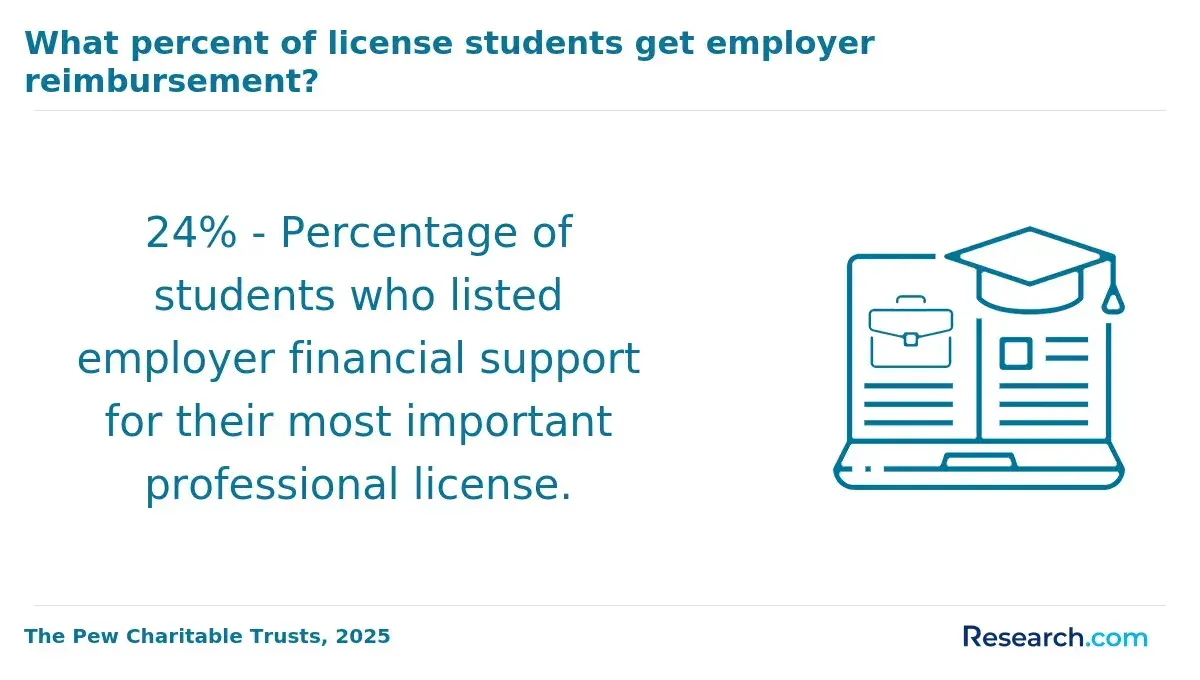
- Median Salary: Data from the Bureau of Labor Statistics indicate bachelor's degree holders in counseling psychology-related roles tend to earn median yearly wages between $50,000 and $60,000. Those with associate degrees typically make $35,000 to $45,000, while certificate holders often start near $30,000, with variations based on specialization and employer recognition.
- Short-Term ROI: For individuals needing quick workforce entry, certificates and associate degrees offer faster, more affordable pathways with quicker payback.
- Certificates often open doors to work as counseling aides or mental health technicians, providing foundational job experience though limited salary growth.
- Associate degrees allow for paraprofessional counseling roles, usually offering moderate increases in pay compared to certificates.
- Long-Term ROI: Bachelor's degrees generally lead to stronger financial returns and career progression. They provide access to advanced counseling positions, supervisory roles, and pave the way to graduate education, critical for licensure and specialized client work.
- Graduates with bachelor's degrees usually experience faster salary growth, improved job stability, and expanded career networks.
- Employers and licensing bodies increasingly require a bachelor's as a standard credential, boosting career prospects and mobility.
- Decision Framework: Students should balance immediate financial restrictions against long-range career goals.
- Those needing immediate employment or limited by budget may find certificates or associate degrees more practical and cost-effective.
- Individuals targeting clinical roles or counseling licensure should weigh the higher cost of a bachelor's degree against its substantially greater potential for lifetime earnings and professional growth.
- Non-Financial Returns: Beyond wages, bachelor's degrees also deliver enhanced professional development, credential recognition, and greater job security-all important for long-term career fulfillment.
Which online counseling psychology specializations or concentrations yield the highest earning potential after graduation?
Graduates specializing within online counseling psychology bachelor's programs often earn more than those with general counseling degrees due to alignment with high-demand fields. The Bureau of Labor Statistics (BLS) provides median salary data reflecting the financial advantage of these focused tracks.
- Industrial-Organizational Psychology: Concentrating on workplace behavior and organizational development, this specialization leads to roles in human resources or management consulting. According to the BLS, median annual earnings reach approximately $105,000-more than double that of typical general counselors, who average around $48,000.
- School Counseling: Graduates typically enter K-12 education systems, where median salaries range from $58,000 to $65,000. The steady demand for mental health support in schools translates into consistent job security and moderate earning potential.
- Mental Health and Substance Abuse Counseling: This pathway often requires licensure such as Licensed Professional Counselor (LPC), necessitating additional education and certification. Median salaries start near $48,000 but increase with licensure and clinical experience.
- Marriage and Family Therapy: Additional certification and licensure beyond a bachelor's degree are mandatory. Median income typically falls between $51,000 and $65,000, with private practice opportunities influencing earning potential.
- Rehabilitation Counseling: Focused on assisting individuals with disabilities, this specialization has a lower median salary around $37,000 but may benefit from federal funding support.
Choosing a specialization requires balancing tuition and licensing costs against expected salary outcomes and time-to-ROI. For first-generation students or career changers, programs with clear certification pathways and strong labor market demand, like industrial-organizational psychology, present the most lucrative returns.
Programs aligned with school counseling and licensed clinical tracks offer ongoing growth through professional development, contributing to long-term career advancement and job security.
How do employer tuition reimbursement and financial aid reduce the net cost of an online counseling psychology bachelor's degree?
Employer tuition reimbursement programs can significantly lower the out-of-pocket cost of an online counseling psychology bachelor's degree by covering a major share of tuition expenses. About 60% of U.S. employers provide some form of tuition assistance, according to the Society for Human Resource Management (SHRM), making this benefit widely accessible for working students.
Under IRS Section 127, employees may receive up to $5,250 per year in tax-free tuition reimbursement, directly reducing their education expenses without increasing their tax burden. Employers typically require course completion before reimbursing tuition, incentivizing academic progress and degree completion. Such structures are especially valuable for those seeking employer tuition reimbursement benefits for online counseling psychology degrees.
In addition to employer support, federal and institutional financial aid crucially reduces net tuition costs. Grants and scholarships from universities or federal programs cover parts of tuition that do not require repayment.
Subsidized federal student loans offer lower interest rates and defer payments until after graduation, easing immediate financial pressure. By combining these aids, students often reduce their actual tuition payments to a fraction of the sticker price, enhancing affordability for those balancing work and study.
For example, a student with $15,000 annual tuition reimbursed $5,250 by an employer under Section 127, supplemented by $4,000 in federal grants and scholarships, and subsidized loans covering the remainder, pays less than $6,000 out of pocket yearly.
This drops the total direct expense for a four-year counseling psychology degree to about $24,000, greatly improving the degree's return on investment. Financial aid options lowering net cost of counseling psychology bachelor's programs like this are essential for many students.
- Employer Support: Many companies offer tuition reimbursement programs paying up to $5,250 tax-free annually under IRS rules, significantly decreasing student expenses.
- Financial Aid: Grants and scholarships reduce tuition costs without increasing debt, while subsidized loans delay payments and lower interest during schooling.
- Prevalence of Tuition Assistance: SHRM data confirms that 60% of U.S. employers provide some level of tuition assistance, creating opportunities for working students.
- Combined Savings: Leveraging employer tuition reimbursement benefits alongside federal aid can cut net tuition to a fraction of the published price, enhancing affordability.
- Practical Example: A student paying $15,000 annually could reduce out-of-pocket costs to roughly $6,000 per year by using employer reimbursement and federal grants, totaling about $24,000 for the full degree.
Students interested in advancing their careers while managing tuition can also explore accelerated options like a 1 year master's in psychology online, which may further improve return on investment and professional outcomes.
What hidden costs should students factor into the total investment of an online counseling psychology bachelor's degree?
When budgeting for an online counseling psychology bachelor's degree, students often overlook hidden expenses that can significantly increase overall costs. These additional financial considerations for counseling psychology students include mandatory technology fees, paid proctoring services for remote exams, graduation fees, course-specific software licenses, and professional organization memberships.
Technology fees usually range from $50 to $150 per semester and cover platform access and support, while proctoring services typically add $30 to $60 per exam. Graduation fees, required for diplomas and commencement, often fall between $100 and $300.
Specialized courses may require software licenses costing $50 or more, which are not always included in tuition estimates. Additionally, annual fees of $100 to $200 for joining relevant professional associations enhance networking and career development but should be factored into the budget early.
Research from the College Board and institution disclosures shows these hidden expenses can total $1,000 to $2,000 across the duration of a bachelor's program. Such costs lengthen the break-even timeline for return on investment (ROI) by increasing out-of-pocket spending, a critical factor for first-generation students, working professionals, and career changers who need clear financial clarity upfront.
Requesting a detailed cost-of-attendance breakdown-including all non-tuition fees-is essential before enrollment to avoid surprises during the program.
- Technology Fees: Programs charge $50 to $150 per semester for online platform access and support, adding essential but often unexpected costs beyond tuition.
- Proctoring Services: Remote exam monitoring incurs $30 to $60 fees per test, which can substantially impact total expenses depending on exam frequency.
- Graduation Fees: Administrative costs for diplomas and ceremonies range from $100 to $300, representing an important final expense.
- Software Licenses: Certain courses require specialized licenses often costing $50 or more, which are not always included in published tuition figures.
- Professional Memberships: Joining counseling psychology associations costs $100 to $200 annually, supporting career growth but requiring early budgeting.
Students comparing programs would also benefit from exploring other affordable options, such as an environmental engineering degree online, to ensure they select the best path aligned with their financial and career goals.
How does the accreditation status of an online counseling psychology program affect graduate salary and employability?
Accreditation status plays a vital role in shaping the career outcomes of Counseling psychology graduates. Regional accreditation applies to entire colleges or universities, reflecting comprehensive academic quality. In contrast, programmatic accreditation focuses on specific counseling psychology programs, ensuring they meet professional and industry standards. Employers and licensing authorities prefer candidates from regionally accredited institutions because these credentials demonstrate verified educational rigor.
According to surveys by the National Association of Colleges and Employers (NACE), hiring managers are much less inclined to recognize degrees from schools that are only nationally accredited or lack accreditation altogether. This often results in lower salary offers and fewer job opportunities for graduates from such programs.
Furthermore, attending non-accredited programs may disqualify candidates from sitting for licensure exams or applying to graduate school, restricting access to essential career pathways. Government and healthcare jobs frequently require degrees from properly accredited institutions, making accreditation critical for eligibility in these fields.
Before committing to an online Counseling psychology program, students should use resources like the U.S. Department of Education's accreditation database and the Council for Higher Education Accreditation (CHEA) to confirm the program's legitimacy.
- Regional vs Programmatic Accreditation: Regional accreditation verifies the overall institution's quality, while programmatic accreditation confirms the counseling psychology curriculum meets professional standards.
- Employer Preference and Salary Impact: Hiring managers favor degrees from accredited schools, which enhances salary negotiation leverage and job prospects.
- Licensure and Graduate School Access: Accredited programs enable graduates to sit for licensure exams and pursue advanced degrees necessary for career growth.
- Government and Healthcare Employment: Many public sector roles require degrees from accredited programs, limiting opportunities for graduates from unaccredited schools.
What entry-level job titles and salary ranges are available to graduates of online counseling psychology bachelor's programs?
Graduates holding an online counseling psychology bachelor's degree often enter roles that provide valuable experience and stable income while supporting diverse populations. Salary ranges vary widely by position, industry, and credentials, influencing how quickly graduates can recoup their educational costs.
- Mental Health Technician: Typically employed in healthcare settings, starting salaries range from $30,000 to $40,000, with internship experience boosting pay toward the upper limit.
- Behavioral Health Specialist: Common in community health and government agencies, entry pay spans $32,000 to $45,000, especially higher for those focused on substance abuse or crisis intervention.
- Case Manager: Found in nonprofit and governmental roles, salaries generally fall between $35,000 and $47,000, rising with certifications such as CHW.
- Rehabilitation Specialist: Entry-level positions in healthcare and social support pay around $34,000 to $44,000, with specialized experience (e.g., veterans) adding value.
- Human Services Assistant: Working across education and support sectors, starting pay ranges from $29,000 to $39,000, often improved by robust internships.
- School Counselor Assistant: Education roles offering $31,000 to $42,000 salaries benefit from child development concentrations.
- Research Assistant (Psychology): Academic and healthcare research roles typically offer $32,000 to $43,000, with skills in data analysis enhancing earning potential.
- Community Outreach Coordinator: Government and nonprofits pay between $33,000 and $46,000, valuing program development and multilingual abilities.
Healthcare and government sectors frequently provide the most competitive starting salaries for counseling psychology graduates. Internships and certifications significantly improve entry earnings, accelerating return on investment. Beyond salaries, graduates gain access to career growth, professional development, and job stability, which are key components of the overall value in pursuing this degree.
What Graduates Say About the Return on Investment of Their Online Counseling Psychology Bachelor's Degree
- Bryson: "Choosing the online counseling psychology bachelor's degree felt like a calculated investment in my future. The program's affordable tuition combined with flexible scheduling made it an ideal choice when weighing cost versus potential earnings. Beyond the financial aspects, the degree opened doors to career advancement opportunities I hadn't imagined, giving me both confidence and job security in a competitive field."
- Tripp: "What truly stands out about earning my online counseling psychology bachelor's degree is the non-financial return-improved critical thinking skills and a deeper understanding of human behavior that have transformed my professional interactions. The flexibility of the program allowed me to work while studying, which was essential in maintaining my income stream. This degree has been pivotal in reshaping my career trajectory and enhancing my marketability."
- Joshua: "My experience with the online counseling psychology bachelor's degree has been nothing short of transformative professionally. The degree not only increased my earning potential but also provided practical knowledge that I apply daily, improving client outcomes and workplace credibility. Reflecting on my decision, I realize this program was a strategic move-balancing cost with a substantial and lasting impact on my career growth."
Other Things You Should Know About Counseling Psychology Degrees
Typically, graduates of online counseling psychology bachelor's programs can expect to recoup their educational expenses within five to seven years based on average salary increases. This timeline varies depending on initial tuition costs and the graduate's career path. Those who enter higher-paying sectors or pursue licensure and certification may see faster returns on investment.
Salary outcomes for counseling psychology graduates are strongly influenced by geographic location and industry. Urban areas with higher costs of living often offer greater salaries compared to rural regions. Additionally, graduates working in mental health clinics, hospitals, or private practice tend to earn more than those in community service or school settings.
Employer surveys and labor market data consistently show that a bachelor's degree in counseling psychology is valued for entry-level roles in mental health support and case management. However, many advanced counseling positions require graduate degrees or certifications. The bachelor's degree remains a credible credential for roles that prioritize communication and interpersonal skills.
References
- Counseling Psychology Career Pathways & Earnings https://collegeroi.org/roi/major/counseling-psychology/
- Explore Psychology Degrees Online | Psychology.org https://www.psychology.org/online-degrees/
- Return on Education for Bachelor’s Degrees | SoFi https://www.sofi.com/learn/content/roi-by-bachelor-degree/
- ROI on degrees, certificates https://www.ccdaily.com/2024/10/roi-on-degrees-certificates/
- How Employers View Online Degrees in Counseling and Psychology https://www.counselingpsychology.org/how-employers-view-online-degrees-in-counseling-and-psychology/
- Does College Pay Off? A Comprehensive Return On Investment Analysis - FREOPP https://freopp.org/whitepapers/does-college-pay-off-a-comprehensive-return-on-investment-analysis/
- From Debt to Distress: What Happens When the Cost of College Diminishes Students' Mental Health? https://riskandinsurance.com/from-debt-to-distress-what-happens-when-the-cost-of-college-diminishes-students-mental-health/
- Cost Comparison: Traditional vs. Online Bachelor's Degrees in Psychology - Simpli.com https://www.simpli.com/people/cost-comparison-traditional-vs-online-bachelor-s-degrees-psychology