2027 Online Counseling Psychology Bachelor's Degree Programs With No Prerequisites

Co-Founder and Chief Data Scientist
Many individuals with unrelated bachelor's degrees face challenges when trying to enter the counseling psychology field due to prerequisite requirements. These barriers delay career shifts and limit access to flexible education options. Experts project a 22% growth in employment for counseling psychology-related roles over the next decade, highlighting the increasing demand for qualified professionals. Online counseling psychology bachelor's degree programs with no prerequisites offer accessible pathways for career changers needing to meet industry standards without additional coursework. This article explores these programs, detailing how they accommodate diverse educational backgrounds and support aspiring professionals in starting a counseling psychology career efficiently and effectively.
Key Benefits of Online Counseling Psychology Bachelor's Degree Programs With No Prerequisites
- Online counseling psychology bachelor's programs offer flexibility, letting working professionals balance study with careers and personal commitments without rigid on-campus schedules.
- These programs enable accelerated skill acquisition through focused curricula designed for immediate application in counseling settings.
- Students can build valuable counseling psychology credentials on timelines and budgets tailored to their individual needs, supporting timely career advancement.
What Does 'No Prerequisites' Mean for Online Counseling Psychology Bachelor's Degree Programs, and Who Benefits Most?
No prerequisites in online counseling psychology bachelor's degree programs mean students can enroll without any prior coursework, standardized tests, or specific academic preparations. This is distinct from open admission, which accepts most applicants but might still require a high school diploma or equivalent, and from low-barrier enrollment, which reduces but doesn't always eliminate prerequisites. No-prerequisite programs remove formal academic entry hurdles entirely, offering streamlined access for diverse learners starting their degree journey immediately.
These no prerequisites online counseling psychology bachelor programs particularly benefit career changers who want to transition without retaking prerequisite classes. Working adults juggling jobs and studies also gain from the simplified admissions process. Returning learners-those resuming education after a break-and first-generation college students find this path reduces barriers linked to limited prior academic exposure or unfamiliarity with admissions.
Data from the National Center for Education Statistics (NCES) show that non-traditional student enrollment is growing, prompting institutions to expand more inclusive, accessible online offerings. Programs without prerequisites reflect this shift, tailored to meet evolving educational needs in counseling psychology degrees. For those seeking accelerated paths, exploring one year graduate programs can provide further options beyond the bachelor's level.
The following key elements guide prospective students when considering no-prerequisite online counseling psychology programs:
- Program Accessibility: Designed for students without prior college credits or coursework, these programs welcome those new to higher education or switching careers.
- Quality and Accreditation: Verify programs hold rigorous academic standards and regional or national accreditation to ensure degree value and recognition.
- Support Services: Tailored advising, tutoring, and career counseling enhance academic confidence and professional readiness for non-traditional learners.
- Financial Aid Options: Many programs participate in federal and state aid, scholarships, or employer tuition assistance to help manage costs.
- Credit Transfer Policies: Clear pathways for accepting previous credits or professional training can speed degree completion for returning and accelerated students.
- Career Outcomes: Graduates gain foundational skills for mental health support roles, social services, or advanced graduate study, highlighting the importance of program choice for long-term success.
Which Accredited Online Counseling Psychology Bachelor's Programs Accept Students With No Prior College Coursework?
Several regionally accredited institutions offer online counseling psychology bachelor's programs that accept students with no prior college coursework. These programs are especially suitable for working adults, career changers, and first-generation students, featuring open-admission policies or low barriers to entry that ease access to higher education.
- Southern New Hampshire University: Accredited by the New England Commission of Higher Education, SNHU offers an online bachelor's in psychology with a counseling concentration. It admits students without previous college credits and provides foundational courses aimed at building essential academic skills. With enrollment exceeding 135,000, SNHU supports broad access alongside extensive student services.
- Liberty University: This institution holds accreditation from the Southern Association of Colleges and Schools Commission on Colleges. Liberty's online bachelor's in psychology with counseling specialization waives prerequisites by offering bridge coursework to prepare students for upper-division classes. Its enrollment is around 100,000, with wide-ranging financial aid opportunities.
- Capella University: Regionally accredited by the Higher Learning Commission, Capella provides a Bachelor of Science in Psychology with an emphasis in counseling. Open admission allows students entry with no prior coursework, supported by individualized learning plans that embed foundational studies if needed. Capella enrolls roughly 38,000 students and emphasizes flexible pacing and career support.
- University of the People: Accredited by the Distance Education Accrediting Commission, this tuition-free online university offers a psychology degree designed for those new to college-level studies, requiring no formal prerequisites. The curriculum includes introductory courses to ease the transition, appealing to learners seeking affordable, accessible options worldwide.
- Walden University: Also accredited by the Higher Learning Commission, Walden's online Bachelor of Science in Psychology admits students without prior college credits via an open admission policy. Foundational coursework is provided as needed to build academic readiness. Walden enrolls about 45,000 students and emphasizes academic advising and career readiness.
These best online counseling psychology bachelor's programs with no prerequisites share certain qualities: regional accreditation, accessible admission processes, foundational or bridge courses, and strong student support services. Prospective students should confirm accreditation status, financial aid availability, credit transfer policies, and counseling services to ensure quality education aligned with career goals.
For those comparing costs and affordability options among these programs, exploring resources like masters in counseling online cost can provide valuable financial insights.
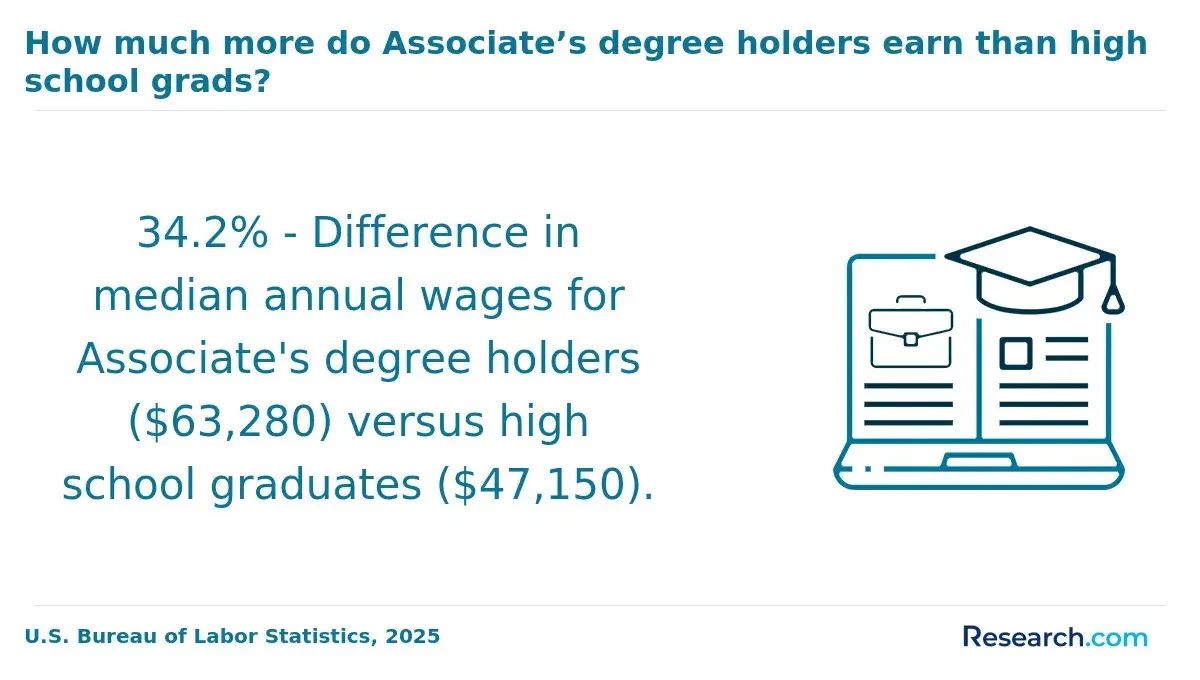
2026 Update: Licensure and Graduate School Planning
For 2026, this section adds a practical check on how no-prerequisite online counseling psychology bachelor’s programs fit into longer-term counseling career goals, especially for students who may later need graduate study or supervised clinical training.
- Confirm whether the bachelor’s degree is designed for counseling psychology, human services, behavioral health, or general psychology pathways.
- Review whether courses align with common graduate admission expectations, such as abnormal psychology, research methods, ethics, and lifespan development.
- Ask if the program includes internship, practicum, or field experience options, even if they are not required for admission.
- Check your state’s counseling licensure rules early, since a bachelor’s degree alone usually does not qualify graduates for independent practice.
- Find out whether academic advisors help students choose electives that support master’s-level counseling applications.
- Look for clear career guidance on entry-level roles versus careers that require a graduate degree.
This helps students choose an accessible program that not only removes entry barriers but also supports their next step toward counseling-related careers.
How Do Open-Admission Policies in Online Counseling Psychology Programs Differ From Traditional Selective Admissions?
Open-admission policies in online counseling psychology bachelor's programs eliminate traditional academic barriers by accepting all applicants who meet basic enrollment rules, contrasting with selective, rolling, and conditional admission systems. For example, Western Governors University openly posts this inclusive approach on its admissions page, while data from the Integrated Postsecondary Education Data System (IPEDS) verify the growth of these flexible programs designed to increase access for non-traditional and first-generation college students.
- Admissions Flexibility: Unlike selective programs requiring transcripts or test scores, open admission welcomes students without prior college credits or standardized exams. This flexibility benefits adults balancing work or those pivoting careers into counseling psychology.
- Academic Variation: Students enter with diverse educational backgrounds, which prompts many schools to provide developmental courses or orientation programs that build foundational skills and improve readiness.
- Selective vs Rolling: Selective admissions limit entry to highly qualified candidates, while rolling admissions evaluate applicants continuously but maintain academic standards. Open admission guarantees seats to anyone who qualifies, changing cohort diversity and competition.
- Support Services: Programs with open-admission policies emphasize resources like tutoring and advising to offset varied academic preparation and support student retention and success.
- Career Implications: It's important to assess whether an open-admission counseling psychology degree aligns with licensure goals and advanced graduate programs, which sometimes demand stricter undergraduate preparation.
Nearly 30% of students in online bachelor's programs now enroll through open-admission schools, reflecting a growing preference for accessible education paths that accommodate varied life circumstances and educational histories.
A professional who enrolled in an online counseling psychology bachelor's degree program with no prerequisites shared that the open-admission policy was crucial for making the career change practical. He described the initial challenge of adapting to academic work after years away from formal education but appreciated the availability of orientation sessions and academic support-which he credits with helping him stay on track. "Without the need to jump through hoops for admission, I could focus on developing skills and moving forward," he reflected, highlighting how the inclusive policy opened doors he hadn't anticipated.
What Are the Typical Enrollment Requirements for No-Prerequisite Online Counseling Psychology Bachelor's Programs?
The typical enrollment requirements for online counseling psychology bachelor's degree programs with no prerequisites include the following:
- Proof of High School Completion: Applicants typically must present a high school diploma or equivalent, such as a GED, confirming they possess the foundational education necessary for college-level counseling psychology coursework.
- Minimum Age Requirements: Most programs set a minimum age of 18, although some permit younger students through options like early admission or dual-enrollment. Age restrictions help ensure students qualify for enrollment under legal and institutional policies.
- English Language Proficiency: Non-native English speakers often need to demonstrate their ability to understand and communicate effectively through standardized tests or other assessments, ensuring full participation in online counseling psychology bachelor's programs.
- Application Materials: Prospective students should prepare a completed application, personal statement, and official transcripts. Careful preparation of these documents can ease the application process and highlight a candidate's commitment to counseling psychology studies.
- Institutional Variations: Public schools often apply more flexible admissions standards to widen access, whereas private nonprofit institutions may require additional documentation-though both aim to reduce obstacles in no-prerequisite online counseling psychology bachelor's degree programs.
- Alternative Pathways: Students lacking formal credentials can pursue a GED or explore dual-enrollment at community colleges to gain eligibility. For those considering easier entry routes, reviewing what is the easiest associate's degree to get can offer helpful guidance.
Recognizing these core admission elements for open enrollment bachelor's programs enables working adults, first-generation students, and career changers to navigate the process confidently and effectively.
Are No-Prerequisite Online Counseling Psychology Bachelor's Programs Available at Regionally Accredited Universities?
Regional accreditation plays a crucial role in ensuring quality and value for no-prerequisite online counseling psychology bachelor's programs. Schools accredited by agencies recognized by the U.S. Department of Education or CHEA adhere to rigorous academic standards that support smoother credit transfer between institutions within the same region. This accreditation is typically preferred by employers and licensing boards, enhancing graduates' chances for job placement and professional certification. In contrast, nationally accredited schools often focus on vocational training and may limit credit portability and financial aid options.
Many regionally accredited universities offer counseling psychology online programs with open admissions that do not require prior college coursework. However, students should confirm that the program itself falls under the institution's regional accreditation scope to avoid surprises in credit transferability or aid eligibility. Prioritizing regional accreditation safeguards both the academic investment and future career opportunities.
- Verify Accreditor: Use the U.S. Department of Education's accreditation database or CHEA's directory to confirm the institution's accrediting body is recognized and regional.
- Check Program Inclusion: Confirm that the counseling psychology program specifically is accredited regionally, not just the university in general.
- Assess Credit Transfer: Investigate whether credits earned are widely accepted by other regionally accredited schools to maintain academic flexibility.
- Confirm Financial Aid: Ensure federal and state financial aid options apply, as they usually extend only to regionally accredited programs.
A professional who pursued an online counseling psychology bachelor's degree with no prerequisites at a regionally accredited university shared that the option to start without prior credits was a lifeline. "I was apprehensive about whether my degree would be respected," she recalls, "but researching accreditation gave me confidence." She appreciated that the program accepted transfer credits from community college courses she completed after enrollment, which expedited her graduation. "Navigating financial aid was smoother than expected once I confirmed the program's status," she says. Her story highlights how accessible, accredited programs can open doors for career changers balancing work, family, and education without prior academic barriers.
How Do Students Without Academic Prerequisites Catch Up in Online Counseling Psychology Bachelor's Courses?
Many online counseling psychology bachelor's programs that do not require prior coursework implement specialized support to assist students in overcoming academic gaps early on. These resources provide a strong foundation and help ensure learners stay on track throughout their studies.
- Developmental Courses: Foundational classes often cover essential skills like introductory psychology, research methods, and academic writing. These bridge courses prepare students for higher-level counseling psychology topics, creating a smoother transition into core coursework.
- Tutoring and Academic Coaching: One-on-one tutoring is frequently available to help students with difficult subjects, while academic coaches offer guidance on study techniques, time management, and program navigation to improve learning outcomes.
- Peer Mentoring: Some programs connect new students with experienced peers who provide academic support and advice, fostering engagement and easing the adjustment to online learning environments.
- Accredited Bridge Programs: Institutions such as Southern New Hampshire University and Arizona State University incorporate credit-bearing bridge modules designed specifically for those lacking formal prerequisites. These ensure foundational knowledge without compromising program rigor.
- Readiness Self-Assessment: Prospective students are encouraged to evaluate their academic skills using self-assessment tools before starting the program. Identifying challenges at this stage enables early access to support services and promotes success.
- Retention Data: According to NSSE findings, students who actively engage with tutoring and mentoring demonstrate significantly higher retention and graduation rates in online programs, highlighting the value of available support mechanisms.
- Recent Trends: A 2023 survey reported that over 60% of no-prerequisite online psychology programs have expanded academic support offerings, reflecting an increased focus on assisting nontraditional learners and improving student success.
What Support Services Help No-Prerequisite Students Succeed in Online Counseling Psychology Bachelor's Programs?
Online counseling psychology bachelor's degree programs with no prerequisites often provide a comprehensive range of student success services tailored to adult learners managing work, family, and school simultaneously. These supports not only enhance academic success but also promote overall well-being, reducing risks of dropout and increasing degree completion rates.
- Academic Advising: Skilled advisors offer personalized virtual consultations to assist with course selection, degree mapping, and institutional navigation. This guidance helps students make informed decisions and stay on track toward their degree goals.
- Mental Health Resources: Given the emotional demands of counseling psychology studies, programs supply access to online counseling, stress management workshops, and peer support groups. These resources nurture resilience and help students balance academic and personal challenges effectively.
- Disability Accommodations: In alignment with ADA standards, programs provide accessible materials, adaptive technologies, and extended testing time to ensure equitable learning opportunities for all students.
- Career Counseling: Career services focus on psychology-related fields, offering resume building, interview coaching, and job placement strategies. Virtual career fairs and networking events frequently connect students with potential employers.
Institutions recognized by U.S. News & World Report for their online bachelor's programs typically maintain strong student support infrastructures that accommodate asynchronous engagement. This allows learners across various time zones and schedules to access help when convenient. According to recent studies, 74% of online students credit virtual academic and wellness support with their persistence, underscoring the vital role these services play in helping no-prerequisite counseling psychology students succeed.
Can Transfer Credits or Prior Learning Assessments Replace Prerequisites in Online Counseling Psychology Programs?
Transfer credits and prior learning assessments (PLAs) can effectively replace prerequisite coursework in many online counseling psychology bachelor's programs, offering a pathway for working adults and career changers to accelerate their degree progress. Institutions widely accept transfer credits from accredited colleges to fulfill general education or specific prerequisites when course content aligns with program standards. This acceptance helps reduce redundant classes and overall tuition costs.
PLA programs-including recognized exams such as CLEP (College-Level Examination Program) and DSST (DANTES Subject Standardized Tests)-are valuable for adults with prior knowledge or professional experience. These exams grant credit for foundational subjects like psychology, statistics, and English composition. Because these assessments comply with guidelines set by the American Council on Education (ACE), credits earned through workplace training, military service, and professional certifications relevant to counseling psychology are consistently recognized by universities.
- Transfer Credit Policies: Institutions like Thomas Edison State University and Excelsior College accept up to 90 transfer credits, allowing students to bypass many lower-division prerequisites and speed up degree completion.
- Prior Learning Assessments: CLEP and DSST exams enable students to validate real-world knowledge and reduce time spent on introductory courses.
- ACE Credit Recommendations: ACE evaluates military and corporate training programs, helping students convert experiential learning into college credit accepted in counseling psychology degree programs.
- Documentation & Submission: Students should provide detailed records of certifications, exam scores, and relevant training, carefully aligning each with program entry requirements to maximize prerequisite waivers.
- Trend Toward Flexibility: There has been a 20% increase in universities expanding transfer credit and PLA acceptance recently, reflecting growing support for alternative credit pathways.
For those exploring degree options without strict prerequisite demands, it is also worth researching related programs such as social media marketing schools, which often feature flexible admission policies and credit transfer opportunities.
What Is the Average Time to Completion for No-Prerequisite Online Counseling Psychology Bachelor's Degree Programs?
Bachelor's degree programs in counseling psychology generally require about 120 credit hours, which averages to roughly 40 courses. The average time to complete online counseling psychology bachelor's programs without prerequisites depends mainly on enrollment pace, term length, and whether students have prior transferable credits. These elements significantly influence how quickly one can graduate.
- Standard Credit Requirements: Most bachelor's degrees require completing 120 credit hours, and no-prerequisite online counseling psychology degrees maintain this academic rigor to meet accreditation standards.
- Enrollment Pace: Full-time students typically finish in four years, while part-time enrollment may extend the timeline to six years or more, depending on individual circumstances and commitments.
- Term Length: Accelerated programs often use eight-week terms instead of traditional 16-week semesters, allowing students to enroll year-round and potentially complete the degree in as little as three years.
- Prior Credits and Transfers: Students bringing transferable credits from previous college courses or AP/dual enrollment options can reduce their time to completion. No-prerequisite programs usually welcome such transfers to accelerate graduation.
- Competency-Based Programs: Institutions like Western Governors University and Southern New Hampshire University offer flexible, competency-based learning paths with multiple start dates annually, enabling motivated students to graduate faster.
- Graduation Rates: According to IPEDS data, selective-admission online programs generally have higher on-time graduation rates than open-admission, no-prerequisite programs, which offer greater access but may have longer average completion times.
- Cost and Opportunity: Time to completion directly affects total tuition and lost income potential, making it a vital factor for working adults and career changers when comparing programs.
When researching affordable and flexible degree options, it's helpful to explore related fields like online mechanical engineering degrees, which also offer accelerated pathways and no-prerequisite models. Choosing the right no-prerequisite counseling psychology online program means balancing enrollment policies, pace, and financial aid with your personal and career goals.
How Does Tuition Compare Between No-Prerequisite and Standard Online Counseling Psychology Bachelor's Programs?
Costs between no-prerequisite and traditional online Counseling Psychology bachelor's programs vary due to several key factors.
- Per-Credit Tuition: Open-admission programs typically set competitive or slightly lower per-credit rates than selective programs, often offered through public or for-profit institutions aiming to attract a broad range of students.
- Additional Fees: Many no-prerequisite options require developmental or remedial course fees that selective programs usually exclude, which can raise the overall expense despite lower hourly rates.
- Institution Type and Funding: Public universities frequently provide discounted tuition for in-state residents but may charge more for out-of-state students. Conversely, private and for-profit schools with open enrollment rely heavily on tuition revenue, affecting pricing structures.
- Program Delivery Format: Fully online programs might reduce traditional campus fees but can impose technology or distance-learning fees that add to total costs.
- Total Degree Cost Focus: It is important to assess the full cost to complete the degree because open-admission programs often require more credits, which impacts affordability beyond just per-credit tuition comparisons.
Which Online Counseling Psychology Bachelor's Programs Allow Students To Start Without A High School Diploma Or GED?
Many accredited online counseling psychology bachelor's programs welcome applicants holding a high school equivalency credential like the GED or HiSET, expanding access beyond those with traditional diplomas. These programs usually treat GED credentials as equivalent proof of secondary education completion, though applicants may be required to submit official score reports directly from testing agencies.
- GED Acceptance: Programs often allow GED holders to apply under standard admission terms but may request supplemental documentation to verify educational background.
- Conditional Enrollment: Some institutions offer provisional admission while students complete additional requirements such as final transcript submission or placement exams, allowing earlier course engagement.
- International Credentials: Applicants educated outside the U.S. should provide credential evaluations from authorized agencies to confirm equivalency with a U.S. high school credential or GED.
- Additional Assessments: Placement testing in English, math, or related subjects may be required to ensure GED students are academically prepared for counseling psychology coursework.
- Financial Aid & Support: Students admitted without traditional diplomas typically qualify for the same financial aid packages and student services-like tutoring, advising, and career counseling-as other enrollees.
What Graduates Say About Their Online Counseling Psychology Bachelor's Degree Program With No Prerequisites
- Bryson: "I chose the online counseling psychology bachelor's degree program with no prerequisites because I wanted a flexible path that allowed me to work while studying. The affordability was a big plus-I didn't have to worry about excessive tuition fees which made advancing my career less stressful. Since graduating, I've noticed a significant boost in my opportunities, feeling more confident in my professional role than ever before."
- Tripp: "Reflecting on my journey, the biggest draw for me was the accessibility of an online counseling psychology bachelor's degree with no prerequisites. This program removed traditional barriers, letting me start immediately and tailor my study around my busy life. The financial aspect was also manageable, and earning this degree has opened doors to roles I had only dreamed of before."
- Joshua: "From a professional standpoint, the decision to pursue an online counseling psychology bachelor's degree with no prerequisites was strategic-I wanted a cost-effective way to strengthen my qualifications quickly. The program's structure matched my career goals perfectly by delivering practical knowledge right away. Completing it has profoundly impacted my career trajectory, giving me credibility and a competitive edge in the counseling field."
Other Things You Should Know About Counseling Psychology Degrees
Students in no-prerequisite online counseling psychology programs can access a variety of financial aid options, including federal grants, scholarships, and loans. Many schools also offer institutional aid specifically for online learners. Additionally, some programs provide payment plans or employer tuition assistance, making education more affordable for working adults.
Graduates from these programs can pursue roles such as mental health technicians, case managers, or research assistants. Opportunities also exist in organizations focused on community outreach or counseling services, offering valuable experience and pathways to advanced degrees or certifications for higher-level positions.
Accreditation standards for online counseling psychology programs require approval from recognized bodies like the American Psychological Association (APA) or regional accrediting agencies. These standards assess curriculum quality, faculty qualifications, and student support services, ensuring students receive a comprehensive and reputable education.
References
- How Long Does It Take to Get a Psychology Degree? https://www.albany.edu/psychology/communications/how-long-to-get-a-psychology-degree
- Why Get a Psychology Degree Online? | University of Bridgeport https://www.bridgeport.edu/news/reasons-to-get-your-psychology-degree-online/
- Online Pre-Counseling Bachelor's Degree Programs https://www.counselingschools.com/programs/bachelors/pre-counseling
- How many years is a bachelors degree in psychology explained - Insurance https://iestpmache.edu.pe/2025/11/02/how-many-years-is-a-bachelors-degree-in-psychology/
- Why Pursue an Online Degree in Psychology Rather Than a Traditional Degree? https://www.online-psychology-degrees.org/faq/why-pursue-an-online-degree-in-psychology-rather-than-a-traditional-degree/
- Online Therapy Resources For College Students: Is It the Right Fit For You? | Harmony Bay Wellness https://www.harmonybaywellness.com/blog/online-therapy-resources-for-college-students-is-it-the-right-fit-for-you/
- How to Pursue Counseling Psychology with an Online Counseling Degree https://www.thechicagoschool.edu/insight/career-development/pursue-counseling-psychology-online-counseling-degree/
- Finding the right online college for psychology - ClimbBoost https://search.climbboost.com/en-us/article/jobs-and-education/finding-the-right-online-college-for-psychology-2710361114
- Thе Advаntаgеs оf Gеtting аn Onlinе Psychоlоgy Dеgrее | PeakD https://peakd.com/@runamehboob/the-advantages-of-getting-an-online-psychology-degree
- Is an Online Psychology Degree Cheaper Than a Traditional One? https://www.onlinepsychologydegree.info/faq/is-an-online-psychology-degree-cheaper-than-a-traditional-one/