2027 Online Counseling Psychology Bachelor's Degree Completion Programs for Working Adults

Co-Founder and Chief Data Scientist
Balancing a full-time job while pursuing an online counseling psychology bachelor's degree completion program can overwhelm many adults. Over 60% of working students report difficulty managing coursework alongside professional and family responsibilities. This challenge often leads to delayed graduation or dropping out, limiting career advancement in mental health fields. Online programs designed specifically for degree completion offer flexible schedules and transfer credit options to alleviate these obstacles. This article systematically examines how top online counseling psychology programs accommodate working adults through accreditation, credit policies, tuition models, and employer outcomes to help readers select the best fit for their goals and lifestyle.
Key Benefits of Online Counseling Psychology Bachelor's Degree Completion Programs for Working Adults
- Online counseling psychology bachelor's degree completion programs offer flexible scheduling, enabling working professionals to balance coursework with employment and personal responsibilities.
- Fully asynchronous courses permit study at any time, allowing students to maintain steady income without compromising academic progress.
- These programs typically accelerate graduation timelines by accepting transfer credits, avoiding the need to retake general education courses required in traditional four-year degrees.
What Are Online Counseling Psychology Bachelor's Degree Completion Programs, and Who Are They Designed For?
Degree completion programs differ from traditional four-year bachelor's degrees by specifically targeting adults who have earned some college credits but have not yet completed their degree. According to the National Center for Education Statistics (NCES), over 36 million Americans hold some college education without a credential, making this group a significant audience for these programs. Unlike freshmen-centered curricula, these programs prioritize transferring existing credits and offering accelerated pathways designed for busy adults. They commonly deliver coursework through online or hybrid formats, allowing working learners to fit studies around career and personal commitments. This model supports adults aiming to finish their education efficiently, including many seeking the best accredited counseling psychology degree completion programs for transfer students.
With bachelor's degrees becoming increasingly mandatory in fields that previously did not require them, demand for these completion programs has grown sharply. They provide a flexible, practical route for adult learners to advance professionally without sacrificing time or income. Key features include: Focused Audience: These programs cater to adults with prior college credits who paused their studies, helping them resume and complete their degrees.Accelerated Format: Designed to speed up degree completion by recognizing prior coursework and learning.High Transfer Credit Acceptance: Most programs accept large amounts of transfer credits, minimizing repeated classes and lowering costs.Flexible Delivery: Online or hybrid classes fit study schedules around work and life demands. For those interested in related fields, exploring AI degree programs can provide additional career advancement opportunities alongside counseling psychology bachelor's degree completion programs for working adults.
How Do Online Counseling Psychology Degree Completion Programs Differ From Traditional Four-Year Counseling Psychology Bachelor's Degrees?
Online counseling psychology degree completion programs differ notably from traditional four-year counseling psychology bachelor's degrees, especially for working adults transferring 60 or more credits. Key differences include:
- Credit Requirements: Completion programs typically require about 60 to 70 credits focusing on major coursework, leveraging substantial transfer credits, while traditional programs require around 120 credits, including general education and electives.
- Curriculum Sequencing: These programs emphasize upper-division counseling psychology courses and may substitute general education with competency-based assessments, prior learning credits, or professional development. This design supports adult learners by recognizing prior knowledge and experience.
- Time to Completion: Students transferring 60+ credits can often finish completion programs within 1 to 2 years part-time, a considerable reduction from the standard 4-year timeline for traditional full-time students.
- Cost Per Credit Hour: According to IPEDS data, the cost per credit hour in degree completion programs tends to be similar or slightly higher than traditional paths at the same institutions. However, the shorter program length usually results in lower overall tuition expenses.
- Program Design for Adult Learners: Completion programs use flexible course scheduling, asynchronous online classes, and curriculum mapping to accommodate working adults' schedules, in contrast to fixed semester schedules demanded by campus-based traditional degrees.
Different institutions implement varied transfer credit policies that can impact time and cost, making program choice critical. Many online counseling psychology degree completion programs recognize military training, portfolio assessments, or prior learning evaluations as alternatives to traditional general education, streamlining degree completion for adult learners. For those comparing options, understanding these nuances enhances decision-making.
To explore alternatives in related fields, consider examining online engineering degree programs that similarly offer flexible formats for transfer students and working adults.
2026 Update: Graduate School and Licensure Pathway Checks
This 2026 update adds guidance on how working adults can evaluate whether an online counseling psychology completion program supports their next step after the bachelor’s degree, especially if they plan to pursue graduate study or future counseling licensure.
- Confirm the institution holds recognized accreditation accepted by graduate counseling or psychology programs.
- Check whether required courses align with common graduate prerequisites, such as research methods, abnormal psychology, and human development.
- Ask if the program clearly explains that a bachelor’s degree alone typically does not qualify graduates for independent counseling licensure.
- Review whether advising includes graduate school planning, recommendation letter support, and application timeline guidance.
- Look for opportunities to complete service learning, internship, or volunteer experience relevant to mental health settings.
- Compare state licensure requirements early if your long-term goal is becoming a counselor, therapist, or psychologist.
Checking these points helps students avoid choosing a convenient program that does not support their long-term professional goals.
Which Accredited Universities Offer the Most Affordable Online Counseling Psychology Bachelor's Degree Completion Programs?
University of Central Florida: Offering tuition at $120.77 per credit for Florida residents and $363.33 for non-residents, UCF maintains accreditation from the Southern Association of Colleges and Schools Commission on Colleges (SACSCOC). Its online psychology bachelor's degree includes counseling-focused coursework but lacks specific CACREP accreditation at the undergraduate level.
Fort Hays State University: With a flat rate of $218 per credit regardless of residency, Fort Hays is regionally accredited by the Higher Learning Commission (HLC). Its Bachelor of Science in Psychology includes counseling emphases and supports generous transfer credits plus military training recognition, making it a practical choice for working adults.
California State University, East Bay: CSUEB charges approximately $396 per credit for online students and holds accreditation from the WASC Senior College and University Commission (WSCUC). The program emphasizes broad psychology foundations with counseling basics, supports transfer-friendly policies, but does not hold specific counseling programmatic accreditation.
Western Governors University: WGU provides a flat tuition rate of about $3,920 per six-month term, equating to nearly $275 per credit hour, independent of residency status. Accredited by the Northwest Commission on Colleges and Universities (NWCCU), its competency-based model aligns with workforce priorities, though it lacks counseling-specific program accreditation.
Arizona State University: ASU charges a uniform tuition of $561 per credit for all students and is regionally accredited by the Higher Learning Commission (HLC). Its comprehensive online Bachelor of Science in Psychology prepares students for graduate counseling programs but does not currently have CACREP accreditation at the bachelor's level.
Generally, the most affordable programs offer flat tuition rates and flexible transfer credit policies, backed by broad regional accreditation but lack specific counseling programmatic endorsement. Mid-tier options often vary prices based on residency and may provide curricula more focused on licensure preparation. A professional who enrolled in an online counseling psychology bachelor's degree completion program shared that balancing work and study was challenging, especially navigating credit transfers and adapting to asynchronous learning. He noted the reassurance of clear tuition rates helped with budgeting, and while the absence of specialized accreditation required extra research, the flexible pacing allowed meaningful progress without sacrificing job responsibilities.
How Many Transfer Credits Can Working Adults Apply Toward an Online Counseling Psychology Degree Completion Program?
Transfer Credit Limits: Most online counseling psychology bachelor's degree completion programs accept between 60 and 90 semester hours from previous coursework. These limits ensure students complete a meaningful portion of their studies at the institution awarding the degree, preserving academic standards.
Credit Evaluation Process: Each transfer credit is carefully assessed to confirm it matches the content and academic level required by counseling psychology programs. Factors like course syllabi, earned grades, and institutional accreditation are examined to maintain curriculum relevance.
Articulation Agreements: Formal agreements between community colleges and four-year universities help streamline credit transfers. These pathways clearly define course equivalencies, minimizing credit loss and speeding up degree completion for working adults pursuing counseling psychology.
Credit Loss Rates: According to the U.S. Department of Education's transfer summit, students typically lose around 40% of credits during transfers. This considerable reduction underscores the importance of choosing programs with structured or guaranteed transfer policies that protect prior learning.
Transfer-Friendly Programs: Some counseling psychology programs accept credits endorsed by the American Council on Education (ACE), including military training and professional certifications. This approach benefits veterans and mid-career professionals by recognizing diverse learning experiences.
Transcript Evaluations: Prospective students should request an official transcript evaluation early to identify accepted credits and plan remaining coursework efficiently. This step helps avoid unexpected delays in completion.
Additional Resource: For those seeking accelerated options, explore the fastest finance degree programs for insights into streamlined degree pathways.
What Are the Typical Admission Requirements for Online Counseling Psychology Bachelor's Degree Completion Programs?
Transfer Credit Requirements: Completion programs typically ask for 24 to 60 transferable college credits from accredited institutions, focusing on courses applicable to counseling psychology or general education. These prior credits form the foundation for upper-level study.
GPA Standards: Most programs expect a minimum GPA between 2.5 and 3.0 to ensure academic readiness for advanced coursework. Some schools offer conditional acceptance for applicants slightly below the threshold, coupled with additional academic support.
Required Documentation: Official transcripts from all former colleges are essential, alongside other materials like personal statements, recommendation letters, or resumes that demonstrate relevant experience, especially important for those balancing work and study.
Prerequisite Coursework: Applicants benefit from having completed introductory psychology, human development, or statistics courses. Taking these prerequisites at community colleges can improve admissibility and preparedness for advanced studies.
Admission Types: Open-admission programs accept most candidates meeting credit minimums, offering flexible entry but often less support and lower credential weight. Selective programs apply more competitive criteria, providing stronger advising and enhancing professional credibility.
Conditional Admission Options: Some institutions grant provisional status, allowing students who don't fully meet criteria to enroll while completing specified coursework or maintaining performance standards before full admission.
A professional who built his career post-graduation from an online counseling psychology bachelor's completion program described the admission process as both challenging and encouraging. He recalled the careful gathering of transcripts and composing a personal statement that reflected his work experience. "The conditional admission option was a relief," he shared, noting it gave him time to shore up his GPA and complete missing prerequisites. Balancing full-time employment with those additional courses demanded discipline, but the support from advisors made it manageable. His experience highlights the potential flexibility within these programs for motivated adults committed to advancing their careers.
How Long Does It Take to Complete an Online Counseling Psychology Bachelor's Degree Completion Program as a Working Adult?
Completion times for an online counseling psychology bachelor's degree largely depend on prior credits, enrollment status, and program design. Students transferring around 30 credits typically need 2 to 3 years, while those with about 60 credits may finish within 1 to 2 years. Those entering with 90 or more credits often complete in roughly one year when enrolled full time, assuming flexible credit transfer policies and accreditation standards.
Part-time enrollment, commonly about 6 credits per semester, tends to extend degree completion to 3 or 4 years depending on transfer credits. Accelerated full-time options-usually 12 or more credits per semester with 8-week courses-can shorten this to 1 to 2 years. These compressed formats help working professionals focus on fewer courses over shorter terms, fitting better with busy schedules.
Most working adults realistically take two courses per semester, equating to 6 to 8 credits, balancing study with full-time employment. Incorporating summer sessions or competency-based progression-where prior skills and knowledge count toward credit-can further reduce time to graduation beyond traditional timelines.
- Transfer Credit Impact: More accepted credits cut down duration significantly; managing transcript evaluations and accreditation is critical to speed progress.
- Enrollment Pace: Part-time suits many but extends duration; full-time and accelerated formats provide faster pathways.
- Accelerated Terms: Eight-week sessions allow concentrated study, enabling quicker completion of courses compared to standard 16-week semesters.
- Competency-Based Progression: Recognizing existing skills reduces redundancy and shortens overall degree timelines.
- Summer Enrollment: Taking courses during summer sessions maintains course momentum and often trims overall program length.
- Life Balance: Work and family commitments influence pacing; employer support and personal circumstances play major roles in timely completion.
- Industry Trend: Recent NCES data show a 15% growth in adult learners completing online bachelor's degrees in counseling-related fields, reflecting increased accessibility and demand.
What Financial Aid, Grants, and Employer Tuition Assistance Options Are Available for Online Counseling Psychology Completion Students?
Adult learners completing an online counseling psychology bachelor's degree have access to several financial aid options that can significantly reduce the cost of education. Eligible students can still apply for federal Pell Grants and Direct Loans by submitting the Free Application for Federal Student Aid (FAFSA), which remains the gateway to federal funds based on financial need or merit.
Many states offer grants and scholarships especially for adults returning to college to finish their degrees. These state-specific programs recognize the unique challenges of balancing education with work and family responsibilities and can provide critical funding beyond federal aid.
Institutions often award scholarships and fellowships tailored to non-traditional students, including those undertaking counseling psychology degree completion programs. These financial awards help alleviate burdens while rewarding dedication and persistence toward degree completion.
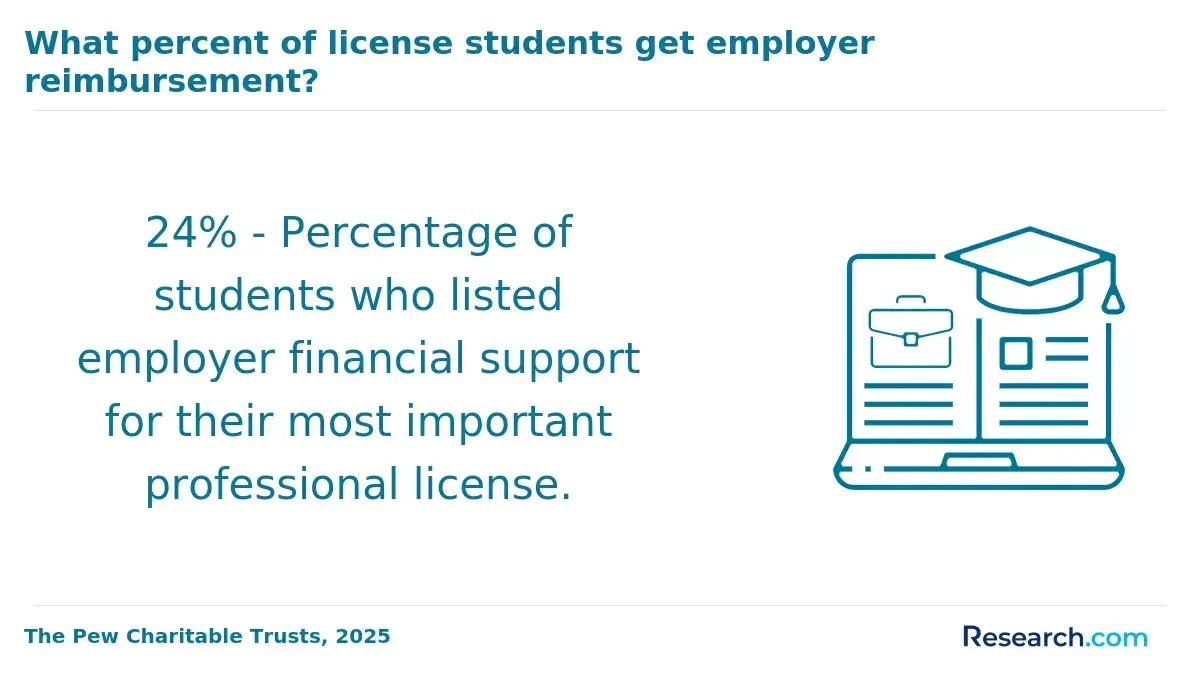
Employer tuition assistance is a valuable resource for working adults pursuing their bachelor's degrees online. Under IRS Section 127, employers can contribute up to $5,250 annually in tax-free benefits for undergraduate education expenses, including online programs. To maximize this aid, students should engage their HR departments early, confirm eligibility, and secure a formal tuition assistance agreement.
Using a structured approach to financial aid helps adult learners optimize their resources. Here is a checklist of essential financial aid steps before enrollment:
- File the FAFSA: Submit this federal form promptly to qualify for Pell Grants, Direct Loans, and other need-based aid.
- Check State Grants: Research your state's financial aid programs focused on adult returners completing bachelor's degrees.
- Institutional Scholarships: Explore scholarships specifically for non-traditional and working students offered by your chosen school.
- Employer Tuition Assistance: Verify if your employer provides tuition reimbursement under IRS rules and obtain a written agreement in advance.
How Does Per-Credit-Hour Tuition for Online Counseling Psychology Completion Programs Compare Across Accredited Institutions?
Per-credit-hour tuition rates for online counseling psychology bachelor's degree completion programs vary widely across accredited institutions, reflecting differences in institutional type, location, and resources. According to recent NCES and IPEDS data, the current national average tuition for such online completion programs typically ranges from $300 to $450 per credit hour. This benchmark provides a useful reference point when comparing programs that accept transfer credits-usually 60 to 90 credits-from previous college coursework, a crucial consideration in tuition cost comparison for accredited counseling psychology completion degrees.
Cost comparisons must consider total program credit requirements since some schools require more than the standard 120 credits to graduate. For example, a program charging $350 per credit might seem economical, but if it requires 60 additional credits beyond transferred coursework, the total expense could exceed that of a school with a higher per-credit rate but fewer required credits. Working adults should carefully evaluate how their prior learning options impact overall cost and time to degree completion.
Ancillary fees often push total costs higher than tuition alone. Technology fees, which support online platforms and resources, graduation fees, exam proctoring charges, and textbook costs can collectively add several hundred dollars per term or annually. These are not always included in advertised per-credit tuition, so prospective students should request a detailed breakdown before enrollment to fully understand the total expenses involved.
Here is a cost-ranked comparison of selected programs based on typical transfer levels and per-credit tuition:
- Institution A: $300/credit; total $18,000 (60 credits remaining)
- Institution B: $350/credit; total $21,000 (60 credits remaining)
- Institution D: $425/credit; total $25,500 (60 credits remaining)
- Institution C: $400/credit; total $27,000 (90 credits remaining)
- National Average Tuition: Most programs charge between $300-$450 per credit hour, setting a mid-range benchmark for comparison across public and private accredited schools.
- Total Credit Requirements: Programs vary in total credits needed post-transfer, which significantly affects overall cost beyond per-credit tuition.
- Ancillary Fees Impact: Additional mandatory fees like technology and proctoring fees add to total expenses, often overlooked in sticker prices.
- Cost vs. Credits: The lowest per-credit rate does not guarantee lowest total cost if the program requires more credits to graduate, emphasizing the need for careful program evaluation.
For those seeking affordable options in related fields, exploring online real estate degrees can offer insights into other cost-effective pathways. Whether you are a community college transfer student, a military veteran, or a mid-career professional, having detailed knowledge of tuition models and transfer credit policies is essential in choosing programs that fit your schedule, budget, and professional ambitions.
What Prior Learning Assessment and Credit-by-Exam Options Exist in Online Counseling Psychology Degree Completion Programs?
Prior learning assessment (PLA) options provide working adults the opportunity to translate their existing knowledge into valuable academic credits, reducing the overall time needed to complete an online counseling psychology bachelor's degree. Many programs welcome credit-by-exam policies, including CLEP and DSST exams, which assess proficiency in college-level subjects. Portfolio assessment also plays a critical role, allowing students to submit documented evidence of relevant work experience, certifications, or training. Additionally, military service members can benefit from ACE (American Council on Education) credit evaluations, which recognize military training and corporate education programs.
- Credit-By-Exam Policies: Programs accepting CLEP and DSST exams allow students to bypass foundational courses. These exams cover a wide range of counseling psychology and general education topics, supporting working adults who want to leverage prior knowledge gained outside the classroom.
- Portfolio Assessment: The most flexible online counseling psychology completion programs permit students to compile portfolios demonstrating previous learning. Evidence can include professional development, workplace training, or volunteer activities, with some institutions accepting up to 30-45 credits through this method.
- ACE Credit Recommendations: The ACE system evaluates military and corporate training to award academic credit formally. This pathway is vital for veterans and those with specialized job training, streamlining degree completion.
- Documentation and Submission: To maximize PLA benefits, students should carefully document all prior learning with transcripts, certificates, job descriptions, and reflective essays. Institutions typically require formal submission for evaluation and award of credit.
Working adults navigating prior learning assessment options for online counseling psychology degree completion will find that understanding credit-by-exam policies in counseling psychology bachelor's programs for working adults is essential to identify programs with the broadest PLA acceptance.
For professionals seeking additional insight into educational opportunities intersecting with technology, the artificial intelligence degree landscape serves as a helpful reference point for integrating interdisciplinary knowledge into a counseling psychology career path.
How Do Asynchronous Schedules in Online Counseling Psychology Programs Accommodate Full-Time Working Professionals?
- Flexible Scheduling: Fully asynchronous courses let students access lectures, submit assignments, and participate in discussions anytime, ideal for those with irregular work hours or living in different time zones.
- Course Structure: Assignments and assessments are designed for independent completion within set deadlines, allowing learners to manage their study pace without live sessions.
- Format Comparisons: Asynchronous programs offer maximum flexibility compared to synchronous and hybrid formats, which require fixed meeting times and may challenge shift workers, travelers, or caregivers.
- Eight-Week Terms: Many universities use accelerated eight-week courses, enabling students to concentrate on fewer classes simultaneously and better juggle work and academic demands.
- Time Management: Successful learners prioritize creating regular study routines and use digital calendars, task managers, and focus apps to stay organized and meet deadlines.
- Engagement Tools: Online forums, video submissions, and virtual office hours support interaction without scheduling conflicts, fostering community while respecting flexibility.
- Limitations: Purely asynchronous programs may lack immediate feedback found in live sessions, requiring greater self-discipline and motivation to maintain progress.
What Concentrations and Career Tracks Are Available Within Online Counseling Psychology Degree Completion Programs?
Most online counseling psychology bachelor's degree completion programs offer concentrations integrated within the standard 120-credit curriculum, avoiding additional credits or extended timelines. This structure helps control both expenses and time to degree completion for working adults.
- Mental Health Counseling: Prepares students for roles such as licensed professional counselors or behavioral health technicians, requiring further graduate licensure. According to the U.S. Bureau of Labor Statistics (BLS), mental health counselors earn a median salary near $48,000 with a projected growth rate of 22% through 2031.
- Substance Abuse and Addiction Counseling: Focuses on supporting recovery and treatment in rehabilitation centers or social agencies. Graduates often pursue certifications like the Certified Alcohol and Drug Counselor (CADC) to meet professional standards and improve job prospects.
- School Counseling Preparation: Aligns with state licensure for school counselors, targeting educational settings. The BLS reports median wages around $60,000 with consistent demand in school systems.
- Career Development: Equips students to assist clients with job transitions and career planning, often leading to roles in workforce development or human resources. Median incomes are approximately $60,000, and certifications such as the Global Career Development Facilitator (GCDF) can enhance employability.
Choosing a concentration that fits personal passion and labor market needs can enhance job satisfaction and career growth, while maintaining manageable credit requirements and licensing pathways.
What Graduates Say About Online Counseling Psychology Bachelor's Degree Completion Programs for Working Adults
- Bryson: "I appreciated how the program's strong accreditation ensured my degree held value in the professional world. The clear transfer credit policies made it easy to continue without losing progress, which was a huge relief. Completing this online Counseling Psychology degree has truly opened doors for me in terms of career advancement and employer recognition."
- Tripp: "Reflecting on my journey, the flexible tuition model was a game-changer, allowing me to balance work and study without financial strain. I also valued the structured curriculum that kept me engaged and on track. The prior learning options acknowledged my previous experience, making the whole process feel personalized and efficient."
- Joshua: "As a professional returning to finish my degree, I found that the comprehensive transfer policies saved me significant time and money. The program's adherence to rigorous accreditation standards reassured me that my education was respected in the field. Since graduation, I've seen tangible improvements in my employment opportunities and job satisfaction."
Other Things You Should Know About Counseling Psychology Degrees
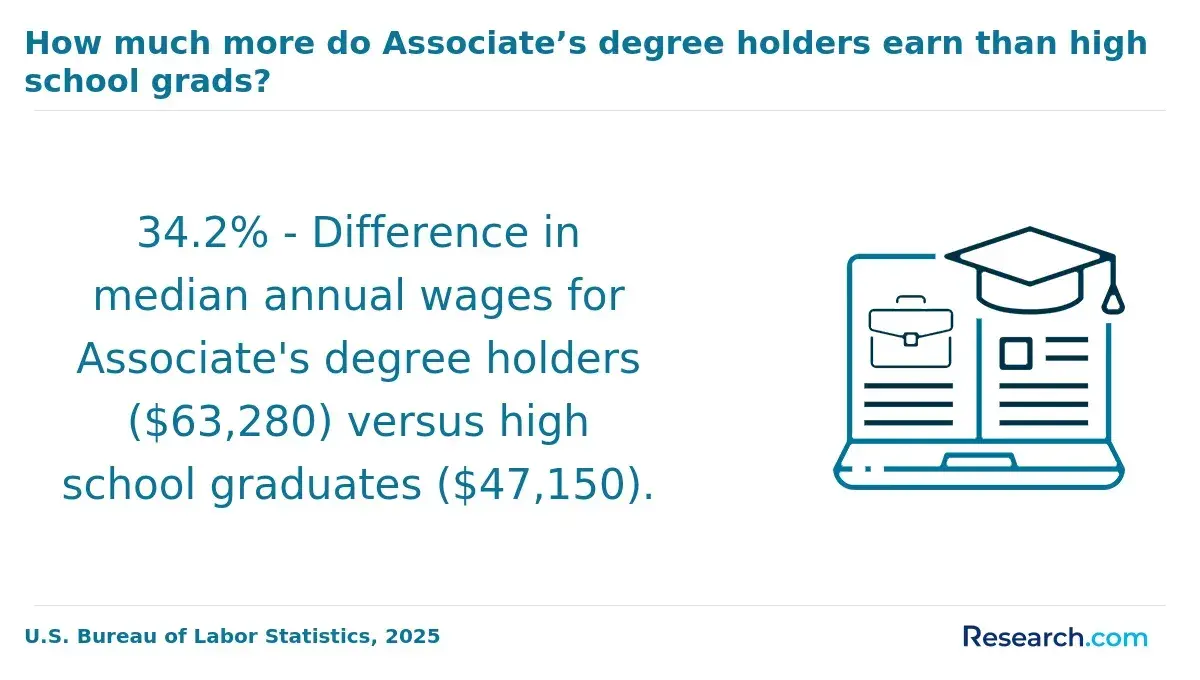
Finishing an online counseling psychology degree can increase earning potential and professional opportunities compared to stopping at some college. With a degree, individuals typically have access to better-paying positions and more career advancements, enhancing long-term financial and professional growth significantly.
Most online counseling psychology completion programs offer comprehensive academic support, including access to dedicated advisors who understand the needs of working adults. These programs often provide tutoring, technical assistance, and career counseling tailored to the counseling psychology field. Additionally, many schools host virtual career fairs and maintain partnerships with organizations to help students find internships or job placements.
In 2027, online counseling psychology completion programs for working adults typically offer a range of support, including access to academic advisors, tutoring services, and dedicated career counseling. These resources aim to enhance learning, guide course selection, and assist with career transitions, making it feasible for students to balance studies with professional responsibilities.
References
- Online Psychology, B.S. with Clinical and Counseling Concentration https://www.msudenver.edu/online/psychology-bs-clinical-counseling/
- Counseling Psychology Master’s Programs Online: Compare Schools https://www.onlinemastersdegrees.org/best-programs/psychology/counseling-psychology/
- Why Pursue an Online Counseling Degree? | University of Bridgeport https://www.bridgeport.edu/news/pursue-an-online-counseling-degree-now/
- 50 Low-Cost Online Bachelor's in Psychology https://www.greatvaluecolleges.net/rankings/online-psychology-degree-programs/
- Cost of Online Education vs. Traditional Education [2025]: Comparison https://educationdata.org/cost-of-online-education-vs-traditional-education
- How to Succeed in an Online Psychology Bachelor’s Program as a Working Adult | Palo Alto University https://paloaltou.edu/resources/blog/how-succeed-online-psychology-bachelors-program-working-adult
- Scholarships for Online Counseling Students https://www.onlinecolleges.me/financial-aid/scholarships/counseling/
- Understanding Online Master’s Programs in Counseling Psychology - Clinical Gate https://clinicalgate.com/understanding-online-masters-programs-in-counseling-psychology/
- Online Psychology Degree Completion - The University of Olivet https://www.uolivet.edu/program/online-psychology-degree-completion/
- Most Affordable Online Psychology Degree Programs: School Reviews https://www.publicservicedegrees.org/online-degrees/psychology-programs/most-affordable/