2027 Online BA in Psychology - Mental Health for Victim Services Assistants: Choosing a Program Without Leaving Your Job

Co-Founder and Chief Data Scientist
If you already help people navigate victim services, an online psychology BA may deepen your understanding of trauma and strengthen your qualifications without requiring you to leave your job. But "online" does not necessarily mean self-paced, and a mental-health focus does not qualify you to provide therapy.
This guide explains how to compare programs against your work schedule, current responsibilities, budget, and career goal - so you can decide whether a BA is worth pursuing or a more targeted qualification would serve you better.
Key Things You Should Know
- Choose a program around your actual shifts: check live classes, deadlines, fieldwork, campus visits, and whether your current job can count toward applied learning.
- A psychology BA can support nonclinical advocacy and service coordination, but it does not authorize diagnosis or therapy; some assistant jobs do not require a bachelor's degree.
- Many US bachelor's programs require about 120 semester credits. Compare the credits you still need - not the advertised pace or per-credit price alone - before estimating time and cost.
What Is an Online Bachelor's Degree in Psychology for Victim Services?
It is an undergraduate psychology degree delivered primarily online that you can apply to victim services work. Most programs are general psychology BAs; some offer a formally named mental-health concentration, while others offer only relevant electives. Check the transcript designation rather than assuming similar course titles represent the same credential.
For a victim services assistant, the degree's value lies in understanding behavior, development, trauma-related research, and service systems - not in acquiring clinical authority. If substance-use concerns frequently arise in your work, online colleges for addiction-focused psychology study offer another comparison. Examine whether their coursework develops referral knowledge rather than simply adding a specialization label.
What Education Does a Victim Services Assistant Need?
There is no single nationwide degree requirement for victim services assistants. Employers set requirements according to the setting and duties: a community nonprofit may prioritize experience and training, while a government agency may specify a degree or particular coursework. Review actual postings for your target employer and promotion level before enrolling.
Your current work may already demonstrate valuable skills: explaining services, arranging referrals, maintaining records, and communicating respectfully with people in distress. If the position you want does not require a BA, ask whether employer training, supervised advocacy experience, or a shorter credential would close the relevant gap. For substance-use-specific roles, compare degree pathways for substance use counseling work against your state's credential rules; they are not interchangeable with a victim advocacy role.
How Can an Online Psychology Bachelor's Degree Prepare You for Victim Services?
A strong BA can help you interpret research on trauma and memory, recognize how age and social context affect communication, and evaluate whether a support program's claims are backed by evidence. Those skills can improve the questions you ask and the referrals you make. They do not replace your agency's protocols for safety, confidentiality, documentation, or mandated reporting.
Look for an approved nonclinical internship, community project, or capstone that addresses a real service question, such as making referral information easier to understand. Ask the program and your employer separately whether your existing job qualifies, who would supervise the work, and what information you may use. Client records are not automatically available for coursework.
Forensic coursework may provide useful justice-system context, but it is not necessary for most assistant duties. Even one-year forensic psychology master's workload and outcomes should be judged against the specific job you want, rather than treated as a faster route to advocacy expertise.
First, verify the institution's accreditation through its stated accreditor and the US Department of Education's accreditation information. Then examine the actual BA curriculum and policies. Institutional accreditation matters for degree recognition and federal-aid eligibility, but it does not establish that a mental-health concentration is clinically accredited. APA accreditation is not a general requirement for psychology BAs.
For someone keeping a job, the decisive comparison is operational: obtain a sample course schedule, the frequency of required live meetings, typical assignment deadlines, fieldwork rules, leave policies, and a written transfer-credit evaluation. Ask when required courses run; a class offered only occasionally can delay graduation despite flexible weekly coursework.
If your longer-term goal is therapy rather than advocacy, research the qualifying graduate route separately. Accredited counseling program affordability comparisons may help frame that later decision, but verify each program's recognition and the licensing rules in the state where you intend to practice.
Expect general education alongside psychology foundations such as developmental and social psychology, research methods, statistics, and courses examining mental health as an academic subject. Requirements vary. For victim services, prioritize coursework that strengthens evidence interpretation, culturally responsive communication, and understanding of the systems clients encounter.
Use electives to fill a demonstrated work gap rather than collecting adjacent labels. A trauma-related course may help you interpret evidence, while a criminal justice or forensic elective may clarify agency processes. Neither teaches you to conduct forensic assessments or investigations. If that field is a possible future direction, comparing costs across forensic psychology degree routes can help you distinguish a useful elective from a separate - and potentially unnecessary - degree commitment.
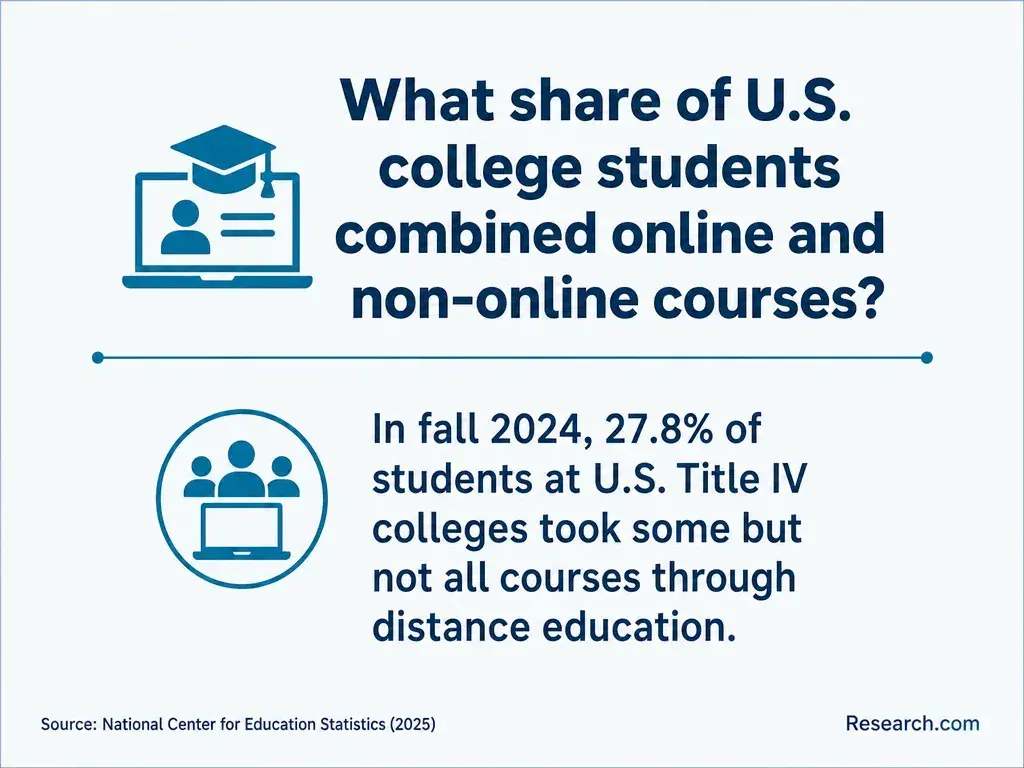
Online delivery can remove a commute and let you study after a shift. Campus-based study may make scheduled meetings with faculty or local organizations easier. Neither format guarantees better applied experience; what matters is whether you can participate consistently and receive useful supervision.
Ask online programs whether classes are asynchronous, whether group projects require set meeting times, and whether internships or exams require travel. Match those answers against your rota, including occasional evenings or weekends when victim services work may be busiest. Accelerated formats compress deadlines rather than eliminate work: discussions of faster pathways through graduate psychology coursework illustrate why a short calendar is not, by itself, a good measure of compatibility with employment.
Schools commonly ask first-year applicants for prior school records and transfer applicants for college transcripts, but admission standards and major-entry rules differ. Returning students should request an evaluation showing not just which credits are accepted, but which satisfy general education, psychology prerequisites, and remaining degree requirements. The receiving institution makes that determination.
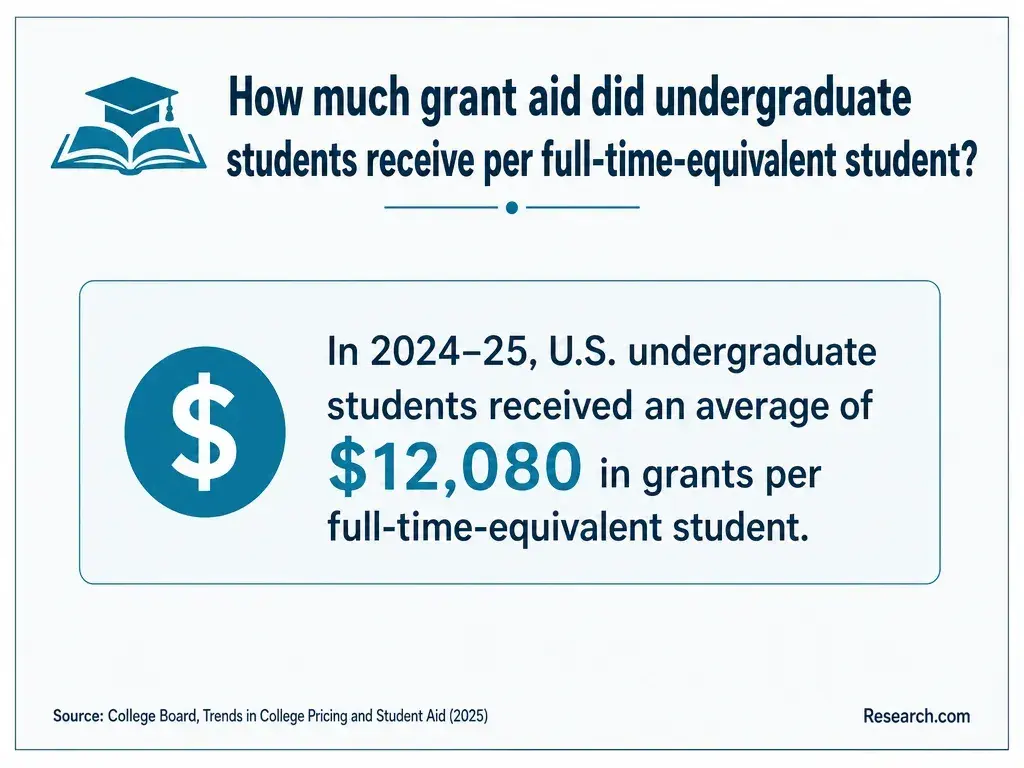
Before applying, gather transcripts and any employer tuition-assistance policy. Ask admissions when you can receive a degree audit, and ask financial-aid staff how your planned enrollment level affects eligibility. If you are weighing a counseling-focused alternative, funding an online bachelor's in substance abuse counseling provides a related aid comparison; confirm the rules for your chosen school and program.
Many US bachelor's degrees require about 120 semester credits, but your completion time depends on the credits that apply to the degree, required-course availability, and the number of courses you can sustain while working. A part-time plan may protect your income and reduce overload even if it extends the calendar.
Request a remaining-credits audit and a term-by-term plan, then calculate tuition using the school's charges for your enrollment status. Include mandatory fees, books, technology, possible placement expenses, and any tuition your employer will reimburse only after you pass. Compare the resulting remaining-degree cost - not just a headline tuition rate - with psychology degree options with lower tuition. Do not count transfer savings or reimbursement until the relevant office confirms them.
Depending on employer requirements and experience, relevant nonclinical titles include victim services assistant, victim advocate, intake coordinator, and service or referral coordinator. Duties may involve explaining available resources, coordinating with partner agencies, documenting contacts, and helping clients navigate processes. A BA can strengthen an application or support advancement, but it does not guarantee a new title or pay grade - particularly in public agencies with fixed classifications.
The US Bureau of Labor Statistics' social and human service assistants category is a useful, though imperfect, wage comparison for some support duties; its May 2024 median annual wage was $45,120. That occupation-wide figure is not the salary of victim advocates or psychology BA graduates. Compare local postings by employer, duties, and required credentials before estimating a return on your degree.
Some positions involving program leadership or specialized services call for different experience or graduate education. Consider affordable online psychology master's programs only after checking whether the specific job values a nonclinical psychology master's; another qualification may be a more direct route.
Does Victim Services Work Require Licensure or Certification?
Nonclinical victim advocacy is not the same occupation as licensed mental-health treatment. A psychology BA does not authorize psychotherapy, diagnosis, or independent psychological assessment. Individual employers may require advocacy training, background checks, or a particular certification, and duties involving minors or confidential information may carry additional rules. Confirm the requirements for the exact position and jurisdiction.
If you want to become a therapist, plan for a separate qualifying graduate program and applicable supervised experience, examinations, and state licensing requirements. When comparing short counseling master's formats and career planning, verify that the program meets your intended state's educational rules and that its required placements fit your work schedule. Do not treat a mental-health BA focus as a substitute.
Other Things You Should Know About Psychology
Compare the actual requirements. A BS may require more science or quantitative courses, but the labels alone do not establish which degree is better for victim services.
Yes. You can study concepts and use permitted, nonidentifying examples. Do not submit client records or case details unless both your employer and program explicitly authorize the use.
Possibly. Ask which programs qualify, whether approval is required before enrollment, when reimbursement is paid, and whether you must remain employed afterward.
Check leave, reentry, course-sequencing, and financial-aid policies before enrolling. A pause may affect when a required class is next available.
- Frequently Asked Questions for Mental Health Counselors | nysed.gov https://www.op.nysed.gov/professions/mental-health-counselors/faqs-education-requirements
- CVST FAQs - South Carolina Attorney General https://www.scag.gov/inside-the-office/crime-victim-services-division/crime-victim-services-training-provider-certification-and-statistical-analysis/cvst-faqs/
- Fact Sheet #71: Internship Programs Under The Fair Labor Standards Act | U.S. Department of Labor https://www.dol.gov/agencies/whd/fact-sheets/71-flsa-internships
- Trauma-Informed Approaches and Programs | samhsa.gov https://www.samhsa.gov/mental-health/trauma-violence/trauma-informed-approaches-programs
- Victim Services Careers | fbijobs.gov https://www.fbijobs.gov/victim-services
- Types of Financial Aid: Grants, Work-Study, and Loans | studentaid.gov https://studentaid.gov/understand-aid/types
- Chapter 20 - NVAA https://ovc.ojp.gov/sites/ovc/files/pubs/OVC_Archives/nvaa2000/chapter20.htm
- DAPIP | Homepage - Office of Postsecondary Education (OPE) https://ope.ed.gov/dapip/
- Frequently Asked Questions - California Board of Psychology https://www.psychology.ca.gov/licensees/faq.shtml
- Cost of Attendance (Budget) | 2025-2026 Federal Student Aid Handbook https://fsapartners.ed.gov/knowledge-center/fsa-handbook/2025-2026/vol3/ch2-cost-attendance-budget