2027 One-Year Online Entertainment Business Master's Degree Programs: Accelerated Options, Costs & Outcomes

Co-Founder and Chief Data Scientist
A one-year online entertainment business master's degree is built for students who want graduate-level business training for film, music, streaming, live events, media, sports, or creative ventures without spending two or more years away from career momentum. The main decision is not simply whether the degree is “fast.” It is whether the accelerated format, cost, workload, accreditation, and career outcomes fit your goals.
Recent data show that 42% of online entertainment business master's students prioritize accelerated options to reduce time-to-degree while balancing work and personal commitments. That demand makes sense: entertainment companies need professionals who understand finance, rights, marketing, analytics, distribution, talent management, and digital platforms. But compressed programs can be intense, and short timelines do not automatically mean better value.
This guide explains how one-year online entertainment business master's programs work, how they differ from standard graduate formats, what they typically cost, what admissions teams look for, how courses are delivered, and what students should evaluate before enrolling.
Key Things to Know About One-Year Online Entertainment Business Master's Degree Programs
- One-year online entertainment business programs offer flexibility for working professionals, allowing recent graduates and career changers to balance studies with employment or personal commitments.
- Accelerated formats enable rapid skill acquisition, condensing comprehensive entertainment business curricula into a focused timeframe for efficient career preparation.
- International applicants gain access to global networking opportunities through diverse cohorts and virtual industry connections, expanding professional prospects beyond local markets.
What Exactly Is a One-Year Online Entertainment Business Master's Degree Program, and How Does It Differ from a Standard Graduate Format?
A one-year online entertainment business master's degree is an accelerated graduate program designed to be completed in 12 months. Instead of spreading coursework across a traditional two-year plan or an 18 to 24 month part-time schedule, these programs condense courses into intensive terms with fewer breaks and a faster assignment cycle.
The degree usually covers the same broad business functions found in longer formats: entertainment finance, marketing, intellectual property, contract strategy, project management, leadership, and industry analysis. The difference is pacing. Students are expected to move quickly from concept to application, often while completing team projects, case studies, and a capstone within the same year.
Examples include Boston University's online MS in Entertainment Industry Management, which uses continuous, back-to-back sessions for degree completion in one year. Drexel University's online Master's in Entertainment and Arts Management similarly compresses its curriculum into an accelerated timeline combining core courses with hands-on learning. New York University's Tisch School of the Arts offers a hybrid accelerated master's format where online components support focused cohorts, helping students graduate faster. These are among the leading one-year online Entertainment Business master's degree accelerated programs available.
How the accelerated format changes the student experience
- Accelerated Curriculum: Coursework is compressed into intense semesters, requiring full-time commitment and limited breaks to fit the shortened timeframe.
- Flexible Delivery: Many programs offer fully online or blended learning formats, enabling students to balance work, life, and education through digital platforms.
- Time Savings: Completing a master's degree in one year rather than two can help students pursue advancement or transition into entertainment business roles sooner.
- Eligibility and Requirements: Programs often require strong undergraduate GPA, relevant professional experience, and readiness to handle accelerated academic pacing.
- Ideal Candidates: Professionals seeking prompt advancement, career changers with transferable business or creative experience, and recent graduates who can study intensively tend to benefit most.
The trade-off is workload. A one-year program can reduce total time in school, but it may also reduce your ability to work extra hours, complete internships, or explore electives. Students comparing entertainment business with adjacent fields may also find that an AI online degree can build technology skills relevant to audience analytics, recommendation systems, production workflows, and digital media strategy.
Which Accredited Universities Currently Offer Legitimate One-Year Online Entertainment Business Master's Programs?
Legitimate one-year online entertainment business master's programs should come from accredited institutions. Accreditation matters because it affects employer recognition, credit transfer, federal financial aid eligibility, and the overall credibility of the credential. Regional accreditation is generally preferred over national accreditation because it is more widely accepted by universities and employers.
Some business-related programs may also hold specialized accreditation such as AACSB, which signals additional review of business curricula, faculty qualifications, and academic quality. Specialized accreditation is not the only sign of value, but it can be useful when comparing business-focused entertainment programs.
Here are five regionally accredited institutions, representing each of the five major U.S. regions, that offer legitimate accelerated or one-year online master's degrees in entertainment business or closely related fields:
- Northeast: Emerson College: Accredited by NECHE, offering an intensive online Master of Arts in Entertainment Industry Management completed in 12 months with tuition around $34,000.
- Midwest: DePaul University: Accredited by HLC, providing an accelerated online Master's in Entertainment Technology Management with a 12-month duration and approximately $30,000 tuition.
- South: University of Miami: Accredited by SACSCOC, offering a one-year online Master's in Entertainment Business blending business fundamentals and sector strategies, priced near $42,000.
- West: University of Southern California (USC): Accredited by WSCUC, USC's renowned program is an accelerated online Master of Entertainment Industry Management with tuition close to $50,000.
- Mountain West: Colorado State University Global: HLC accredited, offering a Business master's with emphasis on Entertainment and Media Management, designed for about one year online completion and roughly $28,000 tuition.
How to verify legitimacy before applying
- Confirm institutional accreditation: Check whether the institution is regionally accredited and whether that status is current.
- Review the actual degree title: Some programs are entertainment-specific, while others are business, arts management, technology management, or media management degrees with an entertainment emphasis.
- Ask about completion time: “One-year” may require full-time enrollment, year-round study, and strict course sequencing.
- Compare outcomes: Look for career services, alumni networks, internship or practicum access, and published job placement information where available.
- Request total cost-of-attendance estimates: Tuition alone may not include technology fees, travel, software, materials, or proctoring.
Prospective students should evaluate admissions criteria including GPA, prerequisite coursework, and relevant experience, alongside curriculum depth and academic rigor of accelerated schedules. Financial aid and total cost-of-attendance estimates vary per institution and are important considerations. For additional options and verified accreditation statuses, trusted databases like Peterson's and the U.S. Department of Education's College Navigator provide comprehensive information.
Students considering longer-term academic pathways can also compare graduate affordability through resources such as cheapest PhD programs online, especially if they may eventually pursue research, teaching, or executive-level credentials.
The prospect of enrolling in top universities offering accelerated entertainment business master's degrees online can be valuable for recent graduates, career changers, and international applicants, but only when the program's accreditation, pacing, curriculum, and career support align with the student's goals.
How Much Does a One-Year Online Entertainment Business Master's Program Typically Cost in Tuition and Fees?
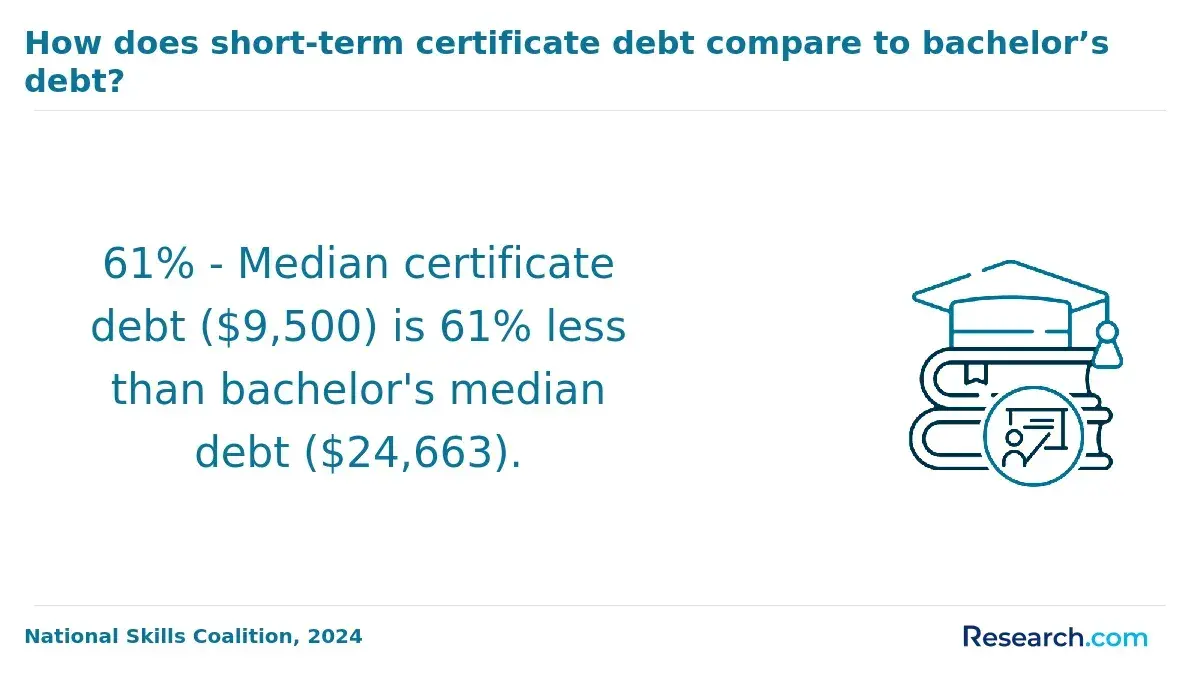
Tuition for accelerated one-year online entertainment business master's programs varies significantly by institution type. Public universities generally charge between $15,000 and $30,000 for tuition and mandatory fees, while private institutions often range from $30,000 to over $50,000. These costs reflect the specialized nature and expedited format of these degrees, consistent with recent data from the National Center for Education Statistics (NCES).
The most important cost question is total price, not advertised tuition. A compressed program may reduce the amount of time you are enrolled, but it can concentrate payments into a shorter period and leave less time for paid work while studying.
- Tuition Range By Institution Type: Public schools tend to offer lower tuition for residents and non-residents, but some non-resident fees may approach private school rates. Private programs often provide smaller classes and access to faculty experts, which contributes to higher prices.
- Technology And Course Materials Fees: Additional technology fees usually range from $300 to $800 to cover platforms and technical support. Course materials, including industry-specific software and subscriptions, can cost between $500 and $1,200.
- Proctoring And Examination Costs: Many programs require online proctoring for exams, with fees generally between $50 and $150 per test, which may add up depending on course load.
- Residency Or Industry Immersion Expenses: Certain programs include brief in-person residencies or immersion experiences, requiring travel and lodging costs typically estimated at $1,000 to $3,000.
- Financial Transparency And Aid: Prospective students should request detailed cost disclosures and explore financial aid options like scholarships and assistantships that differ by program and can substantially reduce out-of-pocket expenses.
Nearly 40% of graduate students now enroll in accelerated or online formats, reflecting a need for flexibility and manageable costs, according to NCES.
Before enrolling, ask each school for a written estimate that separates tuition, mandatory fees, optional fees, residency expenses, software, books, and payment deadlines. Also ask whether tuition is charged by credit, term, or program. That distinction can affect your budget if you slow down, repeat a course, or pause enrollment.
A professional who pursued an online entertainment business master's to shift careers shared that the financial planning required was more complex than anticipated. “Balancing tuition with extra fees like proctoring and tech access was a juggling act,” he explained.
He found requesting thorough cost breakdowns from schools essential to avoid surprises. The compressed schedule demanded intense focus, leaving little time to earn while studying, so budgeting carefully became crucial. Despite the challenges, he valued the program's flexibility, which made it feasible to commit fully to career transition goals.
What Financial Aid and Scholarship Options Are Available for One-Year Entertainment Business Master's Students?
Graduate students in accelerated entertainment business programs may be eligible for federal financial aid, including direct loans and work-study opportunities. The first step is completing the FAFSA early. Accelerated programs may use nontraditional academic calendars, and those calendars can affect aid deadlines, disbursement timing, and how funds are applied to each term.
Merit-based scholarships can reduce tuition for students with strong academic records, leadership experience, or relevant entertainment industry work. Departmental fellowships may support candidates in entertainment business through partial tuition assistance or stipends tied to research, program support, or professional development. Employer tuition reimbursement can also be important for working professionals, especially when the degree aligns with a current role or promotion pathway.
Statistics show that over 60% of students in such accelerated degrees combine federal aid and institutional scholarships to finance their education.
Common funding sources to compare
- Federal Financial Aid: Eligible graduate students may access loans and work-study funds by submitting the FAFSA early, accounting for accelerated program schedules.
- Merit-Based Scholarships: Awards based on academic merit and professional achievements reduce tuition burdens for qualified students.
- Departmental Fellowships: Fellowships provide financial support along with professional development opportunities linked to the entertainment business field.
- Employer Tuition Reimbursement: Many working students leverage employer programs for tuition reimbursement, easing the cost of accelerated degrees.
- Scholarship Search Tools: Resources like the College Board's Scholarship Search help uncover additional funding paths for graduate entertainment business studies.
Ask each program whether scholarships are automatically considered or require separate applications. Also confirm whether aid is available for every term in the one-year schedule, including summer or nonstandard sessions. A scholarship that looks generous may be less useful if it applies only to part of the program.
For students still comparing accelerated education paths before entering graduate school, reviewing an accelerated online bachelor's degree can provide context on pacing, workload, and funding expectations in compressed online formats.
What GPA, Prerequisites, and Professional Experience Do One-Year Entertainment Business Master's Programs Require?
Most one-year online entertainment business master's programs expect applicants to hold at least a 3.0 undergraduate GPA on a 4.0 scale. Admissions committees may consider the rigor of the prior institution, grade trends, major difficulty, and evidence of improvement. A slightly lower GPA is not always disqualifying, especially when the applicant has strong professional experience or a compelling portfolio.
Programs typically expect foundational preparation in business, marketing, communications, or media studies. Applicants without that background may need preparatory coursework before beginning the master's curriculum. This is especially important in one-year formats because there is little time to catch up once graduate courses begin.
Professional experience can carry significant weight. Work in media production, arts administration, marketing, distribution, talent management, events, music, sports, or creative entrepreneurship can show that the applicant understands industry demands. It can also help offset the absence of GRE or GMAT scores when programs use holistic admissions.
- Typical GPA Requirements: Most programs expect a minimum 3.0 GPA but assess candidates in light of institutional grading standards and academic context.
- Prerequisite Coursework: Core business or media courses may be required; missing prerequisites are often addressed during pre-matriculation phases.
- Significance of Professional Experience: Industry background can offset test waivers and strengthen applications by demonstrating practical skills.
- Admissions Variability: Criteria differ significantly between schools; direct inquiries are essential for clarity.
- Recent Admissions Trend: Over 60% of accelerated entertainment business master's programs now admit students based on professional experience and portfolios rather than standardized tests.
Students who need a stronger business foundation before graduate study may compare undergraduate options such as an online bachelor's in business, especially if they are coming from a creative or technical background with limited coursework in accounting, finance, management, or marketing.
A professional who established her career after graduating from an online entertainment business master's degree program noted that balancing her work history with academic records was crucial for acceptance. She recalled feeling relieved when her practical industry contributions helped compensate for a GPA slightly below the typical threshold.
“The program appreciated my real-world experience more than test scores,” she reflected. Preparing for prerequisite coursework before enrollment took some adjustment, but preparatory classes helped build confidence. Her experience highlights how these admissions components interact to provide diverse pathways into accelerated programs.
Are GRE or GMAT Scores Still Required for Accelerated Online Entertainment Business Master's Admissions?
GRE and GMAT requirements are no longer universal for accelerated online entertainment business master's programs. Many schools have moved toward test-optional or test-free admissions, especially for applicants who can show academic readiness through prior coursework, professional experience, leadership, or a portfolio of relevant work.
Some programs still request scores when an applicant has a lower GPA, limited quantitative coursework, or little professional experience. In those cases, a strong test score may help demonstrate readiness for graduate-level business analysis. Other programs offer waivers when applicants meet GPA thresholds or have substantial experience in media management, production, marketing, business operations, or related fields.
- Test-Optional Shift: Approximately 70% of graduate business programs had adopted test-optional policies by 2023, reflecting a growing preference for holistic applicant evaluation in entertainment business disciplines.
- Conditional Score Requirements: Certain schools still require GRE or GMAT results when applicants do not meet GPA thresholds or lack industry-related professional experience.
- Waivers Based on Experience and Portfolios: Demonstrated leadership, a solid work history, or creative portfolios frequently replace standardized test requirements, highlighting candidates' capabilities and motivations.
- Policy Variability Among Institutions: Admission rules differ significantly between programs; prospective students should consult individual school websites for the latest and most accurate information.
- International Candidate Considerations: Some programs maintain testing requirements for international applicants to verify academic preparedness, although waivers may be granted based on equivalent qualifications or prior U.S.-accredited degrees.
The practical approach is simple: do not assume that “test-optional” means “less selective.” If you apply without scores, strengthen the rest of the file. Use your resume, statement of purpose, portfolio, recommendations, and prerequisite coursework to show that you can keep pace in a compressed graduate program.
How Are Courses Structured and Delivered in a One-Year Online Entertainment Business Master's Program?
One-year online entertainment business master's programs usually combine synchronous and asynchronous learning. Synchronous sessions are live, scheduled classes, discussions, workshops, or presentations. Asynchronous components include recorded lectures, readings, discussion boards, quizzes, and assignments that students complete on their own schedule.
This delivery model is designed to balance flexibility with accountability. The asynchronous portion helps working professionals and students in different time zones manage coursework. The live portion supports networking, group discussion, faculty feedback, and presentation practice, which are especially valuable in entertainment business.
These programs compress traditional semester timelines by requiring 9 to 12 credit hours per term, which is roughly double the load of standard graduate schedules. Weekly study commitments typically range between 20 to 30 hours, reflecting the fast pace and intensive workload. Assignments and projects follow a rapid cadence, often due every one to two weeks, demanding careful time management and sustained focus.
Capstone projects, practicums, or thesis options serve as culminating experiences, integrating academic knowledge with industry challenges. Typically completed in the final term, these projects are designed to be intensive yet manageable within the one-year timeframe. Students often collaborate with entertainment companies or conduct industry-related research to enhance career readiness.
- Credit Hour Compression: Accelerated programs require more credit hours per term than traditional timelines, often doubling the semester load to fit into one year.
- Synchronous vs. Asynchronous Balance: A combination of live classes and flexible course materials supports varied schedules and learning preferences.
- Weekly Study Expectations: Students generally devote 20-30 hours weekly to meet the demanding pace and workload of compressed programs.
- Culminating Projects: Capstones or practicums synthesize learning into real-world entertainment business challenges, starting mid-program and concluding at the end.
- Industry Integration: Many programs emphasize practical experience through partnerships with entertainment firms, enhancing professional development within a condensed timeline.
Recent education surveys indicate that over 65% of graduate students in accelerated business programs prefer hybrid online formats combining synchronous and asynchronous delivery for greater engagement and flexibility.
What Core Curriculum and Specialization Tracks Are Covered in a One-Year Online Entertainment Business Master's Degree?
One-year online Entertainment Business master's degree programs use a concentrated curriculum to build practical management skills quickly. The core usually covers entertainment finance, marketing strategy, intellectual property law, project management, leadership, analytics, and business development. Because the program is compressed, students should expect fewer low-stakes assignments and more work that connects directly to industry decisions.
Specialization tracks in accelerated Entertainment Business master's programs allow learners to focus on areas such as film production, digital media, music industry management, or sports and live entertainment. These concentrations can be useful when a student already knows the sector they want to enter. A general entertainment business curriculum may be better for students who want broader mobility across media, events, sports, and creative ventures.
Compared to traditional two-year programs, accelerated formats compress the curriculum and usually offer less room for broad elective exploration. The academic depth can still be strong, but the emphasis is often immediate application: analyzing deals, building marketing plans, interpreting contracts, evaluating audiences, managing creative teams, and presenting business recommendations.
- Core Curriculum Foundations: Programs emphasize crucial subjects including entertainment finance, marketing strategies, intellectual property law, and project management to build a comprehensive industry understanding.
- Specialization Tracks: Concentrations such as film production, digital media, or music business allow students to develop targeted expertise aligned with specific career goals within diverse entertainment sectors.
- Accelerated Curriculum Structure: One-year formats offer a condensed schedule with focused coursework, enabling quicker entry into the workforce while maintaining essential skills development.
- Curriculum Relevance and Updates: Programs actively revise course content based on industry feedback and emerging trends, ensuring graduates possess up-to-date knowledge and practical competencies.
- Career Preparation Focus: Specializations incorporate real-world projects and networking opportunities, equipping students with both theoretical understanding and applied experience critical for professional success.
Reputable programs continuously review and update their curriculum to stay aligned with evolving Entertainment Business industry standards, including technological innovations and regulatory changes. Regular collaboration with industry experts and advisory boards can help keep coursework current.
Students who are not yet ready for a graduate specialization may want to compare foundational options such as an easiest associate degree before committing to a fast-paced master's program.
How Do One-Year Online Entertainment Business Programs Balance Academic Rigor With Accelerated Completion?
A one-year online entertainment business master's program can be rigorous when it is intentionally designed for accelerated learning. Speed alone is not the measure of quality. The stronger programs use clear sequencing, applied projects, faculty feedback, cohort interaction, and student support to maintain graduate-level expectations in a shorter calendar.
Graduate employers frequently express satisfaction with graduates' practical skills and knowledge, especially when curricula emphasize applied learning and real-world industry relevance. Programs designed with a balance between speed and academic depth are increasingly recognized for their effectiveness.
Key design elements include cohort models that foster peer collaboration and accountability. Block scheduling and intensive modules allow focused study on a limited number of subjects at a time, promoting mastery without diluting content. Faculty are typically seasoned professionals and scholars with direct entertainment business expertise, enriching coursework with up-to-date industry insights.
- Cohort Models Enhance Engagement: Group-based learning builds motivation and networking opportunities, essential for success in the accelerated one-year online entertainment business master's degree program curriculum balance.
- Intensive Scheduling Supports Mastery: Block and modular designs focus learning on manageable segments, preventing overwhelm and fostering deeper understanding.
- Qualified Faculty Ensure Expertise: Instructors with professional backgrounds bridge theory and practice, keeping content industry relevant.
- Robust Student Support Services: Personalized resources in advising and career coaching aid students in navigating academic and professional challenges.
- Outcome Transparency as Quality Measure: Programs publishing alumni success and employment data demonstrate commitment to quality despite accelerated pace.
Student support services such as personalized advising, tutoring, library access, technical support, and career coaching are especially important in accelerated formats. Prospective students should ask whether support is available during evenings or weekends, since many online students complete coursework outside traditional office hours.
For cost-focused comparisons, students can review how affordability and outcomes are weighed in programs such as an online accountant degree, where return on investment is often central to the enrollment decision.
What Technology Tools and Software Skills Are Students Expected to Learn in an Online Entertainment Business Master's Program?
One-year online entertainment business master's programs typically expect students to become comfortable with digital tools used in project coordination, marketing analysis, content workflows, customer relationship management, and media distribution. These skills matter because entertainment business roles increasingly require professionals who can interpret data, manage teams remotely, track campaigns, and understand digital delivery systems.
Candidates must also meet technical prerequisites like owning a modern computer, reliable high-speed internet, and occasionally securing software licenses. Some programs reduce cost barriers by offering free or discounted access to essential software.
- Project Management Platforms: Applications such as Asana, Trello, and Microsoft Project help students coordinate production timelines, marketing efforts, and budgets, demonstrating readiness to oversee multifaceted entertainment projects efficiently.
- Data Analytics and CRM Tools: Training in Google Analytics, Tableau, and Salesforce equips students to monitor audience behavior, revenue performance, and distribution metrics, enabling data-driven marketing and strategic decisions.
- Industry-Standard Media Software: Exposure to Adobe Creative Cloud tools like Premiere Pro and Photoshop informs learners about content workflows and fosters collaboration with creative teams despite not focusing heavily on editing skills.
- Digital Rights and Distribution Systems: Platforms including MediaSilo and IBM Watson Media prepare students to securely manage digital rights, licensing, and media delivery aligned with current industry practices.
- Technical Requirements: Students must have a reliable PC or Mac and internet speeds of at least 25 Mbps; some programs include software licenses or subsidies to ease access to essential applications.
According to a 2023 industry report, 78% of entertainment firms prioritize candidates proficient in digital analytics and project management software, underscoring the importance of these skills for career advancement.
When comparing programs, ask whether software training is embedded in graded assignments or simply listed as a recommended skill. Hands-on use in projects is more valuable than passive exposure, especially for students who plan to move into operations, marketing, distribution, or management roles.
Can Students Pursue a One-Year Online Entertainment Business Master's Degree While Working Full-Time?
Some students can complete a one-year online entertainment business master's degree while working full-time, but it requires careful planning and a realistic view of the workload. These programs often require students to commit 12 to 15 credit hours per semester, equating to roughly 30 to 45 weekly hours of coursework. This includes live sessions, recorded lectures, readings, assignments, team meetings, and major projects.
Surveys indicate that between 40% and 60% of students in these programs maintain full-time employment, which makes flexible scheduling critical. Many programs offer asynchronous courses, while some provide live evening or weekend sessions to accommodate working professionals. Still, flexibility does not reduce the total workload; it mainly gives students more control over when they complete it.
Effective time management is essential. Students often use time-blocking, weekly planning, early communication with instructors, and structured group meeting schedules. Employer support can also make a major difference, especially when deadlines coincide with major work projects or travel.
- Workload Expectations: Clarify the average weekly time required per credit and identify busy periods within the program to plan accordingly.
- Program Flexibility: Inquire about the mix of asynchronous and synchronous components, part-time options, and any schedule adjustment policies.
- Support Services: Assess availability of academic advising, career resources, and technical support designed for professionals.
- Employer Collaboration: Determine if the program partners with employers or offers guidance to negotiate flexible working hours.
- Peer Demographics: Learn the proportion of students balancing full-time jobs to understand the community's experience in managing workload.
Before enrolling, map a sample week with work, commuting, family obligations, live class sessions, and study blocks. If the schedule only works when everything goes perfectly, the program may be too compressed for your current situation. A slightly longer format may be a better choice if you need more flexibility or want to avoid overextending yourself.
What Graduates Say About Their One-Year Online Entertainment Business Master's Degree Program
-
: "Choosing an online entertainment business master's degree was a crucial step for me to pivot from a marketing role to the music industry. The flexibility allowed me to keep working while studying, and the program's affordable tuition made it attainable without overwhelming debt. Since graduating, I've landed a management position in a major record label, which I credit to the practical skills I gained.
Maria"
-
: "Reflecting on my experience, the cost-effectiveness of the online entertainment business master's program was a huge factor in my decision, especially as a working parent. The curriculum was tailored to real-world challenges, which helped me elevate my production company's operations significantly. It's been rewarding to see tangible career growth and expanded networking opportunities after completing the degree.
Nancy"
-
: "Pursuing an online entertainment business master's degree was a strategic move to enhance my credentials while maintaining my job in film distribution. The program's focus on industry trends and leadership prepared me well for executive roles, and the online format matched my busy schedule perfectly. The investment was well worth it, as it opened doors that were previously out of reach.
Jordan"
Other Things You Should Know About Entertainment Business Degrees
In 2027, challenges of a one-year online entertainment business master's program include intense workload due to accelerated pace, potential technological glitches impacting online learning experiences, and networking limitations compared to on-campus programs. It's crucial to weigh these factors against the benefits before committing to the program.
Graduates of one-year online entertainment business master's programs often see improved salary prospects and faster career growth, especially if they already have industry experience. These degrees provide practical skills in entertainment law, financing, and strategic planning, which are highly valued by employers. However, salary increases vary widely depending on the individual's prior background and the job market segment.
Employers increasingly recognize one-year online entertainment business master's degrees as legitimate credentials, especially from accredited institutions. They value these programs for their focus on current industry trends and practical skill development. Nonetheless, some employers may still give preference to candidates from longer, traditional programs if they emphasize in-depth research or extensive internships.
References
- I got my master's degree online while working full-time. Here's how I did it. https://www.businessinsider.com/how-to-get-a-degree-while-working-full-time-job-2019-8
- Arts, Media & Entertainment Management - Association of Arts Administration Educators https://artsadministration.org/programs/arts-media-entertainment-management-2/
- MBA Programs that Don’t Require GMAT, GRE or EA Test Scores https://www.clearadmit.com/mba-programs-that-dont-require-gmat-gre-or-ea-test-scores/
- Entertainment Business Master's Degree https://www.fullsail.edu/degrees/entertainment-business-master
- Admissions https://www.rhsmith.umd.edu/programs/full-time-mba/admissions
- Fees & scholarships for master's programs https://esmt.berlin/master-programs/scholarships-financing
- 8 In-Demand Skills You Gain From A Master’s Degree Program https://www.onlinecu.in/blog/cu/in-demand-8-skills-you-gain-from-a-masters-degree-program.php
- Masters in Media and Entertainment Online | Rome Business School https://romebusinessschool.com/masters-media-and-entertainment-online/
- FAQs: Entertainment Business Master's Degree - The Hub https://hub.fullsail.edu/articles/faqs-entertainment-business-masters-degree
- Media & Entertainment Industries, MA https://www.belmont.edu/academics/majors-programs/ma-media-entertainment/