2027 Nursing Overtime Offers: Pay Terms, Scheduling Expectations, and Workload Questions
Audited and Verified:
Our Editorial and Data Verification Process
Research.com uses government datasets, official education statistics and primary institutional information to support its career and degree guides. Our review process checks factual accuracy, occupational definitions, source dates and the requirements associated with the credentials discussed.
How This Article Was Fact-Checked
Our editorial team verifies salary estimates, employment projections, education requirements and program information against original data providers and official organizations. Salary figures are checked against the relevant occupational definitions and reporting periods. Information about licensure, accreditation and required in-person training is reviewed separately.
Fact-checked and verified on:

Co-Founder and Chief Data Scientist
An extra nursing shift can look lucrative until you account for its actual pay rate, start time, patient assignment, and recovery time. This guide is for RNs and LPNs/LVNs evaluating overtime offers, as well as nursing students considering jobs where extra shifts are common. It explains how to check the pay terms, clarify what the shift requires, and decide whether the additional income is worth the workload. It also puts education and career changes in perspective: earning another degree is rarely the first step needed to assess an overtime offer.
Key Things You Should Know
- For most covered, nonexempt nurses, federal overtime is at least 1.5 times the regular rate after 40 hours actually worked in a fixed workweek; qualifying healthcare employers may use a properly established 8-and-80 arrangement instead.
- A $40 hourly regular rate produces $60 per overtime hour under the standard federal rule, before any applicable adjustment for differentials, bonuses, or state law.
- Before accepting, confirm whether the shift is guaranteed, how premiums combine, whether you may be floated, and whether staffing and rest time make the assignment safe.
What are nursing overtime offers, and how do they affect total pay?
A nursing overtime offer is an employer's request or opportunity to work beyond a scheduled shift or normal hours, often to cover an absence or staffing gap. It may advertise an overtime rate, a pickup incentive, a shift differential, or several payments together. An extra shift is not automatically an overtime shift: the legal calculation depends on hours worked in the applicable workweek or lawful alternative arrangement.
Ask for the offer in writing or capture the posted terms. Record the shift dates, unit, base rate, incentive amount, eligibility rules, and whether the incentive is paid if you are sent home early. Compare incremental pay - what this shift adds to your paycheck - with transportation, childcare, missed rest, and any effect on your next scheduled shift. If frequent overtime is prompting a career change, compare its dependable earnings with the tuition and time commitment of alternatives such as PMHNP programs compared by tuition; an advanced-practice degree is not necessary simply to earn RN overtime.
How is overtime pay calculated for registered nurses and licensed practical nurses?
Under the federal Fair Labor Standards Act, most covered, nonexempt employees receive at least 1.5 times their regular rate for hours actually worked beyond 40 in a fixed, seven-day workweek. RN or LPN/LVN title alone does not determine exemption; actual duties and the applicable pay rules matter. Paid leave generally does not count as hours worked for federal overtime, although an employer policy or contract may be more generous.
For a simplified example, a nonexempt nurse whose regular rate is $40 an hour and who works 50 hours in one workweek earns $1,600 for the first 40 hours plus $600 for 10 overtime hours at $60, totaling $2,200 before deductions. That example assumes no other compensation affects the regular rate. Shift differentials and nondiscretionary bonuses generally must be considered in that rate; an advertised "time-and-a-half plus bonus" should therefore be checked against the employer's written calculation rather than added up informally.
Some qualifying hospitals and residential care establishments can use an agreed 8-and-80 system: overtime applies after eight hours in a workday or 80 hours in a 14-day period, without counting the same overtime hours twice. State law, a union agreement, or employer policy may provide additional protections. Ask payroll which system applies, when the workweek begins, and for an example using your differentials and incentives. Moving from an ADN into an ADN-to-MSN bridge length and requirements comparison does not, by itself, tell you how a present or future job will classify overtime.
What scheduling expectations come with nursing overtime shifts?
An offer may mean staying after handoff, adding a full shift, taking a weekend or holiday assignment, or being available to report on short notice. Clarify whether you are accepting a specific shift or joining an on-call list; availability, call-back, and work performed are not necessarily paid in the same way. Also ask when an accepted shift can be canceled and what pay, if any, applies.
For nurses combining work with study or caregiving, the important measure is the entire commitment: travel, handoff, charting, possible late departure, and sufficient sleep before the next obligation. Online graduate study can still have fixed clinical and on-site requirements; comparing post-master's DNP leadership options should include those commitments before relying on overtime to fund tuition.
Before agreeing to a shift, ask the charge nurse or staffing office about the likely unit, patient population, floating rules, available support, and what happens if the assignment exceeds your validated competencies. Being available for overtime does not eliminate the need for orientation, appropriate assignments, or a clear escalation route.
Overtime eligibility attaches to the job's legal classification and hours worked, not to a particular nursing degree. LPN/LVN education can lead to licensed practical nursing jobs; a qualifying prelicensure ADN/ASN or BSN can lead toward RN licensure. Neither graduation nor a higher degree guarantees a job, an overtime rate, or permission to practice before licensure.
An RN-to-BSN program is for already-licensed RNs advancing their education, not a second route to initial licensure. A nurse considering an accelerated BSN after a non-nursing bachelor's degree can review ABSN eligibility and application requirements, but the decision should rest on the intended RN role - not an assumption that the BSN itself increases the legal overtime multiplier. An existing nurse seeking more predictable income may find a different employer, unit, or schedule more direct than another degree.
Prelicensure nursing programs may deliver some instruction online, but they still require program-approved hands-on learning, skills evaluation, and supervised clinical preparation. Campus-based programs also use simulation and clinical placements. Neither format makes a graduate independently ready for every assignment: licensure, employer orientation, unit-specific competency checks, and support during transition to practice remain distinct steps.
If you expect to keep working overtime while enrolled, obtain the actual term schedule: live classes, labs, simulation, campus visits, and clinical days may not fit around rotating shifts. This applies to postlicensure study, too. Even 12-month FNP program options should be evaluated for supervised clinical placement and fixed attendance demands, not just the advertised calendar length. FNP preparation also serves a different role from bedside RN overtime.
Health assessment, pharmacology, pathophysiology, clinical judgment, and supervised practice help students recognize changes in condition and prioritize care. Courses addressing communication, documentation, delegation, and quality and safety are especially relevant to a busy unit. Those subjects provide a foundation; they do not establish competence to handle an unfamiliar specialty assignment without appropriate onboarding.
When considering extra shifts in a new setting, identify the gap between what you studied and what the unit expects you to do under its policies. Targeted continuing education may help address a knowledge gap, while supervised orientation addresses performance in the setting. For example, short online psychiatric nursing certificates are educational pathways with their own entry and clinical requirements, not substitutes for an RN's unit orientation or a quick solution to an unsafe overtime assignment.
Requirements depend on the route. Prelicensure programs commonly review prior coursework and prerequisite sciences, while RN-to-BSN programs generally require RN status. Graduate tracks may require a nursing degree, an active RN license, specified experience, or other track-specific qualifications. A school's admission decision is separate from state board approval of a prelicensure program and from later licensure eligibility.
If overtime income is part of your education budget, request the program's written prerequisites, clinical schedule, and progression rules before reducing work hours or paying a deposit. Check institutional accreditation, applicable nursing program accreditation, state board status, and eligibility where you intend to practice. Graduate applicants can use comparing GPA and experience policies for DNP study as a starting point, then confirm the exact track's requirements with the school; admission flexibility does not establish that a program prepares students for advanced practice.
Program length and total cost vary with entry credentials, transferred credits, enrollment pace, clinical availability, and the institution's charges. Compare a written, program-specific estimate rather than treating a degree label or advertised completion time as a budget. Include tuition and fees alongside books, equipment, checks and immunizations, travel to clinical sites, examination and licensing charges, and wages lost when required attendance prevents extra shifts.
For a working nurse, the decisive financial comparison is often whether expected, reliable overtime covers those costs without making study or safe practice unsustainable. Check employer tuition assistance for minimum hours, grade, and repayment conditions. If considering advanced practice, an online FNP certificate program length guide may help frame questions, but a shorter advertised route does not remove required clinical preparation or guarantee a lower total cost.
RNs and LPNs/LVNs must hold the appropriate state nursing license or valid practice privilege for their role and location. Completing an approved educational pathway, qualifying for and passing the applicable NCLEX examination, and receiving a license are separate events. Employers may also require life-support credentials, specialty training, or demonstrated unit competencies before certain assignments.
Advanced-practice roles involve additional role- and population-focused education, applicable national certification, and state authorization. For example, shorter psychiatric-mental health nursing master's pathways should be checked against PMHNP certification and state requirements; they do not authorize advanced practice merely because a student completes the degree. For an overtime offer today, verify that the proposed duties fit your current license and documented competencies, not a credential you plan to earn.
How do nursing overtime opportunities affect salary, workload, and career outlook?
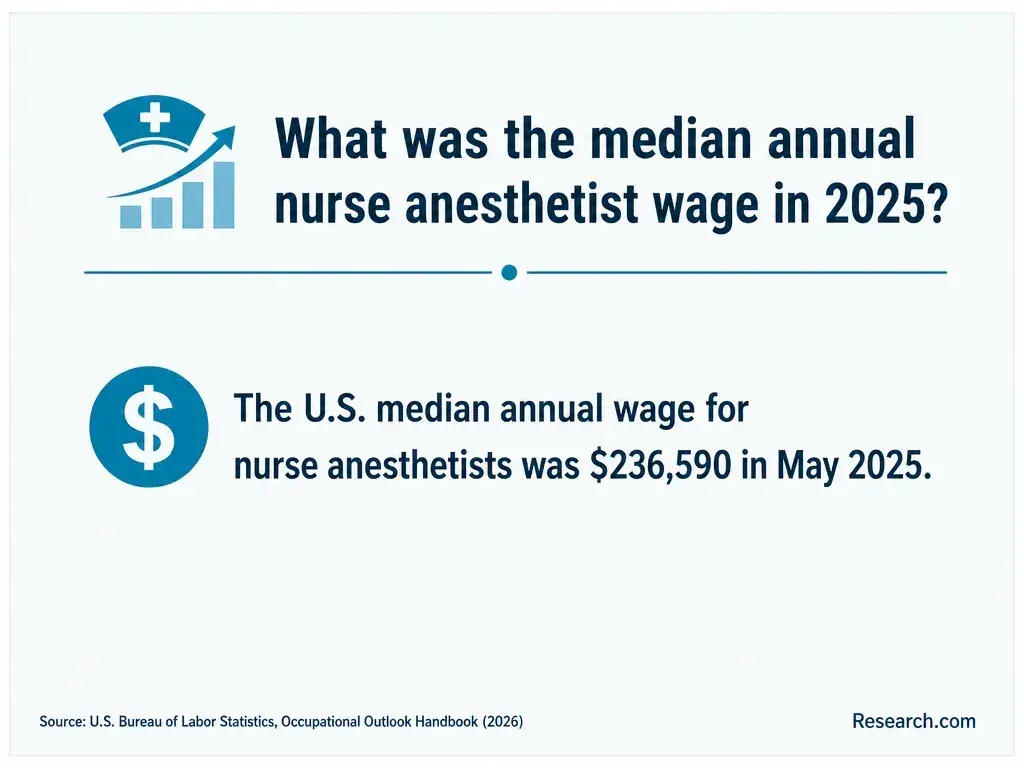
Overtime can increase annual earnings, but it is not a dependable substitute for base pay: shifts can disappear when staffing or budgets change. U.S. Bureau of Labor Statistics occupation-wide wage and employment projections describe RN or LPN/LVN labor markets, not what a particular unit will pay for extra hours. Compare offers using your written base rate, actual premium calculation, expected shift availability, and benefits that may depend on scheduled rather than extra hours.
Workload is equally important. Repeated long shifts can reduce recovery time and make an otherwise attractive offer a poor fit, particularly during orientation or demanding study. Ask how staffing, breaks, late admissions, and escalation are handled on the shifts you would cover. If the goal is advancement rather than immediate earnings, compare employer-supported development with the cost and time of options such as a guide to shorter DNP programs. A doctorate is not required to receive nursing overtime and should be evaluated for its intended role, not presumed to repay itself through extra shifts.
Decision rule: accept an offer only after payroll can explain the rate, staffing can describe the assignment, and your schedule allows safe recovery. If any of those answers remains uncertain, ask for clarification or decline the shift rather than treating the advertised premium as the whole offer.
Other Things You Should Know About Nursing
It may be able to, but reporting-pay rules, a union contract, or employer policy can affect what you are owed. Check the cancellation and reporting terms before accepting.
That depends on employer policy and the offer's terms. Ask where you may be assigned and how your competencies and available support will be assessed before you report.
Extra wages can increase withholding on a paycheck, but withholding is not your final tax liability. Your eventual tax depends on your overall income and applicable tax rules.
Yes. Save schedules, offer terms, hours worked, and pay statements so you can compare the promised compensation with the amount paid and raise discrepancies promptly.
- Fact Sheet #22: Hours Worked Under the Fair Labor Standards Act (FLSA) | U.S. Department of Labor https://www.dol.gov/agencies/whd/fact-sheets/22-flsa-hours-worked
- Nurse Mandatory Overtime Frequently Asked Questions | ny.gov https://dol.ny.gov/nurse-mandatory-overtime-frequently-asked-questions
- Nursing and Patient Safety | PSNet https://psnet.ahrq.gov/primer/nursing-and-patient-safety
- Nurse Staffing, Work Hours, Mandatory Overtime, and... - PMC https://pmc.ncbi.nlm.nih.gov/articles/PMC11091319/
- 29 CFR Part 778 -- Overtime Compensation | ecfr.gov https://www.ecfr.gov/current/title-29/subtitle-B/chapter-V/subchapter-B/part-778
- 29 U.S. Code § 207 - Maximum hours - LII | LII / Legal Information Institute https://www.law.cornell.edu/uscode/text/29/207
- The 8 and 80 Overtime System and How It Affects Healthcare Establishments | Epstein Becker Green https://www.ebglaw.com/health-law-advisor/the-8-and-80-overtime-system-and-how-it-affects-healthcare-establishments