2027 Nursing Career Mentors vs Clinical Preceptors: What Each Relationship Can Provide
Audited and Verified:
Our Editorial and Data Verification Process
Research.com uses government datasets, official education statistics and primary institutional information to support its career and degree guides. Our review process checks factual accuracy, occupational definitions, source dates and the requirements associated with the credentials discussed.
How This Article Was Fact-Checked
Our editorial team verifies salary estimates, employment projections, education requirements and program information against original data providers and official organizations. Salary figures are checked against the relevant occupational definitions and reporting periods. Information about licensure, accreditation and required in-person training is reviewed separately.
Fact-checked and verified on:

Co-Founder and Chief Data Scientist
A supportive nurse can help you plan a career, but that does not mean they can supervise a clinical placement or sign off on required competencies. For nursing students, new graduates, and RNs considering a transition, that distinction affects whom to seek out - and what support to expect from a school or employer. This guide compares career mentors with clinical preceptors, explains where their roles overlap, and shows how to evaluate the support available before committing to a program or new position.
Key Things You Should Know
- A career mentor helps with longer-term choices and professional growth; a clinical preceptor supervises defined practice experiences and may contribute to formal competency evaluations.
- Mentorship is generally optional, while required clinical experiences must meet the school's and applicable regulator's rules; neither relationship alone grants a license or certification.
- Before enrolling, verify who finds and approves preceptors, who evaluates students, and what happens if a placement falls through - especially in an online program.
What Is the Difference Between a Nursing Career Mentor and Clinical Preceptor?
A nursing career mentor is a more experienced professional who offers perspective, feedback, and connections as you make educational or career decisions. A clinical preceptor is an approved practitioner who works with a student or orientee during a defined practice experience. The preceptor observes work in context, provides feedback, and may document performance under school or employer procedures.
The distinction is easiest to see by comparing what each relationship is accountable for.
| Question | Career mentor | Clinical preceptor |
| Primary purpose | Professional direction and development | Supervised learning in a specified setting |
| Typical duration | Flexible; may continue across career stages | Usually tied to a course, placement, or orientation period |
| Formal evaluation | Usually none | May provide documented feedback or assessments; faculty or employers retain their assigned evaluation authority |
| Approval needed | Generally chosen by the participants | Must meet the applicable school, site, employer, and regulatory requirements |
One nurse can fill both roles, but only if the formal preceptor appointment is approved. If you are entering nursing from another field, a mentor can help you assess transferable skills while you compare online coursework options for aspiring nurses. That advice cannot replace the supervised preparation required for initial licensure.
What Can a Nursing Career Mentor Provide for Professional Development?
A useful mentor helps turn a broad ambition into decisions you can test. An experienced RN, for example, might help a new nurse compare units by orientation quality, patient population, scheduling, and opportunities to build specific skills - not simply by a job title. A mentor can also review a résumé, rehearse an interview, discuss workplace boundaries, or introduce the nurse to people in a target specialty.
Mentors are particularly valuable when the next step is unclear. A bachelor's-prepared RN considering leadership or education could ask a mentor which duties actually require graduate preparation and which could be explored through a committee role, continuing education, or employer training. If a master's degree remains relevant, compare affordable master's progression for bachelor's-prepared RNs against the role's requirements and the time available for study.
Good mentoring is candid rather than promotional. Ask for feedback on a specific goal, agree on how often to meet, and bring examples of decisions or work you want to discuss. A mentor's experience is valuable context, but it is not a substitute for a program's written policies or an employer's current hiring criteria.
What Does a Clinical Preceptor Provide During Nursing Training?
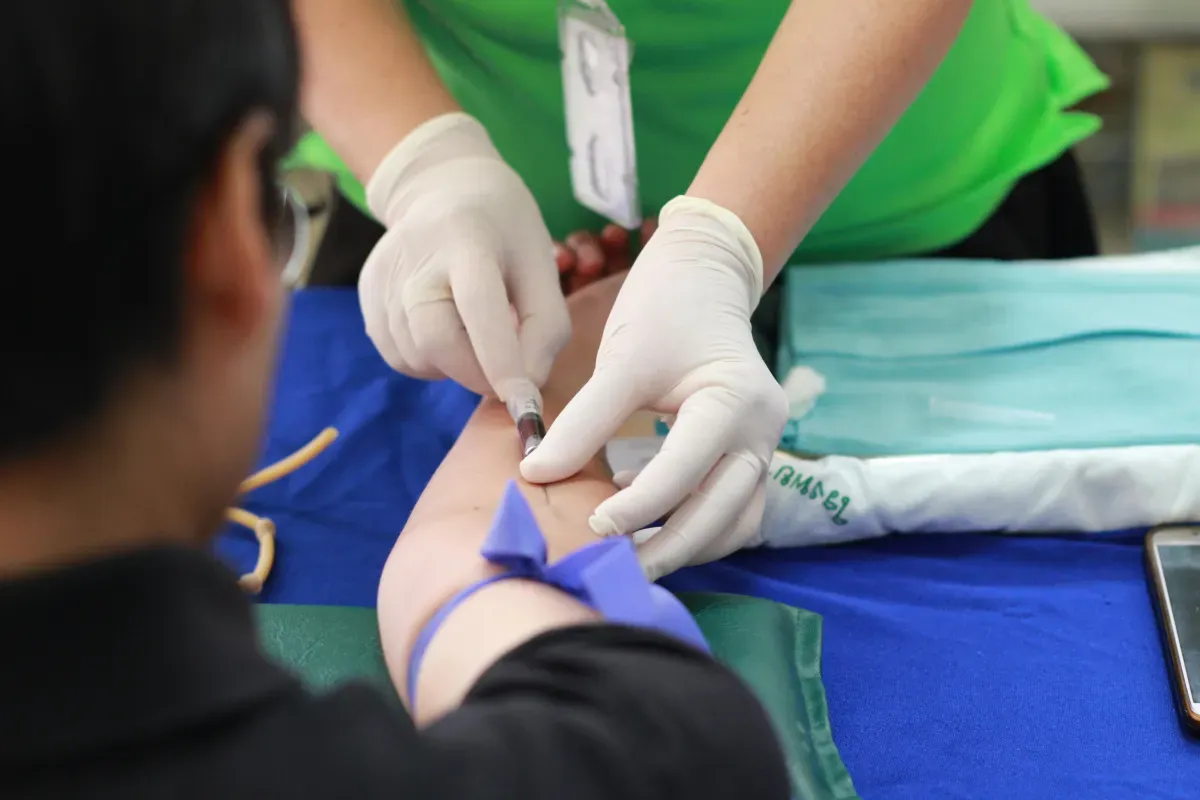
A clinical preceptor connects coursework to supervised practice with the relevant patients, setting, and scope of responsibility. Depending on the placement, the preceptor may model assessment and communication, observe clinical judgment and documentation, give immediate safety feedback, and report progress toward specified competencies. Faculty remain responsible for the academic oversight and grading assigned to them by the program.
The arrangement should identify learning objectives, permitted activities, escalation routes, required documentation, and how concerns will be handled. A student should not assume that employment shifts, simulation, or time spent shadowing will count as required clinical hours. The program and any applicable certifying or regulatory authority determine what experience is acceptable.
For an RN pursuing a new advanced practice population focus, preceptor expertise and patient encounters need to match that focus. Comparing psychiatric NP certificate coursework options, for instance, requires checking the supervised experiences and preceptor criteria as well as the classes. Familiarity with psychiatric nursing alone does not establish eligibility for psychiatric-mental health NP certification.
The balance changes as responsibility increases. A prelicensure student needs approved clinical supervision to practice and demonstrate course competencies; a mentor can help them reflect on specialties without pressuring them to choose one too early. A newly licensed RN may have an employer-assigned preceptor during orientation and a separate mentor who offers perspective on unit fit and development. An experienced RN changing specialties may again need close, setting-specific supervision despite years of practice elsewhere.
For a nurse considering an academic bridge, a mentor can help frame the career goal, but the program must determine admission and clinical requirements. An ADN-prepared RN exploring ADN-to-MSN admission requirements, for example, should verify what prior coursework applies and whether the intended track prepares them for their target role. Prior employment does not automatically replace a new program's clinical work.
Neither relationship should be expected to do everything. Seek a mentor for a decision that spans jobs or years; seek a preceptor and faculty or employer guidance for performance questions within an approved clinical experience.
There is no single mentorship requirement across nursing degrees. A program might offer optional career mentoring, assign faculty advisers, or pair students with alumni. Those services differ from required clinical teaching and supervision.
Preceptor requirements depend on the degree, track, clinical model, and applicable rules. Some prelicensure experiences involve faculty-led clinical groups rather than one-to-one preceptorships; other courses or transition experiences use approved preceptors. Postlicensure and advanced practice tracks can have different practice-hour and supervisor requirements. The program should explain which experiences are required and who evaluates them.
Do not infer clinical requirements from a degree label. When reviewing RN-to-BSN education for working registered nurses, distinguish programs that do not require additional direct patient-care placements from those with other practice-based assignments. Ask for the curriculum and written policy for your entry term.
Online coursework does not make supervised clinical practice virtual. A school may secure sites and preceptors, provide a placement team while asking students to identify leads, or require students to propose arrangements for approval. These models create different risks for someone balancing work, travel, and a fixed graduation date.
Before enrolling, get written answers to these questions:
- Who finds the site and preceptor, and who obtains agreements and final approvals?
- Where may students complete placements, and are there restrictions in my state or area?
- When are placements confirmed, what schedules are realistic, and what happens if a site cancels?
- Who pays for travel, onboarding, background checks, or other placement expenses?
Comparisons of online FNP programs with preceptor support are a starting point, not confirmation of a placement near your home. Verify the precise service offered for your cohort and location. A willing local clinician cannot serve until the program and site approve the arrangement, and applicable requirements are met.
Choose a mentor for relevant experience, sound judgment, willingness to give constructive feedback, and respect for your goals. They need not hold the exact job you want: a nurse educator may be an excellent mentor for teaching, while another colleague offers stronger insight into a particular unit's hiring practices.
Clinical preceptor qualifications are less informal. The school or employer must determine whether the practitioner has the appropriate active credential, role, patient-population experience, site access, and capacity to supervise the assigned learning. Advanced practice placements may impose track-specific requirements. Faculty oversight and site approval also matter; a preceptor's willingness alone is insufficient.
Admission standards and clinical supervision standards are separate. Even while comparing DNP programs with accessible admission requirements, ask whether your intended track has qualified, available preceptors in your location and how the program verifies them. Easier entry does not guarantee easier clinical completion.
Look past a promise of "personalized support." Request the student handbook, placement policy, clinical evaluation process, and contact information for the office that handles site problems. Ask whether mentoring is an assigned service, an optional network, or simply access to faculty office hours.
For clinical support, compare who performs each task: finding sites, confirming eligibility, securing agreements, orienting preceptors, tracking hours, and resolving a disrupted placement. Ask how the school handles limited local capacity and whether required clinical schedules can coexist with your work obligations. Students should also confirm authorization to enroll from their jurisdiction and any separate rules governing local placements.
Include costs and time at risk in the comparison. Two programs with similar tuition can differ substantially if one requires repeated travel or leaves students responsible for finding a scarce specialty preceptor. Use nurse practitioner program tuition comparisons alongside written placement details, rather than treating the lowest advertised tuition as the lowest total cost.
Both relationships can strengthen preparation, but their effects are difficult to separate from staffing, teaching quality, learner experience, and workplace conditions. Mentors may help a nurse make better-informed applications and stay engaged with a realistic career plan. Preceptors can provide observed feedback and a safer progression toward assigned responsibilities. Neither guarantees retention, employment, promotion, examination success, or independent competence.
Use outcomes evidence carefully. If a school or employer credits its mentoring or preceptorship program with improved results, ask which group was measured, over what period, and whether participants were compared with a relevant group. A student testimonial is useful for understanding an experience, not for predicting your outcome.
Time is itself a career consideration. When comparing online DNP timelines for working nurses, consider whether placements, work demands, and available preceptor support make the published schedule feasible. A faster advertised route has little value if the required experience cannot be arranged on time.
How Do Mentors and Preceptors Support Nursing Licensure and Certification?
A mentor can help you identify the correct license or credential for a target role, locate the responsible board or certifying organization, and plan preparation. A clinical preceptor may help you develop and document competencies or supervised experiences required by a program. Neither person determines your eligibility: the school, licensing board, certifying body, and employer each make decisions within their authority.
For initial RN licensure, distinguish graduation and NCLEX eligibility from passing the examination and receiving a state license. For an advanced practice role, confirm that the specific educational track, population focus, clinical experiences, certification requirements, and state rules align. A mentor's encouragement or a preceptor's favorable review cannot close a formal eligibility gap.
If you are considering online psychiatric NP master's schedule options, compare the clinical sequence with the program's stated certification pathway - not just the completion date. Ask the program to identify the credential its graduates are prepared to seek, then check the certifying organization's and your state board's applicable requirements.
Other Things You Should Know About Nursing
Yes. An outside mentor can offer perspective without being involved in your workplace evaluations. Keep patient information and confidential employer material out of your conversations.
Follow applicable patient-safety procedures and raise the conflict with your preceptor, faculty member, or designated supervisor. General career advice does not override clinical policy or authorized supervision.
Thank the person for their time, explain that your needs have changed, and stop scheduling meetings. If the relationship was assigned by a school or employer, ask the coordinator about reassignment.
Mentoring arrangements vary, but be cautious of promised jobs or credentials. Before agreeing to any preceptor-related payment, check the program's policy and who is permitted to arrange or approve the placement; payment does not make clinical hours valid.
- Curriculum & Learning | azbn.gov https://azbn.gov/curriculum-learning
- Mentors and preceptors in the nursing profession | PubMed https://pubmed.ncbi.nlm.nih.gov/7858384/
- Core competencies for Registered Nurse preceptors - PMC https://pmc.ncbi.nlm.nih.gov/articles/PMC10877447/
- Clinical Preceptor vs. Clinical Instructor | miami.edu https://www.sonhs.miami.edu/about-sonhs/preceptors-and-clinical-instructors/clinical-preceptor-vs-clinical-instructor/index.html
- Mentorship and Preceptorship in Nursing | Texas Woman's University https://onlinenursing.twu.edu/blog/mentorship-preceptorship-nursing
- Preparing Preceptors and Mentors: A Vital Component of Nursing Education and Practice | The University of Iowa https://nursing.uiowa.edu/ionrp/blog/preparing-preceptors-and-mentors
- Preceptorship and Mentorship for Nursing Faculty | rnao.ca https://mharesource.rnao.ca/section-three/preceptorship-and-mentorship-nursing-faculty