2027 Most Recession-Resistant Careers You Can Pursue With a Finance Degree

Co-Founder and Chief Data Scientist
In volatile economic periods, many finance graduates face uncertainty about job security and career longevity. Certain roles-such as risk analysts and compliance officers-demonstrate notable resilience, with a 12% projected employment growth in recession-resistant financial sectors, according to a 2025 labor market report. To remain competitive, graduates should develop expertise in regulatory frameworks and data analytics, as employers increasingly favor adaptable, technologically proficient candidates.
This article explores the most recession-resistant careers available to those with a finance degree and outlines strategies to thrive in a challenging job landscape-empowering readers to choose stable paths and enhance their market value.
Key Points About Recession-Resistant Finance Careers
- Financial analysts remain highly recession-resistant-demand grows as companies seek expertise to optimize assets and manage risk during economic downturns.
- Certified Public Accountants offer stability since compliance and auditing needs persist despite market volatility, ensuring continuous employment.
- Risk management professionals see a 12% employment growth projection, fueled by businesses prioritizing financial resilience and regulatory adherence in uncertain markets.
What is the employment outlook for graduates of finance?
The hiring landscape for finance degree holders remains strong, even during periods of economic uncertainty. Job market trends for finance professionals during economic downturns reveal steady growth-roles like financial analysts, accountants, and risk management specialists are projected to increase by about 8% over the next decade, surpassing the average growth rate for all occupations. Key factors driving this demand include:
- Consistent Business Need: Companies rely on expert financial guidance to manage complex markets and comply with regulations, particularly during uncertain economic times.
- Technological Advancement: Growth in financial software and data analytics has boosted demand for professionals skilled in these emerging areas.
- Risk Assessment: Continuous requirements for risk evaluation and strategic planning support ongoing career opportunities across industries.
- Employment Versatility: Finance expertise applies to diverse sectors such as banking, corporate environments, and government agencies, offering various job prospects.
The employment outlook for finance degree graduates in the United States shows notably low unemployment rates for finance-related roles due to this specialization. Students pursuing finance programs can explore accessible pathways, including online colleges that accept FAFSA, to position themselves well for recession-resistant careers.
What are the most recession-resistant careers for finance degree graduates?
Certain roles within finance and related industries are naturally shielded from economic volatility due to their essential functions or regulatory importance. Approximately 75% of recession-resistant finance roles have maintained stable or growing employment even during downturns. Below is a list of high-demand recession-proof finance careers especially suitable for graduates seeking significant job security.
- Financial Analyst: These professionals monitor cash flow and forecast a company's fiscal health. By providing timely, data-driven insights, they help businesses navigate turbulent markets, making their roles indispensable even during budget cuts.
- Compliance Officer: Focused on regulatory adherence, compliance officers are critical as governments increase scrutiny during recessions to prevent financial fraud and uphold market integrity. Their legal mandate ensures steady demand.
- Accountant: Accountants are essential for accurate record-keeping and financial reporting, which remain necessary regardless of economic conditions. Businesses rely on them to meet tax and audit obligations, reducing the risk of layoffs.
- Risk Manager: By identifying and mitigating potential financial losses, risk managers create a structural safety net for companies. Their expertise helps prevent costly errors that could otherwise threaten business survival in a tight economy.
- Credit Analyst: In recession periods, lending institutions heighten scrutiny of creditworthiness to limit bad debt. Credit analysts assess both consumer and business credit risks, increasing demand for their careful evaluations.
For those interested in exploring adjacent fields, finance graduates may also consider career paths supported by regulatory requirements and essential operational roles. These areas consistently protect against economic downturns, reinforcing the value of specialized finance skills. Students pursuing well-rounded education can combine these options with other disciplines like psychology online to diversify and enhance their career resilience.
In which industries can finance degree holders find work?
Graduates with a finance degree are not confined to traditional financial roles-they often find opportunities across diverse sectors that remain resilient during economic downturns. Research indicates that over 60% of finance-related positions in risk management and compliance remain stable or even expand amid recessions.
Below are several industries where finance skills are in high demand and help secure more stable careers.
- Healthcare: Finance professionals support budgeting, manage patient billing systems, and advise on capital investments. Roles like financial analyst and revenue cycle manager are vital as healthcare demand stays steady regardless of economic shifts.
- Government and public sector: These entities rely on finance experts to oversee public budgets, pensions, and compliance with regulations. Common positions include budget analysts, auditors, and policy advisors, benefiting from consistent funding and regulatory oversight.
- Utilities and energy: Stability in utilities requires careful financial planning and risk assessment to maintain infrastructure. Finance graduates often work as financial planners, risk analysts, or investment managers, protected by the sector's regulated income streams.
- Consumer staples: This sector encompasses essential goods like food and household products, relying on finance professionals to optimize supply costs and analyze market trends. Roles such as cost accountant and financial controller help ensure steady demand for these necessary products.
- Financial services: Despite market fluctuations, finance experts remain critical in credit risk assessment, compliance, and asset management. Their expertise helps navigate uncertain environments with a focus on risk mitigation.
When interviewing a professional who graduated from an online finance bachelor's program, he described the transition into the workforce as challenging but rewarding. "Initially, I wasn't sure which industry would fit best," he shared.
"Exploring roles beyond banking opened doors I hadn't considered-especially in government and healthcare, where my skills directly impacted budgeting and compliance processes." He emphasized the value of adaptability, noting that "being able to translate financial concepts across sectors made a significant difference." This flexibility, he said, helped ease the uncertainty frequently faced by new graduates entering a tight job market.
Finance roles in the public sector often offer greater job security compared to those in the private sector, as they depend on stable government budgets rather than market-driven revenue. These positions tend to be more insulated from layoffs during economic downturns because government agencies and non-profits prioritize maintaining essential services. However, compensation in these roles can grow slowly due to fixed pay scales and limited promotional opportunities.
Conversely, private sector finance careers-spanning corporations and startups-provide more opportunities for rapid salary increases and career advancement but come with heightened exposure to economic fluctuations.
During recessions, private firms may implement layoffs or hiring freezes, with startups experiencing notable reductions in finance employment. Nonetheless, this sector rewards high performance and offers a dynamic work environment for those willing to accept greater risk.
Deciding between public and private finance roles depends largely on an individual's appetite for risk and career goals. Those prioritizing steady employment and predictable work conditions may gravitate toward the public sector, valuing its long-term funding and job protections.
Alternatively, graduates seeking faster growth and higher financial rewards might prefer the private sector, understanding its vulnerability to market swings. Balancing stability with ambition is essential in choosing the best path.
Where you choose to work can significantly affect job stability for finance graduates, as some areas serve as key centers for specific industries. Below are three states recognized for offering more reliable employment opportunities in finance.
- New York: As a global financial capital, New York's economy is heavily supported by Wall Street and a dense concentration of banks, investment firms, and insurers. The state's financial sector contributes hundreds of billions of dollars annually, sustaining a substantial demand for finance professionals even during economic downturns.
- California: The state's strong technology and innovation hubs like Silicon Valley drive a need for finance experts skilled in analyzing investments and managing risks for startups and large enterprises alike. California's diverse economy creates resilience, making it a prime location for finance careers tied to venture capital and corporate growth.
- Texas: Extensive energy markets combined with a rising tech industry and numerous corporate headquarters bolster Texas's finance job market. Growth in financial roles linked to oil, gas, and technology sectors helps maintain steady opportunities for graduates, with employment rates exceeding those in many other states.
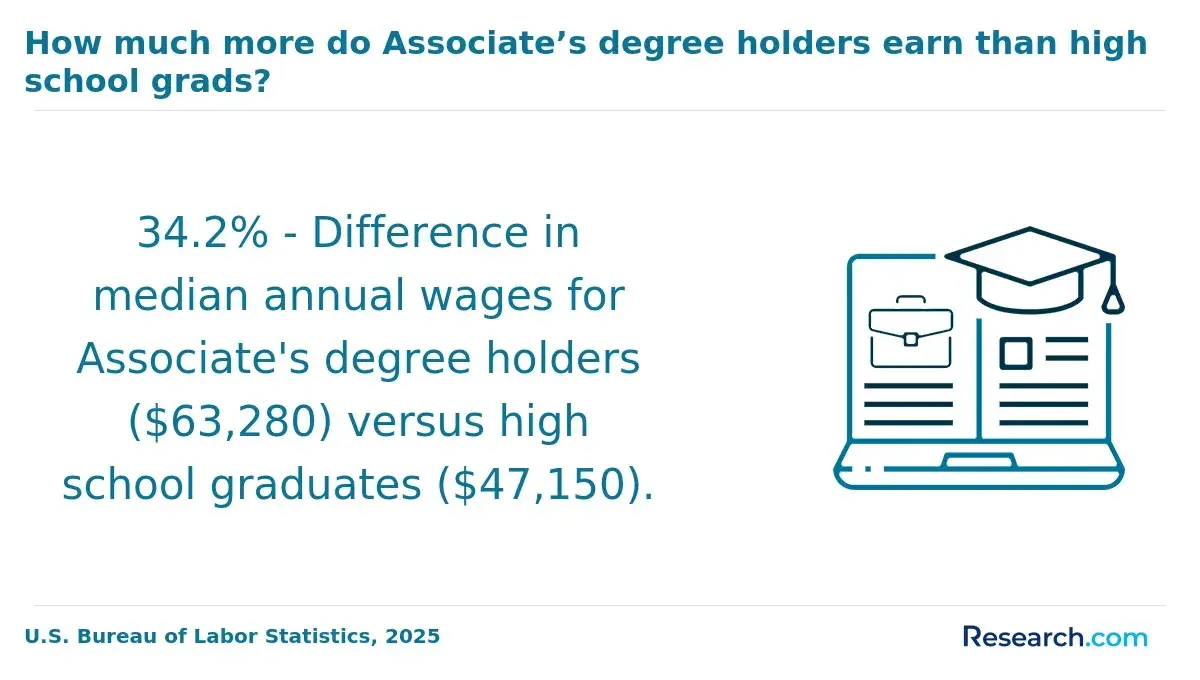
Post-graduate credentials and continuing education can serve as a protective layer against layoffs by validating specialized, high-demand expertise. Research indicates that finance roles requiring advanced certifications show a 15% lower unemployment rate during recessions compared to peers without such credentials.
The following certifications are among the best certifications to secure finance jobs during a recession and can provide valuable skills and opportunities.
- Chartered Financial Analyst (CFA): The CFA designation is recognized as a premier credential for investment management professionals. Candidates gain deep knowledge in portfolio management, equity analysis, and fixed income-skills that remain crucial even during economic downturns. CFA charterholders often fill roles such as asset managers and financial analysts where analytical rigor is paramount.
- Certified Public Accountant (CPA): A CPA license is vital for accountants and auditors who ensure accurate financial reporting and compliance. The demand for CPA holders remains steady since businesses need transparent financial practices regardless of the economic cycle. CPAs typically work in taxation, auditing, and regulatory adherence roles.
- Financial Risk Manager (FRM): Focused on financial risk identification and mitigation, the FRM certification equips professionals to manage credit, market, and operational risks effectively. This specialization is especially relevant during recessions when firms prioritize reducing losses and managing uncertainties.
- Certified Financial Data Professional (CFDP): As financial data analytics gains prominence, the CFDP credential prepares professionals to apply big data and AI for predictive insights. This emerging niche blends finance expertise with advanced analytics, offering growing opportunities even in economic slowdowns.
Those exploring certificate jobs that pay well should consider these certified financial analyst programs for recession-proof careers, which combine technical competence and market relevance to enhance employability in challenging times.
Continuously developing new skills makes finance professionals less vulnerable to job cuts during economic downturns. Graduates who actively expand their expertise across multiple areas enjoy greater employability. Below are five critical skills that can enhance job security in finance-related careers.
- Advanced Data Analytics: Mastery of data analysis tools such as Python, R, or SQL allows graduates to extract meaningful insights from complex datasets. These capabilities are highly sought after in risk management and investment positions, dramatically boosting a professional's value.
- Regulatory Compliance Expertise: Understanding evolving legal requirements and risk controls equips finance graduates to better navigate the regulatory environment. This skill is especially vital for certifications essential for improving job security in Finance careers during times of increased scrutiny.
- Fintech Knowledge: Familiarity with emerging technologies like blockchain and automated advisory services makes candidates adaptable in fast-evolving sectors. Proficiency in financial technology strengthens marketability amid digital transformation in finance.
- Strategic Communication: The ability to clearly convey complex financial data to diverse stakeholders enhances influence within organizations. Strong communication skills are indispensable for roles involving cross-department collaboration or client interactions.
- Financial Modeling Skills: Building accurate forecasts and models provides a critical edge in budgeting, mergers, and acquisitions. Finance graduates should develop advanced financial modeling skills to excel in predictive analytics and decision support functions.
These cross-functional competencies help finance professionals maintain career momentum despite economic challenges. For those exploring related pathways, pursuing a game development online degree may offer a promising alternative in growing tech-driven markets.
Institutional reputation can significantly influence job stability for finance graduates, as employers often associate prestigious schools with higher-quality education and skill sets. Graduating from a well-known program may open doors to positions that offer greater security even during economic downturns.
Attending the right school also provides critical networking advantages-access to alumni networks and on-campus recruiting events connect students with key industry players. These connections frequently lead to opportunities at top firms, improving the chances of landing recession-resistant roles in finance and related fields.
However, graduates from any accredited finance program can compete effectively by demonstrating strong performance and relevant experience. Proven skills, adaptability, and a commitment to continuous learning help maintain career resilience despite the name attached to one's degree.
Aligning academic studies with the dynamic demands of the finance sector is critical for students aiming to boost their employability and job security. Practical experience and targeted skills development are key areas to focus on. Consider these strategic steps to prepare for a resilient career:
- Hands-On Experience: Pursue internships or part-time roles within banks, investment firms, or corporate finance teams to develop practical skills like financial modeling and market research. Real-world exposure helps translate theoretical knowledge into actionable insights.
- Active Participation: Join finance clubs or enter competitions that challenge your analytical thinking. Engaging beyond the classroom highlights your initiative and commitment in recruiters' eyes.
- Technology Proficiency: Gain expertise in cutting-edge tools such as data analytics software, blockchain systems, and machine learning platforms that are shaping risk evaluation and investment strategies.
- Certification Achievement: Obtain industry-recognized credentials like the CFA Level 1 or FRM to signify specialized expertise and dedication to ongoing professional development.
- Networking Opportunities: Build connections by attending seminars, webinars, and networking events-especially with alumni in stable finance roles such as compliance or treasury-which can open doors during economic uncertainties.
When asked how finance students can effectively meet job market demands, a professional who recently completed an online bachelor's finance program shared that balancing coursework with real-world tasks was initially overwhelming but rewarding. He remarked, "The biggest challenge was applying complex theories to actual market problems without prior work experience."
He emphasized that persistence in seeking mentorship and internships proved invaluable, adding, "Connecting with industry professionals helped me understand what employers truly value beyond the classroom." This hands-on approach gave him confidence to navigate both stable and volatile economic periods successfully.
Recession-resistant finance careers generally offer competitive salaries, with entry-level positions averaging between $65,000 and $75,000 annually. Experienced professionals, especially in fields like audit and compliance or financial analysis, often earn upwards of $120,000.
While average earnings in recession-proof finance jobs remain strong, income levels can vary widely. Specialized roles such as risk managers and compliance officers tend to provide lucrative income due to their critical responsibilities during economic downturns.
Careers in finance related to stable sectors like corporate governance and financial planning may not always offer the highest pay but still guarantee steady employment and gradual income growth. The salary outlook for many finance professionals also benefits from annual raises averaging around 3.5%, outpacing the national average wage increase. Obtaining certifications like the Chartered Financial Analyst (CFA) or Certified Public Accountant (CPA) can significantly boost earning potential, with bonuses ranging from 10% to 20% rewarding advanced expertise.
Income fluctuations for those in finance depend heavily on industry, company size, and geographic location. Academic credentials and hands-on experience further influence compensation trends.
Many graduates aiming for recession-resistant roles carefully consider programs accredited by recognized rankings and resources such as the top online electrical engineering schools, which demonstrate the value of specialized education approaches in related STEM fields, highlighting the cross-disciplinary competitiveness of financial proficiency in the job market.
What Graduates Say About Their Career After Getting a Degree in Finance
- Trace: "Choosing a finance degree was a strategic decision for me, driven by my desire for a stable and intellectually challenging career. The comprehensive understanding of markets, risk management, and financial analysis I gained helped me adapt swiftly to the dynamic economic environment. Today, I confidently navigate my recession-resistant role because my education laid a strong foundation for resilience and long-term growth."
- Sutton: "Reflecting on my journey, pursuing finance gave me critical thinking skills and a versatile toolkit that employers highly value, especially during economic downturns. The practical coursework and real-world case studies boosted my confidence and prepared me to tackle complex financial issues. Having a finance degree significantly enhanced my career prospects, providing me the security and flexibility I now enjoy in a tough job market."
- Ezekiel: "My motivation for studying finance stemmed from a passion for understanding economic trends and an ambition to build a durable career. The degree sharpened my analytical abilities and offered insights into financial strategy that are crucial in any market condition. Thanks to this background, I secured a recession-resistant position that not only challenges me daily but also assures me of stability regardless of economic shifts."
Other Things You Should Know About Finance Degrees
Roles such as financial analysts, risk managers, and compliance officers are typically considered essential during recessions. These professionals help organizations navigate financial uncertainty, manage risk exposure, and ensure adherence to regulatory requirements, which are crucial for maintaining operational stability.
Technology plays a significant role in enhancing the resilience of finance careers by automating routine tasks and increasing efficiency. Finance professionals with skills in data analytics, fintech, and cybersecurity tend to be more recession-resistant because their expertise supports critical digital transformation and risk management efforts.
Government finance roles generally offer more stability during recessions due to steady public funding and fewer layoffs compared to the private sector. Public finance positions, such as budget analysts and auditors, often experience less volatility, making them a safer option in uncertain economic times.
Some do. Investment advisers often need the Series 65, and securities sales roles may require FINRA exams such as the SIE, Series 7, or Series 63. CPA licensure is required for many accounting and controllership paths, but many corporate finance roles need no formal license.
- Finance Professionals Remain in Demand https://www.accountingcpd.net/Finance_Professionals_Remain_in_Demand
- Affordability vs. prestige – When do both matter? https://www.mpowerfinancing.com/blog/affordability-vs-prestige
- choosing between the public and private sector for a job in financial services. https://www.randstad.co.uk/career-advice/career-guidance/choosing-between-public-private-sector-a-job-financial-services/
- Recession risk: Which careers are most vulnerable today? https://qz.com/recession-proof-job-security-financial-crisis
- Why a Finance Degree May Be Your Best Defense Against the Next Recession | UT Permian Basin Online https://online.utpb.edu/about-us/articles/business/why-a-finance-degree-may-be-your-best-defense-against-the-next-recession
- The skills you need to future proof your finance career https://www.cfauk.org/pi-listing/the-skills-you-need-to-future-proof-your-finance-career
- Banking/ Finance jobs during a Recession - Bankers By Day https://www.bankersbyday.com/recession-careers-finance-banking/
- A Graduate's Guide to the Finance Job Market https://www.cavillrobinson.co.uk/blog/2023/10/a-graduates-guide-to-the-finance-job-market
- 3 Vital Steps To Recession-Proof Your Business in 2025 https://quantive.com/resources/articles/recession-proofing-your-business