
2027 What Careers Can You Pursue With a Finance Degree? Salary Potential, Job Outlook, and Next Steps

Co-Founder and Chief Data Scientist
What career paths are available with a finance degree, and how do salary expectations align with job market realities? Many recent graduates face uncertainty over whether their degree will lead to lucrative and stable employment. The finance sector spans roles such as financial analyst, investment advisor, and corporate finance manager, each offering different salary trajectories.
According to the U.S. Bureau of Labor Statistics, employment in business and financial occupations is projected to grow 8% through 2032, faster than average. This article explores diverse career options, salary potential, job outlook, and actionable next steps for finance graduates.
Key Things to Know About the Careers You Can Pursue With a Finance Degree
- Finance degree holders can work in diverse sectors such as banking, corporate finance, insurance, and government, reflecting broad career versatility.
- Core skills in financial analysis, risk assessment, and data interpretation are transferable across industries, enhancing employability in evolving markets.
- Educational foundations in finance support long-term growth, with many professionals advancing into leadership or specialized roles, benefiting from steady industry demand.
What careers can you pursue with a finance degree?
A finance degree opens doors to a variety of roles in industries such as business, government, and nonprofit organizations, reflecting its diverse application. Employment in finance-related positions is projected to grow steadily, with a 7% increase expected from 2022 to 2032 according to the U.S. Bureau of Labor Statistics. This steady demand creates robust career options for graduates exploring finance degree career options in the United States.
Common roles associated with a finance degree include the following:
- Financial Analyst: These professionals assess investment opportunities by analyzing market trends and company performance. They use financial models to guide businesses and individuals in making informed investment decisions.
- Investment Banker: Investment bankers support organizations in raising capital through stock and bond issuance while advising on mergers and acquisitions. Their work plays a key role in facilitating corporate growth and restructuring.
- Financial Planner: Financial planners create personalized long-term financial strategies for clients, covering areas like retirement and estate planning. Their advice helps clients achieve financial security and wealth management goals.
Graduates interested in furthering their education might consider programs such as the cheapest online MBA, which can enhance career prospects in higher-level finance roles. Exploring highest paying finance jobs for graduates often reveals that specialized knowledge and advanced qualifications can significantly impact earning potential.
What are the highest-paying careers with a finance degree?
A finance degree offers a pathway to lucrative careers across diverse industries, leveraging strong analytical and quantitative skills. According to U.S. Bureau of Labor Statistics data, financial analysts alone have a median annual salary around $89,000, with earning potential rising significantly as experience and certifications accumulate. This growth trend highlights the finance degree salary potential in the US.
Here are some of the highest-paying careers frequently pursued by finance graduates:
- Financial Manager: These professionals direct a company's financial activities by preparing reports, managing investments, and developing strategies to meet financial goals. Salaries typically range from $90,000 to over $180,000 annually, reflecting strong demand for financial expertise.
- Investment Banker: Focused on capital raising and advising mergers and acquisitions, investment bankers often start with salaries near $100,000 that can exceed $200,000 when bonuses are included. A finance degree provides critical analytical training essential for success in this field.
- Actuary: Actuaries analyze financial risk using math, statistics, and financial theory, mainly for insurance and pension plans. Entry-level salaries begin around $70,000 and can reach $150,000 with advanced credentials and experience.
- Chief Financial Officer (CFO): CFOs lead an organization's overall financial strategy and operations. Compensation generally starts above $150,000 and may rise to several hundred thousand dollars, reflecting the role's high responsibility.
A finance degree prepares graduates with skills in risk assessment, quantitative analysis, and financial regulations that open doors to these roles. Many professionals enhance their prospects through certifications like CFA or CPA. Those exploring alternative graduate options might also consider programs like an accelerated MSW program online for unique interdisciplinary career pathways.
What is the job outlook for finance degree careers?
Careers related to a finance degree generally show steady growth due to ongoing demand across multiple sectors that require financial expertise. As companies navigate expanding markets and increasing regulatory demands, the need for professionals skilled in financial analysis and risk assessment remains strong.
The U.S. Bureau of Labor Statistics projects an employment growth rate of about 8% in business and financial occupations between 2022 and 2032, aligning with average job growth across all fields.
Advances in technology have shifted some traditional finance tasks toward automation, increasing the focus on strategic and analytical roles that combine financial knowledge with tech skills. Although competition can be intense in certain areas, especially at prestigious firms, the overall job market for finance graduates is expected to remain positive with evolving industry demands.
When asked about his perspective on the job outlook after earning a finance degree, a seasoned professional shared that breaking into the field required persistence and constant skill development.
"It wasn't just about having a diploma," he noted, "but staying updated with new financial software and regulatory changes." He described how initial job searches involved numerous interviews and the challenge of differentiating himself in a competitive environment.
Despite early obstacles, he emphasized that adaptability and continuous learning were key to securing roles that offered career growth and stability, reflecting a realistic but hopeful view of the opportunities finance careers can provide.
A finance degree lays a strong groundwork in financial analysis, accounting, and economic principles, opening doors to various entry-level opportunities. Roughly 70% of finance graduates find employment within six months, highlighting steady demand for these skills in the job market.
The following are key entry-level careers typically pursued by those holding a finance degree:
- Financial Analyst: This role involves examining investment prospects and compiling financial performance reports. The degree equips graduates with critical skills to analyze financial statements and market data effectively.
- Credit Analyst: Responsible for evaluating the credit risk of individuals or businesses, this position relies on a solid understanding of risk assessment and lending principles acquired through finance studies.
- Investment Banking Analyst: Entry-level analysts assist in deal structuring, financial modeling, and market research. Coursework in corporate finance and valuation provides the essential background for these tasks.
- Financial Planner: Graduates advising clients on managing finances and investments benefit from training in portfolio management and personal finance strategies offered in their studies.
- Budget Analyst: This job focuses on preparing and managing organizational budgets, ensuring optimal allocation of resources, a responsibility supported by knowledge of budgeting and financial reporting gained through finance education.
For students seeking information on advanced leadership roles, exploring a PhD leadership online program can be a valuable step. These foundational positions represent some of the best starting careers with a finance degree, particularly within entry-level finance jobs in the United States.
A finance degree cultivates a versatile skill set valued in many sectors, including banking, corporate management, and consulting. These skills combine quantitative analysis, strategic reasoning, and communication, preparing graduates to adapt to diverse professional environments. Recent studies show that over 70% of employers prioritize analytical abilities and financial literacy when hiring finance graduates.
Key competencies gained through a finance program include:
- Analytical Skills: This involves collecting and interpreting financial information to support decision-making. Students typically build these skills via coursework in financial modeling, investments, and statistics.
- Quantitative Proficiency: Handling numerical data, formulas, and assessing financial risks are central to this skill, cultivated in classes like calculus and econometrics.
- Communication Skills: Explaining complex financial topics with clarity is essential, developed through business communication and presentation exercises.
- Critical Thinking: Finance students learn to analyze assumptions, explore alternatives, and evaluate potential outcomes using case studies and problem-solving activities.
- Technological Literacy: Familiarity with financial software-such as Excel and Bloomberg terminals-is enhanced through hands-on labs and assignments.
A finance degree graduate shared how these skills became essential during her first role managing client portfolios. She recounted the initial challenge of sifting through large data sets and applying statistical tools learned in school. "It was daunting at first," she said, "but the training in analytical thinking and quantitative methods made it manageable."
Communicating her findings clearly to clients was another hurdle, which her coursework had prepared her for more than she realized. Reflecting on the experience, she noted that the degree's diverse skill set helped her build confidence and effectiveness quickly in a demanding environment.
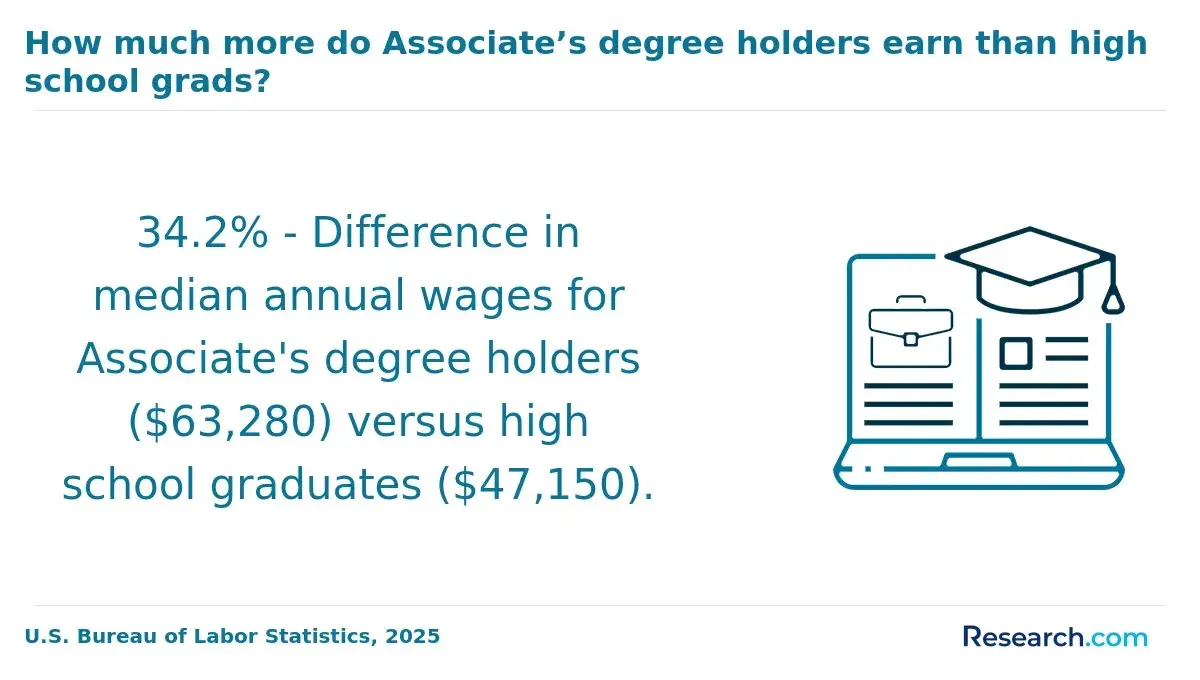
A bachelor's degree in finance often opens doors to mid-level and professional roles without the need for further education or certification. Data from the U.S. Bureau of Labor Statistics shows that around 60% of individuals holding a finance bachelor's degree move into positions with greater decision-making authority within five years of graduating. This statistic underscores the degree's value for career progression based on foundational knowledge and practical experience.
Several career paths become attainable with a finance degree alone, including:
- Financial Analyst: Professionals in this role assess investment options, analyze market trends, and prepare reports to guide strategic business choices. A finance degree equips graduates with expertise in financial modeling and risk evaluation, essential for this analytical position.
- Budget Analyst: This position involves creating and managing budgets, analyzing expenditures, and ensuring organizational fiscal health. The quantitative and financial planning skills gained during a finance program are crucial for success here.
- Financial Manager: Tasked with overseeing corporate finances, these managers lead teams, develop financial strategies, and advise on investments. A finance degree provides a strong understanding of economic principles and regulatory frameworks needed for effective financial leadership.
- Credit Analyst: Credit analysts determine the creditworthiness of clients or businesses by reviewing financial statements and assessing risks. The finance curriculum's focus on risk management and statement analysis prepares graduates for these responsibilities.
Each of these roles requires a blend of technical know-how and applied skills such as problem-solving and communication, cultivated through an undergraduate finance education. Advancement depends on demonstrating the ability to translate financial theory into actionable solutions within business environments.
Many careers linked to a finance degree necessitate additional certifications or advanced degrees to meet industry standards and boost career growth. According to the U.S. Bureau of Labor Statistics, about 22% of financial specialists hold a master's degree or higher, highlighting the significant role of postgraduate education in this sector.
Earning specialized credentials often represents a crucial step for professionals seeking credibility and expertise.
The following roles commonly require such qualifications:
- Certified Public Accountant (CPA): CPAs play a vital role in auditing and tax services. The CPA license is required to comply with regulatory standards and proves proficiency, making candidates more competitive to employers and clients.
- Financial Analyst or Investment Banker: Professionals in these areas often pursue the Chartered Financial Analyst (CFA) designation or an MBA. These credentials deepen skills in market analysis, portfolio management, and strategic financial decisions.
- Financial Planner or Wealth Manager: The Certified Financial Planner (CFP) certification is frequently necessary to establish trust and fulfill fiduciary duties. This enables advisors to effectively guide clients through retirement, estate, and tax planning.
- Risk Manager: Obtaining the Financial Risk Manager (FRM) certification validates expertise in identifying and mitigating financial risks, a key competency across multiple industries.
These certifications and degrees not only open doors but also enhance opportunities for specialization and leadership, demonstrating rigorous training and ethical standards valued in the competitive financial landscape.
Finance graduates often find ample opportunity to pursue career paths beyond the traditional roles of financial analyst or investment banker. According to a 2023 survey by the National Association of Colleges and Employers, nearly 40% of graduates with a finance degree embark on interdisciplinary or non-traditional careers within five years of graduation. This highlights the versatility of a finance degree career path beyond traditional roles, reflecting its broad applicability across sectors.
Many alternative career options for finance graduates leverage their analytical, quantitative, and strategic thinking skills and apply them in unique contexts. These diverse paths include the following:
- Financial Technology (FinTech) Specialist: This role combines finance with technology to innovate financial products and services. Graduates bring expertise in risk management, regulatory environments, and market analysis to develop solutions that challenge existing banking and investment systems.
- Corporate Sustainability Analyst: Professionals in this field evaluate the financial and social impacts of sustainability initiatives within companies. Finance skills help assess risks and returns related to environmental, social, and governance (ESG) factors, supporting ethically responsible and financially sound business decisions.
- Data Analyst in Various Industries: Finance graduates possess strong quantitative and statistical abilities, making them well-suited for data analyst roles. They interpret complex data to inform strategy, performance, and consumer insights across healthcare, retail, government, and more.
- Management Consultant: Using financial insight, consultants analyze a company's financial health, market positioning, and operations. Finance knowledge aids in optimizing budgets and improving profitability to address complex business challenges.
- Entrepreneurship and Startup Founder: Finance education equips graduates to manage capital allocation, revenue forecasting, and business planning. These skills form a solid foundation for launching and growing innovative startups.
For graduates considering career shifts or seeking to boost their qualifications, exploring short certificate programs that pay well can be a practical next step.
Salary potential for finance graduates in the US can vary widely based on several professional and educational factors. For instance, median annual wages in sectors like securities and commodities can be nearly 40% higher than the average finance salary across industries.
These variations highlight the importance of understanding key factors influencing finance graduate salaries to set realistic expectations.
The primary factors that affect salary potential include:
- Industry Choice: Graduates working in investment banking or securities generally earn significantly higher salaries compared to peers in government or non-profit sectors. The financial services industry tends to offer more lucrative opportunities that reflect the higher demand and profit margins.
- Level of Experience: Entry-level positions usually come with modest pay, but salaries grow steadily with years of relevant experience. Senior roles such as financial managers or chief financial officers often command six-figure incomes due to their leadership responsibilities.
- Geographic Location: Salary ranges differ greatly by location, with metropolitan areas like New York, San Francisco, and Chicago providing higher pay to offset the increased cost of living and market competition.
- Specialization Within Finance: Areas such as risk management, quantitative analysis, and mergers and acquisitions offer higher compensation than general finance functions like bookkeeping and basic financial analysis.
- Role Responsibility Level: Positions that involve strategic decision-making, team management, or substantial impact on company profits yield higher compensation compared to entry-level and administrative roles.
Those considering additional educational paths might explore fields related to finance, such as speech pathology bridge programs, which demonstrate the diverse range of professional development opportunities available beyond core finance roles.
Many finance graduates quickly move into professional roles, with about 60% entering the workforce immediately after earning their bachelor's degree. Others choose to enhance their expertise through further education or certifications. The path forward often depends on individual career goals and the desire to build practical experience or specialized knowledge.
Common next steps after graduation include the following:
- Entering the Workforce: Graduates often pursue entry-level roles such as financial analysts, investment banking associates, or corporate finance assistants. These positions offer vital experience and allow application of academic skills in practical settings.
- Advanced Education: Many opt for graduate degrees like an MBA or a Master's in Finance to deepen their understanding and improve job prospects. Professional certifications like the CFA or CFP can also enhance credentials and open doors to specialized fields.
- Internships and Trainee Programs: Practical experience through internships or training programs helps graduates develop skills, build networks, and understand industry environments more thoroughly. These opportunities can significantly boost employability.
- Career Development: Continuous learning via workshops, seminars, and mentorship is key for long-term growth. Staying updated on market trends and engaging with professional groups often leads to leadership opportunities and career advancement.
What Graduates Say About the Careers You Can Pursue With a Finance Degree
- Trace: "Studying finance opened my eyes to the diverse possibilities within the industry, from investment banking to corporate finance. I chose this degree because I wanted a strong analytical foundation that would allow me to pivot between roles. Now, as a financial analyst, I see how essential this background is to navigating complex market trends confidently."
- Sutton: "After finishing my finance degree, I took time to explore different career paths, which helped me realize that personal financial planning was my true passion. The degree gave me the technical skills needed, but the real value came from understanding how to apply those skills to help people achieve their goals. Earning this degree truly transformed my perspective on wealth management and client relationships."
- Ezekiel: "My finance education was critical in developing a disciplined approach to problem-solving and strategic thinking. Early on, I was uncertain about which path to take, but the breadth of the degree allowed me to explore roles in risk management and portfolio analysis. Today, I appreciate how finance has impacted my professional growth, enabling me to make data-driven decisions under pressure."
Other Things You Should Know About Finance Degrees
Internships are not legally required, but they are one of the strongest hiring signals in finance. Many entry-level employers expect at least one internship, and some competitive analyst programs prefer two. Relevant experience in valuation, Excel modeling, and financial reporting improves interview chances and salary offers.
Internships are highly valuable for gaining real-world experience and making professional connections in the finance industry. They can improve a graduate's resume and often lead to full-time job offers. Many employers prioritize candidates who have completed relevant internships.
In 2027, the importance of location in finance careers is diminishing due to the rise of remote work and digital finance platforms. While major financial hubs still offer opportunities, virtual connectivity is enabling wider employment options, allowing professionals to work from various locations without traditional geographical constraints.
- Understanding Finance and Accounting Salaries: A Comprehensive Guide for Job Seekers https://www.boutiquerecruiting.com/understanding-finance-and-accounting-salaries-a-comprehensive-guide-for-job-seekers/
- Best Financial Certifications for Career Growth & ROI https://www.investopedia.com/financial-edge/1012/financial-certifications-with-the-best-roi.aspx
- Top 5 Factors Affecting Earning Potential | U.S. Career Institute - USCI https://www.uscareerinstitute.edu/blog/top-5-factors-affecting-earning-potential
- How to transition into a finance career with no experience | Kaplan UK https://kaplan.co.uk/blog/careers/how-to-transition-into-a-finance-career-with-no-experience
- What to do after a Bachelor's degree in finance management https://www.ipag.edu/en/blog/what-do-after-bachelors-degree-finance-management
- Top 10 jobs for finance majors and who’s hiring | Handshake https://joinhandshake.com/blog/students/top-jobs-for-finance-majors/
- A fully inclusive industry: Succeeding in finance without a finance degree https://www.cfainstitute.org/insights/articles/succeeding-in-finance-without-a-finance-degree
- How To Secure A Finance Career Without A Degree https://www.phoenixft.com/guide-getting-finance-career-without-degree/
- What careers are possible with a finance degree? https://www.rmit.edu.vn/study-at-rmit/study-areas/business/what-jobs-can-you-do-with-a-finance-degree-top-common-jobs
- Top 10 Finance Certification to Pursue for Graduates https://zoetalentsolutions.com/finance-certification-to-pursue-for-graduates/


