
2027 Best Career Pivot Options for People With a Finance Degree

Co-Founder and Chief Data Scientist
The growing complexity of today's economy challenges many finance graduates to reconsider their career paths, whether they seek greater fulfillment or higher compensation. Nearly 40% of finance degree holders explore pivot options within five years of graduation, fueled by the versatility of their transferable skills.
However, navigating accessible entry-level roles in high-growth sectors requires strategic credential upgrades, effective networking, and targeted resume reframing. Without a clear roadmap, these transitions can stall or lead to suboptimal outcomes. This article unpacks evidence-based strategies and practical steps for leveraging a finance degree into rewarding alternative careers, ensuring sustainable long-term professional success.
Key Things to Know About the Best Career Pivot Options for People With a Finance Degree
- Leveraging analytical skills and financial modeling, common finance competencies enable pivots into data analytics, risk management, and business consulting, with over 40% growth projected in these sectors through 2030.
- Entry-level roles like financial analyst, credit analyst, and budgeting associate provide accessible pivot points, especially when combined with certifications such as CFA or FRM to boost credibility and salary potential.
- Strategic networking via industry events and LinkedIn, paired with resume reframing to emphasize transferable skills, enhances long-term career mobility toward fintech, sustainable finance, or corporate strategy sectors.
What Career Pivot Options Are Available to People With a Finance Degree?
Career pivoting has become increasingly common and professionally legitimate in today's dynamic job market. Most workers change jobs or career paths multiple times during their lifetimes, according to data from the Bureau of Labor Statistics (BLS). Research from the National Association of Colleges and Employers (NACE) and LinkedIn Workforce Insights reinforces that graduates, particularly those with degrees in broad fields like Finance, develop versatile skills enabling them to transition across various industries and roles.
A finance degree stands out as especially adaptable given its solid foundation in analytical thinking, quantitative skills, and business operations knowledge, making it a strong credential for high-demand career transitions for finance graduates in the US. Several common pivot directions are especially practical and promising for finance degree holders:
- Corporate Finance and Accounting: Graduates often move within finance-related areas, from financial analysis to management accounting or controllership, capitalizing on core competencies and supplementing them with certifications such as CPA or CMA.
- Data Analytics and Business Intelligence: The quantitative and data interpretation skills honed in finance are highly transferable to data analytics and business intelligence roles, particularly as organizations increasingly rely on data-driven decision-making.
- Consulting: Management and financial consulting attract finance graduates by valuing problem-solving abilities, strategic thinking, and assessing financial impacts across industries.
- Technology and Fintech: With finance increasingly intersecting technology, roles in fintech-like product management, risk analysis, or financial software development welcome professionals who augment their finance foundation with additional technical expertise.
- Entrepreneurship and Small Business Management: Finance equips those aiming to launch or manage businesses with essential skills in budgeting, investment analysis, and strategic planning.
These pathways illustrate the broad career flexibility finance graduates enjoy, moving beyond traditional finance roles without sacrificing the value of their education. To support deliberate, informed career pivots, this article will detail required credentials, market trends, practical strategies such as networking and resume reframing, and long-term outcomes across diverse professional options.
For those considering shifts, exploring recognized online certificate programs can further strengthen qualifications and open doors to new opportunities.
Which Industries Outside the Traditional Finance Field Hire Finance Degree Holders?
Graduates with a finance degree are increasingly sought after beyond the typical banking, investment, and insurance sectors. Several industries hire finance degree holders in large numbers, driven by specific operational and strategic needs where finance skills add clear value. These many finance degree careers outside banking reflect the expanding recognition of finance competencies across the US economy.
- Technology: Tech companies value finance graduates for roles in corporate finance, financial planning and analysis, and pricing strategy. Candidates often combine finance credentials with data analytics or tech fluency. Finance professionals in tech support product profitability analysis, budgeting for innovation pipelines, and investor relations.
- Healthcare: Hospitals and healthcare providers recruit finance degree holders for healthcare finance, reimbursement management, and operational budgeting roles. Finance is recognized here but experience with healthcare regulations is a plus. Roles include financial analysts, revenue cycle managers, and compliance coordinators.
- Consulting: Management and strategy consultancies hire finance graduates for financial modeling and market analysis. Finance degrees are valued but often supplemented by project management and communication skills. Consultants may pivot across projects in corporate finance, cost reduction, and M&A advisory.
- Real Estate: Real estate development, investment firms, and property management companies recruit finance graduates for valuation, asset management, and financial reporting. The finance credential fits underwriting and investment analysis positions requiring cash flow modeling and risk assessment expertise.
- Energy: The energy sector hires finance degree holders for risk management, project finance, and regulatory compliance, benefiting from understanding industry economics and environmental regulations. Roles include financial analysts focused on capital-intensive infrastructure projects and budgeting amidst fluctuating commodity prices.
- Nonprofit and Education: These sectors offer financial management, grant administration, and budgeting opportunities. Finance degrees help establish credibility, particularly when paired with nonprofit accounting knowledge. Graduates serve as financial officers or strategic planners in mission-driven organizations.
- Manufacturing and Supply Chain: Finance professionals manage cost accounting, inventory financing, and performance analytics. Success here often depends on translating financial expertise into operational insights, with roles including financial controllers and operational finance analysts.
Pivoting into new industries while maintaining core finance functions, such as budgeting or forecasting, is generally less demanding than switching to entirely new functional roles. Career changers evaluating whether a finance credential provides a sufficient foundation for transition should leverage this distinction strategically.
Prospective pivoters benefit significantly from informational interviews with finance degree holders already working in adjacent industries. These conversations reveal sector-specific expectations and help craft a personalized target employer list. Tailoring resumes to spotlight transferable financial competencies aligned with industry demands improves success in competitive labor markets.
For those considering different career pathways-whether recent graduates or mid-career professionals aiming for higher compensation or fulfillment-the broad industry scope for finance skills emphasizes adaptability. Exploring emerging areas or alternative credentials can complement this foundation effectively.
Additional specialized credentials, such as those offered in the LMFT program online, highlight how combining finance with other fields can unlock unique professional opportunities.
What Transferable Skills Does a Finance Degree Provide for Career Changers?
A degree program equips career changers with a versatile set of analytical, research, and problem-solving skills that can be applied across a wide range of industries. It also develops competencies in data interpretation, critical thinking, and professional communication.
- Analytical Thinking: Finance programs develop this through financial modeling and quantitative analysis, enabling graduates to interpret data critically. This skill transfers well to market research, where consumer behavior insights are essential, and business intelligence, which relies on making data-driven decisions.
- Problem Solving: Identifying risks and forecasting outcomes hones structured problem-solving capabilities. These are invaluable in management consulting for strategy development and in operations management for streamlining processes.
- Attention to Detail: Precision in reporting and compliance instills the ability to detect errors and enforce standards. Regulatory affairs and quality assurance roles benefit directly from this vigilance to maintain organizational integrity.
- Communication Skills: Presenting complex financial information cultivates clear verbal and written communication. These competencies are crucial in corporate communications and user experience research, where simplifying technical concepts for varied audiences is key.
- Technical Proficiency: Mastery of spreadsheets, databases, and financial software nurtures technological adaptability. This foundation supports transitions into data analytics and project management, where expertise in technical tools is critical.
- Ethical Judgment and Professionalism: Emphasis on compliance and ethical frameworks prepares graduates for roles demanding integrity, such as public policy and nonprofit management.
- Project Management: Coordinating multiple academic projects and internships reinforces time management and teamwork skills. Such experience lends itself well to product management and event coordination.
Career changers benefit from systematically inventorying their coursework, internships, and projects to map these competencies to new job descriptions-bridging the gap between academic experience and employer expectations. Explicitly framing transferable skills enhances clarity in applications, preventing assumptions that hiring managers will infer these connections.
Communicating transferable competencies effectively is itself a skill. A professional who graduated with a finance degree shared how navigating initial uncertainty was daunting-"I wasn't sure how to explain my skills beyond the numbers." He committed to analyzing each project in terms of problem-solving and communication, which helped him craft tailored narratives for interviews. Ultimately, this approach transformed how he presented himself to non-finance employers, opening doors he hadn't anticipated.
Employers in adjacent fields typically evaluate a crime analysis degree based on how well its skills and training align with their specific job requirements. They often focus on the candidate’s analytical abilities, practical experience, and transferable competencies rather than the degree title alone.
- Credential Translation: Employers outside traditional finance roles often lack detailed knowledge of a finance degree's curriculum, making the transferable skills of a finance degree in adjacent industries crucial. Graduates enhance hiring managers' understanding by tailoring resumes to spotlight skills like data analysis, risk evaluation, and financial modeling. Including relevant project portfolios or case studies further anchors these competencies. Crafting cover letters that explicitly connect finance coursework to employer needs bridges academic insight with workplace relevance.
- Degree Type and Institution Prestige: Larger firms and those with structured hiring put a premium on bachelor's degrees or higher, often weighing the reputation of the awarding institution heavily. Conversely, small- to mid-sized employers tend to focus more on demonstrable skills and pertinent experience than on pedigree. For graduates from lesser-known schools, highlighting achievements and relevant certifications aligned with their desired sector can offset institutional prestige concerns.
- GPA and Degree Relevance: Though GPA remains a gatekeeping criterion for many entry-level roles, its impact wanes as candidates accumulate experience or switch to fields valuing different capabilities. Employers evaluating finance credentials tend to emphasize practical skills transfer over strict curricular overlap when considering career pivots.
- Implicit Bias: Some hiring managers hold unconscious preferences for candidates with backgrounds traditionally aligned to their roles, which may lead to discounting a finance credential in favor of other degrees. Overcoming this requires deliberate employer research, strategic networking to obtain referrals, and development of role-specific competencies, preventing passive rejection due to credential unfamiliarity.
- Employer Targeting: Finance graduates should initially focus on organizations known for cross-disciplinary hiring, discoverable via LinkedIn alumni searches, employee profiles, and recruiting literature, as these employers value diverse academic backgrounds. Success in such environments builds a credible foundation for wider professional pivots. For example, exploring pathways like an online construction management bachelor's degree may open doors in high-growth sectors receptive to finance skills.
Career-pivoting finance graduates frequently find entry-level roles across diverse functional areas-making use of their analytical and quantitative abilities without limiting themselves to traditional finance sectors. These roles often build directly on their academic background and internships, leading to faster progression compared to peers without similar qualifications.
- Operations Analyst: Focuses on streamlining workflows, managing data related to supply chain or operations, and supporting cost-reduction initiatives. The role requires strong data analysis, financial modeling, and reporting expertise, typically reporting to operations managers or business analysts to provide efficiency insights. Finance training strengthens understanding of budgeting, cost control, and process optimization.
- Communications Coordinator: Manages internal and external communications by producing clear financial reports and presentations for stakeholders. This role requires excellent verbal and written communication skills, along with the ability to simplify complex financial information, typically reporting to marketing or communications managers while coordinating with finance teams. Finance education improves accuracy and credibility in presenting organizational financial performance.
- Data Analyst: Collects and interprets datasets to identify trends, forecast outcomes, and support strategic decision-making. The role requires proficiency in analytical software, data visualization, and quantitative reasoning, typically reporting to business intelligence managers and collaborating across departments. Finance training enhances the ability to apply statistical and econometric methods to financial and economic data.
- Policy Analyst: Evaluates the financial impact of policy changes and advises organizations or governments on compliance and strategic implications. The role requires research skills, quantitative analysis, and strong report writing, typically reporting to senior advisors and working alongside legal and accounting teams. Finance knowledge supports effective cost-benefit analysis and understanding of regulatory frameworks.
- Sales Analyst: Analyzes market and customer data to forecast revenue and optimize sales strategies. This role requires data management skills, CRM familiarity, and the ability to connect sales performance with financial outcomes, typically reporting to sales managers and coordinating with finance teams. Finance training improves understanding of margins, pricing strategies, and revenue forecasting.
- Product Analyst: Supports the product lifecycle by evaluating financial feasibility, pricing models, and market conditions. The role requires financial modeling, market research, and cross-functional communication, typically reporting to product managers and collaborating with finance and marketing teams. Finance expertise strengthens the assessment of profitability and investment prioritization.
Data shows that finance graduates transitioning into these roles usually ascend to mid-level positions within 3 to 5 years, significantly faster than those lacking finance-related credentials, making the "starting over" concern less daunting. A strategic role choice should blend alignment with personal skills, competitive compensation, opportunity for quick advancement, and relevance to long-term goals. This intentional approach helps transform the entry-level role into a purposeful stepping stone rather than a fallback.
Reflecting on this, a professional who built her career after graduating with a finance degree shared how early pivoting felt intimidating due to doubts about losing momentum. She described the challenge of translating her academic expertise into practical skills that hiring managers valued outside traditional finance.
Despite initial uncertainty, she emphasized that focusing on transferable competencies, like data interpretation and financial communication, allowed her to secure a role aligning with her strengths. She recalls, "It wasn't about starting from zero but about reshaping how I used what I already knew." Her experience highlights how patience and targeted effort can turn a pivot into an accelerated career trajectory.
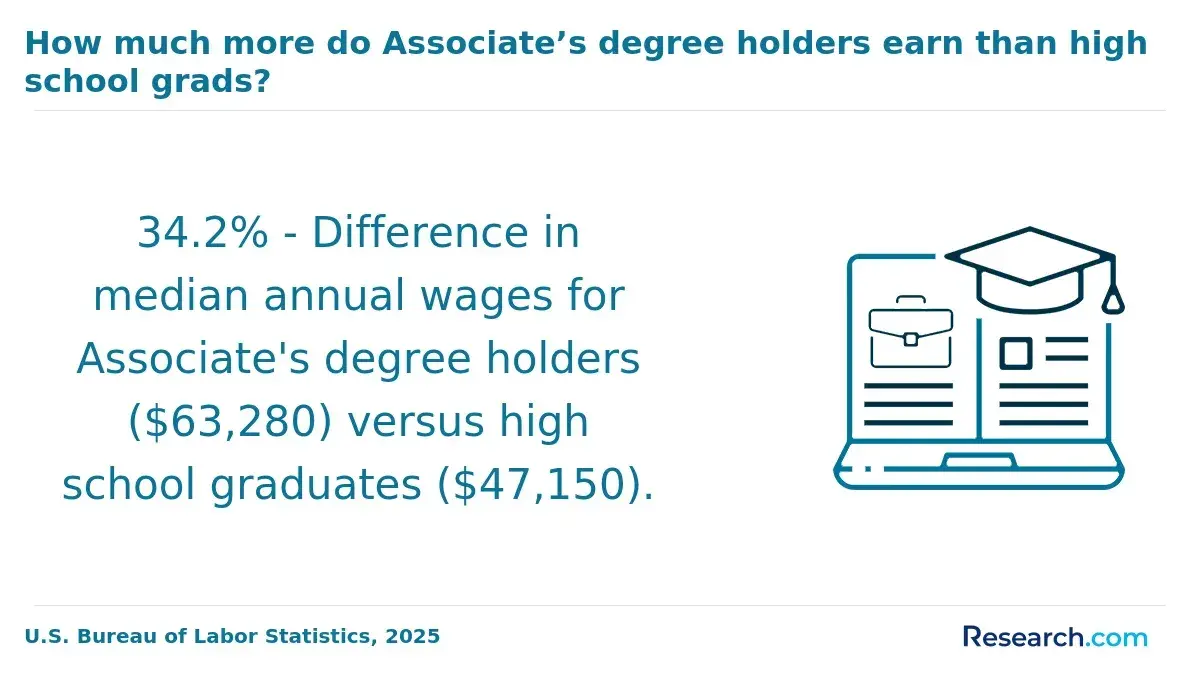
Finance graduates exploring career changes frequently find the highest compensation opportunities outside traditional roles by examining median earnings data from sources like the BLS, Glassdoor, and LinkedIn Salary Insights. Key pivot sectors stand out for their substantial pay, often surpassing the median finance salary, thanks to unique economic forces and compensation structures.
- Investment Banking and Private Equity: These careers lead to early- and mid-level earnings due to hefty performance bonuses and equity interests. Base salaries tend to exceed finance's typical offerings by 30-50%, with mid-career rewards enhanced through carried interest and profit sharing. High margins and capital intensity drive these premium pay levels. Long hours and advanced credentials like CFA or MBA are common prerequisites.
- Management Consulting: Salaries approach or surpass traditional finance mid-career compensation, combining base pay, bonuses, and benefits. Success demands analytical rigor, client interaction skills, and navigating competitive recruiting and networking environments. This sector favors professionals with broad, adaptable expertise beyond numeric finance skills. Effective networking often accelerates career growth here.
- Enterprise Technology and FinTech: Including roles like product management and data analysis, these fast-expanding areas offer total compensation packages, equity, and bonuses that exceed traditional finance pay by approximately 20-40%. Growth in software-driven innovation paired with financial domain knowledge underpins the compensation premium. Transitioning typically requires new technical capabilities, such as coding or data science certifications.
- High-Growth Startups: Equity stakes dominate wealth potential long term, often outweighing early cash compensation. These roles demand higher risk tolerance and strong networks to gain access. Compensation complexities include variable benefits, retirement options, and flexible work arrangements. Ownership opportunities incentivize sustained commitment despite modest initial salaries.
By contrast, sectors with lower profit margins, nonprofits, government, or traditional corporate finance, tend to offer moderate base pay and fewer bonuses or equity perks. Finance graduates should interpret compensation offers holistically, considering the full package of bonuses, equity, benefits, and flexibility, rather than focusing solely on listed salaries.
Pivoting toward higher-paying fields often requires investing in additional certifications, expanding professional networks, and committing to preparation time. Weighing these costs-including opportunity losses-against expected financial gains enables a realistic alignment between compensation goals and career strategy.
Professionals with this background are increasingly sought after in high-growth sectors that value adaptable skills and cross-functional expertise. Employers in these industries look for candidates who can apply their knowledge to drive results, solve problems, and contribute to evolving business needs.
- Technology: The surge in fintech, AI, and data analytics creates robust demand for professionals skilled in interpreting financial data, managing risk, and innovating business models. Finance graduates offer strong quantitative skills and deep regulatory knowledge, enabling roles in product development and strategic decision-making within tech startups and established firms. These organizations value adaptability and problem-solving, making them more open to professionals pivoting from traditional finance backgrounds.
- Healthcare: Increasingly complex, data-driven healthcare systems require precise financial management of hospital budgets, public health programs, and economic outcomes analysis. Finance-trained professionals fit well in healthcare administration and health economics, combining financial expertise with operational insight. The sector's growth, fueled by aging populations and technological advances, calls for talent adept at cost control and funding strategies.
- Renewable Energy: The shift toward sustainability fuels expanded investments in green energy projects, demanding finance expertise in investment analysis, project financing, and regulatory compliance. Finance graduates are well-positioned to manage complex contracts and funding mechanisms as governments and private companies grow their renewable portfolios, offering long-term career opportunities aligned with environmental and financial returns.
- E-Commerce and Retail: Rapid digital transformation drives growth in e-commerce, requiring professionals who analyze consumer data, optimize pricing, and manage supply chain finances. Finance skills in forecasting and modeling support scaling efforts and market navigation, opening roles in merchant operations and financial planning accessible to those with strong quantitative backgrounds and strategic thinking.
- Professional and Business Services: This broad sector includes consulting, auditing, and financial advisory services eager for finance expertise in corporate restructuring, mergers and acquisitions, and compliance. Employers here value soft skills in client communication alongside finance credentials, often prioritizing measurable results and domain knowledge, creating fruitful career pivots for finance graduates.
- Real Estate Development: Growing residential, commercial, and industrial real estate markets need finance experts to handle investment portfolios, conduct market analysis, and structure deals. Proficiency in capital markets and valuation makes finance graduates assets in real estate firms, navigating cyclical markets and complex financial instruments, though professionals should assess their risk tolerance in this dynamic field.
Graduate certificates provide a focused, efficient way for finance degree holders to pivot careers by offering specialized skills without the time and financial commitment required for full graduate degrees. According to the National Center for Education Statistics (NCES), these programs typically require six months to a year of study, significantly less than master's degrees, making them ideal for professionals seeking rapid upskilling or career transition.
Unlike full degrees, graduate certificates communicate targeted expertise but may carry less weight for roles demanding advanced education. The American Council on Education stresses the importance of assessing a certificate's accreditation and alignment with industry standards, as not all programs yield equal career value. Credential inflation means a certificate's worth depends heavily on employer recognition, relevance to desired roles, and tangible outcomes.
- Common Certificate Categories: Finance graduates often pursue certificates in data analytics, project management, financial analysis, UX research, nonprofit management, and public health.
- Labor Market Return: Studies reveal certificates in data analytics and project management frequently lead to salary increases of 10-15%, with hiring managers favoring demonstrable skills, especially in tech-driven and operational roles.
- Evaluation Framework: Review accreditation status, employer partnerships, alumni career outcomes, and cost versus expected benefits carefully before enrollment to avoid ineffective or overpriced programs.
- Pivot Timing: Early career changers should complete a certificate before applying to clear credential barriers. Those actively job hunting may pursue certificates concurrently to demonstrate adaptability and commitment. Professionals in niche roles might pursue certificates later as continuing education to enhance advancement.
- Statistic: A report by the American Workforce Policy Advisory Board highlighted a 25% annual increase in employer demand for candidates holding graduate certificates in data analytics and project management, underscoring their rising market relevance.
For finance graduates considering alternative career pathways, integrating credential strategies with networking and resume reframing is essential for optimizing long-term outcomes. Additionally, exploring adaptable educational options-such as flexible schedules found in an office administration college setting-can offer further support during career pivots.
Professional certifications play a distinct role from academic credentials in a career pivot for finance degree holders. While degrees demonstrate foundational knowledge, certifications serve as specific labor market signals, especially crucial when moving into non-finance fields. These credentials validate relevant skills and commitment beyond formal education, which creates a meaningful competitive advantage when aligned with the target role and recognized by employers.
However, their impact varies-some pivot paths mandate certifications, while others value practical experience or transferable competencies more. Key professional certifications for finance credential strategies for career change include:
- Project Management Professional (PMP): Requires project leadership experience, 35 hours of formal project management education, and passing an exam. Preparation typically lasts 3-6 months. The exam fee is approximately $555 for non-members. It is highly regarded by employers hiring project managers in tech, consulting, and corporate sectors.
- Certified Analytics Professional (CAP): Needs a relevant bachelor's degree, 3-5 years of analytics experience, and a two-hour exam costing about $695. Ideal for transitioning into data analytics, business intelligence, or strategic roles.
- SHRM-CP (Society for Human Resource Management-Certified Professional): Entry-level HR certification requiring HR experience or education plus passing an exam costing $300 to $400. Valued for pivoting into human resources or talent management.
- Salesforce Administrator: Certification achieved by passing a proctored exam without strict prerequisites. Preparation is 2-3 months, costing around $200. It is instrumental for customer relationship management and sales operations careers.
- Certified Public Accountant (CPA): Requires specific education and experience criteria and passing a multi-part exam. Preparation spans 6-12 months with costs of around $1,000. Essential for accounting and finance-related career pivots.
Before investing in certifications, scanning job postings in the desired roles, analyzing LinkedIn profiles of successful professionals, and conducting informational interviews helps confirm which credentials add real hiring value. Candidates can indicate "In Progress" or "Expected Completion" on resumes and mention ongoing study during interviews to demonstrate active professional growth.
Strategically sequencing certification efforts, starting with those recognized as foundational, helps maintain momentum across the pivot timeline. For those considering additional educational options alongside certifications, a not-for-profit online university may provide cost-effective and flexible study opportunities. This approach allows finance degree graduates to combine credential strategies for career change with broader skill development relevant to high-growth sectors.
Freelance and contract roles have become vital pathways for finance degree holders aiming to shift careers, especially as gig economy data reveals a 22% increase in freelancing within the U.S. over five years. Early-stage professionals can tap into opportunities in content development, research, data analysis, virtual assistance, communications consulting, and project coordination.
Each role not only offers practical work but also helps build a portfolio showcasing domain expertise and delivers references that strengthen future full-time job applications.
- Role Accessibility: Finance graduates bring analytical and communication skills well-suited for freelance tasks like financial blogging, data-driven reports, or assisting with budgeting, creating a bridge to new sectors.
- Platform Selection: Choosing established marketplaces with diverse clientele provides exposure to varied projects. Service descriptions should emphasize finance-related competencies to differentiate offerings, and initial pricing must balance competitiveness with experience level.
- Credential Positioning: Highlighting a finance degree in profiles and proposals reinforces professionalism and trust, linking academic credentials directly to project outcomes.
- Portfolio Building: Deliverables from freelance engagements serve as tangible evidence of skill and results, which can be repositioned on resumes to appeal to employers in the target industry.
- Financial & Risk Considerations: Freelancing suits those with a stable financial buffer and comfort with uncertainty since some regulated sectors or government roles rarely offer freelance openings.
- Conversion to Full-Time: Successfully reframing freelance projects on a resume and leveraging gained experience can accelerate transitions into permanent positions, providing critical cross-sector credibility.
Career changers with a finance degree frequently face obstacles due to limited connections in their new industry. Research from Harvard Business Review and MIT Sloan Management Review emphasizes that leveraging weak ties and referral-based hiring creates far greater opportunities than submitting unsolicited applications.
A deliberate networking approach is essential, one that addresses anxieties like imposter syndrome, fear of rejection, and discomfort with self-promotion by providing clear, practical communication strategies.
- Alumni Network Activation: Locate finance alumni who have transitioned into your desired field. Initiate contact with targeted questions about their journey to establish trust based on shared background. For example, say, "I admire your career change and would appreciate 15 minutes to learn about your experience."
- Professional Association Entry: Join industry-specific groups to access events and practitioners. Attend meetings and webinars prepared with thoughtful questions, focusing on curiosity rather than self-advocacy to forge genuine connections.
- Informational Interview Campaigns: Regularly request brief conversations using polite, clear language, such as, "I'm exploring a shift from finance and would value your insights on industry trends and entry points." Use these sessions to gather knowledge, not job offers, easing social discomfort.
- LinkedIn Strategic Connection-Building: Craft personalized invitations highlighting mutual interests or connections. Follow up with sincere messages appreciating their work to avoid the perception of cold outreach.
- Community of Practice Engagement: Contribute actively in relevant forums and local meetups to become a recognized, trusted member over time.
Establish a routine networking schedule, setting weekly goals like two new contacts and three follow-ups, and track progress consistently. Since approximately 70% of jobs are attained through referrals, maintaining this structured practice transforms networking from a reactive task into a powerful career development tool.
What Graduates Say About the Best Career Pivot Options for People With a Finance Degree
- Trace: "Having graduated with a finance degree, I quickly realized that the most valuable transferable competencies are analytical skills and financial literacy-these open doors beyond traditional banking roles. My advice for anyone pivoting is to aim for accessible entry-level roles like a financial analyst or junior consultant, where you can build critical industry experience. Plus, focusing on credential strategies, such as pursuing CFA certification, can significantly boost your profile in high-growth sectors like fintech."
- Sutton: "Looking back, what helped me most was reframing my resume to highlight problem-solving and data interpretation rather than just coursework. Networking approaches also played a huge role. I attended industry events and engaged on professional platforms to connect with mentors in emerging sectors like sustainable finance. Ultimately, finance graduates have excellent long-term career outcomes when they combine these tactics with continuous learning and adaptability."
- Ezekiel: "Studying finance taught me the importance of credentials, but beyond that, it was the understanding of market dynamics that stood out. For those considering a career pivot, I'd emphasize targeting accessible entry-level roles such as risk management or corporate finance, where foundational knowledge leads to quick advancement. The long-term career outcomes in these areas are promising, especially in industries undergoing digital transformation, making it a wise pivot choice."
Other Things You Should Know About Finance Degrees
Finance graduates should emphasize transferable skills such as data analysis, financial modeling, and strategic planning when reframing their resumes. Highlighting measurable achievements and relevant technical proficiencies, like proficiency in Excel, SQL, or Python, can demonstrate value to prospective employers outside traditional finance roles. Tailoring the resume to each target industry or role is essential to align past experience with the new career focus.
Several finance-adjacent pivots require state licensing or registration. Becoming a CPA needs state board eligibility and the Uniform CPA Exam; selling securities usually requires FINRA Series 7 and Series 63 registration. Insurance and real estate roles also need state-issued licenses before practice.
Finance graduates who successfully pivot often achieve greater job satisfaction and increased earning potential by aligning careers with personal interests or market demand. Many find roles in technology, consulting, or corporate strategy that leverage their analytical skills while offering growth opportunities. Long-term outcomes frequently include leadership positions and expanded professional networks across diverse sectors.
- Top 10 Countries to Build a Career in Finance [2025] - DigitalDefynd https://digitaldefynd.com/IQ/countries-to-build-career-in-finance/
- Surprising Careers in a Financial Company (Not in Banking) https://jobs.citizensbank.com/non-banking-jobs-in-finance-company
- 7 Reasons Why Earning a Graduate Certificate is Worth the Investment https://www.sacredheart.edu/news-room/news-listing/7-reasons-why-earning-a-graduate-certificate-is-worth-the-investment/
- What Employers Look for in Finance & Accounting Candidates https://ringsidetalent.com/employers-finance-accounting-candidates/
- Best Entry-Level Finance Jobs for 2025 – 365 Financial Analyst https://365financialanalyst.com/career-advice/entry-level-finance-jobs/
- Top Tips to Transition into a Finance Career with Any Degree - Trackr (Formerly Bristol Tracker) https://the-trackr.com/blog/top-tips-to-transition-into-a-finance-career-with-any-degree/
- best finance jobs for 2026 https://www.randstadusa.com/job-seeker/best-jobs/best-finance-jobs-2026/
- Highest Paying Finance Jobs in 2025 | Top Workplaces https://topworkplaces.com/highest-paying-finance-jobs/


