2027 Most Popular Concentrations in Communication Disorders Degrees

Co-Founder and Chief Data Scientist

Reviewed by Rhea Paul, PhD
SLP Education & Research Expert
Students choosing a communication disorders degree are often deciding between very different futures: school-based speech-language services, hospital-based swallowing treatment, audiology, autism support, research, assistive communication, or adult rehabilitation. That choice matters because concentrations can affect prerequisites, clinical placements, licensure preparation, graduate-school competitiveness, and long-term job options.
The field is also expanding. The U.S. Bureau of Labor Statistics projects a 19% increase in employment for speech-language pathologists and audiologists over the next decade, and employers increasingly value candidates with focused preparation in areas such as pediatric language, speech sound disorders, dysphagia, autism spectrum disorders, and hearing rehabilitation.
This guide explains the most popular communication disorders concentrations, the skills they require, how admissions and accreditation may differ, what online students should verify, which tracks are often more demanding, and how each specialization connects to careers and salaries.
Key Benefits of Popular Concentrations in Communication Disorders Degrees
- Specialized concentrations enhance career prospects by aligning graduates with high-demand roles, such as speech-language pathology, where employment growth exceeds 25% through 2030.
- Targeted training develops advanced diagnostic and therapeutic skills, enabling professionals to address complex communication challenges effectively and improve patient outcomes.
- Industry demand favors candidates with focused expertise, increasing opportunities for competitive salaries and leadership positions within healthcare, education, and research settings.
What Are the Most Popular Communication Disorders Concentrations in 2027?
The most popular communication disorders concentrations tend to reflect where client need is highest: schools, pediatric therapy, hospitals, rehabilitation settings, and aging-related care. Students should choose a concentration based not only on interest, but also on the population they want to serve, the work setting they prefer, and whether the track supports licensure or graduate study.
- Language Disorders: This is one of the strongest options for students interested in child development, literacy, school services, and early intervention. Approximately 85% of school-based speech-language pathologists (SLPs) work with children experiencing language impairments. Language disorders affect 2-7% of school-age children and nearly 8% of all children in the U.S., which helps explain the consistent demand in educational and pediatric clinical settings.
- Articulation and Phonological Disorders: This concentration focuses on speech sound production and patterns that affect intelligibility. It is especially relevant for students who want to work with preschool and elementary-age children. About 75% of school-based SLPs work in this area, and speech sound disorders affect 8-9% of young children.
- Autism Spectrum Disorders: Students drawn to developmental communication, social interaction, augmentative supports, and family-centered intervention often consider this pathway. With rising autism diagnoses, 35% of school-based SLPs focus on this area. A strong autism-related concentration should include communication assessment, behavior-aware intervention, collaboration with educators, and support for diverse communication profiles.
- Fluency Disorders: Fluency tracks prepare students to address stuttering and related communication challenges. These cases require careful assessment, counseling awareness, and individualized therapy planning. Fluency disorders have an estimated lifetime incidence impacting roughly 1% of the population, and about 25% of school-based SLPs concentrate on fluency.
- Dysphagia and Cognitive-Communication Disorders: These concentrations are especially relevant for students who want to work in hospitals, skilled nursing facilities, rehabilitation centers, or adult neurogenic care. Dysphagia affects up to 50-75% of nursing home residents and represents 40% of acute care SLP caseloads, making swallowing expertise valuable in healthcare environments.
Students can also strengthen a concentration with credentials that support a specific job goal. For example, school-focused students may benefit from education-related endorsements, while healthcare-focused students may look for clinical training tied to swallowing, cognition, or neurological care. Broader career credentials, including certifications that can improve earning potential, may complement a communication disorders pathway when they align with a real employer need.
What Skills Are Required for the Top Communication Disorders Concentrations?
The top communication disorders concentrations require more than interest in speech, language, or hearing. Students need scientific knowledge, clinical judgment, strong communication habits, and the ability to adapt evidence-based strategies to different clients. The exact skill mix depends on the concentration, but several competencies appear across nearly every strong program.
- Critical Thinking Skills in Communication Disorders Assessment: Students must learn how to interpret case histories, test results, observations, developmental norms, and contextual factors. This skill is especially important when symptoms overlap, when a client has multiple diagnoses, or when treatment progress is uneven.
- Communication Skills for Speech Language Pathologists: Clear oral and written communication is essential for therapy sessions, documentation, reports, family education, care-team meetings, and school-based collaboration. Strong clinicians can explain complex findings in language that clients, families, teachers, and other providers can use.
- Anatomical and Physiological Knowledge: Concentrations in speech, swallowing, voice, hearing, and neurogenic disorders depend on a solid understanding of the speech, language, hearing, respiratory, and swallowing systems. This foundation supports accurate diagnosis and safe treatment planning.
- Cultural Competence and Ethical Practice: Communication differences are not always disorders. Students must learn to distinguish disorder from language variation, dialect, bilingual development, disability-related communication differences, and cultural communication patterns. Ethical practice also includes informed consent, confidentiality, appropriate referral, and professional boundaries.
- Clinical Problem-Solving: Effective practitioners adjust intervention when a client does not respond as expected. This includes selecting measurable goals, using data to revise therapy, coordinating with other professionals, and preparing for supervised clinical experiences required for licensure.
Students planning graduate study should compare how each program builds these skills. A track that looks easier on paper may be less useful if it lacks practicum quality, faculty expertise, or preparation for licensure. Those considering graduate school more broadly can review master’s degree options with manageable completion paths, but communication disorders students should still prioritize accreditation, clinical training, and licensure alignment over convenience alone.
Do Different Communication Disorders Concentrations Have Different Admission Requirements?
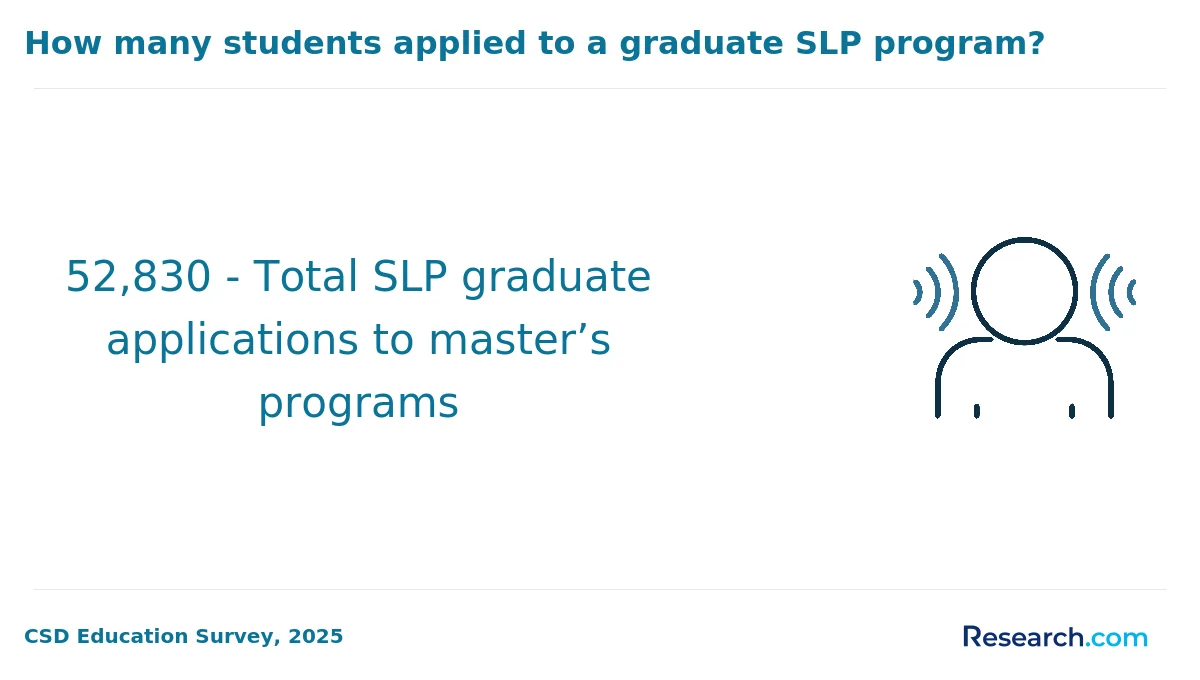
Yes. Admission requirements can vary by concentration because some tracks demand more prerequisite science, stronger clinical readiness, or a clearer path to graduate-level licensure preparation. A general communication sciences track may be more flexible, while speech-language pathology, audiology, or clinically intensive pathways often require specific coursework and stronger academic preparation.
Many programs require a minimum 3.0 undergraduate GPA, but competitive expectations may be higher. Speech-language pathology concentrations often require prerequisite courses in areas such as phonetics, speech and hearing science, anatomy, and language development. These requirements help admissions committees determine whether applicants are ready for graduate-level clinical content.
Applicants without a related undergraduate degree may need to complete leveling or post-baccalaureate coursework before full admission. Chapman University, for example, requires applicants without a related undergraduate degree to complete additional post-baccalaureate courses. Highly selective programs, such as the University of Florida's, often expect upper-division GPAs between 3.7 and 4.0.
- Course prerequisites: Common requirements include phonetics, anatomy and physiology of speech and hearing, language development, audiology, speech science, and communication disorders foundations.
- Clinical exposure: Some programs ask for observation hours or evidence that applicants understand the clinical responsibilities of the field.
- Recommendation letters: Faculty, supervisors, or clinicians may be asked to comment on academic ability, professionalism, communication skills, and readiness for client-facing work.
- Standardized testing: Some schools may request standardized test scores, though requirements vary by institution and admissions cycle.
- Fit with concentration: A student applying to a dysphagia, autism, or audiology-focused pathway may need to show relevant coursework, experience, or a clear professional rationale.
Before applying, create a checklist for each program that includes GPA standards, prerequisite courses, observation requirements, application deadlines, clinical placement expectations, and licensure alignment. If cost is a major factor, compare assistantships, scholarships, employer benefits, tuition policies, and fully funded slp programs online before assuming the least expensive published tuition is the best overall value.
Students who need a flexible timeline can also compare accelerated or online options, including shorter online master’s degree pathways, while confirming that any communication disorders program still meets clinical and licensure requirements.
Do Specific Communication Disorders Concentrations Require Accredited Programs?
Accreditation matters most when a concentration leads to professional certification, state licensure, or independent clinical practice. In communication disorders, students should be especially careful with speech-language pathology and audiology pathways because an unaccredited or poorly aligned program can limit eligibility for credentials, employment, and licensure.
- Certification Eligibility: Speech-language pathology tracks must be from programs accredited or with candidacy status by the Council for Academic Accreditation (CAA) to qualify for the Certificate of Clinical Competence (CCC-SLP).
- Clinical Experience Requirements: Accredited programs ensure completion of at least 400 supervised clinical hours, including 325 during graduate study, meeting national standards.
- State Licensure: Many states require graduation from a CAA-accredited program for speech-language pathologists to become licensed clinicians. Students should check the requirements in the state where they plan to practice, not just where the school is located.
- Employer Preferences: Schools, hospitals, rehabilitation centers, and healthcare systems often prefer or require graduates from accredited programs because accreditation signals that the curriculum and clinical training meet recognized professional standards.
- Quality Assurance: Accreditation supports consistency in coursework, supervision, practicum structure, assessment, ethics training, and preparation for professional practice.
A practical rule is simple: if the concentration is intended to lead to SLP or audiology licensure, verify accreditation before applying. Do not rely only on a program’s marketing language. Confirm the accreditor, candidacy status when applicable, clinical hour structure, and whether graduates are eligible for the credential or license you plan to pursue.
Is the Quality of Online Communication Disorders Concentration Tracks the Same as On-Campus Programs?
Online communication disorders tracks can match on-campus quality when they have the same accreditation, faculty standards, curriculum depth, clinical supervision, and student support. Delivery format alone does not determine quality. The stronger question is whether the online program gives students the same preparation for assessment, intervention, documentation, clinical decision-making, and licensure requirements.
- Accreditation: Online students should verify recognized institutional accreditation and, when relevant, programmatic accreditation. Regional accreditation supports academic credibility, while professional accreditation may affect licensure and certification eligibility.
- Curriculum Standards: A high-quality online track should cover the same core areas as an on-campus program, including anatomy, linguistics, speech and hearing science, language development, assessment, and therapy techniques.
- Faculty Expertise and Support: Online students need accessible faculty, timely feedback, office hours, advising, and mentoring. Low faculty-to-student ratios can improve engagement, especially in clinically demanding courses.
- Hands-on Practicum: Communication disorders cannot be learned through lectures alone. Strong online and hybrid programs include supervised clinical placements, simulations, observation experiences, or in-person requirements that build practical skills.
- Technology Integration: Effective programs use learning platforms, video observation, simulation tools, telepractice practice, and digital documentation in ways that support skill-building rather than simply replacing classroom time.
- Student Support Systems: Advising, tutoring, counseling, placement coordination, library access, and technical support are especially important for online learners balancing coursework with work or family obligations.
When I spoke with a graduate of a popular communication disorders hybrid program, she said the balance between online coursework and in-person practicum was the reason the format worked. Online lectures gave her flexibility to study theory in depth, while clinical sessions helped her apply assessment and treatment skills with real clients.
She also noted that the main challenge was discipline: online coursework required planning, regular study routines, and proactive communication with faculty. Her experience shows why the best online and hybrid programs are not easier versions of campus programs; they are carefully structured programs that combine flexibility with supervised clinical preparation.
Which Communication Disorders Concentration Is the Hardest to Complete?
The hardest concentration depends on a student’s strengths, but audiology, neurological communication disorders, dysphagia, fluency, and voice-related tracks are often perceived as more demanding because they combine dense scientific content with precise clinical skills. Difficulty usually comes from the amount of supervised practice, the complexity of client needs, and the level of diagnostic judgment required.
- Extensive Clinical Practicum: Audiology concentrations often involve advanced diagnostic equipment, hearing assessments, balance-related concerns, amplification technology, and a wide range of patient cases. The clinical learning curve can feel steeper than in less equipment-intensive tracks.
- Advanced Neurological Coursework: Tracks focused on neurological disorders require strong understanding of neuroscience, physiology, cognition, and brain-behavior relationships. Students must connect medical information with communication assessment and intervention.
- Diagnostic Skill Development: Fluency and voice disorders can require refined listening, observation, perceptual judgment, and awareness of physical and psychosocial factors. Students often need repeated exposure before they feel confident making clinical decisions.
- Research Rigor: Specialized tracks may include intensive research methods, evidence appraisal, and applied data interpretation. This can be challenging for students who are more comfortable with practical therapy skills than scientific literature analysis.
Students should not avoid a concentration only because it is difficult. Instead, they should ask whether the program provides strong advising, enough supervised practice, accessible faculty, and a realistic course sequence. A demanding concentration can be manageable when the structure is clear and the student’s career goal is well matched to the workload.
What Careers Can You Get with Each Communication Disorders Specialization?
Communication disorders specializations connect to different career paths, but the degree level matters. Some roles require graduate education, clinical hours, certification, or state licensure. Students should map each concentration to the credential required for the job they actually want.
- Speech-Language Pathology: Graduates who complete the required graduate preparation and licensure steps can become speech-language pathologists in schools, hospitals, rehabilitation centers, private practices, skilled nursing facilities, and early intervention settings. Common focus areas include pediatric language, speech sound disorders, fluency, swallowing, voice, and adult neurological disorders.
- Audiology: This concentration prepares students for hearing and balance-related careers, typically requiring a Doctor of Audiology degree for audiologist roles. Audiologists may work in ENT clinics, hospitals, private practices, schools, hearing aid centers, or educational institutions.
- Language-Speech-Hearing Sciences: This broader concentration can support careers in research, academia, healthcare administration, communication science, special education support, public health, consulting, or preparation for graduate clinical programs.
A professional I spoke with who specialized in speech-language pathology said the career options felt overwhelming at first because the settings were so different. School placements, hospital rotations, and rehabilitation experiences each required different documentation habits, client interaction styles, and treatment priorities.
He said clinical rotations were the turning point. They helped him understand not just which job title he wanted, but which client population, pace, and team environment fit him best. For many students, that practical exposure is the most reliable way to choose between pediatric, adult medical, school-based, or specialty clinical work.
What Market Trends Are Shaping the Top Communication Disorders Concentrations in 2027?
Several market trends are influencing which communication disorders concentrations attract students and employers. The strongest tracks are those that prepare graduates for high-need populations, changing service models, and technology-supported care.
- Telehealth and Remote Service Delivery: Teletherapy has increased the need for clinicians who can build rapport, assess communication, document progress, and coach families through virtual platforms. Students interested in speech therapy-related concentrations should look for programs that teach telepractice ethics, privacy, engagement strategies, and online assessment limits.
- Digital Tools and Artificial Intelligence Integration: AI-supported tools, digital monitoring, speech analysis platforms, and therapy apps are changing how some services are delivered and documented. Employers may value graduates who can use technology responsibly without replacing clinical judgment.
- Pediatric Speech and Language Disorders: Child-focused concentrations remain popular because many communication concerns are identified in early childhood and school settings. Students interested in articulation, language, autism, and early intervention should prioritize programs with strong child development and school collaboration training.
- Dysphagia and Swallowing Disorders: Aging populations and acute care needs continue to make swallowing expertise important in hospitals, rehabilitation centers, and skilled nursing facilities. This concentration can be attractive for students who want a medical setting and are comfortable with anatomy, physiology, and interprofessional care.
The main takeaway is that market demand is not limited to one concentration. Students can improve employability by pairing a clear specialty with flexible skills: documentation, collaboration, data-based decision-making, cultural responsiveness, and comfort with technology.
What Are the Average Salaries for Popular Communication Disorders Concentrations?
Salaries in communication disorders vary by specialization, degree level, setting, experience, geographic location, and licensure status. Students should treat salary data as a planning tool, not a guarantee. The same concentration can lead to different earnings in a school district, hospital, skilled nursing facility, university, or private practice.
- Speech-Language Pathology: SLPs earn a median salary of $95,410 nationally, with experienced professionals making $98,000 or more. Compensation varies by setting, ranging from $86,320 in schools to $113,630 in skilled nursing facilities. Location also plays a major role, with California and New York SLPs earning $114,050 and $111,640 respectively.
- General communication sciences and disorders: Professionals in this broader category average $94,516 annually, with salaries spanning from $64,000 at the 25th percentile up to $115,500 at the 75th percentile, and top earners reaching $161,000. This range reflects varied roles across clinical, research, academic, administrative, and related communication fields.
Students who want to improve long-term earning potential should consider more than the concentration name. Licensure eligibility, clinical setting, specialization depth, geographic mobility, and advanced credentials can all affect compensation. Some professionals also explore doctoral study or leadership pathways, including online doctoral programs with shorter completion formats, when those credentials support a clear career objective.
How Do You Choose the Best Concentration in a Communication Disorders Program?
The best concentration is the one that fits your target population, work setting, academic strengths, and credential plan. A good choice should answer three questions: whom do you want to serve, where do you want to work, and what education or license will that role require?
- Career Aspirations and Work Settings: Start with the environment you can realistically see yourself in. Speech-language pathology is the most pursued graduate pathway for communication disorders undergraduates and can lead to work in schools, hospitals, rehabilitation centers, private practice, and community settings. Concentrations in voice, language, swallowing, and cognitive-communication disorders point toward different client needs and workplaces.
- Skill Development and Personal Interests: Choose a concentration that matches the work you find meaningful. Students who enjoy child development may prefer language, articulation, or autism-focused tracks. Students drawn to medical care may prefer dysphagia, voice, or neurogenic communication. Students interested in technology may consider augmentative and alternative communication.
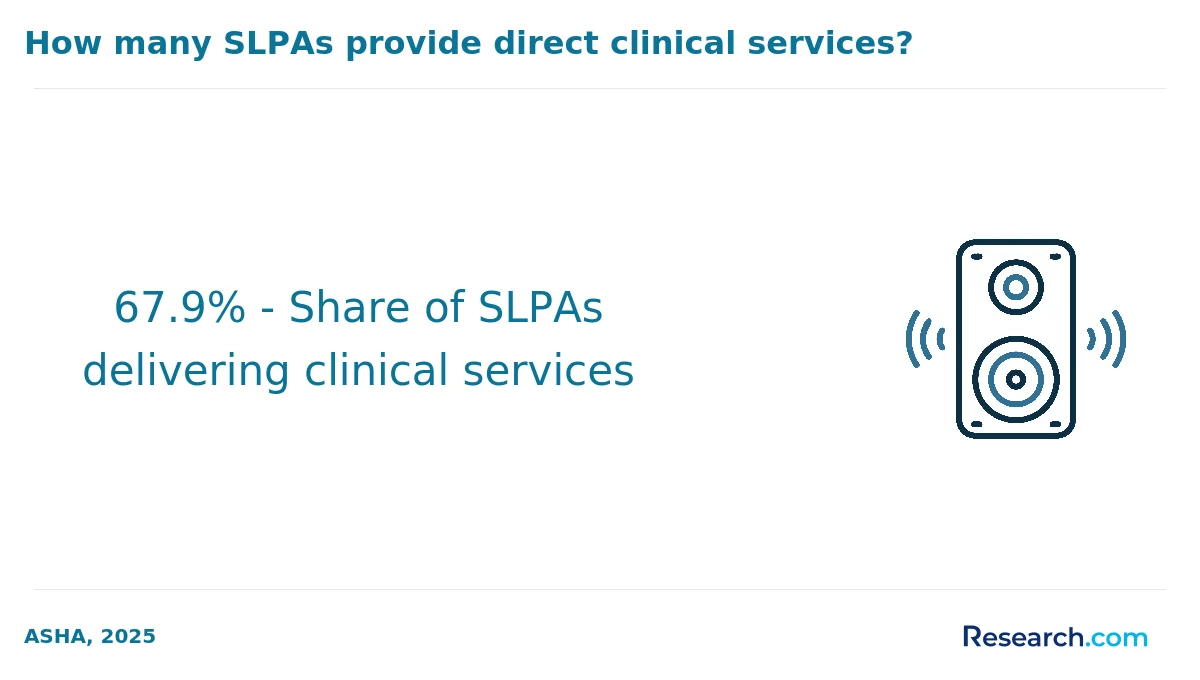
- Program Requirements and Credentials: Some paths require graduate education, clinical hours, certification, or state licensure before independent practice. Speech-language pathologist assistants may need extra training beyond a bachelor's degree, while licensed SLP and audiology roles require more advanced preparation.
- Industry Demand and Transferable Skills: Communication disorders degrees build knowledge of human communication science, critical thinking, evidence-based reasoning, and awareness of contemporary issues. These skills can support work in education, health services, media, public relations, government, research, and related communication fields.
When comparing programs, look beyond the concentration title. Review prerequisites, clinical placement options, faculty expertise, licensure outcomes, graduate-school placement, and employer connections. A communication disorders concentration admission requirements comparison can reveal whether one program is better aligned with your timeline and goals. Understanding speech language pathology program prerequisites and career outcomes can also help you avoid applying to a track that does not support your intended credential.
Personality and work style matter too. Some communication roles require constant group interaction, while others involve focused assessment, documentation, research, or one-on-one support. Students who prefer lower-stimulation or more independent roles can explore career-planning resources such as jobs suited to introverted professionals and compare them with the skills developed in communication disorders programs.
What Graduates Say About Their Popular Concentrations in Communication Disorders Degrees
- Adrian: "Pursuing a communication disorders degree with a focus on speech-language pathology gave me the practical preparation I needed. The hands-on experiences were the most valuable part because they connected coursework to real clients. The average cost of attendance was a serious consideration, but the career opportunities made the investment feel worthwhile. I now work with children and adults to help them improve communication skills."
- Chelsea: "The audiology concentration helped me understand hearing and balance disorders in a much deeper way. The cost was manageable once I considered financial aid options, and the curriculum confirmed that this was the right field for me. It is rewarding to see how better hearing care can make a direct difference in a patient’s daily life."
- Sue: "Focusing on augmentative and alternative communication changed how I think about access, independence, and technology. Tuition was a significant factor, but the specialized knowledge I gained strengthened both my professional skills and my confidence. The degree helped me contribute meaningfully to assistive technology development."
Other Things You Should Know About Communication Disorders Degrees
In 2027, popular concentrations in communication disorders degrees include Speech-Language Pathology, Audiology, and Deaf Education. These areas offer specialized training to prepare graduates for addressing diverse communication challenges in clinical, educational, and research settings.
Look for a program accredited by the Council on Academic Accreditation in Audiology and Speech-Language Pathology, or CAA. For licensure and the ASHA Certificate of Clinical Competence, students usually need an accredited master’s program plus supervised clinical practicum hours, often about 400 hours total.
In 2027, graduates with a concentration in communication disorders can pursue careers as speech-language pathologists, audiologists, or researchers. They may work in schools, hospitals, private practices, or research institutions, providing critical services related to speech and hearing disorders.
References
- U.S. Bureau of Labor Statistics - Speech-Language Pathologists https://www.bls.gov/ooh/healthcare/speech-language-pathologists.htm
- ASHA EdFind - Accredited Speech-Language Pathology Programs https://find.asha.org/ed/
- O*NET OnLine - Speech-Language Pathologists https://www.onetonline.org/link/summary/29-1127.00
- University of Scranton - Master of Science (M.S.) in Speech-Language Pathology https://www.scranton.edu/academics/pcps/health-and-human-performance/programs/speech-language-pathology/index.shtml
- Emerson College - Master of Science (M.S.) in Communication Disorders (Speech@Emerson, online) https://speech.emerson.edu/
- Nova Southeastern University - SLP Program - Master of Science in Speech-Language Pathology https://osteopathic.nova.edu/degrees/masters/speech-language-pathology/index.html
- California State University-San Marcos - Online MS in Speech-Language Pathology https://www.csusm.edu/slp/programs/mastersonline/index.html
- Maryville University - Master of Science in Speech-Language Pathology https://www.maryville.edu/masters/speech-language-pathology/