2027 Most Affordable Online Bachelor's Degrees for Older Adults

Co-Founder and Chief Data Scientist
Returning to college as an older adult is often a cost, time, and career-risk decision all at once. Public four-year colleges listed an average in-state tuition and fee price of $11,610 for 2024-25, according to College Board, so choosing the right online bachelor's program can materially affect debt and return on investment.
This guide is for adults balancing work, family, military service, caregiving, or career change. You'll learn which online bachelor's degrees tend to offer strong value, how to compare real costs, and what red flags to avoid before enrolling.
Key Things You Should Know
- The most affordable online bachelor's degree is usually not the lowest advertised tuition. It is the program that accepts the most valid transfer, military, work, or exam-based credit while staying regionally accredited.
- For 2025-26, the maximum Federal Pell Grant is $7,395, which can significantly reduce out-of-pocket costs for eligible older students pursuing a first bachelor's degree.
- BLS May 2024 wage data shows several bachelor's-level paths, including business, IT, cybersecurity, nursing, and engineering-related roles, have median pay above the $49,500 median for all occupations.
Top 10 2026 Most Affordable Online Bachelor's Degrees for Older Adults
Business Degrees
Business is one of the most flexible affordable online bachelor's options for older adults because it can connect prior work experience to management, accounting, human resources, operations, or entrepreneurship. It fits learners who already understand workplace systems and want a credential for promotion.
Choose programs with transfer-friendly policies and concentrations tied to specific roles. BLS May 2024 data lists the median annual wage for accountants and auditors at $81,680, but outcomes vary by location, experience, and whether you pursue CPA eligibility.
Healthcare Degrees
Healthcare administration, health sciences, and public health bachelor's programs can be practical for older adults who want healthcare careers without becoming licensed clinicians. These degrees often suit medical office staff, billing specialists, military medics, caregivers, or career changers.
Look for curricula in compliance, quality improvement, health data, and finance. BLS May 2024 data places medical and health services managers at a $117,960 median annual wage, but many managerial jobs require healthcare experience in addition to the degree.
Information Technology Degrees
Information technology degrees are often realistic for older online learners because many programs emphasize applied skills: networking, cloud systems, databases, systems administration, and user support. They can be a good fit if you enjoy troubleshooting and structured problem-solving.
Prior certifications may count as credit at some schools. BLS May 2024 data reports a $105,990 median annual wage for computer and information technology occupations, but entry-level IT roles may pay less until you build experience, projects, and vendor credentials.
Computer Science Degrees
Computer science can offer strong long-term value, but it is usually more math- and programming-intensive than general IT. Older adults should choose it if they are ready for algorithms, software development, data structures, and sustained coding practice.
It can support paths in software engineering, data, systems, and technical leadership. BLS May 2024 data lists software developers at a $133,080 median annual wage, but hiring is portfolio-driven and increasingly affected by AI-assisted coding tools.
Cybersecurity Degrees
Cybersecurity bachelor's programs are attractive for older adults with military, law enforcement, IT, compliance, or risk-management backgrounds. Affordable programs should include hands-on labs, networking fundamentals, incident response, governance, and preparation for recognized certifications.
BLS May 2024 data lists information security analysts at a $124,910 median annual wage, and the field remains shaped by cloud adoption, ransomware risk, and regulatory pressure. Beginners should avoid programs that promise quick senior-level jobs without prior technical experience.
Psychology Degrees
Psychology is a useful bachelor's degree for adults interested in human behavior, counseling-adjacent work, case management, human services, organizational behavior, or graduate school. It is less direct than nursing or accounting, so affordability matters more.
A bachelor's alone usually does not qualify someone to become a licensed psychologist or counselor. Choose psychology if you value communication, research literacy, and people-centered roles; consider another major if your main goal is the fastest route to a regulated clinical license.
Nursing Degrees
Online nursing bachelor's degrees are usually RN-to-BSN programs for licensed registered nurses, not entry-level nursing programs completed fully online. They fit older adults who already hold an ADN or nursing diploma and want advancement, leadership, public health, or graduate-school options.
BLS May 2024 data lists registered nurses at a $93,600 median annual wage. Before enrolling, confirm state authorization, clinical or practicum requirements, employer tuition benefits, and whether the program holds appropriate nursing accreditation.
Education Degrees
Online education bachelor's degrees can work for older adults with classroom aide, childcare, tutoring, training, or substitute teaching experience. However, teacher licensure rules vary by state, and not every online program leads to initial certification.
Affordable options are strongest when they place students in approved local fieldwork settings. Choose this path if you are prepared for student teaching, background checks, and state exams. If you want adult training or corporate learning, a non-licensure education degree may be more flexible.
Criminal Justice Degrees
Criminal justice can be affordable and transfer-friendly for older adults with military, corrections, security, court, or public safety experience. Programs typically cover law, ethics, policing, corrections, investigations, and emergency management. It can support advancement into supervisory, administrative, probation, compliance, or security roles.
BLS May 2024 data lists police and detectives at a $77,270 median annual wage, but many sworn roles have age, fitness, academy, and background requirements that vary by agency.
Engineering Degrees
Fully online bachelor's engineering programs are less common than business or IT because labs, ABET accreditation, and math sequencing matter. Older adults should distinguish engineering from engineering technology: both can be valuable, but they may lead to different roles and licensure options.
This path fits learners with strong math preparation, technical work experience, or employer support. Before enrolling, verify ABET status if professional engineering licensure or certain government and defense roles are part of your goal.
What makes an online bachelor's program affordable and realistic for older adult learners?
An online bachelor's program is affordable and realistic for older adults when the total cost, schedule, transfer-credit policy, and career outcome fit the learner's life now. The lowest tuition is not always the best deal if the school rejects previous credits, requires daytime attendance, or lacks advising for returning students.
The comparison below shows the main affordability factors older learners should weigh before choosing a program. Use it to separate genuine value from marketing language.
| Affordability factor | Why it matters for older adults | What to look for |
| Net price | Older students may have family, housing, or retirement obligations that make debt riskier. | Cost after grants, scholarships, employer benefits, and transfer credit. |
| Transfer credit | Prior college, military training, exams, and professional learning can shorten the degree. | Clear maximum transfer policy and written credit evaluation before enrollment. |
| Format | Working adults often need evening, asynchronous, or part-time options. | Predictable course rotation and no hidden daytime requirements. |
| Accreditation | Accreditation affects aid, transferability, licensure, and employer acceptance. | Regional institutional accreditation plus programmatic accreditation when needed. |
| Career alignment | A low-cost degree can still be a poor investment if it does not match hiring requirements. | Curriculum tied to target roles, internships, labs, portfolios, or licensure pathways. |
For adults who need a faster credential before committing to a full bachelor's degree, easy certifications to get online can help test a field, strengthen a resume, or support a promotion while keeping bachelor's plans open.
How do tuition, fees, and financial aid options compare for older online students?
Older online students should compare programs by total cost of completion, not just per-credit tuition. College Board's 2024 pricing report shows that published tuition and fees vary widely by institution type, with public in-state four-year prices far below many private nonprofit prices; however, online learners may face separate distance-learning fees, technology fees, and residency rules.
These common cost items determine what you actually pay and whether a program is affordable over several terms:
- Published tuition: the advertised per-credit or annual tuition before aid.
- Mandatory fees: technology, online learning, graduation, transcript, proctoring, student services, or course-specific fees.
- Books and materials: digital access codes, lab kits, software, exam vouchers, or open educational resources.
- Transfer-credit effect: accepted credits can reduce the number of courses you must pay for.
- Lost income or reduced hours: part-time study may be cheaper per term, but full-time study may get you to the finish line sooner.
Financial aid can substantially change the math. For 2025-26, the maximum Pell Grant is $7,395 for eligible students, and many older adults may also qualify for federal loans, state grants, employer tuition assistance, military education benefits, union benefits, or school-based scholarships. Ask each school for a written aid estimate based on your enrollment intensity, because half-time and full-time attendance can change eligibility.
What admission requirements and prior learning credits apply specifically to returning adult students?
Returning adult students are often admitted through standard undergraduate completion pathways, but the best online programs make the process adult-friendly. Common requirements include a high school diploma or equivalent, official transcripts from every college attended, a minimum transfer GPA, and sometimes a resume or personal statement for degree-completion programs.
Prior learning credit is one of the biggest affordability tools for older students. It may come from community college work, military training, standardized exams, professional licenses, employer training, portfolio assessment, or industry certifications.
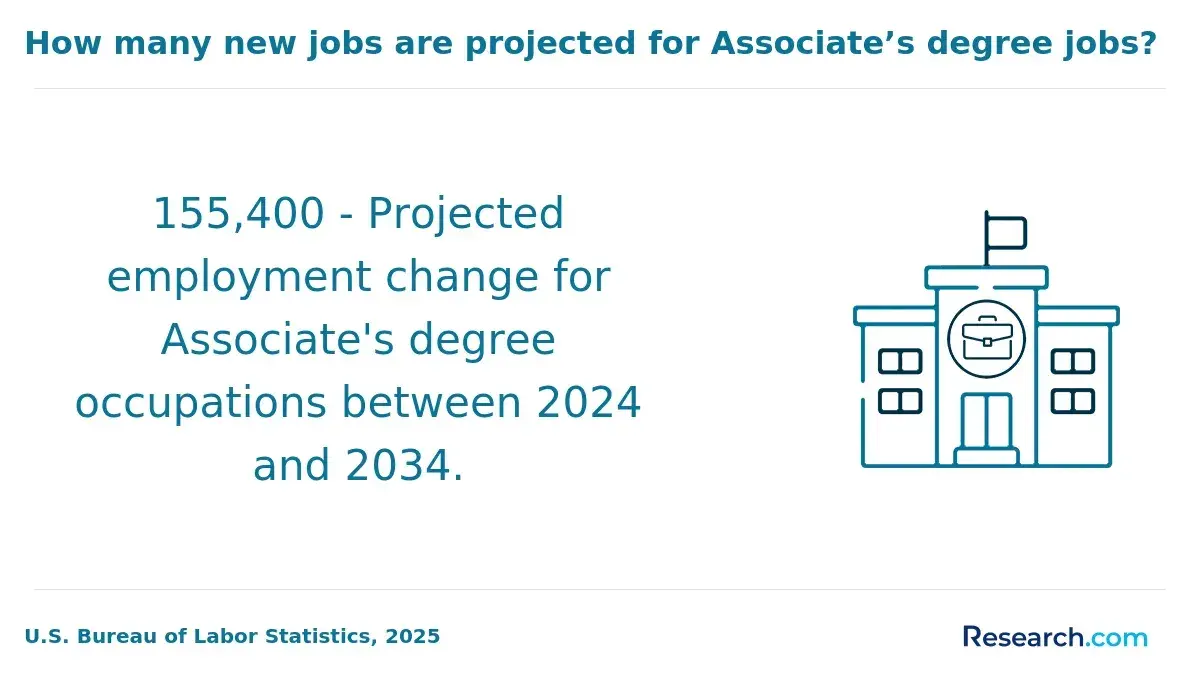
If you have many credits but no degree, comparing associate degree online programs may also help you create a stepping-stone credential before transferring into a bachelor's program.
Before applying, take these steps to protect your time and money:
- Request an unofficial transfer review before paying deposits or committing to a start date.
- Ask which credits apply to major requirements, not only general electives.
- Confirm the school's maximum transfer allowance and minimum credits that must be completed in residence.
- Check whether professional certifications, military transcripts, CLEP, DSST, or portfolio credit are accepted.
- Get any promises about transfer credit, tuition, or program length in writing.
Which online bachelor's degrees offer the best balance of low cost and strong career outcomes?
The best balance of low cost and strong career outcomes usually comes from degrees that connect directly to broad labor-market needs and allow adults to use prior experience.
Business, IT, cybersecurity, nursing, healthcare administration, and engineering-related programs often perform well on this balance, but the right choice depends on your background and tolerance for licensure, math, clinical work, or technical training.
This table summarizes how several affordable online bachelor's options compare for older adults. It focuses on fit and career direction rather than ranking schools.
| Degree area | Best fit | Cost advantage | Career-outcome consideration |
| Business | Adults with office, operations, sales, military, or supervisory experience. | Widely available and transfer-friendly. | Best ROI when paired with accounting, analytics, HR, or management experience. |
| Information Technology | Learners who like systems, troubleshooting, and applied technical work. | Certification credit may reduce required courses. | Entry roles may require hands-on labs, projects, and help desk or support experience. |
| Cybersecurity | Adults with IT, military, compliance, or risk backgrounds. | Prior technical credentials may transfer. | Strong field, but not usually a shortcut into senior security jobs without experience. |
| RN-to-BSN Nursing | Licensed RNs seeking advancement. | Often designed for working nurses. | Value depends on licensure status, employer requirements, and clinical leadership goals. |
| Healthcare Administration | Healthcare staff seeking nonclinical advancement. | Can build on healthcare work history. | Managerial outcomes usually require experience beyond the degree. |
| Engineering Technology | Technicians or skilled workers moving into technical supervision. | May be more online-accessible than engineering. | Check ABET status and whether it fits licensure or employer expectations. |
A practical rule is to choose the lowest-cost accredited program that gets you to a specific next role, not simply the degree that sounds most prestigious. For older learners, opportunity cost matters: an affordable degree that takes too long or does not recognize prior learning may be less valuable than a moderately priced program that helps you finish faster.
How do online bachelor's programs differ from campus programs for midlife and older adults?
Online bachelor's programs differ from campus programs mainly in scheduling, delivery, interaction, and support expectations. For midlife and older adults, online learning can reduce commuting and allow study around work or caregiving, but it also requires self-management, comfort with technology, and consistent weekly time blocks.
The table below compares the practical differences that matter most when you are deciding whether online or campus learning fits your life.
| Feature | Online bachelor's program | Campus bachelor's program |
| Schedule | Often asynchronous or evening-friendly, though deadlines still apply. | More likely to require set class times and commuting. |
| Peer interaction | Discussion boards, video meetings, group projects, and messaging tools. | Face-to-face class discussion and campus activities. |
| Hands-on requirements | May use virtual labs, local placements, or short residencies. | Labs and clinical or studio work may be easier to coordinate on site. |
| Support access | Remote advising, tutoring, library access, and tech support. | In-person offices and campus-based services. |
| Best for | Adults who need flexibility and can manage independent learning. | Students who need structure, local networking, or in-person labs. |
Online is not automatically easier. It is better when the program is intentionally built for remote learners, uses accessible platforms, provides fast instructor feedback, and offers evening or weekend support. Campus may be better if you need intensive labs, local networking, disability accommodations that are easier in person, or a structured routine.
What accreditation and quality standards should older adults look for in online degrees?
Accreditation is the quality checkpoint older adults should verify before discussing price, speed, or convenience.
Regional institutional accreditation helps determine eligibility for federal financial aid, transfer credit, graduate admission, and employer recognition. Programmatic accreditation may also be essential in fields such as nursing, education, engineering, business, social work, and some healthcare disciplines.
Use the following checklist before enrolling in any online bachelor's program:
- Confirm institutional accreditation through a recognized accreditor, not only a school website claim.
- Check whether the program needs specialized accreditation for your goal, such as CCNE, ACEN, ABET, CAEP, AACSB, ACBSP, or another field-specific body.
- Verify state authorization if you live outside the school's home state.
- For licensed careers, contact the relevant state board to confirm the program meets education requirements.
- Review graduation, retention, transfer, and student debt information when available.
- Avoid schools that pressure you to enroll immediately, refuse to provide total-cost estimates, or make guaranteed job claims.
The most common mistake is assuming "accredited" means every career door is open. Accreditation is necessary, but licensure, certification, clinical placement, student teaching, background checks, and state exams may still apply.
How long does it typically take older adults to complete an online bachelor's degree?
Most online bachelor's degrees require about 120 semester credits, but older adults rarely start from zero. Completion time depends on transfer credits, course load, work schedule, program calendar, and whether the major has sequenced courses that cannot be accelerated.
This timeline table shows common completion scenarios. It can help you estimate whether a program's advertised pace matches your real availability.
| Starting point | Typical remaining credits | Realistic completion pattern | Important caution |
| No prior college credit | About 120 credits | Roughly four years full time or longer part time. | Acceleration can increase workload and burnout risk. |
| Some college credit | Varies widely | Often two to four years depending on accepted credits. | Elective credit may not shorten major requirements. |
| Associate degree completed | Often about 60 credits | Commonly two years full time or three or more years part time. | Transfer agreements matter more than the degree title alone. |
| RN-to-BSN or degree-completion pathway | Often reduced by license or prior coursework | Can be designed for working adults. | Clinical, practicum, or capstone requirements may affect pace. |
If you are still building toward a bachelor's degree, comparing associates degrees online can help you decide whether earning a lower-cost credential first would make transfer simpler and reduce risk.
What support services help older online students balance school, work, and family?
Strong support services can be the difference between enrolling and finishing. Older online students often need practical help with transfer credit, technology, writing, math, time management, career transitions, and emergency interruptions caused by work or family responsibilities.
Ask schools about these support services before you apply, because they affect both completion and total cost:
- Dedicated adult-learner advising that helps map transfer credits to a graduation plan.
- Evening or weekend access to tutoring, writing support, library help, and technical assistance.
- Career services for experienced workers, not only first-time college students.
- Clear leave-of-absence, reentry, and course-withdrawal policies.
- Disability services and accessibility support for online platforms and exams.
- Financial aid counseling that explains part-time enrollment, satisfactory academic progress, and borrowing limits.
Some adults prioritize speed because they need to start before a job change, benefit deadline, or tuition-assistance window. In that case, researching online colleges starting soon can be useful, but you should still verify accreditation, transfer credit, and total cost before committing.
What are realistic salaries and job outlooks for careers accessible with these affordable degrees?
Salary and job outlook should guide your decision, but they should not be treated as promises. BLS May 2024 wage data reflects national medians for occupations, not guaranteed earnings for graduates. Your results will depend on region, industry, experience, age discrimination risk, licensure, technical skills, networking, and whether you can leverage previous work history.
The table below summarizes realistic career directions connected to affordable online bachelor's degrees. Use it to compare broad opportunity, not to assume a specific salary.
| Degree path | Possible roles | Relevant BLS May 2024 median wage context | Decision note |
| Business | Accountant, HR specialist, operations supervisor, analyst, manager trainee. | Accountants and auditors: $81,680. | Strongest when paired with quantitative, accounting, analytics, or leadership experience. |
| Healthcare administration | Clinic coordinator, practice manager, compliance analyst, health services manager track. | Medical and health services managers: $117,960. | Management roles often require healthcare experience beyond the degree. |
| Information technology | Systems administrator, support specialist, network technician, cloud support associate. | Computer and IT occupations: $105,990. | Projects and certifications can matter as much as coursework for entry roles. |
| Cybersecurity | Security analyst, compliance analyst, SOC analyst, risk analyst. | Information security analysts: $124,910. | Best for adults who can build technical depth and demonstrate hands-on skills. |
| Nursing RN-to-BSN | Registered nurse, charge nurse, care coordinator, public health nurse. | Registered nurses: $93,600. | Requires active RN licensure; BSN value varies by employer and market. |
| Computer science | Software developer, QA analyst, data-focused junior developer, systems developer. | Software developers: $133,080. | Portfolio, coding interviews, and AI-aware development skills affect competitiveness. |
Older adults should evaluate ROI in terms of pay growth, job security, mobility, schedule fit, and years remaining in the workforce. A degree may be worth it if it unlocks a promotion, preserves employability, or supports a planned career change; it may not be worth it if the program requires high debt for a field with low entry pay or unclear hiring requirements.
Before enrolling, avoid these common mistakes:
- Choosing a school before receiving a transfer-credit estimate.
- Comparing tuition only and ignoring fees, books, technology, exam costs, and lost income.
- Assuming an online degree automatically meets state licensure requirements.
- Borrowing heavily for a career path that typically requires graduate school.
- Selecting the fastest program without checking workload, accreditation, and student support.
Other Things You Should Know About the Most Affordable Online Bachelor's Degrees
The cheapest option is usually a regionally accredited public university or degree-completion program that accepts a large number of transfer, military, exam, or prior learning credits. The degree area matters less than the number of credits you still need to pay for.
Yes. Eligible older students can complete the FAFSA for federal grants, loans, and work-study. Many may also use employer tuition assistance, veterans benefits, state grants, scholarships, or payment plans, depending on their situation and enrollment status.
They can be, especially when the school is properly accredited and the program matches the career field. Employers usually care more about accreditation, skills, experience, licensure, and performance than whether coursework was completed online.
No, but the decision should be practical. Older adults should focus on affordable programs, transferable credits, flexible schedules, and career goals that justify the time and cost. A degree is most useful when it supports a clear promotion, career change, licensure path, or personal goal.
References
- Aid for Non-Traditional Students - Finaid https://finaid.org/otheraid/nontraditional/
- Best Online Colleges For Working Adults https://www.affordablecollegesonline.org/college-resource-center/online-colleges-for-working-adults/
- Increase Completion and Reduce Inequities https://www.amacad.org/publication/future-undergraduate-education/section/5
- 2025 Most Affordable Online Human Services Degrees https://www.onlineu.com/most-affordable-colleges/human-services-degrees
- Free Online College Courses for Seniors in the US [2024] https://www.onlinecolleges.net/resources/online-colleges-senior-citizens/
- Returns to Late Aged College Degrees | International Journal of Population Data Science https://ijpds.org/index.php/ijpds/article/view/1073
- [2026 ] Guide to College for Working Adults | New England Tech https://www.neit.edu/blog/college-for-working-adults
- Cost of College by Country [2025]: Average Tuition Fees https://educationdata.org/average-cost-of-college-by-country
- Best FREE Online Degrees for Seniors | Delaware Retirees https://delawareretiree.com/best-free-online-degrees-for-seniors/