2027 Most Affordable Bachelor's Degrees for Students Using FAFSA

Co-Founder and Chief Data Scientist
Choosing a bachelor's degree with FAFSA is really a net-price decision, not just a tuition decision. The maximum Federal Pell Grant is $7,395 for the current award year, which can materially reduce costs at public, online, and transfer-friendly programs.
This guide is for students comparing affordable bachelor's options in high-demand fields. You'll learn which majors tend to balance cost and career value, how FAFSA lowers out-of-pocket costs, what accreditation to verify, and how to avoid enrolling in a program that looks cheap but creates unnecessary debt.
Key Things You Should Know
- FAFSA affordability depends on net price: tuition and fees minus grants, scholarships, employer aid, and transfer-credit savings, plus realistic living and technology costs.
- The Federal Pell Grant maximum is $7,395, while federal undergraduate loan limits cap how much most dependent students can borrow each year, making school price selection especially important.
- High-value low-cost bachelor's options often include business, IT, computer science, cybersecurity, nursing, education, engineering, and transfer-based public university pathways.
Top 10 Most Affordable Bachelor's Degrees for Students Using FAFSA
Business Degrees
Business is one of the most flexible affordable bachelor's choices because it fits online, campus, and transfer pathways. FAFSA students should compare accounting, finance, management, marketing, and supply chain concentrations by internship access and employer partnerships.
A low-cost business degree is strongest when it includes spreadsheet modeling, analytics, communication, and project experience. It may be less valuable if the curriculum is too general and offers no applied portfolio, internship, or career services support.
Healthcare Degrees
Healthcare bachelor's programs can be affordable when they lead to clear roles such as health administration, public health, health informatics, or clinical completion pathways. Students using FAFSA should check whether the program requires labs, background checks, immunizations, clinical placements, or extra fees.
This degree type fits students who want healthcare careers without necessarily becoming licensed clinicians. Always confirm whether a program prepares you for a specific certification or is mainly a broad administrative degree.
Information Technology Degrees
Information technology degrees often offer strong value because many programs are online, transfer-friendly, and aligned with employer-recognized skills. Students should look for coursework in networking, cloud systems, databases, systems administration, scripting, and project management.
IT can be a good fit if you want practical technology work without the heavier math emphasis of some computer science programs. Ask whether industry certifications are embedded or separately priced before comparing costs.
Computer Science Degrees
Computer science can be a high-return bachelor's path, but affordability depends on preparation and completion speed. Strong programs include programming, algorithms, data structures, software engineering, databases, operating systems, and applied projects.
FAFSA students should be cautious about enrolling without math readiness or coding support, because repeated courses can erase savings. The best low-cost options combine accredited instruction with portfolio-building, tutoring, and access to internships or capstone projects.
Cybersecurity Degrees
Cybersecurity bachelor's degrees are attractive for students interested in risk, networks, defense, compliance, and incident response. Affordable programs should include hands-on labs, ethical hacking, secure systems, governance, and cloud security rather than only theory.
Check whether the curriculum maps to certifications such as Security+ or other entry-level credentials, but do not assume certification exams are included in tuition. This major fits detail-oriented students who can keep learning as threats and tools change.
Psychology Degrees
Psychology can be affordable and transferable, but students should understand its career limits at the bachelor's level. It is useful for human services, case management, research assistance, HR, sales, and graduate school preparation.
FAFSA students should choose programs with statistics, research methods, writing, and field experience. If your goal is counseling, clinical psychology, or school psychology, budget for graduate study because a bachelor's degree alone usually does not qualify you for licensed practice.
Nursing Degrees
Nursing can offer strong workforce value, but affordability depends on the pathway. Pre-licensure BSN programs may require competitive admission, clinical fees, uniforms, testing, and full-time clinical schedules.
RN-to-BSN programs are often cheaper for licensed registered nurses because they build on prior nursing education. FAFSA students should verify state board approval, clinical placement support, NCLEX preparation for pre-licensure programs, and whether online coursework still requires local in-person clinical hours.
Education Degrees
Education degrees can be affordable at public universities, especially for in-state students and community college transfers. Students should confirm that the program leads to teacher licensure in the state where they plan to work. Costs may include exams, classroom placements, background checks, and unpaid student teaching.
This degree fits students committed to K-12 teaching or education support roles, but those seeking higher earnings should compare subject areas, shortage fields, and possible graduate requirements.
Criminal Justice Degrees
Criminal justice is commonly available online and may be affordable for FAFSA students, especially with transfer credits. It can support careers in law enforcement, corrections, probation, homeland security, compliance, and public administration.
Students should not assume the degree alone guarantees entry into sworn roles, which often require academy training, background checks, physical standards, and civil service exams. Strong programs include writing, ethics, data analysis, constitutional law, and policy coursework.
Engineering Degrees
Engineering degrees can be affordable at public universities but are less commonly fully online because of lab and design requirements. Students should prioritize ABET-accredited programs when licensure or traditional engineering roles matter.
Community college transfer can reduce cost, but course sequencing is strict, so advising is critical. Engineering fits students prepared for calculus, physics, design work, and intensive study. A cheaper non-ABET program may not be the best value if it limits professional options.
What makes a bachelor's degree truly affordable for students using FAFSA?
A bachelor's degree is truly affordable for FAFSA students when the total net price is low enough to complete without unmanageable borrowing. Tuition is only one part of the cost. Fees, books, technology, housing, transportation, childcare, lost work hours, repeated courses, and delayed graduation can all change the real price.
The most useful affordability test is whether the program lets you finish with credentials that match your career goal while keeping debt below what your likely early-career income can support. A low sticker price is not enough if the school has weak transfer policies, poor advising, limited course availability, or no path to licensure when licensure is required.
The table below summarizes the cost factors FAFSA students should compare before choosing a bachelor's program. Use it to look beyond tuition and estimate the real cost of finishing.
| Affordability factor | Why it matters | What to compare |
| Net price | Shows what remains after grants and scholarships | School net price calculator, aid offer, and direct costs |
| Transfer credit | Can reduce both tuition and time in school | Maximum accepted credits and major-specific transfer rules |
| Program length | Extra semesters increase tuition and living costs | Course rotation, prerequisites, and graduation rates |
| Accreditation | Affects aid eligibility, credit transfer, licensure, and employer trust | Institutional accreditation and programmatic accreditation when needed |
| Career alignment | Low cost is not useful if the degree does not support your target role | Curriculum, internship access, licensure fit, and employer outcomes |
For most students, the safest affordable option is an accredited public or nonprofit program with transparent net-price information, generous transfer credit, predictable course scheduling, and career outcomes that match the major.
How does FAFSA work to reduce the real cost of a bachelor's degree?
FAFSA reduces the real cost of a bachelor's degree by determining eligibility for federal, state, and institutional aid. After you submit the FAFSA, schools use the information to create a financial aid offer that may include grants, work-study, and federal loans. Grants are usually the most valuable because they generally do not have to be repaid.
The Pell Grant is the best-known federal grant for undergraduate students with financial need. The maximum award is $7,395, but your actual amount depends on eligibility, enrollment intensity, cost of attendance, and federal rules. This matters because a student attending a low-cost in-state or online program may cover a larger share of tuition with grants than a student attending a higher-priced institution.
Federal loans can help fill gaps, but they should not be treated as "free aid." Most dependent undergraduates face annual federal loan limits of $5,500 for the first year, $6,500 for the second year, and $7,500 for later undergraduate years. Those caps protect students from unlimited federal borrowing, but they also mean expensive schools may require private loans, payment plans, or family contributions.
A practical FAFSA strategy starts before enrollment. Students should complete these steps in order so they can compare schools by real cost rather than advertised tuition:
- Submit the FAFSA as early as possible and list every school you are seriously considering.
- Compare financial aid offers by separating grants and scholarships from loans and work-study.
- Calculate the remaining balance after gift aid, then add books, fees, transportation, housing, and technology costs.
- Ask each school how your aid changes if you enroll part time, transfer credits, live off campus, or take summer courses.
- Choose the program that combines the lowest realistic net price with accreditation and a credible path to your target career.
Which accredited schools offer the lowest-cost bachelor's programs for FAFSA users?
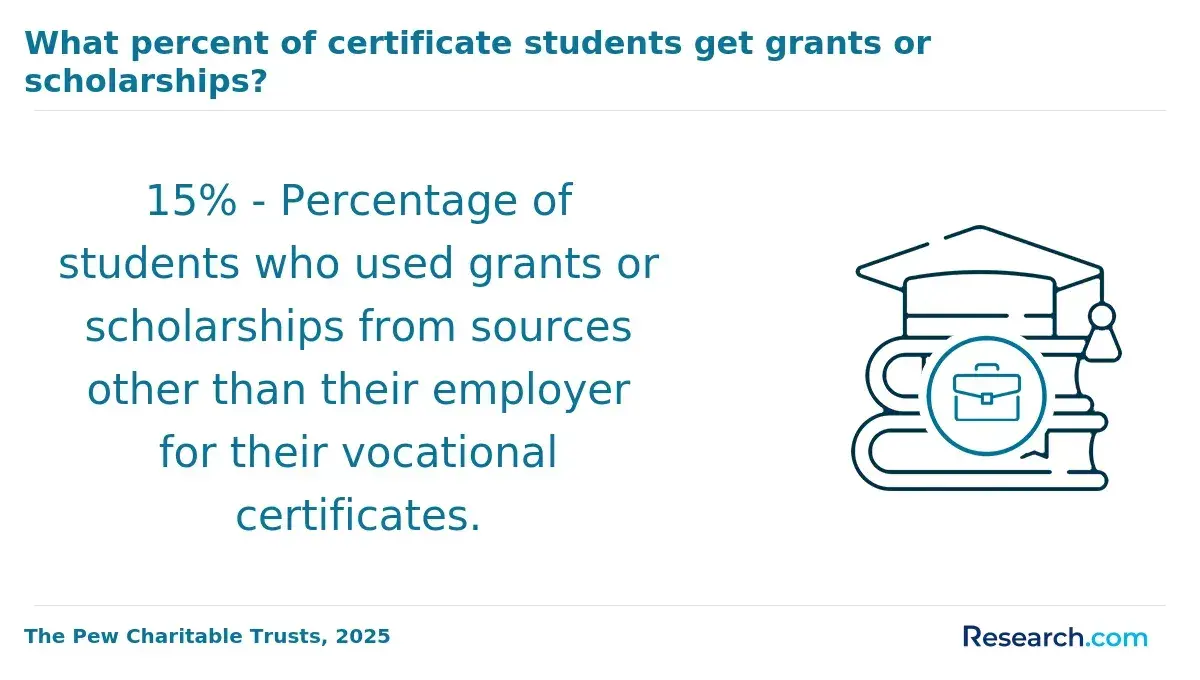
The lowest-cost FAFSA-eligible bachelor's programs are often found at in-state public universities, regional public institutions, community college transfer partnerships, and accredited online colleges with transparent tuition. The best choice depends on residency, transfer credits, major, and whether the program meets licensure or employer requirements.
Students comparing online options can start by reviewing the top 10 online colleges, then verify each school's current accreditation, FAFSA participation, tuition, and program availability in their state.
The table below compares common low-cost school pathways. It is not a ranking; it is a decision tool for identifying which route may produce the lowest net price for your situation.
| School pathway | Best fit | Main affordability advantage | Risk to check |
| Community college to public university transfer | Students who can complete lower-division credits locally | Lower cost for the first two years | Credits may not apply to the major without an articulation agreement |
| In-state public university | Students who qualify for resident tuition | Lower published tuition than many private options | Housing and campus fees can raise total cost |
| Regional public university online program | Working adults and transfer students | Flexible scheduling and often lower tuition than flagship campuses | Not every major is available online in every state |
| Competency-based or self-paced program | Motivated students with prior knowledge or transfer credits | Potential to shorten time to degree | Pacing requires discipline and employer acceptance should be verified |
| Private nonprofit with strong grants | Students receiving substantial institutional aid | Net price may be lower than sticker price suggests | Renewal rules for scholarships can affect later-year costs |
To confirm a school is FAFSA-eligible, search for its federal school code, verify institutional accreditation through recognized accreditation databases, and ask whether your exact degree program is eligible for federal student aid.
What admission and FAFSA eligibility requirements apply to low-cost bachelor's programs?
Admission and FAFSA eligibility are related but separate. A school may admit you academically, but you still need to meet federal aid requirements and enroll in an eligible program to receive FAFSA-based aid. Requirements also vary by major, especially in nursing, education, engineering, and selective business or technology programs.
Most affordable bachelor's programs expect a standard undergraduate application. Transfer-friendly and adult-focused programs may place more emphasis on prior college credits, GPA, and readiness for upper-division coursework than on first-year admission factors.
Before applying, students should check these common requirements because missing one can delay admission or reduce aid eligibility:
- High school diploma, GED, or approved equivalent for first-time college students.
- Official transcripts from high school and all previously attended colleges.
- Minimum GPA or prerequisite grades for selective majors such as nursing, engineering, education, or computer science.
- Enrollment in a degree-seeking program that is eligible for federal student aid.
- U.S. citizenship or eligible noncitizen status under federal financial aid rules.
- Satisfactory Academic Progress after enrollment, usually based on GPA, completed credits, and maximum timeframe.
Students should also ask whether admission to the university is different from admission to the major. For example, you may be admitted to a school but still need separate approval for a nursing clinical sequence or teacher preparation program.
How do online and campus bachelor's programs compare in cost for FAFSA students?
Online bachelor's programs can be cheaper for FAFSA students when they reduce housing, commuting, relocation, and schedule-related costs. Campus programs may be a better value when students need labs, clinical placements, studios, equipment, in-person tutoring, or local employer pipelines. The right choice is not simply "online is cheaper" or "campus is better"; it depends on the major and support needs.
College Board's 2024 pricing data shows that published tuition and fees at public four-year in-state institutions are far lower than at many private nonprofit colleges, but living arrangements can significantly change total cost. This means a student living at home while attending an in-state public or online program may face a very different net price than a student paying for residential campus housing.
The table below compares online and campus formats by cost and student fit. Use it to identify which expenses are likely to matter most for your situation.
| Format | Cost advantages | Potential added costs | Best fit |
| Fully online | No relocation or daily commute; easier to keep working | Technology fees, proctoring fees, and limited in-person services | Working adults, caregivers, and transfer students |
| Hybrid | Some flexibility while retaining in-person support | Travel for labs, intensives, or scheduled campus meetings | Students needing labs, advising, or cohort learning |
| Campus-based | Direct access to facilities, faculty, clubs, and local recruiting | Housing, meal plans, transportation, parking, and campus fees | First-time students, lab-heavy majors, and students needing structure |
Online students should confirm that the school is authorized to serve students in their state and that internships, practicums, student teaching, or clinicals can be completed where they live.
What majors typically offer the best earnings-to-tuition value for FAFSA students?
The best earnings-to-tuition value usually comes from majors that connect to identifiable occupations, build technical or licensed skills, and do not require excessive unpaid time after graduation. For FAFSA students, value improves when a major is available at an affordable public or online institution and accepts transfer credits without extending graduation.
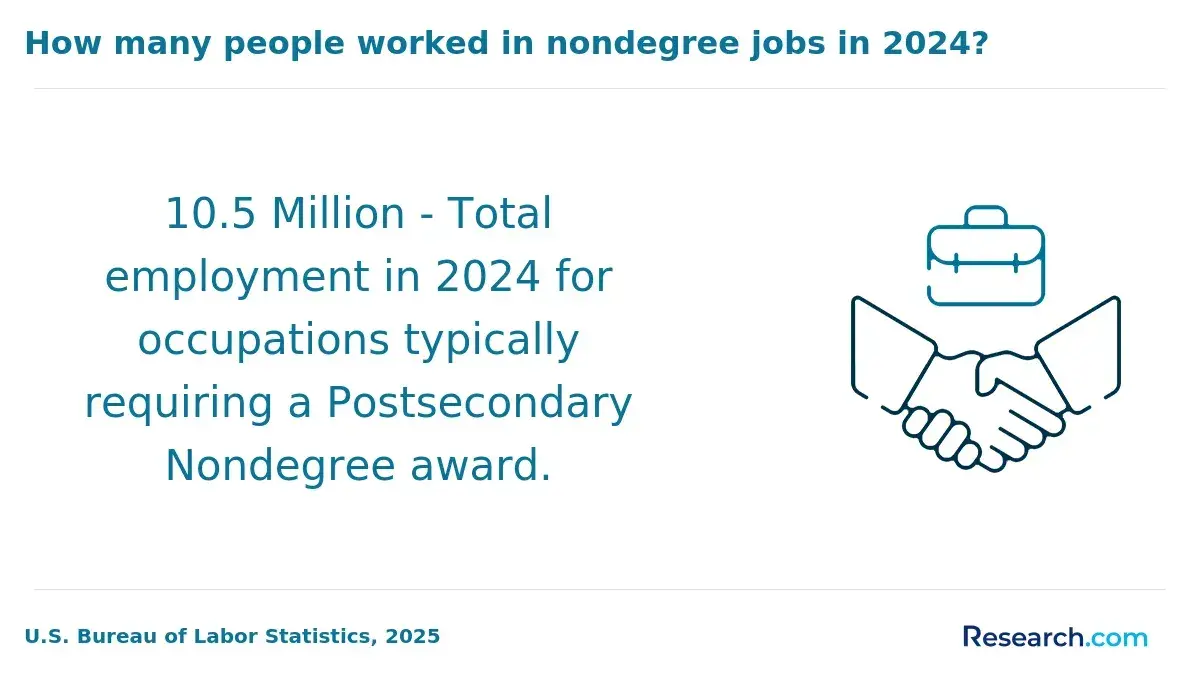
For students who need a shorter or lower-cost alternative before committing to a bachelor's degree, certificate programs that pay well may help test a career direction or add job-ready skills, although certificates are not a full substitute for degrees in fields that require a bachelor's or licensure.
The table below uses BLS May 2024 median pay data for selected U.S. occupations commonly associated with bachelor's-level preparation. Median pay is not a starting salary and does not guarantee individual earnings, but it helps compare labor-market value across majors.
| Major area | Related occupation example | Median pay context | Value note |
| Computer science | Software developer | $133,080 | Strong value when the program includes projects, algorithms, and internship access |
| Cybersecurity | Information security analyst | $124,910 | Best when paired with labs, networking knowledge, and entry-level certifications |
| Nursing | Registered nurse | $93,600 | Value depends on licensure approval, clinical access, and NCLEX preparation |
| Business | Accountant or auditor | $81,680 | Accounting and analytics tracks are often more career-specific than general business |
| Engineering | Civil engineer | $99,590 | ABET accreditation may be important for licensure and traditional engineering roles |
| Education | Elementary school teacher | $64,890 | Licensure alignment and state salary schedules affect long-term value |
Students should compare earnings with completion risk. A rigorous major with strong pay potential may not be the best financial choice if weak preparation leads to repeated courses, delayed graduation, or switching majors late.
How long do affordable bachelor's programs take to complete, and can you accelerate?
A traditional bachelor's degree usually takes about four years of full-time study, but many FAFSA students finish faster or slower depending on transfer credits, enrollment intensity, course availability, work schedules, and major requirements. Affordability improves when acceleration reduces paid terms without harming grades or access to required courses.
Students exploring flexible pacing can compare accredited self-paced online courses with traditional semester programs, especially if they already have college credit or professional knowledge in the subject.
Common acceleration options include transfer credit, summer courses, credit for prior learning, CLEP or DSST exams, dual enrollment from high school, and competency-based coursework. These options are useful only when credits apply directly to the degree plan.
Use this sequence before choosing an accelerated pathway:
- Ask for a written transfer evaluation before enrolling, not after the first semester starts.
- Confirm which credits count toward general education, major requirements, electives, and residency requirements.
- Check whether accelerated terms affect financial aid disbursement, academic workload, or Satisfactory Academic Progress.
- Avoid overloading courses in math-heavy, lab-heavy, clinical, or writing-intensive semesters.
- Recalculate total cost based on actual remaining credits rather than advertised program length.
Acceleration is most valuable for organized students with clear degree plans. Students balancing full-time work, caregiving, or difficult prerequisites may save more money by choosing a sustainable pace and avoiding failed or withdrawn courses.
What are the typical entry-level careers and salaries from affordable bachelor's degrees?
Affordable bachelor's degrees can lead to many entry-level roles, but salary depends on location, employer, experience, internships, licensure, and technical skill. BLS salary figures describe occupation-wide medians, not guaranteed first-job pay, so students should use them as a comparison tool rather than a promise.
Some students plan to work first and pursue graduate study later. If advancement in fields such as education, healthcare administration, counseling, business, or technology may require graduate education, compare affordable online master's programs only after confirming that the bachelor's degree meets prerequisite and accreditation expectations.
The table below links affordable bachelor's majors to common early-career directions. It focuses on practical role fit rather than ranking majors by income alone.
| Bachelor's field | Common early-career roles | Typical responsibilities | Important caveat |
| Business | Staff accountant, operations coordinator, marketing analyst, management trainee | Budget tracking, reporting, process improvement, customer analysis, team coordination | Specialized tracks usually improve job clarity |
| IT | Help desk analyst, systems support specialist, network technician | Troubleshooting, user support, device management, network monitoring | Certifications and hands-on labs can matter strongly |
| Computer science | Junior developer, QA analyst, data technician | Coding, testing, debugging, documentation, data workflows | Portfolio quality can affect competitiveness |
| Cybersecurity | Security operations analyst, compliance assistant, junior risk analyst | Monitoring alerts, documenting controls, reviewing risks, supporting incident response | Many roles expect networking and systems knowledge |
| Nursing | Registered nurse after licensure | Patient assessment, care coordination, medication administration, documentation | Requires state licensure and approved clinical preparation |
| Education | Teacher after licensure, instructional assistant, education coordinator | Lesson planning, classroom management, assessment, family communication | Licensure rules vary by state |
| Psychology | Case manager, HR assistant, research assistant, behavioral health technician | Client support, documentation, data collection, communication, program support | Licensed counseling generally requires graduate study |
The strongest career outcomes usually come from pairing an affordable degree with internships, fieldwork, portfolio projects, certifications, licensure preparation, or employer-based experience while still enrolled.
How can students avoid debt and choose a reputable, low-cost bachelor's program?
Students can avoid unnecessary debt by treating college selection like a financial and career decision, not just an admissions decision. The goal is to choose the lowest-risk accredited program that can realistically get you to graduation and prepare you for the work or graduate study you want.
Before committing, compare each school's net price, accreditation, credit transfer, completion support, and career alignment. If you are still narrowing online options, use rankings and school lists as a starting point, not a final decision, because your best choice depends on aid, residency, transfer credits, and major fit.
These practical checks can prevent the most expensive mistakes:
- Verify institutional accreditation and any required programmatic accreditation before applying.
- Use the school's net price calculator and compare the result with the official aid offer.
- Ask for a written degree plan showing remaining credits, course sequence, and expected graduation term.
- Separate grants and scholarships from loans when reviewing aid packages.
- Confirm whether scholarships renew automatically or require a specific GPA, enrollment load, or major.
- Check whether online programs meet licensure requirements in your state before enrolling.
- Review transfer policies before taking outside courses or changing schools.
- Avoid private loans unless you fully understand interest rates, repayment terms, and federal loan alternatives.
Red flags include pressure to enroll immediately, unclear accreditation language, missing net-price details, unusually vague career claims, poor transfer transparency, and programs that cannot explain licensure outcomes. A reputable low-cost school should be willing to answer cost, aid, accreditation, and outcome questions in writing.
The most affordable bachelor's degree is not always the cheapest advertised program; it is the accredited program you can finish on time with the least necessary debt and a credible path to your goal.
Other Things You Should Know About
FAFSA itself does not pay the bill; it determines eligibility for grants, federal loans, work-study, and some state or school aid. At very low-cost programs, grants may cover a large share of tuition, but many students still need savings, work income, scholarships, or limited loans.
Yes, many online bachelor's degrees are FAFSA-eligible if the school participates in federal student aid and the program itself is eligible. Always confirm the school's federal school code, accreditation, state authorization, and program eligibility before enrolling.
For many students, the cheapest path is completing transferable credits at a community college, then finishing at an in-state public university or accredited online public program. The savings depend on transfer rules, residency, aid eligibility, and whether credits apply to the major.
Not automatically. Choose the lowest net-cost reputable program that fits your career goal. A slightly higher-cost school may be better if it accepts more transfer credits, offers stronger advising, meets licensure rules, or helps you graduate faster.
References
- Does College Pay Off? A Comprehensive Return On Investment Analysis - FREOPP https://freopp.org/whitepapers/does-college-pay-off-a-comprehensive-return-on-investment-analysis/
- Average In-State vs. Out-of-State Tuition [2025]: Cost Comparison https://educationdata.org/average-in-state-vs-out-of-state-tuition
- Financial Aid For Online College Students | LearnHowToBecome.org https://www.learnhowtobecome.org/career-resource-center/financial-aid-for-online-colleges/
- Basics of In-State vs. Out-of-State Tuition – Nationwide https://www.nationwide.com/lc/resources/personal-finance/articles/in-state-out-state-tuition
- Colleges That Offer Complete Financial Aid https://www.collegeessayguy.com/blog/colleges-that-offer-complete-financial-aid
- Increasing ROI on Your College Investment https://planning.revltek.com/resources/blog/increasing-roi-on-your-college-investment
- How Do Colleges Determine Your Financial Aid? https://www.mefa.org/article/how-do-colleges-determine-your-financial-aid/
- Comparing College Offers | FAFSA: The How-To Guide for High School Students https://understandingfafsa.org/comparing-college-offers/
- 2025 Most Affordable Online Bachelor's Degrees https://www.onlineu.com/most-affordable-colleges/bachelors-degrees
- Affordable U.S. Colleges for International Students | WorldTrips Travel Insurance https://www.worldtrips.com/resources/affordable-us-colleges-for-international-students