2027 Most Affordable Online Bachelor's Degrees for Business Careers

Co-Founder and Chief Data Scientist
Choosing an affordable online bachelor's degree for a business career means balancing tuition, transfer credits, accreditation, flexibility, and job value. The stakes are real: NCES reported that average undergraduate tuition and required fees at public four-year institutions were above $9,000 for in-state students in its latest published Digest, before books, fees, and living costs. This guide is for adults, transfer students, and first-time students comparing low-cost online degrees. You'll learn which fields fit business goals, how to judge affordability, and what outcomes to check before enrolling.
Key Things You Should Know
- The lowest-cost online bachelor's options are often public universities, degree-completion programs, competency-based programs, and schools with generous transfer-credit policies; the cheapest advertised tuition is not always the lowest total cost.
- Accreditation matters for financial aid, graduate school, employer recognition, and certification eligibility; business students should check institutional accreditation first and programmatic accreditation when available.
- BLS May 2024 wage data shows many business-related bachelor's roles have median pay above the national median, but outcomes vary by location, experience, internships, industry, and specialization.
Top 10 Most Affordable Online Bachelor's Degrees for Business Careers
Business Degrees
An online business bachelor's degree is the most direct route for students who want roles in management, operations, sales, finance, marketing, human resources, or entrepreneurship. Affordable options usually include Bachelor of Business Administration, Bachelor of Science in Business, and business management degrees. Look for schools that accept community college credits, military credit, prior learning assessment, and employer tuition assistance. A business degree is broad, so it works best when paired with a concentration, internship, portfolio project, or industry certification that signals a specific career direction.
Healthcare Degrees
Information Technology Degrees
Information technology degrees can lead to business-facing roles in systems administration, IT support management, business analysis, cloud operations, and technical project coordination. For affordability, compare whether labs, exam vouchers, and software are included in tuition. IT is practical and skills-based, so a low-cost program with strong hands-on projects may be more useful than a more expensive program with only theory. Students interested in business careers should prioritize programs that include databases, analytics, cybersecurity basics, project management, and communication with nontechnical teams.
Computer Science Degrees
Computer science is more technical than a general business degree, but it can support business careers in software product management, analytics, automation, fintech, and technology consulting. Affordable online programs may require stronger math preparation, including discrete mathematics and algorithms. This path makes sense if you enjoy coding and problem-solving and want access to technology-driven business roles. It may be less efficient if your goal is general management, HR, sales, or accounting, where a business major may align more directly with entry-level requirements.
Cybersecurity Degrees
Cybersecurity degrees prepare students for roles that protect business systems, customer data, and organizational risk posture. Online programs can be affordable, but students should check whether they include virtual labs, security tools, and preparation for common certification exams. This degree fits learners interested in risk, compliance, incident response, security operations, or governance. Because cybersecurity hiring often values hands-on ability, students should look beyond tuition and ask whether the program includes projects, capture-the-flag exercises, internships, or applied labs.
Psychology Degrees
Psychology can support business careers in human resources, training, organizational development, market research, user experience, and employee engagement. It is usually not a direct path to becoming a licensed psychologist without graduate study. For affordability, psychology can be a strong transfer-friendly option because many general education and lower-division courses are widely available at community colleges. Business-focused students should choose electives in organizational psychology, statistics, research methods, consumer behavior, and data interpretation.
Nursing Degrees
Nursing degrees can connect to business careers through healthcare leadership, care coordination, case management, quality improvement, and administration. However, RN licensure requirements vary by state, and many online bachelor's options are RN-to-BSN programs for already licensed nurses rather than pre-licensure degrees. If you are not already an RN, confirm clinical placement requirements before applying. If you are an RN, an affordable online BSN can be a practical step toward supervisory or healthcare operations roles.
Education Degrees
Education degrees can lead to business-adjacent work in corporate training, instructional design, education technology, workforce development, and learning management. Teacher licensure tracks are state-specific and may require student teaching, background checks, and approved field placements. Students who want business careers should distinguish between licensure programs and non-licensure education degrees. The most relevant affordable options often include adult learning, curriculum design, training and development, or educational technology coursework.
Criminal Justice Degrees
Criminal justice degrees can support careers in compliance, loss prevention, risk management, public administration, fraud investigation support, and corporate security. They are often available online at relatively low tuition, especially through public universities. Students should check whether the curriculum includes data analysis, report writing, ethics, law, and organizational management. This path is best for learners interested in regulation, investigations, public safety systems, or security operations rather than general business administration.
Engineering Degrees
Online engineering bachelor's degrees are less common and may cost more because of labs, accreditation requirements, and technical coursework. Still, engineering technology, industrial engineering, and systems-focused programs can support business careers in operations, manufacturing management, supply chain, quality assurance, and technical sales. Students should verify ABET accreditation when it matters for their target role or licensure pathway. This option fits analytical learners who want technical credibility in business environments.
Which online business degrees cost least?
The online business degrees that usually cost least are bachelor's completion programs at public universities, competency-based business programs, and transfer-friendly programs that accept prior college, military, workplace, or exam-based credit. The right comparison is not just annual tuition; it is total degree cost after transfer credits, fees, books, residency rules, and financial aid.
This table summarizes common affordable online business degree types and when each one may make sense.
| Degree type | Best fit | Affordability advantage | Watch for |
| Bachelor of Business Administration | Students wanting a broad business credential | Widely available online, often transfer-friendly | May need a concentration to stand out |
| Business management | Working adults aiming for supervisory roles | Often offered as degree-completion format | Some programs are too general without applied projects |
| Accounting | Students interested in bookkeeping, audit, tax, or finance support | Clearer career alignment than general business | CPA eligibility varies by state and usually requires more than 120 credits |
| Marketing | Students interested in digital marketing, sales, branding, or analytics | Can build a portfolio while studying online | Quality varies based on analytics and hands-on campaign work |
| Supply chain or operations | Students interested in logistics, procurement, manufacturing, or process improvement | Strong practical value in many industries | May require quantitative comfort and spreadsheet skills |
To find the least expensive option, compare programs in this order:
- Confirm the school's institutional accreditation through recognized accreditation channels before comparing price.
- Calculate remaining credits after official transfer evaluation, not before.
- Add mandatory online fees, technology fees, books, proctoring fees, graduation fees, and course materials.
- Ask whether tuition is charged per credit, per term, or through a flat-rate subscription model.
- Compare career services, internship access, employer partnerships, and graduate outcomes before choosing the lowest sticker price.
A common mistake is choosing the lowest tuition per credit while ignoring transfer limits. A school charging slightly more per credit can be cheaper if it accepts more of your previous coursework.
Are online business degrees accredited?
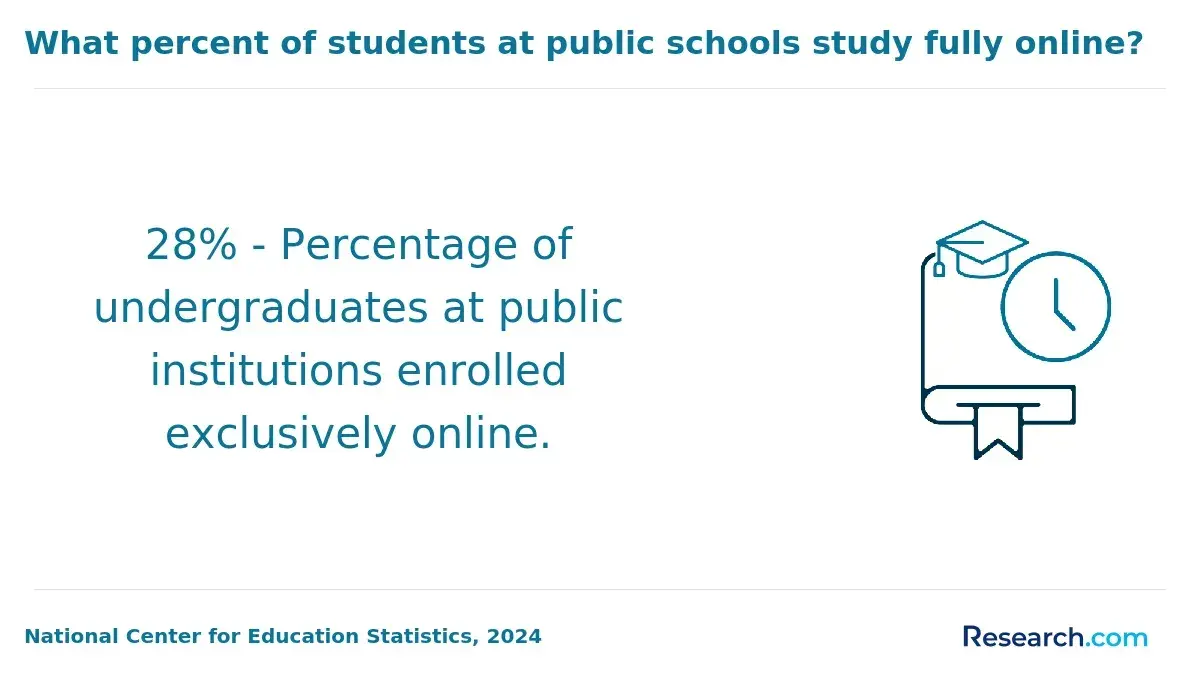
Yes, many online business degrees are accredited, but accreditation must be checked carefully. For most students, the first requirement is institutional accreditation because it affects federal financial aid access, transferability, graduate school recognition, and basic employer trust. Programmatic business accreditation can add value, but it is not always required for entry-level business jobs.
Use the following comparison to understand the main accreditation layers before you apply.
| Accreditation type | What it means | Why it matters |
| Institutional accreditation | The college or university meets recognized academic and administrative standards | Important for financial aid, transfer credit, employer recognition, and graduate school options |
| Business program accreditation | The business school or program meets field-specific standards | Can signal stronger business curriculum review and employer credibility |
| State authorization | The institution is approved to offer online education to students in your state | Important for enrollment eligibility and consumer protection |
Before enrolling, ask admissions for the accreditor name, whether the specific online program is covered, and whether any state authorization restrictions apply to your location. Be cautious if a school uses vague phrases such as "licensed," "approved," or "internationally recognized" without naming a recognized accreditor.
What business jobs can you get with this degree?
An online bachelor's in business can prepare students for entry-level and early-career roles across private companies, nonprofits, government agencies, healthcare organizations, financial services, retail, logistics, and technology firms. The degree is broad, so your concentration, internships, software skills, and work experience usually shape the strongest job options.
The table below connects common business roles with the type of work they usually involve, helping you choose a degree concentration that matches your target career.
| Role | Typical responsibilities | Helpful concentration or skill area |
| Business analyst | Review processes, document requirements, analyze data, and support decision-making | Analytics, information systems, operations |
| Marketing specialist | Plan campaigns, analyze audiences, manage content, and track performance | Marketing, digital analytics, communication |
| Human resources specialist | Support recruiting, onboarding, benefits, employee relations, and compliance | Human resources, organizational psychology |
| Financial analyst assistant or junior analyst | Prepare reports, review budgets, support forecasting, and analyze financial data | Finance, accounting, spreadsheet modeling |
| Operations coordinator | Track workflows, coordinate vendors, improve processes, and monitor performance metrics | Operations, supply chain, project management |
AI and automation are changing business work by reducing repetitive reporting and increasing demand for employees who can interpret data, use software responsibly, and explain recommendations clearly. Students can improve employability by building a portfolio with dashboards, marketing plans, business cases, process maps, or capstone projects.
How much do business bachelor's graduates earn?
Business bachelor's graduates enter many occupations, so salary depends on role, region, industry, experience, and technical skill. BLS May 2024 data reported a median annual wage of $79,050 for business and financial occupations, which is a useful benchmark because it covers many roles aligned with business degrees. It should not be read as a guaranteed outcome for new graduates.
This salary snapshot helps compare business-related paths by occupation rather than by degree title alone.
| Career area | Salary context | What affects earnings |
| Management | Often higher after experience, but entry-level access varies | Leadership history, industry, employer size, performance record |
| Business and finance | BLS May 2024 median for the occupational group was $79,050 | Quantitative skills, credentials, location, specialization |
| Marketing and sales | Can vary widely based on role and incentives | Portfolio, analytics tools, revenue responsibility, industry |
| Human resources | Often stable across industries, with advancement tied to experience | Compliance knowledge, HR systems, certification, communication skills |
| Operations and logistics | Can improve with supply chain, data, and process improvement skills | Software, vendor management, manufacturing or logistics experience |
To evaluate ROI, compare the total out-of-pocket cost of the degree with realistic entry-level roles in your region. If you already work in business, the best return may come from choosing a program that helps you qualify for promotion rather than switching fields.
What courses are in an online business degree?
Online business bachelor's programs usually combine general education, business core courses, concentration courses, electives, and a capstone. The core is designed to build broad business literacy, while the concentration helps define your job direction.
Most programs include some version of the following course areas, though names and requirements vary by school:
- Accounting and financial reporting, which help students understand budgets, statements, costs, and organizational performance.
- Business law and ethics, which introduce contracts, liability, compliance, professional responsibility, and decision-making standards.
- Management and organizational behavior, which cover leadership, teams, motivation, workplace culture, and change management.
- Marketing, which focuses on customer behavior, positioning, campaign planning, market research, and digital channels.
- Business analytics or statistics, which teach students to interpret data, evaluate trends, and support evidence-based decisions.
- Operations, supply chain, or project management, which explain how organizations deliver products, services, and process improvements.
When comparing courses, look for applied assignments rather than only exams. A capstone that produces a business plan, consulting-style report, analytics dashboard, or process improvement proposal can be useful in interviews.
What are the admission requirements for online business programs?
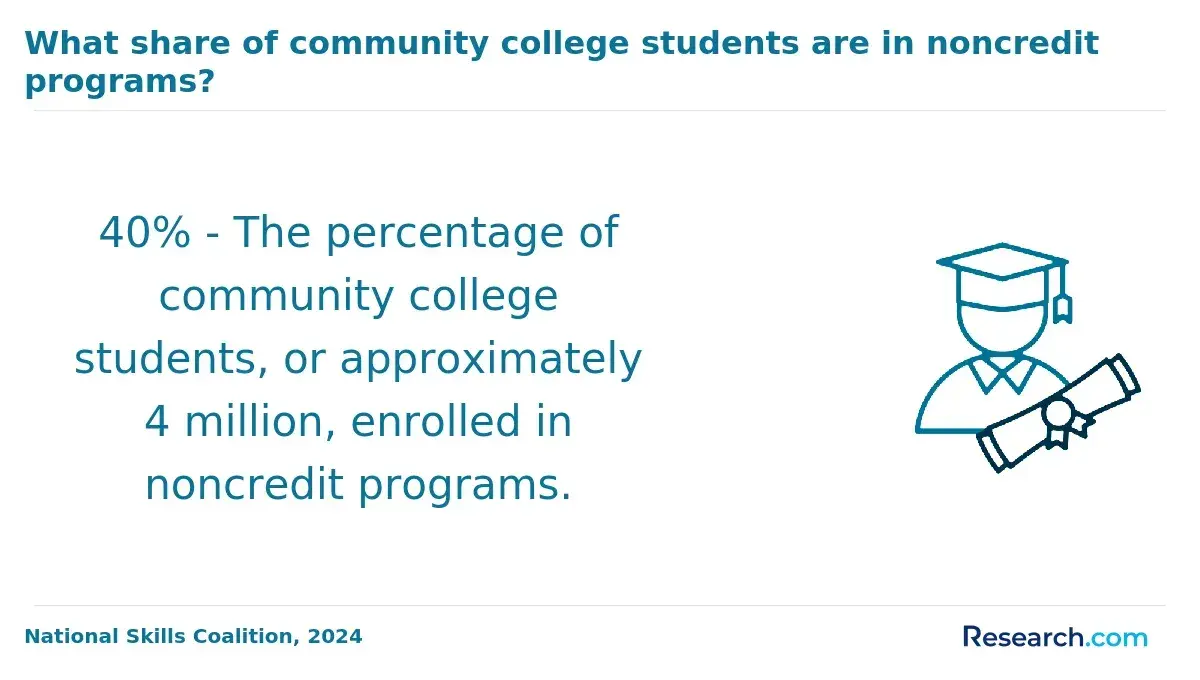
Admission requirements for online business bachelor's programs vary by school and by whether the program is for first-time students or degree-completion students. Many affordable programs are designed for transfer students, so they may require a minimum number of previous college credits or a completed associate degree.
Expect schools to ask for some combination of these materials:
- High school transcript, GED documentation, or college transcripts from every institution attended.
- Minimum GPA, which may differ for first-year admission, transfer admission, or major admission.
- Application form and fee, although some online programs waive fees during certain periods.
- Proof of English proficiency for applicants whose prior education was not completed in English.
- Placement information or prerequisites for math, writing, accounting, or statistics courses.
- Resume, statement of goals, or work history for adult-focused or competency-based programs.
Ask whether transfer credits are evaluated before you commit. One red flag is a school that encourages quick enrollment but will not provide a clear degree plan showing how many credits remain.
Students who need a quicker job-focused credential can also research certificate programs that pay well, especially if they want to build income or experience before finishing a bachelor's degree. The best choice depends on whether the immediate goal is employment, promotion, specialization, or graduate admission.
How long does an online business degree take?
An online business bachelor's degree typically requires about 120 semester credits, but the actual timeline depends on transfer credits, course load, term structure, and whether the program uses traditional semesters or accelerated sessions. Full-time students starting from zero credits often need about four academic years, while students entering with an associate degree may finish much faster.
Use this timeline comparison to understand the main trade-offs before choosing a pace.
| Study path | Best fit | Main trade-off |
| Full-time from first year | Students who can prioritize school and want a traditional pace | Faster completion but heavier weekly workload |
| Part-time | Working adults, caregivers, and students with unpredictable schedules | More manageable workload but longer time to graduation |
| Degree completion | Transfer students with substantial prior credit | Efficient if credits apply well, frustrating if many credits are rejected |
| Accelerated or competency-based | Self-directed students with work experience and strong time management | Can reduce time, but poor pacing can lead to stress or unused tuition periods |
If graduate school is part of your plan, consider whether an fastest masters degree pathway is realistic after the bachelor's. Speed can help, but only if the undergraduate program is accredited, manageable, and aligned with your target field.
How do online and campus business degrees compare?
Online and campus business degrees can be academically similar when they come from the same accredited institution, but the experience differs. Online programs usually offer more flexibility for working adults, while campus programs may provide easier access to in-person recruiting, clubs, and local internships. The better option depends on your schedule, learning style, support needs, and career goals.
The table below compares practical differences that affect cost, completion, and career preparation.
| Factor | Online business degree | Campus business degree |
| Flexibility | Often better for work, caregiving, and geographic limits | Usually requires scheduled class attendance |
| Total cost | May reduce commuting, relocation, and housing costs | May include higher living or transportation costs |
| Networking | Requires more intentional outreach through virtual events and LinkedIn-style networking | Often easier through campus organizations and in-person events |
| Learning style | Best for self-directed students who communicate well in writing | Best for students who prefer face-to-face structure |
| Career services | Can be strong, but students must verify online access | Often visible on campus, especially for local employer recruiting |
Do not assume online means easier. Strong online programs require deadlines, group projects, proctored assessments, discussion participation, and independent time management. Before enrolling, ask whether online students receive the same advising, tutoring, library access, internship support, and career services as campus students.
Graduates who want management advancement may eventually compare an affordable online masters program with certifications. A master's can be useful for leadership tracks, but a targeted certification may be faster and cheaper for a specific software, compliance, HR, or project-management skill.
Which business certifications add value after graduation?
Business certifications can add value after graduation when they match a specific role. They are most useful when they validate skills employers can immediately recognize, such as project coordination, HR fundamentals, analytics, bookkeeping, payroll, supply chain, or software proficiency. They are less useful when collected randomly without a career target.
Consider certifications in these areas if they match your intended job path:
- Project management for students targeting coordinator, operations, implementation, or team-support roles.
- Human resources for students pursuing recruiting, benefits, employee relations, or HR operations.
- Accounting, bookkeeping, or payroll for students seeking finance support, small-business accounting, or administrative finance roles.
- Business analytics, spreadsheet tools, data visualization, or customer relationship management software for students pursuing analyst or marketing operations roles.
- Supply chain, procurement, or logistics for students interested in operations, purchasing, warehouse coordination, or vendor management.
Short credentials can also help students test a field before committing to a degree or graduate program. If you want a focused skills credential, compare certifications online by employer recognition, exam requirements, renewal rules, and whether they produce portfolio-ready work.
Other Things You Should Know About
The cheapest route is usually to complete general education courses at an accredited community college, transfer into an affordable public online bachelor's program, use employer tuition assistance if available, and avoid programs that reject large amounts of transfer credit.
It can be, especially when the school is institutionally accredited and the program includes relevant coursework, projects, internships, or work experience. Employers typically care more about accreditation, skills, experience, and fit than whether classes were online.
Choose general business if you want flexibility or are still exploring careers. Choose a concentration such as accounting, marketing, HR, finance, analytics, or supply chain if you already know the type of role you want after graduation.
Many students do, but the best pace is usually part-time or moderately full-time. Before enrolling, ask how many hours per week each course requires and whether classes are asynchronous, synchronous, accelerated, or self-paced.
References
- Highest Paying College Majors in 2026: Salary Data & Rankings | Extern https://www.extern.com/post/highest-earning-majors
- FAFSA Guide for Business Schools | Accounting.com https://www.accounting.com/resources/fafsa-guide/
- Best Accredited Online Universities in 2025 https://www.study.eu/article/best-accredited-online-universities
- Beyond Financial Aid - Finaid https://finaid.org/beyond/
- Ten Types of Business Degree Specializations | AIU https://www.aiuniv.edu/degrees/business/articles/10-types-of-business-degree-specializations-you-can-pursue
- Top 10 Business Graduate Career Paths That Maximize Jobs https://shabujglobal.com/blog/cutting-edge-business-courses-career/top-business-graduate-career-paths
- Low Cost College Programs - Graduate Debt-Free w/ Financial Aid Support https://www.degreeforward.org/cost-aid
- Tuition-Free Distance Learning Program in Business Administration - UNYBT https://unybt.com/tuition-free-program-business-administration/
- Financial Aid For Online Colleges https://www.affordablecollegesonline.org/financial-aid/financial-aid-for-online-colleges/
- Best Online Degrees for Working Adults in 2026 https://www.straighterline.com/blog/degreecompletion-best-online-degrees-for-working-adults-in-2026