2027 Mathematics Master's Degree vs Graduate Certificate: Which Is Better?

Co-Founder and Chief Data Scientist
Choosing between a Mathematics master's degree and a Mathematics graduate certificate is a common dilemma for those aiming to advance in quantitative fields. Both paths offer credential upgrades-yet they significantly differ in cost, duration, admissions, and employer perception.
The average salary increase for master's degree holders in Mathematics-related roles is about 20% higher than for certificate holders, reflecting broader career opportunities and recognition. However, certificates often require less time and lower upfront investment, appealing to professionals seeking rapid skill enhancement.
This article examines these differences in depth, helping readers decide which credential aligns best with their career, financial, and educational goals.
Key Things to Know About Which Is Better: A Mathematics Master's Degree or a Mathematics Graduate Certificate
- The master's degree generally demands two years and higher tuition-averaging $30,000-while the graduate certificate takes under a year and costs about $10,000, favoring budget-conscious learners.
- Admission to a master's requires a bachelor's in mathematics or related fields and competitive GRE scores, but certificates often accept non-math backgrounds with minimal prerequisites.
- Employers widely recognize master's degrees-boosting median salaries by up to 20%-whereas certificates improve specific skills but yield modest income increases and limited career mobility.
What Is the Difference Between a Mathematics Master's Degree and a Mathematics Graduate Certificate?
A mathematics master's degree is a comprehensive graduate credential requiring 30 to 36 credit hours, combining core theoretical courses, electives, and often a thesis or comprehensive exam. It aims to develop strong research skills and applied knowledge, preparing students for advanced professional roles or further doctoral study. In contrast, a mathematics graduate certificate typically demands 12 to 18 credit hours focused on specialized topics such as data analysis or applied mathematics, designed to provide targeted expertise without the foundational breadth of a master's program.
Credit Hours: Master's programs are significantly broader in scope, demanding more coursework and deeper study than certificates.
Curriculum Scope: While the master's covers foundational and specialized mathematics areas, the graduate certificate emphasizes specific skillsets relevant to working professionals or career changers seeking fast specialization.
Duration: Completing a master's usually takes about two years full time, whereas certificates can often be finished within one year or less-making certificates appealing for those prioritizing expedited credentialing and cost savings.
Academic Standing: Importantly, a master's degree is a recognized graduate-level qualification, while certificates do not confer a degree and have a different academic status, though many institutions allow certificate credits to count toward a master's, complicating direct comparisons.
Intended Audience: Master's programs suit recent graduates aiming to deepen knowledge or pursue doctoral work. Graduate certificates attract professionals seeking focused skills upgrades or individuals changing careers rapidly. This distinction is crucial when considering career outcomes and comparing cost and time-to-completion of mathematics graduate certificate versus master's degree options.
These credentials serve distinct pathways rather than one being a shorter version of the other. The following discussion offers a systematic evaluation of how they differ in cost, admissions, employer recognition, salary impact, and career utility-helping diverse learners make informed decisions grounded in data rather than prestige or assumption.
Prospective students interested in aligning education with market demand might explore the best college degrees to support their goals through pathways such as these.
What Are the Typical Admission Requirements for a Mathematics Master's Program Compared to a Mathematics Graduate Certificate?
Admission requirements for a mathematics master's program tend to be more stringent than those for a mathematics graduate certificate-reflecting the greater depth and commitment expected at the graduate degree level. Typically, master's applicants must have a solid academic foundation demonstrated by an undergraduate GPA threshold-often at least a 3.0 on a 4.0 scale, though some programs may require higher.
They are also expected to have completed prerequisite coursework in core mathematics subjects such as calculus, linear algebra, and differential equations. These prerequisites ensure students are prepared for advanced study and can handle the program's rigor. This comparison of typical admission requirements for a Mathematics master's program contrasted with a mathematics graduate certificate highlights significant barriers some applicants face.
Standardized Tests: Scores like the GRE-especially in the quantitative section-are often required for master's programs to provide a uniform metric of aptitude. In contrast, many graduate certificate programs waive these tests, making admission more accessible. Letters of Recommendation and Personal Statements: Master's applicants usually must provide strong letters from faculty and a personal statement outlining academic goals and research interests, allowing committees to assess fit beyond grades. Certificate programs often consider such materials optional or waive them altogether.
Flexibility: Graduate certificate programs generally admit students with a bachelor's degree in any field, typically without strict GPA minimums. This flexibility makes certificate programs more approachable for many prospective students, especially career-changers or working professionals balancing education with other responsibilities. These programs provide a valuable academic on-ramp for those not yet meeting master's admission standards-with successful completion helping strengthen an application for later master's admission.
Purpose and Role: Graduate certificates focus on targeted skills or foundational knowledge rather than comprehensive mastery. For those exploring career utility and salary impact, understanding these distinctions is crucial. Prospective students weighing graduate certificate admission criteria for mathematics programs versus master's degree prerequisites should consider their current academic profile and career goals carefully.
For those interested in broader education options, a list of CACREP accredited programs can provide a useful reference point for other graduate-level professional certifications.
What Is the Minimum GPA Requirement for a Mathematics Master's Program?
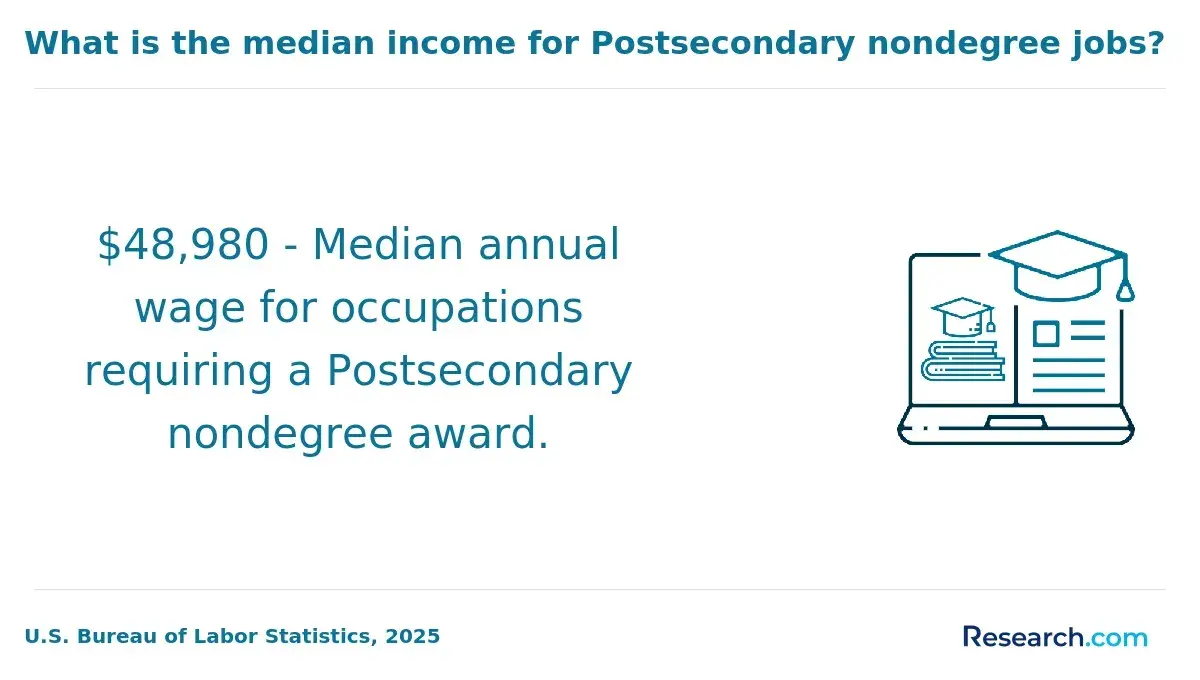
Accredited mathematics master's programs typically require a minimum GPA between 3.0 and 3.5 on a 4.0 scale. This baseline reflects academic preparedness but varies by institution.
Competitive Programs: More selective programs generally expect applicants to surpass the stated minimum-often closer to or above 3.5. GPA serves as an initial filter, complemented by research experience, recommendations, and statements of purpose. The minimum GPA functions as a threshold, not an assurance of admission.
Flexible Enrollment: Programs focused on practical skills or professional growth may accept GPAs below 3.0, emphasizing relevant work experience, prerequisite knowledge, or quantitative aptitude instead of rigid GPA cutoffs.
Conditional Entry: Some schools admit candidates with slightly lower GPAs conditionally, requiring them to complete extra coursework or maintain a specific academic standing during early semesters to continue.
Published vs. Actual Profiles: Minimum published GPA requirements often underrepresent the average GPA of admitted students, which tends to be higher. Prospective applicants should view minimums as floors-benchmarks to clear rather than targets to meet exactly.
A mathematics professional who earned a master's degree described the experience as "challenging yet rewarding." He recounted, "Initially, I worried my GPA was borderline, but I focused on strengthening my application with research projects and strong recommendations. Once admitted, balancing coursework and projects tested my time management, but it deepened my understanding and opened doors professionally." His journey underscores that while GPA matters, a holistic approach and perseverance ultimately define success.
How Long Does It Take to Complete a Mathematics Master's Degree Versus a Mathematics Graduate Certificate?
Completion times for a mathematics master's degree versus a mathematics graduate certificate vary notably, shaped by program scope, depth, and format choices such as full-time, part-time, or accelerated enrollment. These differences impact how quickly students can earn their credentials.
- Master's Degree Duration: Full-time students typically finish within 1.5 to 3 years, while part-time learners often extend this to 3 to 5 years. Accelerated master's programs-though uncommon-can cut completion to about a year but demand intense effort.
- Graduate Certificate Duration: These programs usually require 6 months to 1 year for full-time students, and 1 to 2 years when pursued part-time. Accelerated options for certificates exist that allow completion in as little as 3 to 6 months, catering to professionals with urgent upskilling needs.
- Structural Differences: Master's degrees entail a larger credit load-typically 30 to 36 credits-plus comprehensive exams and often a thesis or capstone project. These requirements extend the timeline but deepen mastery and research skills. Certificates focus on about 12 to 18 credits without thesis demands, offering targeted skills for faster completion.
- Professional Priorities: Those balancing work and family commitments often prefer graduate certificates for quicker career impact, while individuals aiming for comprehensive preparation and broader opportunities invest in the master's degree despite the longer duration.
- Life Circumstances: Financial resources and available time heavily influence choice. Students with limited flexibility often find graduate certificates more feasible, while those able to dedicate full-time study align better with master's programs. Understanding these factors helps learners realistically estimate their own timelines for a mathematics master's degree completion time comparison or mathematics graduate certificate program duration.
- Related Fields: For those interested in other graduate credentials, exploring options like a project management degree can also inform career planning and workload management.
How Much Does a Mathematics Master's Degree Cost Compared to a Mathematics Graduate Certificate?
Tuition for a mathematics master's degree varies widely by institution-public in-state students generally pay between $15,000 and $30,000, while public out-of-state attendees face $30,000 to $50,000. Private colleges tend to charge from $40,000 up to $70,000 or more. Mathematics graduate certificates cost considerably less due to fewer required credits; public in-state programs range from $5,000 to $10,000, out-of-state options run $10,000 to $20,000, and private certificates usually fall between $15,000 and $25,000.
The price difference primarily arises from the master's longer duration and credit demands-typically 30 to 36 credits versus 9 to 15 for certificates-which translates to higher tuition, fees, and extended institutional overhead. The master's path also involves more intensive coursework, research, and comprehensive exams, all contributing indirectly to costs.
Master's students are more frequently eligible for graduate assistantships, fellowships, and employer tuition reimbursement programs, reducing net expenses. Certificate candidates seldom access these financial supports and usually bear more direct costs out-of-pocket. Employer tuition assistance often favors degree programs, enhancing affordability for working professionals pursuing master's degrees.
Beyond sticker prices, pursuing a master's can mean lost income due to full-time study or postponed career progress, whereas certificates often allow continuous employment and thus lower opportunity costs. These factors can influence the overall financial impact more than tuition differences alone.
Evaluating value requires considering net cost after aid against expected salary and career gains-not just list prices. Online calculators and salary comparison tools can guide prospective students in estimating these outcomes to make more informed choices.
A professional who completed a mathematics master's degree shared that balancing work and study was challenging yet rewarding. "The cost was significant," she explained, "but securing an assistantship helped ease the financial burden." She noted the extended timeline meant sacrificing some short-term earnings but ultimately opened doors to advanced roles. "It felt like an investment in my career-demanding but worth the opportunities it created."
How Does Earning a Mathematics Master's Degree Affect Salary Compared to a Mathematics Graduate Certificate?
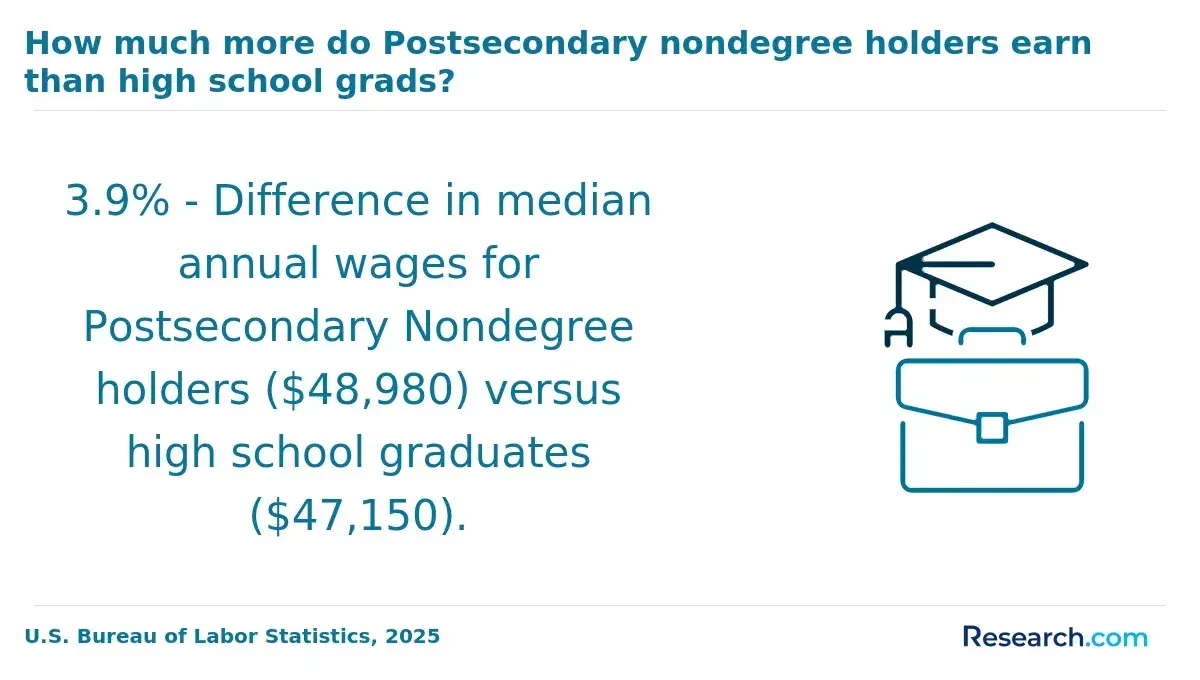
Holding a master's degree in Mathematics typically results in median earnings about 15% to 25% higher than those with just a graduate certificate, reflecting employers' greater valuation of advanced training. This advantage is drawn from comprehensive data including the Bureau of Labor Statistics and Georgetown University's Center on Education and the Workforce.
Industry Variation: The financial, technology, and government research sectors show the most significant salary increases for master's holders-positions here often demand extensive quantitative and analytical expertise that master's programs emphasize. Senior-level roles especially favor candidates with this advanced education.
Employer Recognition: Larger corporations and government agencies generally place more importance on a full master's degree for its depth of subject knowledge and research skills, whereas smaller companies and startups may lean toward certificates that certify targeted technical competencies aligned with immediate job needs.
Career Tracks: Professions such as actuarial science and data analytics sometimes offer competitive salaries to certificate holders-especially when combined with work experience or professional licenses-potentially matching those of master's graduates in broader roles.
Return on Investment: Despite requiring more time (often two years) and higher tuition, a master's degree's salary premium can offset these costs over time. Graduate certificates allow quicker completion and lower upfront expenses, appealing to professionals seeking rapid skill enhancement and workforce reentry.
Time to Salary Impact: Certificates may lead to earlier salary growth due to faster completion, but master's credentials generally promote stronger long-term career advancement and stability in Mathematics fields.
Trend: Recent 2024 labor market analysis confirms growing employer preference for advanced degrees in finance and tech sectors-highlighting increasing demand for master's-level expertise in Mathematics-related roles.
Which Mathematics Career Paths Favor a Master's Degree Over a Graduate Certificate?
Careers in mathematics that emphasize leadership, research depth, or regulatory licensure overwhelmingly require a master's degree rather than a graduate certificate. Employers and licensing boards demand this advanced credential because a full master's program provides a rigorous theoretical foundation and comprehensive academic training that certificates typically lack.
Key mathematics career tracks where a master's degree is necessary include the following:
- Research Roles: Both academic and industrial research positions call for a master's or higher to confirm mastery of complex mathematical theory and original problem-solving skills. Graduate certificates do not offer the extensive abstract reasoning and methodological expertise these jobs require.
- Leadership Positions: Managerial and supervisory roles in applied mathematics fields generally prefer candidates with a master's degree, which signals advanced analytical capability and leadership potential. Employers interpret the degree as evidence of sustained commitment and broad expertise.
- Licensed Professions: Careers such as actuarial science and specialized statistical consulting often mandate a master's degree for certification eligibility, making it a legal prerequisite rather than merely an option.
- Promotion and Specialization Tracks: Many organizations formally require a master's degree for advancement or entry into specialized units. Without this degree, employees risk limited upward mobility due to internal promotion policies.
According to Bureau of Labor Statistics data, employment for mathematicians holding a master's degree is projected to grow 23% over the next decade-signaling strong demand for professionals with this comprehensive training. Aspiring mathematics professionals should weigh licensure demands and career advancement criteria carefully when choosing between a graduate certificate and a master's degree, since the full degree often serves as a necessary credential for long-term success.
Which Mathematics Career Paths Favor a Graduate Certificate Over a Master's Degree?
Certain career paths in mathematics graduate certificate career advantages clearly favor graduate certificates over master's degrees-especially when employers emphasize demonstrated technical or applied competence rather than broad academic scope. Data from Lightcast and LinkedIn Workforce Insights shows that fields like data analytics, actuarial science, and quantitative finance often accept graduate certificates as sufficient credentials for entry or advancement. These roles prioritize practical skills using statistical software, programming languages, and applied modeling, which certificates target efficiently without the time commitment of a full master's.
Rapid Skill Acquisition: Certificates offer a fast, targeted way for professionals to update or add cutting-edge skills in areas such as machine learning or data visualization. This suits those seeking a focused skills upgrade rather than a full career-level credential pivot.
Employer Preference: Hiring managers in sectors like business intelligence and risk management increasingly treat certificates as equivalent to master's degrees when applied skills matter most. This signals a recognition that job-specific expertise sometimes outweighs theoretical breadth.
Working Professionals: Those with bachelor's or master's degrees in related fields usually maximize their return by filling specific competency gaps with certificates. This approach is cost-effective, less disruptive, and preserves momentum compared to pursuing another full degree program.
Career Changers: Individuals shifting into math-intensive roles benefit from certificates to quickly establish foundational skills. Certificates enable smoother transitions where time and budget constraints make pursuing a master's impractical; for those interested, the quickest cheapest master's degree options may later offer an alternative pathway.
Industry Signals: Survey research confirms certificates are gaining prominence-as employer demand grows for credentials signaling immediate job readiness in applied mathematics fields demanding agility and technical precision.
Is a Mathematics Graduate Certificate Stackable Toward a Master's Degree?
Many accredited universities offer stackable credentials that let students apply credits earned from graduate certificates toward a master's degree in the same or a closely related field of Mathematics. This approach can enhance flexibility and affordability for advanced study, but whether stacking a Mathematics graduate certificate toward a master's degree is possible depends entirely on specific institutional policies.
Key considerations for stacking include:
- Institutional Policy: Each university's rules vary on allowing transfer credits from Mathematics graduate certificate to master's program, so not all permit stacking even within Mathematics.
- Grade Requirements: Typically, students must earn at least a B grade in certificate coursework to qualify for credit transfer toward a master's.
- Time Limits: Many institutions require that certificate credits be completed within a certain time frame-often five to seven years-before they remain valid for stacking.
- Program Alignment: The certificate and master's programs generally must reside in the same department or a closely related subject area to ensure curriculum consistency.
- Lower-Risk Entry: Graduate certificates allow students unsure about committing to a full master's to test the academic environment, financial demands, and resources before deciding to pursue the master's degree.
- Verification Needed: Because policies differ widely, prospective students should consult the graduate admissions office of any school under consideration to confirm stacking options and requirements.
For those exploring flexible scheduling options, consider browsing the best online colleges with weekly start dates that might offer stackable pathways. These programs often fit the needs of recent graduates, working professionals, and career changers seeking efficient credential advancement.
How Do Employers in the Mathematics Field Perceive a Master's Degree Versus a Graduate Certificate?
Employers' views on master's degrees versus graduate certificates in mathematics differ widely depending on sector and role. Survey data from sources like the NACE Job Outlook Report, the Council of Graduate Schools, and LinkedIn Talent Insights reveal these credentials hold distinct value based on workplace context.
- Industry: Tech and consulting employers often value graduate certificates for their concentrated skill sets and quicker completion-prioritizing adaptability and current technical expertise. These sectors may see certificates as comparable alternatives to master's degrees.
- Traditional Sectors: Fields such as academia, government, and regulated industries predominantly favor master's degrees due to their comprehensive depth and broader training, considering them stronger indicators of professional readiness.
- Institutional Prestige: The issuing school's reputation significantly influences hiring decisions. For example, certificates from respected universities can outweigh master's degrees from lesser-known programs, highlighting the importance of where credentials are earned.
- Role Specificity: Master's degrees generally carry more weight for research-intensive or highly specialized positions. Conversely, graduate certificates can be equally effective for roles that focus on narrowly defined competencies, such as statistical software skills or targeted data analysis.
- Expectation Management: Understanding employer norms within targeted industries is crucial. Neither credential universally guarantees preference-making strategic selection essential to align with career goals and employer expectations.
Can a Mathematics Graduate Certificate Help Someone Transition Into the Field From a Different Background?
Professionals shifting into mathematics from unrelated fields often find graduate certificates a practical and economical option to quickly build relevant expertise. Workforce research indicates that many certificate programs now cater specifically to career changers-providing accelerated, focused curricula that equip students with essential mathematical skills without the extended investment of a full master's degree. Such programs offer an efficient pathway to develop credibility and foundational knowledge in a compressed timeframe.
Accessibility: These certificates generally have fewer admission hurdles than master's programs, making them accessible to those with limited prior mathematics exposure.
Time and Cost Efficiency: With fewer required credits and completion times typically under one year, graduate certificates reduce financial and temporal barriers for career switchers.
Applied Learning: Emphasizing practical projects and portfolio development helps graduates provide employers with concrete evidence of their capabilities.
Stackable Credentials: Certificates can be integrated into longer academic pathways-serving as foundational steps toward a master's degree.
Limitations: While useful for entry-level transitions, certificates lack the comprehensive depth and broad recognition of master's programs, potentially restricting advancement into senior or specialized mathematics roles.
Career Strategy: Augmenting the certificate with tangible applied experience-such as portfolio work or volunteering-is vital to enhancing employability and accelerating job placement.
What Graduates Say About Which Is Better: A Mathematics Master's Degree or a Mathematics Graduate Certificate
- Caleb: "Pursuing a master's degree in mathematics definitely required a bigger time and financial commitment-yet I felt it was worth every moment and dollar. Employer recognition for the master's often outshines that of a graduate certificate, which I found crucial when applying for advanced roles. If you're aiming for significant salary impact and a strong career trajectory, the master's stands out as the better investment."
- Dennis: "Reflecting on my experience, the graduate certificate was the perfect fit-it offered a quicker path to completion with lower upfront costs and less stringent admission requirements. While it may not carry the same weight with employers as a master's, for someone balancing work and study, its career utility is surprisingly strong. I would recommend the certificate if immediate skill acquisition and flexibility are your priorities."
- Thomas: "From a professional standpoint, the decision hinges on your career goals. The master's degree opens doors that a graduate certificate may not-especially regarding employer recognition and salary potential. However, if time or admission criteria pose challenges, the certificate serves as a practical alternative that still enhances your mathematics qualifications meaningfully."
Other Things You Should Know About Mathematics Degrees
Online Mathematics master's programs typically offer a more comprehensive curriculum and are widely recognized by employers and academic institutions. Graduate certificates in Mathematics, while often of high quality, focus on specific skills or subfields and may not carry the same weight as a master's degree in professional or academic settings. However, both formats can be accredited and respected depending on the institution delivering the program.
Accreditation ensures that a program meets established academic standards and influences employer recognition and credit transferability. For both master's degrees and graduate certificates in Mathematics, regional accreditation of the institution is critical. Additionally, specific program accreditation-such as from mathematical societies-can enhance credibility, especially when applying for doctoral programs or jobs in research-intensive roles.
A Mathematics master's degree typically provides a stronger foundation for those pursuing further academic opportunities, such as doctoral programs, by offering a more comprehensive curriculum and research opportunities. Graduate certificates might enhance specific skills but might not fulfill requirements for advanced academic pursuits.
The Mathematics master's degree suits recent graduates aiming for advanced careers in academia, research, or specialized industry roles requiring deep theoretical knowledge. Conversely, the graduate certificate is ideal for working professionals seeking targeted skill upgrades or career changers needing a quicker, more focused credential. Those already holding graduate certificates may consider a master's to broaden expertise and increase salary potential.
References
- Career paths in research mathematics https://aimath.org/news/postdoc/mathcareer.html
- Stackable Certificate Programs at UNE Online https://online.une.edu/blog/stackable-certificate-programs-at-une-online/
- Was it Worth it? https://maa.org/math-values/was-it-worth-it/
- Difference Between Graduate Certificate and Master's Degree - Rosemont College https://rosemont.edu/whats-the-difference-between-graduate-certificate-and-masters-degree/
- Program: Mathematics, Graduate Certificate https://catalog.wnmu.edu/preview_program.php