2027 Low-Cost Online Pediatric Nurse Practitioner Doctorate Programs with Financial Aid: Scholarships, Grants, and Employer Tuition Support

Co-Founder and Chief Data Scientist
Choosing an online pediatric nurse practitioner doctorate is often a financial decision as much as an academic one. The Bureau of Labor Statistics reported a $129,210 median annual wage for nurse practitioners in May 2024, but tuition, fees, clinical travel, and borrowing costs can sharply affect return on investment.
This guide is for RNs, BSN-prepared nurses, MSN-prepared NPs, and pediatric nurses comparing affordable online DNP options. You'll learn how to evaluate total cost, financial aid, scholarships, employer support, and program quality before committing.
Key Things You Should Know
- The lowest-cost online pediatric nurse practitioner doctorate is usually a public university DNP with transparent per-credit tuition, limited campus visits, and a shorter MSN-to-DNP pathway when the student already holds advanced-practice preparation.
- Federal graduate aid can help with cash flow, but Direct Unsubsidized Loans are capped at $20,500 per academic year, so scholarships, grants, employer tuition support, and payment plans matter if you want to reduce Grad PLUS or private borrowing.
- Career value depends on accreditation, pediatric primary or acute care certification eligibility, state licensure fit, clinical placement support, and outcomes-not tuition alone-even though nurse practitioner employment is projected by BLS to grow much faster than average from 2023 to 2033.
Which Online Pediatric Nurse Practitioner Doctorate Programs Offer the Lowest Total Cost?
The lowest total cost usually comes from programs that combine moderate tuition with fewer required credits, low mandatory fees, and minimal travel. For pediatric nurse practitioner students, the most important distinction is whether you need a BSN-to-DNP program that prepares you for initial PNP certification or an MSN-to-DNP completion program for nurses who are already certified nurse practitioners.
Published tuition can be misleading because online DNP programs may add clinical course fees, technology fees, malpractice insurance, background checks, immunization tracking, and campus-intensive travel. Students comparing broader online nurse practitioner programs should calculate total cost of attendance, not just the advertised per-credit rate.
The table below summarizes the types of online or hybrid pediatric-focused DNP options that tend to produce the lowest total cost. Use it as a screening tool before requesting a program-specific cost sheet from each school.
| Program type | Who it fits best | Typical cost advantage | Main cost risk |
| Public university MSN-to-DNP with pediatric clinical focus | Certified NPs who want a practice doctorate without changing population focus | Fewer credits than BSN-to-DNP and often lower public tuition | May not add a new PNP certification if the student is not already pediatric-prepared |
| Public university BSN-to-DNP pediatric primary care track | BSN-prepared RNs seeking PNP-primary care preparation and a doctorate in one pathway | One integrated pathway can avoid paying separately for MSN and DNP degrees | More credits, more clinical hours, and longer enrollment increase total cost |
| Public university BSN-to-DNP pediatric acute care track | RNs aiming for hospital-based, specialty, or acute pediatric roles | Can be affordable when in-state or online tuition is available | Clinical placement requirements may require travel or schedule changes |
| Private nonprofit online DNP with pediatric specialization | Students who need strong advising, flexible scheduling, or a specific specialty not available locally | Institutional scholarships may offset higher tuition for some students | Higher sticker price can outweigh aid if scholarships are small or nonrenewable |
Programs that often deserve a first look include public universities with online or distance-accessible DNP pathways in pediatric primary care, pediatric acute care, or post-master's pediatric practice. Examples commonly reviewed by prospective students include the University of South Alabama, University of Alabama at Birmingham, University of Missouri-Kansas City, University of Tennessee Health Science Center, and other public nursing schools with CCNE- or ACEN-accredited DNP programs. Availability, delivery format, and tuition can change, so verify current PNP track status, state authorization, and total fees directly with the school.
A practical rule is to compare programs by estimated net cost at graduation. A $650-per-credit program with 70 credits, annual fees, and three required campus trips may cost more than a $775-per-credit program with fewer credits and stronger employer reimbursement compatibility.
What Financial Aid Is Available for Online Pediatric Nurse Practitioner Doctorate Students?
Online pediatric nurse practitioner doctorate students may use several types of financial aid, but graduate aid works differently from undergraduate aid. Most DNP students do not qualify for Pell Grants, so the funding mix often depends on federal loans, school grants, nursing scholarships, employer benefits, and service-based programs.
The most useful way to compare aid is by whether it reduces the bill permanently or simply delays payment. The table below separates common funding sources by how they affect your total cost.
| Funding source | Does it have to be repaid? | Best use | What to verify |
| School scholarships or grants | No, if requirements are met | Reducing tuition before loans are applied | Renewal rules, minimum GPA, enrollment status, and whether online students qualify |
| Federal Direct Unsubsidized Loan | Yes | Baseline graduate borrowing up to the annual federal limit | Interest accrual, origination fee, and annual limit |
| Federal Grad PLUS Loan | Yes | Covering remaining cost of attendance after other aid | Credit check, higher interest cost, and whether borrowing is truly necessary |
| Employer tuition assistance | Usually no, unless repayment terms are triggered | Paying tuition while staying employed | Annual cap, grade requirement, eligible programs, and work commitment |
| Service-based grants or loan repayment | Usually no, if service obligation is completed | Students committed to shortage areas or eligible clinical settings | Practice site eligibility, specialty requirements, and service length |
| Private scholarships | No, if requirements are met | Filling smaller gaps such as fees, books, or one term of tuition | Deadline, membership requirement, essay, and certification focus |
Start with the FAFSA because it determines federal loan eligibility and may be required for institutional aid. Then ask each nursing school for a graduate nursing aid estimate that separates gift aid from loans. A financial aid letter that lists only loans is not the same as a funding package that lowers your net cost.
Common mistakes include assuming all online students qualify for the same campus-based grants, overlooking summer-term aid rules, and borrowing the full cost of attendance before employer or scholarship payments are finalized. If the school offers a payment plan, compare its fees with loan origination and interest costs before deciding.
Which Scholarships Help Reduce the Cost of an Online Pediatric Nurse Practitioner Doctorate?
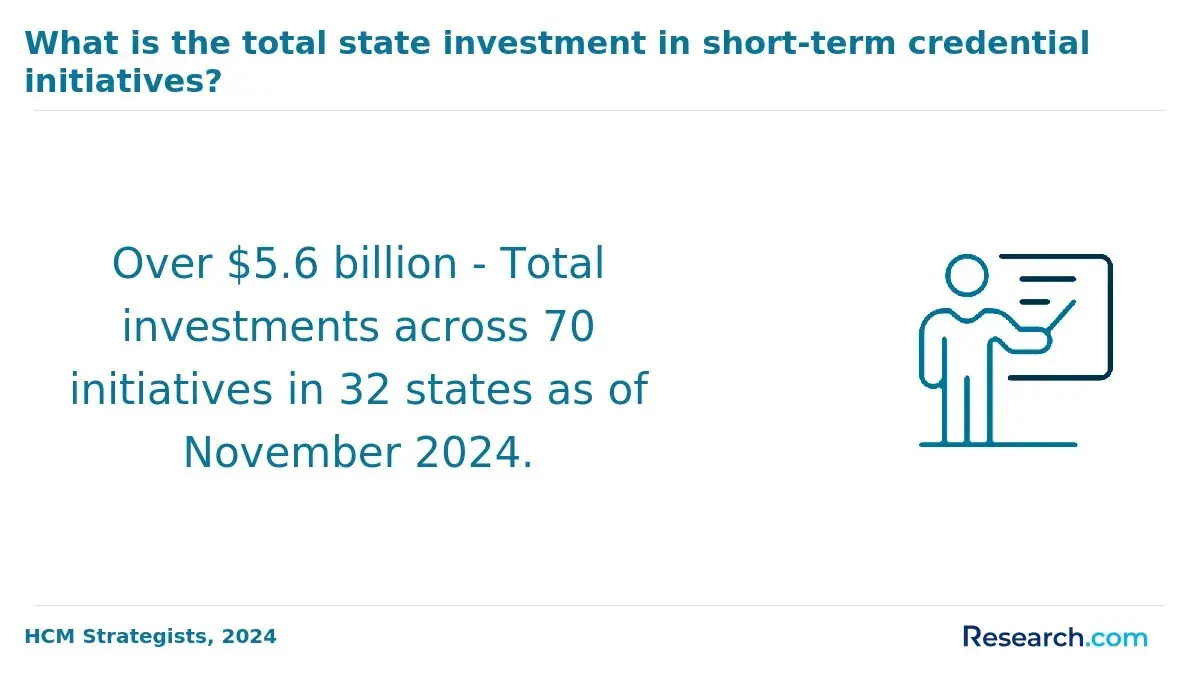
Scholarships for online pediatric nurse practitioner doctorate students are often competitive, but they are worth pursuing because even modest awards can prevent high-interest borrowing. The strongest targets are awards tied to nursing leadership, pediatrics, advanced practice, rural health, underserved communities, or DNP project work.
The table below shows scholarship categories that commonly fit pediatric DNP students and how each one can reduce costs.
| Scholarship category | Strong candidates | Typical requirement | Cost-saving value |
| School of nursing scholarships | Admitted DNP students with strong academic or leadership records | Separate nursing scholarship application or FAFSA on file | Often the most direct tuition reduction because funds are applied to the student account |
| Pediatric nursing organization awards | Students with pediatric practice experience or a pediatric DNP project | Professional membership, essay, recommendation, or project description | Can support students whose goals align closely with child health |
| Advanced practice nursing scholarships | Future or current nurse practitioners in accredited graduate programs | Proof of enrollment, license, and career goals | Useful for BSN-to-DNP students preparing for certification |
| Diversity, rural health, or underserved-care scholarships | Students committed to improving access for specific populations | Personal statement, service history, or practice commitment | May pair well with pediatric primary care goals |
| Hospital foundation scholarships | Employees or local nurses advancing clinical credentials | Employment status, manager recommendation, or local residency | Can be combined with employer tuition assistance in some cases |
Apply in layers rather than searching for one large award. Many DNP students have better results by combining a school scholarship, a professional association award, and a hospital foundation scholarship than by relying on a single national competition.
Use this sequence to avoid missing funding windows:
- Ask the program for the nursing scholarship deadline before submitting your admission deposit.
- Search pediatric, advanced practice, rural health, and DNP project scholarships at least six months before the term begins.
- Prepare one core essay that explains your pediatric population, practice gap, and doctoral goals, then customize it for each award.
- Ask recommenders early, especially if you need letters from pediatric supervisors, faculty, or clinical leaders.
- Track renewal rules so a one-time scholarship does not create a surprise funding gap in the second year.
A red flag is any scholarship service that guarantees awards for a fee. Legitimate scholarships may be competitive, but they should provide clear eligibility rules, sponsor information, deadlines, and award terms.
How Can Employer Tuition Assistance Help Pay for an Online Pediatric Nurse Practitioner Doctorate?
Employer tuition assistance can be one of the most powerful ways to lower the out-of-pocket cost of an online pediatric nurse practitioner doctorate, especially for nurses working in hospitals, children's hospitals, academic medical centers, large health systems, and government agencies. It works best when the program's pace, billing schedule, and accreditation match the employer's reimbursement rules.
If you are still mapping the full pathway from RN to advanced practice, a guide on how to become a nurse practitioner can help you decide whether a BSN-to-DNP, MSN, post-master's certificate, or MSN-to-DNP route fits your timeline before you commit to employer-funded tuition.
Employer policies vary widely, but most fall into one of three models. The table below explains how each model affects cash flow and risk.
| Employer support model | How it works | Best for | Risk to check |
| Tuition reimbursement | Student pays first, then receives reimbursement after grades are posted | Nurses who can cover short-term tuition or use a payment plan | Delayed reimbursement can create cash-flow pressure |
| Direct bill or tuition voucher | Employer pays the school directly or authorizes payment before the term | Students trying to avoid loans entirely | Only selected schools or programs may be eligible |
| Tuition assistance with work commitment | Employer pays part of the degree in exchange for continued employment | Nurses planning to remain with the organization | Leaving early may trigger repayment |
Before using employer funding, ask human resources and your manager specific questions. The answers determine whether the benefit truly reduces your cost or simply adds restrictions.
- What is the annual tuition cap, and does it reset by calendar year, fiscal year, or academic year?
- Are doctoral nursing courses eligible, or only job-required credentials?
- Does the program need to be CCNE- or ACEN-accredited?
- Are fees, books, clinical compliance costs, and residency travel reimbursable?
- Is there a minimum grade requirement for reimbursement?
- Will you owe repayment if you reduce hours, transfer departments, or leave the employer?
- Can employer funds be combined with school scholarships without reducing either benefit?
Employer support is strongest when you can pace the DNP around the annual cap. For example, part-time enrollment may take longer, but it can allow more courses to be covered by recurring yearly benefits and reduce the need for loans.
How Do Assistantships, Fellowships, and Research Funding Work for Online Pediatric Nurse Practitioner Doctorate Students?
Assistantships, fellowships, and research funding are less common for fully online practice doctorates than for campus-based PhD programs, but they can still help some pediatric DNP students. The key is to look for funding tied to teaching, clinical quality improvement, faculty projects, rural health initiatives, or DNP scholarly projects.
These funding options differ in flexibility and availability. The table below shows where online pediatric DNP students are most likely to find realistic support.
| Funding option | Availability for online DNP students | What it may cover | Best fit |
| Graduate assistantship | Limited, often campus-linked | Tuition remission, stipend, or hourly pay | Students who can support faculty teaching, simulation, or research remotely or locally |
| DNP project funding | Moderate, depending on school and clinical partner | Project materials, data tools, conference presentation, or implementation costs | Students completing pediatric quality improvement projects |
| Fellowship | Selective and mission-based | Tuition support, stipend, or professional development | Students focused on underserved pediatrics, leadership, policy, or health equity |
| Research or grant-funded role | Varies by faculty grants | Hourly work, stipend, or project support | Students with data, evidence-based practice, or pediatric clinical expertise |
Online students should not assume they are ineligible. Instead, contact the DNP program director, graduate nursing office, and faculty whose work matches pediatric care. Ask whether remote assistant work, project funding, or clinical partner support is available.
Assistantships are not always the cheapest choice if they require reducing paid clinical hours. Compare the stipend or tuition remission with lost wages, schedule constraints, and any added travel. For working nurses, a smaller project grant may be more practical than a traditional assistantship.
Which Program Features Have the Biggest Impact on the Total Cost of an Online Pediatric Nurse Practitioner Doctorate?
The biggest cost drivers are not always the most obvious. A program with moderate tuition can become expensive if it requires many credits, repeated campus intensives, out-of-state clinical travel, or extra certification preparation.
Students comparing standard and accelerated nurse practitioner programs should be especially careful: a faster pathway may reduce time away from higher earnings, but compressed coursework can limit work hours and make employer reimbursement harder to use.
The table below identifies the features that most directly change the total price of an online pediatric nurse practitioner doctorate.
| Program feature | Why it affects cost | Lower-cost signal | Red flag |
| Credit requirement | More credits usually mean more tuition and fees | Clear plan of study based on your previous degree and certification | Generic credit estimate that changes after enrollment |
| Clinical placement support | Finding pediatric sites can take time and may require travel | Dedicated placement assistance or established pediatric partners | Student must secure all sites without support |
| Campus residency requirements | Travel, lodging, meals, and unpaid time off add real costs | Few required visits or virtual alternatives | Multiple intensives with unclear dates |
| Certification eligibility | PNP graduates need the correct track for board certification and licensure | Clearly states pediatric primary care or acute care eligibility | Vague "pediatric focus" without certification alignment |
| State authorization | Online programs must be authorized to enroll students in specific states | Program confirms eligibility for your state before admission | School cannot confirm clinical or licensure compatibility |
| DNP project requirements | Projects may require software, data access, travel, or implementation costs | Project can be completed at your workplace or local clinical site | Project expectations are unclear until late in the program |
Accreditation is nonnegotiable. For most students, a low-cost program is only a good value if it is properly accredited, meets certification requirements for the intended pediatric NP role, and aligns with the state where the student plans to practice.
How Can Students Reduce Borrowing While Earning an Online Pediatric Nurse Practitioner Doctorate?
Reducing borrowing starts before enrollment. The goal is to build a funding plan that covers tuition in layers, avoids unnecessary Grad PLUS debt, and leaves room for unexpected clinical or travel expenses.
Use the steps below to estimate and reduce your net cost before accepting an offer.
- Request a full cost worksheet that includes tuition, mandatory fees, clinical compliance costs, technology fees, residency travel, books, certification preparation, and graduation fees.
- Ask the school to evaluate previous graduate credits, certifications, and clinical hours before you enroll, not after the first term begins.
- File the FAFSA early, but separate loans from grants and scholarships when reviewing the aid offer.
- Apply for school-based nursing scholarships first because they are often tied directly to admission and enrollment deadlines.
- Submit employer tuition assistance paperwork before registering for courses so you know whether the term is eligible.
- Choose a course load that matches scholarship renewal rules and employer reimbursement caps.
- Borrow only the amount needed after gift aid, employer support, payment plans, and savings are applied.
Part-time enrollment can reduce annual borrowing if it lets you keep working and use employer benefits over more calendar years. Full-time enrollment may make sense if you can finish faster, avoid extra semesters of fees, and move into a higher-responsibility role sooner. The better choice depends on cash flow, work flexibility, family obligations, and clinical placement availability.
The most common borrowing mistake is accepting the maximum loan amount because it is offered. Graduate loan eligibility is not a recommendation to borrow the full amount; it is simply the upper limit based on the school's cost of attendance.
Does Paying Less for an Online Pediatric Nurse Practitioner Doctorate Affect Career Outcomes?
Paying less does not automatically weaken career outcomes. In nursing, outcomes depend heavily on accreditation, certification eligibility, clinical preparation, licensure fit, pediatric experience, and local employer demand. A lower-cost public DNP can be a strong investment if it prepares students for the correct pediatric nurse practitioner certification and supports quality clinical placements.
The BLS reported a May 2024 median annual wage of $129,210 for nurse practitioners, but that figure covers all NP specialties and settings, not only pediatric primary or acute care. Students should treat national salary data as a benchmark and then compare local pediatric practices, children's hospitals, specialty clinics, and academic medical centers in their target state.
Salary also varies across NP specialties. For context, students comparing pediatric practice with behavioral health or cross-specialty opportunities may find a state-by-state psychiatric nurse practitioner salary comparison useful, but specialty choice should also reflect clinical interest, certification fit, and patient population-not compensation alone.
A lower-cost program may be the better ROI when it meets these conditions:
- It is accredited and clearly aligned with pediatric primary care or pediatric acute care certification.
- It offers clinical placement support in settings relevant to your intended role.
- Graduation requirements are transparent before enrollment.
- Its online format allows you to keep working without delaying progress unnecessarily.
- Its total cost after aid is low enough that monthly loan payments remain manageable.
A higher-cost program may still be reasonable if it provides a rare pediatric track, stronger clinical networks, better scheduling for working nurses, or institutional aid that lowers the net price. The mistake is comparing prestige or sticker price without asking whether the program improves your specific clinical and financial outcome.
Which Online Pediatric Nurse Practitioner Doctorate Programs Offer the Best Combination of Cost, Financial Aid, and Flexibility?
The best combination of cost, financial aid, and flexibility is usually not a single universal school. It is the program that matches your entry point, state, pediatric specialty, work schedule, and funding sources with the least unnecessary cost.
The table below shows which program profile is likely to offer the strongest value for different student situations.
| Student situation | Best-value program profile | Why it can work well | Watch out for |
| BSN-prepared RN seeking first NP credential | BSN-to-DNP pediatric primary or acute care track at a public university | Combines NP preparation and doctorate in one pathway | Longer timeline and more credits than post-master's options |
| Certified pediatric NP seeking doctorate | MSN-to-DNP completion program with pediatric-relevant project options | Usually fewer credits and easier to complete while working | May not change scope or add a new certification |
| Hospital nurse with strong employer tuition benefit | Part-time online DNP that fits annual reimbursement caps | Can reduce borrowing by spreading tuition across benefit years | Longer completion time and possible policy changes |
| Student in a state with limited pediatric clinical sites | Program with documented placement support and state authorization | Reduces risk of delayed graduation due to site shortages | May cost more than a self-placement program |
| Student focused on underserved pediatric care | Accredited program with rural health, community health, or health equity funding | Scholarships or service-based funding may align with career goals | Service obligations must be realistic and carefully understood |
For most students, the best value shortlist includes three to five accredited programs: at least one low-tuition public option, one program with stronger pediatric clinical support, one employer-compatible option, and one school with meaningful institutional scholarships. Comparing only one school makes it hard to know whether the offer is competitive.
A useful decision rule is this: choose the lowest net-cost program that still meets certification, licensure, clinical placement, and schedule requirements. Do not pay extra for features that do not improve your ability to graduate, become certified, or advance in the pediatric role you actually want.
How Should Students Compare Low-Cost Online Pediatric Nurse Practitioner Doctorate Programs?
Students should compare low-cost online pediatric nurse practitioner doctorate programs using a structured process. The right comparison looks beyond tuition and asks whether the program can get you to graduation, certification, and practice with manageable debt.
Use these questions when speaking with admissions, financial aid, and the nursing program director:
- Is the DNP program accredited by CCNE or ACEN, and is the pediatric track approved for the certification exam I plan to take?
- Does the program prepare students for pediatric primary care, pediatric acute care, or both?
- How many credits will I personally need after transfer review or previous graduate coursework evaluation?
- What is the full estimated cost through graduation, including fees and travel?
- Are online students eligible for the same nursing scholarships as campus students?
- How are pediatric clinical placements handled, and what happens if a site falls through?
- Does the program meet state authorization and licensure requirements where I live and where I plan to practice?
- Can I attend part time without losing financial aid, scholarships, or employer reimbursement eligibility?
- What are recent completion patterns for working students in this track?
- Are there additional costs for DNP project implementation, data tools, or certification preparation?
After gathering answers, compare programs in writing. This prevents a polished admissions conversation from outweighing hard cost and completion details.
| Comparison factor | Why it matters | Best answer to look for |
| Net cost after aid | Shows the real price, not the sticker price | Written estimate separating grants, scholarships, loans, and employer funds |
| Certification alignment | Determines whether the degree supports your intended PNP role | Clear eligibility language for the relevant pediatric certification |
| Clinical support | Can affect both graduation timing and travel costs | Documented process, staff support, and realistic pediatric site expectations |
| Schedule flexibility | Working nurses need predictable pacing | Part-time and full-time plans with course rotation details |
| State fit | Online enrollment and clinicals depend on state rules | Written confirmation before enrollment |
| Borrowing need | Debt affects ROI long after graduation | Loan amount remains manageable under conservative salary assumptions |
Avoid programs that cannot provide a written cost estimate, refuse to clarify clinical placement responsibilities, or use vague language about certification eligibility. Affordability matters, but uncertainty is expensive.
Other Things You Should Know About Pediatric Nurse Practitioner
Many students do, especially in part-time programs, but clinical hours, DNP project work, and intensive courses can strain a full-time schedule. Ask for a sample weekly workload and clinical calendar before enrolling.
Some are fully online for coursework, while others require campus intensives, simulations, orientation, or final project presentations. Confirm the number, timing, and cost of required visits before comparing programs.
Requirements vary by program, employer, and state. Many PNPs enter practice through master's-level preparation, but some schools now offer BSN-to-DNP pathways, and some employers prefer or reward doctoral preparation for leadership, quality improvement, or academic roles.
Pediatric primary care tracks focus on well-child care, prevention, chronic condition management, and outpatient pediatrics. Pediatric acute care tracks focus on complex, unstable, or hospitalized children. Choose the track that matches your intended certification and work setting.
References
- Online Pediatric Nurse Practitioner (PNP) Programs | Maryville University https://nursing.maryville.edu/concentrations/pediatric-nurse-practitioner-online-program
- Tuition Reimbursement Programs [A Guide for HR and Employers] https://compt.io/blog/employee-tuition-reimbursement/
- Inside Pediatric Nurse Practitioner Online Programs https://www.edumed.org/online-schools/nurse-practitioner-programs/pediatric-nursing/
- Most Affordable Online Pediatric NP Programs (2026) https://www.healthcaredegree.com/blog/most-affordable-pnp-programs
- What Kinds of Financial Aid are Available to Nurse Practitioner Students? | ThriveAP https://provider.thriveap.com/blog/what-kinds-financial-aid-are-available-nurse-practitioner-students
- Top Online Pediatric NP Programs (2026 PNP Rankings) https://www.npschools.com/rankings/all-online-pnp-programs
- Tuition Reimbursement for Nursing https://www.brighthorizons.com/employers/benefits/tuition-reimbursement-for-nursing
- Scholarship Opportunity for MSN and DNP/PhD students! https://houstonnapnap.enpnetwork.com/nurse-practitioner-news/210967-scholarship-opportunity-for-msn-and-dnp-phd-students-
- American Association of Nurse Practitioners (AANP) Scholarships https://www.aanp.org/education/professional-funding-support/scholarships
- Paying for your master's degree in nursing | edX https://www.edx.org/resources/paying-for-your-masters-degree-in-nursing