2027 Online Pediatric Nurse Practitioner Doctorate Programs for Working Professionals: Flexible, Part-Time, and Self-Paced Options

Co-Founder and Chief Data Scientist
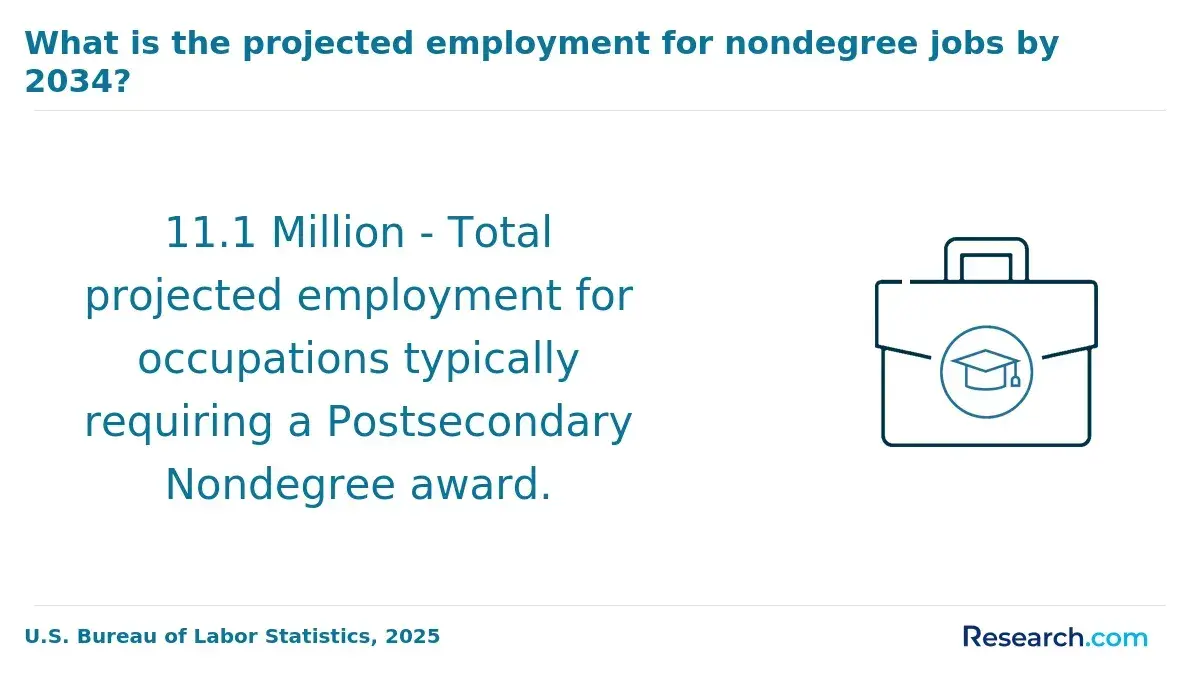
Choosing an online Pediatric Nurse Practitioner doctorate while working can hinge less on ambition and more on schedule design. The U.S. Bureau of Labor Statistics projects nurse practitioner employment to grow 40% from 2023 to 2033, making advanced pediatric practice a timely path for nurses who want broader clinical, leadership, or teaching roles.
This guide is for working RNs and NPs comparing flexible, part-time, asynchronous, and self-paced formats. You will learn how each model affects workload, timelines, clinical requirements, cost, and career fit so you can choose a program that is realistic, not just reputable.
Key Things You Should Know
- Most online Pediatric Nurse Practitioner doctorate options are DNP programs, not PhD programs; working professionals commonly finish part-time in about 3 to 5 years, depending on whether they enter with a BSN, MSN, or existing NP certification.
- Online does not mean "no schedule": expect about 10 to 25 hours per week depending on credit load, plus clinical, practicum, residency, or DNP project time that may require local site coordination or limited campus visits.
- Use total cost, accreditation, state authorization, certification eligibility, pediatric population focus, and project pacing as decision filters; tuition can range widely, and federal graduate Direct Unsubsidized Loans are capped at $20,500 per academic year.
Is an Online Pediatric Nurse Practitioner Doctorate Worth It for Working Professionals?
An online Pediatric Nurse Practitioner doctorate can be worth it when it directly supports a professional goal: advanced pediatric practice, transition into pediatric primary or acute care, clinical leadership, quality improvement, faculty work, or a move from master's-prepared NP to doctoral-level practice. For most nurses, the relevant doctorate is the Doctor of Nursing Practice, or DNP, which emphasizes evidence-based clinical practice, systems leadership, health policy, and an applied scholarly project rather than a traditional research dissertation.
The degree is most practical for working professionals who need to keep earning income while moving toward doctoral preparation. It may be less useful if your goal is only to enter NP practice quickly, if you are unsure about pediatrics as a population focus, or if the program's clinical placement requirements would be impossible in your location. If you are still comparing entry routes before committing to doctoral study, a broader review of online nurse practitioner programs can help you separate MSN, post-master's certificate, and DNP pathways.
The return on investment should be evaluated in practical terms rather than prestige alone. The BLS reported a May 2024 median annual wage of $132,050 for nurse practitioners, nurse anesthetists, and nurse midwives as a group, but pediatric NP pay varies by setting, state, experience, and specialty. For a working professional, the better question is whether the doctorate helps you reach roles that require or prefer doctoral preparation without forcing an unsustainable reduction in work hours.
The table below summarizes when an online Pediatric Nurse Practitioner doctorate tends to make sense and when a different route may be better. Use it as an early fit check before comparing individual schools.
| Professional situation | Doctorate fit | Why it matters |
| MSN-prepared pediatric NP seeking leadership or faculty roles | Strong fit | A post-master's DNP may build on existing certification with fewer clinical hours than a BSN-to-DNP route. |
| BSN-prepared RN seeking first NP credential | Possible fit | A BSN-to-DNP PNP track can combine NP preparation and doctoral coursework, but it is usually longer and more intensive. |
| Working nurse with unpredictable shifts | Conditional fit | Asynchronous or part-time formats can help, but clinical schedules may still require daytime availability. |
| Nurse seeking a research faculty career | Limited fit | A PhD in nursing is usually more research-focused than a DNP. |
| Professional wanting the fastest route into NP practice | May not be best | An MSN or certificate route may be shorter if doctoral preparation is not required for the target role. |
A common mistake is assuming a doctorate is automatically the highest-value choice. The better approach is to map the credential to your target job postings, state practice environment, employer expectations, and personal capacity for doctoral work over several years.
Which Type of Online Pediatric Nurse Practitioner Doctorate Best Fits Your Career Goals?
The right online Pediatric Nurse Practitioner doctorate depends on your current license, highest degree, pediatric experience, and intended practice setting. In general, pediatric primary care tracks prepare clinicians for well-child care, chronic disease management, developmental screening, immunizations, and family-centered outpatient care. Pediatric acute care tracks focus on complex, unstable, or critical pediatric conditions in hospitals, specialty clinics, emergency departments, and intensive care settings.
If you are still deciding whether NP practice itself is the right long-term path, it may help to review the broader steps in how to become a nurse practitioner before choosing a doctoral route. Doctoral programs are harder to change once clinical sequencing, specialty courses, and certification preparation begin.
The table below compares common online doctorate pathways for nurses interested in pediatric NP preparation. It highlights the credential goal, typical student profile, and flexibility implications for employed learners.
| Program type | Best for | Typical outcome | Flexibility considerations |
| BSN-to-DNP Pediatric Primary Care NP | BSN-prepared RNs seeking doctoral NP preparation | DNP plus eligibility to pursue pediatric primary care NP certification if the program meets certification standards | Longer timeline, more clinical hours, and heavier sequencing than post-master's options. |
| BSN-to-DNP Pediatric Acute Care NP | RNs with pediatric, emergency, ICU, or acute care experience | DNP plus preparation for pediatric acute care NP certification if aligned with certifying body requirements | Clinical placements may be more specialized and harder to schedule around full-time work. |
| Post-master's DNP for certified PNPs | MSN-prepared pediatric NPs | Doctoral practice credential with leadership, quality, policy, and project work | Often the most manageable doctorate route for full-time clinicians because specialty NP coursework may already be complete. |
| Post-master's DNP with added pediatric NP specialty | MSN-prepared nurses or NPs changing population focus | DNP plus additional specialty preparation, if offered | Requires careful review of clinical hours, prerequisites, and certification eligibility. |
| PhD in Nursing with pediatric research focus | Nurses pursuing research, academic scholarship, or policy research | Research doctorate | May be online or hybrid, but it usually does not prepare graduates for PNP certification by itself. |
Working professionals should choose based on the job they want after graduation, not just the degree title. A pediatric primary care DNP may fit school-based clinics, community health, and pediatric offices; an acute care track may fit hospital-based pediatric specialty practice; a post-master's DNP may fit experienced NPs seeking leadership without changing clinical population.
How Do Flexible, Part-Time, Asynchronous, and Self-Paced Pediatric Nurse Practitioner Doctorate Programs Differ?
Flexible, part-time, asynchronous, and self-paced are often used together in marketing, but they are not the same. Understanding the difference can prevent one of the biggest enrollment mistakes: choosing a program that sounds convenient but still conflicts with shift work, childcare, clinical availability, or employer expectations.
The table below separates these formats so you can compare what each one actually controls: course timing, enrollment intensity, deadlines, and clinical sequencing.
| Format term | What it usually means | Best fit | Main trade-off |
| Flexible | The program offers options such as multiple start dates, part-time plans, online coursework, or adjustable course loads. | Nurses with changing work schedules who still need structure. | Flexibility may not apply to clinical hours, exams, intensives, or project milestones. |
| Part-time | Students take fewer credits per term than full-time students. | Full-time professionals who need a lower weekly workload. | Completion takes longer, and tuition or fee structures may extend across more terms. |
| Asynchronous | Course content can be completed without attending weekly live class sessions. | Shift workers, parents, travel nurses, and clinicians with variable hours. | Assignments still have due dates, and group work may require coordination. |
| Synchronous online | Students attend scheduled live virtual classes or seminars. | Learners who want real-time discussion and faculty access. | Less convenient for rotating shifts or evening clinical schedules. |
| Self-paced | Students may move through portions of coursework at an individualized pace within defined term or competency limits. | Highly organized learners with predictable study blocks. | True self-paced DNP options are uncommon because clinical, residency, and project requirements require faculty approval and sequencing. |
Before enrolling, ask schools to define their scheduling language in concrete terms. The following questions help translate marketing claims into a real weekly plan:
- Are lectures fully asynchronous, or are live sessions required at specific times?
- Can part-time students take one course per term, or is there a minimum credit load?
- Are clinical hours arranged locally, and who is responsible for securing preceptors?
- Does "self-paced" apply to the whole program or only to selected nonclinical courses?
- How many campus visits, simulations, objective structured clinical exams, or residency days are required?
- What happens if a work emergency prevents you from meeting a project or clinical milestone?
A flexible program is not automatically easier. It is better understood as a program with more ways to distribute the same doctoral work across time.
What Are the Admission Requirements for Online Pediatric Nurse Practitioner Doctorate Programs?
Admission requirements vary by school and entry point, but online Pediatric Nurse Practitioner doctorate programs typically look for evidence that you can succeed in graduate nursing coursework, complete clinical requirements, and practice safely with children and families. BSN-to-DNP applicants are usually evaluated differently from post-master's DNP applicants because they are entering at different stages of professional preparation.
Most programs will ask for a mix of academic, licensure, clinical, and professional materials. Review these requirements early because missing one item, such as state authorization or pediatric experience, can delay your start term.
- Active, unencumbered RN license, and sometimes licensure in the state where clinical hours will be completed.
- BSN or MSN from an accredited nursing program, depending on the entry pathway.
- Official transcripts showing undergraduate or graduate GPA standards set by the school.
- Professional resume or CV documenting nursing experience, pediatric exposure, leadership, and certifications.
- Statement of purpose explaining pediatric practice goals and fit with the DNP role.
- Letters of recommendation from nursing faculty, supervisors, advanced practice clinicians, or healthcare leaders.
- Background check, drug screening, immunization records, CPR or pediatric advanced life support documentation when required.
- Interview, writing sample, statistics prerequisite, or graduate-level health assessment prerequisite in some programs.
Post-master's applicants may also need to submit proof of national certification, previous supervised clinical hours, and graduate syllabi for transfer or gap analysis. Schools use this review to determine whether additional coursework or clinical hours are needed before the DNP project or advanced practicum.
Working professionals should also verify admission logistics that are not obvious from a checklist. Confirm whether the school accepts students from your state, whether your employer can serve as a clinical site, whether pediatric preceptors must meet specific credentials, and whether the program has deadlines that conflict with licensure renewal or work contracts.
How Long Does It Take to Complete an Online Pediatric Nurse Practitioner Doctorate Part Time?
Part-time completion time depends mainly on entry point. A post-master's DNP for an already certified pediatric NP is typically shorter than a BSN-to-DNP program that includes advanced practice core courses, population-focused pediatric coursework, clinical hours, and doctoral project requirements. For working professionals, the most sustainable plan is often the one that aligns with work cycles rather than the shortest advertised timeline.
The table below shows common timeline ranges for online or hybrid DNP pathways. Exact timelines vary by transfer credits, course availability, clinical placement pace, and whether the school allows continuous enrollment across summer terms.
| Entry pathway | Common full-time timeline | Common part-time timeline | Scheduling note for working professionals |
| BSN-to-DNP PNP | About 3 to 4 years | About 4 to 6 years | Clinical sequencing can make it difficult to pause without delaying progression. |
| MSN-to-DNP for certified PNPs | About 1.5 to 2 years | About 2 to 4 years | Often more compatible with full-time work because it may emphasize leadership, evidence translation, and project work. |
| MSN-to-DNP with added PNP specialty | About 2 to 3 years | About 3 to 5 years | Specialty clinical hours can extend the timeline, especially in areas with limited pediatric preceptors. |
| PhD in Nursing with pediatric focus | About 3 to 5 years | Often 4 to 7 years | Research milestones and dissertation progress may be less predictable than course sequences. |
To estimate your own timeline, look beyond the number of credits. Working professionals should calculate how many courses they can take during high-demand work periods, whether clinical hours require weekday availability, and whether the DNP project can be integrated into their current practice setting.
A practical planning sequence can make the timeline more realistic before you apply:
- Identify your entry pathway: BSN-to-DNP, post-master's DNP, specialty-change DNP, or PhD.
- Ask the program for a sample part-time plan of study, not just a full-time curriculum grid.
- Mark terms that include clinical hours, intensives, simulations, or project approvals.
- Compare those terms with known work peaks, family obligations, and licensure renewal periods.
- Build in at least one contingency term in case preceptor approval, project review, or work demands slow progress.
A red flag is a program that advertises a fast completion time but will not provide a part-time course sequence. For employed students, predictability is often more valuable than speed.
What Curriculum, Dissertation, Residency, or Practicum Requirements Do Online Pediatric Nurse Practitioner Doctorate Programs Include?
Online Pediatric Nurse Practitioner doctorate programs usually combine advanced nursing science, pediatric specialty preparation, leadership, evidence-based practice, health policy, informatics, population health, and a culminating scholarly project. In DNP programs, the final requirement is usually an applied DNP project rather than a dissertation. A dissertation is more typical of PhD programs, where the focus is original research.
The table below outlines common academic and experiential components. It is useful because online delivery changes where you study, but it usually does not remove supervised practice, project, or competency requirements.
| Requirement | Common purpose | Online-program implication |
| Advanced practice core | Builds graduate-level knowledge in pathophysiology, pharmacology, assessment, diagnostics, and clinical reasoning. | May include online lectures, proctored exams, virtual simulations, or occasional campus skills checks. |
| Pediatric specialty courses | Prepares students for pediatric primary care or acute care assessment, management, and family-centered care. | Clinical expectations are population-specific and may require pediatric preceptors. |
| DNP systems and leadership courses | Develops skills in quality improvement, policy, informatics, population health, and organizational change. | Often well suited to asynchronous online formats. |
| Clinical or practicum hours | Documents supervised advanced practice or doctoral practice experience. | May be local, but site approval and preceptor availability can be major constraints. |
| DNP project | Applies evidence to improve practice, outcomes, workflow, safety, or quality in a real setting. | Requires faculty guidance, approvals, implementation, evaluation, and written or oral dissemination. |
| Residency or immersion | Supports skill validation, project development, networking, or final presentations. | May be virtual, local, or campus-based depending on the school. |
For working professionals, the most important curriculum question is not "Is it online?" but "Which requirements are time-bound?" Courses may be asynchronous, while clinical hours, project meetings, stakeholder interviews, or simulation checkoffs may require specific windows.
When comparing programs, pay close attention to these workload-sensitive requirements:
- Whether the school helps identify pediatric clinical sites or expects students to secure all preceptors independently.
- Whether DNP project work can be completed at your current workplace, and whether employer approval is required.
- Whether campus immersions are mandatory, optional, or replaceable with virtual simulation.
- Whether the program requires a dissertation, DNP project, portfolio, final defense, or comprehensive examination.
- Whether clinical hours can be completed in evening, weekend, school-based, outpatient, hospital, or specialty settings.
Do not assume you can complete all practicum hours during your regular job. Many programs will not count paid work hours unless the activity is clearly distinct, supervised, approved, and tied to course outcomes.
How Much Weekly Work Should Full-Time Professionals Expect in an Online Pediatric Nurse Practitioner Doctorate Program?
Most full-time professionals should expect a part-time online Pediatric Nurse Practitioner doctorate to require consistent weekly effort, not occasional weekend study. A manageable term might involve one graduate course and project planning; a difficult term might combine didactic work, clinical documentation, patient encounters, discussion boards, readings, exams, and DNP project milestones.
The table below gives realistic workload bands to help you compare enrollment intensity. These are planning ranges, not guarantees, because weekly time varies by school, specialty, term length, clinical placement, and your familiarity with pediatric content.
| Enrollment pattern | Typical weekly academic workload | Additional time pressure | Best fit |
| One didactic course | About 8 to 12 hours | Reading, discussion posts, papers, exams, and group work | Professionals with demanding full-time roles or family responsibilities. |
| Two didactic courses | About 15 to 25 hours | More simultaneous deadlines and less recovery time after shifts | Students with predictable schedules or reduced work hours. |
| Clinical course term | Varies widely | Patient-care hours, commute time, documentation, preceptor availability, and faculty evaluations | Students who can arrange weekday flexibility or planned time off. |
| DNP project implementation term | About 10 to 20 hours | Meetings, data collection, stakeholder communication, revisions, and presentations | Students with employer support or a project site aligned with their work setting. |
Asynchronous courses can make this workload easier to distribute, but they do not reduce the total work. A nurse working three 12-hour shifts may prefer asynchronous coursework because assignments can be completed on off days; a nurse in a Monday-to-Friday clinic may prefer limited live evening sessions for accountability.
To make the workload sustainable, build a weekly operating plan before the first term begins:
- Block fixed study periods the same way you would schedule clinical shifts.
- Protect one low-interruption session each week for writing, evidence review, or project work.
- Ask your manager about temporary schedule flexibility during clinical or project-heavy terms.
- Use the syllabus to identify "collision weeks" when exams, care plans, presentations, or project approvals overlap.
- Avoid taking two writing-heavy or clinically intensive courses during a major life or work transition.
The most common workload mistake is planning for the average week and ignoring peak weeks. Doctoral programs are manageable for many full-time professionals, but only when the schedule accounts for spikes.
How Much Does an Online Pediatric Nurse Practitioner Doctorate Cost, and What Financial Aid Is Available?
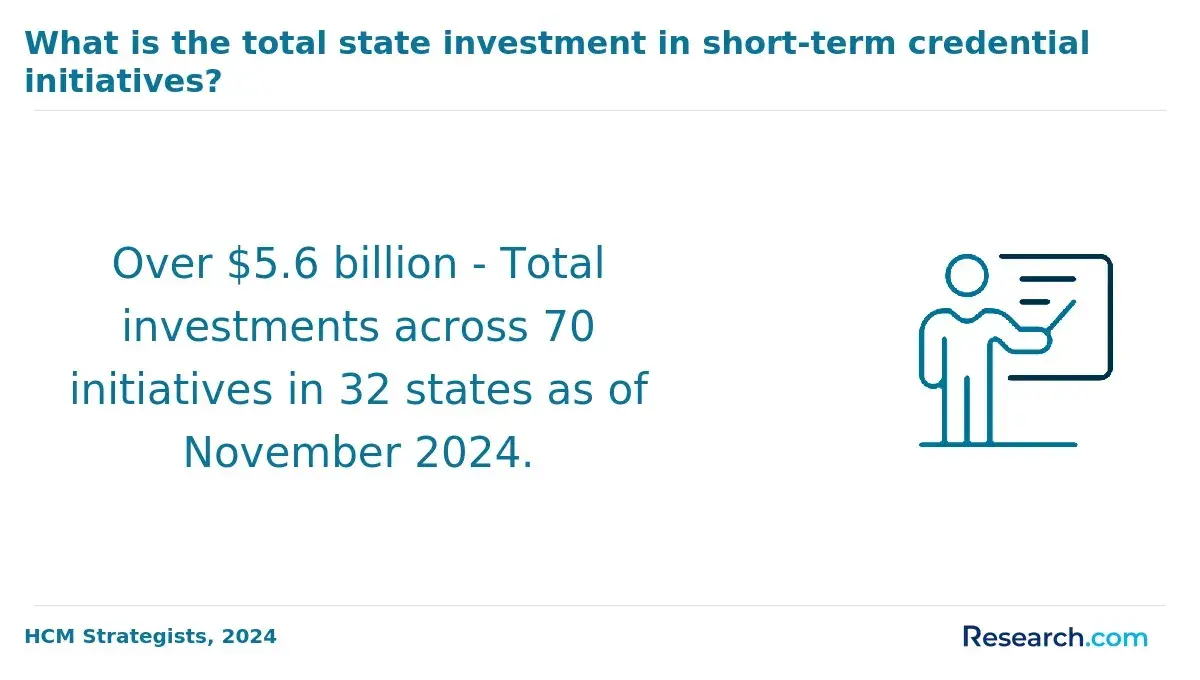
Cost varies widely by institution type, residency status, credit requirements, fees, clinical travel, campus visits, and whether you enter with a BSN or MSN. NCES data published in 2024 reported average graduate tuition and required fees of $12,596 at public institutions and $29,931 at private nonprofit institutions for the 2022-2023 academic year, which shows why school type and total credits can change the financial picture substantially.
Because pediatric DNP programs do not all require the same number of credits, compare total program cost rather than tuition per credit alone. Some accelerated or shorter options may look expensive per credit but reduce total time enrolled; if speed is a priority, compare the trade-offs with accelerated nurse practitioner programs before assuming the lowest per-credit rate is the best value.
Common cost categories include the following. Ask each school for a written estimate that separates direct school charges from expenses you will pay independently.
- Tuition per credit or per term, multiplied by the exact number of credits in your pathway.
- Online learning, technology, simulation, clinical tracking, graduation, and student service fees.
- Books, software, clinical equipment, exam resources, background checks, drug screening, and immunization documentation.
- Travel, lodging, childcare, parking, and lost income for required campus immersions, clinical days, or project presentations.
- Certification exam, licensure, and credentialing costs after graduation, if you are completing a new NP specialty.
Financial aid options may include federal loans, employer tuition assistance, scholarships, graduate assistantships, military or veteran benefits, and workforce grants. For federal borrowing, the graduate Direct Unsubsidized Loan annual limit is $20,500, so students in higher-cost programs may need savings, employer support, payment plans, scholarships, or Graduate PLUS Loans to cover the remaining balance.
Working professionals should also calculate opportunity cost. If clinical or residency requirements force a reduction from full-time to part-time employment, the true cost includes lost wages, benefits changes, and scheduling stress. A lower-priced program can become more expensive if it requires distant residencies or offers little support for local pediatric placements.
How Can You Verify the Accreditation and Quality of an Online Pediatric Nurse Practitioner Doctorate Program?
Accreditation is one of the most important quality checks for an online Pediatric Nurse Practitioner doctorate. For nursing programs, look for programmatic accreditation from recognized nursing accreditors such as the Commission on Collegiate Nursing Education or the Accreditation Commission for Education in Nursing, along with institutional accreditation. Accreditation affects certification eligibility, financial aid, employer recognition, credit transfer, and sometimes state licensure requirements.
Quality verification should go beyond whether the program is online. A strong program should be transparent about pediatric population focus, clinical-hour expectations, certification alignment, faculty qualifications, state authorization, student support, and outcomes. If a school cannot answer these questions clearly, treat it as a red flag.
Use this checklist before applying or depositing:
- Confirm institutional and nursing program accreditation directly through accreditor or school records.
- Verify that the pediatric primary care or acute care track aligns with the certification exam you intend to pursue.
- Check whether the school is authorized to enroll online students in your state and support clinical placement there.
- Ask for written details on campus visits, simulations, clinical-hour requirements, and preceptor responsibilities.
- Review faculty pediatric expertise, DNP project advising model, board pass information if available, and student support services.
- Contact your state board of nursing if you are unsure whether the program meets advanced practice requirements in your state.
Also watch for quality red flags. Be cautious if a program promises unusually fast completion without explaining clinical sequencing, uses vague language about certification eligibility, lacks clear faculty contact, or advertises "100% online" while hiding required travel in footnotes. Online convenience should never replace regulatory fit.
What Career Outcomes and Professional Benefits Can an Online Pediatric Nurse Practitioner Doctorate Provide?
An online Pediatric Nurse Practitioner doctorate can support several career outcomes, but it should not be viewed as a guaranteed salary increase or automatic promotion. Its value depends on your current credentials, state scope of practice, employer needs, pediatric experience, and whether the program prepares you for the role you want.
For pediatric-focused clinicians, possible benefits include deeper evidence-based practice skills, preparation for advanced pediatric NP certification when the program includes the appropriate specialty track, stronger leadership readiness, and credibility for quality improvement or academic roles. Some DNP-prepared nurses also move into care coordination leadership, clinical program development, informatics initiatives, patient safety, policy advocacy, or faculty positions.
The table below connects common career goals with the type of doctoral preparation that may fit. It can help you avoid choosing a program that is impressive but misaligned with your target role.
| Career goal | Relevant doctorate pathway | Typical professional benefit |
| Pediatric primary care NP practice | BSN-to-DNP or MSN-to-DNP with pediatric primary care NP preparation | Preparation for outpatient pediatric assessment, diagnosis, management, prevention, and family education. |
| Pediatric acute care practice | DNP pathway with pediatric acute care NP specialty | Preparation for higher-acuity pediatric environments and specialty teams. |
| Clinical leadership or quality improvement | Post-master's DNP | Applied skills in systems change, safety, outcomes measurement, and evidence implementation. |
| Nursing education | DNP or PhD, depending on teaching and research expectations | Doctoral credential may support faculty eligibility, especially when paired with clinical expertise. |
| Pediatric research career | PhD in Nursing | Research design, grant preparation, theory development, and dissertation-based scholarship. |
Salary comparisons should be used carefully. Pediatric NP salaries vary by region and setting, and adjacent specialties can have different compensation patterns; for example, professionals researching broader advanced practice pay may also compare data such as psychiatric nurse practitioner salary by state to understand how specialty and location influence earning potential.
The strongest professional benefit may be optionality. A well-chosen online DNP can allow a working nurse to keep practicing while building credentials for future clinical leadership, doctoral-level practice, teaching, or pediatric specialty advancement. The weakest outcome occurs when the program is accredited but poorly matched to the student's desired certification, schedule, state, or employer market.
Other Things You Should Know About Pediatric Nurse Practitioner
Coursework may be fully online, but most programs still include clinical, practicum, simulation, residency, immersion, or DNP project requirements. Some can be completed locally, while others require campus visits or scheduled virtual sessions.
No. Asynchronous usually means you do not attend live weekly classes, but assignments still have deadlines. Self-paced means you can move through material at an individualized speed, which is less common in clinical doctoral nursing programs because courses, clinical hours, and projects must be sequenced.
Many students do, especially in part-time programs. The hardest periods are usually clinical terms, project implementation, and residency requirements, so full-time work is more realistic when your employer offers schedule flexibility.
Choose pediatric primary care if you want outpatient, preventive, developmental, and chronic care roles. Choose pediatric acute care if you want hospital-based, specialty, emergency, or critical care pediatric practice. Certification goals and clinical placement availability should guide the decision.
References
- Inside Pediatric Nurse Practitioner Online Programs https://www.edumed.org/online-schools/nurse-practitioner-programs/pediatric-nursing/
- Balancing Career and Education Through Online Nursing Practitioner Programs - ReviewNPrep https://reviewnprep.com/blog/balance-career-education-nursing-programs/
- Top Scholarships & Grants for NP and APRN Students https://www.preceptorlink.com/blog-posts/scholarships-and-grants-for-np-and-aprn-students
- Can You Earn a DNP Online? | All Nursing Schools https://www.allnursingschools.com/dnp/online-or-on-campus/
- Primary Care Pediatric Nurse Practitioner DNP https://www.rushu.rush.edu/college-nursing/programs-admissions/pediatric-nurse-practitioner-pc-pnp-program
- Top Online Pediatric NP Programs (2026 PNP Rankings) https://www.npschools.com/rankings/all-online-pnp-programs
- American Association of Nurse Practitioners (AANP) Scholarships https://www.aanp.org/education/professional-funding-support/scholarships
- Online Nurse Practitioner (NP) Programs https://nursinglicensemap.com/nursing-degrees/online-nurse-practitioner-programs/
- The Ultimate Guide to Online Nurse Practitioner Programs: How to Choose the Right One for You – FRESHRN https://www.freshrn.com/online-nurse-practitioner-programs/
- BSN to DNP-PNP Online Program | Maryville University https://nursing.maryville.edu/pathways/bsn-to-dnp-pnp