2027 Online Pediatric Nurse Practitioner Doctorate Program Costs: Tuition, Fees, Financial Aid, and Employer Reimbursement

Co-Founder and Chief Data Scientist
An online Pediatric Nurse Practitioner doctorate can advance clinical autonomy, leadership options, and earning potential, but it is also a major financial decision. NCES data published in 2024 shows average graduate tuition and required fees were $12,596 at public institutions and $29,931 at private nonprofit institutions for the academic year reported, before living costs and interest.
This guide is for nurses comparing DNP and related doctoral pathways. You will learn how tuition, fees, aid, reimbursement, and ROI work so you can choose a program that fits your budget and career goals.
Key Things to Know About Online Pediatric Nurse Practitioner Doctorate Program Costs
- Most online Pediatric Nurse Practitioner doctorate budgets should start with total credits, not sticker tuition: a post-master's DNP may require roughly 30 to 45 credits, while BSN-to-DNP pathways can require substantially more because they include advanced practice preparation. F
- ederal graduate borrowing can be significant but expensive: graduate students may use up to $20,500 per year in Direct Unsubsidized Loans, while Grad PLUS Loans can cover remaining certified cost of attendance, subject to credit approval and interest.
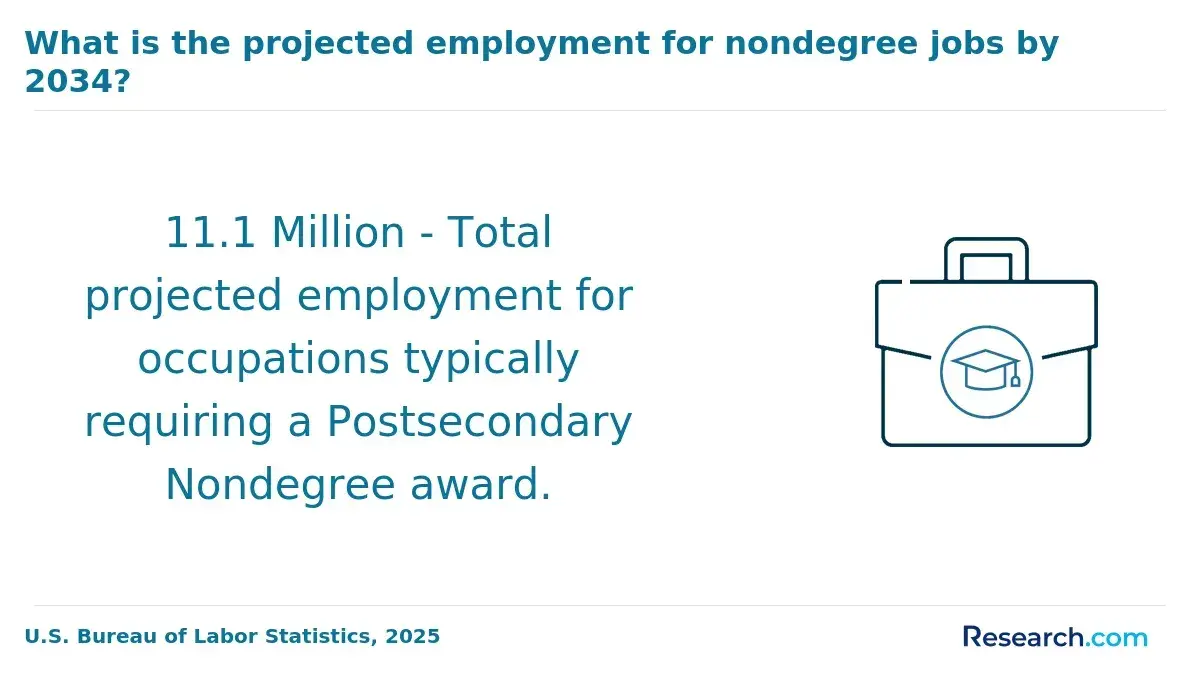
- Employer reimbursement can materially reduce out-of-pocket cost, but many plans cap tax-free educational assistance at $5,250 per year and may require a work commitment after each reimbursement period.
What is the average tuition cost of an online Pediatric Nurse Practitioner doctorate program?
The average tuition cost of an online Pediatric Nurse Practitioner doctorate depends on whether the program is a post-master's Doctor of Nursing Practice, a BSN-to-DNP Pediatric Nurse Practitioner track, or a doctoral completion pathway for already certified nurse practitioners. There is no single national tuition average published specifically for online Pediatric Nurse Practitioner doctorates, so the most reliable way to estimate cost is to multiply the school's per-credit rate by the exact number of credits you must complete.
For planning purposes, many online nursing doctorate budgets fall into two broad categories: a shorter post-master's DNP for nurses who already hold advanced practice preparation, and a longer BSN-to-DNP for nurses who are becoming nurse practitioners while earning the doctorate. If you are still comparing broader online nurse practitioner programs, be careful not to compare an MSN price directly against a DNP price unless the credential, clinical hours, and certification pathway are the same.
The table below shows how the math typically works. These are planning ranges, not guaranteed school prices, because each university sets its own tuition, fees, clinical requirements, and residency expectations.
| Program pathway | Typical cost driver | Tuition planning range | Best fit |
| Post-master's online DNP with pediatric focus | About 30 to 45 doctoral credits | Often about $30,000 to $70,000 before fees | Certified NPs who need the doctoral credential for leadership, systems improvement, teaching, or advanced practice advancement |
| BSN-to-DNP Pediatric Nurse Practitioner track | More credits because NP coursework and doctoral work are combined | Often about $60,000 to more than $120,000 before fees | BSN-prepared RNs who want one longer pathway into pediatric advanced practice |
| Certificate-plus-DNP route | Post-graduate pediatric certificate plus doctoral completion credits | Highly variable because transfer and certification credits differ | Nurses changing population focus or adding pediatric primary or acute care preparation |
A practical way to evaluate tuition is to request a written degree plan before you apply. Ask the admissions office to show required credits, expected transfer credits, clinical placement costs, project or dissertation credits, and whether tuition changes during continuous enrollment. The lowest per-credit rate is not always the lowest total price if the program requires more credits or charges high semester-based fees.
Are online Pediatric Nurse Practitioner doctorate programs subject to distance learning or technology fees?
Yes. Online Pediatric Nurse Practitioner doctorate programs are often subject to distance learning, technology, clinical coordination, simulation, proctoring, and graduation fees. These charges may look small compared with tuition, but they can change the real cost of attendance, especially in part-time programs that spread fees across more terms.
The key issue is whether fees are charged per credit, per course, per semester, or per program. A per-semester technology fee becomes more expensive if you study part time for several years, while a per-credit fee rises directly with the number of credits in the degree plan.
The table below summarizes common online doctorate fees and why they matter when comparing schools.
| Fee type | How it is commonly charged | Why it affects your budget |
| Technology or online learning fee | Per credit, course, or term | Can add recurring cost even when no campus services are used |
| Clinical placement or compliance fee | Per clinical course or annual cycle | May cover documentation systems, background checks, health records, or site coordination |
| Simulation or skills intensive fee | Per course or required residency | Can apply even in mostly online programs with short in-person intensives |
| Exam proctoring fee | Per exam or course | Usually modest individually but easy to overlook across multiple courses |
| Graduation, project, or doctoral continuation fee | One-time or per term | Can affect students who extend DNP project completion beyond the planned timeline |
A common mistake is budgeting only for base tuition and assuming online delivery removes campus-style charges. Before enrolling, request a fee sheet for the entire program, not just the first term. Also ask whether fees are refundable if you drop a course, pause enrollment, or shift from full-time to part-time study.
What out-of-pocket expenses should online Pediatric Nurse Practitioner doctorate students anticipate?
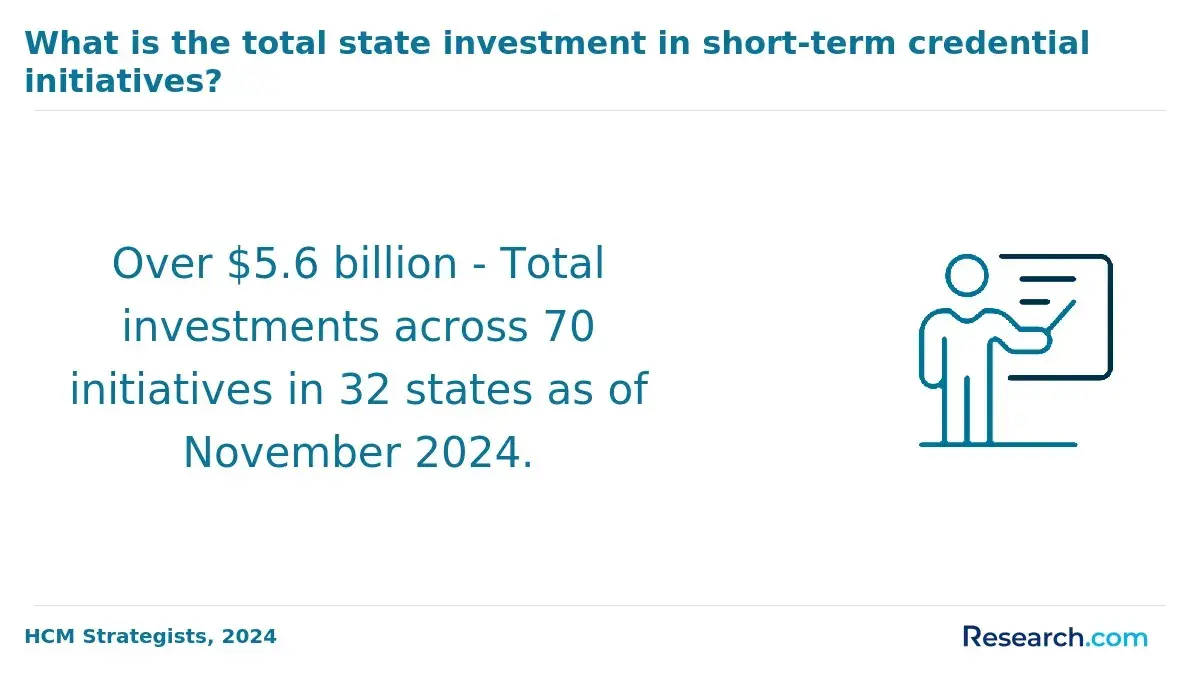
Online study can reduce commuting and relocation costs, but it does not eliminate out-of-pocket expenses. Pediatric Nurse Practitioner doctorate students should budget for clinical compliance, travel to any required intensives, certification-related costs, textbooks, software, equipment, and possible lost income during high-intensity clinical terms.
The following expenses are especially important because they may not be included in the tuition quote you see on a program page. They also vary by state, clinical site, and whether the program assists with placements.
- Clinical compliance costs: background checks, drug screening, immunization records, CPR renewal, malpractice coverage, health documentation platforms, and site onboarding requirements.
- Travel and lodging: required campus intensives, simulation weekends, skills assessments, DNP project presentations, or specialty pediatric clinical experiences outside your local area.
- Course materials and tools: textbooks, clinical reference subscriptions, diagnostic equipment, secure testing software, and required computer or webcam upgrades.
- Licensure and certification costs: APRN application fees, state board fees, national certification exam preparation, certification exam registration, and transcript processing.
- Time-related costs: reduced work hours, unpaid clinical days, childcare, transportation to clinical sites, and extended enrollment if your DNP project takes longer than planned.
The most useful budgeting exercise is to build a term-by-term cost calendar. Put tuition, fees, compliance renewals, travel, and expected work-hour reductions into the same spreadsheet. This helps you see whether a program that looks affordable per credit becomes harder to manage during clinical semesters.
Does in-state versus out-of-state residency status impact online Pediatric Nurse Practitioner doctorate tuition?
Residency status can affect online Pediatric Nurse Practitioner doctorate tuition, but the impact depends on the school's pricing model. Some public universities charge separate in-state and out-of-state graduate tuition even for online programs, while others use a flat online rate for all distance learners. Private nonprofit universities often charge one tuition rate regardless of state residency, but that does not automatically make them more or less affordable.
The table below compares the most common tuition pricing models. Use it to identify which model fits your situation before you compare program costs.
| Pricing model | How it works | When it may be favorable | What to verify |
| Public in-state rate | Residents pay a lower graduate tuition rate | You live in the state and meet residency rules before enrollment | Whether online nursing doctorate students qualify for the same in-state rate |
| Public out-of-state rate | Nonresidents pay a higher rate | The program has unique pediatric clinical strengths not available locally | Whether a regional tuition agreement, online waiver, or nursing compact policy affects cost |
| Flat-rate online tuition | All online students pay the same rate | You are out of state and want predictable pricing | Whether flat tuition includes or excludes distance learning and clinical fees |
| Private university rate | Tuition is typically the same for all students | The school offers strong clinical placement support, transfer credit, or flexible pacing | Net cost after scholarships, employer reimbursement, and required fees |
Do not assume moving, using a relative's address, or taking online courses will automatically qualify you for in-state tuition. Residency rules are institution-specific and may require documentation, tax history, employment records, or a waiting period. Ask for the tuition classification decision in writing before making a deposit.
How do total costs for an online Pediatric Nurse Practitioner doctorate compare to traditional on-campus programs?
Online Pediatric Nurse Practitioner doctorate programs can be less expensive than traditional on-campus options when they allow students to keep working, avoid relocation, and reduce commuting. However, online programs are not automatically cheaper. Some online DNP tracks charge premium per-credit tuition, require campus intensives, or include clinical coordination fees that narrow the cost difference.
Students deciding between online and campus formats should compare total cost of attendance, not just tuition. Nurses who need a faster route into advanced practice may also want to compare timelines carefully, because some accelerated nurse practitioner programs can shorten time in school but intensify work, clinical, and cash-flow demands.
The table below shows the major cost differences that often separate online and on-campus doctoral study.
| Cost category | Online doctorate | On-campus doctorate | Decision point |
| Tuition | May be flat-rate online, in-state, out-of-state, or private tuition | Often tied to campus residency classification and institutional rate | Compare total credits and net tuition after aid |
| Housing and relocation | Usually avoidable unless intensives are frequent | May require moving or living near campus | Important for nurses with families or established jobs |
| Work continuity | Often easier to remain employed part time or full time | May be harder if class schedules and clinicals are fixed | Lost income can exceed fee differences |
| Clinical placement | May rely more on local placements and student initiative | May use established regional clinical networks | Placement support can justify higher tuition for some students |
| Campus intensives | Limited but possible | Built into regular attendance | Travel costs matter if intensives occur every term |
Online study tends to make the most financial sense for working nurses who can keep earning income while progressing steadily. Campus study may make more sense if the school offers funded positions, stronger pediatric clinical networks, specialized faculty access, or lower public in-state tuition that offsets commuting or relocation costs.
Can graduate assistantships and fellowships reduce online Pediatric Nurse Practitioner doctorate costs?
Graduate assistantships and fellowships can reduce doctorate costs, but online Pediatric Nurse Practitioner students should not assume they are automatically eligible. Many assistantships are tied to on-campus teaching, research labs, faculty projects, or administrative work. Online DNP students may find fewer traditional assistantships than PhD students, but some schools offer project-based stipends, nursing scholarships, teaching assistant roles, or clinical faculty development awards.
The best approach is to ask targeted questions before applying. The following questions help you identify whether funding is realistic or only listed broadly on the graduate school website.
- Are online DNP students eligible for graduate assistantships, or are awards limited to campus-based students?
- Do assistantships include tuition remission, a stipend, health insurance, or only hourly pay?
- Are Pediatric Nurse Practitioner students eligible for school of nursing scholarships, workforce grants, or faculty-practice awards?
- Can students hold an assistantship while completing clinical hours, or do scheduling conflicts make it impractical?
- Are DNP project fellowships available for quality improvement, rural pediatrics, population health, or primary care access projects?
A common mistake is waiting until after admission to ask about funding. Scholarships, assistantships, and fellowships may have earlier deadlines than program applications. If reducing cost is essential, build your school list around programs that confirm online doctoral funding eligibility in writing.
What financial aid options are available for students enrolled in an online Pediatric Nurse Practitioner doctorate?
Students enrolled in an accredited online Pediatric Nurse Practitioner doctorate may qualify for several forms of financial aid, but eligibility depends on the institution, enrollment intensity, satisfactory academic progress, and whether the program is approved for federal aid. Accreditation matters because students generally need to attend an eligible institution and program to access federal student aid.
The main aid options differ in cost, repayment burden, and competitiveness. The table below summarizes how each option can reduce or finance doctoral expenses.
| Aid option | Typical value | Repayment requirement | Best use |
| Direct Unsubsidized Loan | Up to $20,500 per year for eligible graduate students | Yes, with interest | Baseline federal borrowing before considering Grad PLUS |
| Grad PLUS Loan | Up to the school-certified cost of attendance minus other aid | Yes, with credit approval and interest | Covering remaining tuition and required costs after other aid |
| School of nursing scholarship | Varies by institution and funding cycle | Usually no, unless tied to service conditions | Reducing net tuition without increasing debt |
| State or workforce grant | Varies by state, shortage area, and specialty focus | Sometimes, if service commitment applies | Nurses serving rural, underserved, pediatric, or primary care populations |
| HRSA or service-based programs | Varies by program and award cycle | Often tied to service obligations | Students committed to qualifying clinical settings or underserved communities |
| Private scholarship | Often smaller but stackable | Usually no | Reducing fees, books, travel, or one term of tuition |
To use aid wisely, complete the FAFSA early, compare loan interest and fees, and ask whether your school packages aid by semester or academic year. If you borrow, avoid accepting the full amount automatically. Borrow only what you need after accounting for employer support, savings, scholarships, and realistic work income.
Does employer tuition reimbursement cover an online Pediatric Nurse Practitioner doctorate?
Employer tuition reimbursement may cover an online Pediatric Nurse Practitioner doctorate if the degree aligns with the employer's workforce needs. Hospitals, children's hospitals, pediatric specialty practices, academic medical centers, and large health systems may support doctoral education when it helps retain advanced practice talent, expand pediatric services, strengthen quality improvement, or prepare clinical leaders.
Coverage usually depends on policy details rather than the degree name alone. Many employers reimburse only after successful course completion, require a minimum grade, cap annual payments, and require continued employment after reimbursement. Under federal tax rules, up to $5,250 in employer educational assistance can generally be excluded from taxable income each year, which makes this benefit especially valuable when available.
Before counting on reimbursement, review the policy for these terms. They determine whether the benefit lowers your immediate tuition bill or simply repays part of it later.
- Annual reimbursement cap and whether doctorate-level nursing courses are eligible
- Grade requirements, documentation rules, and reimbursement timing
- Restrictions on online programs, out-of-state schools, or non-local clinical placements
- Required work commitment after payment and repayment rules if you leave early
- Whether fees, books, certification exams, and travel are covered or excluded
Employer reimbursement is strongest when your role after graduation is easy to connect to organizational value. For example, a pediatric RN moving into a Pediatric Nurse Practitioner role, a current NP leading quality improvement, or a nurse educator supporting pediatric clinical training may have a clearer case than someone pursuing a doctorate for a career change unrelated to the employer's needs.
How can working professionals negotiate employer sponsorship for an online Pediatric Nurse Practitioner doctorate?
Working professionals can negotiate employer sponsorship by presenting the doctorate as a retention, service-line, quality, or leadership investment rather than a personal education expense. The goal is to show how the online Pediatric Nurse Practitioner doctorate will help the employer solve a measurable workforce problem.
If you are still mapping the pathway from RN to advanced practice, it can help to understand how to become a nurse practitioner before negotiating support, because employers may ask about certification eligibility, clinical hours, timeline, and post-graduation role plans.
Use a structured proposal instead of a casual request. The following steps help you make a stronger business case and avoid vague promises.
- Identify the employer's need, such as pediatric provider shortages, access delays, care coordination gaps, quality metrics, or leadership succession.
- Match the program to that need by showing the curriculum, clinical focus, DNP project topic, accreditation, and expected timeline.
- Request a specific support package, such as annual reimbursement, paid clinical time, flexible scheduling, conference support, certification exam coverage, or a retention bonus tied to completion.
- Offer a reasonable return commitment, such as remaining employed for a defined period after each reimbursement year or completing a DNP project that benefits the organization.
- Put terms in writing, including payment timing, tax treatment, repayment triggers, role expectations, and what happens if clinical schedules change.
Negotiation works best before enrollment because the employer can budget for the benefit and align your clinical or DNP project with internal priorities. It is also easier to ask for schedule flexibility before clinical placements begin than after a conflict affects staffing.
What ROI can graduates expect from an online Pediatric Nurse Practitioner doctorate?
The ROI of an online Pediatric Nurse Practitioner doctorate depends on your current salary, program cost, debt level, employer support, certification status, and the career path you pursue after graduation. For many nurses, the financial return comes less from the letters "DNP" alone and more from becoming eligible for advanced practice roles, leadership positions, faculty roles, quality improvement work, or higher-responsibility pediatric clinical practice.
BLS data published in 2024 reported a median annual wage of $126,260 for nurse practitioners and projected much faster-than-average employment growth for nurse practitioners from 2023 to 2033. This does not mean every Pediatric Nurse Practitioner doctorate graduate will earn that amount, but it does show why many nurses evaluate the doctorate as a long-term workforce investment rather than a short-term tuition expense.
The table below gives a practical ROI framework. It does not predict your salary; it shows which career outcomes are most likely to affect payback time.
| Career outcome | How the doctorate may create value | ROI considerations |
| Pediatric Nurse Practitioner practice | Supports advanced practice preparation or doctoral-level clinical leadership | ROI depends on certification, state scope of practice, local pediatric demand, and salary change from RN or MSN role |
| Clinical leadership or quality improvement | DNP project skills can support systems change, patient safety, and care model redesign | ROI may come through promotion, leadership stipend, or expanded responsibilities rather than immediate salary jump |
| Academic or clinical faculty role | Doctoral preparation may strengthen eligibility for teaching, precepting, or program leadership | Faculty salaries vary widely and may not exceed clinical compensation in every market |
| Specialty or cross-population comparison | Helps nurses compare pediatric pathways with other NP specialties | Specialties differ by demand and setting; reviewing data such as psychiatric nurse practitioner salary can help contextualize opportunity cost |
To estimate your personal ROI, calculate your net program cost after scholarships and employer reimbursement, then compare it with the realistic salary difference between your current role and the roles you are targeting. Include loan interest, tax effects, and the value of benefits. The degree may be a strong investment if it unlocks a role you could not otherwise access, but it may be less compelling if you already hold the role you want and would need to borrow heavily for a small or uncertain salary change.
Other Things You Should Know About Pediatric Nurse Practitioner
Sometimes. Schools may accept prior graduate nursing credits, but limits vary by program, course age, accreditation, grade earned, and whether the credits match doctoral outcomes. Ask for an official transfer evaluation before assuming your total tuition will decrease.
Many are mostly online, but some require short campus intensives, simulations, skills assessments, orientation, or final project presentations. These visits can add travel, lodging, meals, and missed-work costs, so confirm the number and timing before enrolling.
Requirements vary by employer, state, and program pathway. Many Pediatric Nurse Practitioners enter practice with graduate-level NP preparation and national certification, while some employers prefer or reward doctoral preparation for leadership, faculty, or advanced clinical roles.
Not automatically. A low tuition rate is valuable, but you should also check accreditation, certification alignment, clinical placement support, graduation requirements, faculty pediatric expertise, and total fees. The best financial choice is the lowest-risk accredited program that supports your career goal.
References
- Online Resources & Scholarships for Nurse Practitioner Students https://www.edumed.org/financial-aid/scholarships/nurse-practitioner-programs/
- Online Doctorate Degree Programs https://www.coloradotech.edu/degrees/doctorates
- Scholarship Guide for Nurse Practitioner Schools - Rewards & Eligiblity https://www.npschools.com/blog/scholarships-for-np-students
- American Association of Nurse Practitioners (AANP) Scholarships https://www.aanp.org/education/professional-funding-support/scholarships
- Grants & Scholarships https://www.napnapfoundation.org/grantsscholarships/grantsscholarships
- The Real Cost of NP Programs: Tuition, Tradeoffs, and What To Compare - Nurse Practitioner Degrees https://npdegrees.org/resources/np-programs-true-cost/
- What Does It Cost to Earn a DNP (Doctor of Nursing Practice)? https://www.doctorofnursingpracticednp.org/what-does-it-cost-to-earn-a-dnp-doctor-of-nursing-practice/
- Top Scholarships & Grants for NP and APRN Students https://www.preceptorlink.com/blog-posts/scholarships-and-grants-for-np-and-aprn-students
- How Much Will it Cost You to Add a DNP Degree? | ThriveAP https://provider.thriveap.com/blog/how-much-will-it-cost-you-add-dnp-degree
- 2025 Most Affordable Online Doctorates in Education https://www.onlineu.com/most-affordable-colleges/education-doctoral-degrees