2027 Low-Cost Online Human Services Doctorate Programs with Financial Aid: Scholarships, Grants, and Employer Tuition Support

Co-Founder and Chief Data Scientist
Choosing an online human services doctorate is mainly a cost-and-fit decision: tuition, aid, work flexibility, and career value all matter. The stakes are real because the BLS reported a May 2024 median wage of $78,240 for social and community service managers, a common leadership path for human services graduates.
This guide is for working professionals comparing affordable doctoral options, including DSW, PhD, and applied leadership programs. You will learn how to estimate net cost, find aid, evaluate employer support, avoid hidden fees, and choose a program that matches your career goals without unnecessary debt.
Key Things You Should Know
- The lowest-cost online human services doctorate is usually the one with the lowest net cost, not the lowest advertised tuition; compare credits, fees, residency costs, dissertation charges, and aid before ranking programs.
- Graduate students can borrow up to $20,500 per year through the federal Direct Unsubsidized Loan program before considering Grad PLUS loans, so grants, scholarships, and employer tuition support should be used first.
- Employer education benefits can be especially valuable because up to $5,250 in qualifying employer-provided education assistance may be excluded from taxable income under current federal tax rules.
Which Online Human Services Doctorate Programs Offer the Lowest Total Cost?
The lowest total-cost online human services doctorate is usually a public or private nonprofit program with a moderate credit requirement, transparent fees, limited travel, and strong institutional aid. Because "human services doctorate" is used broadly, students should compare DSW programs, PhD in Human Services programs, EdD or PhD programs in community care, nonprofit leadership, social work, counseling-adjacent leadership, and human services administration.
Use the table below to compare the main low-cost program categories. It focuses on cost drivers rather than a single tuition sticker price because online doctoral pricing changes often and schools may charge differently for dissertation, residency, and continuation enrollment.
| Program type | Best fit | Typical cost advantage | Cost risk to check |
| Online DSW or professional social work doctorate | Licensed or experienced social work and human services professionals seeking advanced practice, leadership, teaching, or policy roles | Often shorter and more practice-focused than research PhD programs | May require an MSW, licensure-related experience, residencies, or capstone fees |
| Online PhD in Human Services | Students interested in research, program evaluation, administration, advocacy, or college teaching | Can be flexible for working adults and may accept related master's degrees | Long dissertation timelines can increase total cost if tuition continues during research terms |
| Online EdD or PhD in community care, nonprofit leadership, or human services leadership | Professionals targeting executive, organizational, education, or faith/community-based leadership roles | May offer fixed tuition, cohort pricing, or employer partnership discounts | Curriculum may be less directly aligned with human services practice or social work credentials |
| Hybrid public university doctorate | Students who can travel occasionally and want public-university pricing or research credibility | In-state tuition or flat online tuition can lower the bill | Travel, lodging, campus fees, and schedule disruptions can reduce savings |
If your goal is advanced social work leadership, compare affordable DSW programs alongside broader human services doctorates. A DSW may be the better value when your career path depends on social work credentials, while a human services PhD may fit better for nonprofit administration, interdisciplinary research, or program evaluation.
When comparing "low-cost" programs, calculate total cost using this sequence rather than relying on tuition per credit alone:
- Multiply required credits by the tuition rate that applies to online graduate students.
- Add mandatory technology, student service, graduation, residency, internship, dissertation, and continuation fees.
- Estimate travel costs for required intensives, residencies, or defenses.
- Subtract guaranteed institutional grants, employer tuition assistance, scholarships, and tuition discounts.
- Compare the remaining balance with your expected out-of-pocket payments and borrowing needs.
What Financial Aid Is Available for Online Human Services Doctorate Students?
Online human services doctoral students may qualify for several forms of financial aid, but eligibility depends on the school's accreditation, the student's enrollment status, satisfactory academic progress, citizenship or eligible noncitizen status, and program structure. The most important distinction is between aid that reduces the price and loans that delay payment but increase long-term cost.
The following table summarizes the major funding types and how they usually work for doctoral students in human services fields.
| Aid type | Repayment required? | How it helps | Best for |
| Federal Direct Unsubsidized Loans | Yes | Provides graduate borrowing eligibility up to the annual federal limit | Students who need predictable financing after free aid is used |
| Grad PLUS Loans | Yes | Can cover remaining cost of attendance after other aid, subject to credit rules | Students with higher costs who have exhausted lower-cost options |
| Institutional scholarships and grants | No | Reduces tuition or fees directly | Students with strong academic, professional, service, or diversity-related qualifications |
| Employer tuition assistance | Usually no, if service rules are met | Reimburses or prepays part of tuition | Working adults whose degree aligns with employer needs |
| Assistantships, fellowships, and research funding | No, though work or project duties may apply | May provide tuition remission, stipend support, or dissertation funding | Students pursuing teaching, research, policy, or evaluation work |
The federal loan limit matters because borrowing the full amount every year can quickly make a low-tuition program expensive. Before accepting loans, ask the financial aid office for a term-by-term aid estimate and confirm whether online doctoral students are eligible for the same institutional awards as campus-based students.
A common mistake is assuming that graduate students receive Pell Grants. In most cases, Pell Grants are for undergraduate students, so doctoral students should focus on institutional grants, professional scholarships, employer benefits, fellowships, and lower borrowing.
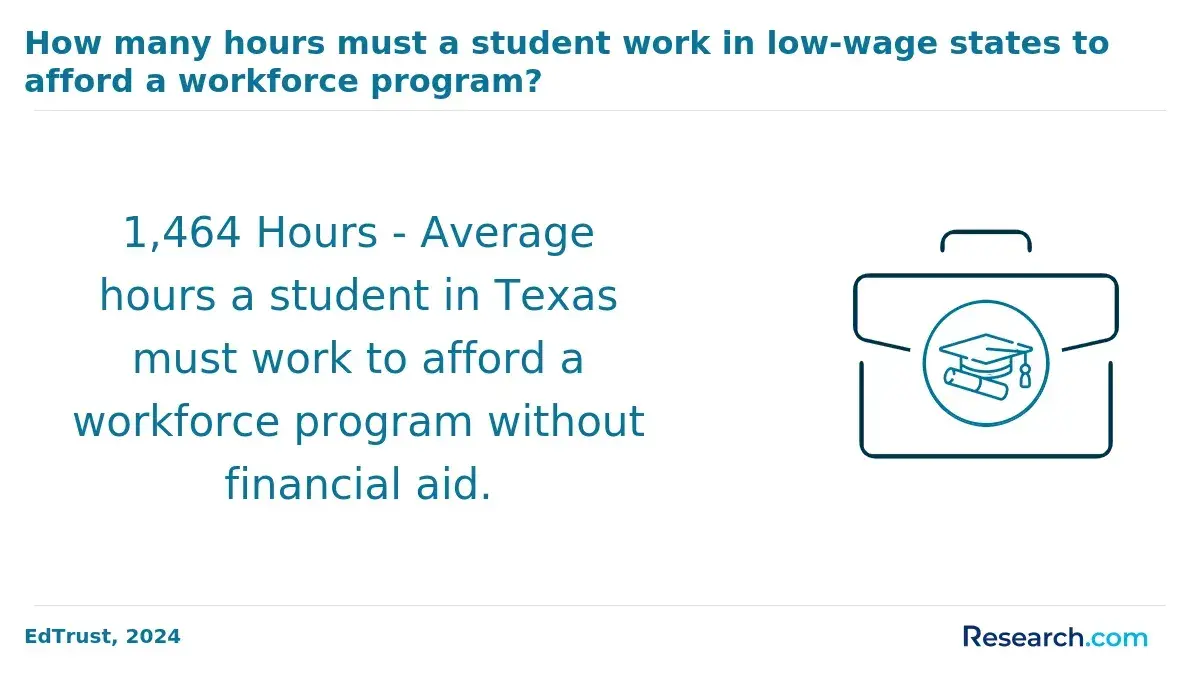
Which Scholarships Help Reduce the Cost of an Online Human Services Doctorate?
Scholarships for online human services doctorate students often come from universities, professional associations, foundations, state workforce initiatives, and mission-driven organizations. The strongest applications usually connect the doctorate to a clear service goal, such as behavioral health access, nonprofit leadership, child and family services, aging services, disability advocacy, addiction services, or community program evaluation.
The table below shows scholarship categories that are most relevant to human services doctoral students and what to verify before applying.
| Scholarship source | Common eligibility focus | What to verify | Why it can be valuable |
| University doctoral scholarships | Academic merit, leadership, service, professional experience, or financial need | Whether online students and part-time students qualify | Funds may be applied directly to tuition and renewed if requirements are met |
| Social work and human services foundations | Practice area, research interest, community impact, or service to underserved groups | Whether a DSW, PhD, or related doctorate is eligible | Can align closely with dissertation or capstone topics |
| Counseling and behavioral health fellowships | Mental health workforce, addictions, trauma, rural health, or culturally responsive care | Whether the program meets field-specific credential expectations | Useful for students whose human services work overlaps with behavioral health |
| State and local workforce awards | Public service, agency employment, shortage areas, or community leadership | Residency, employment, or service obligations | May support students planning to remain in state or public-sector roles |
| Dissertation and research grants | Specific research topic, population, method, or social issue | Allowable expenses and timing of the award | Can reduce late-program costs when students are no longer taking standard courses |
Scholarship searches work best when they are targeted rather than broad. Instead of searching only for "human services doctorate scholarships," also search by population served, practice area, research method, professional association, and employer sector.
Use this practical application order to avoid missing funds with early deadlines:
- Ask each admissions office for a list of doctoral awards available to online and part-time students.
- Search professional organizations connected to your specialization, such as social work, public administration, behavioral health, gerontology, child welfare, disability services, or nonprofit leadership.
- Look for dissertation funding once your topic is defined, especially if your research involves community outcomes or underserved populations.
- Track renewal rules, GPA requirements, enrollment minimums, and service obligations before accepting an award.
How Can Employer Tuition Assistance Help Pay for an Online Human Services Doctorate?
Employer tuition assistance can be one of the most powerful funding sources for an online human services doctorate because many doctoral students are already employed in agencies, nonprofits, healthcare systems, schools, government offices, or community organizations. The best candidates are usually employees who can show that the degree will improve leadership capacity, compliance knowledge, program quality, grant management, workforce development, or client outcomes.
Under current federal tax rules, up to $5,250 in qualifying employer-provided education assistance may be excluded from taxable income. That does not mean every employer offers the full amount, but it gives working students a useful benchmark when comparing workplace benefits.
Before relying on employer tuition support, review the policy carefully. The most important terms are not always the reimbursement amount; repayment clauses and course approval rules can determine whether the benefit is truly affordable.
- Annual cap: Confirm the maximum amount per calendar year and whether doctoral courses are covered.
- Payment method: Determine whether the employer prepays tuition, reimburses after grades post, or pays only after course completion.
- Grade requirement: Check whether a minimum grade is needed to receive reimbursement.
- Service obligation: Ask whether you must remain employed for a set period after receiving funds.
- Program approval: Get written confirmation that your chosen online doctorate qualifies before enrolling.
- Tax treatment: Ask payroll or HR how benefits above the federal exclusion may be handled.
Employer support makes the most sense when your job is stable, the degree aligns with your role, and you are comfortable with any post-completion service requirement. It is riskier if you expect to change employers soon, work in a grant-funded position, or would have to repay benefits if you leave.
How Do Assistantships, Fellowships, and Research Funding Work for Online Human Services Doctorate Students?
Assistantships, fellowships, and research funding can lower the cost of a doctorate, but they are less predictable for fully online human services students than for campus-based PhD students. Online professional doctorates often serve working adults, so schools may offer smaller scholarships instead of traditional teaching or research assistantships.
The table below explains how these funding options differ and when they are realistic for online doctoral students.
| Funding option | How it usually works | Online student access | Best use case |
| Teaching assistantship | Student supports courses, grading, labs, or instruction in exchange for pay or tuition help | Limited, but possible in some online departments | Students seeking college teaching experience |
| Research assistantship | Student works on faculty research, evaluation, grant reporting, or data projects | Varies by faculty funding and remote-work policies | Students interested in research, policy, analytics, or doctoral publishing |
| Doctoral fellowship | Competitive award tied to merit, mission, service, identity, workforce need, or research focus | Often possible if the program and student meet eligibility rules | Students with strong professional achievements or clear community impact goals |
| Dissertation grant | Funds research expenses such as data collection, software, incentives, travel, or transcription | Often accessible once the dissertation is approved | Students with research costs that would otherwise require borrowing |
To improve your chances, contact the program director before applying and ask whether online doctoral students have recently received assistantships, research work, or dissertation awards. If the answer is vague, ask for examples by department rather than relying on general university funding language.
A key red flag is a program that advertises "funding opportunities" but cannot explain whether online, part-time, or professional doctorate students have actually received them. For cost planning, count only guaranteed funding in your first budget and treat competitive awards as a bonus.
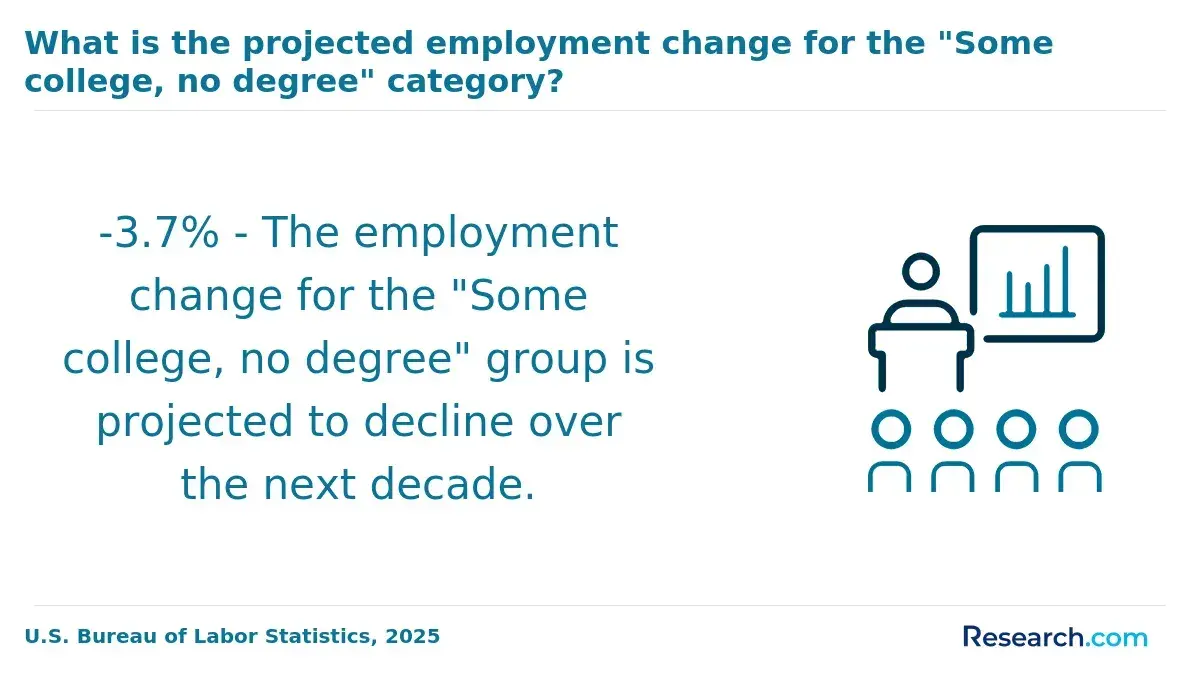
Which Program Features Have the Biggest Impact on the Total Cost of an Online Human Services Doctorate?
The biggest cost differences usually come from program design rather than tuition alone. A program with a lower per-credit rate can become more expensive if it requires more credits, multiple residencies, dissertation extension terms, or repeated enrollment while you wait for committee approval.
The table below highlights the features that most often change the total price of an online human services doctorate.
| Program feature | Why it affects cost | What to ask before enrolling |
| Total required credits | More credits increase tuition even when the per-credit rate looks affordable | How many credits are required after transfer or advanced standing review? |
| Dissertation or capstone structure | Extended research enrollment can add terms beyond the advertised timeline | What is the average time to complete the dissertation or capstone? |
| Residency requirements | Travel, lodging, meals, and time off work add indirect costs | Are residencies required, optional, virtual, or included in tuition? |
| Transfer credit policy | Accepted graduate credits can reduce tuition and time | What is the maximum transfer allowance and how are credits evaluated? |
| Enrollment pace | Part-time enrollment may preserve income, while full-time enrollment may reduce total terms | Are there flat-rate, cohort, or per-term charges that change the best pace? |
| Accreditation and licensure alignment | Misalignment can reduce career value and may require additional education later | Does the degree meet expectations for my target role, state, or employer? |
Students who are still finishing earlier credentials should also consider how transfer-friendly pathways affect long-term cost. For example, an accelerated human services degree online may reduce time to the bachelor's level, but doctoral savings usually depend on graduate transfer credit, employer funding, and dissertation efficiency.
One common mistake is choosing the shortest advertised program without asking how many students finish on that timeline. A short curriculum is helpful only if advising, research design support, and committee availability keep students moving.
How Can Students Reduce Borrowing While Earning an Online Human Services Doctorate?
Reducing borrowing starts before enrollment. The goal is to build a funding stack: free aid first, employer benefits next, payment plans if manageable, and loans only for the remaining gap.
Use the following steps to lower debt while staying realistic about time, work, and family responsibilities:
- Request a full cost-of-attendance estimate from each school, including tuition, fees, residencies, books, technology, and dissertation enrollment.
- Ask for a net price estimate after institutional grants, transfer credits, partnership discounts, and employer reimbursement.
- Apply for scholarships even if awards seem competitive; doctoral awards often have smaller applicant pools than broad undergraduate scholarships.
- Schedule courses around employer reimbursement cycles so you do not have to borrow while waiting for repayment.
- Choose a dissertation or capstone topic that is meaningful but feasible with available data, faculty expertise, and employer access.
- Borrow only what you need for the term rather than automatically accepting the full loan amount offered.
- Recheck your financial aid renewal rules every year, especially minimum enrollment, GPA, satisfactory academic progress, and maximum timeframe requirements.
Part-time enrollment can reduce borrowing if it lets you keep income and use annual employer benefits over several years. Full-time enrollment can be cheaper when it shortens fee-paying terms and helps you finish before tuition increases. The better choice depends on your income stability, benefit caps, family obligations, and the program's tuition model.
The main red flag is borrowing for living costs without a clear completion plan. If your program requires a dissertation, ask what happens financially if you need extra terms, because continuation charges can turn a manageable budget into a long-term debt burden.
Does Paying Less for an Online Human Services Doctorate Affect Career Outcomes?
Paying less does not automatically weaken career outcomes, but choosing solely on price can. Employers usually care about the relevance of the doctorate, institutional credibility, leadership experience, research or evaluation skills, and whether the degree aligns with the role. In licensure-sensitive fields, the earlier master's degree and state credential often matter more than the doctorate itself.
Human services doctorate graduates may pursue leadership or advanced roles in nonprofit administration, social services agencies, behavioral health organizations, higher education, public policy, program evaluation, grant administration, advocacy, and community development. The BLS May 2024 median wage of $78,240 for social and community service managers is useful context, but salaries vary widely by employer, geography, funding source, and job level.
If your target role is clinical social work, therapy, or independent practice, confirm the required degree and license in your state before assuming a human services doctorate will help. Many clinical pathways depend first on an MSW and supervised licensure; students comparing that route may want to review best online MSW programs before committing to a doctorate.
A lower-cost doctorate can offer strong ROI when it helps you move into a leadership, teaching, research, consulting, or policy role without excessive debt. A higher-cost program may be worth considering only if it provides stronger faculty fit, better funding, relevant accreditation, employer recognition, or a network that clearly supports your goals.
Which Online Human Services Doctorate Programs Offer the Best Combination of Cost, Financial Aid, and Flexibility?
The best combination of cost, aid, and flexibility depends on your starting point. A licensed social worker, a nonprofit director, a behavioral health administrator, and a community college instructor may all need different doctoral structures even if they search for "online human services doctorate."
The table below matches common student profiles with the program features that usually create the strongest value.
| Student profile | Best-value program direction | Financial aid priority | Flexibility priority |
| Working human services manager | Applied PhD, DSW, or leadership doctorate with program evaluation and administration coursework | Employer tuition assistance plus institutional grants | Asynchronous courses and limited residency requirements |
| Licensed social worker seeking advanced practice leadership | Online DSW or social work doctorate aligned with practice, policy, supervision, or teaching goals | School scholarships and professional association awards | Part-time pathway that supports continued practice |
| Future faculty member or researcher | Research-oriented PhD with strong methodology and dissertation mentoring | Assistantships, fellowships, and research funding | Faculty access and structured research milestones |
| Nonprofit or public-sector executive | Doctorate emphasizing leadership, grants, policy, ethics, data use, and organizational change | Employer support, public-service scholarships, and tuition discounts | Cohort model with predictable scheduling |
| Career changer from a related field | Program accepting related master's preparation with bridge support in human services systems | Institutional aid and careful loan limits | Advising that clarifies gaps before dissertation work |
The strongest overall value usually comes from programs that combine moderate tuition, low residency costs, credible faculty, clear completion support, and aid that applies to online students. Do not assume a private nonprofit program is unaffordable or that a public program is automatically cheaper after fees, travel, and aid are included.
If you are comparing social work-specific and interdisciplinary human services doctorates, review curriculum outcomes carefully. The best program is the one that supports your actual next role, not just the one with the lowest published tuition.
How Should Students Compare Low-Cost Online Human Services Doctorate Programs?
Students should compare low-cost online human services doctorate programs with a written decision matrix rather than a simple tuition list. The right comparison includes affordability, academic quality, career alignment, funding access, and completion risk.
Use these questions when speaking with admissions, financial aid, program directors, and current students:
- Total cost: What is the estimated total cost from enrollment through dissertation or capstone completion?
- Fees: Which fees are mandatory for online students, and which are charged during dissertation or continuation terms?
- Funding: Which scholarships, grants, fellowships, or assistantships are available specifically to online doctoral students?
- Employer fit: Will the school provide documentation needed for tuition reimbursement or employer approval?
- Transfer credit: How many graduate credits can be transferred, and how often are transfer requests approved?
- Completion support: What dissertation milestones, writing support, statistics help, and faculty advising structures are built into the program?
- Outcomes: What roles do graduates pursue, and how does the program track doctoral student completion?
- Credential alignment: Does the degree support your target role, licensure needs, promotion criteria, or faculty career goals?
Also compare your broader education pathway. Students who are still at the undergraduate planning stage may want to examine related foundations such as the best online bachelors in sociology programs, because early choices can affect graduate readiness, transfer options, and long-term debt.
The final decision should answer one practical question: after scholarships, grants, employer support, and realistic completion timing, is the doctorate likely to help you reach a specific professional goal at a debt level you can manage? If the answer is unclear, ask for more program data or consider delaying enrollment until your funding plan is stronger.
Other Things You Should Know About Human Services
No. A human services doctorate is usually interdisciplinary and may focus on leadership, policy, program evaluation, community systems, or administration. A social work doctorate, such as a DSW or PhD in Social Work, is more directly tied to the social work profession.
Some do, and some do not. Many fully online programs still require virtual intensives, short residencies, dissertation defenses, or applied project presentations, so students should verify travel requirements before enrolling.
Usually not by itself. Licensure depends on the profession and state rules. For clinical social work, counseling, psychology, or therapy roles, the required accredited master's or doctoral pathway and supervised hours must be verified with the state licensing board.
Many students finish in about three to six years, depending on transfer credits, enrollment pace, dissertation progress, and work obligations. The dissertation or capstone stage is often the biggest factor in whether the program takes longer than expected.
References
- PhD Scholarships: Explore Your Online Education Aid Options https://www.oedb.org/phd-scholarship/
- Social Work Scholarships https://socialworklicensemap.com/social-work-resources/social-work-scholarships/
- Tuition Reimbursement Programs [A Guide for HR and Employers] https://compt.io/blog/employee-tuition-reimbursement/
- Apply to a Doctoral Program at CEU https://www.ceu.edu/admissions/doctoral
- Cost and Value https://gradsense.org/cost-and-value/
- 25 Scholarships For Social Work Students | Psychology.org https://www.psychology.org/resources/social-work-scholarships/
- How to Pay for a Ph.D in 2026 - ELFI https://www.elfi.com/how-to-pay-for-a-ph-d/
- Online Resources & Scholarships for Human Services Students https://www.edumed.org/financial-aid/scholarships/human-services-degrees/
- Scholarships for Doctor of Education (EdD) Students | Teach.com https://teach.com/online-ed/education-degrees/online-edd-programs/scholarships/
- Tuition Assistance – What Students Want and What Institutions Can Do https://www.encoura.org/resources/wake-up-call/tuition-assistance-what-students-want-and-what-institutions-can-do/