2027 Low-Cost Online Healthcare Informatics Doctorate Programs with Financial Aid: Scholarships, Grants, and Employer Tuition Support

Co-Founder and Chief Data Scientist
An online healthcare informatics doctorate can advance work in clinical data, EHR strategy, analytics, privacy, and digital health leadership, but the true cost varies widely. The decision matters because federal graduate loan rates for 2025-2026 are 7.94% for Direct Unsubsidized Loans and 8.94% for Grad PLUS Loans, making every grant, scholarship, and employer benefit more valuable. This guide is for working clinicians, health IT professionals, HIM leaders, and analysts comparing affordable doctoral options. It explains how to evaluate total cost, funding, flexibility, and career value before committing.
Key Things You Should Know
- Low-cost online healthcare informatics doctorates are usually found in public universities, applied professional doctorates, and programs that allow part-time enrollment without excessive per-term fees.
- Federal graduate borrowing is expensive in the current rate environment: 2025-2026 Direct Unsubsidized Loans carry a 7.94% fixed rate, while Grad PLUS Loans carry an 8.94% fixed rate.
- The strongest value usually comes from combining moderate tuition with renewable aid, employer tuition support, dissertation efficiency, and career alignment with roles such as health informatics director, clinical systems leader, data governance manager, or health IT executive.
Which Online Healthcare Informatics Doctorate Programs Offer the Lowest Total Cost?
The lowest total cost is not always the program with the lowest per-credit tuition. For doctoral students, total cost depends on required credits, dissertation or capstone fees, residency travel, online fees, whether tuition differs by state residency, and how long the dissertation phase lasts.
Online healthcare informatics doctorates are still relatively niche, so students should compare several related credentials: Doctor of Health Informatics, PhD in Healthcare Informatics, Doctor of Health Science with an informatics focus, and health administration doctorates with strong informatics coursework. The table below shows the program types that most often produce the lowest total cost and the trade-offs to examine before applying.
| Program type | Typical affordability profile | Best fit | Cost caution |
| Public university online or hybrid doctorate in health informatics | Often the strongest low-cost option, especially for in-state students or programs with one online tuition rate | Students who want a recognized university, research access, and a healthcare-specific curriculum | Residency requirements, differential tuition, and dissertation fees can raise the final bill |
| Professional Doctor of Health Informatics or applied informatics doctorate | Can be cost-effective when credits are clearly capped and the program is designed for working adults | Health IT managers, clinical informatics specialists, and HIM leaders seeking applied leadership roles | Confirm whether the final project stage has continuing enrollment charges |
| Online PhD in healthcare informatics or information systems with a health focus | May offer stronger research funding, but online availability is limited | Students pursuing faculty, research, analytics leadership, or policy-focused roles | PhD programs can take longer, and extra time can erase tuition savings |
| Private nonprofit online doctorate with informatics concentration | May be affordable after institutional grants, military benefits, or employer tuition support | Working professionals who need predictable online scheduling and multiple start dates | Sticker price may be higher than public options, so compare net cost after aid |
| For-profit online doctorate with health IT or healthcare administration focus | Sometimes flexible, but total cost and debt risk require careful review | Students who have strong employer funding and need maximum scheduling flexibility | Review accreditation, completion outcomes, fees, and loan repayment implications carefully |
A practical short list should include programs that publish clear tuition, disclose fees, explain dissertation enrollment costs, and allow students to speak with financial aid before admission. If you are still building the academic foundation for doctoral study, an affordable health information management degree online can be a lower-cost step toward informatics leadership.
To identify the lowest total cost, ask each school for a full cost sheet rather than relying on the tuition page. The best comparison includes required credits, per-credit price, mandatory fees, estimated books and software, residency travel, dissertation continuation charges, and expected time to completion.
What Financial Aid Is Available for Online Healthcare Informatics Doctorate Students?
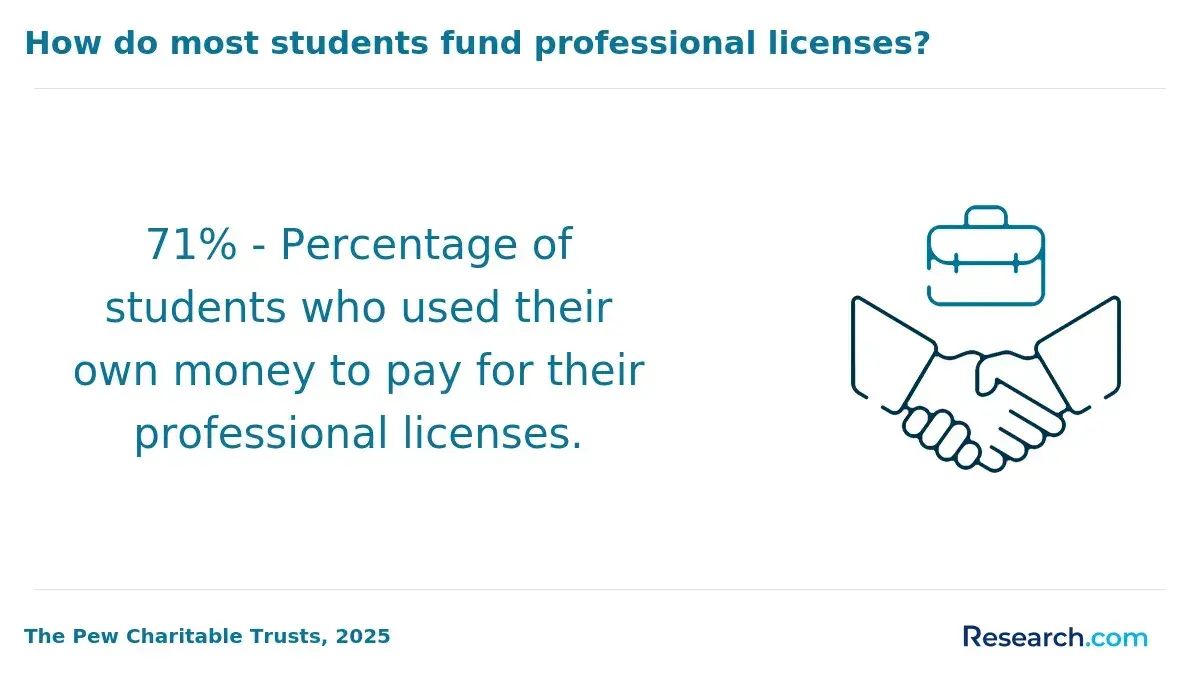
Doctoral students in online healthcare informatics programs may qualify for federal loans, institutional grants, scholarships, employer tuition assistance, military education benefits, and sometimes research funding. The most important distinction is that grants and scholarships do not require repayment, while loans do.
The table below compares the major funding sources by repayment risk and usefulness for working doctoral students. Use it to prioritize free or employer-paid aid before considering graduate loans.
| Funding source | Repayment required? | How it helps | Best use case |
| Institutional doctoral grants | No, unless tied to a service agreement | Reduces tuition directly through the university | Students applying to private or public programs with merit or need-based graduate aid |
| External scholarships | No | Offsets tuition, fees, books, or research expenses | Students in HIM, nursing informatics, public health informatics, analytics, or health IT |
| Employer tuition assistance | Usually no, but repayment may apply if the employee leaves | Can pay a fixed annual amount or reimburse completed courses | Working professionals whose doctorate supports their current role or promotion path |
| Federal Direct Unsubsidized Loan | Yes | Provides graduate borrowing without a credit check | Students who have exhausted grants, scholarships, and employer aid |
| Federal Grad PLUS Loan | Yes | Covers remaining cost of attendance after other aid | Students with unavoidable gaps after lower-cost funding is used |
| Assistantship or fellowship | Usually no, but work or research duties may be required | May provide tuition support, stipend support, or research funding | Research-oriented students and those able to contribute to faculty projects |
Federal graduate loans can be useful, but they should usually be the last layer of funding. Because graduate interest accrues while students are enrolled, borrowing a little less each term can make a meaningful difference by graduation.
Students should also complete the FAFSA even if they expect employer support. Schools often require FAFSA information to package federal loans, determine need-based institutional aid, or document eligibility for certain emergency grants and school-administered funds.
Which Scholarships Help Reduce the Cost of an Online Healthcare Informatics Doctorate?
Scholarships for online healthcare informatics doctorate students often come from health information management, nursing informatics, public health, analytics, women-in-technology, military, and professional association sources. Doctoral awards may be smaller than full tuition, but even modest recurring awards can reduce borrowing during high-interest years.
The table below groups scholarship opportunities by student profile rather than listing awards that may change annually. This approach helps you search more efficiently and avoid missing awards outside the exact phrase "healthcare informatics doctorate."
| Scholarship category | Who should search here | What committees often look for | Common documentation |
| Health information management scholarships | RHIA, RHIT, HIM managers, data quality professionals, compliance specialists | Leadership in records governance, coding quality, privacy, revenue cycle, or information integrity | Transcript, résumé, personal statement, professional goals |
| Nursing informatics scholarships | RNs, nurse informaticists, clinical systems educators, EHR optimization leaders | Clinical technology impact, patient safety work, workflow redesign, informatics certification goals | License documentation, recommendation letters, project description |
| Public health and population health informatics awards | Students focused on surveillance systems, interoperability, analytics, and community health data | Public health impact, underserved population focus, data ethics, health equity | Research proposal, statement of purpose, faculty support |
| Technology and analytics scholarships | Students working in health data science, AI governance, cybersecurity, interoperability, or cloud systems | Technical promise, leadership, innovation, and responsible use of health data | Portfolio, project summary, résumé, essay |
| Employer or foundation scholarships | Employees of hospitals, insurers, government agencies, vendors, and health systems | Workforce development need and alignment with organizational goals | Manager approval, degree plan, employment verification |
For healthcare informatics students with a HIM background, scholarship essays are stronger when they connect data quality to patient care, compliance, analytics, and operational performance. Students comparing doctoral paths may also benefit from reviewing best online CAHIIM accredited health information management degree programs to understand the accreditation language often used in HIM-related awards.
A common mistake is skipping scholarships because the award looks small. A $1,000 or $2,000 award can still replace loan principal, interest, and potentially Grad PLUS fees, especially if the student applies every year of enrollment.
How Can Employer Tuition Assistance Help Pay for an Online Healthcare Informatics Doctorate?
Employer tuition assistance can be one of the most powerful funding tools for an online healthcare informatics doctorate because many students are already working in hospitals, clinics, insurers, EHR vendors, consulting firms, public health agencies, or revenue cycle organizations. The best employer-funded plan aligns the dissertation or capstone with a real organizational problem.
Before using the benefit, read the policy closely. Employer programs differ in annual caps, reimbursement timing, eligible degrees, grade requirements, tax treatment, and whether you must repay funds if you leave the organization.
- Confirm whether the doctorate is eligible before enrolling, especially if the policy lists only "job-related degrees" or excludes doctoral programs.
- Ask whether reimbursement is paid after grades post, because you may need to cover tuition upfront for one or more terms.
- Check whether the employer requires a minimum grade, continued employment, or manager approval each term.
- Review any clawback period that requires repayment if you resign within a specified time after receiving funds.
- Ask whether dissertation, capstone, technology, residency, and graduation fees are covered or only tuition.
- Coordinate course loads with annual benefit caps so you do not take more credits than the employer will fund in a calendar year.
Employer support is usually most valuable for part-time students who can stretch benefits across several years. It may be less helpful for students who need to finish quickly, plan to change employers soon, or work for an organization that reimburses only after course completion.
Professionals should also think beyond tuition. If an employer wants informatics expertise in EHR governance, data quality, AI oversight, or analytics strategy, the doctorate can be positioned as a workforce investment rather than a personal education expense.
How Do Assistantships, Fellowships, and Research Funding Work for Online Healthcare Informatics Doctorate Students?
Assistantships, fellowships, and research funding are less common in fully online professional doctorates than in residential PhD programs, but they are still worth asking about. Some schools support online doctoral students through faculty research projects, teaching support, graduate hourly roles, travel awards, dissertation grants, or professional development funds.
These funding sources are competitive and often tied to the school's research priorities. Students with experience in EHR implementation, interoperability, AI governance, health data privacy, clinical decision support, or outcomes analytics may be especially useful to faculty teams.
| Funding type | Possible benefit | Online student availability | What to ask the program |
| Research assistantship | Tuition support, hourly pay, stipend, or project funding | Varies widely; more common in research-focused programs | Can online doctoral students work remotely on faculty-funded projects? |
| Teaching assistantship | Partial tuition remission or paid instructional work | Possible in some online programs with undergraduate or master's courses | Are online students eligible to grade, mentor, or support virtual courses? |
| Doctoral fellowship | Merit funding, stipend, or tuition reduction | Limited but valuable when available | Are fellowships open to part-time or distance learners? |
| Dissertation or capstone grant | Support for software, data access, transcription, conference travel, or publication costs | Often available through graduate schools or departments | What internal funds support dissertation research expenses? |
| Professional travel award | Conference or presentation cost support | Often available to online and campus students | Can students receive funding for AMIA, HIMSS, AHIMA, or public health informatics presentations? |
The best time to ask about research funding is before admission, not after enrollment. Ask whether online students have received funding in the last two academic years and whether the program can connect you with faculty whose projects match your interests.
Students should also weigh the time cost. A paid assistantship may reduce tuition, but if it delays dissertation progress or forces a reduced work schedule, the net financial benefit may be smaller than it appears.
Which Program Features Have the Biggest Impact on the Total Cost of an Online Healthcare Informatics Doctorate?
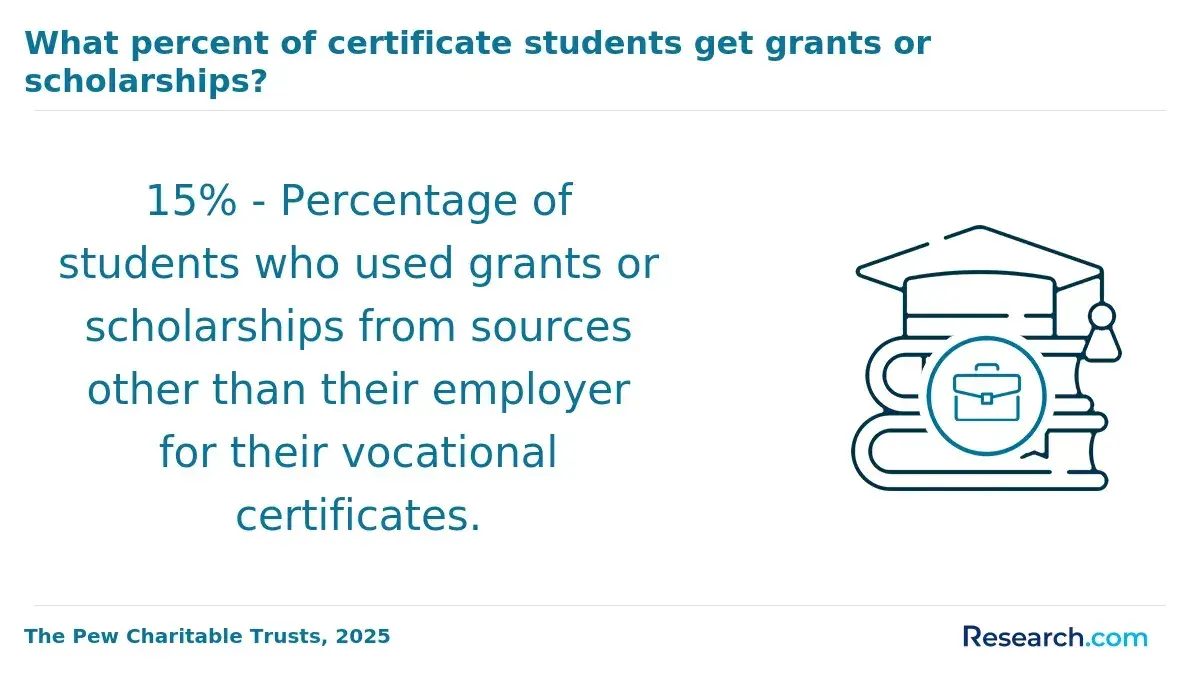
Several program design choices can change the final cost more than the advertised tuition rate. Healthcare informatics doctorates often include advanced analytics, database systems, interoperability, research methods, leadership, privacy, and a dissertation or applied doctoral project, so time management matters as much as course price.
The table below highlights the features most likely to change what students actually pay. It is especially useful when two programs appear similarly priced at first glance.
| Program feature | Why it affects cost | Lower-cost signal | Red flag |
| Total required credits | More credits usually mean more tuition and fees | Clear credit requirement and no unnecessary prerequisites | Program adds leveling courses after admission without clear cost disclosure |
| Dissertation or capstone structure | Extra terms can add thousands in continuation fees | Milestone-based support, early topic development, strong advising | Vague dissertation timeline or high continuous enrollment charges |
| Residency requirements | Travel, lodging, and missed work can raise out-of-pocket cost | Virtual residencies or short, predictable campus sessions | Multiple mandatory trips with limited notice |
| Online and technology fees | Fees can accumulate every term | Published fee schedule and capped technology charges | Separate platform, proctoring, program, and graduation fees not included in estimates |
| Transfer or prior graduate credit | Accepted credits reduce tuition and time | Transparent transfer policy for relevant master's coursework | No transfer review until after deposit |
| Enrollment pace | Part-time study can align with employer benefits, while full-time study may reduce time-based fees | Flexible pacing without penalty | Required course sequences that delay progress if one course is missed |
Accreditation also matters. Institutional accreditation is essential for federal aid eligibility, transfer recognition, and employer acceptance. Programmatic accreditation is less standardized at the doctoral informatics level than in some clinical fields, so students should verify how the credential is viewed by their target employers.
Another red flag is a program that markets "fast completion" without explaining dissertation support. A shorter timeline can save money, but only if advising, data access, methodology training, and committee availability are strong enough to help students finish on schedule.
How Can Students Reduce Borrowing While Earning an Online Healthcare Informatics Doctorate?
The best borrowing strategy is to reduce the amount borrowed before the first term starts. Because graduate loans accrue interest while enrolled, even small reductions in loan principal can lower the long-term cost of the doctorate.
Use the following sequence to control borrowing without weakening your academic plan. The steps are ordered from lowest-risk funding to highest-cost financing.
- Build a full cost estimate that includes tuition, fees, books, software, travel, dissertation continuation, and lost work time.
- Ask each school for institutional aid before accepting admission, including merit grants, alumni discounts, healthcare partner discounts, and doctoral completion grants.
- Apply for external scholarships every year, not just before the first term.
- Use employer tuition assistance strategically by spacing credits across benefit years when that does not delay graduation excessively.
- Request transfer credit evaluation for prior graduate coursework in informatics, HIM, analytics, public health, nursing, or healthcare administration.
- Choose a dissertation or capstone topic that can use accessible data and does not require costly travel, proprietary datasets, or complex approvals.
- Borrow only the amount needed after free aid and employer support are applied, rather than automatically accepting the full loan offer.
- Revisit the budget each term and return unused loan funds when possible.
Students should also compare part-time and full-time enrollment financially, not just academically. Part-time enrollment may make employer funding easier to use, while full-time enrollment may reduce years of fees and help students move into higher-level roles sooner.
A major mistake is treating the school's cost of attendance as a spending target. It is a borrowing ceiling, not a recommendation. If you can reduce living expenses, use employer support, or pay some costs out of pocket, you may be able to borrow less than the maximum offered.
Does Paying Less for an Online Healthcare Informatics Doctorate Affect Career Outcomes?
Paying less does not automatically reduce career value, but choosing a weak program can. Employers usually care more about relevant skills, accreditation, applied projects, leadership experience, and evidence that the student can solve healthcare data problems than about whether the program had the highest tuition.
The labor market context is favorable for professionals who combine healthcare operations with data, systems, and leadership. The U.S. Bureau of Labor Statistics reports a 2024 median pay of $117,960 for medical and health services managers, which is relevant because many informatics doctorate students pursue management or executive roles rather than entry-level technical positions.
However, salary outcomes vary by role, geography, employer type, prior experience, and whether the doctorate leads to expanded responsibility. A doctorate may be more financially defensible for students already in health IT, analytics, nursing informatics, HIM leadership, informatics consulting, or digital health management than for students using it to enter the field from scratch.
Return on investment is strongest when the program supports a specific career move. For example, a student targeting health data governance leadership should look for coursework in privacy, interoperability, quality reporting, analytics strategy, and regulatory compliance. Students comparing career pathways can use health information management salary information to benchmark how doctoral study fits into broader HIM leadership progression.
Lower-cost programs can produce strong outcomes when they offer credible faculty, applied informatics projects, research methods training, career-relevant electives, and networking opportunities. Higher-cost programs may be worth considering only when the additional price is offset by better funding, stronger faculty alignment, employer recognition, or a format that helps the student finish faster.
Which Online Healthcare Informatics Doctorate Programs Offer the Best Combination of Cost, Financial Aid, and Flexibility?
The best combination of cost, aid, and flexibility depends on the student's current job, target role, funding access, and ability to complete doctoral research while working. A low sticker price is attractive, but a program with stronger employer compatibility or dissertation support may cost less in the end.
The table below summarizes which program profile is usually the best value for different student situations. Use it as a decision guide before creating your final school list.
| Student situation | Best-value program profile | Why it may work | When to avoid it |
| Working health IT or HIM manager with employer tuition assistance | Part-time online professional doctorate with predictable course sequencing | Allows employer benefits to cover multiple years while the student stays employed | Avoid if reimbursement delays create cash-flow problems |
| Research-focused student seeking faculty or policy roles | Online or hybrid PhD with faculty research alignment and possible assistantship access | May offer stronger research credibility and funding opportunities | Avoid if online students are excluded from research support |
| Clinician moving into informatics leadership | Applied doctorate with clinical informatics, workflow, analytics, and leadership coursework | Connects clinical experience to systems improvement and technology adoption | Avoid if the curriculum is mostly generic healthcare administration |
| Student with prior graduate credits | Program with generous, transparent transfer credit policy | Can reduce required credits and shorten time to completion | Avoid if transfer decisions occur only after enrollment deposit |
| Student paying mostly out of pocket | Public university or lower-credit doctorate with minimal fees and strong advising | Reduces debt exposure and limits hidden costs | Avoid if dissertation continuation fees are high or unclear |
| Career changer from coding, revenue cycle, or records operations | Doctorate only after completing prerequisite informatics, analytics, or HIM preparation | Builds the foundation needed for doctoral-level work | Avoid starting a doctorate before confirming the degree will improve realistic job prospects |
Students moving from coding or revenue cycle into informatics should be especially careful about degree level. Reviewing medical coding salary context can help determine whether a doctorate is the right next step or whether a master's degree, certification, analytics certificate, or employer-sponsored training would be more cost-effective first.
The strongest overall value usually comes from a program that meets four conditions: institutionally accredited, transparent about total costs, flexible enough for continued employment, and closely aligned with the student's desired informatics role.
How Should Students Compare Low-Cost Online Healthcare Informatics Doctorate Programs?
Students should compare low-cost online healthcare informatics doctorate programs with a net-cost and career-fit framework. The goal is not simply to find the cheapest program; it is to find the least expensive credible program that can support the career outcome you actually want.
Use these questions when speaking with admissions, financial aid, faculty, and current students. They are designed to uncover costs and quality factors that are not always visible on program pages.
- What is the total estimated tuition and mandatory fee cost from enrollment through dissertation or capstone completion?
- Are online students charged the same tuition regardless of state residency?
- How many credits can be transferred from a relevant master's degree?
- What fees apply during dissertation, capstone, continuation, or final project enrollment?
- Are online doctoral students eligible for scholarships, grants, assistantships, fellowships, or research funds?
- How many in-person residencies are required, and what are the typical travel costs?
- What is the typical time to completion for working part-time students?
- How are dissertation chairs assigned, and how often do students meet with advisors?
- What healthcare informatics tools, datasets, software platforms, or EHR-related learning experiences are included?
- Which employers, roles, or professional settings do recent students commonly come from or move into?
After collecting answers, compare each program using the same categories: net tuition after aid, fees, funding renewal rules, transfer credit, schedule fit, accreditation, faculty expertise, dissertation support, and relevance to your target role. If a school cannot clearly explain total cost and completion expectations, treat that as a financial red flag.
The best final choice should leave you with a manageable financing plan, a realistic graduation timeline, and a clear reason the doctorate is necessary for your next career step.
Other Things You Should Know About Healthcare Informatics
No. Health information management focuses heavily on health records, coding, compliance, privacy, data integrity, and information governance. Healthcare informatics is broader and often emphasizes technology systems, clinical workflows, analytics, interoperability, decision support, and digital health strategy. The fields overlap, especially in leadership roles.
Usually not, but requirements vary. Some programs are designed for clinicians, while others accept applicants from health IT, HIM, analytics, public health, administration, computer science, or related fields. Applicants should check whether the program requires a master's degree, professional experience, statistics coursework, or healthcare background.
It can, especially for adjunct, teaching-focused, or applied faculty roles, but research universities may prefer a PhD and a strong publication record. Students interested in academia should choose a program with research methods depth, faculty mentorship, conference opportunities, and dissertation support.
Useful preparation includes statistics, research methods, healthcare data standards, database concepts, privacy and security, EHR workflows, project management, and healthcare operations. Students without recent analytics or research experience may benefit from a graduate certificate or targeted refresher course before enrolling.
References
- Best Online Ph.D. and Doctoral Programs | OEDb https://www.oedb.org/rankings/online-phd-programs/
- Education assistance https://www.lambenefits.com/work-life/educational-assistance
- Medical Informatics https://www.fastweb.com/directory/scholarships-for-medical-informatics-majors
- How to Pay for a Ph.D in 2026 - ELFI https://www.elfi.com/how-to-pay-for-a-ph-d/
- Tuition Reimbursement for MHA Programs https://www.mhaonline.com/blog/mha-tuition-reimbursement
- Getting Your Employer to Pay for Your Online Masters https://www.onlinemastersdegrees.org/financial-aid/employer-tuition-assistance/
- 2025 Most Affordable Online Healthcare Informatics Degrees https://www.onlineu.com/most-affordable-colleges/healthcare-informatics-degrees
- Health Informatics Programs Offered by Accredited Universities https://www.usfhealthonline.com/resources/career/usf-among-accredited-universities-offering-online-health-informatics-programs/
- Tuition Reimbursement Programs [A Guide for HR and Employers] https://compt.io/blog/employee-tuition-reimbursement/
- Educational Funding https://phdproject.org/educational-funding/