Is an Online MBA in Human Resources Worth It for Military Veterans?

Co-Founder and Chief Data Scientist
Military leadership experience can translate into civilian people-management work, but an online MBA in human resources is a substantial investment, not an automatic route into HR leadership. For veterans weighing a promotion or career change, the decision depends on what they have already done, what employers require, and what the degree will cost after benefits.
This guide explains where an HR-focused MBA adds value, where it may fall short, and how to compare programs and alternatives before committing.
Key Things You Should Know
- An online HR MBA is most compelling for veterans who can pair military leadership experience with a realistic path to civilian management and who need broader business skills alongside HR knowledge.
- GI Bill coverage, Yellow Ribbon funding, and online housing payments depend on individual eligibility and program details; compare your estimated out-of-pocket cost, not advertised tuition alone.
- The Bureau of Labor Statistics reports a $126,520 median annual wage for all management occupations in May 2025. That is not an HR MBA graduate salary or evidence that the degree will produce a raise.
Is an online MBA in human resources worth it for military veterans?
It can be worth it when the MBA closes a specific gap between military leadership and a civilian management role. An HR concentration adds people-focused study to the MBA's broader training in finance, operations, and strategy.
That combination may help a veteran who has supervised teams, managed staffing or training, or led organizational change, and now wants to manage those responsibilities in a civilian employer.
Its value is less certain for someone seeking a first HR job with little direct experience in recruiting, employee relations, compensation, or employment compliance. Military leadership is valuable, but civilian employers may still want evidence of HR-specific practice. A concentration cannot replace that experience, and an online MBA's career services may not provide the same recruiting access as a campus-based program.
The best qualification depends on the job you want next. These options address different gaps rather than forming a simple hierarchy.
| Option | Potentially strongest fit | Main limitation |
| HR-focused MBA | Experienced leader seeking broader business responsibility alongside people management | Higher time and cost commitment than targeted HR training |
| Specialized master's in HR | Career changer seeking deeper, more concentrated HR study | Usually less emphasis on general business management |
| HR certification or targeted coursework | Veteran who needs to demonstrate a particular HR skill or credential | May not develop the broader management perspective of a degree |
Before applying, identify a target role and examine actual job postings in your preferred location. Note which duties you can already demonstrate, which require new HR experience, and whether the MBA is requested, preferred, or absent. If your main gap is hands-on HR practice, a role with relevant responsibilities plus targeted training may offer a better first return.
What career opportunities can an online MBA in human resources provide?
Veterans may find the most credible transition where their service record shows relevant work, not just a leadership title. Supervising personnel, resolving workplace issues, planning training, or improving staffing processes can support applications for HR generalist, talent development, recruiting operations, or people-operations roles. An MBA may become more useful for HR manager or broader operations leadership positions after the veteran builds civilian functional experience.
Translate military accomplishments into employer language. For example, explain the scale of a training program, the staffing problem you addressed, and the outcome, while avoiding acronyms a civilian hiring manager may not recognize. Identify gaps in employment law, civilian compensation practices, HR information systems, and employee relations; these vary by role and cannot be assumed from command experience.
Industry choice matters, too. A veteran interested in managing a hospital workforce should investigate healthcare-specific operating and regulatory expectations, not just general HR coursework.
Comparing online MBA programs for healthcare professionals may help determine whether healthcare management or an HR concentration better fits that goal. In either case, ask whether online students can access relevant alumni, employer contacts, and career coaching.
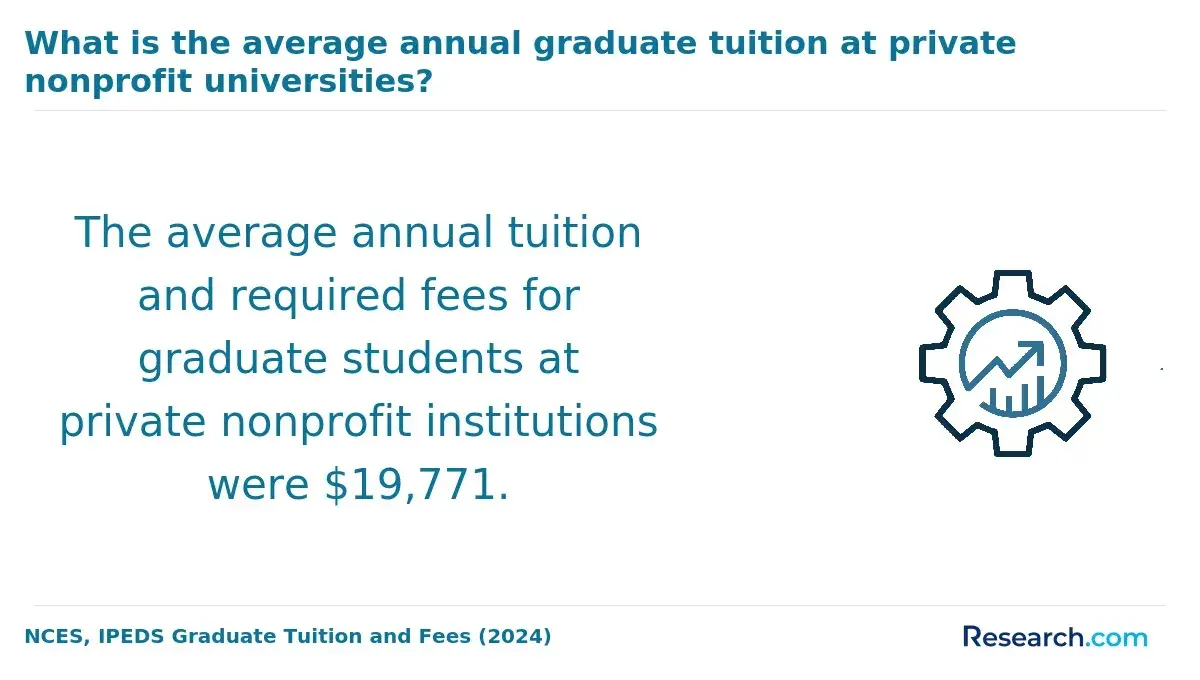
How much does an online human resources MBA cost after veterans' benefits?
There is no single veteran price. Your cost depends on school charges, the benefit you qualify for, how much entitlement remains, enrollment intensity, and whether the program is approved for VA benefits. Get a school-specific estimate from its certifying official before treating a benefit as confirmed funding.
The following cost components show why a tuition quote is not the same as the amount you may ultimately pay. Request each figure for the online HR MBA, not for the university in general.
| Cost component | What to verify |
| Tuition and mandatory fees | Total required credits, per-credit or term pricing, program fees, and which charges your benefit covers |
| Books, technology, and travel | Required materials, software, and any campus visit or residency |
| Living expenses | Whether you qualify for a housing allowance and how online-only study and enrollment level affect it |
| Financing and time | Potential borrowing costs and income or work hours you would give up |
Under the Post-9/11 GI Bill, tuition payments and any housing allowance are governed by separate rules. Online-only study has different housing-allowance treatment from qualifying in-person study; neither payment should be assumed without checking your eligibility.
Yellow Ribbon support may help eligible students with otherwise uncovered tuition at participating schools, but participation and funding terms vary. Veterans who may qualify for Veteran Readiness and Employment should discuss program approval and the appropriate benefit path with a counselor.
For a practical comparison, calculate total school charges plus required expenses minus confirmed benefits and employer assistance. Then compare that remainder with your likely career gain, rather than assuming the degree pays for itself.
Veterans facing a sizable balance can examine online MBA programs under $30,000, while verifying that any shortlisted school actually offers suitable HR coursework and accepts the relevant VA benefit.
Start with the institution's recognized institutional accreditation and confirm that the specific online program is eligible for the VA benefit you intend to use. These are different checks: accreditation concerns educational oversight, while VA approval determines whether a particular program can be paid for under applicable benefit rules.
Then examine whether the business school holds specialized accreditation, such as AACSB, ACBSP, or IACBE. Specialized business accreditation can be a useful quality signal, but it does not establish that the school offers a formal HR concentration, that the concentration is available online, or that a veteran's costs will be covered. Compare the actual curriculum and support services alongside accreditation.
If AACSB accreditation is one of your selection criteria, a comparison of low-cost online MBA programs can be a starting point for financial planning. Confirm each school's current accreditation status, HR option, and VA program approval directly before applying.
An online MBA can let a veteran remain employed or avoid relocating, but delivery format does not establish scheduling flexibility. Live classes, group projects, fixed course sequences, and required visits may still conflict with work or family responsibilities. Ask for a current course schedule and any residency requirements before enrolling.
A campus program may make it easier to attend employer events, build relationships in person, or pursue an internship during a career change. Those opportunities vary by school; online students should ask which recruiting events, coaching appointments, projects, and alumni activities they can actually use. Conversely, an online cohort may be well suited to a veteran who already has an employer and wants to apply coursework immediately.
Format also changes the financial comparison. For an eligible Post-9/11 GI Bill student, online-only and qualifying in-person enrollment can result in different housing allowances. Consider that difference alongside tuition, travel, relocation, foregone earnings, and the value of each program's career access, not as a reason to choose a format in isolation.
The MBA core usually covers management decisions across accounting, finance, operations, strategy, and organizational behavior. An HR concentration, where formally offered, adds courses or electives that may address talent management, workforce planning, employee relations, compensation, or organizational change. Schools determine their own requirements, so an HR elective alone does not necessarily make a degree an MBA in human resources.
For veterans, the distinction matters because the most useful courses depend on the intended transition. A former training leader may gain more from compensation and employment-law exposure than another general leadership class; someone moving toward executive responsibility may place greater value on finance and strategy. Review course descriptions, required electives, and applied projects rather than relying on the concentration name.
Applicants without a business background should also check for foundation requirements or support in accounting and quantitative subjects. Policies differ, and a nonbusiness bachelor's degree does not automatically mean prerequisites are required. Comparing online MBA programs with no business prerequisites can help identify questions to ask, but the individual HR program's rules control.
Requirements vary by university. Common application materials include a bachelor's-degree record, résumé, statement of purpose, and recommendations; a school may also request a test score, offer a waiver, or use a test-optional policy. Do not assume military service automatically satisfies a professional-experience requirement or grants a GMAT or GRE waiver.
Use the application to explain your transition in concrete terms: the scope of teams you led, people-related decisions you made, and why the school's HR curriculum addresses a remaining skill gap. A strong account distinguishes leadership experience from direct civilian HR experience rather than treating them as identical.
Veterans earlier in their careers can research online MBA programs without work experience requirements. Check each school's current policy, however, and weigh admission access against career fit: being eligible to enroll does not mean an MBA is the best first step toward an HR job.
Completion time depends on the required credits, course sequence, start dates, and whether you enroll full-time, part-time, or in an accelerated track. A published "fastest completion" figure may assume continuous enrollment and a course load that is difficult to sustain while working. Request a term-by-term plan based on your actual availability.
Ask when HR courses are offered and whether missing one delays later courses. If you expect a job transition, relocation, medical needs, or family-care interruption, check the school's leave and reentry rules. For veterans using VA benefits, also ask the certifying official how a lighter course load or break in enrollment could affect payments and remaining entitlement.
No reliable national salary figure describes what veterans with online HR MBAs will earn. Pay depends on the occupation, location, employer, prior experience, and level of responsibility. The Bureau of Labor Statistics reports a $126,520 median annual wage for management occupations overall in May 2025. That broad figure includes managers outside HR and people without MBAs; it is context for management careers, not a post-degree earnings forecast.
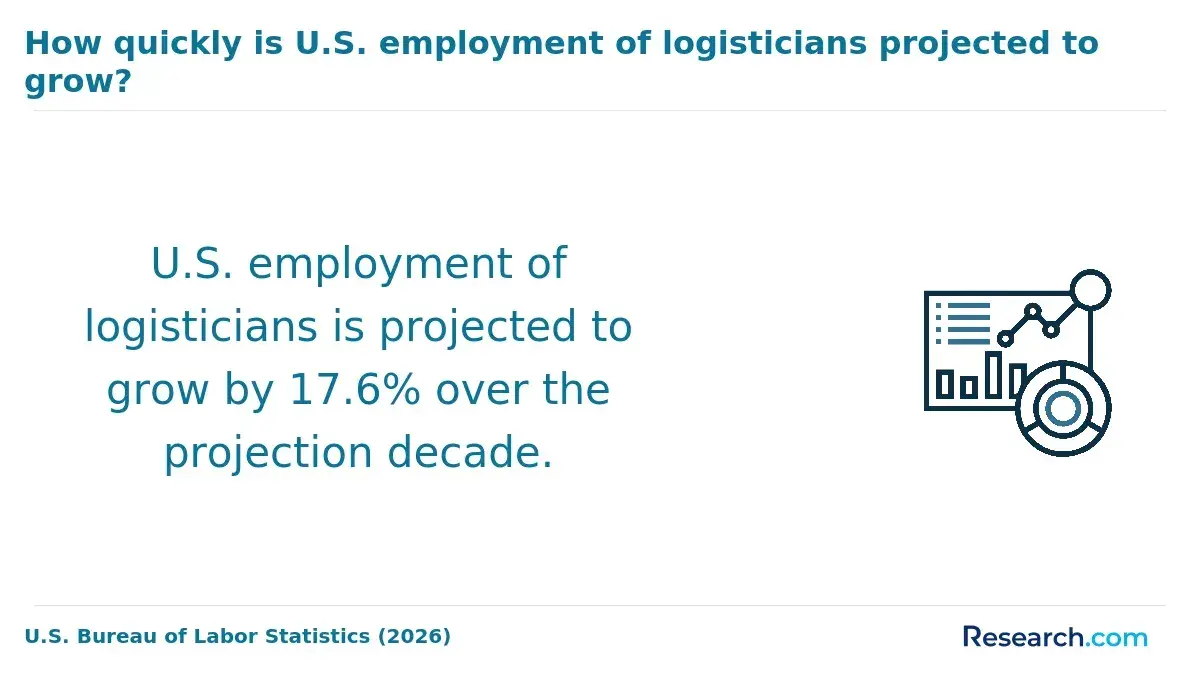
The BLS projects management employment to grow faster than the average for all occupations over its 2025-2035 projection period. That outlook does not mean every HR specialty or local market will grow at the same rate.
For a more useful personal estimate, compare local postings for the roles you can realistically pursue now with postings for roles you could pursue after gaining civilian HR experience.
When assessing payback, compare a plausible change in your earnings with your current compensation and remaining degree cost. Do not count an entire prospective manager's salary as the MBA's return: much of it may reflect experience you already possess or would gain without the degree.
Which HR certifications can MBA graduates pursue after military service?
Common HR credentials include SHRM-CP and SHRM-SCP from SHRM and aPHR, PHR, and SPHR from HRCI. They serve different career stages, and eligibility and exam content are set by the issuing organizations. An MBA concentration does not automatically award a certification or waive its requirements.
Choose a credential by the work you want to do next. A veteran seeking an initial HR role may benefit from demonstrating foundational HR knowledge, while someone with qualifying strategic HR experience may consider a senior-level credential.
Before paying for an exam, check the provider's current eligibility rules, how it treats your specific military duties, and whether employers in your target market request that credential. Certification can strengthen a relevant application, but it cannot substitute for every form of civilian HR experience.
Other Things You Should Know About MBA Programs
Generally, a service member must request a transfer while still eligible to do so in service; separation is not normally the time to initiate one. Check your transfer status and the dependent's eligibility with the appropriate benefit administrators.
Potentially, but payment rules and employer policies affect how the funding is coordinated. Tell the school's VA certifying official about employer assistance and request a written explanation of what you would owe.
That depends on the university's graduate transfer and prior-learning policies. Ask the program to review your military records before assuming training will reduce required MBA coursework.
Disclosure is generally voluntary, but a school will need relevant service and eligibility documentation if you request VA benefits. For employment applications, consider what information supports your qualifications and review any voluntary self-identification request separately.
- What Are Veterans' Job Prospects After They Serve? | Census.gov https://www.census.gov/library/stories/2025/01/veterans-employment-outcomes.html
- Post-9/11 GI Bill (Chapter 33) | Veterans Affairs https://www.va.gov/education/about-gi-bill-benefits/post-9-11/
- MHRM vs MBA: Which Degree is Right for Your Career? | National University https://www.nu.edu/blog/mhrm-vs-mba-which-degree-for-career/
- Military to Civilian Jobs: The Role of HR | Online https://online.uark.edu/blog/military-civilian-jobs-role-hr.php
- Grad Insights: Is an HR MBA Worth It? | wsc.edu https://www.wsc.edu/news/article/1335/grad-insights-is-an-hr-mba-worth-it
- Why HR Professionals Should Consider an MBA | Lamar https://degree.lamar.edu/online-programs/business/mba/management-leadership/hr-professionals-consider-mba/
- Which MBA Program is Right For Me? 4 Things To Consider | Franklin University https://www.franklin.edu/blog/which-mba-program-is-right-for-me
- HRCI vs. SHRM Certification - What's the Difference? | UTSA PaCE https://www.utsa.edu/pace/news/hrci-vs-shrm-certification-what-is-the-difference.html
- Is an MBA in Human Resources Worth It? | devry.edu https://www.devry.edu/online-programs/masters-degrees/mba/human-resources/mba-in-human-resources.html
- Military to Civilian Career Translation Guide | Skills Converter https://www.apsu.edu/human-resources/hiring-veterans/military-to-civilian-translation-guide.php