Is an Online MBA in Finance Worth It for First-Time Managers?

Co-Founder and Chief Data Scientist
Your first management role can expose gaps that were easy to overlook as an individual contributor: defending a budget, explaining financial trade-offs, and guiding a team through difficult decisions. An online MBA in finance may help, but its value depends on the work you want to do next and what the degree will cost you.
This guide is for new managers weighing that investment. It explains where the MBA can strengthen your decisions and career options, where experience matters more, and how to judge whether a program fits your schedule and goals.
Key Things You Should Know
- An online finance MBA is most compelling when you can apply its leadership and financial coursework at work and have a realistic path to broader responsibility; it does not itself secure a promotion.
- Compare the full cost, required live participation, and employer support before enrolling. A shorter finance course may offer better value if your immediate gap is budgeting rather than broader management.
- The $126,520 median annual wage for US management occupations in May 2025 describes a broad occupation group - not the expected salary of a new manager or finance MBA graduate.
Is an online MBA in finance worth it for first-time managers?
Often, but not automatically. An online MBA in finance combines a general management degree with finance-focused study. For a first-time manager, it is most likely to be worthwhile when the next role requires both people leadership and stronger financial judgment - for example, owning a larger budget, evaluating investments, or leading a finance team. It is less compelling if the employer primarily wants a record of managing people that you have not yet had the opportunity to build.
Consider what would change if you finished the degree. If your employer offers tuition assistance, gives managers room to take on financial decisions, and recognizes the MBA in advancement discussions, the investment has a plausible route to paying off. If none of those conditions applies, ask whether you are buying skills you could obtain more directly. The choice depends on the size of the skill gap:
- Choose an MBA if you need broad leadership development alongside finance and expect to use both across multiple roles.
- Choose targeted courses or employer training if your immediate challenge is a specific task, such as forecasting or interpreting financial statements.
- Consider a specialized finance master's if you need deeper finance study but do not need the MBA's broad management core.
Age alone does not decide the return. A professional entering management later in a career can assess the same costs and goals; online MBA programs after 50 offer a related perspective on that decision.
What career benefits can a finance MBA provide to new managers?
The strongest benefit may be better performance in the job you already have. Finance courses can help you evaluate proposals and explain trade-offs; leadership and organizational behavior courses can help you delegate, resolve conflict, and make decisions through other people. Together, those skills matter when a manager must justify resources to executives while keeping a team aligned.
An MBA may also broaden your internal network and make you a more credible candidate for roles with larger budgets or cross-functional responsibility. Those benefits depend on your work record and the program's actual access to classmates, alumni, projects, and career support. Ask your employer which responsibilities and evidence of performance - not just credentials - would make you competitive for the next role.
An executive MBA serves a different career stage: it generally suits people who already have substantial leadership responsibility. If that describes your experience despite a recent management title, compare online executive MBA programs option 2 with a standard online MBA rather than assuming either format is the better fit.
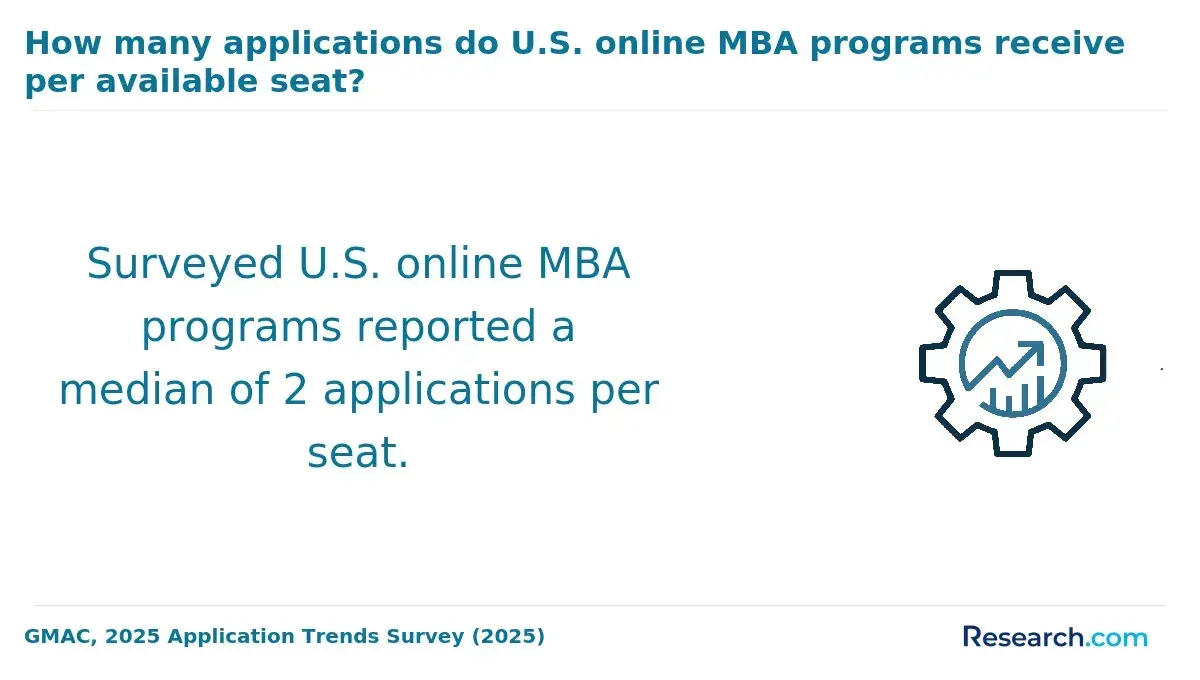
How does an online MBA compare with a campus-based finance MBA?
Both formats can teach the same management and finance concepts, but the experience around the courses may differ. This comparison highlights the differences a working first-time manager should investigate before choosing a format.
| Decision factor | Online MBA | Campus-based MBA |
| Work and location | May allow you to keep your job and apply lessons immediately; live sessions or travel may still be required. | May offer more in-person access but can require commuting, relocation, or time away from work. |
| Relationships | Often relies on planned group work, virtual events, and the effort you put into networking. | Offers more routine face-to-face contact; the value still depends on the cohort and your participation. |
| Career transition | Can suit advancement with a current employer; verify recruiting and career-service access. | May suit a major career change if a particular program offers relevant recruiting or internships. |
"Online" does not necessarily mean "study whenever you want." Request the actual class schedule, group-project expectations, and any residency requirements. If unpredictable shifts are your main constraint, compare self-paced online MBA options, then verify how much control each program gives you over deadlines and course sequence.
An MBA typically has a broad business core - such as managerial accounting, strategy, operations, marketing, and organizational behavior - plus finance-focused courses or electives. Depending on the school, finance study may address corporate finance, valuation, investments, financial markets, or risk. A course titled "finance" can emphasize managerial decisions rather than training for a technical investment role.
For a new manager, inspect the combination of courses. Budgeting is more useful when paired with practice communicating decisions, allocating resources, and leading people affected by those decisions. Check whether the finance concentration is formally designated, how many courses it requires, and whether projects let you apply concepts to realistic business decisions. One finance elective does not by itself make a general MBA a finance MBA.
Requirements vary by school. Applicants commonly need a bachelor's degree and may be asked for a résumé, recommendations, essays, and academic records. Programs differ in their professional-experience expectations and GMAT or GRE policies; some offer waivers or do not require a test. Do not treat a school's preferred applicant profile as a universal MBA requirement.
A new manager can strengthen an application with concrete examples of delegation, budget ownership, or decisions made with incomplete information - even if the management title is recent. A nonbusiness bachelor's degree need not rule you out, but review whether the program requires or recommends preparation in accounting, economics, or quantitative work. An online MBA programs for nonbusiness majors degree guide can help you identify questions to ask about foundation coursework.
Completion time depends on required credits, term schedules, and how many courses you take while working. An accelerated path may reduce calendar time but intensify the weeks when your team needs you most. If speed is important, use an online MBA time-to-degree guide one-year online MBA programs to compare possibilities, then confirm that a specific program's schedule is feasible alongside your job.
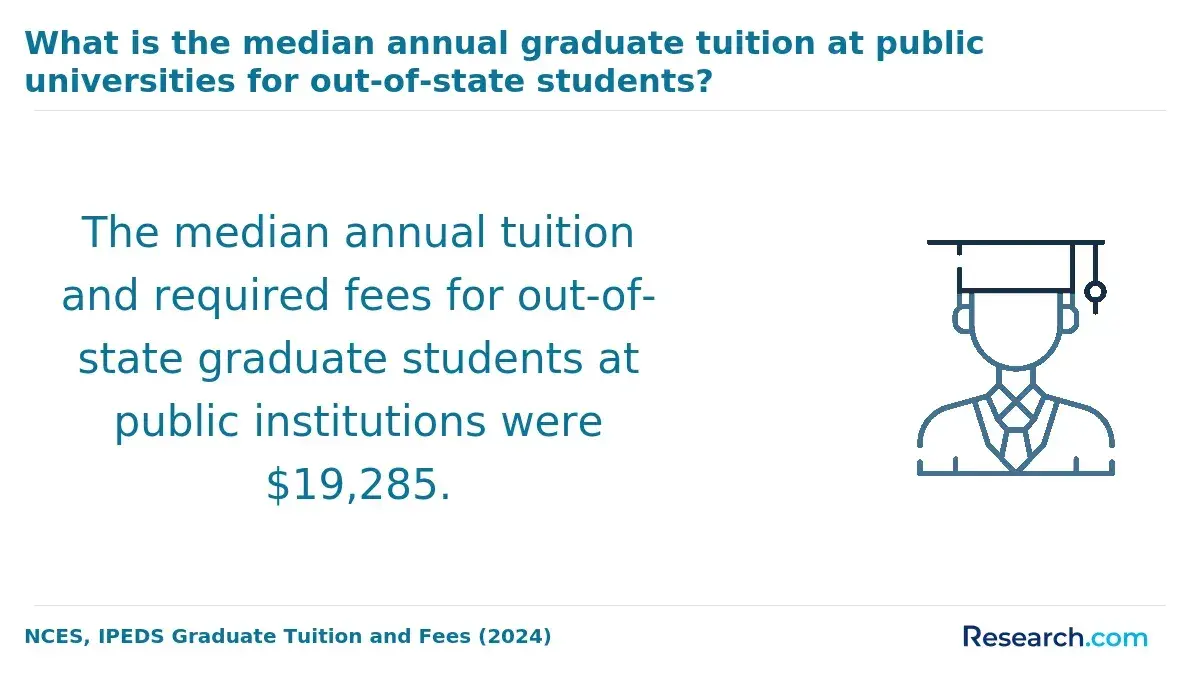
There is no reliable single price for online finance MBAs: schools charge by credit, course, term, or program, and required fees differ. Obtain a written estimate of tuition and mandatory fees for the full degree, then account for books, software, any required travel, and borrowing costs. Ask your employer about reimbursement limits and whether you must remain employed after receiving assistance.
For a personal break-even estimate, divide your net education cost - total costs minus confirmed assistance - by a conservative estimate of additional annual take-home earnings attributable to a plausible job change. Treat the result as a scenario, not a forecast: a raise may not occur, taxes affect take-home pay, and a promotion could happen without the MBA. The calculation is most useful when compared with the cost and likely benefit of a shorter alternative.
First, confirm that the university holds institutional accreditation recognized by the US Department of Education or the Council for Higher Education Accreditation. Then check whether its business school holds specialized accreditation, such as AACSB, ACBSP, or IACBE. Institutional and business-school accreditation serve different purposes; neither tells you on its own whether the finance coursework or online schedule fits your goals.
Verify current status with the relevant accreditor rather than relying only on a marketing page. Also confirm that the accreditation applies to the institution or business school offering the degree, and ask prospective employers if they have particular education requirements.
The most realistic next move usually builds on your existing function and industry. A manager who already handles forecasts may seek broader financial planning and analysis responsibility; one who manages an operating budget may pursue a larger business-unit role. The MBA can support those moves, but employers will still assess your finance experience, results, and record of leading others.
These examples distinguish adjacent moves from transitions that typically require more specialized experience.
| Possible path | What the work involves | What else employers may expect |
| Financial planning and analysis manager | Leading forecasts, budgets, and performance discussions | Prior modeling, reporting, and business-partnering experience |
| Finance manager | Overseeing financial decisions, staff, or reporting for a team or business unit | Relevant finance experience and demonstrated management responsibility |
| Business-unit or operations manager | Managing people, resources, and operating results | Industry and operational knowledge alongside financial judgment |
| Investment-focused management role | Directing investment activities or teams | Relevant investment experience and, for some duties, applicable credentials or licenses |
The US Bureau of Labor Statistics projects about 1.1 million openings annually across all management occupations from 2025 to 2035, including replacements for workers who leave those occupations. That signals a broad market for managers, not a forecast of openings for finance MBA graduates. If you hope to enter finance from an unrelated function, seek finance-related projects before assuming the degree alone will bridge the experience gap.
There is no sound universal salary expectation for a finance MBA graduate. The US Bureau of Labor Statistics reports a $126,520 median annual wage for management occupations in May 2025. That figure includes many occupations and career stages; it is not a starting salary, an MBA-specific result, or evidence that the degree caused higher pay.
For a useful estimate, compare pay for the particular role you could realistically obtain in your location and industry with your current compensation. Include bonuses only when you have a defensible basis for expecting them. Internal pay bands and conversations with hiring managers may tell a first-time manager more about near-term returns than a broad occupational median.
Are certifications or licenses required for finance management careers?
An MBA in finance is a degree, not a professional license. Many corporate budgeting and financial planning management roles do not require a separate finance license, though employers may prefer particular experience or credentials. Requirements change with the duties: accounting work may call for a CPA, subject to state licensing rules, while certain securities activities can require registration or licenses tied to the role and employer. The CFA charter is a professional credential, not a general license to manage finances.
Read job descriptions for your intended role before paying for another qualification. If they consistently require a credential, verify its eligibility and experience rules with the issuing body or regulator; do not assume an MBA concentration substitutes for it.
Other Things You Should Know About MBA
Usually, yes - if you are comfortable discussing your career plans. Ask which skills and responsibilities matter for advancement, whether education assistance is available, and whether your manager can support relevant projects. Check reimbursement terms before committing.
Only with appropriate permission. Company financial information may be confidential. Ask your employer and instructor whether an approved, anonymized version or a public-data case would meet the assignment requirements.
Policies vary. Before enrolling, ask about leaves of absence, course withdrawal deadlines, the maximum time allowed to finish, and the financial consequences of a pause.
Do not count on it. The receiving school decides which graduate credits it accepts and how they apply to its MBA. Request its transfer-credit policy before paying for courses you may need to move.
- 6 Basic Finance Skills All Managers Should Have | Harvard Business School https://online.hbs.edu/blog/post/finance-for-managers
- Understanding Opportunity Cost of Attending College | University of Phoenix https://www.phoenix.edu/blog/understanding-opportunity-cost-of-attending-college.html
- Online MBA (OMBA) Tuition & Payment Options | FAU Business https://business.fau.edu/masters-phd/mba-program/online-mba/methods-of-tuition-payment/
- Navigating MBA Programs While Juggling Work | Northeastern Online https://online.northeastern.edu/resources/how-long-does-it-take-to-do-an-mba-while-working/
- Does It Matter Where You Get Your M.B.A.? | St. John's University https://www.stjohns.edu/news-media/johnnies-blog/does-it-matter-where-you-get-your-mba
- What Do Finance Managers Do: Daily Work & Skills | Franklin University https://www.franklin.edu/career-guide/financial-managers/what-do-finance-managers-do
- What to Expect in Your First Semester of an MBA Program | Carson-Newman University https://www.cn.edu/cps-blog/what-to-expect-in-mba-programs/
- Is an online MBA worth it? - The Advisor | Tippie College of Business https://tippie.uiowa.edu/about/who-we-are/advisor/mba/is-online-mba-worth-it
- Is an Online MBA Worth It? | snhu.edu https://www.snhu.edu/about-us/newsroom/business/is-an-online-mba-worth-it
- MBA Career Outcomes & Salary | Jenkins MBA NC State https://mba.ncsu.edu/your-career/