
2027 Is an Online Cybersecurity Bachelor's Degree Worth It?

Co-Founder and Chief Data Scientist
Imagine a professional with a non-technical degree aiming to enter the cybersecurity field but facing challenges due to limited practical experience and time constraints. Online cybersecurity bachelor's degrees promise flexibility and relevant skills, but questions remain about their value in a competitive job market. According to the U. S. Bureau of Labor Statistics, employment in information security is projected to grow 35% from 2021 to 2031, much faster than average.
This article will explore whether earning an online cybersecurity bachelor's degree justifies the investment, outlining benefits, limitations, and career outcomes to guide informed decisions.
Key Things to Know About the Value of an Online Cybersecurity Bachelor's Degree
- Online cybersecurity bachelor's degrees offer flexible schedules and transfer-friendly policies, aiding working parents, veterans, and professionals in balancing education with existing commitments.
- Graduates report a strong return on investment with median starting salaries around $75,000 and high demand across industries supporting long-term financial stability.
- Accredited programs align with employer expectations and graduate school standards, improving career advancement prospects and eligibility for relevant certifications and security clearances.
What Are the Real Costs of Earning an Online Cybersecurity Bachelor's Degree, and How Do They Compare to On-Campus Programs?
Tuition rates for online cybersecurity bachelor's degrees generally fall between $300 and $600 per credit hour, compared to $400 to $800 for traditional on-campus programs, according to the College Board's Trends in College Pricing report. This difference can narrow for out-of-state students attending public universities, where on-campus costs may exceed online offerings.
Factoring in fees, online students often pay $100 to $300 per term for technology access, while on-campus fees-covering labs, activities, and facilities-average $500 to $1,000 annually.
- Required Technology: Students studying online must invest approximately $500 or more in hardware, cybersecurity software, and internet service, whereas on-campus learners usually access university labs and equipment, reducing upfront personal expenses.
- Indirect Costs: Commuting, housing, and meal expenses weigh heavily on on-campus students, creating notable savings for online learners-particularly helpful for working parents, military veterans, and mid-career professionals managing family and work commitments.
- Affordable Accredited Programs: Examples of quality online cybersecurity bachelor's degrees priced below the national average include Western Governors University, University of Maryland Global Campus, Fort Hays State University, and Dakota State University.
Sticker price reflects published tuition without financial aid, while net price represents what students actually pay after scholarships, grants, and employer tuition assistance. This real cost can be 30% to 50% lower than sticker price, significantly improving affordability and accessibility for diverse learners.
For those exploring the fastest degree to get in fields that pay well, understanding these financial investment in online versus on-campus cybersecurity programs is crucial for making confident decisions about degree pathways.
What Is the Return on Investment (ROI) of an Online Cybersecurity Bachelor's Degree Over a Career Lifetime?
Return on investment (ROI) in higher education evaluates the financial gain a graduate can expect relative to the total cost of earning a degree. For an online Cybersecurity bachelor's degree, this involves balancing tuition, fees, and associated expenses against projected lifetime earnings in cybersecurity careers.
Data from trusted sources such as the Georgetown University Center on Education and the Workforce and the PayScale College ROI Report provide discipline-specific benchmarks to guide this analysis effectively. To calculate ROI, one sums total degree costs-including tuition, books, and technology fees-and compares this to expected career earnings over 10 or 20 years.
Cybersecurity graduates often earn annual median salaries from $70,000 to well above $100,000, varying by role and experience. This salary range generally exceeds many other fields, influencing the long-term career ROI of an online Cybersecurity bachelor's degree positively.
When comparing 10-year and 20-year ROI of affordable online Cybersecurity programs against the national bachelor's degree average, several points stand out:
- Cost Efficiency: Online programs typically reduce upfront expenses and debt compared to traditional on-campus options.
- Salary Premium: Cybersecurity roles offer higher median salaries than the overall bachelor's degree median, increasing ROI over time.
- 10-Year ROI: Many graduates recover education costs within the first decade, enabling earlier net positive earnings.
- 20-Year ROI: Over two decades, higher salaries and career growth often yield substantially greater ROI than the national average.
Beyond financial gains, non-monetary benefits add meaningful value, including:
- Job Satisfaction: Cybersecurity professionals report high engagement due to the dynamic, impactful nature of their work.
- Career Mobility: Skills acquired facilitate transitions across industries and into roles with greater responsibility.Professional
- Credibility: Earning an accredited online degree signals commitment and technical competence to employers, enhancing hiring and promotion opportunities.
To support this investment, prospective students should explore financial aid options, transfer credit policies, employer perceptions, and graduate school compatibility. For those comparing online options, resources detailing online MFT programs offer useful examples of affordability and program quality assessment alongside Cybersecurity degrees.
How Do the Salary Outcomes for Online Cybersecurity Bachelor's Graduates Compare to Those With Traditional Degrees?
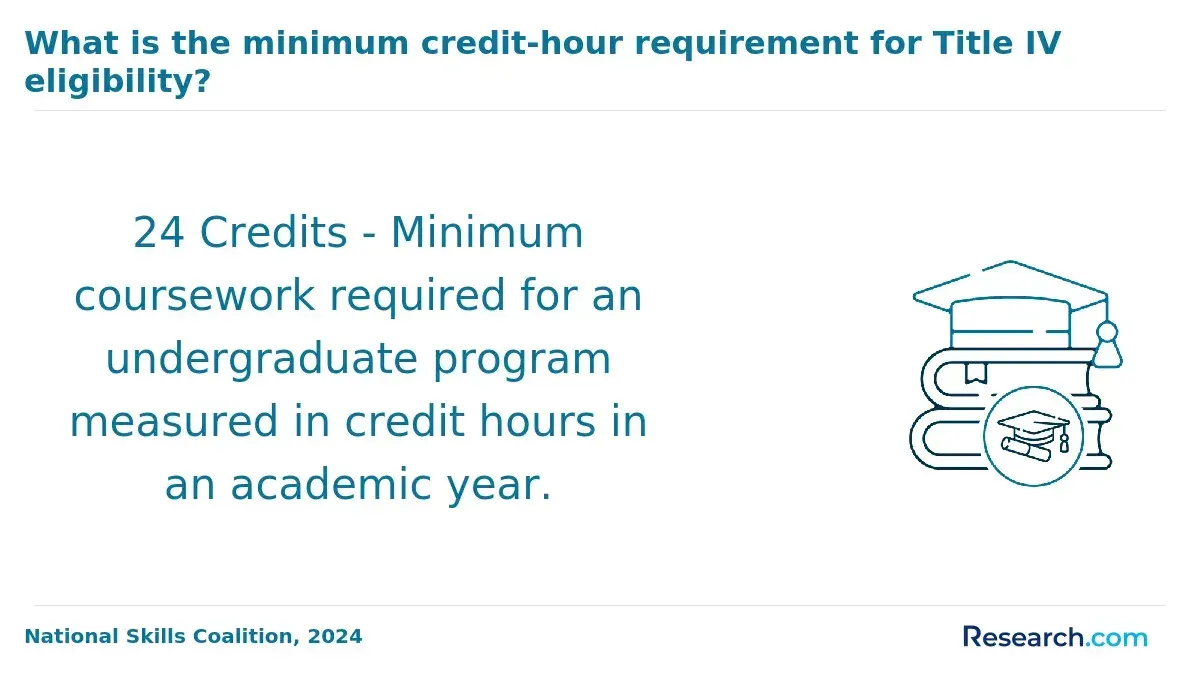
Graduates of online cybersecurity bachelor's programs typically enter the workforce with median starting salaries ranging from $60,000 to $75,000 annually, closely aligning with those who completed traditional on-campus degrees. By mid-career, professionals with five to ten years of experience generally see their earnings increase to between $90,000 and $120,000.
- Median Starting Salary: Online graduates usually begin their careers at salary levels comparable to on-campus counterparts, demonstrating employer acceptance of the online credential when earned from accredited institutions.
- Mid-Career Earnings: Experience coupled with in-demand specializations or certifications can boost compensation significantly, with many cybersecurity professionals reaching salaries near six figures within a decade.
- Institutional Outcomes: Schools reporting through IPEDS and other transparency resources indicate that online students achieve employment rates and earning potential similar to those attending on-site programs, supporting the credibility of online cybersecurity degrees.
- Income Growth Projections: Graduates should anticipate consistent salary increases during their first ten years in the field, particularly if they continue professional development through certifications or advanced technical training alongside their degree.
Bachelor's degree holders in cybersecurity can pursue various roles, many showing promising growth. The Bureau of Labor Statistics and O*NET highlight positions where a bachelor's is the baseline, though some careers expect additional certifications or advanced degrees.
Strong job prospects in this field make understanding these paths crucial for those considering an online cybersecurity degree career opportunity.
- Information Security Analyst: Common for graduates, these analysts guard an organization's networks and systems. Employment growth in this area is rapid-projected at roughly 35% over the next ten years. Industry certifications like CISSP or CompTIA Security+ often complement the degree.
- Network and Computer Systems Administrator: Focused on network upkeep and management, this role usually welcomes bachelor's graduates. Certifications such as Cisco's CCNA can enhance employability. The field is expected to grow steadily.
- Cybersecurity Consultant: Consultants evaluate security infrastructure and provide recommendations. This career may require prior consulting experience or specialized certifications. Demand remains strong due to increasing cybersecurity threats.
- Penetration Tester (Ethical Hacker): Professionals in this niche identify vulnerabilities; training, certifications like CEH, and practical experience are typically necessary. The need for these specialists rises with escalating security concerns.
- Forensic Computer Analyst: Specialists probing cybercrimes often pursue further education in digital forensics. Growth aligns closely with overall cybersecurity projections.
Choosing a concentration within your online cybersecurity program-such as network security or digital forensics-can sharpen focus and align with specific certifications or job markets, thus enhancing career outcomes. For those comparing online degrees, exploring related areas like a game development online degree can also broaden digital skills applicable beyond cybersecurity.
Online Cybersecurity bachelor’s programs provide student support services designed to help learners succeed in a highly technical and fast-changing field. These typically include:
- Academic Advising: Specialized advisors assist students with course planning, credit evaluation, and degree requirements, often bringing industry knowledge to help align studies with career aspirations.
- Tutoring and Writing Labs: Online tutoring services offer targeted help from cybersecurity experts or advanced students, while writing labs focus on enhancing technical communication skills needed for effective documentation and reporting.
- Mental Health Counseling: Telehealth platforms provide accessible mental health support to help students manage stress, balance work and study, and address personal challenges that could affect academic performance.
- Career Services: Programs with strong career support facilitate internships, offer job placement guidance, and assist with resume and interview preparation. Often, they maintain partnerships with employers in tech and government sectors to connect students directly to job opportunities.
- Alumni Mentorship Networks: Former students frequently engage in mentorship programs, delivering real-world insights, networking opportunities, and professional guidance to current learners.
Data from the National Survey of Student Engagement and institutional reports confirm that comprehensive support services correlate with higher retention rates and timely graduation in online bachelor's programs. Such infrastructure is especially crucial for students juggling education with employment and family responsibilities.
Employer acceptance of online cybersecurity bachelor's degrees has grown significantly over the last ten years. Data from the Society for Human Resource Management (SHRM) reveals that over 80% of employers now equate accredited online degrees with traditional campus programs. Gallup also confirms that candidates holding accredited online cybersecurity degrees receive similar job offers in fields.
In numerous cybersecurity careers-particularly within government agencies, large technology companies, and financial institutions-online degrees accredited by recognized bodies such as ABET or CAE-CD hold equal standing with on-campus qualifications. Companies including IBM, Cisco, and the U.S. Department of Defense actively hire graduates from respected online programs, reflecting their confidence in these credentials.
However, some specialized roles, such as elite consulting or research positions, may still place greater value on traditional degrees or require additional certifications as a supplement. Prospective students should carefully evaluate how employers in their target industry view online credentials. For positions in broad IT security or public-sector cybersecurity, an online degree from an accredited institution is typically well-regarded.
For more niche areas, pairing the degree with hands-on experience, certifications like CISSP or CEH, and professional networking may enhance career prospects.
- Accreditation Matters: Employers prioritize degrees from regionally or programmatically accredited institutions to ensure adherence to industry standards.
- Industry Equivalence: Most sectors, including technology and government, treat online cybersecurity degrees from reputable programs as equal to on-campus degrees.
- Employer Endorsements: Major corporations and federal agencies recruit online program graduates and frequently highlight them among top candidates.
- Specialized Roles: Certain niche fields may still favor traditional degrees or require additional certifications beyond an online degree.
- Career Strategy: Understanding industry hiring preferences and supplementing an online degree with practical experience and credentials can improve employment outcomes.
Accreditation plays a critical role in determining the value and recognition of an online Cybersecurity bachelor's degree. Regional accreditation typically offers greater advantages than national accreditation in terms of credit transferability, employer acceptance, and eligibility for graduate school admission.
The U.S. Department of Education recognizes six regional accrediting agencies, which hold significant weight in academic and professional circles:
- HLC: Higher Learning Commission covering Midwest states
- SACSCOC: Southern Association of Colleges and Schools Commission on Colleges focused on southern states
- NECHE: New England Commission of Higher Education
- MSCHE: Middle States Commission on Higher Education
- NWCCU: Northwest Commission on Colleges and Universities
- WSCUC: WASC Senior College and University Commission serving parts of the West Coast
National accreditation agencies often concentrate on vocational or technical institutions but lack the broader acceptance of regional agencies. Prospective students should verify program accreditation through reliable resources such as the Council for Higher Education Accreditation (CHEA) or the U.S. Department of Education (ED) databases to ensure legitimacy.
Some Cybersecurity programs also obtain specialized programmatic accreditation from organizations like ABET, which focuses on computing and technology degrees. This accreditation adds another layer of credibility and is valued by employers seeking technically rigorous education.
Choosing an unaccredited or lapsed accreditation program carries considerable risks, including loss of eligibility for federal financial aid, credits that do not transfer, and limited recognition by employers and graduate programs. Recent data indicates that over 80% of employers prefer candidates with degrees from regionally accredited institutions, underscoring accreditation's impact on career success.
Completing an online cybersecurity bachelor's degree generally requires around 120 credit hours, typically spread over four years of full-time study. This timeframe aligns with the traditional semester system most universities follow, but several factors can affect the actual time to complete an online Cybersecurity bachelor's degree. Online flexibility often allows students to accelerate or extend their studies based on personal circumstances, work commitments, or academic choices.
Accelerated formats such as eight-week course terms and year-round enrollment-including summer and winter sessions-enable more intensive study and faster progress. Competency-based education (CBE) paths let learners move ahead by mastering skills rather than spending fixed time in classes. Such models particularly benefit motivated students with prior IT knowledge, including military veterans converting service credits, who can finish their degrees in as little as two to three years.
Examples of institutions known for abbreviated cybersecurity bachelor's schedules include Western Governors University, which averages 2.5 years to completion through its self-paced, competency-based approach. Southern New Hampshire University also offers accelerated terms that help students graduate in about three years. These options appeal to working parents, mid-career professionals, and others balancing education with life responsibilities.
Finishing faster reduces tuition costs and lessens the opportunity cost of delayed full-time employment in a high-demand field. Transfer credit policies, employer perceptions, and compatibility with graduate school programs are additional important considerations. Prospective students should explore financial aid strategies and institutional support designed to fit varied schedules without compromising accreditation.
For those also exploring business degrees, online mba programs no gmat offer alternatives worth considering alongside cybersecurity options.
- Acceleration: Eight-week courses and year-round enrollment enable faster progression than traditional semesters, reducing time to degree.
- Competency-Based Education: Skill mastery advances graduates quickly, ideal for those with IT experience, shortening overall timelines.
- Institutional Flexibility: Schools like Western Governors and Southern New Hampshire provide online programs supporting accelerated completion and student success.
- Cost Savings: Early graduation lowers tuition expenses and allows quicker entry into full-time employment, improving return on investment.
- Student Factors: Transfer credits, work schedules, and personal commitment significantly impact the pace at which an online cybersecurity degree can be completed.
Financial aid options for online Cybersecurity bachelor's students come from multiple sources designed to reduce the costs of tuition and related expenses. Federal Pell Grants provide need-based awards up to about $7,000 annually without requiring repayment. Eligibility is determined through the Free Application for Federal Student Aid (FAFSA), which evaluates income and family size.
Direct Subsidized and Unsubsidized Loans are also accessed via FAFSA. Subsidized loans remain interest-free while students attend school, whereas unsubsidized loans begin accruing interest immediately. Both have fixed interest rates and flexible repayment plans but should be used carefully to avoid excessive debt.
Institution-Specific Scholarships target students pursuing online Cybersecurity degrees, including:
- AFCEA Cybersecurity Scholarship: Supports military veterans and active-duty personnel studying cybersecurity, with awards varying by program.
- (ISC)² Women's Scholarship: Awards up to $7,500 yearly to female cybersecurity students, focusing on academic achievement and community involvement.
- Raytheon Technologies Cybersecurity Scholarship: Provides $5,000 for students demonstrating financial need and a cybersecurity career focus.
State Grant Programs complement federal aid, offering additional funds based on residency and eligibility criteria that vary by state. Students should verify specific offerings through their state's education websites.
Completing FAFSA early in the award cycle is crucial because many grants and scholarships are distributed on a first-come, first-served basis. Students should prepare financial documentation in advance to ensure timely submission.
To minimize out-of-pocket costs, students are advised to layer financial aid by combining federal grants, institution scholarships, employer tuition reimbursement, and work-study employment. This integrated approach supports an affordable path through online cybersecurity education without accumulating significant debt.
Those seeking a college that accepts low GPA have additional options to explore programs that align with their academic and financial profiles.
Competitive online cybersecurity bachelor's programs commonly require a minimum GPA around 3.0 on a 4.0 scale, alongside a high school diploma or GED. Many of these programs may still request standardized test scores like the SAT or ACT, though an increasing number have adopted test-optional policies. Applicants often need to have completed prerequisite courses in subjects.
In contrast, open-access cybersecurity programs offer more accessible admissions criteria, frequently accepting students with just a high school diploma or GED and without strict GPA or testing requirements. These programs typically utilize rolling or continuous admissions, allowing more flexibility for adult learners, military veterans, or mid-career professionals to start their studies without strict deadlines.
Applicants with credentials below the typical admissions standards can enhance their applications through several strategies:
- Community College Coursework: Taking relevant classes can demonstrate academic preparedness and may transfer to the bachelor's degree.
- Professional Certifications: Credentials like CompTIA Security+ or Cisco CCNA show practical skills and industry knowledge.
- Letters of Recommendation: Supportive endorsements from employers or instructors can highlight an applicant's motivation and capability.
Evaluating these requirements helps prospective students match their qualifications with programs suited to their academic and professional goals, supporting informed enrollment choices.
Prospective students should evaluate and choose an online Cybersecurity bachelor’s degree program by first checking institutional and program accreditation, since this ensures the degree is recognized by employers and meets academic standards.
- Accreditation: Verify that programs hold regional accreditation and, if possible, specialized recognition like CAE-CD to ensure employer and graduate school acceptance.
- Cost and ROI: Evaluate all expenses beyond tuition, including technology fees, proctored exam charges, textbooks, and any onsite residency requirements. Assess these against anticipated career benefits and salary growth to estimate your investment's value.
- Program Format and Flexibility: Confirm if classes are asynchronous, synchronous, or hybrid, and ensure deadlines accommodate your personal and professional commitments. This is especially important for working parents and mid-career professionals.
- Career Outcomes Data: Use reliable sources such as the U.S. Department of Education's College Scorecard and IPEDS Data Center for information on employment rates, earnings, and graduate school placement to compare program effectiveness.
- Student Support Services: Investigate availability of essential assistance including tutoring, career counseling, technical support, and networking networks designed for online learners to boost your completion chances.
- Transfer Credit Policies: Understand credit transfer rules thoroughly, especially if you are a military veteran or returning student, to reduce time and cost by applying prior education or service credits.
To progress from evaluation to enrollment, take these practical steps:
- Scheduling Informational Interviews: Engage admissions advisors directly to clarify details and assess fit.
- Requesting Net Price Estimates: Use campus calculators and financial aid offices to uncover true costs.
- Reviewing Financial Aid Deadlines: Track scholarship and FAFSA dates to optimize funding opportunities.
- Auditing Existing Transfer Credits: Confirm credit applicability in advance to streamline your program.
- Setting a Target Enrollment Date: Establish a timeline aligning application, financial aid, and personal schedules.
What Graduates Say About the Value of Their Online Cybersecurity Bachelor's Degree
- Westin: "Choosing the online cybersecurity bachelor's degree program was a strategic decision for me because I needed the flexibility to work full-time while upgrading my skills. The program's affordability made it a practical choice, especially considering the high return on investment I've experienced through new job opportunities. I'm genuinely impressed by how the curriculum prepared me to tackle real-world security challenges confidently."
- Peter: "Reflecting on my journey, I appreciate how the online cybersecurity bachelor's degree allowed me to learn at my own pace without compromising quality. The cost was reasonable compared to traditional programs, and I've seen substantial growth in my career since graduating. This degree provided the technical foundation and industry insights that set me apart in the competitive cybersecurity field."
- Andrew: "The professional edge I gained from the online cybersecurity bachelor's degree program is truly invaluable-employers now recognize my commitment and expertise. The program's flexibility allowed me to balance family and studies effectively, which was essential for me. I believe the relatively low cost combined with the career advancement I've achieved makes this degree an excellent investment."
Other Things You Should Know About Cybersecurity Degrees
Online cybersecurity bachelor's programs typically deliver coursework through a combination of video lectures, interactive assignments, discussion forums, and virtual labs. Students engage with material asynchronously, allowing flexibility to fit studies around work or family commitments. Some programs also include live sessions or group projects to foster collaboration and real-world problem-solving skills.
Students often have options to specialize in areas such as network security, ethical hacking, digital forensics, or information assurance within an online cybersecurity bachelor's degree. These concentrations allow learners to focus on specific facets of the field tailored to their career goals. Choosing a specialization can enhance job prospects in niche sectors of the cybersecurity industry.
Yes. Many online cybersecurity bachelor’s programs require hands-on labs, virtual machines, and simulations for core courses in networking, operating systems, and ethical hacking. Some programs also require proctored exams and a capstone or practical project before graduation, usually after about 120 credit hours.
- Most Affordable Cybersecurity Degree Programs | Cybersecurity Guide https://cybersecurityguide.org/rankings/most-affordable-cybersecurity-degree/
- 15 Cybersecurity Careers You Could Pursue With a Degree https://www.park.edu/blog/15-cybersecurity-careers-you-could-pursue-with-a-degree/
- ROI in Higher Education - FREOPP https://freopp.org/roi-in-higher-education/
- How Long Does It Take to Get a Cybersecurity Degree? 2026 Guide https://policeofficer.org/how-long-does-it-take-to-get-a-cybersecurity-degree/
- Outcomes-Based Cybersecurity Training: Why Accreditation Matters https://blog.ansi.org/anab/outcomes-based-cybersecurity-training-why-accreditation-matters/
- What to Expect During an Online BS in Cybersecurity Program https://www.umassglobal.edu/blog-news/expect-during-online-bs-cybersecurity-program
- Career Options After Completing a Cybersecurity Course https://ukpdacademy.co.uk/career-options-after-completing-a-cybersecurity/
- Most Affordable Online Cybersecurity Degrees - 2025 Guide https://www.mastersinai.org/degrees/affordable-online-cybersecurity-degrees/
- Cybersecurity Degree Requirements: Everything You Need to Know https://online.maryville.edu/online-bachelors-degrees/cyber-security/resources/requirements/
- Online Bachelor's Degree: Cybersecurity Technology https://www.umgc.edu/online-degrees/bachelors/cybersecurity-technology


