2027 Online Cybersecurity Bachelor's Degrees for Adults Over 40

Co-Founder and Chief Data Scientist
Adults over 40 seeking career change often face unique challenges-balancing work, family, and education. Online cybersecurity bachelor's degree programs offer flexible learning to overcome these hurdles. Yet, many hesitate, unsure if their age impacts employability.
Industry data shows that 35% of cybersecurity professionals are now over 40, reflecting a growing acceptance of mature learners. This trend highlights opportunities for career advancement and skill renewal in a fast-evolving tech landscape. This article explores how online cybersecurity bachelor's degrees cater specifically to adults over 40, addressing barriers and providing pathways to new, high-demand careers.
Key Points About Online Cybersecurity Bachelor's Degrees for Adults Over 40
- Online cybersecurity bachelor's programs offer flexible pacing and schedules-critical for adults over 40 balancing work and family commitments while advancing their careers.
- These degrees provide updated technical skills paired with strategic risk management knowledge, positioning mature learners for leadership roles in cybersecurity.
- Data shows adults over 40 enrolling in online cybersecurity programs see a 25% average salary increase, underscoring strong industry demand and return on investment.
What are the best online Cybersecurity bachelor's degrees for adults over 40?
For professionals over 40 aiming to advance or shift their careers, enrolling in an online Cybersecurity bachelor's degree program can be a strategic move. With the cybersecurity workforce projected to grow by 28% through 2031, choosing a top accredited online cybersecurity bachelor's degree for adult learners is crucial for staying competitive in this fast-evolving field.
Here are some of the best programs tailored to meet the needs of busy adults seeking both flexibility and comprehensive training.
- University of Maryland Global Campus (UMGC): Known for its practical skills focus, UMGC offers a unique proprietary learning platform designed specifically for adult students. The program's designation as a National Center of Academic Excellence in Cyber Defense highlights its recognized quality and alignment with industry standards.
- Western Governors University (WGU): WGU's competency-based model allows adults to progress entirely at their own pace, accommodating work and life commitments. Their program integrates industry certifications within the curriculum, enabling students to earn recognized credentials alongside their degree without extra cost.
- ECPI University: ECPI offers an accelerated cybersecurity bachelor's degree featuring hands-on virtual labs and simulations that prepare students for real-world security challenges. The program is accredited by the Computing Accreditation Commission of ABET, ensuring rigorous and relevant academic standards.
- Fort Hays State University: This degree includes a concentration in cyber operations, blending theoretical foundations with practical skills in both defensive and offensive cybersecurity techniques. The asynchronous coursework is designed to maximize flexibility for adult learners balancing multiple priorities.
- Champlain College: Champlain's program is distinguished by access to a dedicated Cyber Range-an advanced virtual environment for practicing defense strategies and incident response. This immersive training resource is especially valued by students seeking experiential learning opportunities.
Choosing from the best online cybersecurity bachelor's degree programs for adults over 40 can empower professionals with updated expertise and credentials crucial for career advancement. To explore other efficient pathways for higher learning, consider reviewing best one year masters programs which also cater to adult learners looking for fast, accredited options.
How much do online Cybersecurity bachelor's degrees typically cost?
The average cost of an online cybersecurity bachelor's degree tuition costs between $300 and $800 per credit hour, depending on the institution and credit requirements. Most programs require 120 to 130 credits, making the total tuition investment fall anywhere from $36,000 to $104,000.
Public in-state schools usually offer more affordable rates, while private institutions tend to have higher tuition. Adults pursuing the average cost of online cybersecurity programs for adults should budget accordingly, factoring in these wide-ranging tuition fees.
Beyond tuition, students often face hidden costs such as technology fees for specialized cybersecurity software, virtual lab access, and proctoring services essential for hands-on learning. Studies show about 75% of online programs charge technology fees ranging from $100 to $300 per semester, which can accumulate throughout the degree.
Compared to traditional on-campus degrees, online programs may save on housing and commuting expenses, but tuition per credit can be similar or slightly higher due to digital resource costs.
Careful financial planning is essential when considering an online cybersecurity degree, especially for adults balancing other responsibilities. For those also exploring related fields, examining the business administration degree online cost can provide useful cost comparisons and assist with broader budgeting decisions.
What are the admission requirements for adult learners enrolling in online Cybersecurity bachelor's degrees?
Admission processes for adults over 40 seeking an online cybersecurity bachelor's degree often resemble those for recent high school graduates but include considerations unique to mature learners. According to a 2025 report, nearly 65% of online cybersecurity bachelor's programs emphasize prior work experience and practical skills during admissions.
The following key requirements help adult applicants demonstrate their preparedness for such programs.
- Educational Background: Applicants must have a high school diploma or equivalent, such as a GED, ensuring foundational academic readiness. For adults, this baseline validates prior learning and opens doors to accelerated degree options.
- Technical Knowledge: Demonstrating foundational skills in computer science or IT-often through previous coursework or certifications-is crucial. Certifications like CompTIA A+ or Network+ frequently serve to confirm an applicant's technical competence beyond formal education.
- Professional Experience: Many programs value relevant work history and may accept it as a substitute for certain prerequisites. This allows adults to leverage years of IT or technical roles to satisfy admission criteria.
- Application Materials: Completed online applications typically require transcripts plus a personal statement. This essay provides space to articulate career goals and motivation, highlighting the applicant's commitment and suitability for an online learning environment.
- Supporting Documentation: Some institutions request letters of recommendation-from supervisors or academic mentors-to reinforce the applicant's qualifications and readiness for rigorous study.
When interviewed about admission requirements, a professional who completed an online cybersecurity bachelor's degree shared that navigating the process felt "intimidating at first," especially balancing work and study. He appreciated the flexibility of submitting certifications and leveraging his professional experience, which helped compensate for time away from formal academics.
Writing a personal statement challenged him to reflect deeply on his goals, but it became "a pivotal moment to clarify why this degree was necessary." He noted how these elements combined to create a holistic view of his readiness, not just test scores or transcripts-a perspective that motivated him throughout his studies.
Adults over 40 pursuing a bachelor's degree in cybersecurity often see salary increases between 15% and 25% shortly after graduation, benefits that come from greater responsibilities and specialized skills. The field's rapid expansion, with job growth expected to exceed 30% over the next ten years, ensures strong employment prospects and increased job security for qualified professionals.
Holding a degree also opens doors to leadership roles typically inaccessible without formal education in the field.
Many mid-career learners report recouping their education investment within three to five years, thanks to higher earnings and faster career advancement. Additionally, the versatility of cybersecurity expertise allows professionals to transition across industries like finance, healthcare, and government, enhancing long-term career stability and flexibility.
Online programs accommodate busy schedules, making it feasible to balance studies with work and personal commitments.
When asked about his experience, a professional who graduated from an online cybersecurity bachelor's program shared that the journey was "challenging, but rewarding." Balancing coursework with a full-time job and family required careful time management and determination.
He mentioned, "There were moments of doubt, especially when tackling complex technical subjects, but the support from instructors and peers made a huge difference." Reflecting on the investment, he noted that the degree has not only boosted his confidence but also significantly expanded his career opportunities, making it a wise and worthwhile decision even later in life.
Today's online cybersecurity bachelor's degree programs emphasize skills that students can apply immediately, helping professionals tackle real workplace challenges while continuing their education. In fact, a 2023 Pew Research Center survey found that 87% of adults value continuous upskilling to stay competitive.
These benefits are especially impactful for those pursuing career growth through a cybersecurity degree later in life. Consider these key advantages:
- Modern Skill Refresh: Updating legacy knowledge with current security technologies enables seasoned professionals to align with industry standards. This strengthens their ability to counteract evolving cyber threats.
- Enhanced Problem Solving: Developing advanced analytical skills helps address complex vulnerabilities and sophisticated attacks, making over-40 learners indispensable in cybersecurity roles.
- Career Credentialing: Building recognized qualifications boosts credibility and opens doors for mid-career advancement or shifts within IT security, ensuring better opportunities and job security.
Many adults over 40 find that earning a cybersecurity degree online offers the flexibility needed to balance work and family responsibilities while upgrading their expertise. For professionals exploring affordable options, a cheap online accounting degree program example highlights how accessible online education can be across fields.
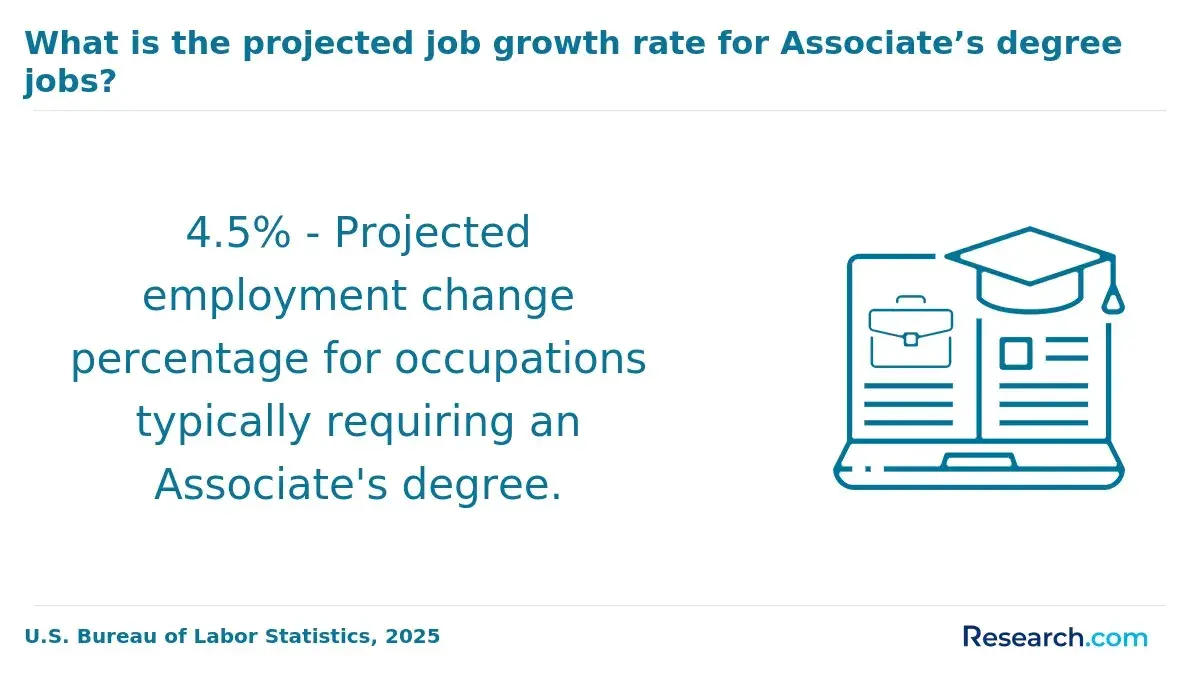
Financial aid options are available to adult students over 40 pursuing online cybersecurity bachelor's degrees-helping to ease the financial burden and increase access to quality education. Nearly 85% of undergraduate students receive some form of financial aid, making it essential for older learners to explore these resources early.
Below are key programs commonly accessed by adults seeking scholarships and grants for online cybersecurity degrees.
- NSF CyberCorps® SFS Scholarship: Offered by the National Science Foundation, this scholarship covers full tuition plus a stipend in exchange for government service post-graduation. Eligibility requires U.S. citizenship and enrollment in an accredited cybersecurity degree program focused on public sector cybersecurity roles.
- ASIST Scholarship: The Adult Students in Scholastic Transition award supports adults returning to higher education, including online learners. Recipients must typically be at least 25 years old and demonstrate financial need alongside relevant life experience that reflects the challenges adult learners face.
- WiCyS Scholarship: Women in Cybersecurity scholarships promote diversity by assisting female students enrolled in cybersecurity programs. Women over 40 actively participating in WiCyS networks and pursuing an online bachelor's in cybersecurity can apply, with each year's eligibility criteria varying.
- Veterans' Benefits: Many institutions collaborate with veteran-focused programs, allowing use of GI Bill® benefits in combination with cybersecurity-specific scholarships for greater financial support.
- Federal Pell Grant: Adult learners enrolling in qualifying programs may also benefit from Pell Grants, which are based on financial need and can be combined with other scholarship opportunities for online cybersecurity degrees.
Timely application submission and enrollment verification are critical-adult students should research deadlines carefully. Those interested in efficiently upskilling through shorter options may also consider 6 week certification programs online as complementary paths or stepping stones toward full degree attainment.
Many online cybersecurity bachelor's degree programs allow adult learners, especially those over 40 with industry experience, to convert professional certifications into academic credit through prior learning assessment (PLA) policies. This pathway often accelerates degree completion and reduces costs by recognizing knowledge already acquired.
According to the Council for Adult and Experiential Learning, over 1,900 institutions offer PLA credit, enabling students to save up to 13 months and thousands of dollars in tuition.
Commonly accepted certifications for credit include Certified Information Systems Security Professional (CISSP), CompTIA Security+, Certified Ethical Hacker (CEH), and Certified Information Security Manager (CISM). These credentials align with foundational coursework, allowing students to bypass certain classes and focus on advanced topics.
The process typically requires submitting official certification documents along with course equivalency forms for advisor review. Academic advisors evaluate whether certifications meet program standards, helping learners reduce redundant training and expedite degree progress while balancing work and personal commitments.
Adult learners enrolling in online cybersecurity bachelor's programs can often transfer previously earned college credits to shorten their time to graduation. Most programs typically accept between 60 and 90 semester credits from accredited colleges, almost half the credits needed for a bachelor's degree.
This transfer option allows students to build on existing coursework, minimizing both study duration and tuition expenses.
Credits usually fall into two categories: general education and technical cybersecurity courses. General education credits, like English or math, are typically valid indefinitely and widely accepted if they fit degree requirements. However, technical credits are subject to stricter rules; many institutions limit acceptance to courses completed within the last five to seven years to ensure up-to-date knowledge in this rapidly evolving field.
The transfer process involves submitting official transcripts, detailed course descriptions, and sometimes syllabi for review. Schools evaluate the relevance, accreditation, and content rigor of each course before approving transfer credit. A 2023 national survey found that approximately 78% of online cybersecurity programs accept transfer credits, highlighting the accessibility of this option for adult students.
By leveraging transfer credits, adults over 40 can save valuable time and money while ensuring their education remains current and comprehensive-key benefits for those balancing career, family, and learning goals.
Most online cybersecurity bachelor's programs no longer require SAT or ACT scores for applicants, especially those over 40 who bring valuable work experience or prior academic credits. These test-optional policies, now applied by over 70% of four-year institutions, acknowledge that standardized tests may not effectively reflect the capabilities of adult learners.
However, some programs may still request test scores if an applicant lacks previous college coursework or needs to demonstrate academic readiness. Additionally, competitive scholarships or specialized honors tracks within cybersecurity degrees sometimes require SAT or ACT results to assess eligibility.
In cases where testing is necessary, adult students can often submit alternative evidence such as professional certifications, resumes, or letters of recommendation.
Applicants should carefully review each program's current admission criteria and contact admissions offices directly for personalized guidance. This ensures experienced students can capitalize on their background and confirm whether submitting test scores will enhance their application or is mandatory for certain opportunities.
A structured selection process is essential for aligning your professional goals with the unique strengths of an online cybersecurity bachelor's degree program. Careful evaluation ensures the program meets your learning needs and career aspirations effectively.
- Curriculum Relevance: Choose programs that stay current with industry trends, covering topics like threat landscapes, ethical hacking, and network defense. A curriculum focused on practical, up-to-date skills enhances readiness for evolving cybersecurity roles.
- Flexible Scheduling: Adult learners over 40 often juggle work and family, so select courses that offer asynchronous delivery or adaptable timelines. Flexibility helps manage commitments without compromising on education quality.
- Hands-On Experience: Practical application is critical in cybersecurity education. Programs that include labs, virtual simulations, or real-world projects build essential skills for those aiming to enter or re-enter the tech workforce.
- Support Services: Look for programs providing academic advising, career counseling, and tech support designed specifically for adult students. This tailored assistance eases the transition back into education and improves success rates.
- Career Outcomes: Investigate graduation employment rates and industry connections. Knowing how well a program prepares students for certification exams and cybersecurity positions can guide your decision for meaningful career advancement.
For those concerned about academic qualifications, exploring online graduate programs that accept 2.0 GPA may also be a helpful step in finding accessible options that recognize potential beyond traditional metrics.
What Graduates Say About Their Online Cybersecurity Bachelor's Degree
- Westin: "Choosing to pursue an online cybersecurity bachelor's degree at 40 was driven by my desire to pivot into a field with strong job security and growth potential. The affordable tuition of an accredited program made this a realistic goal without overwhelming my family finances. Completing this degree has not only boosted my confidence but also opened doors for advanced roles in IT security that I never thought possible at my age."
- Peter: "Reflecting on my decision to start a cybersecurity degree later in life, I was initially concerned about balancing work, life, and study. Thankfully, the flexibility of the online format truly accommodated my busy schedule. The investment felt justified as I've since experienced tangible career advancement, proving it's never too late to change paths and thrive in a new tech arena."
- Andrew: "At 40, I wanted a degree that combined credibility with practicality, and an accredited online cybersecurity program fit perfectly. The cost was reasonable compared to traditional programs, which helped me commit fully without financial strain. Earning this degree has significantly enhanced my professional reputation and positioned me as a valuable asset in a competitive industry."
Other Things You Should Know About Cybersecurity Degrees
Many accredited universities award prior learning assessment credit for military service, industry certifications, or documented job experience. Adults usually submit transcripts, certification records, or a portfolio, and schools may cap transfer and PLA credit at 90 of the 120 credits needed for graduation.
Online cybersecurity bachelor's programs often offer asynchronous coursework, enabling students to study on their own schedules. This flexibility is ideal for adults managing work and family commitments, as it reduces the need to attend live classes. Many programs also provide extended deadlines and support services tailored to nontraditional students.
Students can expect to develop skills in network security, ethical hacking, risk management, and digital forensics. Programs typically include training on programming languages like Python and tools such as firewalls and intrusion detection systems. These competencies are essential for protecting data and systems against cyber threats.
- Careers in Cybersecurity for Bachelor's Degree Graduates https://online.maryville.edu/online-bachelors-degrees/cyber-security/careers/
- Earn Credit for Cybersecurity Certifications https://www.umgc.edu/transfers-and-credits/fast-paths-to-credit/industry-certification-professional-courses/cybersecurity
- What to Expect During an Online BS in Cybersecurity Program https://www.umassglobal.edu/blog-news/expect-during-online-bs-cybersecurity-program
- Should I Get My Bachelor’s Degree in Cybersecurity Online? | CSU Global https://csuglobal.edu/blog/should-i-get-my-bachelors-degree-cybersecurity-online
- Cybersecurity, B.S. (Adult Program) - Immaculata University https://www.immaculata.edu/academics/degrees-programs/cybersecurity-b-s-adult-professional-studies/
- Bachelor of Science in Cybersecurity https://online.hilbert.edu/online-degree-programs/bachelors-degrees/cybersecurity/
- Cybersecurity (BSc) | Undergraduate Admissions - Apply Here - Concordia University https://www.concordia.ca/academics/undergraduate/cybersecurity.html
- Most Affordable Cybersecurity Degree Programs | Cybersecurity Guide https://cybersecurityguide.org/rankings/most-affordable-cybersecurity-degree/
- Cybersecurity Career Pathway https://www.cyberseek.org/pathway.html