
2027 Is an Online BS in Business Administration the Right Next Step for Administrative Assistants?
Audited and Verified:
Our Editorial and Data Verification Process
Research.com uses government datasets, official education statistics and primary institutional information to support its career and degree guides. Our review process checks factual accuracy, occupational definitions, source dates and the requirements associated with the credentials discussed.
How This Article Was Fact-Checked
Our editorial team verifies salary estimates, employment projections, education requirements and program information against original data providers and official organizations. Salary figures are checked against the relevant occupational definitions and reporting periods. Information about licensure, accreditation and required in-person training is reviewed separately.
Fact-checked and verified on:

Co-Founder and Chief Data Scientist
Administrative assistants often manage schedules, vendors, records, and communication without having authority over budgets or operations. An online BS in Business Administration may help turn that experience into a broader business career, but it requires a substantial investment of time and money.
This guide is for assistants weighing advancement, a career change, or a bachelor's degree requirement. It explains which roles the degree can support, what online study actually demands, and when a shorter, more targeted path may be the better next step.
Key Things You Should Know
- An online BS in Business Administration is most useful when a target role requires a bachelor's degree or broader financial, operational, and analytical skills - not simply a new job title.
- Administrative experience can support a move into coordination or specialist work, but a degree alone does not establish managerial experience. The May 2025 median wage for human resources specialists was $75,940 across the occupation, not for new business graduates.
- Before enrolling, obtain a degree audit, a complete remaining-cost estimate, and written answers about live classes, group work, assessments, and any required workplace project.
Is an online BS in Business Administration right for administrative assistants?
It can be the right next step if it closes a specific gap between your current work and a role you want. A BS in Business Administration is an undergraduate degree covering several business functions. For an assistant who already coordinates people, information, and processes, its value is not learning to be organized; it is gaining the accounting, operations, management, and analytical knowledge needed to take on different responsibilities.
Start with job postings and internal promotion requirements for your intended role. If they call for a bachelor's degree and work you have not yet performed - such as budget analysis or process improvement - the degree may be worthwhile. If the next step is a more senior administrative position and the employer chiefly values software proficiency, industry knowledge, or demonstrated results, targeted training and a documented workplace project may be faster and less costly.
Online study may preserve your work schedule, but it will still compete with deadlines and personal commitments. Compare business administration programs for studying around work commitments against your actual availability, not an advertised claim of flexibility.
What career opportunities can an online business administration degree provide?
The strongest transitions build on responsibilities you already hold. Coordinating meetings and vendors, resolving service problems, maintaining records, and tracking expenses can provide relevant evidence for business roles - but employers will assess the scope and results of that work, not the degree alone. This table separates plausible next moves from roles that usually require more experience or specialized preparation.
| Possible direction | Typical responsibilities | What an assistant's experience may contribute |
| Operations or project coordinator | Track schedules, deliverables, purchasing, and process issues | Cross-team coordination and follow-through |
| HR assistant or specialist | Support employee records, recruiting, onboarding, or HR programs | Confidential records and employee-facing communication; specialist duties may require HR-specific knowledge |
| Procurement or supply-chain support | Maintain orders, supplier information, and delivery records | Vendor coordination and attention to cost and timing |
| Administrative services manager | Oversee office services, staff, facilities, or procedures | Knowledge of administrative operations; employers generally also expect demonstrated oversight experience |
The U.S. Bureau of Labor Statistics projects employment of human resources specialists to grow 6% from 2025 to 2035. That is an occupation-wide projection, not a forecast of openings available to business graduates. An assistant aiming specifically at procurement or logistics should compare a general business degree with faster-paced online supply chain college study; a specialized curriculum may fit that goal better.
How does an online business degree compare with campus-based programs?
Online and campus-based degrees can cover comparable business subjects, but they differ in how students access instruction and applied opportunities. For an employed assistant, the decisive issue is whether required activities fit around work - not whether lectures happen on a screen.
| Consideration | Online program | Campus-based program |
| Attendance | May use recorded lessons, live sessions, or both; deadlines still apply | Usually requires travel and scheduled in-person classes |
| Collaboration | Group work may require evening meetings across time zones | Group work may be easier to arrange around shared class times |
| Applied learning | May permit an approved project at a current workplace | May offer easier access to local events or on-campus recruiting |
| Assessment | May require proctoring software or scheduled exams | May require exams and presentations on campus |
Neither format is automatically easier or cheaper. Ask for sample syllabi, assessment rules, required campus visits, and the schedule of required courses. If speed matters, explore accelerated online degree programs, but check whether shorter terms mean more coursework each week or reduced room to handle a busy period at work.
Requirements vary by school, but a general business curriculum commonly includes accounting, economics, finance, marketing, management, operations, statistics, business law, and strategy alongside general education. For an administrative assistant, accounting and finance can add context to expense tracking; operations can deepen process work; and statistics can help distinguish a useful performance measure from a misleading one.
Check the actual course sequence, not just the subject list. A statistics or accounting prerequisite may affect when you can take an advanced elective or capstone. An official concentration may add focused coursework, while a few HR or project-management electives do not necessarily constitute a separately awarded credential. If employee-support work is your goal, compare the business curriculum with HR degree coursework and entry requirements before choosing the broader degree.
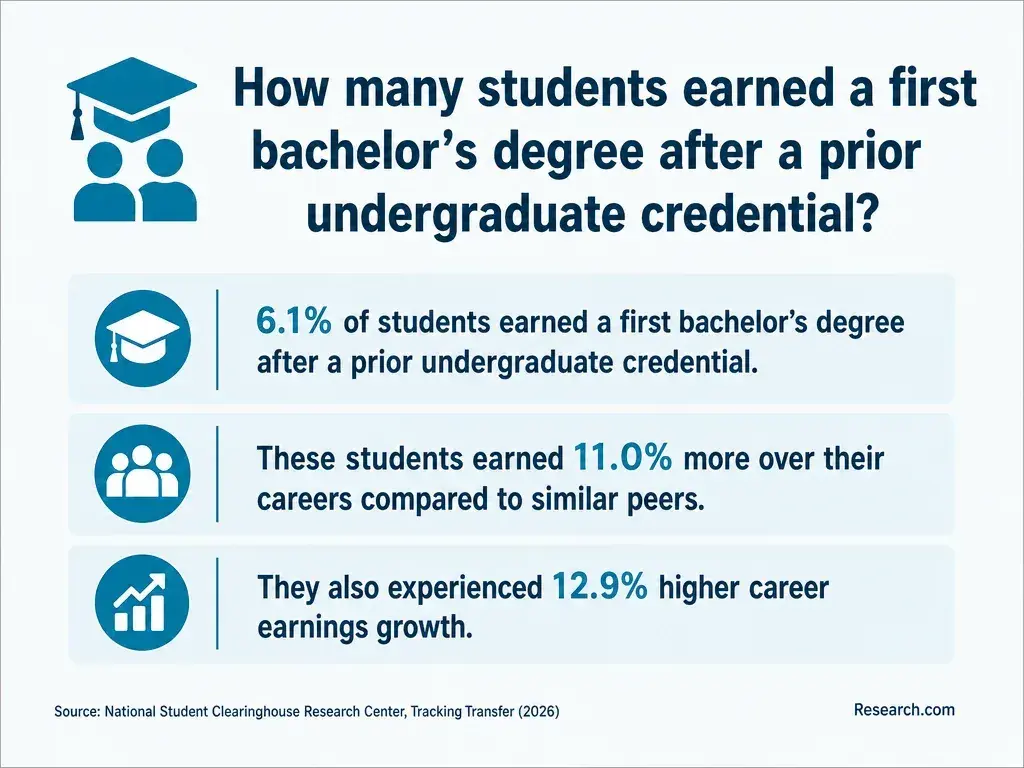
Requirements depend on whether you apply as a first-time student, a transfer student, or a returning student. Schools generally ask for prior academic records; a business major may have additional academic requirements. Professional experience can strengthen an application without automatically replacing prerequisite courses or earning credit.
If you have an associate degree or previous college study, request an official evaluation showing both credits accepted and requirements satisfied. Credits assigned as electives may not replace accounting, statistics, the business core, or courses the institution requires you to complete there.
Ask admissions which documents are needed, then ask an academic adviser to confirm what remains for the degree. If application charges affect where you apply, you can explore fee-free online university applications; a waived application fee says nothing about the eventual program cost.
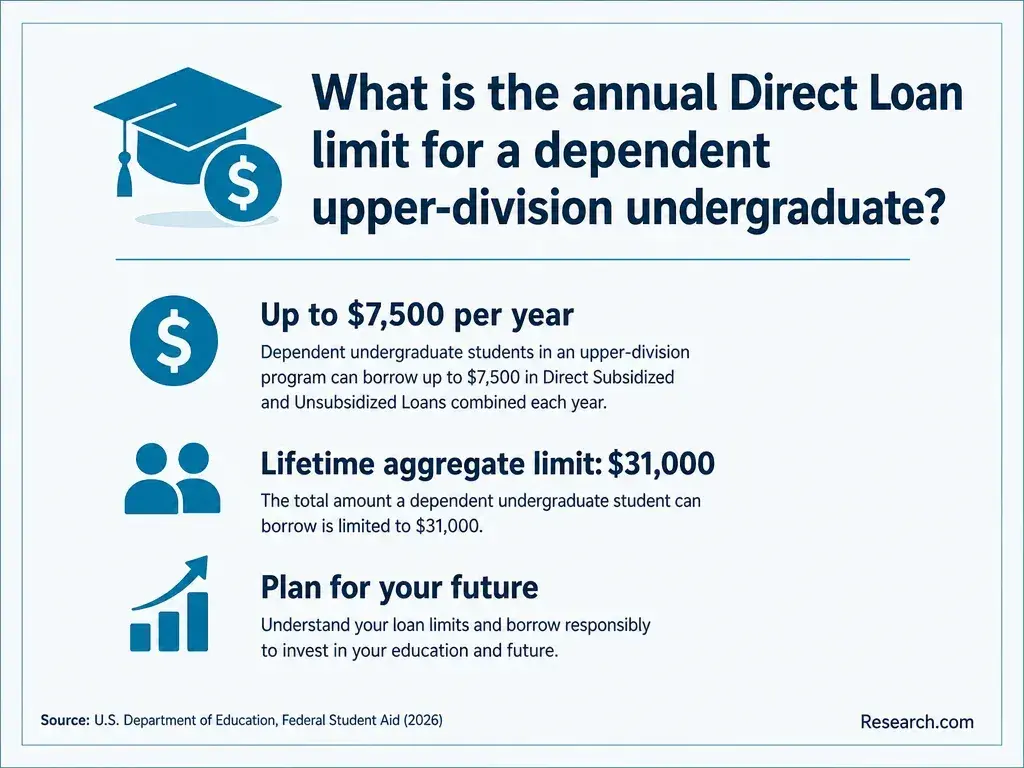
Completion time depends on applicable transfer credit, enrollment pace, prerequisites, and when required courses are offered. A student beginning without college credit should plan for a full bachelor's curriculum; a returning student may have a shorter path, but only an approved degree audit can establish it. Accelerated terms change the calendar, not necessarily the amount of work.
Compare schools using the cost of finishing, rather than tuition per credit alone. Include remaining required credits, mandatory fees, books and software, possible proctoring costs, and any travel. Then consider what part-time study means for continued earnings and what full-time study means for your workload. Employer tuition assistance may help, but confirm eligible programs, reimbursement timing, grade rules, and any repayment obligation before counting on it.
Resources on business administration online programs with competitive tuition can help identify options. Request a school-specific cost estimate after your transfer evaluation; a low published rate may not produce the lowest total completion cost.
First verify the institution's recognized accreditation and the exact degree it awards. Then check whether claims of business-school or programmatic accreditation - such as AACSB, ACBSP, or IACBE - actually cover the school or program under consideration. Institutional accreditation and specialized business accreditation have different scopes; neither guarantees a job outcome.
For an employed assistant, program fit also depends on policies that are easy to miss in a course catalog. Ask who advises online students, how often required courses run, whether classes require live attendance, and whether current employment can support an approved capstone or internship. Get the applicable catalog and policies for your enrollment term. Use US online business education program comparisons to form a shortlist, then verify these details directly with each school rather than relying on a ranking as the final decision.
A well-chosen program can help an assistant move from executing a process to evaluating it. Relevant skills include reading basic financial statements, building and explaining spreadsheets, assessing workflow problems, communicating recommendations, and weighing customer, employee, and cost considerations. Coursework introduces these methods; employers will still look for evidence that you can apply them.
A practical work sample might be a process map and a proposed measure for a recurring scheduling or purchasing problem. A classroom proposal is not proof that an employer implemented it or achieved savings. Obtain permission before using workplace information, and remove confidential or personal data from any portfolio version.
If your immediate goal is better project coordination rather than a bachelor's credential, compare the full degree with employer training or shorter project-management study. Even budgeting for online project management college study is relevant only if that curriculum builds the skills your next role requires.
There is no single salary for an online BS in Business Administration. Pay depends on the occupation, location, industry, employer, and experience brought to the role. The Bureau of Labor Statistics reports a May 2025 median annual wage of $75,940 for human resources specialists. That figure describes workers across the occupation; it is not a starting salary or a measured outcome for business administration graduates.
Managerial wage figures are even less useful as a forecast for an assistant immediately after graduation, because those jobs involve responsibility and experience the degree does not itself provide. For a realistic financial comparison, review pay ranges in postings for roles you could plausibly enter, weigh them against your remaining education cost, and account for whether your employer has an attainable internal advancement route.
Discussions of business administration college costs and potential career outcomes can provide context, but your target role and completion cost should drive the decision.
Are certifications or licenses required after earning a business degree?
Most general administrative, coordination, and business-support roles do not require a license merely because the employee has a business degree. Some specialized work has separate rules or employer preferences: accounting licensure, for example, is not awarded with a general business bachelor's degree, and HR or project-management certifications have their own eligibility requirements. Check the requirements of the specific role and credential before planning coursework around one.
For an assistant seeking an internal promotion, a relevant software credential, employer training, or documented project experience may be more immediately useful than an additional certification. If a bachelor's degree is still the barrier, compare that shorter option with online business education on a smaller budget. Choose based on the qualification your target employer actually values, not the number of credentials you could collect.
Other Things You Should Know About Business Administration
Yes, if the employer permits it. Explain the responsibilities you already handle, the results you can document, and your expected completion plan. Ask whether the degree must be finished by the application date or a later date.
Usually only with appropriate permission. Follow employer confidentiality rules and school guidance; use anonymized or recreated examples when actual records cannot be shared.
Not automatically. The school must determine whether your duties, supervision, learning objectives, and documentation meet its internship requirements before you rely on the job for credit.
Review internal openings and speak with people in adjacent teams. Identify a role that interests you and the qualifications it requires before committing to a full degree program.
- Cost of Attendance (Budget) | 2025-2026 Federal Student Aid Handbook https://fsapartners.ed.gov/knowledge-center/fsa-handbook/2025-2026/vol3/ch2-cost-attendance-budget
- Accreditation in the U.S. | ed.gov http://www.ed.gov/laws-and-policy/higher-education-laws-and-policy/college-accreditation/accreditation-in-the-us
- The Best Project Management Certifications to Consider in 2026 | University of San Diego https://pce.sandiego.edu/best-project-management-certifications/
- Navigating the Workload of an Online Degree Program | Kent State Online https://onlinedegrees.kent.edu/blog/avoid-overwhelm-workload
- The Major Payoff: Evaluating Earnings and Employment Outcomes Across Bachelor's Degrees - CEW Georgetown https://cew.georgetown.edu/cew-reports/major-payoff/
- Understanding Accreditation for Online Degrees | UMass Global https://www.umassglobal.edu/blog-news/online-degrees-accredited-identify-quality-distance-learning-programs
- Estimate Costs and Aid | WVU Hub | West Virginia University https://hub.wvu.edu/planning-and-resources/estimate-costs-and-aid


