2027 Is an Online Addiction Psychology Bachelor's Degree Worth It?

Co-Founder and Chief Data Scientist
Imagine a working professional seeking a career change into addiction psychology but constrained by time and location. Online addiction psychology bachelor's degree programs offer flexibility, yet questions arise about their value and recognition in the job market. Recent data shows that graduates from accredited online bachelor's programs in behavioral sciences experience a 15% higher employment rate within six months compared to those without specialized credentials.
However, the quality and outcomes of such programs vary widely. This article evaluates whether an online addiction psychology bachelor's degree provides credible credentials, practical skills, and career opportunities to justify the investment and effort involved.
Key Things to Know About the Value of an Online Addiction Psychology Bachelor's Degree
- An online addiction psychology bachelor's degree supports diverse life goals by offering flexible scheduling and transfer credit policies tailored for working parents, veterans, and career changers.
- Programs with regional accreditation provide a strong return on investment through eligibility for federal financial aid and recognition by graduate schools and employers.
- Graduates often access growing job markets in mental health, with military-friendly programs reporting a 12% higher employment rate within addiction counseling and related fields.
What are the real costs of earning an online addiction psychology bachelor's degree, and how do they compare to on-campus programs?
Comparing costs between fully online and traditional on-campus addiction psychology bachelor's degrees reveals some important financial distinctions. According to IPEDS and the College Board's Trends in College Pricing report, online tuition generally ranges from $250 to $600 per credit hour, while on-campus tuition is higher, often between $350 and $700 per credit hour. This difference varies by residency and institution but reflects a potential savings for online students.
Tuition Per Credit Hour: Online programs frequently offer flat-rate tuition or in-state pricing regardless of residency, benefiting out-of-state students. Conversely, on-campus tuition usually charges different rates for in-state versus out-of-state students.
Fees: Online learners may incur technology or virtual library fees, typically $50 to $300 per semester. On-campus students often pay additional fees linked to campus facilities, health services, and activities that may increase total costs each term.
Required Technology: Technology investments for online education include computers, high-speed internet, and necessary software, estimated at $500 to $1,000 upfront. While on-campus students spend less on technology, they face housing and transportation expenses.
Indirect Costs: On-campus attendance often involves significant commuting, parking, and housing costs, which can add thousands annually. Online students typically save these costs but might need to arrange a quiet study area at home.
Several accredited, fully online addiction psychology bachelor's programs cost below the national average total tuition of $20,000 to $30,000. Notable options include Fort Hays State University, Western Governors University, University of the Cumberlands, and Arizona State University Online.
Because sticker price differs from net price, prospective students should factor in scholarships, grants, and employer tuition reimbursement that can reduce the final expense. Reviewing expected financial aid packages is key to estimating realistic costs when comparing the cost comparison of online versus on-campus addiction psychology bachelor's degrees.
Additional considerations include transfer credit policies and program accreditation to ensure value and graduate school compatibility. For detailed information on affordable programs, exploring an online college that accepts FAFSA can guide students toward financial aid opportunities that ease total expenses and financial aid for online addiction psychology bachelor's programs.
What is the Return on Investment (ROI) of an online addiction psychology bachelor's degree over a career lifetime?
Return on investment (ROI) in higher education measures the relationship between the total cost of obtaining a degree and the financial benefits gained over a working lifetime. This calculation considers tuition, fees, and opportunity costs like lost wages during study, then compares these expenses to projected career earnings.
For those exploring long-term career earnings after online Addiction Psychology degree programs, this approach helps clarify the true economic value of their education.
A disciplined framework, anchored by data from the Georgetown University Center on Education and the Workforce and the PayScale College ROI Report, guides this evaluation. It involves adding total degree costs, estimating median annual salaries in Addiction Psychology-related fields, and projecting cumulative earnings over 10 and 20 years. Subtracting initial investments from these earnings reveals net returns, which can then be contrasted with national averages.
Online Addiction Psychology programs often feature lower tuition and flexible scheduling, allowing students to maintain employment and reduce opportunity costs. This contributes to a quicker positive ROI compared with traditional degrees.
However, entry-level salaries may be modest compared to STEM fields, though they tend to grow steadily with experience and certifications. Typically, the 10-year ROI shows a break-even or modest net gain, while the 20-year ROI often surpasses the national average as career advancement occurs.
- Cost Efficiency: Low tuition and flexible online formats minimize debt and expenses for working students.
- Salary Outlook: Initial salaries are modest but increase with experience and credentials.
- 10-Year ROI Comparison: Usually a break-even or modest positive return versus all bachelor's degrees.
- 20-Year ROI Comparison: Increased returns with extended career horizons and advanced certifications.
Besides financial metrics, non-monetary benefits play a major role. Graduates report higher job satisfaction in helping professions, enhanced career mobility across health and social services, and strengthened professional credibility. These advantages often weigh heavily in decisions beyond pure economics.
Prospective students may also consider financial aid options, transfer credit policies, and employer perceptions to fully understand affordability and career pathways. Those comparing options can explore additional programs such as the most affordable online MLIS programs for broader context on cost-effective education pathways.
How do the salary outcomes for online addiction psychology bachelor's graduates compare to those with traditional degrees?
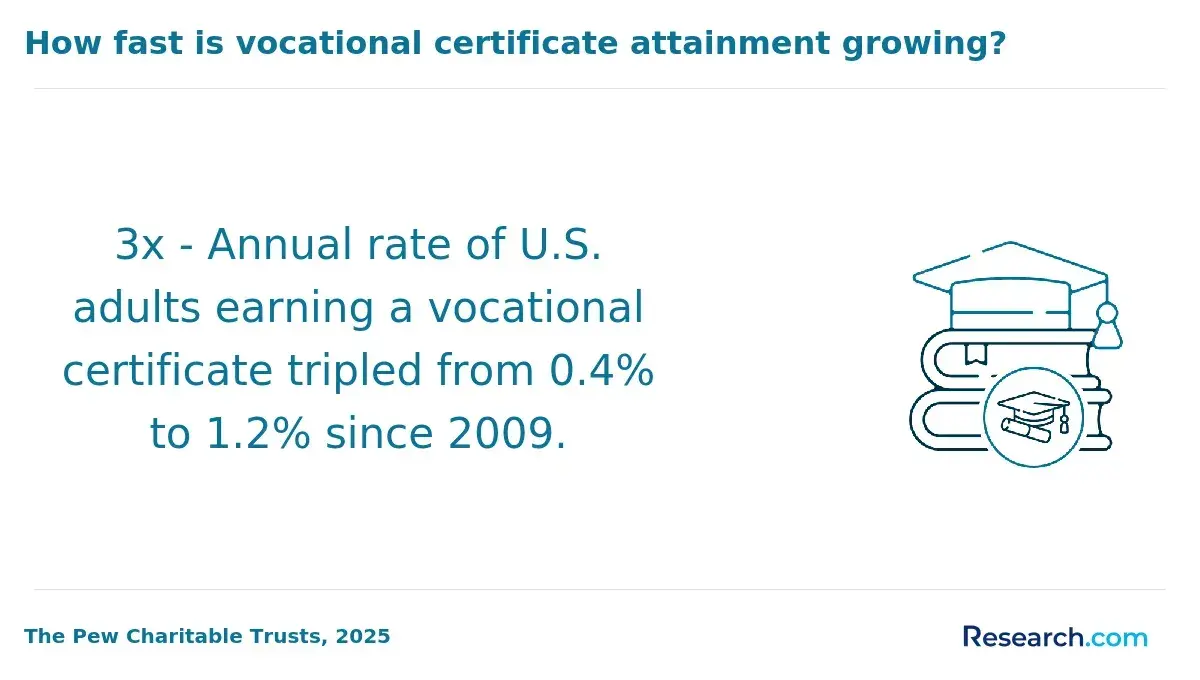
Data from the Bureau of Labor Statistics, PayScale, and LinkedIn Salary Insights indicate that median starting salaries for graduates of addiction psychology bachelor's programs-whether online or on-campus-generally fall between $35,000 and $45,000 annually.
Early career income can be influenced by certifications or field internships, which sometimes provide a competitive edge. After gaining five to ten years of experience, salaries often increase to a range of $50,000 to $70,000, with geographic location and employer type playing significant roles in compensation differences.
- Median Starting Salary: Initial pay for online graduates is comparable to campus-based peers, reflecting similar market demand. Specializations and experiential learning opportunities can enhance entry-level earnings.
- Mid-Career Earnings: With increased professional experience, many reach higher salary brackets, but pay varies widely depending on regional job markets and organizational sectors.
- Institutional Outcomes: Some affordable online programs report graduate employment rates of 70% to 85% within six months after graduation, according to IPEDS or institutional transparency reports, underscoring potential career prospects.
One professional who completed an online addiction psychology bachelor's degree shared insights on salary expectations. He highlighted how the flexibility of the program allowed him to balance work and study, while transfer credits accelerated his progress.
Though he acknowledged initial skepticism from some employers about online credentials, his internship experiences and dedication helped dispel doubts. Reflecting on his early career, he noted, "The salary difference wasn't significant compared to traditional grads, but building real-world skills made the biggest difference." His story underscores that perseverance, practical experience, and credentialing often outweigh the mode of program delivery when it comes to career growth and earnings potential.
Graduates with an online addiction psychology bachelor's degree can pursue various career paths, many of which require further licensure, certification, or advanced degrees to maximize potential.
- Substance Abuse Counselors: These professionals often begin with a bachelor's degree but usually need state certification to provide counseling and develop relapse prevention plans. This field is projected to expand by about 23% through 2032, reflecting a rising demand for addiction treatment.
- Psychiatric Technicians and Aides: These roles generally require a bachelor's degree or less and focus on assisting mental health professionals with patient care, but do not offer independent therapy. Employment growth is moderate, near 11%, driven by ongoing mental health care needs.
- Social and Human Service Assistants: Supporting vulnerable populations, including those affected by addiction, this cluster benefits from a bachelor's degree but may also call for specialized credentials. Job growth is estimated at 12%, aided by expanding social programs.
- Behavioral Health Technicians: These technicians work under licensed clinicians to implement treatment plans, requiring some specific training but accessible with a bachelor's degree and growing at about 13%.
- Case Managers: Focused on coordinating resources and care, case managers typically start with a bachelor's degree and may enhance their roles through certifications; steady growth accompanies the increasing integration of care models.
Choosing a concentration in areas like counseling, behavioral health, or social work within an addiction psychology program can refine or expand career opportunities accordingly. For instance, a counseling focus aligns with certification for clinical practice, whereas social work coursework suits community outreach and administration roles.
Evaluating these options aids in aligning career goals and licensure requirements with educational decisions. Working professionals assessing career opportunities with online addiction psychology bachelor's degree programs should also consider transfer policies and financial aid to optimize their return on investment.
For those researching affordability and program quality, exploring the cheapest PsyD programs may help in planning further graduate education, which can enhance career prospects in this field.
Online bachelor’s programs in addiction psychology are uniquely designed to support non-traditional and adult learners, as many students in this field enter with lived experience or are already working in human services.
To ensure success and retention, these programs typically provide:
Academic Advising: Experienced advisors assist students in selecting courses, understanding degree pathways, and assessing transfer credits. This personalized support helps balance studies with personal and professional responsibilities, making it especially valuable for veterans, working parents, and those returning to education mid-career.
Tutoring and Writing Assistance: Accessible tutoring-often offered online or by phone-targets psychology subjects and academic writing. Students benefit from focused help with assignments and research papers, improving comprehension and grades without needing to visit campus.
Mental Health Counseling: Telehealth services provide confidential counseling tailored to the unique pressures of online learning. Licensed professionals help students manage personal challenges, which supports emotional well-being and lowers the risk of dropping out.
Career Services: Effective programs coordinate internships and facilitate job placement through connections with treatment centers and community organizations. Employer partnerships and networking opportunities are common, enhancing employment prospects after graduation.
Alumni Mentorship Networks: Linking current students with program graduates offers valuable career guidance and professional development advice. These relationships ease the transition from study to work in the addiction psychology field.
According to data from the National Survey of Student Engagement (NSSE), programs with strong, proactive student supports consistently show higher retention and graduation rates. Such infrastructure is one of the most reliable indicators that students will finish their degrees on schedule in fully online formats.
Reflecting on these services, a professional who built her career after completing an online addiction psychology bachelor's shared that juggling work and family while studying would have been much harder without reliable academic advising and flexible tutoring options.
She said having access to mental health counseling "made a significant difference," helping to sustain motivation during stressful periods. The mentorship network connected her with alumni who offered industry insights and encouragement, which she described as "invaluable for staying focused and confident in my career path."
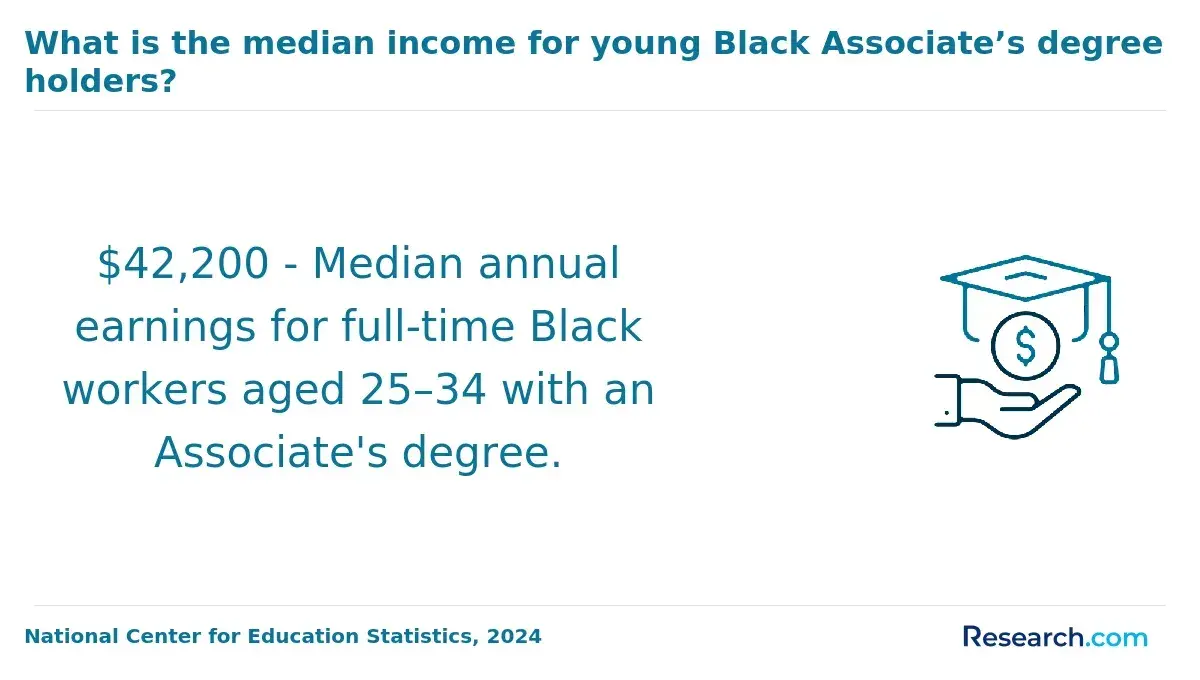
A 2023 Society for Human Resource Management (SHRM) survey found that about 72% of employers regard online degrees from accredited institutions as equally valid compared to traditional campus credentials. This acceptance is particularly strong in addiction psychology fields related to mental health, social work, and substance abuse counseling, where practical skills coupled with proper accreditation are valued over the degree's delivery method.
Despite this growing recognition, employer preferences differ depending on specific career paths and industry requirements. Clinical roles demanding licensure or certification often emphasize programs with targeted accreditation, which can be available through both online and in-person formats.
However, certain healthcare providers and academic employers still show some preference for traditional degrees. Notably, organizations like UnitedHealth Group and various behavioral health agencies actively seek graduates from well-established online addiction psychology programs, appreciating their demonstrated competencies and adaptability.
Data reported by universities indicate many online addiction psychology graduates find employment in community outreach, counseling support, and case management. Programs that offer credit for military service enhance opportunities for veterans transitioning to civilian mental health roles. Prospective students should carefully research employer expectations within their intended career sectors, paying close attention to licensure criteria and whether program accreditation aligns with professional standards.
- Employer Acceptance: The majority of employers now treat online addiction psychology degrees as equivalent to traditional ones, especially when issued by regionally accredited institutions.
- Industry Variability: While clinical positions with licensing demands may prefer specific accreditation, many behavioral health and nonprofit employers actively recruit online graduates.
- Accreditation Importance: Accreditation is essential for licensure eligibility and building employer trust, making it a crucial factor in selecting a program.
- Veteran Opportunities: Programs recognizing military experience through credit improve veterans' competitiveness in addiction psychology job markets.
- Targeted Research: Reviewing employer requirements in your chosen field ensures your degree meets industry and career advancement expectations.
Accreditation plays a crucial role in the value and recognition of an online addiction psychology bachelor's degree. Regional accreditation is the most respected and widely accepted type in the United States.
Degrees from regionally accredited institutions generally have greater transferability across schools, stronger employer acceptance, and better eligibility for graduate programs compared to nationally accredited ones.
National accreditation is more common among career-focused or for-profit schools but is often less recognized by employers and other academic institutions, which can restrict credit transfers and limit professional opportunities.
The six regional accrediting bodies recognized by the U.S. Department of Education are:
- HLC: Higher Learning Commission
- SACSCOC: Southern Association of Colleges and Schools Commission on Colleges
- NECHE: New England Commission of Higher Education
- MSCHE: Middle States Commission on Higher Education
- NWCCU: Northwest Commission on Colleges and Universities
- WSCUC: WASC Senior College and University Commission
Prospective students should use the Council for Higher Education Accreditation (CHEA) or the U.S. Department of Education (ED) databases to verify a program's accreditation status, ensuring their investment leads to recognized credentials.
Addiction psychology programs currently lack specialized programmatic accreditation, unlike clinical psychology or counseling, but earning a degree from a regionally accredited school offers strong assurance of quality and acceptance.
Attending unaccredited or lapsed-accreditation programs risks losing access to federal financial aid, credit transfer options, and recognition by employers or graduate schools.
Recent surveys indicate that over 80% of employers prefer candidates with degrees from regionally accredited institutions, highlighting the necessity of careful accreditation verification before enrollment.
Completing an online addiction psychology bachelor's degree typically requires about 120 credits, with most traditional programs designed to finish in four years of full-time study. However, the time to complete online addiction psychology bachelor's degree programs can vary widely based on several factors influencing each student's pace and course structure.
Many online degrees now use accelerated eight-week courses instead of traditional 16-week semesters, allowing motivated students to complete more courses each year and potentially graduate in two to three years.
Competency-based education (CBE) pathways also expedite progress by enabling students to advance upon mastery rather than fixed timelines. Year-round enrollment options eliminate long breaks, helping students accumulate credits faster.
Institutions such as Western Governors University and Southern New Hampshire University are known for offering shorter addiction psychology degree timelines, with average completion times as low as 2.5 to 3 years for committed learners.
Transfer credits can be a major factor in reducing degree duration, especially for military veterans and students with prior college experience. Schools that accept generous transfer credits significantly shorten the path to graduation.
Conversely, part-time study, job and family commitments, or prerequisite course requirements can extend the typical timeline. Faster completion reduces tuition costs and opportunity costs by enabling earlier entry into full-time employment.
Working parents, military veterans, and mid-career professionals should consider these factors carefully alongside academic rigor and program flexibility. For those comparing costs and degree options, programs like the online real estate bachelor's degree represent another pathway with different timelines and considerations.
- Credit Requirements: Most programs follow a 120-credit curriculum aligned to a four-year full-time schedule, ensuring a comprehensive addiction psychology education.
- Accelerated Formats: Eight-week courses and continuous enrollment let dedicated students graduate in two to three years by maintaining full-time status year-round.
- Competency-Based Education: CBE programs allow individualized pacing through mastery of material, ideal for self-motivated learners seeking faster completion.
- Transfer Credits: Acceptance of prior credits, especially from military or community colleges, can substantially shorten degree timelines.
- Impact of Life Commitments: Employment and family responsibilities can extend program duration, particularly for part-time students.
- Financial Benefits: Finishing earlier lowers total tuition investment and opportunity costs tied to delayed full-time employment.
Students pursuing an online addiction psychology bachelor's degree can access various financial aid options to help manage costs. Federal Pell Grants are need-based awards from the U.S. Department of Education that do not require repayment. Eligibility is determined through the FAFSA (Free Application for Federal Student Aid) and depends on the student's financial situation. Award amounts can reach up to $7,000 annually.
- Direct Subsidized and Unsubsidized Loans: These federal loans cover remaining expenses after grants. Subsidized loans pause interest accrual while enrolled; unsubsidized loans accumulate interest immediately. Both require FAFSA application and have annual borrowing limits.
- Institution-specific Scholarships: Many colleges offering online addiction psychology degrees provide dedicated scholarships.
- The Addiction Studies Scholarship from the National Association of Addiction Professionals awards up to $3,000 for academic merit and field commitment.
- The SAMHSA Minority Fellowship Program supports underrepresented students in behavioral health, including addiction psychology, with tuition assistance and stipends.
- The APF Undergraduate Scholarship grants $1,000 to students engaged in addiction research or community service based on essays and recommendations.
- State Grant Programs: Various states offer grants for residents attending in-state or online schools. These often require FAFSA submission and depend on program type or income.
Submitting the FAFSA early is essential because many aid programs allocate funds on a first-come, first-served basis. The FAFSA gathers financial and demographic details to assess eligibility for federal, state, and institutional aid.
Combining multiple aid sources-including grants, scholarships, employer tuition reimbursement for working parents or veterans, and federal work-study-helps minimize out-of-pocket expenses and debt burden.
For individuals seeking affordable addiction psychology degrees, understanding these financial aid options and layering them strategically is key to a sustainable investment in career advancement. Military veterans, for example, may also benefit from credit transfers and specialized aid. Those interested in the best military friendly colleges offering online programs should explore these opportunities to maximize funding and minimize costs.
Online addiction psychology bachelor's degree programs differ widely in admissions criteria, reflecting their balance between selectivity and accessibility. Competitive programs commonly expect applicants to present a high school diploma or GED along with a GPA ranging from 2.5 to 3.5.
While some maintain standardized testing requirements like the SAT or ACT, many have adopted test-optional policies to broaden access. Selective schools may also require prerequisite coursework in subjects such as English, math, or social sciences, often completed in high school or prior college experience.
Conversely, open-enrollment institutions provide greater flexibility, frequently accepting students with a diploma regardless of GPA or test scores. These schools often serve nontraditional students-including working adults and military veterans-by offering rolling or continuous admissions that eliminate stressful deadlines and facilitate year-round entry.
- High School Diploma or GED: Mandatory across all programs, with proof needed at application.
- Minimum GPA: Typically between 2.5 and 3.5 for competitive programs; less rigid for open-access schools.
- Standardized Tests: Required primarily by selective institutions; many programs no longer mandate these.
- Prerequisite Coursework: Some programs look for foundational courses in core academic areas.
- Rolling Admissions: Common among online programs, enabling flexible application timing.
- Enhancing Applications: Candidates with lower grades can improve prospects through community college classes, relevant certifications, or strong recommendations.
This spectrum of standards allows prospective students to identify programs matching their academic histories and life circumstances, supporting both those seeking traditional academic rigor and those valuing accessibility and flexibility.
Choosing the right online addiction psychology program requires looking beyond the general psychology curriculum. Here are the things you need to consider:
Accreditation: Verify that the online addiction psychology program holds regional or national accreditation recognized by the U.S. Department of Education. This ensures educational quality, federal financial aid eligibility, and wider acceptance of your degree.
Cost and ROI: Beyond tuition, consider expenses like technology fees, proctored exam charges, textbooks, and any mandatory campus residencies. Use net price calculators from schools and review tools like the College Scorecard and IPEDS Data Center to compare affordability and post-graduate earnings.
Program Format and Flexibility: Ensure the structure fits your lifestyle. Consider whether courses are offered synchronously or asynchronously, availability of part-time enrollment, and the length of program completion options to accommodate work or family commitments.
Career Outcomes Data: Look for transparent reporting of graduation rates, job placement statistics, and alumni success in the addiction psychology field or graduate education to evaluate the program's effectiveness and your potential return on investment.
Student Support Services: Confirm access to resources such as tutoring, career counseling, and technical help tailored for online students to enhance your learning experience and degree completion.
Transfer Credit Policies: Review how many previous credits-including military or other coursework-are accepted and understand any required documentation or caps to shorten your timeline and reduce costs.
Next Steps to advance your decision-making:
- Scheduling informational interviews with admissions advisors to address specific questions.
- Requesting detailed net price estimates factoring in all fees.
- Reviewing financial aid deadlines to ensure timely applications.
- Auditing your existing credits to confirm transfer eligibility.
- Setting a target enrollment date to maintain application momentum.
What Graduates Say About the Value of Their Online Addiction Psychology Bachelor's Degree
- Levi: "Choosing the online Addiction Psychology bachelor's degree program was a game changer for me because it offered the flexibility I needed to balance work and study. The program's affordability made it easier than traditional options, and I quickly realized the return on investment was well worth it as I secured a better position in a counseling center shortly after graduation. The knowledge I gained has been invaluable in understanding both theory and practical application in the field."
- Ahmed: "I enrolled in the online Addiction Psychology bachelor's degree program to deepen my understanding of substance use disorders while continuing my job full-time. Reflecting on the cost, the program was competitively priced, which made pursuing higher education feasible without overwhelming debt. Professionally, this degree opened doors to leadership roles in rehabilitation facilities, enhancing my career trajectory beyond what I initially imagined."
- Christopher: "The decision to pursue an online Addiction Psychology bachelor's degree was driven by my desire to specialize in behavioral health without relocating. The cost-effectiveness of the program combined with its comprehensive curriculum gave me a strong foundation that directly contributed to my promotion in the mental health sector. I appreciate how the program melded academic rigor with real-world relevance, equipping me to better serve my clients."
Other Things You Should Know About Addiction Psychology Degrees
Online addiction psychology bachelor's programs typically deliver coursework through a mix of recorded lectures, interactive assignments, discussion boards, and live virtual sessions. Students engage with peers and faculty primarily via digital platforms, allowing flexibility for balancing studies with other commitments. While the experience lacks in-person interaction, many programs use technology to foster collaboration and provide support services such as tutoring and counseling remotely.
The program should hold institutional accreditation from a U.S. Department of Education-recognized accreditor, such as the Higher Learning Commission or Southern Association of Colleges and Schools Commission on Colleges. If it includes psychology courses, look for curriculum aligned with APA standards and state licensure prerequisites for graduate study.
An accredited online addiction psychology bachelor's degree can meet the academic requirements for graduate education in counseling, social work, or clinical psychology. Admissions committees generally evaluate the program's accreditation status and course rigor rather than delivery format. Graduates should verify their program's alignment with prerequisites for advanced degrees or licensure in their desired field to ensure smooth progression.
- Accreditation | BPS https://www.bps.org.uk/accreditation
- Career Paths with a Bachelor’s in Psychology | MBU Online https://www.mobap.edu/news/career-paths-with-a-bachelors-in-psychology-degree/
- Best Online Bachelor's In Addiction & Recovery 2025 https://www.psychology.org/degrees/addictions-and-recovery/bachelors/
- How Much is Tuition? Online Tuition Costs | SNHU https://www.snhu.edu/tuition-and-financial-aid/online
- Professional Accreditation - ICHAS https://ichas.ie/about-us/professional-accreditation/
- Is College Worth it? | Return on Investment Analysis of College Degree https://educationdata.org/college-degree-roi
- What is the Timeline for Obtaining an Online Degree in Psychology? https://www.onlinepsychologydegree.info/faq/what-is-the-timeline-for-obtaining-an-online-degree-in-psychology/
- Addiction Psychology Bachelor's | Top Online Programs 2024 https://www.psychologybachelors.org/online-degrees/bachelors-addiction-psychology
- Online Bachelors in Substance Abuse Psychology | AE.org https://academicearth.org/bachelors-in-substance-abuse-psychology/