2027 How Hard Is an Online Addiction Psychology Bachelor's Degree?

Co-Founder and Chief Data Scientist
Many prospective students question the difficulty of earning an online addiction psychology bachelor's degree, especially when balancing work or family commitments. For career switchers, mastering subjects like behavioral science, neurobiology, and therapeutic methods online can test both academic skills and self-discipline. Time management challenges often arise, as remote learners must navigate rigorous coursework and clinical case studies without traditional classroom support. Recent data show that 42% of students in online psychology programs experience increased stress related to asynchronous learning formats.
This article explores the typical challenges and demands of an online addiction psychology bachelor's degree, helping readers gauge its difficulty and what factors shape their success.
Key Things to Know About the Difficulty of an Online Addiction Psychology Bachelor's Degree
- Online addiction psychology bachelor's degrees demand strong time management, often requiring 15-20 hours weekly for lectures, readings, and assignments, matching traditional on-campus program rigor.
- Self-discipline is crucial, as students must independently balance coursework without in-person support, increasing challenges for those unaccustomed to remote learning environments.
- The difficulty varies widely; programs differ in course intensity, practical components, and faculty involvement, so researching specific institutions is essential to assess workload and expectations accurately.
How Hard Is an Online Addiction Psychology Bachelor's Degree?
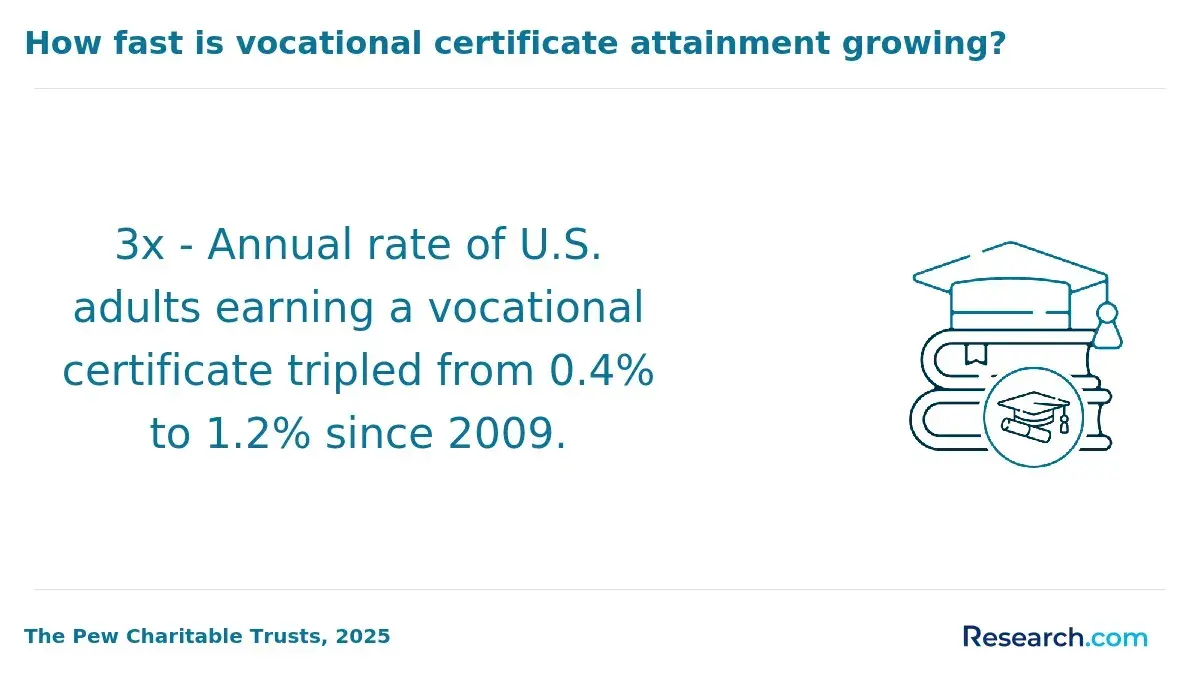
Academic difficulty in an online addiction psychology bachelor's degree often hinges on program expectations, the learning structure, and the rigor of academic standards. These programs typically require students to engage deeply with psychological theories and addiction-specific concepts through varied formats such as lectures, assignments, discussions, and exams. The level of challenge reflects a balance between intellectual engagement and mastery of content. National data show that about 56% of undergraduate students in online courses complete their programs within six years, highlighting the persistence required to succeed in such learning environments.
Perceived difficulty varies due to multiple factors including institutional variation, curriculum design, and student experience. Different colleges apply distinct academic policies and emphasize theory or applied work to varying degrees, which shapes how hard students find their coursework. Personal background and learning preferences also impact how challenging an online addiction psychology bachelor's degree feels from one individual to another.
For those interested in specialized paths, exploring bcba certification programs online can offer an aligned perspective on rigorous academic standards within related fields.
What Is the Workload and Time Commitment for an Online Addiction Psychology Bachelor's Degree?
Prospective students considering an online addiction psychology bachelor's degree benefit from understanding workload expectations to manage their time and commitments wisely. According to the National Survey of Student Engagement, full-time undergraduates spend an average of 15 hours per week on academic activities outside of class, which reflects typical weekly study hours for addiction psychology bachelor's program students.
Several factors influence the time commitment and workload involved in completing this degree online, including institutional pacing, credit requirements, and course formats. Key aspects to consider are:
- Academic Pacing: Online programs often offer semester, quarter, or accelerated formats, sometimes including summer terms. Accelerated paths enable faster degree completion but require higher weekly effort, impacting workload intensity.
- Course Scheduling: Students typically enroll in 3 to 5 courses per term, equating to 12 to 15 credit hours. Each credit hour demands about 2 to 3 hours of study weekly outside of class, including assignments and discussions.
- Credit Requirements: Earning the degree generally entails completing 120 to 130 credit hours. Full-time study usually spans around four years, while part-time options allow spreading the workload over a longer period.
- Time Management: Managing deadlines, readings, exams, and discussion participation requires strong organization and discipline due to the online format's self-directed nature.
- Program Variability: Workload and time expectations can vary significantly across institutions. Students should research programs carefully, considering their lifestyle and academic goals, to select the best fit.
For those exploring continued education options, reviewing lists of affordable masters degrees can offer insight into future academic opportunities after completing an addiction psychology bachelor's degree.
How Difficult Are the Courses in a Addiction Psychology Bachelor's Degree?
When considering an online addiction psychology bachelor's degree, understanding course difficulty is a vital factor that shapes student success and experience. Academic rigor affects the time dedication, mastery of content, and overall workload management. According to a 2022 National Center for Education Statistics survey, nearly one-third of undergraduates describe their courses as highly challenging.
Key aspects influencing course difficulty in these programs include:
- Curriculum Rigor: Programs often begin with basic subjects like general psychology and biology to establish foundational knowledge, gradually increasing intellectual demands as students advance.
- Subject Complexity: Advanced classes dive deeper into areas such as neurobiology of addiction, counseling methods, and ethical treatment issues, requiring more critical thinking and nuanced understanding.
- Assessment Variety: Evaluations typically include exams, research papers, case analyses, and active participation, testing a range of skills from knowledge recall to applied reasoning.
- Institutional Variation: Course difficulty can differ widely depending on focus; some schools emphasize research and data analysis, while others lean toward clinical or policy-related studies.
- Progressive Learning: The curriculum is designed to build on previous knowledge, challenging students to integrate concepts and develop higher-level competencies over time.
A graduate from an online addiction psychology bachelor's program shared that the journey was both demanding and rewarding. They recalled feeling overwhelmed during their first research projects but gradually grew confident through hands-on case studies and interactive assignments. "Balancing complex coursework with real-world issues related to addiction required constant focus," they explained, noting the importance of time management and active engagement in virtual discussions. The combination of theoretical and applied learning pushed them to develop strong analytical and communication skills, which they now consider essential for their career.
Comparing online and in-person formats for addiction psychology bachelor's programs reveals that perceived difficulty largely depends on academic structure and delivery rather than inherent challenge. While both formats cover similar material such as behavioral theories and treatment strategies, their instructional approaches vary. Research shows that about 67% of students in online bachelor's programs report equal or improved academic performance compared to their on-campus peers, indicating that challenges of studying addiction psychology online vs in-person are often influenced by factors beyond the mode of instruction. Well-designed online courses can thus match or exceed the engagement level of traditional classrooms.
The comparative difficulty of online addiction psychology degree programs also hinges on course design, types of assessments, and learning environments. In-person programs typically integrate live discussions, group activities, and role-playing to enhance interaction, whereas online formats rely on asynchronous tasks and virtual simulations, demanding greater self-discipline. Additionally, access to quiet study spaces and technology can affect students' ability to absorb material in either setting. These structural and institutional elements contribute more to student experience than the choice between online and in-person learning. Prospective students interested in online psyd programs should weigh these factors carefully when evaluating program difficulty.
Balancing work, family, and education demands programs that offer genuine flexibility. For working students pursuing an online addiction psychology bachelor's degree, the ability to fit coursework into varied schedules is essential. Recent data shows that nearly 41% of undergraduates exclusively taking distance courses are working adults, underscoring the need for adaptable learning options.
Several aspects demonstrate how these programs cater to flexibility:
- Learning Format: Many programs provide asynchronous content that students can access anytime, paired with optional live sessions to accommodate different time zones and commitments.
- Scheduling Options: Courses may be offered in traditional or accelerated formats, often with multiple start dates throughout the year to minimize gaps between terms.
- Pacing Choices: Students can select between structured timelines or self-paced formats, allowing them to adjust their study intensity based on work and personal demands.
- Program Policies: Each institution sets specific rules on attendance, deadlines, and engagement, influencing how easily students can manage their academic progress alongside other responsibilities.
- Accessibility Features: Online platforms frequently include mobile-friendly access and extensive support services, enabling study from diverse locations and devices.
A student enrolled in an online addiction psychology bachelor's degree shared that while juggling a full-time job was challenging, the program's flexible approach made it manageable. She mentioned, "Being able to watch lectures late at night after work helped me stay on track." She also highlighted occasional frustrations with deadlines but appreciated the school's willingness to accommodate questions through online forums and support. This balance of structure and adaptability allowed her to remain engaged and steadily progress despite a demanding schedule.
Mastering certain skills is vital for students contemplating an online addiction psychology bachelor's program, as these abilities influence both academic achievement and persistence. Research shows that nearly 30% of online learners fail to complete their programs within six years, underscoring how essential these competencies are to success.
The following key skills play a critical role in helping students perform well in remote addiction psychology studies:
- Time Management: Effective online learners must independently organize their schedules to balance course readings, assignments, and virtual lectures, often without the structured environment of a traditional classroom.
- Self-Directed Learning: Motivation and initiative are necessary to engage thoroughly with complex psychological theories and coursework, as students have limited real-time supervision.
- Digital Literacy: Navigating learning platforms, video calls, and online research tools is foundational to accessing course materials and participating fully in remote instruction.
- Communication Skills: Clear, professional written communication for forums and email, along with active involvement during live discussions, are essential to collaborate effectively and demonstrate understanding.
- Academic Discipline: Staying focused and meeting deadlines despite distractions in home settings requires strong personal discipline and commitment to one's studies.
Developing these skills equips students to manage the unique demands of addiction psychology coursework delivered online, where grasping counseling methods, ethical concerns, and psychological concepts calls for both intellectual engagement and well-honed study habits.
Students often assess the difficulty of an online addiction psychology bachelor's degree by comparing it with other majors, as academic rigor varies significantly across fields. These comparisons help set realistic expectations about workload, intellectual demands, and skill development. For example, a 2020 national survey revealed that approximately 60% of students in psychology-related programs completed their degrees within six years, slightly below the overall bachelor's completion rate of 65%. Such statistics suggest that while challenges exist, completion rates in addiction psychology are comparable to many other disciplines.
Difficulty differences often arise from curriculum structure, subject matter complexity, assessment types, and institutional standards. Addiction psychology programs generally integrate foundational psychology courses with specialized topics in behavioral science, biology, and counseling, which tend to be less math-intensive than engineering or physical sciences. Assessments emphasize critical thinking through written assignments, case studies, research projects, and exams, rather than technical problem-solving. Moreover, academic rigor can fluctuate by university, with some institutions requiring more independent research and analysis, influencing perceived difficulty among students.
Students considering an online addiction psychology bachelor's degree benefit from knowing the common difficulties they might face throughout their studies. This understanding helps set realistic expectations and aids in assessing whether programs align with their learning preferences and life commitments. Below are several key challenges frequently encountered in such online programs.
- Autonomous Learning: Online addiction psychology degree challenges often include the need for high self-discipline and motivation. Unlike traditional classrooms, students must independently organize their study schedules and keep up with coursework without direct instructor supervision.
- Time Management: Balancing coursework with personal and professional life is complex, especially in programs offering flexible deadlines. This flexibility can sometimes lead to procrastination or irregular study patterns without effective time management.
- Digital Platform Navigation: Students must become adept at using various online tools such as learning management systems, video conferencing, and digital libraries. The diversity of technological requirements can create a steep learning curve that adds to the overall cognitive load beyond academic content.
- Academic Workload: Addiction psychology programs require mastering complex subjects like human behavior theories and neuroscientific aspects of addiction. The intellectual rigor combined with assignments, research, and exams places significant demands on students.
- Institutional Support Variation: Support services for online students vary widely across universities. Some provide robust resources such as tutoring and academic advising tailored for remote learners, while others offer limited assistance, impacting students' ability to fully engage and overcome obstacles.
The common difficulties in addiction psychology programs make it essential for students to carefully evaluate program options. Those interested in related fields may also explore options such as the cheapest online communications degree as an alternative path in online education.
Support systems are crucial for online addiction psychology bachelor's students because remote learning can create challenges such as feelings of isolation, time management struggles, and difficulty grasping complex concepts. Effective resources help mitigate these challenges by offering guidance and fostering engagement. According to the National Center for Education Statistics, students who actively use academic support services demonstrate a 15% higher retention rate than those who do not.
For students exploring available resources for online addiction psychology degree learners, several key support structures are typically offered:
- Academic Advising: Personalized degree planning and career advice are provided through faculty mentors, ensuring students receive tailored guidance throughout their studies.
- Digital Learning Tools: Interactive platforms, video lectures, and real-time discussion boards enhance understanding and maintain student engagement in an online environment.
- Institutional Services: Online libraries, tutoring, and technical support empower students to efficiently navigate their coursework and overcome technological challenges.
- Peer Collaboration: Virtual study groups, forums, and online meetups promote networking and shared learning, helping students build connections despite remote settings.
- General Learning Support: Workshops focusing on study skills, writing assistance, and time management help students develop strategies optimized for online learning success.
These comprehensive support services create a nurturing environment critical for managing the academic rigor of addiction psychology programs. Balancing coursework with personal commitments becomes more achievable, strengthening student commitment and success. Prospective students seeking the shortest online masters degree might also find similar support infrastructures beneficial as they advance in their educational journey.
Many students weigh the effort required for an online addiction psychology bachelor's degree against its perceived benefits, questioning the academic rigor, time commitment, and ultimate value. The program demands consistent study habits and engagement with complex psychological concepts related to addiction. According to the Bureau of Labor Statistics, employment in substance abuse counseling is projected to grow 22% from 2020 to 2030, suggesting promising career prospects for graduates. Still, students often wonder if the degree justifies the investment of their time and resources.
The value of an online addiction psychology degree depends on factors like curriculum quality, program accreditation, and how well the coursework prepares students for professional roles. Accredited programs adhering to established academic standards are more likely to align with workforce needs and licensing requirements in addiction-related fields. However, variations between institutions in course content and delivery methods can influence how well graduates are equipped for real-world challenges. Overall, the degree offers potential value when paired with rigorous academic standards and clear pathways to employment.
What Graduates Say About How Hard Is an Online Addiction Psychology Bachelor's Degree
- Levi: "Choosing an online addiction psychology bachelor's degree was all about flexibility for me since I work full-time and have family commitments. The workload was definitely challenging at times, especially juggling research assignments and live discussions, but the ability to learn at my own pace made it manageable. Graduating has opened doors to several counseling opportunities I hadn't considered before."
- Arlene: "Reflecting on my journey, pursuing an online addiction psychology degree required a lot of discipline and self-motivation because it felt isolating without face-to-face interaction. I learned the importance of creating a structured study schedule and actively seeking support from peers and professors. This program truly transformed my understanding of substance abuse issues and enhanced my impact as a prevention specialist."
- Cathy: "The online addiction psychology bachelor's degree was a rigorous experience that tested my time management and critical thinking skills intensely. I chose this route to balance graduate school prep with professional responsibilities, and it pushed me to become more organized and resilient. Now, as a behavioral health technician, the knowledge and credentials I gained have significantly advanced my career prospects."
Other Things You Should Know About Addiction Psychology Degrees
Students typically complete research papers, case study analyses, and reflective essays that explore addiction theories and treatment methods. Many programs also require participation in online discussions and presentations to develop communication skills specific to addiction psychology.
Most programs require high school algebra, English composition, and sometimes biology or psychology before enrollment. Some schools also expect a minimum GPA of 2.0 to 2.5 and proof of a high school diploma or GED. Transfer students may need prior college credits for general education courses.
In 2027, the interdisciplinary nature makes an online addiction psychology degree both complex and enriching, incorporating psychology, healthcare, and ethics. This breadth of study requires students to integrate diverse concepts, which can be challenging but also prepares them for multifaceted careers.
- Online vs in-person mutual-help groups: Which are better? https://www.recoveryanswers.org/research-post/online-vs-in-person-mutual-help-groups-which-are-better/
- 3 Key Skills You’ll Learn in Addictions Counselling Training https://www.rhodescollege.ca/3-key-skills-youll-learn-in-addictions-counselling-training/
- Online Bachelors in Substance Abuse Psychology | AE.org https://academicearth.org/bachelors-in-substance-abuse-psychology/
- When Online Habits Turn Harmful: Understanding Internet Addiction and Depression in Students https://www.psychvox.com/p/when-online-habits-turn-harmful-understanding
- Best Online Bachelor's In Addiction & Recovery 2025 https://www.psychology.org/degrees/addictions-and-recovery/bachelors/
- Pros and Cons of Online Support Groups | Recovery First https://recoveryfirst.org/drug-abuse/online-support-groups/
- 5 Essential Skills Every Addiction Counselor Needs https://sobercollege.com/addiction-blog/5-essential-skills-every-addiction-counselor-needs/
- 7 Mistakes to Avoid When Enrolling in an Online Bachelor's Degree in Psychology Program https://www.counselingpsychology.org/mistakes-bachelors-degree-psychology/
- What Is Internet Addiction? 5 Warning Signs and How to Regain Balance https://www.rockethealth.app/blog/what-is-internet-addiction-5-warning-signs-and-how-to-regain-balance/
- Internet Addiction https://www.psychologytoday.com/us/basics/internet-addiction