2027 Is an Elementary Education Degree Better Than Experience Alone? Salary, Hiring, and Career Growth Compared

Co-Founder and Chief Data Scientist
Entry into the elementary education field without a relevant degree is nearly impossible-state certifications usually require formal credentials. Yet some candidates rely on extensive classroom experience or self-directed training hoping to bypass traditional paths. Recent data shows degree holders earn on average 25% more than those without formal qualifications in comparable roles and receive faster promotion opportunities within public school systems.
Employment rates also favor graduates due to mandated licensure. This gap underlines the significant advantage an elementary education degree offers in salary and career trajectory. This article explores these disparities to help aspiring educators decide if pursuing a degree aligns with their professional goals.
Key Points About Having Elementary Education Degrees vs Experience Alone
- Elementary education degree holders typically earn 15% higher salaries than experienced non-degree workers, reflecting school districts' preference for formal credentials in salary scales.
- Employment rates favor degree holders, as 72% of advertised elementary education positions require a formal degree, limiting opportunities for experience-only candidates.
- Career growth is more accessible for degree holders, with 60% more promotions to leadership roles reported among certified teachers versus those without degrees.
What technical proficiencies can you gain from having Elementary Education degrees vs self-teaching?
Professionals pursuing an elementary education degree gain access to foundational principles and practical applications shaped by research and pedagogy, unlike many who learn primarily through on-the-job experience. Below are five key technical proficiencies where degree programs distinctly enhance skills compared to self-teaching or experiential learning alone.
- Curriculum Design and Assessment: Degree programs teach how to align lesson plans with pedagogical theories and state standards, ensuring effective measurement tools. Those relying solely on experience often miss this structured approach, risking inconsistency and gaps in meeting educational norms.
- Child Development Psychology: Formal education offers a comprehensive understanding of cognitive, emotional, and social milestones, enabling tailored instruction. Self-taught educators may grasp basics but lack the depth needed for ethical and effective adjustments.
- Educational Technology Integration: In degree courses, the use of digital tools is taught within a pedagogical context, enhancing student engagement with planned strategy rather than trial and error. Self-learning tends to focus on technical proficiency without integrating teaching best practices.
- Special Education Laws and Inclusive Practices: Comprehensive instruction on legal requirements and Individualized Education Plans (IEPs) is a hallmark of degree programs. Experience alone seldom provides the breadth needed to fully comply with these complex mandates.
- Classroom Management and Behavioral Interventions: Degree programs emphasize evidence-based behavioral strategies to foster positive environments. Those relying on experience often learn through trial and error, lacking the theoretical grounding that improves outcomes.
A 2025 study by the National Center for Education Statistics found that 78% of elementary teachers with formal degrees reported higher confidence and preparedness in applying specialized instructional strategies versus 53% of self-taught educators relying primarily on experience. This underscores the value of elementary education degree benefits for technical skills development over experience alone.
Additionally, comparing classroom technology proficiency in degree vs self-taught educators reveals that structured training better equips teachers to leverage digital tools effectively. For prospective students weighing options, exploring easy masters programs within elementary education can be a strategic pathway to achieving these technical proficiencies and advancing a teaching career.
Are there certifications or licenses that only Elementary Education degree holders can obtain?
Continuing education and earning additional credentials can significantly enhance career opportunities, even as more employers shift toward skills-based hiring. Here are several key certifications and licenses typically reserved for individuals with an elementary education degree:
- State Teaching License: This essential credential allows public school teaching and normally requires a bachelor's degree in elementary education or a closely related field, supervised student teaching experience, and passing state exams. Having this license improves job prospects since public schools rarely hire unlicensed educators.
- Reading Specialist Certification: Focused on literacy instruction and intervention, this certification demands graduate coursework grounded in elementary education theory and methods. It qualifies educators to serve as specialists in reading support roles, enhancing employability and career growth.
- National Board Certification: A prestigious, voluntary credential demonstrating advanced teaching skills in early childhood or elementary education. Candidates need a degree and several years of experience. Achieving this certification can lead to higher salaries and leadership positions in schools.
- Special Education Endorsement: Offered by many states, this endorsement allows elementary educators to teach students with special needs. It generally requires coursework tied to an elementary education program and adds versatility, opening doors to diverse teaching roles.
These credentials highlight the difference between elementary education license requirements versus experience, as they often demand formal study unavailable through experience alone. According to recent data, elementary educators with state teaching licenses and specialized certifications earn about 20% more and have a 15% higher promotion rate than those relying solely on experience.
For those still considering their career path, exploring programs focused on foundational education is valuable. For example, individuals aiming for leadership roles or advanced certifications might also benefit from pursuing an most affordable executive MBA to complement their teaching expertise.
Will a degree in Elementary Education make you more employable?
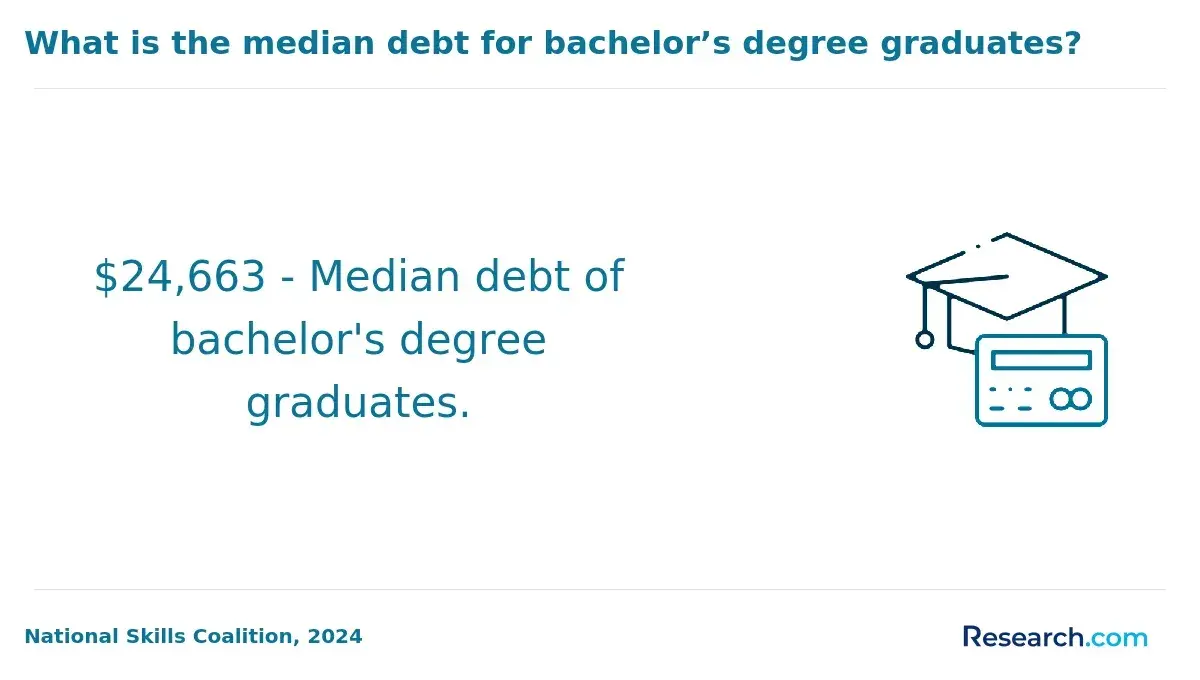
The job market for those holding an elementary education degree is notably stronger than for candidates relying solely on experience. Public school districts and many private institutions frequently mandate formal degrees as a baseline requirement. Without this credential, applicants may find their opportunities limited, especially in traditional K-6 settings where compliance with state standards is strictly enforced.
This preference stems from the comprehensive nature of degree programs, which combine theory with structured practicum experiences such as student teaching. Additionally, many states require this degree to qualify for licensure or certification, making it an essential step for long-term employment as a certified teacher. Conversely, while hands-on experience is valuable, it often does not substitute for meeting these regulatory prerequisites.
Ultimately, whether pursuing a degree or focusing on experiential learning depends on individual career goals. Those aiming for positions within public education or reputable private schools will likely need the formal credential. However, alternative education settings or non-traditional roles might allow more flexibility where in-field skills can sometimes outweigh formal qualifications.
When asked about how having an elementary education degree affected his employability, a professional who earned his degree online shared that the structured support during his program was crucial. He described the challenge of balancing coursework with student teaching but emphasized that the supervised experience helped him build confidence and practical skills. "It wasn't just about the classes," he explained, "but the guidance and feedback that made me feel prepared for real classroom challenges." He noted that his degree opened doors that might have stayed closed otherwise, validating both his knowledge and readiness in the eyes of school administrators.
Certain careers in elementary education require candidates to hold a formal degree, while others may prioritize skills and job-readiness gained through experience. Understanding these distinctions helps prospective educators determine how best to prepare for the field. Below are several career opportunities highlighting the difference in requirements:
- Elementary School Teacher: This is the most common role, involving lesson planning, student assessment, and fostering a positive learning environment. State licensing and certification regulations typically mandate an elementary education degree to ensure knowledge of pedagogical methods and child development.
- Special Education Teacher: Professionals in this role work with students who have disabilities or learning challenges, requiring expertise in individualized education plans and adaptive teaching strategies. Licensing almost always demands a degree and specialized certifications, making it difficult for non-degree holders to enter.
- School Counselor: Elementary school counselors assist children with social, academic, and emotional support. Although some experience in child development helps, a degree in elementary education or counseling ensures counselors have the ethical and psychological training necessary for this career.
- Educational Coordinator: Coordinators or curriculum specialists design educational frameworks and materials, guiding schools on standards. A degree is usually essential due to the advanced understanding of curriculum and assessment methods, though some districts allow highly experienced teachers without degrees in limited cases.
- Literacy Coach: These specialists support reading development through targeted instructional strategies. A degree combined with teaching experience is usually required because of the expertise needed in early literacy techniques.
Career opportunities with an elementary education degree generally offer greater stability and advancement, reflecting the value placed on formal training. Research also shows that degree holders earn about 20% more on average in early childhood teaching roles compared to those relying solely on experience. Additionally, they are 35% more likely to secure certified teaching positions. For students who want to expand their prospects, exploring online masters in communications programs can be a strategic step toward broadening their qualifications within the educational field.
Those with an elementary education degree benefit from more structured and extensive networking opportunities than individuals relying solely on experience or self-teaching. Degree programs often connect students with peers, faculty, and education professionals, fostering relationships that can lead to mentorships, referrals, and collaborations. In contrast, non-degree holders tend to depend more on informal community contacts or local job fairs, which may not provide the same level of access to hiring decision-makers.
Students in elementary education programs typically use resources like university career centers, internship placements in partner schools, and alumni mentorship networks. They often also participate in professional organizations such as the National Association for the Education of Young Children (NAEYC), which offer direct interaction with school administrators and hiring committees. Those without formal degrees usually rely on online forums and social media groups, but these channels have less influence on formal school hiring processes.
The elementary education field heavily favors networking for hiring and career advancement, with many positions secured through referrals and professional connections. Research indicates a notably higher percentage of degree holders obtain jobs via education networks compared to non-degree holders. As a result, building and utilizing these networks is a crucial component of career growth in this industry.
Holding a degree in elementary education often qualifies professionals for roles that require formal credentials, making them more competitive for leadership and specialized positions. Certain advantages contribute to improved promotion prospects for those with such degrees. Key reasons include:
- Structured Knowledge: Completing a degree ensures a comprehensive understanding of educational theories and classroom management techniques that practical experience alone might not provide.
- Certification Eligibility: Degrees enable access to advanced certifications and endorsements frequently mandated for administrative or higher-level roles within schools.
- Professional Development Access: Educators with formal qualifications are more likely to be prioritized for continuing education and specialized training opportunities, which support career advancement.
While experience can sometimes support career progression, teachers without degrees often encounter limits on how far they can advance unless they gain additional credentials. The academic foundation provided by an elementary education program creates a clearer path to leadership and specialized teaching roles, serving as an important asset for sustained professional growth.
Professionals with an elementary education degree earn roughly 25% more annually than those relying solely on experience, reflecting a clear wage pay gap. Teachers who hold degrees typically start with higher salaries and experience steadier pay increases, while non-degree educators often encounter income plateaus over time. The difference in income outlook is also evident in career advancement, as higher-level positions such as lead teachers or curriculum coordinators usually require formal qualifications, limiting growth opportunities for non-degree professionals.
While experience and self-teaching can improve teaching skills, they rarely replace the formal education credentials that schools seek for salary boosts and promotions. Non-degree holders can enhance their income prospects by earning additional certifications, master's degrees, or specializing in areas like special education or literacy. Pursuing further education combined with practical experience offers the best path to long-term salary growth and career advancement in elementary education. Students interested in progressing their careers can explore the best online EdD programs to build credentials that substantially impact earnings and job stability.
On average, earning an elementary education degree costs between $20,000 and $45,000, depending on the institution and program length. Graduates usually start with salaries ranging from $45,000 to $55,000 annually. Research indicates that it typically takes about 5 to 7 years to achieve a full return on investment (ROI), considering both the educational expenses and opportunity costs. This timeframe reflects when salary gains begin to outweigh the initial cost of the degree.
Financial aid options such as scholarships, grants, and work-study programs can significantly lower upfront costs and improve ROI. Additionally, accelerated degree programs enable students to enter the workforce sooner, shortening the period before earning a full salary. Obtaining state certification and specialized endorsements can also enhance earning potential, further maximizing the benefits of the degree.
While hands-on experience has value, formal elementary education training provides more consistent hiring opportunities and higher starting wages. The credentials and structured knowledge from a degree confer advantages in career growth and salary progression compared to relying solely on experience and self-teaching.
The job market for elementary education is gradually integrating AI and automation, mainly for administrative and support roles, but core teaching responsibilities remain largely immune. Economic fluctuations continue to affect schools' budgets, causing some instability; however, educators with formal elementary education degrees tend to have an advantage. Their training includes skills like curriculum planning, child development, and inclusive education strategies that technology cannot easily replicate.
Compared to those relying only on experience or self-taught methods, degree holders are generally more resilient during layoffs or shifts caused by automation. They possess certifications that meet district and state standards, making them indispensable for roles that demand proven competency in handling diverse classrooms and special needs. Non-degree teachers often face greater challenges adapting to new tech-driven requirements, increasing their vulnerability to job losses in tougher economic times.
When asked about whether having an elementary education degree makes one less likely to be displaced by automation or budget cuts, a professional who graduated from an online elementary education bachelor's program shared candid insights. He described feeling initially uncertain about whether his degree would provide job security amid rising classroom technology and district cost-saving measures. Yet after several years, he noted that the comprehensive knowledge and officially recognized credentials gave him confidence and stability that colleagues without degrees lacked. "It wasn't just about knowing how to teach," he said, "but having the formal background that schools respect-it really helped me stay employed when others struggled." The process of earning his degree online while working full-time was demanding and sometimes stressful, but he believes it was essential for long-term career resilience.
What Graduates Say About Their Elementary Education Degrees
- Shane: "Graduating with a degree in elementary education truly set me apart in the competitive job market. The hands-on training and curriculum knowledge I gained made me feel completely job-ready from day one. I've seen a direct impact on my career progression and salary growth thanks to the solid foundation this degree provided."
- Emiliano: "Looking back on my journey, I realize how essential my elementary education degree was to building confidence and competence in teaching. It wasn't just about learning theories; the program prepared me to handle real classrooms effectively. This edge definitely helped me secure a rewarding position and continue to advance professionally with greater ease."
- Samuel: "The practical skills and comprehensive understanding I acquired through my elementary education degree have made a significant difference in my career trajectory. Employers often emphasize the advantage candidates have when they come equipped with this specialized training. It's also opened doors for promotions and better pay, reflecting the value of my academic background."
Other Things You Should Know About Elementary Education Degrees
Experience is certainly valued in elementary education, especially in classroom management and practical teaching skills. However, most formal teaching positions require an elementary education degree to meet state certification standards. Thus, experience alone may limit access to licensed teaching jobs in public schools.
Most states require the Praxis Elementary Education: Multiple Subjects test or a state-approved equivalent before licensure. Some states also require a basic skills exam and a pedagogy test. The exact exam list comes from the state education department or licensing board, not the school district.
An elementary education degree combined with state certification generally facilitates teacher licensure reciprocity between states. Educators without formal degrees or certification often find it more difficult to meet multistate licensing requirements, which can limit mobility and employment options across different state education systems.
- Why Self-Educated Learners Often Come Up Short - Scott H Young https://www.scotthyoung.com/blog/2010/02/24/self-education-failings/
- Elementary Education Career Pathways & Earnings https://collegeroi.org/roi/major/elementary-education/
- Why Should I Major in Elementary Education? https://www.drury.edu/education/why-should-i-major-in-elementary-education/
- What Can I Do With a Teaching Degree (Besides Teach)? https://www.alleducationschools.com/blog/what-can-i-do-with-a-teaching-degree-besides-teach/
- Primary Education News & Resources - Teaching News | Twinkl https://www.twinkl.pl/news/teachers-earn-less-than-other-professionals
- Elementary Teacher Careers: Demand, Pathways and Advancement in 2025 | Teachers of Tomorrow https://www.teachersoftomorrow.org/blog/insights/elementary-teacher-careers/
- Teacher Certification (Complete Guide) https://www.teach.org/becoming-teacher/teaching-certification
- The Role of Networks in Supporting School Improvement - TeachingTimes https://www.teachingtimes.com/the-role-of-networks-in-supporting-school-improvement/
- Teacher Certification Requirements by State https://teach.com/careers/become-a-teacher/teaching-credential/state-requirements/
- 6 Benefits of Pursuing a Master’s in Elementary Education | Acacia | https://acacia.edu/blog/6-benefits-of-pursuing-a-masters-in-elementary-education/