
2027 Is a Cybersecurity Degree Better Than Experience Alone? Salary, Hiring, and Career Growth Compared

Co-Founder and Chief Data Scientist
In the cybersecurity job market, candidates with degrees often start with higher salaries and clearer paths to employment compared to those relying solely on experience and self-taught skills. While some roles accept non-degree applicants, many employers require at least a bachelor's degree, making entry challenging without formal education. A 2025 study found degree holders earn on average 20% more and achieve promotion faster than their non-degree counterparts.
However, experience still plays a vital role in career advancement. This article examines how degrees and experience affect salary, hiring chances, and long-term growth to help readers decide which path suits their cybersecurity career goals best.
Key Points About Having Cybersecurity Degrees vs Experience Alone
- Degree holders generally earn 15% higher salaries than experienced non-degree professionals, reflecting employers' premium on formal education credentials in cybersecurity roles.
- Job opportunities expand for degree holders, as 62% of advanced cybersecurity positions require academic qualifications alongside practical skills.
- Promotion to leadership roles occurs 25% faster for candidates with a cybersecurity degree, indicating education's influence on career growth and managerial trust.
What technical proficiencies can you gain from having Cybersecurity degrees vs self-teaching?
Professionals pursuing a Cybersecurity degree typically gain both foundational principles and practical applications through structured coursework and hands-on labs, which are often difficult to acquire solely from on-the-job experience or self-teaching. Below are five key technical proficiencies commonly developed in degree programs compared to learning through work alone.
- Cryptography: Degree programs teach cryptography with a strong emphasis on underlying mathematical theories and algorithm design, which are rarely covered in depth by tutorials or practical experience. Self-taught learners often only grasp application-level concepts without understanding the full complexity.
- Network Security Architecture: Formal education provides a systemic and comprehensive approach to designing secure network environments over several courses. In contrast, professionals learning through experience may only see fragmented or reactive aspects of network security.
- Incident Response: Degrees include scenario-based exercises and collaborative simulations, preparing students for real-world breaches and team coordination, whereas self-taught individuals often lack structured practice in coordinated incident handling.
- Ethical Hacking Methodologies: While bootcamps or tutorials may introduce penetration testing tools, degree curriculums deliver broader context about attacker behavior and defense strategies that are essential for holistic understanding and effective defense.
- Security Compliance Frameworks: Formal programs cover complex legal and procedural standards like GDPR or HIPAA extensively, unlike on-the-job learning, which may overlook these critical governance components necessary for comprehensive cybersecurity management.
Choosing between a Cybersecurity degree or self-teaching entails weighing how much depth and breadth of these technical skills you want. For those interested in supplementing practical experience with formal credentials, exploring certificate programs online can also be valuable.
Are there certifications or licenses that only Cybersecurity degree holders can obtain?
Continuing education and earning additional credentials are valuable for any cybersecurity professional, especially as many employers now prefer skills-based hiring. However, some certifications and licenses in the field specifically require a formal degree in cybersecurity or a closely related area. Below are examples of such credentials that typically mandate academic qualifications.
- Certified Information Systems Security Professional (CISSP): This widely recognized certification values hands-on experience but often benefits candidates who hold a cybersecurity degree, as it accelerates meeting eligibility requirements. The degree ensures foundational knowledge across many domains tested, enhancing credibility and advancing opportunities into managerial roles.
- GIAC Security Essentials (GSEC): Offered by the Global Information Assurance Certification, GSEC focuses on advanced technical skills and frequently recommends or requires a degree to fully understand the material. Degree holders often achieve this certification more efficiently, increasing their competitiveness in the job market.
- Licensed Information Security Analyst (LISA): Typically mandated by regulatory bodies for certain government and corporate roles, LISA requires a cybersecurity degree plus relevant work experience or equivalent credentials. This reflects the high value placed on formal education for compliance and security standards.
- Canadian Cyber Security Professional (CCSP): This national license explicitly demands a cybersecurity degree or diploma as a prerequisite to ensure consistent knowledge and ethical standards among applicants seeking this designation.
Research from a global industry survey highlights that 62% of employers prefer candidates with a cybersecurity degree when pursuing higher-tier certifications and leadership roles, compared to 38% emphasizing experience and self-teaching alone. This trend underscores how certifications exclusive to cybersecurity degree holders still hold significant value in the hiring process.
Students considering a field with some of the highest paying jobs should weigh the benefits of pursuing formal education against experience and self-study. Cybersecurity licenses requiring formal degree qualifications not only open doors to specialized credentials but also lay a strong foundation for long-term career growth.
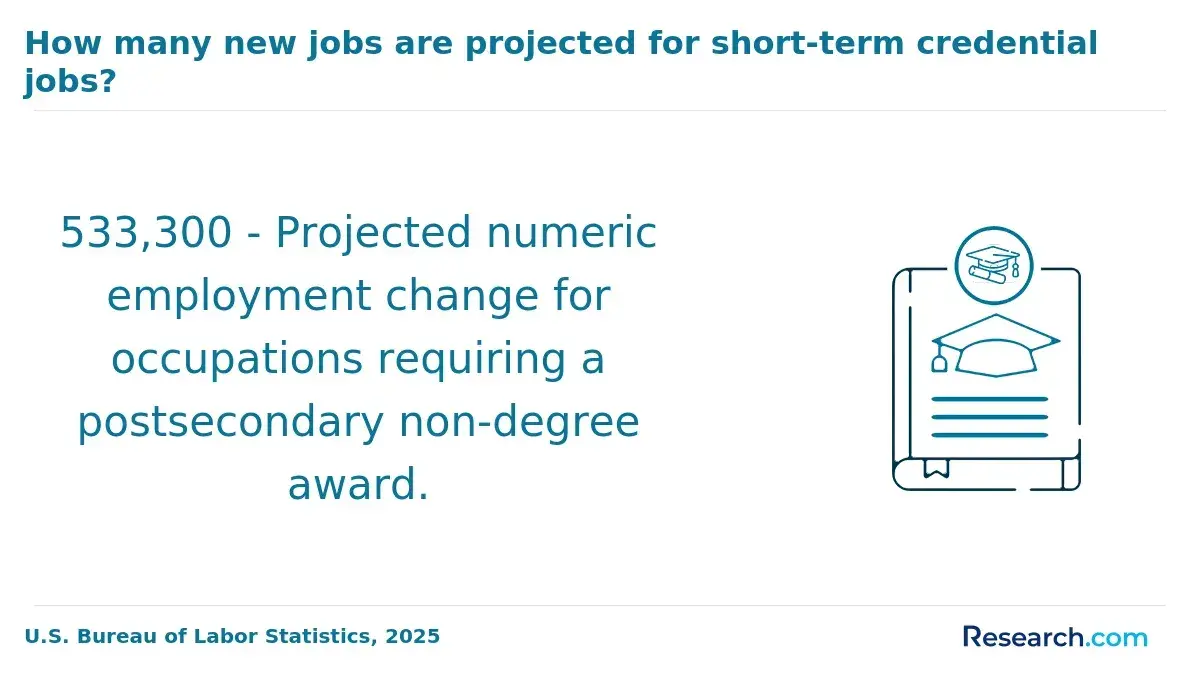
Will a degree in Cybersecurity make you more employable?
The job market for individuals with a degree in cybersecurity generally shows a stronger preference for formal education compared to those without one. About 62% of employers prioritize candidates holding relevant degrees when hiring for entry-level roles. However, a substantial portion of job postings remain open to applicants who lack degrees but demonstrate strong technical skills and industry certifications, reflecting a balanced approach in hiring practices.
Several factors shape this hiring landscape. A degree often provides employers with assurance of foundational knowledge and a structured learning background. Certifications like CISSP or CEH, combined with hands-on experience, can sometimes bridge the gap for those without degrees. Ultimately, many employers look for candidates who combine education, practical skills, and up-to-date awareness of cybersecurity challenges.
Ultimately, whether pursuing a cybersecurity degree is essential depends on one's career ambitions. For those aiming for roles that emphasize formal qualifications and deep theoretical grounding, a degree can be advantageous. Conversely, individuals focused on skill-based roles or those with significant experience may find other pathways equally viable.
When asked about his perspective, a professional who completed an online bachelor's in cybersecurity shared, "Finishing my degree gave me confidence that I hadn't fully had before. It wasn't just about learning facts but understanding how to think about security problems." He described the challenges of juggling coursework with job responsibilities and the reassurance the degree provided during interviews. "Employers noticed the credential, but they also appreciated the projects I completed and certifications I earned alongside it. For me, it wasn't one or the other but both together that opened doors."
Some roles in cybersecurity specifically require candidates to hold a formal degree due to the technical knowledge and theoretical grounding needed, while other positions may prioritize practical skills and job readiness. Degree holders often find it easier to access a wider range of career opportunities, especially in more regulated or complex environments. Below are several key careers that commonly prefer or require a cybersecurity degree:
- Information Security Analyst: These professionals monitor security systems, identify vulnerabilities, and develop protocols to protect organizational data. A cybersecurity degree is typically necessary since the role demands a firm understanding of network architecture, cryptography, and risk management principles acquired through structured coursework.
- Cybersecurity Engineer: Responsible for designing and implementing security measures within IT infrastructures, these engineers configure firewalls and manage encryption technologies. Formal education equips them with deep technical knowledge essential for working with complex systems, although some firms may consider equivalent experience in less regulated sectors.
- Penetration Tester: Specializing in simulating cyberattacks to find security weaknesses, penetration testers benefit from specialized training often provided in degree programs. While certifications and hands-on experience can support entry into this field, formal education strengthens understanding of fundamental cybersecurity principles.
- Security Architect: This senior role involves designing overall security frameworks and integrating security into business operations. A degree provides the strategic thinking and broad knowledge necessary, though substantial industry experience can sometimes serve as a substitute.
- Incident Responder: Tasked with managing cyber crises and recovering from breaches, incident responders rely on a combination of technical and operational awareness. A degree builds a solid foundation, but some employers value rapid on-the-job learning and practical experience equally.
For those considering career growth, particularly in top paying cybersecurity jobs for degree holders, holding a formal degree often enhances job prospects and salary potential. Studies show that 62% of hiring managers prioritize candidates with a cybersecurity degree for mid-level roles, reflecting the increasing value of education in this competitive landscape. Students exploring their options might also find value in complementary fields such as an online social media marketing degree to broaden their expertise and marketability in related tech-driven sectors.
Degree holders in cybersecurity often gain access to structured networking channels through faculty connections, alumni networks, and university-led career programs. These resources open doors to industry contacts and potential employers, providing advantages during a job search. In contrast, professionals without degrees typically build networks through workplace relationships, open-source projects, or industry competitions, often relying on personal initiative to establish contacts.
Both degree and non-degree professionals can benefit from widely available platforms like LinkedIn and specialized groups such as ISACA or (ISC)² chapters. However, those with formal education credentials frequently find it easier to join these communities and leverage academic affiliations for credibility. Degree students also enjoy access to exclusive job fairs, mentorship programs, and internship opportunities that enhance networking prospects beyond what many self-taught individuals encounter.
The cybersecurity field heavily depends on referrals and personal connections, with a majority of job placements arising from established networks. While experience and skill remain critical, having a degree often accelerates the networking process and provides official avenues for relationship-building. Ultimately, cultivating professional contacts is essential for career growth in cybersecurity, making educational credentials a significant asset in this referral-driven industry.
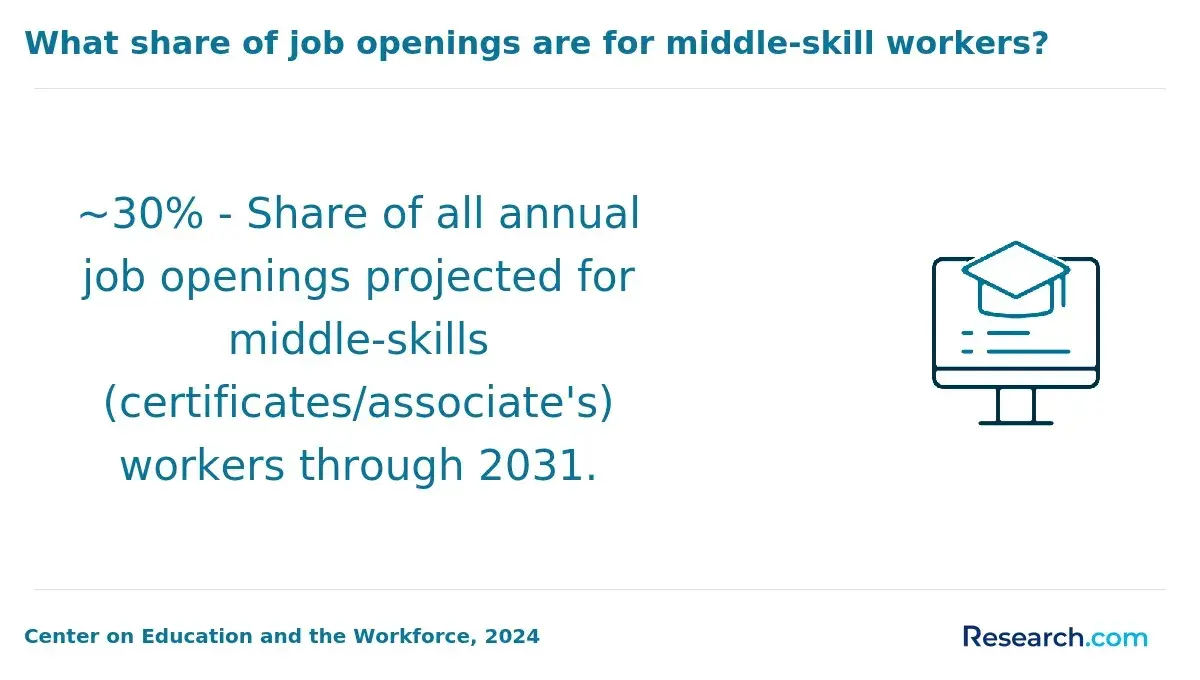
A degree in Cybersecurity often increases eligibility for certain positions, especially those involving leadership or specialized skills. The structured knowledge and formal training gained through degree programs can make professionals more competitive for promotion. Below are some key reasons why having a degree can influence career advancement:
- Recognized Expertise: A degree signals a solid foundation in critical security principles and technical knowledge, differentiating candidates from those relying purely on experience or self-study.
- Advanced Skill Development: Degree programs typically cover important areas like risk management, compliance, and strategic planning, which are essential for higher-level roles and managerial responsibilities.
- Industry Preferences: Many employers prioritize or mandate degrees for executive positions, valuing the formal education as a reliable indicator of leadership capability and decision-making skills.
While relevant certifications and proven practical experience can also support career growth, the credential of a degree often speeds up promotion opportunities and aligns with employer expectations at senior levels.
Cybersecurity degree holders typically earn 15% to 20% more than those who rely on experience or self-teaching alone, with entry-level salaries averaging around $75,000 compared to about $62,000 for non-degree professionals. As careers advance, degree holders often reach higher salary ceilings; senior positions like cybersecurity engineers or managers report median earnings between $125,000 and $140,000, whereas those without degrees generally cap out closer to $110,000 to $120,000. This wage gap reflects how formal education can provide essential technical knowledge and access to valuable professional networks, influencing long-term income potential and hiring opportunities for cybersecurity degree holders versus experienced professionals.
Non-degree professionals can still enhance their income outlook by gaining certifications such as CISSP or CISM, developing hands-on experience through internships or real-world projects, and focusing on in-demand specialties like cloud security or threat intelligence. While degrees offer advantages, these strategies can help experienced individuals bridge the income gap to some extent.
Continuously upskilling is critical for cybersecurity professionals to remain indispensable during organizational changes triggered by economic shifts. Staying current not only boosts employability but also improves job security in this evolving field. For those curious about further advancing their education to enhance career prospects, exploring programs like PsyD online can be a valuable option.
The average tuition for a cybersecurity degree typically ranges between $20,000 and $50,000, depending on the institution and program type. Despite the sizable upfront cost, graduates often see a positive return on investment (ROI) within about 3 to 5 years after entering the workforce. This is driven by the strong demand in the field and competitive salaries, which generally outpace earnings of non-degree holders relying solely on experience.
Maximizing ROI involves exploring financial aid options such as scholarships, grants, and employer tuition reimbursement programs that help reduce the burden of tuition or student debt. Accelerated degree tracks also allow students to complete their education faster and start earning sooner. Combining a cybersecurity degree with relevant certifications and internships further boosts earning potential, improving hiring prospects and long-term career growth beyond what experience alone can offer.
Studies indicate degree holders earn on average 25% more within the first five years compared to those without formal education, underscoring the value of balancing practical experience with academic credentials to enhance overall salary and professional opportunities.
The cybersecurity job market is rapidly evolving with widespread adoption of AI and automation tools that handle many routine security tasks. This shift creates fluctuations in demand and puts pressure on professionals to continually update their skills. Economic downturns add another layer of uncertainty, impacting job stability across the industry. However, individuals holding a cybersecurity degree tend to be better positioned to weather these changes.
Degree programs in cybersecurity often cover advanced topics like AI-driven defenses, regulatory compliance, and risk management. This formal education equips graduates with a solid, verifiable foundation that employers value when navigating volatile markets. In contrast, self-taught professionals might struggle to keep pace with new technologies or prove their expertise consistently. Data shows that degree holders maintain higher retention rates during recessions, partly because their credentials affirm adaptability and deep understanding of emerging threats.
When discussing the likelihood of displacement by automation or layoffs, a professional who completed an online cybersecurity bachelor's degree shared insightful reflections. He described initial doubts about whether his degree would truly protect him in tougher economic times. "It was challenging balancing work, studies, and family," he said, noting the pressure to master constantly evolving tools. After graduating, he found his formal training gave him confidence during layoffs elsewhere. He recalled, "Several colleagues without degrees lost jobs, but my knowledge of compliance and advanced threat detection helped me stand out." His experience suggests that a degree can provide a meaningful buffer against market instability, especially when combined with ongoing skill development.
What Graduates Say About Their Cybersecurity Degrees
- Olivia: "Having a degree in cybersecurity gave me a significant edge when I entered the job market. It not only sharpened my technical skills but also taught me how to think critically about security challenges. Thanks to the real-world projects in the program, I felt job-ready and confident, which helped me land my first role quickly."
- Zain: "Reflecting on my journey, earning a cybersecurity degree was crucial for my career growth. The structured curriculum equipped me with both theoretical knowledge and practical experience, making me highly competitive among peers. Over time, this foundation played a key role in my promotions and salary increases within my company."
- Myles: "I approached my cybersecurity degree with a professional mindset, and it paid off. The degree helped me develop a strong understanding of industry standards and best practices, making me an asset from day one. This credibility not only opened doors for employment but also set me up for steady advancement in a rapidly evolving field."
Other Things You Should Know About Cybersecurity Degrees
Self-taught cybersecurity professionals can compete effectively in interviews, especially if they demonstrate strong practical skills and relevant experience. Employers often value problem-solving abilities and hands-on knowledge, which can be proven through project portfolios or contributions to open-source security tools. However, some organizations prefer degree holders due to their formal background and structured education.
Employer preferences vary, but many prioritize relevant work history and demonstrable skills over formal education alone. In cybersecurity, practical experience with real-world threats and technologies can sometimes outweigh academic credentials. That said, certain roles, especially in government or regulated industries, may require degrees for initial consideration.
Many employers look for CompTIA Security+, Cisco CCNA, or (ISC)² CISSP, depending on the role. Security+ is common for entry-level jobs, while CISSP usually requires five years of paid work experience in two or more domains and is targeted at senior security positions.
- Cybersecurity Courses vs. Traditional Degrees: Pros and Cons | Cybrary https://www.cybrary.it/blog/cybersecurity-courses-vs-degrees
- Cybersecurity Graduate Unemployment & Skills Mismatch Statistics (2026) - Programs.com https://programs.com/resources/cybersecurity-graduate-unemployment/
- Cybersecurity Career Without a Degree: How To (2026) https://unihackers.com/blog/cybersecurity-career-without-degree
- Cybersecurity Degree Career Outcomes: Jobs, Salaries & Growth https://hakia.com/degrees/cybersecurity/career-outcomes/
- Is an Online D.CyberSec Degree Worth It? A Comprehensive ROI Analysis for Cybersecurity Leaders https://snatika.com/single-blog/is-an-online-dcybersec-degree-worth-it-a-comprehensive-roi-analysis-for-cybersecurity-leaders
- Cybersecurity Certifications | Best Options for Cybersecurity Experts https://www.cyberdegrees.org/resources/certifications/
- How to Break into Cybersecurity Without a Degree | Cybersecurity Guide https://cybersecurityguide.org/resources/break-into-cybersecurity-without-degree/
- 3 Reasons Why Education is Still Beneficial for Cybersecurity Professionals https://www.columbiasouthern.edu/blog/blog-articles/2025/december/3-reasons-education-benefits-cybersecurity-professionals/
- Self-Learning vs. Guided Cyber Security Training: What Works Best? | Education https://vocal.media/education/self-learning-vs-guided-cyber-security-training-what-works-best
- How important is networking in cybersecurity careers? | H2K Infosys Blog https://www.h2kinfosys.com/blog/how-important-is-networking-in-cybersecurity-careers/


