2027 Most Recession-Resistant Careers You Can Pursue With a Cybersecurity Degree

Co-Founder and Chief Data Scientist
Amid economic slowdowns, professionals with a cybersecurity degree face a critical question-how to secure roles that withstand recession pressures and continue to grow. Recent data shows cybersecurity employment is projected to increase 15% through 2033, outpacing many other tech fields. This trend reflects an urgent need for organizations to protect sensitive data despite budget constraints.
Graduates must develop expertise in cloud security, threat intelligence, and compliance to remain competitive. This article examines the most recession-resistant careers in cybersecurity, outlining essential skills and pathways to help graduates thrive in an uncertain job market.
Key Points About Recession-Resistant Cybersecurity Careers
- Cybersecurity degree holders benefit from growing demand in critical industries, with a 15% projected employment increase, ensuring stable jobs even during economic downturns.
- Skills in threat analysis and risk management secure roles in finance and healthcare-sectors that prioritize data protection regardless of recessions.
- Adjacent careers like digital forensics offer resilient opportunities by supporting law enforcement and corporate investigations, highlighting the degree's versatile value beyond traditional IT security.
What is the employment outlook for graduates of cybersecurity?
The hiring landscape for graduates with a cybersecurity degree remains highly favorable, driven by expanding demand for professionals who safeguard digital assets. According to the U.S. Bureau of Labor Statistics, information security jobs are projected to increase by 35% over the next decade-significantly faster than the average growth for all occupations.
This steady expansion highlights the strong future career prospects for cybersecurity graduates. Several reasons explain this positive outlook:
- Growing Digital Dependency: The increasing reliance on digital systems across industries fuels the need for cybersecurity expertise to protect sensitive data and maintain operational integrity.
- Regulatory Compliance: Strict regulatory frameworks require organizations to uphold strong security measures, creating consistent demand for skilled cybersecurity professionals.
- Talent Shortage: The shortage of qualified cybersecurity experts intensifies competition among employers, ensuring ample job opportunities for graduates.
Additionally, roles in this field tend to have lower unemployment rates compared to the national average, confirming their resilience during economic downturns. Such positions are critical for securing IT infrastructure-making them less vulnerable to cutbacks. For students interested in a recession-resistant career, exploring the best online degrees in cybersecurity offers a strategic way to enter a stable and high-demand job market.
The cybersecurity job market growth in the United States continues as organizations prioritize cyber defense against increasing threats like ransomware and data breaches.
What are the most recession-resistant careers for cybersecurity degree graduates?
Certain roles within the field of cybersecurity and adjacent industries are naturally shielded from economic volatility due to their essential functions and regulatory requirements. Demand for these positions remains strong even in downturns, with projections showing a 12% growth rate in recession-resistant cybersecurity careers in the US over the coming years.
Below are five specific roles recognized for their stability and high demand during economic slowdowns.
- Information Security Analyst: These professionals detect and respond promptly to cyber threats, safeguarding organizational data. Their role becomes even more critical as cyberattacks tend to increase during recessions, making companies prioritize strong defenses despite financial constraints.
- Network Security Engineer: Tasked with designing and maintaining secure network architectures, these engineers ensure enterprises operate safely and minimize costly downtime caused by network breaches. This responsibility makes their positions essential regardless of economic conditions.
- Compliance and Risk Analyst: Focused on enforcing adherence to governmental and industry security regulations, these analysts help organizations avoid heavy fines and penalties. The continuous need to meet strict regulatory standards guarantees ongoing demand for these specialists.
- Security Operations Center (SOC) Analyst: Operating within SOC teams, these analysts provide real-time monitoring and response to security alerts. Their rapid threat management capability remains indispensable during recessions, offering a frontline defense that organizations cannot afford to lose.
- Incident Response Specialist: Experts in leading investigations and mitigation efforts following security breaches, they reduce damage swiftly and efficiently. Given the high financial consequences of prolonged attacks, organizations retain these specialists even when cutting costs elsewhere.
Targeting these top high-demand cybersecurity jobs during economic downturns allows students and graduates to leverage the security field's natural resilience. Their expertise becomes a non-negotiable organizational asset, tied closely to national defense, financial stability, and compliance. Pursuing an accelerated bachelor's degree in cybersecurity can fast-track entry into these vital roles, offering a clear pathway to recession-resistant careers.
In which industries can cybersecurity degree holders find work?
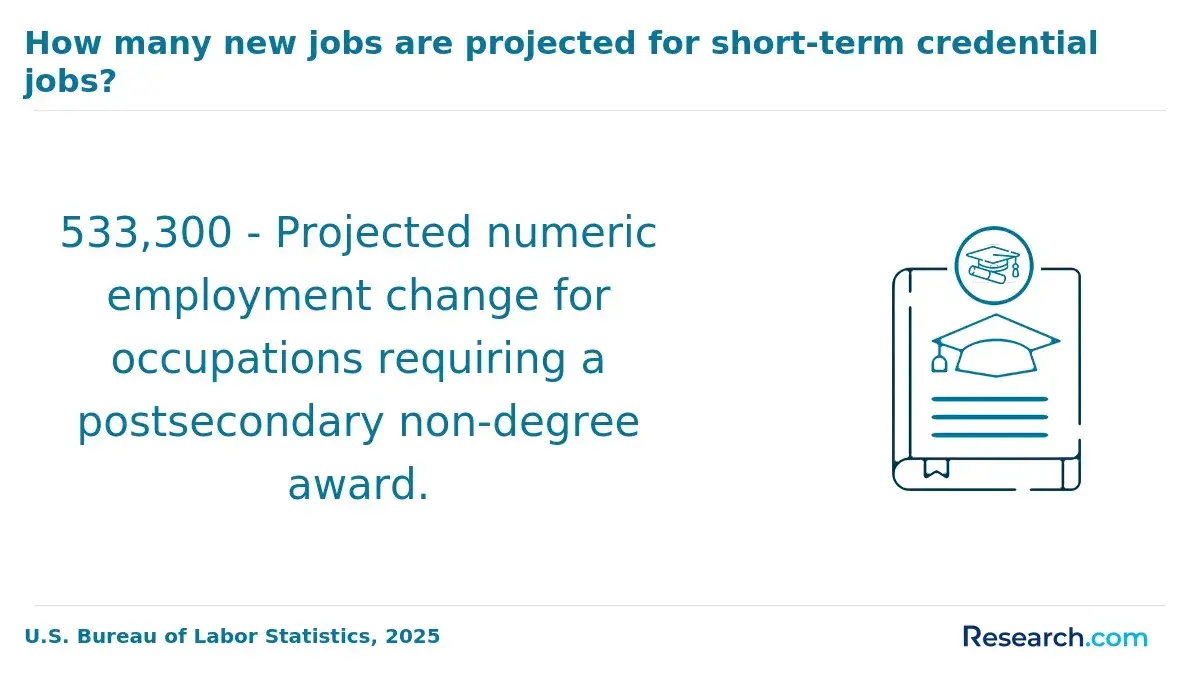
Graduates with a cybersecurity degree have opportunities beyond traditional tech roles, entering diverse sectors less affected by economic downturns. Industry data reveals demand for cybersecurity skills in these resilient fields is projected to increase by over 15% in the coming years. Below are some key industries where these graduates can apply their expertise.
- Financial Services: Banks and insurance firms rely on cybersecurity professionals to protect sensitive financial data and ensure compliance. Roles include risk management, security analysis, and compliance oversight-vital positions for safeguarding customer information and preventing data breaches.
- Healthcare: Protecting patient records and medical information is critical as healthcare systems become more digitized. Cybersecurity graduates may work as healthcare security analysts or incident responders, focusing on privacy regulations and mitigating cyber threats.
- Government Agencies: Positions within federal and state organizations involve defending critical infrastructure and supporting national security interests. Cybersecurity specialists, digital forensics experts, and policy developers contribute to maintaining public safety and regulatory adherence.
- Energy Sector: Protecting operational technologies, such as power grids and utility management systems, requires cybersecurity professionals familiar with both IT and industrial control systems. These roles help prevent intrusions that could disrupt essential services.
- Technology and Software Development: As cyber threats evolve, ongoing development of secure software and applications remains crucial. Cybersecurity experts in these companies engage in penetration testing and application security to ensure products resist attacks.
I recently spoke with a professional who graduated from an online cybersecurity bachelor's program to hear where graduates commonly find roles today. He explained, "Transitioning from coursework to real-world applications was challenging-understanding the unique security needs in sectors like healthcare took extra effort."
He added that engaging in internships during his studies helped him grasp varied industry demands. "It's rewarding to know that the skills I developed aren't confined to one field," he noted, emphasizing how adaptability in cybersecurity opens doors across multiple critical industries where protecting data and infrastructure is paramount.
Cybersecurity positions in the public sector typically offer greater job stability than those in the private sector. Government agencies and academic institutions operate on fixed budgets and long-term contracts, making layoffs less common even during economic slowdowns.
For example, employment in public cybersecurity roles has been shown to decline by only about 2% during recessions, whereas private sector jobs tend to see nearly four times that rate.
Conversely, private sector cybersecurity careers-especially in startups or tech-driven companies-can be more unpredictable but often provide quicker advancement and higher salaries. These roles are more sensitive to market conditions, with hiring closely linked to financial performance.
Still, companies within finance, healthcare, and other regulated industries maintain robust cybersecurity investments despite economic challenges, offering some protection against instability.
Choosing between public and private cybersecurity work hinges on personal career goals and risk preferences. Public roles are attractive for individuals prioritizing steady employment, structured promotions, and benefits like pensions.
Those seeking rapid growth, diverse projects, and potentially greater income may gravitate toward the private sector despite its volatility. Graduates should weigh their tolerance for employment risk against their desire for security or professional development when selecting their path.
Location significantly influences job stability for cybersecurity graduates, as certain areas serve as major hubs for industry growth and opportunity. The following states are known for offering strong, recession-resistant employment prospects in this field.
- Virginia: Home to a dense network of federal agencies and defense contractors, Virginia maintains a high demand for cybersecurity professionals. The state's job market benefits from a location quotient nearly twice the national average, supported by government-funded positions that remain secure even during economic fluctuations.
- California: Anchored by Silicon Valley's thriving tech ecosystem, California's emphasis on data security and infrastructure protection generates abundant cybersecurity roles. The state's ongoing focus on innovation and digital transformation further bolsters employment opportunities.
- Texas: Texas combines a growing energy sector with expanding technology hubs, resulting in a steady need for cybersecurity talent. Its diverse economy strengthens job security, as professionals help safeguard critical infrastructures across multiple industries.
Recent labor studies show cybersecurity openings in these states are increasing at a rate 30% higher than the average for all occupations, underscoring their resilience. Students aiming for stable, in-demand roles in cybersecurity are well-advised to consider these geographic areas for their career planning.
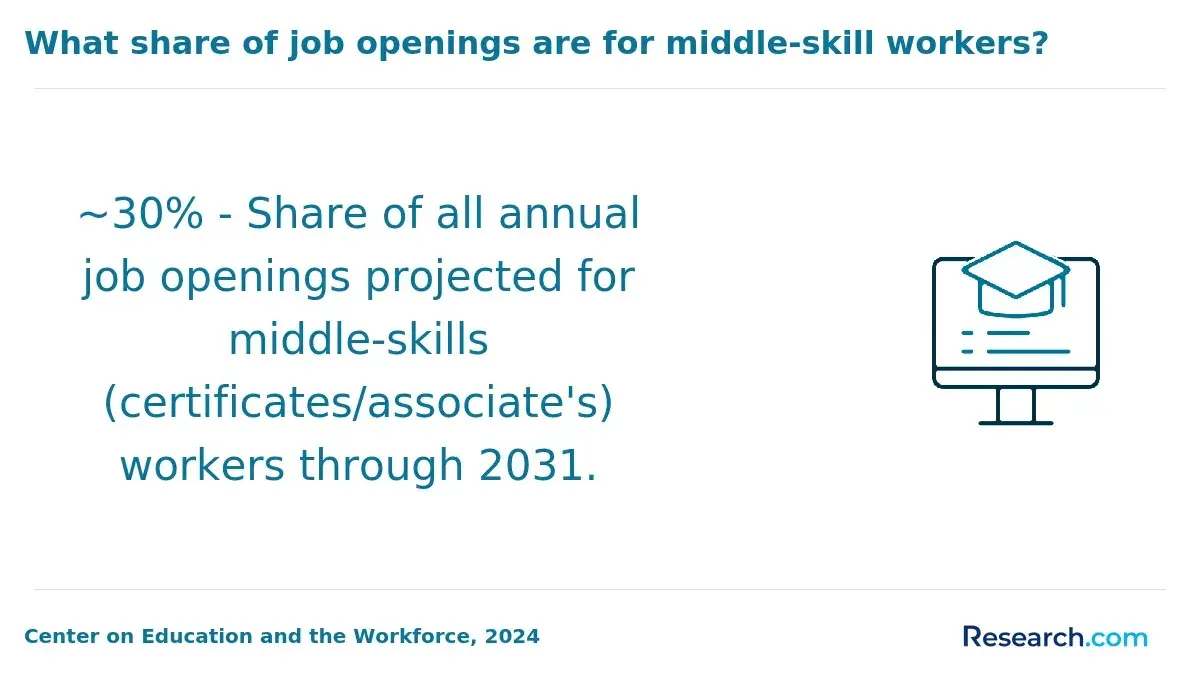
Post-graduate credentials and continuing education in cybersecurity act as an effective layoff shield by validating specialized, high-demand expertise. Recent labor market data shows cybersecurity roles requiring advanced certification have grown by up to 12% during economic slowdowns-outpacing many other IT sectors.
Below are some of the best certifications to secure a career in cybersecurity and increase recession resistance.
- CISSP (Certified Information Systems Security Professional): This industry-standard certification covers designing, implementing, and managing top-tier cybersecurity programs. It is highly regarded for senior security positions and ensures professionals remain valuable assets during economic downturns.
- CEH (Certified Ethical Hacker): Focused on practical, hands-on skills, CEH certifies expertise in penetration testing and vulnerability assessment. Security analysts and penetration testers with this credential are often prioritized hires in recessions as protecting assets is more cost-effective than recovery.
- CompTIA Security+: Serving as a foundational certification, Security+ demonstrates core security competence. It is particularly recognized for entry-level and intermediate roles, with strong demand from government agencies and regulated industries that helps sustain job security.
- CCSP (Certified Cloud Security Professional): With cloud migration accelerating, CCSP-certified specialists who secure cloud environments see growing demand. This credential aligns with an expanding focus on optimizing and protecting cloud infrastructures, an area proving resilient during recessions.
Those pursuing cybersecurity degrees may also consider complementary educational paths to broaden versatility. For example, exploring an accelerated business program can strengthen managerial skills, adding value in multidisciplinary roles that combine security expertise with organizational leadership.
Continuously enhancing skills plays a crucial role in making professionals less replaceable during economic downturns and organizational changes. To strengthen job security, cybersecurity graduates should consider developing competencies in several key areas, including the following:
- Cloud Security Management: As companies increasingly adopt cloud services like AWS, Azure, and Google Cloud, expertise in securing these environments helps protect sensitive data and ensures regulatory compliance. Such skills are vital for roles focused on infrastructure and cloud security.
- Incident Response and Threat Hunting: The ability to swiftly detect and neutralize cyber threats is a top priority for employers. Professionals skilled in these areas help organizations minimize damage, making this an essential capability for security analysts and threat hunters.
- Automation and Scripting: Knowledge of scripting languages such as Python and PowerShell empowers security teams to automate monotonous tasks efficiently. This skill not only streamlines operations but also allows cybersecurity specialists to address more complex challenges.
- Risk Assessment and Compliance: Familiarity with regulations like GDPR and HIPAA, along with risk management techniques, supports companies in adhering to laws and mitigating vulnerabilities. These competencies are important for roles involved in governance, risk, and compliance.
- Soft Skills and Cross-Functional Collaboration: Communicating effectively with non-technical colleagues and aligning cybersecurity goals with business objectives broadens a professional's impact. This is especially valuable for those working in management or advisory positions.
Research shows that 78% of cybersecurity employers prefer candidates who combine technical knowledge with analytical abilities, enhancing adaptability during uncertain economic times. Gaining these essential skills for cybersecurity graduates not only widens potential career paths but also strengthens long-term job stability. For those interested in expanding their educational credentials, exploring MSW online programs may offer additional pathways for career diversification.
School prestige often plays a crucial role in landing stable jobs in the cybersecurity field. Employers may associate well-known institutions with rigorous training and credible knowledge, which can give graduates a competitive edge. This reputation can be particularly advantageous in recession-resistant careers where demand for skilled professionals remains high despite economic fluctuations.
Graduating from a recognized school also opens doors to valuable networking opportunities. Alumni connections and industry partnerships affiliated with these institutions can provide access to exclusive job openings and internships, accelerating career growth. This advantage is significant in cybersecurity, where building trust and proven experience is essential.
However, candidates from any accredited cybersecurity program can remain competitive by demonstrating strong skills and consistent performance. Employers prioritize practical expertise and certifications, allowing graduates without elite institutional backgrounds to succeed and secure resilient careers in the industry.
Aligning academic skills with the shifting landscape of cybersecurity is critical for enhancing employability and securing long-term career stability in this competitive sector. Taking intentional steps beyond coursework helps students demonstrate value to potential employers. Consider these essential strategies for effective career readiness:
- Hands-On Experience: Engage in internships or cooperative education programs to apply theoretical knowledge in authentic work settings, showcasing practical problem-solving abilities.
- Competitive Participation: Join Capture The Flag (CTF) contests and cybersecurity clubs that simulate real-world attack and defense scenarios, refining technical skills and critical thinking.
- Industry Certifications: Obtain recognized credentials like CompTIA Security+, CEH, or CISSP to validate expertise and dedication within the field.
- Professional Networking: Attend conferences and join professional organizations to stay current on trends, expand connections, and uncover job opportunities.
- Applied Learning Projects: Pursue practical labs and extracurricular activities that build a portfolio of relevant experience, demonstrating initiative and technical capability.
When asked how students can best prepare to meet today's employment demands, a professional who graduated from an online cybersecurity bachelor's program shared his journey: "Balancing job commitments and studies was tough, but real-world projects really made the theory click. I focused on earning certifications right after coursework to set myself apart.
Networking events felt intimidating at first, but they opened doors I hadn't expected." He emphasized that persistence and targeted preparation helped him navigate the uncertainty of entering the job market, making adaptation an ongoing part of his career growth.
Careers in cybersecurity that are recession-resistant tend to offer an average annual salary ranging between $85,000 and $120,000, significantly above the national median income for many professions. Roles such as cybersecurity analysts, engineers, and incident responders fall within this pay scale, reflecting the critical demand for digital security expertise across industries. This financial outlook not only highlights the pay premium but also underscores the stability of these positions during economic downturns.
Among recession-proof cybersecurity jobs, incident responders and cybersecurity engineers typically offer the most lucrative income, driven by their specialized skills and the complexity of threats they manage. While cybersecurity analyst roles might not reach the top salary tiers, they still provide stable employment with competitive wages. The consistent need to protect organizational digital assets ensures that even less lucrative positions maintain strong job security and steady pay growth.
Income for cybersecurity professionals can fluctuate depending on factors like industry, company size, geographic location, and academic credentials earned over time. Certifications such as CISSP or CEH often increase total compensation by 10% to 20%.
For those exploring educational pathways, investing in a cybersecurity degree through options like cheap online colleges offers a pathway to both career resilience and financial stability in this expanding field.
What Graduates Say About Their Career After Getting a Degree in Cybersecurity
- Louis: "Choosing to pursue a degree in cybersecurity was driven by my desire to enter a field that constantly evolves with the digital landscape. The program not only equipped me with technical skills but also instilled a problem-solving mindset that is crucial for tackling real-world security threats. Thanks to this education, I now enjoy a career that remains stable even when the economy fluctuates, giving me long-term peace of mind."
- Zain: "Reflecting on my journey, earning a degree in cybersecurity was pivotal because it opened doors to industries that prioritize protecting their data no matter the economic climate. The hands-on experience I gained during the program made the transition to the workforce seamless, and I've found job security in roles that are almost recession-proof. It's rewarding to have both the skills and confidence to handle emerging cyber threats daily."
- Myles: "From a professional standpoint, I pursued cybersecurity to stay ahead of technological risks that businesses face worldwide. The degree taught me not only the theory but also practical defense strategies that employers highly value in uncertain times. Today, my cybersecurity background ensures I work in a field where demand continues to grow, no matter the economic downturns we might experience."
Other Things You Should Know About Cybersecurity Degrees
In 2027, companies across various sectors including finance, healthcare, and technology continue to hire cybersecurity professionals, recognizing the essential role they play in safeguarding digital infrastructure. Even during economic downturns, these industries maintain their cybersecurity workforce to protect sensitive data and comply with regulatory requirements.
Many federal cybersecurity roles do not require a clearance at hire, but positions handling classified systems often require at least a Secret or Top Secret clearance. Agencies and contractors usually sponsor the process after a conditional offer, and the investigation can take several months.
Entry-level cybersecurity roles may face more competition during recessions, but they remain relatively stable compared to other fields due to continuous hiring needs for basic monitoring and incident response. Senior roles typically offer greater job security because of their strategic importance and specialized expertise.
Cybersecurity professionals often possess transferable skills such as network management, risk assessment, and technical troubleshooting, which facilitate movement into related IT roles. However, maintaining core cybersecurity competencies and certifications is crucial to quickly returning to cybersecurity positions when opportunities arise.
- Future-Proof Careers: Why Healthcare Cybersecurity Is a Recession-Resistant Job Path https://www.cambridgehealth.edu/healthcare-cybersecurity-privacy/healthcare-cybersecurity-privacy-information/future-proof-careers-why-healthcare-cybersecurity-is-a-recession-resistant-job-path/
- Recession-Proof Jobs That Thrive During Downturns https://create.fit/blogs/recession-proof-jobs/
- Cybersecurity Job Demand: Current Trends and Future Outlook https://destcert.com/resources/cybersecurity-job-demand/
- A Tech Workers Guide to the US Cybersecurity Jobs Market https://usatech-recruit.com/blog/us-cybersecurity-jobs/
- Top 5 Industries Hiring for Cyber Security Skills Right Now https://www.careersmarter.com/top-5-industries-hiring-for-cyber-security-skills-right-now/
- Cyber Security Job Market Update – What’s Behind the Growing Demand for Mid-Level Professionals? | Barclay Simpson https://www.barclaysimpson.com/cyber-security-job-market-update-whats-behind-the-growing-demand-for-mid-level-professionals/
- Cybersecurity: Public Sector vs. Private Sector https://www.careersinaudit.com/careers/2023/04/cybersecurity-public-sector-vs.-private-sector/
- Why Cybersecurity is a Recession-Proof Career? https://www.edept.co/blogs/why-cybersecurity-is-a-recession-proof-career
- Is Cybersecurity Recession-Proof? https://courses.day0.org/blog/recession-proof
- How to find a cybersecurity job that will last through the next recession https://www.cnbc.com/2019/09/01/which-cybersecurity-jobs-are-recession-proof.html