2027 Is a 2-Year Intelligence Degree Worth It: Accelerated Bachelor's ROI & Time Trade-Offs

Co-Founder and Chief Data Scientist
Deciding whether to pursue a 2-year accelerated intelligence degree presents a unique challenge for many prospective students balancing time, cost, and career goals. Recent data shows that accelerated programs can result in a 15% faster entry into the workforce compared to traditional four-year paths, potentially increasing lifetime earnings. However, concerns remain about the depth of knowledge gained and long-term job market viability.
This article examines the financial return on investment and time trade-offs of accelerated degrees in intelligence, providing a clear analysis to help readers determine if this education path aligns with their professional aspirations and economic priorities.
Key Benefits of a 2-Year Intelligence Degree
- The accelerated 2-year intelligence degree reduces time-to-degree by up to 50%, enabling faster entry into mid-level intelligence analyst roles with average salaries around $65,000 annually.
- Shorter program duration lowers overall tuition and opportunity costs, improving ROI compared to traditional 4-year degrees in intelligence studies.
- Graduates gain marketable skills in data analysis and cybersecurity, promoting career advancement potential with a 10-15% higher projected job growth in intelligence sectors.
How Do 2-Year Intelligence Programs Work?
Two-year intelligence programs offer a focused, accelerated pathway for students aiming to earn a bachelor's degree in intelligence studies or related fields. Understanding the structure of these programs helps prospective students evaluate if this intensive timeline aligns with their educational and career goals. Below is a breakdown of how these programs operate and what students can expect.
- Accelerated Pacing: These programs condense the traditional four-year curriculum into two years by using year-round enrollment and shorter course terms, allowing students to complete more credits in less time.
- Year-Round Enrollment: Instead of long summer breaks, students can take classes continuously throughout the year, maintaining momentum and reducing total time to degree.
- Condensed Course Terms: Courses are typically divided into six to eight week sessions, with students often taking multiple courses simultaneously to keep pace with the 2-year accelerated intelligence degree curriculum.
- Credit Load Expectations: Students carry heavier credit loads per term, often between 12 to 18 credits, requiring strong time management to handle the intensive coursework in accelerated intelligence programs.
- Instructional Format: A mix of online, hybrid, and occasional in-person classes provides needed flexibility, especially for working adults balancing education with other responsibilities.
- Assessment Methods: Frequent assessments including exams, research projects, and practical exercises help ensure skill development aligned with intelligence career demands.
- Curriculum Progression: Students must quickly meet prerequisites and maintain satisfactory academic performance to progress through this structured yet fast-paced program.
According to the National Center for Education Statistics, accelerated bachelor's programs like these can save students up to two years and potentially reduce tuition costs. Employment growth for intelligence analysts is projected at 8% from 2022 to 2032, with median wages around $92,910, making the return on investment attractive for those who commit. For those balancing work and study, programs similar in flexibility to an RN to BSN online with no clinicals pathway may also be worth exploring.
What Are the Admission Requirements for a 2-Year Intelligence Degree?
For students considering an accelerated bachelor's in intelligence, understanding admission requirements is crucial to assess whether their background aligns with program expectations. These programs often have specific criteria that balance academic performance with relevant experience to prepare candidates efficiently for this competitive field. Below is a detailed breakdown of typical admissions standards to help evaluate how to get accepted into accelerated intelligence programs.
- Prior Education: A high school diploma or equivalent, such as a GED, is generally required. Some programs accept applicants with prior college credits, which may facilitate an accelerated path.
- GPA Expectations: Most programs look for a minimum GPA ranging from 2.5 to 3.0. This benchmark can vary but indicates applicants should have demonstrated consistent academic performance.
- Standardized Tests: Unlike traditional four-year degrees, many accelerated intelligence programs waive requirements like the SAT or ACT, particularly for students with relevant college-level coursework or work experience.
- Prerequisite Coursework: Foundational classes such as basic math, English, and introductory social sciences are commonly required to ensure students possess essential skills before advancing to specialized intelligence studies.
- Relevant Experience: Backgrounds in military service or law enforcement can strengthen applications but are generally not mandatory. Some programs may require security clearances or background checks due to the field's sensitive nature.
Prospective students interested in shorter degree options may also explore areas like the easiest DNP program online to compare pathways that balance duration and outcomes. According to the National Center for Education Statistics, accelerated degrees in intelligence can reduce study time by up to two years and decrease tuition costs by 30 to 50 percent compared to traditional routes, a significant consideration when evaluating value and return on investment.
What Does a Typical Week Look Like in a 2-Year Intelligence Program?
Knowing the weekly demands of a 2-year intelligence program helps prospective students assess whether the program's intensity aligns with their lifestyle and goals. This accelerated format requires a strategic approach to balancing coursework, collaboration, and personal study. Below is a detailed look at the core components shaping a typical week.
- Class Sessions and Lectures: Students engage in multiple classes each week, focusing on essential topics like data analysis and security strategies. These sessions are densely packed to cover a wide array of knowledge in a short span.
- Assignments and Assessments: Frequent deadlines, often weekly or biweekly, measure understanding and application. These tasks demand steady effort and consistent pacing to stay on track.
- Group Collaboration: Team projects mimic real-world intelligence scenarios, requiring coordination and effective communication. These cooperative exercises develop critical problem-solving skills under time constraints.
- Independent Study: A significant portion of the week involves self-directed learning, including reading, research, and exam preparation. This time is vital for deepening comprehension and honing analytical abilities.
- Instructor Support: Though less frequent than in longer programs, faculty remain available through office hours and virtual meetings to clarify concepts and guide progress.
- Time Management: Balancing an accelerated schedule calls for disciplined prioritization and efficient study habits. Maintaining energy and focus is crucial given the minimal downtime.
When asked about his experience, a professional who completed a 2-year accelerated bachelor's degree in intelligence shared that the pace was "relentless but rewarding." He described juggling simultaneous assignments and group responsibilities as "a test of endurance and planning."
Despite feeling overwhelmed at times, he found that carefully segmenting study periods and setting clear weekly goals helped keep stress manageable. "You quickly learn which tasks demand immediate attention and which can wait," he explained. The intensity required adapting quickly, but the condensed format also meant entering the workforce sooner, which he considered a valuable trade-off.
Choosing the right delivery format is essential for students pursuing an accelerated intelligence degree, as it directly impacts flexibility, accessibility, and the ability to manage time effectively. Online options cater well to those balancing work or personal commitments, making the path to a two-year completion more achievable. Below are key considerations regarding online intelligence programs.
- Fully online vs. hybrid formats: Programs may be entirely online or combine virtual instruction with some in-person sessions, offering learners options that suit their schedules and learning preferences.
- Asynchronous and synchronous learning: Many courses allow students to study asynchronously, which helps maintain flexibility, while a few require live interaction to foster engagement and collaboration.
- Technology requirements: Reliable internet, a computer with up-to-date software, and familiarity with platforms like Canvas or Blackboard are typically necessary to navigate online coursework smoothly.
- Student support services: Robust online resources, including tutoring, career guidance, and technical help, support student success and retention despite the remote learning environment.
- Impact on pacing and engagement: Online delivery allows self-directed study and temporal freedom, which benefits working adults but demands strong discipline to stay on track within the accelerated two-year timeframe.
Evaluating the total cost of a 2-year intelligence degree is key to assessing its return on investment, especially because accelerated programs condense traditional four-year curriculums into half the time. This compressed timeline can affect tuition payment structures and overall expenses, making it important for prospective students to understand each component. Below is a breakdown of the primary costs associated with accelerated intelligence programs.
- Tuition Structure and Course Load: Tuition is typically charged per credit hour, and accelerated intelligence programs require a heavier course load per term. This increased intensity can lead to higher per-semester tuition costs compared to traditional semester formats, impacting the overall financial commitment.
- Fees for Technology and Labs: Additional fees often cover specialized technology, software, and lab access required for intelligence analysis and digital security coursework. These essential resources add to upfront and recurring expenses beyond basic tuition.
- Textbooks and Learning Materials: Costs for textbooks and digital resources should be considered. Many accelerated courses favor subscriptions or digital access over physical books, which might reduce one-time expenses but create ongoing costs.
- Reduced Duration and Time-Dependent Expenses: The shortened timeline of accelerated degrees generally means fewer terms enrolled, which can lower cumulative fees and living expenses. This also reduces opportunity costs, allowing earlier entry into intelligence careers and aligns with considerations for accelerated intelligence programs financial aid options.
When comparing accelerated programs, prospective students may also wonder whats the easiest nursing program to get into? as a parallel inquiry into program accessibility and cost effectiveness in different fields.
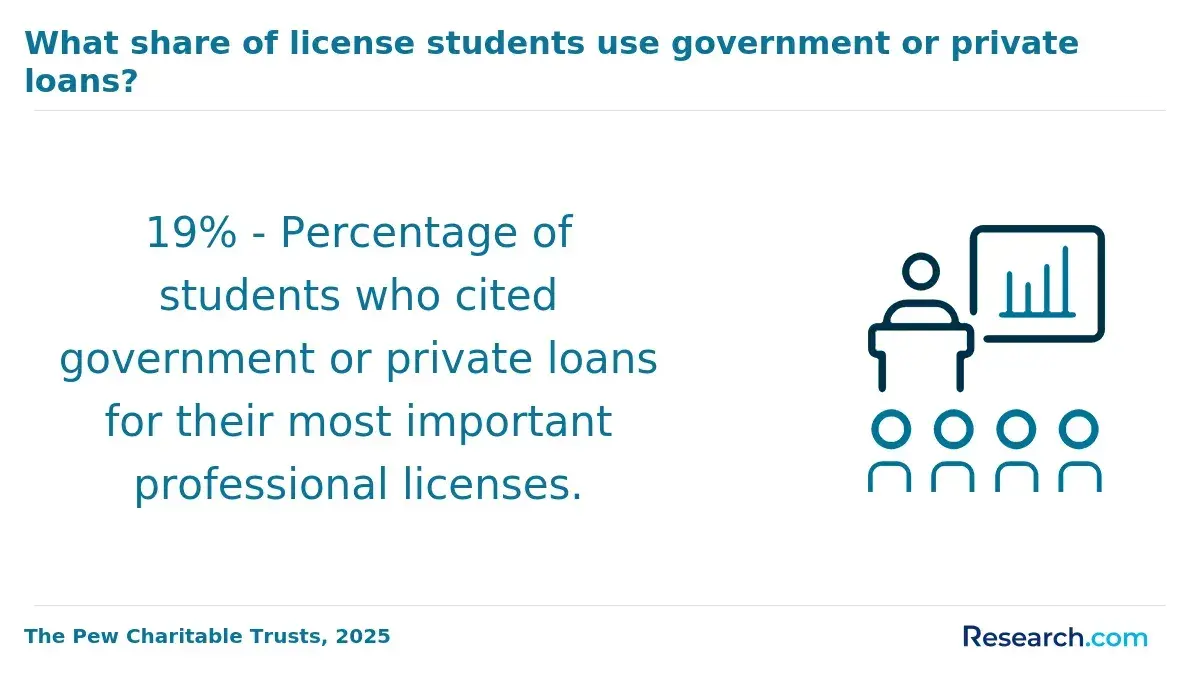
Financial aid is a critical factor for many considering accelerated 2-year intelligence degree programs, as it directly influences affordability and accessibility. Evaluating available funding options helps students plan their education without undue financial strain, especially given the condensed nature of these programs. The following points highlight key financial aid pathways and considerations.
- Federal Student Aid Eligibility: Many accelerated intelligence programs qualify for Title IV funding, allowing access to Pell Grants, federal loans, and work-study. However, accelerated schedules can shift disbursement timelines, requiring careful financial planning.
- Field-Specific Scholarships and Grants: Students should research scholarships and grants targeting intelligence, cybersecurity, or homeland security fields. These awards often come from government bodies, nonprofits, or professional groups dedicated to these disciplines.
- Employer Tuition Assistance: Working adults may tap into employer-sponsored tuition reimbursement programs. Companies often encourage accelerated study as it shortens the leave-from-work period, benefiting both employee and employer.
- Flexible Payment Plans: Many institutions offer payment plans that spread tuition payments over multiple terms. These plans can ease cash flow challenges, especially for students who prefer to minimize borrowing or who have limited eligibility for traditional aid.
- Cost and Timing Benefits: Accelerated degrees typically reduce total tuition expenses by shortening degree duration. Early graduation also enables faster entry into the job market, potentially enhancing long-term earnings in intelligence-related careers.
When I spoke with a professional who earned her accelerated bachelor's in intelligence, she described the financial aid process as "a balancing act of timing and paperwork." Because disbursements arrived on a different schedule than with traditional programs, she needed to budget carefully to cover initial expenses before aid distribution.
"It wasn't easy, but I found scholarships tailored to my field and secured employer support that made the difference," she said. She emphasized how the accelerated format motivated her to stay organized and proactive in managing finances. Ultimately, she found the investment worthwhile-not only did financial aid help her complete the degree in two years, but graduating early accelerated her career opportunities in intelligence, confirming the program's value despite the funding challenges.
Evaluating career outcomes is essential when considering an accelerated intelligence bachelor's degree because it helps determine if the educational investment aligns with your professional goals. Knowing what jobs with a 2-year intelligence degree are accessible can clarify pathways for entry and growth in this competitive field. The following overview highlights common roles and opportunities for graduates of such programs.
- Intelligence Analyst: Graduates often begin as analysts interpreting data from multiple sources to support decision-making in government agencies, defense, or private sector security firms. The accelerated format emphasizes practical skills that prepare students for these operational roles early in their careers.
- Research Assistant: Many find positions assisting in data collection and analysis for projects related to national security or corporate risk assessment. These roles build foundational experience valuable for advancement or specialized study.
- Data Analyst: With a strong focus on analytic reasoning and data evaluation, accelerated intelligence graduates can qualify for roles that involve supporting strategic initiatives through detailed data interpretation across diverse industries.
- Operations Coordinator: Entry-level opportunities also include coordinating security measures and communications within organizations. This role benefits from the condensed coursework's emphasis on real-world applications and leadership fundamentals.
- Career Advancement and Flexibility: Though some employers may prefer four-year degrees, many accelerated programs are designed to fast-track workforce readiness, allowing students to gain relevant skills and enter protective service occupations where demand is expected to grow. Graduates can pursue further education or certifications to enhance prospects.
Students weighing their options might also compare these intelligence pathways with other affordable accelerated options, such as the cheapest ADN online programs, to evaluate time and cost commitments against career goals. Selecting an accelerated intelligence degree can be a strategic step toward fast entry into growing security and intelligence roles.
Salary outcomes are a critical factor when evaluating the return on investment (ROI) of accelerated versus traditional degree paths in intelligence-related fields. Understanding how early earnings and long-term potential differ can help prospective students make informed decisions about their education. Below is a detailed comparison of 2-year intelligence degree salary comparison versus traditional bachelor's degree earnings versus accelerated program paths.
- Early-career earnings: Graduates with traditional bachelor's degrees in intelligence-related areas typically earn a median annual wage between $60,000 and $75,000 within their first five years. In contrast, those holding accelerated 2-year intelligence degrees or associate-level certifications often start with salaries ranging from $45,000 to $55,000 but benefit from entering the workforce sooner.
- Long-term earning potential: Over time, salaries tend to rise more substantially for traditional four-year degree holders. Mid-career professionals with bachelor's degrees can see annual salaries of $90,000 to $110,000, while those with 2-year degrees usually reach $65,000 to $80,000, reflecting employer preference for the longer degree in leadership and advancement roles.
- Employer perception and career progression: Many employers view a bachelor's degree as a minimum requirement for upper-level and management roles, influencing faster career progression and higher salary growth compared to those with shortened programs.
- Faster workforce entry advantage: Though starting salaries may be lower, accelerated graduates gain practical experience earlier, which can partially offset slower promotions. This early entry also reduces debt burden through lower tuition costs, enhancing net financial benefits over a lifetime.
- Total lifetime earnings trade-off: When factoring in two additional years of work experience, graduates from 2-year programs may achieve comparable or higher cumulative earnings earlier in their careers despite initial salary differences.
Prospective students should carefully weigh their career goals against immediate financial returns and employer expectations in intelligence sectors. For those exploring different education options, considering cheap RN to BSN online programs may provide additional insights into accelerated pathways and their potential financial impacts.
Evaluating the return on investment (ROI) for accelerated intelligence degrees is essential for students weighing the costs against potential career benefits. An informed view of ROI helps clarify whether the time and expenses involved in these programs will translate into meaningful financial and professional gains. Several critical elements shape this calculation, influencing both immediate and long-term outcomes.
- Time-to-completion savings: Accelerated programs typically cut degree duration from four years to about two, enabling students to finish sooner. This shortened timeline reduces tuition and living expenses while allowing earlier workforce entry.
- Tuition and overall expenses: While per-credit fees in accelerated tracks can be higher, fewer required credits and compressed terms often lower total costs. Additionally, reductions in ancillary costs such as housing contribute to financial savings.
- Opportunity cost reduction: The quicker completion means less time away from income-earning opportunities. Since bachelor's degree holders earn substantially more than high school graduates, rejoining the labor market earlier improves lifetime earnings.
- Employment outlook and industry demand: Fields related to intelligence, including cybersecurity and data analysis, are projected to grow steadily over the next decade, enhancing job prospects for graduates. This sustained demand supports a strong ROI.
- Salary progression and career growth: Accelerated degrees that emphasize practical intelligence skills foster versatility across industries, supporting ongoing salary increases and advancement opportunities throughout a career.
- Skill transferability: Gaining competencies in data interpretation, critical thinking, and technology prepares graduates to adapt to various roles, reinforcing long-term earning potential and career resilience.
Choosing if a 2-year intelligence degree suits your goals involves assessing your personal learning preferences and ability to manage a fast-paced curriculum. These accelerated programs demand focused study and minimal downtime, which may not align with everyone's pace for understanding complex materials.
Consider how much time you can consistently dedicate, since these degrees often condense what is usually spread over four years into 18-24 months. If you have urgent career objectives or constraints like work or family, the shortened timeframe can be advantageous. Being prepared for the intensity and motivated to enter the job market quickly is essential.
From a practical standpoint, accelerated degrees can lower overall tuition and living expenses while enabling you to begin earning sooner, potentially improving your return on investment. Intelligence analyst roles offer strong salary prospects, with median wages surpassing $90,000 annually, but confirm how your targeted employers view accelerated credentials.
Factor in the total program cost against expected salary and benefits, and consider whether the degree allows room for future education or career changes. Balancing financial commitments with long-term flexibility ensures the program aligns with your career and life plans.
What Graduates Say About Their 2-Year Intelligence Degree
- Weston: "The accelerated 2-year intelligence degree was perfect for advancing my career quickly while minimizing time away from the professional world. Keeping up with the rapid pace required dedication and effective time management, but it was well worth it. Today, I apply what I learned daily in a high-stakes environment, knowing the program's cost and duration gave me a strong return on investment. It's been a smart and efficient path forward. "
- Henrik: "I took the 2-year intelligence degree program after reflecting deeply on my career goals and financial constraints. The compact schedule demanded a disciplined routine, which I managed by balancing work and study carefully. This degree has opened doors to strategic positions I hadn't imagined, providing a solid foundation that's both affordable and respected in the field. It's been a transformative journey. "
- Joshua: "Choosing the 2-year accelerated bachelor's degree in intelligence was a game-changer for me because I wanted to enter the workforce faster without compromising quality. The intense schedule was tough, but I stayed organized and used every resource available to keep up. Now, with my degree, I'm confidently working in a competitive intelligence analyst role that values the practical skills I gained. The investment, especially given the average cost of attendance, really paid off. "
Other Things You Should Know About Intelligence Degrees
A 2-year Intelligence degree can fast-track entry into the workforce, offering quicker initial employment opportunities. However, traditional degrees might offer broader career paths and potentially higher long-term growth. This difference is crucial when weighing the time and investment in education.
Yes. Regionally accredited schools often accept up to 60 semester credits into a 120-credit bachelor’s completion pathway, but transfer rules vary by institution. Credits must usually be from accredited coursework, meet minimum grades such as C or better, and match the receiving program’s major requirements.
- MSc Artificial Intelligence (2 years) https://www.hw.ac.uk/study/postgraduate/artificial-intelligence-2-years
- Associate Degree vs Bachelor's Degree: What's Best for You? https://www.uopeople.edu/blog/diploma-vs-associate-degree-vs-bachelor-degree-in-computer-science-whats-the-difference/
- How to Become an Intelligence Analyst [2025 Guide] https://www.ccslearningacademy.com/how-to-become-an-intelligence-analyst/
- 2-year degrees https://lsi-ac.uk/programmes/2-year-degrees
- Business Intelligence Rotational Associate (2-Year Graduate Program) - Raycon, Inc. - Career Page https://rayconglobal.applytojob.com/apply/hryKRYTKh9/Business-Intelligence-Rotational-Associate-2Year-Graduate-Program
- Accelerated Pathway Programs and Specialized Combined Degrees https://www.webster.edu/catalog/current/undergraduate-catalog/combined-degrees.html
- University of Glasgow - Postgraduate study - Taught degree programmes A‑Z https://www.gla.ac.uk/postgraduate/taught/internationalsecurity/
- So you want to be an intelligence analyst | by Matthew Burton | Medium https://medium.com/@matthewburton/so-you-want-to-be-an-intelligence-analyst-f622901726cf
- Understanding AI ROI: Key Factors, Metrics, and Challenges Explained - CertLibrary Blog https://www.certlibrary.com/blog/understanding-ai-roi-key-factors-metrics-and-challenges-explained/