2027 Intelligence Degree Programs for Career Changers

Co-Founder and Chief Data Scientist
Many professionals face challenges when shifting careers into intelligence, often lacking industry-specific skills despite strong work experience. This gap complicates entry into roles requiring analytical rigor and security clearance preparation. According to the National Intelligence Education Survey, 43% of adult learners pursuing intelligence degrees report faster job placement within one year of graduation. Such statistics highlight growing opportunities but also the necessity for targeted educational pathways.
This article explores intelligence degree programs tailored for career changers, focusing on curriculum design, flexible learning options, and career support to help readers transition effectively into intelligence professions with confidence and competence.
Key Things to Know About Intelligence Degree Programs for Career Changers
- Many intelligence degree programs offer flexible scheduling with evening, weekend, and accelerated courses, enabling working adults to balance education and career transitions effectively.
- Online and hybrid formats are increasingly common, providing remote access to coursework and allowing students across diverse locations to enroll without commuting challenges.
- Programs emphasize employer-relevant skills, with 78% of graduates reporting job placement in intelligence or security fields within 6 months of completion, supported by career services.
What Intelligence Programs Accept Career Changers?
Intelligence degree programs designed for professionals switching careers often offer flexible prerequisites and practical curricula that suit working adults. These programs recognize the needs of adult learners seeking new paths and accommodate them with adaptable study options. Notably, over 40% of graduate students in security-related disciplines are adults returning to education, reflecting a significant trend in career changers enhancing their credentials.
- Intelligence Analysis Programs: These emphasize critical thinking and data interpretation skills, welcoming students with no prior Intelligence experience. Their curriculum focuses on real-world applications, which helps career changers gain relevant expertise efficiently.
- Cyber Intelligence Programs: Aimed at leveraging transferable tech skills, these programs accept a variety of professional backgrounds. They emphasize hands-on labs that build practical cybersecurity abilities, ideal for those entering this dynamic field.
- National Security Intelligence Programs: These provide foundational coursework accessible to beginners and stress areas like policy, law, and ethics. Their structure supports part-time enrollment, making it easier for career changers to transition gradually.
- Intelligence and Data Science Programs: Combining data analysis with Intelligence concepts, these attract candidates with analytical experience from other sectors. They focus on applied learning suited to adult learners' schedules and backgrounds.
For working professionals considering a career change, exploring diverse options is key. Some might also be interested in related fields such as social work; for such individuals, msw programs online provide a flexible route to further education.
What Intelligence Specializations Are Best for Career Changers?
Selecting the right intelligence specialization significantly benefits career changers by aligning their existing skills with strong market demands, enabling smoother transitions and improved job prospects. According to the U.S. Bureau of Labor Statistics, intelligence-related occupations are expected to grow by 12% from 2022 to 2032, demonstrating robust hiring trends across the field. Below are four top intelligence specializations that offer excellent opportunities for career changers.
- Cyber Intelligence: This area leverages IT and security expertise, providing a clear pathway for professionals with technical backgrounds. It is highly accessible due to widespread demand and offers potential for rapid career advancement in a critical, high-demand sector.
- Geospatial Intelligence: Well suited for individuals with analytical and mapping skills, this specialization is accessible through training in geographic information systems (GIS). It empowers career changers to apply spatial analysis in diverse intelligence roles, supporting strong career mobility.
- Human Intelligence (HUMINT): Focused on interpersonal and language abilities, HUMINT appeals to those with backgrounds in communication or cultural studies. This specialization utilizes transferable skills in a people-centric intelligence domain, making it easier to enter and excel.
- Data Analytics: Emphasizing data interpretation, this field suits career changers from business or science who want to pivot into intelligence analysis. The skill set is broadly applicable, which helps professionals adjust quickly while contributing to strategic intelligence operations.
Each of these areas reflects some of the best intelligence concentration areas for professional transitions, combining demand with adaptability to help adult learners succeed. For professionals considering broader educational options, exploring the cheapest online counseling degree programs might also offer valuable complementary skills and flexible learning pathways.
What Are the Admission Requirements for Career Changers Applying to a Intelligence Program?
Career changers pursuing an intelligence degree often juggle professional and personal commitments, so knowing admission requirements is essential to navigate the process effectively. Over 40% of adult learners prioritize programs with flexible admissions pathways, highlighting the need for accessible criteria. Below are common requirements tailored for nontraditional applicants to intelligence degrees.
- Bachelor's Degree: Most programs require a bachelor's degree from an accredited institution, sometimes accepting any discipline to accommodate diverse backgrounds.
- Transcripts: Submission of academic transcripts helps admissions committees assess prior performance, but flexible options may exist for experienced professionals.
- Standardized Tests: While some intelligence programs still request these scores, many waive them for applicants with relevant work experience, emphasizing flexibility.
- Recommendations: Letters highlighting transferable skills pertinent to intelligence work, such as analysis or problem-solving, strengthen applications from career changers.
- Personal Statement: A focused essay explaining motivation for career shifting and goals within intelligence is often required to demonstrate applicant commitment.
- Work Experience: Relevant professional background may substitute for formal education components, leveraging practical skills valuable in intelligence roles.
Programs increasingly recognize eligibility criteria for nontraditional applicants to intelligence degrees by offering part-time, evening, or online study options. Skills gained in previous careers frequently align with intelligence disciplines, enhancing a candidate's profile. Additionally, alternative qualifications, such as professional certifications or portfolio assessments, can sometimes complement or replace traditional prerequisites.
Adult learners interested in transitioning through such flexible pathways may also consider related fields, including an online masters in psychology, which shares transferable knowledge applicable in intelligence contexts.
For career changers, knowing the coursework in an intelligence degree program is vital to ensure it aligns with their life responsibilities and professional goals. These programs prioritize accessible, flexible learning paths to accommodate adults entering a new field. The curriculum usually consists of several key components designed for practical relevance and ease of transition.
- Foundations of Intelligence: Introduces core concepts such as intelligence theory and its applications within national security and corporate sectors, providing a broad framework for understanding the field.
- Data Analysis and Critical Thinking: Emphasizes evaluating diverse information sources and applying reasoned judgment to identify patterns and solutions in intelligence contexts.
- Technology and Cybersecurity: Covers essential tools and cybersecurity measures that protect sensitive information, reflecting the increasing role of technology in intelligence work.
- Strategic Communication and Ethics: Focuses on the importance of clear communication and ethical decision-making critical to intelligence operations and professional integrity.
- Practical Applications and Case Studies: Engages students with real-world scenarios through projects and simulations that foster hands-on experience and contextual understanding.
Programs commonly offer hybrid or fully online formats, supporting learners who juggle employment and personal commitments while facilitating targeted, career-centered projects.
A professional who completed an online intelligence degree shared his experience, noting, "Balancing work and coursework wasn't easy initially, but the program's structure really helped me stay on track." He appreciated the case studies for bringing complex concepts to life, saying, "They pushed me to think like a practitioner, not just a student." He also mentioned feeling uncertain at the start but found the flexible delivery and relevant content gave him confidence to make the career switch, "It felt like the coursework was designed with someone like me in mind."
Career changers must navigate program formats that support their need for flexibility while balancing work and personal responsibilities. Nearly 40% of undergraduate students in the U.S. are adult learners, many seeking online or part-time options to accommodate busy schedules. Below are common intelligence program formats tailored to these needs.
- Online Programs: Completely remote coursework allows students to learn at their own pace and from any location, removing geographic and time constraints. This format is ideal for those requiring maximum flexibility.
- Part-Time Study: Spreading courses over an extended timeline helps learners manage education alongside full-time jobs. It makes steady progress possible without overwhelming their schedules.
- Evening and Weekend Classes: Designed for professionals unavailable during daytime hours, these sessions offer opportunities for face-to-face interactions, networking, and hands-on learning outside the typical workday.
- Hybrid Programs: Combining online learning with in-person components, hybrids provide the convenience of remote access while maintaining direct contact with instructors and peers for collaboration.
Each of these formats supports adult learners transitioning into intelligence careers by offering adaptable structures that fit their unique lifestyle demands.
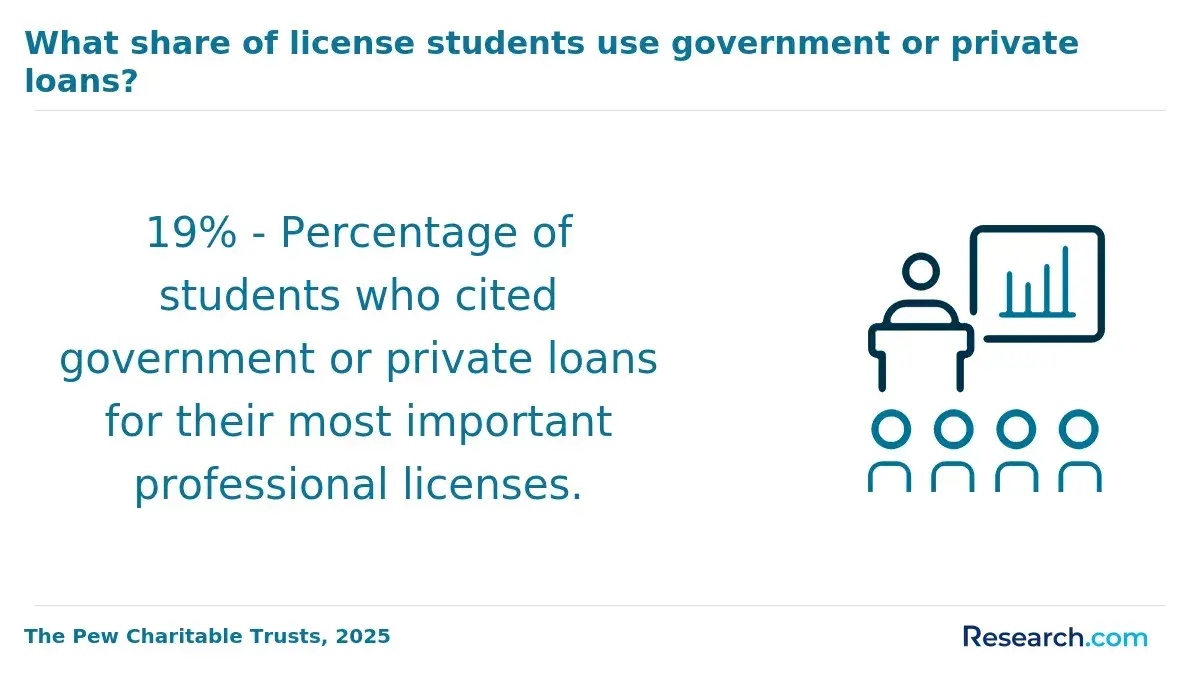
Adults changing careers often face the challenge of acquiring new skills to remain competitive in today's job market. According to a recent report, 59% of workers acknowledge the necessity of learning fresh competencies to stay employable. This focus on skill development is vital for those entering the intelligence field, as it helps bridge knowledge gaps and builds confidence. The following five abilities are central to intelligence programs and aid in a smooth career transition:
- Analytical Thinking: This skill enables individuals to critically evaluate complex data and situations, which is essential for intelligence roles and valuable across various industries where sound decision-making is key.
- Research Proficiency: Learners gain experience in gathering, verifying, and interpreting information from diverse sources, supporting accurate and evidence-based conclusions necessary in intelligence and other sectors.
- Communication Skills: Emphasis on clear, concise reporting and briefing helps graduates convey information effectively to different audiences, fostering collaboration and understanding.
- Technical Literacy: Training includes familiarization with data analysis tools and cybersecurity basics, ensuring adaptability in an increasingly digital work environment.
- Ethical Reasoning: Students develop awareness of confidentiality, privacy, and legal considerations, preparing them to uphold trust and compliance in sensitive roles.
When asked about her experience, a career changer who completed an intelligence degree shared how daunting it was at first to relearn many fundamentals, especially navigating technical aspects like data software. She explained, "It wasn't just about absorbing facts but learning how to think differently and approach problems with a new mindset." Over time, she found that practicing communication and ethical decision-making exercises boosted her confidence in real-world settings. This reflective process helped her embrace the challenges and ultimately made the transition feel achievable and rewarding.
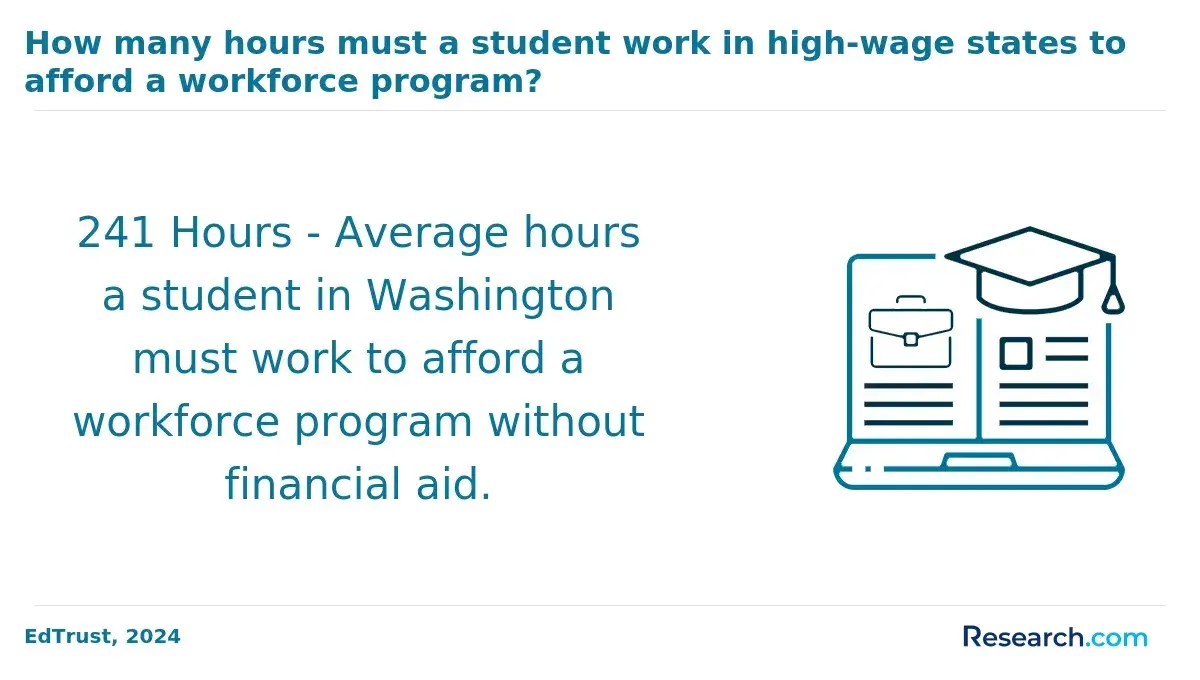
Career changers need to carefully evaluate the total cost of pursuing an intelligence degree, as balancing education expenses with ongoing financial responsibilities can be challenging. The National Center for Education Statistics reports that the average graduate student borrower carries approximately $66,000 in debt, highlighting the importance of financial planning. Below are the main cost components to consider when exploring affordable intelligence degree options for professional transition.
- Tuition and Fees: Tuition is typically the largest expense, ranging from $10,000 to $30,000 annually depending on whether the program is public or private, its length, and delivery method. Many programs offer flexible payment plans, and employer tuition reimbursement can significantly reduce out-of-pocket costs.
- Textbooks and Materials: Course materials and textbooks add to total expenses, often costing several hundred to over a thousand dollars per year. Digital resources and rentals can help lower these costs without sacrificing access to essential learning tools.
- Technology Requirements: Students may need specific hardware or software for online or hybrid courses, including computers, secure internet connections, and specialized programs. These upfront costs are important to budget, particularly for those pursuing online degrees.
- Travel and On-Site Sessions: Some intelligence degree programs include required on-site residencies or internships, which can add travel, lodging, and meal expenses. Understanding these requirements early helps plan both finances and work-life balance effectively.
- Cost-Saving Strategies: Scholarships aimed at career changers or veterans, as well as prior learning assessments, may shorten the degree duration and lower costs. Part-time or online pathways also help maintain employment while progressing academically.
Career changers interested in exploring specialized degree options might also consider online phd programs in organizational leadership as a flexible alternative to advance their careers efficiently within a manageable budget.
Curriculum design is crucial for career changers entering intelligence fields because it bridges existing professional experience with specialized intelligence skills efficiently. By tailoring content to practical applications and relevant skills, these programs help professionals smoothly navigate their transition into intelligence roles. Key features of an intelligence degree curriculum for career changers include:
- Applied Learning: The curriculum emphasizes connecting theoretical concepts with practical intelligence tasks, enabling students to directly apply knowledge to real-world scenarios and improve job readiness.
- Transferable Skills: Programs focus on developing critical analysis, problem-solving, and effective communication skills, which are foundational for success both within intelligence professions and other sectors.
- Flexible Pacing: Acknowledging the demands on working professionals, curriculums offer adaptable learning schedules to balance education with personal and career commitments, making the process more manageable.
- Real-World Projects: Carefully structured projects simulate environments and challenges faced in intelligence operations, allowing learners to build confidence and strengthen their portfolios with relevant experience.
- Current Technologies: Instruction incorporates up-to-date tools and methodologies used in intelligence analysis, ensuring that students gain familiarity with the latest industry standards and practices.
Professionals considering a shift to an intelligence career will find that the skills gained from intelligence programs for professionals are not only practical but also recognized across related fields. For those seeking efficient pathways, exploring fast online degrees can be valuable to accelerate this transition while maintaining work and life balance.
Career changers benefit from understanding the potential career paths tied to an intelligence degree, as it helps align their skills with expanding job markets. For instance, roles in intelligence-related areas, including cybersecurity and data analysis, are expected to grow by 12% through 2031, reflecting increasing demand. Here are five prominent careers for graduates with an intelligence degree:
- Intelligence Analyst: This role involves assessing data to detect threats and opportunities. Skills from previous professions in research, critical thinking, or analysis directly support success in this position.
- CIA Operative: Engaged in covert operations and intelligence gathering, this career suits those with strong problem-solving abilities and interpersonal skills capable of navigating sensitive environments.
- Cybersecurity Specialist: Focused on defending digital infrastructure from attacks, this path leverages technical knowledge and analytical skills often developed in IT, law enforcement, or related backgrounds.
- Policy Advisor: Advising on strategic decisions based on intelligence findings, this position fits professionals experienced in communication and planning, enabling them to influence policy development effectively.
- Risk Management Consultant: This role centers on identifying and mitigating organizational risks. Professionals transitioning from business or finance can apply their analytical expertise and strategic insight here.
Salary expectations play a vital role in career changers' decisions, affecting both financial planning and long-term job satisfaction. Research indicates that professionals who reskill can see an average salary increase of up to 20% within two years of completing a new degree or certification. Here are typical earnings and factors influencing pay in intelligence-related careers:
- Entry-Level Intelligence Analysts: Salaries generally range from $55,000 to $75,000 annually. Prior experience in related fields can sometimes lead to higher starting pay.
- Mid-Career Professionals: Compensation typically falls between $75,000 and $100,000, depending on expertise and additional certifications earned.
- Cybersecurity and Counterintelligence Roles: Specialized positions often command salaries exceeding $90,000 due to technical demands and market need.
- Government and Defense Positions: These jobs provide steady income with predictable raises and benefits, emphasizing job security over aggressive pay growth.
- Private Sector Consultants: Earnings vary widely and frequently incorporate performance bonuses tied to project outcomes or client satisfaction.
What Graduates Say About Their Intelligence Degrees for Career Changers
- Jireh: "Choosing to pivot my career towards an intelligence degree was a bold move, especially knowing the average cost was around $20,000. The investment felt steep at first, but the comprehensive curriculum and practical skills I gained paid off in leaps and bounds, opening doors I hadn't imagined before. Now, I feel truly empowered and excited about where this path is taking me. "
- Henrik: "After years in a different field, I took a moment to reflect on what truly interested me-intelligence. The cost, often cited to be between $15,000 and $25,000, made me cautious but determined to make it work financially. Completing the program was a pivotal moment; it gave me the credibility and confidence needed to transition smoothly, proving that sometimes, thoughtful investment in education changes everything. "
- Weston: "The decision to enter an intelligence degree program was fueled by a desire for meaningful change and growth. The roughly $18,000 tuition was a significant but manageable financial commitment that quickly turned into one of the best decisions I've made. The program's blend of theory and real-world application equipped me with a unique skill set that accelerated my career change and gave me a fresh sense of purpose. "
Other Things You Should Know About Intelligence Degrees
Many intelligence degree programs require a criminal background check, identity verification, and sometimes fingerprinting before clinical or field-related placements. If the program connects students to government or defense work, a security clearance review may also be needed, which can take weeks or months to complete.
Many intelligence degree programs encourage or require internships to provide real-world experience, but requirements vary by school. Internships often take place in government agencies, private security firms, or analysis organizations. For career changers, completing an internship can be critical in building relevant skills and professional networks.
Some intelligence programs provide career counseling, networking opportunities, and job placement assistance geared toward adult learners and career changers. These support services help bridge gaps in professional experience and facilitate smoother transitions. Prospective students should inquire specifically about available resources during the admissions process.
- From Aspiration to Achievement: Your Step-by-Step Guide to Starting a Career in Data Analytics or Business Intelligence - INDUSTRY CONNECT https://industryconnect.org/aspiration-achievement-step-step-guide-starting-career-data-analytics-business-intelligence/
- CareersPro https://careerspro.co.uk/
- Individual Career Planning and Career Transition program https://staff.ki.se/your-employment/careers-at-ki/career-planning-for-a-sustainable-working-life/program-for-individual-career-planning-and-career-change
- The Best Online Degrees for Career Change After 30 | National University https://www.nu.edu/blog/best-online-degrees-for-career-change/
- Skills and Talent Development in the Age of AI https://www.jff.org/idea/skills-and-talent-development-in-the-age-of-ai/
- Working in Intelligence Analysis | Civil Service Careers https://www.civil-service-careers.gov.uk/professions/working-in-intelligence-analysis/
- Online Specialization in Intelligence and Homeland Security | Colorado State University Global https://csuglobal.edu/academic-programs/undergraduate-specializations/undergraduate-specialization-intelligence-and-homeland-security
- 10 Key Insights for Building a Successful Intelligence Career https://www.alconintel.com/blog/key-tips-successful-intelligence-career
- The most future-proof IT degree programs that won’t be replaced by AI. https://itcompare.pl/en-us/articles/68/the-most-futureproof-it-degree-programs-that-won-t-be-replaced-by-ai
- Career Development and Transition Funding | Coefficient Giving https://coefficientgiving.org/funds/global-catastrophic-risks-opportunities/career-development-and-transition-funding/