2027 Is a 2-Year Chemistry Degree Worth It: Accelerated Bachelor's ROI & Time Trade-Offs

Co-Founder and Chief Data Scientist
Many prospective students face a dilemma when considering whether to pursue a 2-year accelerated chemistry degree. According to the National Center for Education Statistics, accelerated bachelor's programs in STEM fields have grown by over 15% in the last decade, reflecting rising demand and urgency to enter the workforce faster. However, questions remain about whether shortening the degree timeline compromises depth of knowledge or limits earning potential.
This article analyzes the return on investment and time trade-offs of accelerated chemistry degrees, offering data-driven insights to help readers determine if this pathway suits their professional and financial goals in the competitive U. S. job market.
Key Benefits of a 2-Year Chemistry Degree
- Accelerated 2-year chemistry degrees reduce time-to-degree by half, allowing faster entry into the workforce and potentially earlier salary gains compared to traditional 4-year programs.
- Graduates often see strong ROI as chemistry-related roles report median salaries around $70,000, balancing lower tuition costs with competitive job market demand.
- Shorter programs may limit research exposure but still provide core skills enabling employment in pharmaceuticals, manufacturing, and environmental labs, offering practical career pathways.
How Do 2-Year Chemistry Programs Work?
Two-year chemistry programs offer an accelerated alternative to traditional bachelor's degrees by delivering the full curriculum in about half the time. For students weighing the time commitment and return on investment, understanding the structure and pace of these programs is essential.
Here is a clear breakdown of how 2-year chemistry programs operate, highlighting core aspects to consider before enrollment.
- Accelerated Pacing: These programs compress the curriculum into a shorter timeframe through an intense schedule, requiring students to maintain a fast study rhythm with limited breaks.
- Year-Round Enrollment: Students usually enroll continuously throughout the year, often taking courses during summer or winter sessions to meet program requirements quickly.
- Condensed Course Terms: Instead of the standard two semesters, terms are typically three to four per year, lasting 8 to 10 weeks, which means coursework is delivered in a more concentrated format.
- Credit Load Expectations: Enrollees carry a heavier credit load-often more than 15 credits per term-to complete core classes on time, reflecting a demanding weekly workload consistent with intensive coursework and weekly workload in chemistry programs.
- Instructional Format: Instruction blends in-person lectures, hands-on laboratory work, and online components to maximize flexibility while ensuring practical training.
- Assessment Methods: Frequent evaluations such as quizzes, lab reports, midterms, and final exams ensure students stay caught up and understand the material comprehensively.
- Curriculum Progression: Students must quickly master foundational subjects, including general chemistry, organic chemistry, analytical chemistry, and calculus-based physics, to advance to electives and capstone projects efficiently.
According to the National Center for Education Statistics, accelerated bachelor's degrees can save about 1.5 to 2 years compared to traditional four-year tracks, offering potential tuition savings and faster workforce entry. Employment growth in chemistry-related fields remains steady at around 5% over the past decade, improving prospects for graduates.
For those pursuing related advanced training, such as a pharmacist degree, these accelerated paths may offer valuable prerequisites or prep work within a condensed timeframe.
What Are the Admission Requirements for a 2-Year Chemistry Degree?
For students considering an accelerated bachelor's in chemistry, understanding the admission requirements is crucial to ensure a smooth application process and alignment with academic goals. These criteria help gauge whether candidates have the foundational knowledge and preparation needed for the program's intensive pace.
Below is a detailed breakdown of typical eligibility criteria for 2-year chemistry degree paths.
- Prior Education: Applicants usually must hold a high school diploma or equivalent, demonstrating a basic academic foundation. This is central to the 2-year chemistry degree eligibility criteria to ensure preparedness for college-level coursework.
- GPA Expectations: Most programs require a minimum GPA ranging from 2.5 to 3.0. Highly competitive accelerated chemistry programs may set the bar higher to filter candidates likely to succeed in a condensed curriculum.
- Standardized Tests: Tests like the SAT or ACT are often optional due to recent test-optional policies at many institutions. However, some programs may still consider scores to aid in placement or admissions decisions.
- Prerequisite Courses: High school coursework in chemistry, biology, algebra, and sometimes physics is commonly required. These prerequisites help ensure student readiness for the program's scientific and mathematical demands.
- Work Experience: While not generally mandatory, relevant work experience in laboratory or scientific settings can strengthen an application by showcasing practical skills.
Students evaluating these criteria may also benefit from exploring related pathways like a certified medical assistant program, which emphasizes accelerated training for workforce entry. Considering admission requirements carefully helps prospective students balance time commitment and long-term career outcomes effectively.
According to the National Center for Education Statistics, completing a 2-year degree saves about two years compared to traditional 4-year degrees. This accelerated timeline can boost return on investment, especially as employment opportunities in chemistry-related fields grow steadily, per the U.S. Bureau of Labor Statistics.

What Does a Typical Week Look Like in a 2-Year Chemistry Program?
Grasping the weekly demands and schedule of a 2-year accelerated chemistry program is crucial for prospective students who want to realistically assess the workload and how it aligns with their goals. The program's intensity means effective planning is essential to succeed.
Below is a closer look at the typical weekly activities that shape this fast-paced learning experience.
- Class Sessions and Labs: Students attend multiple lectures daily that cover core theoretical concepts, often paired with hands-on lab sessions. These labs are essential for applying knowledge and developing practical skills critical to the field.
- Assignments and Assessments: Frequent evaluations such as problem sets, quizzes, and exams keep students on track and reinforce comprehension. These assessments occur regularly to ensure mastery of material before advancing.
- Collaborative Work: Group projects and lab reports play a significant role, fostering teamwork and communication skills crucial for scientific careers. Collaboration also helps deepen understanding through peer discussion.
- Independent Study: Considerable time outside the classroom is devoted to reviewing notes, solving complex problems, and preparing for labs. Most students dedicate 20 to 30 hours weekly to supplement guided instruction.
- Instructor Support: Close faculty interaction is vital in this accelerated format, with students frequently using office hours and extra sessions to clarify challenging topics and receive timely feedback.
- Time Management: Balancing fast-moving content and numerous tasks requires disciplined organization. Students develop strong planning skills to handle overlapping deadlines and continuous workload.
When asked about his experience, a professional who completed a bachelor's degree in chemistry in two years described the process as "intense but rewarding." He recalled, "There were moments I felt overwhelmed, especially during back-to-back lab reports and exams. Finding a rhythm with study groups and prioritizing tasks was crucial."
He also emphasized how the program pushed him to quickly adapt: "You can't afford to fall behind; the pace demands constant engagement and resilience." This firsthand insight highlights the commitment needed to thrive in such an accelerated setting.
When choosing an accelerated two-year chemistry degree, the mode of delivery greatly influences how students balance flexibility, accessibility, and time management. Online options offer various formats designed to accommodate different learning styles and life commitments.
The following points highlight key considerations for students exploring these programs.
- Fully Online vs. Hybrid Formats: Programs may be entirely online or combine virtual learning with occasional in-person sessions. Hybrid models are common when hands-on lab work requires physical attendance or local partnerships.
- Asynchronous and Synchronous Learning: Many courses blend self-paced lessons with scheduled live discussions or labs, allowing students to engage on their own time while benefiting from real-time interaction with instructors and peers.
- Technology Needs: Reliable internet, updated computers, and specialized software are typically necessary. Virtual lab simulations often supplement or replace traditional lab experiences, supporting practical learning remotely.
- Student Support Services: Advising, tutoring, and technical assistance help students manage the fast pace of accelerated programs. These resources are crucial for maintaining progress and overcoming challenges in condensed timeframes.
- Pacing and Engagement: Two-year online chemistry degrees usually move faster than traditional programs, requiring strong self-discipline. The combination of diverse learning methods helps maintain engagement despite the accelerated schedule.
Calculating the total cost of a 2-year chemistry degree is essential for assessing its return on investment, especially when considering accelerated bachelor's paths. These programs often compress coursework into a shorter timeline, impacting overall expenses and financial planning.
A detailed look into the main cost drivers clarifies how tuition and related fees accumulate throughout the accelerated schedule.
- Tuition Structure: Tuition fees vary significantly based on whether a student is in-state or out-of-state and the type of institution attended. Accelerated chemistry programs typically charge higher tuition per semester due to heavier course loads but may reduce total costs by shortening degree completion from four years to two.
- Mandatory Fees: These include student fees required for access to labs, campus technology, and other essential services. Such fees are non-negotiable and add to the overall expense beyond tuition alone.
- Textbooks and Learning Materials: Specialized science textbooks and materials can be costly, particularly in chemistry disciplines where updated editions and lab manuals are necessary for coursework and practical learning.
- Laboratory and Technology Costs: Lab supplies such as chemicals, safety equipment, and relevant technology licensing are important for hands-on experience but increase the financial outlay in accelerated settings where labs may be more intensive.
- Impact of Accelerated Pacing: While shortening the degree means less time paying tuition and living expenses, the condensed schedule often leads to increased semester costs and may require summer courses. This intensification can affect the total cost of a 2-year chemistry degree compared to traditional timelines.
Carefully comparing these cost factors helps students determine if the investment aligns with their career goals and earning potential, especially considering median salaries rise with advanced credentials. For those exploring a flexible academic path, resources like the healthcare administration degree programs illustrate similar accelerated options in other fields, underscoring a growing trend in expedited education.
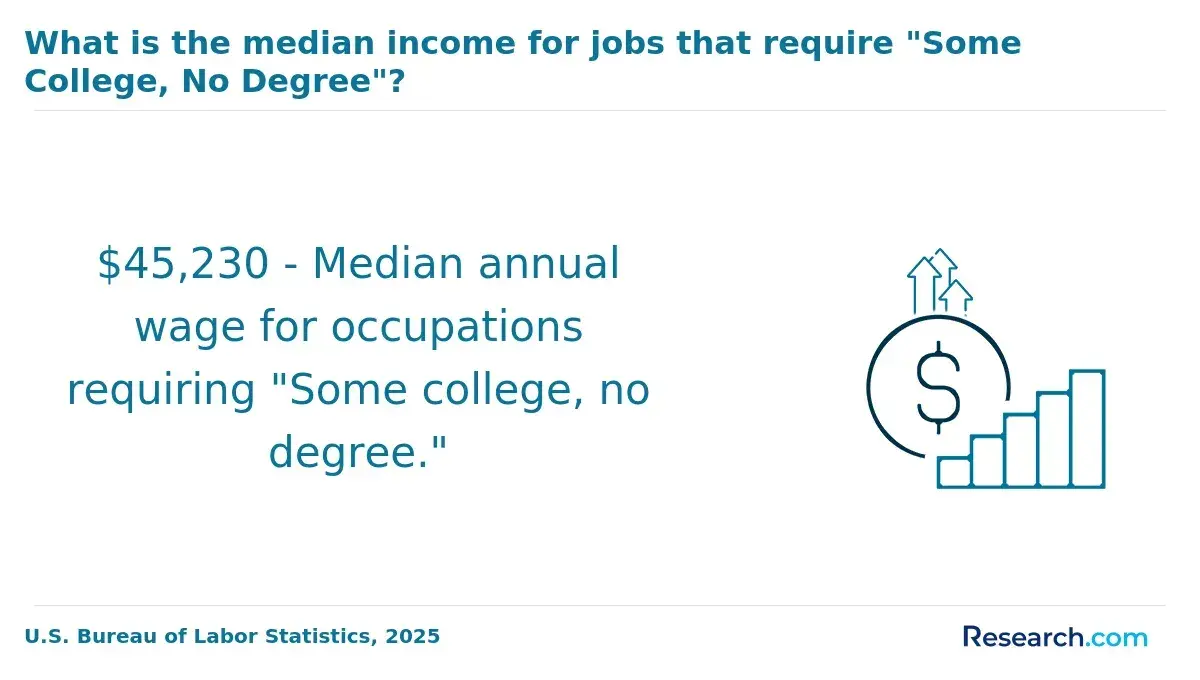
For students considering accelerated 2-year chemistry degree programs, understanding financial aid options is critical to managing tuition and related expenses. Access to financial support can significantly influence whether a fast-paced degree is both feasible and affordable.
Below is an overview of key aid opportunities and how the unique structure of accelerated programs may impact them.
- Federal Student Aid Eligibility: Students enrolled in accredited accelerated chemistry programs can qualify for federal aid like Pell Grants and Direct Loans. Because courses are compressed into shorter terms, disbursements may occur more frequently or require adjustments to fit the program's quicker timeline.
- Scholarships and Grants: Numerous scholarships and grants target STEM students or chemistry majors specifically, aiming to reduce out-of-pocket costs. It's important for students to explore both merit-based and need-based opportunities through national groups, community organizations, and schools.
- Employer Tuition Assistance: Working students often benefit from employer-sponsored tuition reimbursement, which can cover partial or full costs. Employers in technical or scientific fields frequently support continued education to develop relevant skills and advance careers.
- Payment Plans: To alleviate immediate financial pressure, some institutions offer payment plans that allow tuition to be paid over the duration of the accelerated program rather than in one lump sum.
- Impact of Accelerated Scheduling: While accelerated programs shorten degree duration, careful financial planning is essential since aid disbursement schedules and eligibility criteria may differ from traditional programs. Students should confirm these details early to avoid surprises.
When I asked a professional who completed an accelerated bachelor's degree in chemistry about her experience with financial aid, she reflected on the challenges and strategies involved. "Balancing my coursework with funding worries was tough at first," she said.
"But understanding how to navigate federal aid and securing employer tuition support made a big difference. The aid disbursement was more frequent than I expected, which helped keep expenses manageable." She also noted the value of scholarships tailored to STEM students, which offset unexpected costs.
"Overall, the financial aid options didn't just make the program affordable-they actually gave me peace of mind, enabling me to focus fully on my studies and graduate within two years."
Evaluating the career outcomes of an accelerated bachelor's degree in chemistry is crucial for students seeking the best return on their educational investment. Understanding the variety of job opportunities available helps clarify how this condensed program can align with personal and professional goals.
The following overview highlights common career paths and how the accelerated format prepares graduates for immediate workforce entry.
- Chemical Technician: Graduates frequently start as chemical technicians, assisting with experiments, collecting data, and maintaining lab equipment. These entry level chemistry jobs require strong hands-on skills that are emphasized in the accelerated curriculum.
- Laboratory Assistant: This role involves supporting chemists and engineers by preparing samples, monitoring test results, and ensuring lab safety protocols. The practical training in an accelerated program builds competency in these crucial tasks.
- Quality Control Analyst: Many graduates work in quality control in manufacturing or pharmaceutical settings, overseeing product standards and compliance. The program's focus on chemical analysis and instrumentation directly supports success in this field.
- Research Assistant: Assisting with scientific research across sectors like environmental science and food safety, these positions rely on data interpretation and lab techniques honed during the degree.
Industry demand spans pharmaceutical, environmental, manufacturing, and food safety sectors, offering stable job prospects for those with a 2 year chemistry degree career options. Accelerated programs reduce the traditional four-year timeline by about half while enhancing workforce readiness, enabling students to enter these fields sooner and with practical skills.
Beyond immediate employment, the degree serves as a foundation for advancing through additional education or gaining experience. Students seeking cost-effective credentials may also explore affordable pathways, such as the cheapest online nursing programs, when considering their wider educational investments.
Salary outcomes are a critical factor in evaluating the return on investment (ROI) of accelerated versus traditional degree paths in chemistry. Understanding how earnings differ between holders of a 2-year chemistry degree and those with a traditional bachelor's degree helps prospective students make informed decisions about their education and career trajectory.
This comparison highlights key differences in early-career wages, long-term growth, and employer perceptions.
- Early-Career Earnings: Graduates with a 2-year chemistry degree typically enter the workforce faster, often within two years, which allows them to start earning sooner. However, their median starting salary in science technician roles hovers around $40,000-$50,000, whereas bachelor's degree holders generally start higher, between $65,000 and $75,000.
- Long-Term Earning Potential: While 2-year degree holders benefit from early income, bachelor's graduates tend to have greater long-term salary growth. Their qualifications open doors to advanced research and managerial roles, leading to median salaries near $70,000 in early years and significantly higher as their careers progress.
- Employer Perception and Career Progression: Employers often prefer bachelor's degrees for positions involving independent research and complex problem-solving, which accelerates career advancement. This preference means 2-year degree holders may face limited opportunities for upward mobility without further education.
- Impact of Faster Workforce Entry: Although entering the workforce earlier offsets some salary disadvantages, it may not fully bridge the lifetime earnings gap between 2-year chemistry degree holders and those with traditional bachelor's degrees.
For students exploring efficient degree paths, options like accelerated bachelor's degrees can offer both time savings and higher median salaries compared to a 2-year degree in chemistry. For those balancing financial concerns and career goals, researching affordable programs, including options such as the cheapest RN to BSN online, can provide additional guidance on managing investment in education effectively.
Ultimately, weighing 2 year chemistry degree salary comparison alongside traditional bachelor's degree chemistry earnings is essential for making sound educational choices that align with both career ambitions and financial expectations.
Return on investment is a vital consideration for students exploring accelerated chemistry degrees, as it directly impacts financial and career outcomes. These programs promise a faster path to graduation, but understanding the variables that influence ROI helps students make informed decisions.
Below is an overview of the essential factors shaping the value of accelerated chemistry programs.
- Time-to-completion: Accelerated degrees typically reduce the standard four-year timeline to two or three years. This compression allows students to enter the workforce earlier and minimizes the expenses associated with longer enrollments, increasing overall cost efficiency.
- Tuition and total program cost: Although per-credit rates may be comparable to traditional programs, the fewer semesters required often translate into lower overall tuition and related expenses like fees and textbooks, making accelerated paths potentially more affordable.
- Opportunity cost savings: Earning a degree more quickly means less time out of the job market. Graduates with bachelor's degrees in chemistry-related areas generally enjoy higher salaries-roughly $70,000 to $90,000 annually-compared to those without degrees, which amplifies the financial advantage of finishing sooner.
- Employment outcomes and industry demand: The chemical and pharmaceutical sectors, along with materials science, are experiencing steady growth projected at around 4% over the next decade. This stable demand supports positive job prospects and salary advancement for degree holders.
- Transferability and applicability of skills: Core skills acquired-such as lab techniques, data interpretation, and critical thinking-remain highly valued by employers. Practical experience and internships further enhance career readiness regardless of program length, contributing significantly to ROI.
Choosing a 2-year chemistry degree involves assessing your personal and academic readiness for an intense, fast-paced curriculum. These programs require a significant weekly study commitment and quick comprehension of complex concepts, which may challenge some learners.
Time availability is also important; the accelerated format accelerates graduation but limits opportunities for part-time work or extracurricular involvement. Consider whether you thrive under pressure and if entering the workforce sooner aligns with your career goals. Being clear about your professional urgency helps determine if this condensed path suits your needs.
Financially, accelerated degrees often reduce tuition and living expenses by cutting the time spent in school. While median salaries for bachelor's-level chemistry roles hover around $77,000 annually, employers usually prefer candidates with a full bachelor's degree for research and lab positions.
This makes the faster bachelor's degree an efficient investment despite the demanding pace. However, this route may offer less flexibility for balancing work, study, and personal life in the long term compared to traditional programs.
What Graduates Say About Their 2-Year Chemistry Degree
- Joel: "Choosing a 2-year accelerated bachelor's degree in chemistry was a game-changer for me because I wanted to enter the workforce quickly without sacrificing quality education. The intense schedule was challenging, but I managed by staying organized and focused, often dedicating weekends to review sessions. Graduating with this degree has already opened doors in the pharmaceutical industry, and considering the average cost of attendance was reasonable, it felt like a smart investment for my future. "
- Tiffany: "I opted for the 2-year chemistry program primarily because balancing work and study was critical for me. Reflecting on the experience, the fast pace forced me to develop disciplined study habits and time management skills that I now apply daily in my research role. The degree's cost-effectiveness and swift completion have been pivotal in advancing my career more quickly than traditional paths. "
- Roman: "The 2-year accelerated bachelor's degree in chemistry appealed to me for its efficiency, allowing me to bypass the typical four-year route without compromising the depth of knowledge. I approached the workload with a highly professional mindset, scheduling consistent study blocks and leveraging lab hours effectively. This degree has significantly boosted my credentials in the environmental consulting sector, and given the average tuition fees, it struck a balance between cost and career advancement. "
Other Things You Should Know About Chemistry Degrees
In 2027, an accelerated bachelor's degree in chemistry can fast-track career growth by equipping graduates with advanced skills and knowledge, offering quicker entry into the workforce. This can lead to potentially higher starting salaries and faster professional advancement compared to a standard 2-year degree.
Yes. Most accelerated chemistry programs require prior completion of general chemistry, organic chemistry, and calculus before entry, plus a minimum GPA around 2.5 to 3.0. Schools also expect transcripts showing lab-based coursework, because the two-year format leaves little room for remedial science classes.
- General Chemistry II | Accelerated Health Sciences Online https://acceleratedsciences.scuhs.edu/course-listing/general-chemistry-ii/
- What Can You Do With A Chemistry Degree? | The Science Blog https://www.reagent.co.uk/blog/what-can-you-do-with-a-chemistry-degree/
- Chemistry degree https://www.thestudentroom.co.uk/showthread.php
- How do I know that majoring in Chemistry is right for me? https://www.careervillage.org/questions/283648/how-do-i-know-that-majoring-in-chemistry-is-right-for-me
- 11 Careers in Chemistry (And the Qualifications You’ll Need) https://careercenter.emmanuel.edu/blog/2024/09/27/11-careers-in-chemistry-and-the-qualifications-youll-need/
- 5 best two-year degrees for international students in the UK https://studyinternational.com/news/two-year-degree-uk/
- Alfa Chemistry Scholarship Program https://accessscholarships.com/scholarship/alfa-chemistry-scholarship-program/
- Top 10 Highest Paying Chemistry Jobs & Careers 2025 (Inc Salaries) | Nexford University https://www.nexford.edu/insights/highest-paying-chemistry-jobs
- Two year accelerated degrees https://www.staffs.ac.uk/courses/undergraduate/study-options/two-year-accelerated-degrees
- Chemistry MS https://gpem.luc.edu/portal/abm