2027 Return on Investment (ROI) of a Chemistry Degree Program

Co-Founder and Chief Data Scientist
Many prospective students struggle to determine if investing in a chemistry degree will lead to sufficient career and financial benefits. With rising tuition costs, weighing the value against potential earnings is crucial. According to the U. S. Bureau of Labor Statistics, chemists and materials scientists are projected to see a 7% job growth rate from 2022 to 2032, faster than the average for all occupations. This article examines the return on investment of chemistry degree programs, analyzing education costs, employment prospects, and salary trends to help readers make informed decisions about pursuing this scientific career path.
Key Things to Know About Chemistry Degree ROI
- Chemistry graduates earn a median starting salary around $60,000, with experienced professionals exceeding $100,000, reflecting strong earning potential.
- The degree supports career advancement in pharmaceuticals, environmental science, and materials, often leading to leadership roles.
- Versatility across industries grants job stability, while long-term salary growth aligns with demand for specialized chemical expertise.
How Is ROI Calculated for a Chemistry Degree Program?
Return on investment (ROI) in higher education measures the financial benefit a student gains from earning a degree relative to the total costs and time invested. For prospective students, calculating ROI helps compare whether the educational commitment to a chemistry degree will generate favorable economic returns over the long term.
Several key factors influence calculating return on investment for chemistry degrees, reflecting the balance between expenses and future earning potential:
- Tuition and Fees: This covers the direct costs of enrollment, including lab fees and required textbooks. These upfront expenses constitute the initial financial outlay that students aim to recover post-graduation.
- Opportunity Cost: The years spent completing the degree translate to potential earnings lost from full-time employment. Assessing this cost captures both lost wages and work experience during the study period.
- Time to Completion: The duration of the program affects ROI since longer completion times increase tuition and opportunity costs. Efficient programs that promote timely graduation improve overall financial returns.
- Post-Graduation Salary Outcomes: Average starting salaries and growth prospects in chemistry-related careers are critical to projecting future income and repayment of the initial investment.
- Career Advancement and Long-Term Earnings: Potential promotions or specialization significantly impact overall financial benefits well beyond entry-level positions.
Evaluating these ROI factors for chemistry degree programs enables students and career changers to make informed decisions. Those interested in related fields may also explore msw programs as an alternative pathway.
How Much Does a Chemistry Degree Program Cost?
Accurately evaluating the return on investment for a chemistry degree requires a clear picture of the total expenses involved. Over the past decade, graduate tuition fees in the U.S. have surged by more than 20%, contributing to rising student debt that can affect long-term financial outcomes. Several key costs shape the overall investment needed for this degree.
Critical factors influencing the ROI of a chemistry program include:
- Tuition and fees: The primary and most significant cost, varying widely depending on public or private institutions and residency status, often making up the largest portion of student expenses.
- Books and materials: Annual costs for specialized textbooks, lab supplies, and software can add a substantial sum that many students overlook when budgeting.
- Living and relocation expenses: Housing, food, transportation, and the costs tied to moving, especially if attending school far from home, considerably increase the total expenditure.
- Opportunity cost: Earnings forgone while studying full-time instead of working or pursuing professional advancement, which can impact financial stability during those years.
- Indirect costs: Additional charges such as health insurance, student activity fees, and membership dues for professional chemistry associations can quietly accumulate over time.
A graduate of a chemistry degree shared candid thoughts about managing these expenses, recalling how "balancing part-time jobs with heavy coursework was challenging but necessary." He reflected on the stress of unexpected fees that cropped up mid-semester and the difficult decisions about whether to rent lab equipment or buy cheaper alternatives. "It felt like a constant puzzle to keep costs down while maintaining the quality of my education," he said. His experience highlighted not just the price tag, but the ongoing financial and emotional effort needed to navigate the full cost of earning the degree.

What Financial Aid Is Available for Chemistry Degree Programs?
Reducing upfront expenses through financial aid significantly enhances the long-term return on investment for chemistry degrees by lowering student debt and allowing more focus on academics. Over 70% of graduate students currently utilize some form of aid, underscoring its critical role in managing education costs.
Key financial aid types that affect ROI for chemistry students include:
- Scholarships: Awarded based on merit or financial need, scholarships do not require repayment, directly cutting education costs and decreasing reliance on loans.
- Grants: Usually provided by government sources, grants reduce expenses without adding debt, enabling students to maintain a healthier financial position post-graduation.
- Fellowships: Designed mainly for graduate study, fellowships often cover tuition and provide living stipends, easing financial burdens and supporting research without accruing debt.
- Employer Tuition Assistance: Some employers offer partial or full tuition reimbursement, which can reduce out-of-pocket costs, accelerate degree completion, and improve overall investment returns.
- Federal Loans: While increasing debt, these loans typically have lower interest rates and flexible repayment plans, helping students finance their education with manageable long-term costs.
The duration required to complete a chemistry degree plays a crucial role in determining its return on investment (ROI) by affecting opportunity costs, potential early earnings, and overall educational expenses. Finishing the degree sooner allows graduates to start working and earning earlier, reducing total costs related to tuition and living.
Several factors impact the time needed to earn a chemistry degree and consequently influence its ROI:
- Enrollment status: Full-time students generally complete their degree faster than part-time students, who may need more time but often balance education with work or other commitments.
- Program format: Accelerated tracks or online courses can alter completion time significantly, depending on how they are structured and the student's dedication.
- Transfer credits: Accepting previous coursework can lower the total number of credits required, shortening the path to graduation.
- Internship or thesis: Practical experiences enrich learning but might extend the length of the program due to additional requirements.
- Scheduling flexibility: Availability of courses and how easily students can fit classes into their schedules can either speed up or delay progress.
When discussing "How long does it take to complete a chemistry degree?" a graduate shared that managing course loads alongside part-time work posed a challenge, often forcing her to prioritize certain semesters over others. She recalled, "It wasn't just about finishing classes-it was also about fitting lab sessions, group projects, and research work into an already packed schedule."
This experience taught her the importance of planning and flexibility in navigating program demands. Reflecting on her journey, she noted that while the timeline extended beyond the traditional four years, the hands-on projects and internships provided invaluable skills that ultimately made the extended time worth the investment.
The delivery format of a chemistry degree significantly influences its return on investment (ROI) due to differences in cost, flexibility, and career outcomes. Online enrollment in STEM fields has increased by more than 20% over the past five years, highlighting greater accessibility and acceptance of remote learning options. This shift shapes how students weigh the financial and professional benefits of online versus on-campus programs.
Key factors to consider in the ROI comparison of online versus on-campus chemistry degrees include:
- Tuition and fees: Online chemistry degree programs often have lower or more flexible tuition structures, reducing upfront costs and the financial burden on students compared to traditional on-campus options.
- Opportunity cost: The flexibility of online programs allows students to maintain employment while studying, which decreases lost income and improves overall financial returns.
- Time to completion: Online learners generally control their own pace, which can either accelerate or delay graduation depending on individual circumstances and motivation.
- Networking and career services: On-campus students typically benefit from face-to-face networking opportunities and dedicated career support that may enhance job prospects after graduation.
- Employer perception and earning potential: Some employers still prefer traditional degrees, especially in laboratory-intensive fields like chemistry, potentially resulting in higher starting salaries and longer-term earnings for on-campus graduates, though this gap is narrowing as online programs gain recognition.
Prospective students interested in affordable degree options can explore reputable online business degree programs accredited that illustrate trends in cost-effective online education. Those examining chemistry degree program returns for online and traditional campuses should carefully assess these factors to make informed decisions aligned with their career goals.
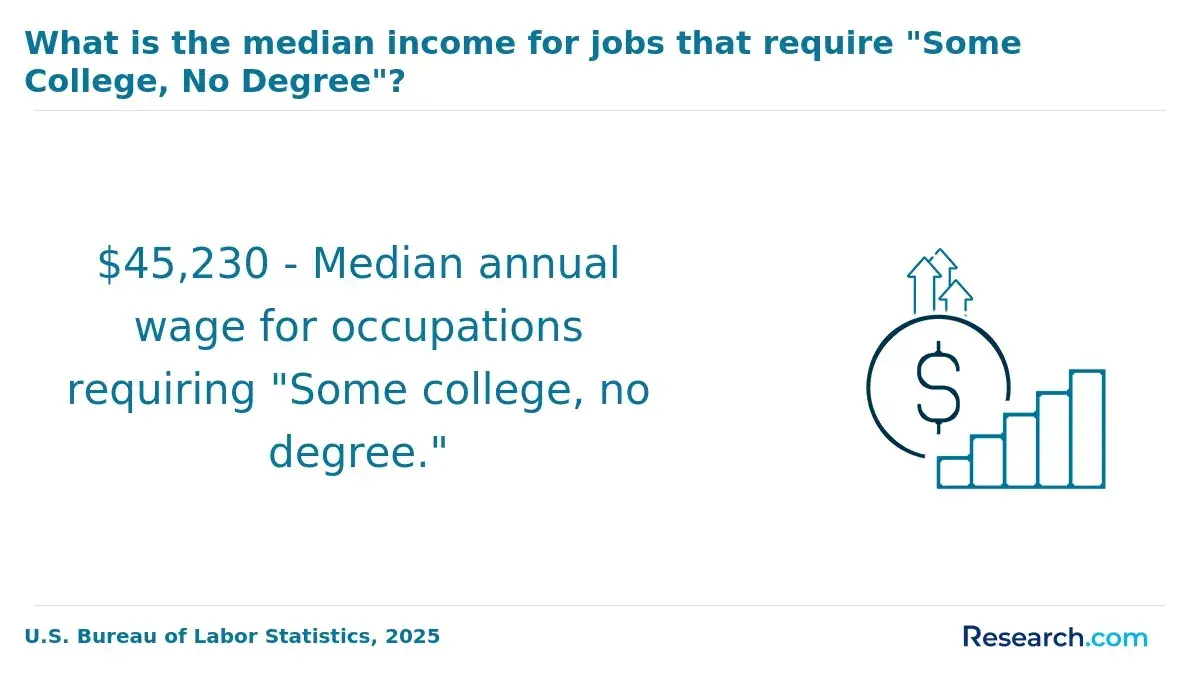
Post-graduation salary is a major factor in determining the return on investment (ROI) of a chemistry degree, as it influences how quickly graduates can recoup education costs and start benefiting financially. The average chemistry degree salary in the US typically ranges between $50,000 and $90,000 annually, reflecting various job markets and roles.
Several factors affect these salary outcomes and consequently impact the degree's ROI:
- Industry: Chemistry graduates employed in pharmaceuticals or chemical manufacturing generally earn more than those in education or government positions, which can affect overall earning potential.
- Geographic Location: Salaries differ significantly depending on the region; urban centers and areas rich in research institutions usually offer higher pay.
- Specialization: Concentrating in fields like analytical chemistry, biochemistry, or materials science often opens doors to niche roles with better compensation.
- Experience Level: Entry-level chemistry salaries tend to be modest, but professionals with several years of experience see notable increases in earnings, improving ROI over time.
- Career Advancement: Obtaining advanced degrees or certifications can substantially boost income, enhancing the financial benefits of a chemistry degree.
Those weighing the financial benefits of a chemistry degree may also consider related fields and programs such as an affordable online psychology masters. Understanding typical earnings for chemistry graduates alongside such options helps make informed career decisions.
Promotions contribute significantly to the return on investment (ROI) of earning a chemistry degree by fostering salary increases, expanded responsibilities, and greater career mobility. These advancements help graduates achieve higher financial rewards and better job security over time. A notable workforce trend emphasizes credential-based promotion, where employers increasingly favor candidates with formal education-particularly in STEM fields-for leadership positions.
Key factors that illustrate how a chemistry degree supports promotion opportunities and enhances ROI include:
- Credential Requirements: Many advanced scientific and managerial roles require formal educational qualifications. Holding a chemistry degree meets these essential criteria, enabling graduates to qualify for higher-level positions.
- Leadership Preparation: Specialized coursework in a chemistry program develops critical thinking and leadership skills, equipping students for supervisory and managerial responsibilities beyond entry-level roles.
- Tuition Support Access: Graduates often gain eligibility for employer tuition assistance programs, which facilitate continued education and professional development that further improve promotion prospects.
- Promotion Policies: Organizations frequently implement internal policies that privilege employees with advanced credentials when considering candidates for promotion, aligning with the academic achievements of chemistry degree holders.
- Experience and Education Synergy: Combining practical work experience with academic knowledge creates a strong foundation for career advancement, making chemistry degree holders more competitive for elevated roles and increased earnings.
For working professionals interested in progressive leadership in organizational contexts, pursuing a doctorate organizational leadership online can complement a chemistry degree to further amplify career advancement opportunities. Overall, those focused on chemistry degree career advancement and promotions with a chemistry degree will find that formal education remains a pivotal factor in climbing the professional ladder.
The return on investment (ROI) for chemistry graduates varies significantly by industry due to differences in salary levels, career progression, and demand for specialized skills. These factors shape the best ROI careers in chemistry fields by influencing compensation growth and long-term job stability.
Several industries are known for offering particularly strong ROI for chemistry graduates:
- Pharmaceuticals and Biotechnology: These sectors provide high salaries and steady demand for skills in drug development and testing. Clear pathways for promotion and specialization enhance career growth and financial returns.
- Chemical Manufacturing: Offering consistent job opportunities and competitive wages, this industry benefits chemists involved in process optimization and materials science, supporting durable career advancement.
- Environmental Science and Technology: Increasing focus on sustainability drives demand for chemists skilled in pollution control and resource management. Backed by stable government and private sector funding, this industry offers promising ROI.
- Petrochemical and Energy: Despite market fluctuations, this sector tends to offer lucrative salaries and advancement for chemists specializing in fuel analysis and energy materials.
- Food Science and Consumer Products: Innovation in food safety and product development fuels demand for chemists, creating rewarding roles with clear potential for skill application and progression.
Evaluating the highest paying industries for chemistry graduates can help prospective students and career changers choose the best path for financial and professional growth. For those exploring options, considering online degree programs may offer affordable and flexible access to chemistry education, enhancing ROI potential.
Accreditation in chemistry degree programs involves a rigorous evaluation process by recognized agencies that assess the quality of the curriculum, faculty credentials, and overall academic standards. This verification assures that the program meets industry and educational benchmarks, which is crucial for graduates entering the workforce.
Increasingly, employers favor candidates who graduate from accredited programs because these credentials often align with eligibility for professional licensure or certification, enhancing career prospects. Such recognition signals to hiring managers that the graduate possesses validated skills and knowledge relevant to the field.
The presence of accreditation can significantly improve the long-term return on investment by fostering employer confidence and opening doors to advanced employment opportunities. Accredited degrees frequently qualify students for federal financial aid programs, lowering educational expenses and reducing student debt.
Additionally, credits earned through accredited programs tend to transfer more smoothly between institutions, aiding timely degree completion. These factors combined enhance career flexibility, support licensure requirements, and position graduates for higher-paying roles in a competitive chemistry-related job market.
The return on investment for a chemistry degree hinges on several critical factors, including the cost of tuition, length of study, starting salaries, and opportunities for career growth. Typically, completing this degree takes about four years and involves expenses beyond tuition, such as fees and additional academic costs.
Graduates often enter the workforce with median salaries near $50,000 annually, which can rise considerably with experience or further education. The financial return depends largely on balancing these upfront costs against long-term earning potential and job stability in related fields.
Whether pursuing a chemistry degree is worthwhile often depends on individual circumstances. Strong demand for chemists in sectors like pharmaceuticals and environmental science supports positive career prospects, especially for those who secure scholarships or flexible study options that allow income during their education.
However, for students without clear career goals or limited access to financial aid, the investments of time and money may reduce immediate financial benefits. Ultimately, aligning the program choice with personal ambitions and market needs plays a significant role in maximizing ROI.
What Graduates Say About The ROI of Their Chemistry Degree
- Axton: "Choosing to pursue a chemistry degree was a calculated move for me. Despite the steep average cost of attendance, I saw it as an investment with strong long-term ROI, especially in research and development fields. Today, as a lab manager, I can confidently say the education and skills I gained have opened doors I couldn't have imagined."
- Jaime: "I decided on an online chemistry degree mainly because it allowed me to balance work and study without incurring the full campus expenses. Considering tuition and fees, the program was economical and truly worth it given how it enhanced my analytical thinking and expanded my professional opportunities in quality control. Finishing this degree has been a rewarding experience both intellectually and career-wise."
- Roman: "Opting for a part-time chemistry degree was a pragmatic choice due to my professional commitments. While the total cost was considerable over time, the flexibility ensured I didn't compromise my income. Completing the program profoundly impacted my career trajectory, enabling me to transition into a specialized chemical engineering role and significantly increase my earning potential."
Other Things You Should Know About Chemistry Degrees
Geographic location can significantly influence the ROI of a chemistry degree. Areas with a high concentration of pharmaceutical and chemical companies, such as certain states in the U.S., tend to offer better salaries and job opportunities, thereby increasing the ROI for graduates in 2027.
Yes, internships and research experience substantially improve the ROI by providing practical skills and professional connections that employers value. Hands-on experience during a chemistry degree can lead to better job placements and higher starting salaries. It also helps students decide on specialized career paths, increasing their chances of securing rewarding positions post-graduation.
Chemistry students can cut net costs with merit scholarships, departmental awards, and external grants from groups such as the American Chemical Society. Many awards require a 3.0 GPA or higher, full-time enrollment, and completion of 12 or more credit hours per term.
- Top 10 Courses To Pursue After Completing B.Sc. In Chemistry https://timespro.com/blog/top-10-courses-to-pursue-after-completing-bsc-chemistry
- The State of Jobs in Analytical Chemistry: A Deep-Dive into the Latest Trends in Salaries, Jobs, and Career Growth in Chromatography | LCGC International https://www.chromatographyonline.com/view/the-state-of-jobs-in-analytical-chemistry-a-deep-dive-into-the-latest-trends-in-salaries-jobs-and-career-growth-in-chromatography
- The Return On Investment “ROI” of Accreditation: More Than a Badge it’s A Strategic Investment https://aaa-accreditation.org/the-return-on-investment-roi-of-accreditation-more-than-a-badge-its-a-strategic-investment/
- Is a chemistry degree worth it? https://www.thestudentroom.co.uk/showthread.php
- What will I earn with a chemistry qualification | RSC Education https://edu.rsc.org/future-in-chemistry/career-options/what-will-i-earn
- Chemistry - full-time first-cycle studies (WM-CH-N-1) https://ects.uksw.edu.pl/en/programmes-all/CH014/WM-CH-N-1/
- Chemistry BSc https://www.ucl.ac.uk/prospective-students/undergraduate/degrees/chemistry-bsc
- Is College Worth it? | Return on Investment Analysis of College Degree https://educationdata.org/college-degree-roi
- Top 10 Highest Paying Chemistry Jobs & Careers 2025 (Inc Salaries) | Nexford University https://www.nexford.edu/insights/highest-paying-chemistry-jobs
- Verifying that you are not a robot... https://helpfulprofessor.com/chemistry-degrees-worth-it-or-useless/