2027 Most Popular Concentrations in Chemistry Degrees

Co-Founder and Chief Data Scientist
Choosing the right concentration within a chemistry degree is crucial as industries increasingly demand specialized expertise. For example, employment in chemical research and development is expected to grow by 6%, reflecting a rising need for skills in areas like analytical and environmental chemistry. This trend shows how focused knowledge can enhance career prospects in a competitive job market.
This article explores the most popular concentrations in chemistry degrees, offering insights into fields such as organic, inorganic, and physical chemistry. By understanding these options, students and professionals can make informed decisions aligned with their interests and career goals in science and technology sectors.
Key Benefits of Popular Concentrations in Chemistry Degrees
- Popular chemistry concentrations enhance career outcomes by aligning graduates with high-growth sectors like pharmaceuticals, where employment is projected to increase 6% by 2030.
- Specialized training develops advanced analytical and laboratory skills, crucial for roles requiring precise experimentation and problem-solving abilities.
- Industry demand for experts in fields such as organic and inorganic chemistry ensures competitive salaries and opportunities for research and development positions globally.
What Are the Most Popular Chemistry Concentrations in 2027?
Interest in specialized chemistry study paths is increasing as students seek to align their education with evolving industry demands and scientific advances. Workforce needs are shaping these choices, encouraging deeper focus on areas with strong career prospects and emerging research opportunities.
Top chemistry degree specializations in America highlight fields where practical application and interdisciplinary skills are paramount. These areas reflect a shift toward innovation-driven sectors and sustainability priorities.
- Biomolecular chemistry: Bridging chemistry and biological sciences, this concentration supports growth in pharmaceutical development, biotechnology, and personalized medicine. High enrollment at institutions like Yale and HKUST underscores its appeal in addressing cutting-edge health challenges.
- Organic chemistry: Foundational in drug synthesis and manufacturing, organic chemistry remains popular among pre-medical and pharmaceutical career tracks. Sustained demand drives its continued prominence in undergraduate programs.
- Materials chemistry: Focused on advanced materials for electronics, renewable energy, and nanotechnology, this concentration responds to increasing industrial demand. Schools such as HKUST and the University of British Columbia emphasize its market relevance.
- Environmental and analytical chemistry: With heightened regulatory and sustainability requirements, this field expands rapidly. Specialized tracks, including HKUST's marine and atmospheric chemistry options, align education with pressing environmental issues.
- Physical and theoretical chemistry: Attracting students interested in computational methods and fundamental research, this concentration is popular for those pursuing academic and advanced research careers.
Students considering the best chemistry concentrations for undergraduates may also explore flexible graduate opportunities like a 1 year master's programs online to deepen expertise in these areas or pivot into related fields.
What Skills Are Required for the Top Chemistry Concentrations?
Skill development is crucial for success in specialized chemistry concentrations as industry needs continuously evolve, demanding graduates with versatile and practical abilities. These competencies prepare students to meet workforce expectations across various sectors.
- Laboratory techniques and analytical instrumentation skills: Mastery of safe experimental practices, chemical synthesis, and apparatus handling sets chemistry students apart in research and industrial environments, enhancing their ability to generate accurate experimental results.
- Chemical data analysis and problem solving abilities: Applying mathematical tools and logical reasoning to interpret data and solve complex chemistry problems is vital for innovation in pharmaceuticals, materials science, and environmental studies.
- Analytical thinking: Strong skills in determining chemical and physical properties of substances enable students to contribute effectively to quality control and product development.
- Communication skills: Clear presentation of scientific and numerical data through written reports and oral presentations supports collaboration and knowledge transfer in multidisciplinary teams.
- Quantitative analysis: Competence in measurement techniques and data interpretation aligns with employer demands in research, healthcare, and industrial chemistry.
Developing these skills ensures graduates are prepared for roles such as lab technicians, research chemists, and specialists in diverse fields like forensics and energy. For those exploring pathways in chemistry education, understanding what is the easiest associate's degree to get? can also be helpful when considering foundational programs.

Do Different Chemistry Concentrations Have Different Admission Requirements?
Different chemistry concentrations do have varying admission requirements, often reflecting the specialization's complexity and the specific skills needed. While most programs require baseline courses such as general chemistry, organic chemistry, calculus, and physics, specialized tracks may add unique prerequisites or higher standards.
These differences are designed to ensure students are properly prepared for the concentration's rigorous demands. Admission criteria often consider foundational knowledge and sometimes prior research experience to align with the concentration's academic and professional goals. This approach helps maintain program quality and supports student success within the chosen field.
Common variations in chemistry concentration admission requirements by university include GPA thresholds, prerequisite coursework, and sometimes professional experience or portfolios. For example, chemical biology concentrations frequently require biology coursework and may expect higher grades in math and science classes, reflecting the stronger quantitative skills needed. Research-intensive specializations, such as synthetic or nuclear chemistry, often prioritize students with lab experience.
Additionally, many ACS-certified programs mandate undergraduate research participation, influencing GPA and selection criteria. These standards are in place because different career pathways-from pharmaceutical development to environmental analysis-demand specific skill sets and preparation. Students may also explore opportunities through accelerated masters degrees to advance their specialization efficiently.
Breakdown of All 2-Year Online Title IV Institutions

Accreditation is crucial for specialized chemistry concentrations because it ensures programs meet strict educational standards that affect career opportunities and certification eligibility. Students in focused study areas must verify that their chosen programs maintain accreditation to qualify for professional roles and credentials.
- Certification Eligibility: Meeting standards like those set by the American Chemical Society requires specific coursework and laboratory hours beyond general requirements.
- Concentration-Specific Coursework: Specialized tracks such as biochemistry and environmental chemistry often need deliberate course choices to fulfill accreditation criteria.
- Employer Preferences: Many employers prioritize graduates from accredited programs, especially in research, pharmaceutical, and industrial sectors where credentials impact hiring and advancement.
- Curriculum Quality: Accreditation guarantees rigorous curriculum content, including foundation courses in analytical, inorganic, organic, physical chemistry, and biochemistry.
- Regulatory Compliance: Programs aligned with accreditation standards ensure students meet industry and professional regulations essential for licensure and certification.
As more students weigh the benefits of online versus on-campus chemistry programs, program quality has become a decisive factor in their choices. Ensuring comparable rigor and outcomes is critical to making an informed decision about which format best fits individual learning needs.
- Curriculum Consistency: Online and on-campus tracks share identical course content and learning objectives, ensuring no compromise in academic standards.
- Faculty Expertise: The same experienced instructors teach both formats, maintaining subject matter depth regardless of delivery style.
- Accreditation Impact: Degrees from accredited institutions with physical campuses tend to gain stronger recognition from employers.
- Learning Outcomes: Research shows no significant difference in student performance between online and traditional courses.
- Innovative Technology: Virtual labs and interactive tools help replicate hands-on experiences critical to chemistry education.
- Student Support Systems: Online students receive access to advising, tutoring, and resources comparable to those on campus.
When I spoke with a graduate from a popular chemistry concentration who completed a hybrid program, she reflected on her journey notably. Balancing virtual lectures with in-person lab sessions presented challenges, especially when transitioning between formats. Yet, she appreciated that the virtual labs used cutting-edge simulations that prepared her well for the hands-on experiments. "The online coursework demanded the same level of dedication and critical thinking as my campus classes," she remarked. She also highlighted the flexibility that online study offered, allowing her to manage work alongside her studies without sacrificing educational quality. Her experience affirmed that, with motivated effort and strong institutional support, the quality of online chemistry education can indeed match that of traditional on-campus programs.
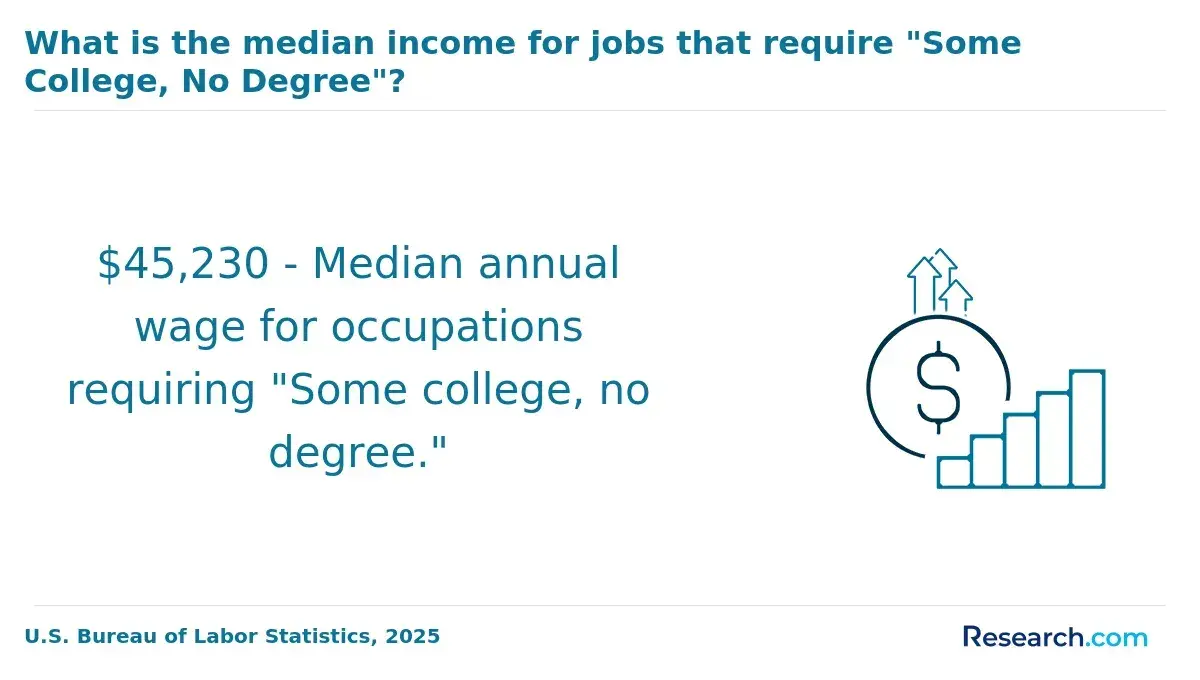
The difficulty levels among chemistry concentrations vary due to differences in course rigor, required skill sets, workload intensity, and curriculum design. Some specializations demand higher mathematical abilities and abstract thinking, making them more challenging for students.
- Advanced Mathematical Skills: This concentration requires mastery of calculus and differential equations at a level surpassing other chemistry fields.
- Complex Theoretical Concepts: Students must grasp quantum mechanics and thermodynamics, which involve intricate reasoning beyond typical chemistry topics.
- Interdisciplinary Complexity: Combining physics and chemistry principles creates abstract ideas that can confuse those familiar with more tangible chemical concepts.
- Abstract Visualization: Unlike areas centered on visual molecular structures, this field deals with theoretical models that lack straightforward visual representation.
For those without a strong math background, this concentration poses significant academic challenges and often serves as the toughest hurdle in completing advanced chemistry studies.
Graduates with different chemistry concentrations are equipped for targeted career paths in diverse fields, aiding students in aligning their studies with industry demands. Recognizing how each focus area corresponds to specific roles helps clarify professional opportunities.
- Organic chemistry: Professionals specialize in carbon-based compounds, often working in pharmaceuticals, biotech, and materials innovation. Common duties include synthesis and compound characterization, with employers ranging from drug developers to chemical manufacturers.
- Analytical chemistry: These chemists perform detailed chemical analyses for quality assurance and research, frequently found in pharmaceuticals, food industries, and regulatory agencies. Their roles emphasize lab testing, data interpretation, and process validation.
- Materials science: Scientists develop new materials with tailored properties for sectors like aerospace and electronics. They handle metals, polymers, and ceramics, holding a significant industry presence and earning competitive salaries.
- Environmental chemistry: Specialists focus on pollution control and water quality, supporting regulatory compliance through work with governments and consulting firms. Projects often involve sustainability and environmental remediation.
- Biochemistry: Bridging biology and chemistry, biochemists engage in drug research, clinical studies, and disease prevention, frequently pursuing advanced degrees and contributing to healthcare advancements.
A professional I spoke with who graduated in organic chemistry shared how, despite initial uncertainty, exploring internships and research opportunities clarified career directions. He recalled that "navigating the early job market was challenging," especially deciding between industrial and academic roles. Hands-on lab experience and networking allowed him to "gain confidence in choosing a path that matched my skills and interests." His journey underscores the importance of actively exploring options beyond the classroom to translate a chemistry specialization into fulfilling employment.
Staying informed about industry trends is critical for students deciding on a chemistry concentration, as employers now prioritize specialized expertise over general knowledge. Evolving global issues have shifted demand toward areas that address sustainability, healthcare advancements, and technological innovation.
- Environmental Sustainability Focus: Green chemistry is increasingly vital due to regulatory and corporate emphasis on eco-friendly manufacturing. Graduates with skills in sustainable chemical processes find numerous opportunities across various industries.
- Pharmaceutical and Healthcare Innovation: Medicinal chemistry remains essential as drug development and personalized medicine expand. The ongoing quest for new therapies keeps specialists in this area highly sought after.
- Technology and Materials Development: Concentrations in materials and computational chemistry are growing rapidly, driven by advances in electronics, energy storage, and aerospace. Integration with AI and machine learning opens new roles in software and drug design.
- Data-Driven Chemistry: Analytical chemistry continues to play a key role in quality control and environmental testing, with computational methods progressively complementing traditional analysis techniques.
Salary prospects for graduates in chemistry vary significantly by concentration, with specialized fields commanding higher compensation than traditional roles. This variation in chemistry degree salary by specialization is a key consideration for students deciding which path to pursue.
Chemical Engineering: Chemical engineers are among the highest-paid chemistry graduates, earning a median salary of $121,840. Senior professionals working in pharmaceutical and energy sectors can earn over $150,000, with top earners exceeding $170,000. Specializations such as process design, environmental compliance, or biochemical engineering further enhance earning potential.
Medicinal Chemistry: Ph.D.-level medicinal chemists in pharmaceuticals have a median salary around $135,000, with roles ranging from $110,000 to $175,000 based on experience, location, and company size. Major pharma companies like Pfizer and Novartis typically offer average salaries near $128,000.
Materials Science: Materials scientists earned a median salary of $104,160, with the top 10% making over $161,080. Those in aerospace and industrial sectors often earn about $120,000, while biotechnology and renewable energy fields offer salaries closer to the top of the range.
Research Science: Research scientists generally earn an average salary of $99,285, with variation linked to experience and employer. Research directors in biotech hubs command salaries around $178,000, reflecting advanced expertise and leadership roles.
For those weighing career options and salary expectations, the highest paying chemistry jobs in the US reflect both education level and industry demand. Those interested in accelerated academic paths can explore options such as a 1 year doctorate, which may enhance qualifications and earning potential.
Selecting the right concentration in a chemistry degree is critical for aligning your education with career goals and personal strengths. Making an informed choice ensures you gain relevant skills that meet market demands and foster professional growth.
Career Aspirations: Identify concentrations that lead to your desired roles. Fields like biochemistry and medicinal chemistry often open doors in pharmaceuticals, while analytical chemistry supports careers in forensic science and quality control. Chemical engineering prepares students for manufacturing and process design positions.
Industry Demand and Job Growth: Chemistry employment is projected to grow 5% from 2024 to 2034, with strong demand in pharmaceuticals, energy technology, and environmental chemistry sectors. Understanding these trends helps tailor your degree to areas with promising opportunities.
Skill Development Opportunities: Different concentrations emphasize various competencies. Physical chemistry requires advanced mathematical and instrumentation skills, whereas biochemistry focuses on biological laboratory techniques. Analytical chemistry builds expertise in composition analysis, critical for many applied roles.
Program Requirements and Resources: Assess which concentrations your institution supports through comprehensive coursework, laboratory facilities, and faculty expertise. Robust programs often include internships and research options that enhance career preparation by helping you meet chemistry concentration requirements for career preparation.
Personal Interests and Strengths: Align your concentration with subjects that intellectually engage you. For example, students interested in environmental problem-solving might prefer environmental chemistry or geochemistry over more theoretical paths.
Students can explore specialized options and compare institutions by consulting top trade colleges online, which provide valuable resources to support tailoring chemistry major to academic interests and future goals.
What Graduates Say About Their Popular Concentrations in Chemistry Degrees
- Roman: "Studying biochemistry offered a well-rounded blend of biology and chemistry that enhanced my understanding of molecular processes. Given the average yearly cost close to $22,000, I considered it a strategic investment toward my goal of working in biotechnology. The experience was both rigorous and rewarding, opening many doors in my professional path. "
- Jaime: "The theoretical focus in physical chemistry helped me develop a strong analytical mindset, which has been invaluable in my research role. Reflecting on the nearly $18,000 annual cost, I appreciate how the program balanced affordability with comprehensive education. This concentration truly shaped the way I approach scientific problems and collaboration. "
- Axton: "Pursuing a concentration in organic chemistry was an incredible journey filled with hands-on learning and challenging experiments. Although the average cost of attendance was around $20,000 per year, the in-depth knowledge I gained made it a worthy investment for my career in pharmaceuticals. I'm genuinely grateful for the practical skills and opportunities this concentration provided. "
Other Things You Should Know About Chemistry Degrees
Data science significantly impacts the most popular chemistry concentrations in 2027 by enhancing research methodologies and offering new tools for chemical analysis. Integration with data science enables students to tackle complex chemical problems, making it vital for disciplines like analytical chemistry and biochemistry.
In 2027, the most popular concentrations in chemistry degrees include biochemistry, materials science, and environmental chemistry. These fields are gaining attention due to their applicability in addressing current global challenges, such as health, sustainable energy, and environmental protection.
Analytical chemistry usually includes the most lab-heavy coursework, with many programs requiring 8 to 12 semester credits of advanced laboratory classes. Students often take instrumental analysis, quantitative analysis, and research methods, plus a capstone or senior lab project tied to the concentration.
- Careers in Chemistry | ReAgent https://www.reagent.co.uk/careers-in-chemistry/
- A Comparative Analysis of Virtual and Traditional Laboratory Chemistry Learning https://www.academia.edu/87256122/A_Comparative_Analysis_of_Virtual_and_Traditional_Laboratory_Chemistry_Learning
- How to calculate concentration - IGCSE Chemistry https://www.savemyexams.com/igcse/chemistry/cie/23/revision-notes/3-stoichiometry/3-2-the-mole-and-the-avogadro-constant/3-2-4-calculating-concentration/
- LibGuides: Chemistry: Chemists - What They Do and How to Become One https://libguides.csun.edu/chem
- Materials Chemistry Concentration https://chemistry.berkeley.edu/ugrad/degrees/mat-chem
- The 50 Best Chemistry Programs In The World https://thebestschools.org/rankings/best-chemistry-programs-in-the-world/
- What is Sample Concentration https://www.organomation.com/what-is-sample-concentration
- Global Chemical Industry Comparison Trends and Impacts on Market Growth https://www.sixindefoamer.com/blog/global-chemical-industry-trends-and-market-growth/
- 11 Careers in Chemistry (And the Qualifications You’ll Need) https://careercenter.emmanuel.edu/blog/2024/09/27/11-careers-in-chemistry-and-the-qualifications-youll-need/
- Top 10 Highest Paying Chemistry Jobs & Careers 2025 (Inc Salaries) | Nexford University https://www.nexford.edu/insights/highest-paying-chemistry-jobs