2027 Is 40 Too Late to Earn a Data Science Bachelor's Degree?

Co-Founder and Chief Data Scientist
At age 40, many face a crucial crossroads: whether to pivot careers or deepen expertise amid growing personal and professional demands. For those drawn to earning a data science bachelor's degree, balancing family responsibilities and prior work experience with rigorous study can feel daunting yet promising. The data science field is expanding rapidly, with employment projected to grow 31% through 2030 according to the U.S. Bureau of Labor Statistics.
This surge reflects demand for skilled professionals despite age or background. This article explores if 40 is too late to pursue a data science bachelor's, highlighting factors that influence this decision and guiding adult learners on their educational journey.
Key Things to Know About Whether 40 Is Too Late to Earn a Data Science Bachelor's Degree
- Starting a data science bachelor's degree at 40 aligns with strong career demand; the field expects 28% job growth through 2031, offering ample midlife employment opportunities.
- Modern degree programs offer flexible formats like part-time, online, and hybrid options, enabling adult learners to balance education with work and family commitments effectively.
- Investing in a data science degree at midlife fosters long-term benefits, including updated skills, increased earning potential, and enhanced professional fulfillment over a potentially 20-year career span.
Can you start a data science bachelor's degree at 40?
Starting a data science bachelor's degree at 40 is a realistic option embraced by many adult learners. Age does not prevent enrollment in undergraduate programs, as higher education institutions increasingly recognize diverse student backgrounds and provide accessible pathways.
The evolving landscape of academia means returning to college for data science after 40 is supported by policies that promote inclusivity and educational opportunity for all. This approach ensures that learners can pursue their academic goals regardless of age.
Colleges and universities actively support adult learners through structures that cater to non-traditional paths, recognizing their unique experiences and needs. Inclusive academic environments often offer tailored advising and clear progression routes designed to help mature students integrate smoothly into degree programs.
These institutions foster a culture that values adult learners' perspectives while providing the resources necessary for success. For those seeking an MBA online cheap or related studies, similar supportive frameworks underscore the commitment to broad accessibility.
What are the biggest challenges of going back to college at 40?
Returning to college at 40 to earn a data science bachelor's degree presents unique challenges that require strategic planning. Studies indicate that over 40% of adult learners juggle multiple responsibilities, which can complicate balancing education with life commitments. Navigating the challenges of returning to college as a mature student means addressing both practical and emotional hurdles.
Time Management: Managing time amidst multiple responsibilities is often the most significant challenge. Adult learners balancing work and study for adult learners must allocate focused periods for coursework despite busy schedules filled with family and social obligations.
Balancing Family Commitments: Many returning students support children, elderly relatives, or partners, requiring careful coordination of household duties. This balance often demands sacrifices in personal time and can increase fatigue, impacting academic performance.
Financial Concerns: Beyond tuition, costs like textbooks and software add to financial pressure. Effective budgeting and seeking scholarships or financial aid are vital steps in easing these burdens, especially for those managing household expenses.
Adapting to Technology: Data science programs typically require skills with programming languages and software tools. Learners may need to refresh or develop digital literacy to confidently engage with online platforms and technical assignments.
Overcoming Self-Doubt: Returning mature students may question their academic abilities or worry about fitting in with younger classmates. Cultivating a growth mindset and accessing peer support or campus resources can help maintain confidence and motivation.
For more information on higher education options tailored to adults, see this online doctorate leadership resource.
Can you work full-time while earning a data science degree at 40?
Balancing a full-time job while pursuing a bachelor's degree in data science at 40 is challenging but entirely possible with the right strategies. Many learners in this situation manage their time carefully, often studying during evenings and weekends, proving that age is not a barrier to academic advancement.
Successfully juggling both responsibilities highlights a strong dedication to professional growth and lifelong learning. This dual effort develops not only technical skills but also essential soft skills like discipline and adaptability, reinforcing that earning a data science degree at 40 is both realistic and valuable.
A professional over 40 currently enrolled in a data science bachelor's program shared his experience, describing the effort as "intense but rewarding." He explained that "after a full workday, finding motivation to study requires mental stamina," and he often relies on strict scheduling to maintain progress.
He mentioned moments of self-doubt but emphasized that support from family and peers keeps him focused. His journey illustrates that while the process involves sacrifices and perseverance, the sense of accomplishment and the prospect of career advancement make it worthwhile.
Balancing education with careers, family, and other obligations makes flexibility essential for adults around 40 pursuing a data science bachelor's degree. Programs designed to fit busy schedules help students stay on track without compromising quality or engagement.
Online Learning: This option offers the convenience of accessing lectures and assignments anytime, ideal for those needing to adapt studies around work or caregiving. Online formats eliminate the need for physical attendance, enhancing accessibility for adult learners seeking flexible online data science bachelor programs.
Part-Time Enrollment: Spreading coursework over more semesters lowers weekly demands and stress, enabling a more manageable balance between study and life. Many schools combine this with evening or weekend classes tailored for adults maintaining full-time jobs.
Evening or Weekend Classes: Live instruction during nontraditional hours helps working professionals participate actively in classroom settings without disrupting their daily routines.
Self-Paced Study: Allowing students to progress according to personal readiness, self-paced models offer digital content coupled with occasional faculty support. This flexibility suits those needing to adjust timelines due to unpredictable schedules.
For adult learners exploring affordable and flexible study options, programs such as those offered by the University of North Georgia may serve as helpful references when considering part-time data science degrees for adult learners.
Returning to school for a data science bachelor's degree around age 40 involves varying timelines influenced by personal and academic factors. While a typical full-time student may finish in four years, adult learners often experience different paces shaped by their unique circumstances.
- Course Load: Full-time enrollment generally accelerates completion, with students taking a heavier class schedule each term. Part-time study is common for those balancing work or family, often extending the degree to five or six years or beyond.
- Prior Learning: Transferable credits or previous coursework related to data science can reduce the time needed by allowing students to bypass certain classes. Holding an associate degree or relevant certifications also helps shorten the path.
- Life Responsibilities: At 40, managing career duties, family commitments, and other obligations can limit the number of courses taken simultaneously. These factors often necessitate a slower, more flexible pace.
- Time Management: Effective planning and prioritizing study time support maintaining steady progress despite challenges. Motivation and goal-setting play a key role in overcoming obstacles and completing the degree.
An adult learner who pursued a bachelor's degree in data science after turning 40 shared how balancing a full-time job and parenting required careful scheduling and sacrifices. She described moments of frustration but highlighted the reward of steadily advancing as key to sustaining her efforts.
"It wasn't always easy, but staying focused on why I started kept me moving forward," she reflected. Her experience shows that while timelines vary, dedication and adaptability make finishing entirely possible at this stage in life.
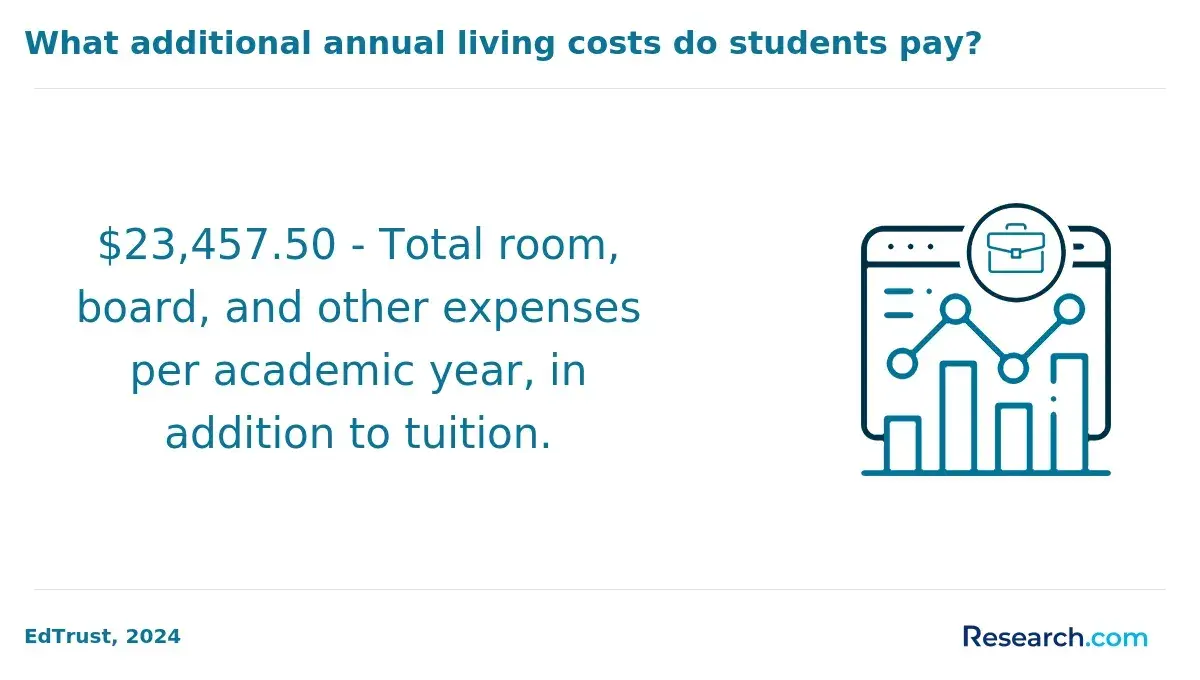
On average, completing a bachelor's degree in data science can cost tens of thousands of dollars, depending on factors like institution type and residency. This investment can feel significant for learners around 40, but understanding the components behind the total price can help clarify the financial picture.
- Tuition Fees: Tuition is the largest expense and varies by whether the school is public or private. At public universities, in-state students typically pay less, while out-of-state rates are higher. Costs are generally calculated per credit hour, accumulating as you progress through the program.
- Learning Materials: Coursework often requires textbooks, licensed software, and sometimes specialized equipment. These materials can add a notable extra cost outside of tuition, particularly for courses involving current analytical tools or premium software licenses.
- Enrollment Intensity: Attending full-time usually means higher tuition bills per term but finishes the degree faster. Part-time study spreads tuition costs over more semesters, easing term-by-term expenses but extending the time before graduation.
- Additional Fees: Many programs include various administrative, technology, and lab fees. Exams or certifications tied to specific classes might also add to the overall outlay, so it's important to factor these in early.
- Personal Expenses: Adult learners may face indirect costs such as childcare, commuting, and potential lost income during study periods. These financial realities influence how learners budget for their education at this life stage.
Returning to college at 40 to earn a bachelor's degree in data science involves several challenges that require careful consideration. Adult learners often face unique risks related to the demands of the program, the learning environment, and personal obligations. Being aware of these factors can help in developing effective strategies for success.
The main risks include:
- Academic Workload: Data science programs demand a strong foundation in math, programming, and statistics. For those who have been away from formal education, the intensity and volume of coursework can be mentally draining and time-consuming.
- Adapting to Learning Styles: Modern education often relies on technology-based instruction and collaborative projects. Adjusting to these methods after years outside academia may challenge confidence and reduce initial efficiency.
- Balancing Responsibilities: Many adult learners juggle family, work, and social commitments. This balancing act can cause stress and limit available time for focused study and assignment completion.
- Social Integration: Generational differences with younger classmates can lead to feelings of isolation or difficulty forming study networks, which are important for collaborative fields like data science.
- Physical and Mental Stamina: Intensive study hours involving coding, problem-solving, and continuous learning can be more taxing at this stage of life, requiring disciplined time management and self-care.
Despite these challenges, many adult learners successfully achieve their goals by leveraging maturity, motivation, and thoughtful planning.
Starting a career change to Data Science at 40 with a bachelor's degree is a realistic and often rewarding step. This degree delivers essential technical skills such as programming, statistical analysis, and data interpretation, which are fundamental for entering the field.
Education acts as a critical bridge for those transitioning careers, helping to address experience gaps by providing credible expertise. Many employers appreciate the unique combination of mature problem-solving abilities and fresh technical knowledge that adult learners contribute.
Workforce trends increasingly encourage Data Science degree job prospects over 40, reflecting broader acceptance of adult learners pursuing new career paths. Lifelong learning initiatives and evolving standards make it more common for professionals to enter in-demand areas like data science without following traditional timelines.
This focus on skill development over age helps create more accessible professional pathways. Those interested in further education might also explore related options such as an MBA in operations management online, which can complement a technical background and expand career opportunities.
Employers generally view data science bachelor's degrees earned at age 40 or older positively, especially when combined with relevant professional experience. Many recognize that maturity and life experience enhance problem-solving skills and workplace adaptability.
According to a 2023 Pew Research Center report, nearly 40% of adult learners return to education to improve job qualifications, highlighting the growing acceptance of non-traditional students in the workforce.
When evaluating candidates who earned data science degrees later in life, employers often consider several key perspectives:
- Skill Relevance: Employers focus on up-to-date technical skills in data science, including programming, statistical analysis, and machine learning, regardless of when the degree was earned.
- Professional Experience Integration: Work history in related industries can deepen understanding of data-driven decision-making and practical applications, making the degree more valuable.
- Continuous Learning: Completing a degree later signals dedication to personal growth and staying current with evolving technology trends, an important factor in employer attitudes toward data science bachelor's degrees earned later in life.
- Adaptability: Returning to school at 40 shows flexibility and resilience, traits that are highly valued in dynamic workplaces and reflect the value of a data science degree for mature students in the job market.
- Communication and Teamwork: Mature learners often bring enhanced interpersonal skills essential for collaboration on complex data projects.
Ultimately, many employers appreciate the blend of formal education and seasoned experience when hiring data science professionals. For those seeking an online college for military or other adult learner-friendly options, this combination can be a strong asset in today's competitive job market.
Careful preparation before applying to a data science bachelor's program boosts your chances of academic success and informed choices. Planning ahead helps align your experience with program expectations and minimizes surprises during enrollment. Nearly 40% of adult learners report that reviewing program details significantly influenced their decision to return to college.
Consider these essential steps before submitting your application:
- Review Academic Background: Assess your skills in math, statistics, and computer science, as these areas form the foundation for data science studies. Identify any gaps and consider brushing up on key concepts to meet prerequisites.
- Understand Program Requirements: Each school may focus on different programming languages or analytical tools. Knowing these specifics helps set realistic expectations about coursework and workload.
- Evaluate Learning Formats: Decide whether in-person, online, or hybrid classes best fit your lifestyle, especially when balancing work and family commitments.
- Prepare Documentation: Gather transcripts, recommendation letters, and personal statements early. Organizing these materials ahead of time eases the application process and allows for revisions if needed.
What Graduates Say About Earning a Data Science Bachelor's Degree at 40
- Jireh: "Returning to college at 42 was driven by a strong desire to pivot my career toward a field with constant growth. I chose a data science bachelor's degree because I saw how vital data-driven decisions were becoming in every industry. Earning this degree has not only opened new job opportunities but also fueled my confidence in a rapidly evolving tech landscape."
- Henrik: "At 45, I knew it was now or never to pursue my passion for analytics and problem-solving, which led me to a data science bachelor's degree. I was drawn to data science for its blend of statistics, programming, and real-world impact. Completing the program gave me fresh professional credence and transformed how I approach challenges with a more analytical mindset."
- Weston: "Choosing to earn a data science bachelor's degree after turning 40 was a deliberate step to remain relevant and competitive in a shifting job market. The practical skills and insights from the program empowered me to switch sectors and take on leadership roles. This journey reaffirmed that it's never too late to expand your expertise and reshape your career path."
Other Things You Should Know About Data Science Degrees
Foundational skills in mathematics, particularly in statistics and linear algebra, are important prerequisites for a data science degree. Familiarity with programming languages like Python or R is also recommended to keep pace with coursework. Developing logical thinking and problem-solving abilities beforehand can ease transition into the technical demands of the program.
Many institutions offer tailored support for adult learners, including academic advising, tutoring, and career counseling focused on data science careers. Flexible scheduling options and online resources help accommodate work and family commitments. Some schools also provide peer mentoring or study groups to foster community and improve learning outcomes.
Yes. Many accredited universities accept transfer credits for general education and some major courses, often up to 60–90 semester credits. Schools usually require official transcripts and a minimum grade, commonly a C or better, before applying credits toward a data science bachelor’s degree.
- Facts about working full-time as a full-time student https://www.luminafoundation.org/topics/todays-students/working-adults/
- Can I Work Full-Time While Earning an Online Degree? https://www.athens.edu/online-degree-completion-programs-working-adults/can-i-work-full-time-while-earning-an-online-degree/
- Starting a Career in Data Science at 45 – DataTalks.Club https://datatalks.club/blog/starting-career-in-data-science-at-45.html
- Returning to College at 40+: What to Expect https://www.buzzfeed.com/jenniferadams2/people-over-40-sharing-what-its-like-to-go-back-to-college
- Are You Too Late to Start Your Data Science Journey? | Towards Data Science https://towardsdatascience.com/are-you-too-late-to-start-your-data-science-journey-acd228f17243/
- Noble Desktop Blog - Learn to Code, Design & Create https://www.nobledesktop.com/learn/data-science/too-old-to-learn-data-science
- Full-Stack Data Science - Vistula University https://vistula.edu.pl/en/major/full-stack-data-science
- Going Back to School at 40? Here’s How to Succeed | Outlier https://articles.outlier.org/going-back-to-school-at-40
- Going back to college at 40 + https://www.thestudentroom.co.uk/showthread.php
- Best Data Science Bachelor's Degrees Online https://www.computerscience.org/degrees/best-online-bachelors-data-science/