
2027 Can You Get a Data Science Bachelor's Degree After 30?

Co-Founder and Chief Data Scientist
Facing the challenge of pursuing a data science bachelor's degree after 30 often involves juggling career shifts, family responsibilities, and financial concerns. Adults in this group may worry about returning to school amid evolving technology and competitive job markets.
Yet, nearly 35% of data science undergraduates today are over 30, reflecting growing interest among nontraditional students. This shift highlights that age is not a barrier but a factor demanding tailored strategies.
This article examines the realities and opportunities for adult learners seeking data science credentials-guiding them through enrollment, program selection, financing, and career outcomes to empower informed decisions.
Key Things to Know About Getting a Data Science Bachelor's Degree After 30
- Admission often requires a high school diploma or prior college credit-many programs accept transfer credits and recognize military experience to shorten completion time.
- Financial aid options include scholarships, employer tuition assistance, and federal loans; balancing family and studies necessitates flexible scheduling like online or part-time programs.
- Graduates over 30 report long-term salary gains averaging 15% higher than non-degree holders, improving career prospects despite longer time-to-degree compared to traditional students.
Can You Really Get a Data Science Bachelor's Degree After 30?
The National Center for Education Statistics (NCES) reports a significant rise in adult learners aged 25 and older enrolling in bachelor's degree programs, including those focused on data science.
Returning to college after 30 is increasingly common, with many institutions offering accelerated bachelor's degree programs in data science for adult learners that fit around busy schedules and responsibilities. This growing trend highlights the normalization of lifelong learning and career change.
Factors such as time commitments, financial considerations, career effects, program types, and support systems all influence the journey for adult students pursuing a data science bachelor's degree later in life. While challenges exist, millions of adults successfully earn their degrees each year, proving that this goal is accessible and practical even without prior experience.
- Enrollment Growth: NCES data shows a steady increase in students over 25 enrolling in bachelor's programs, including data science, signaling more opportunities for adult learners seeking to pivot careers.
- Program Flexibility: Colleges commonly offer part-time, online, and hybrid options to accommodate work, family, and other responsibilities, making it easier to pursue a degree.
- Financial Accessibility: Diverse funding sources-such as employer tuition assistance, federal aid, and scholarships targeting nontraditional students-help alleviate financial barriers.
- Career Transition Support: Schools often provide tailored career services, including internships and mentoring, relevant to data science fields to assist mature students in shifting professions.
- Credit for Experience: Prior learning assessments and transfer credits can reduce time to completion, benefiting those with work or military backgrounds.
Whether you are a military veteran, a parent reentering the workforce, or a career changer considering pathways without prior experience, earning a bachelor's degree in data science is achievable. For those interested, exploring easy licenses and certifications to get online can complement your degree and enhance your marketability.
Why Are More Adults Over 30 Pursuing a Data Science Bachelor's Degree?
More adults over 30 are pursuing a data science bachelor's degree than ever before, reflecting a significant shift in higher education enrollment trends documented by the Lumina Foundation, NCES, and the American Council on Education. This rise in adult learners returning for bachelor's credentials, particularly in data science-related fields, is driven by multiple key factors:
- Career Transitions: Many adults in their 30s and beyond seek a data science bachelor's degree to navigate career changes-often moving from declining or less technical sectors-toward a rapidly growing industry with strong job security and advancement prospects.
- Employer Tuition Benefits: An increasing number of employers now provide tuition reimbursement or subsidies, which helps reduce financial barriers and motivates workers to gain credentials and upskill.
- Layoffs: Workforce disruptions in the post-pandemic era have compelled experienced professionals to reskill or upskill, with data science standing out due to its robust labor market demand and earning potential.
- Increased Online Program Availability: The growth of online and hybrid data science programs has lowered traditional access barriers such as location and scheduling conflicts, making it feasible for adults balancing work and family responsibilities.
- Wage Premiums: Research consistently shows that holders of a data science bachelor's degree earn substantially higher wages than those without, reinforcing the tangible benefits of credential attainment.
This surge aligns with broader workforce transformations accelerating digital adoption post-pandemic, which has expanded opportunities for data science professionals. The availability of flexible programs and supportive institutional policies creates a robust infrastructure for adult learners pursuing a data science bachelor's degree.
Those seeking the fastest credentialed pathway can also explore options incorporating prior learning credits and employer partnerships.
For working adults, military veterans, career changers, and parents reentering the workforce, these developments highlight that investing in a data science bachelor's degree after 30 is increasingly advantageous.
Alongside these trends, exploring trusted sources for affordable pathways like cheap online masters programs can inform financing strategies and accelerate time-to-completion.
What Are the Most Common Challenges Adults Over 30 Face When Pursuing a Data Science Degree?
Research from the Bill & Melinda Gates Foundation and Complete College America highlights that these challenges frequently co-occur, with most adult data science students facing two or three simultaneously. Recognizing these obstacles as widespread helps normalize the experience, encouraging learners to persist confidently.
- Time Constraints: Adults over 30 often juggle full-time employment, family responsibilities, and academic work, which severely limits their available study time and complicates managing deadlines.
- Financial Pressures: Many face considerable monetary stress since they usually lack typical supports like parental aid or traditional scholarships. Expenses such as mortgages and family care amplify the financial burden of tuition and materials.
- Technology Gaps: Mastery of programming languages, statistical tools, and data analysis software is essential in data science courses. Returning adults may struggle initially, as younger peers often have more exposure to these technologies from an early age.
- Imposter Syndrome: Doubts about belonging in a demanding academic setting can erode confidence, even though adult learners bring valuable real-world experience-this psychological barrier often impacts motivation and persistence.
- Academic Bureaucracy: Complex enrollment procedures, credit transfers, and administrative policies often overwhelm adult students. Limited institutional support tailored for their circumstances can cause frustrating delays and confusion.
A professional who pursued a data science bachelor's later in life shared that coordinating study hours around his job and parenting was 'like piecing together a moving puzzle.' He described initially feeling uncertain whether he could keep pace with classmates more familiar with coding.
Yet he found that breaking down complex subjects into smaller tasks and seeking peer support were game-changers. Administrative processes, he noted, 'felt like running a marathon with unexpected hurdles,' but accessing advisors who understood adult learner needs made all the difference. His journey underscored resilience and strategic planning as keys to success beyond the common hurdles.
Adults pursuing the best data science bachelor's degree programs for adults over 30 can select from various formats tailored to diverse schedules and learning preferences. These options allow learners to balance education with family and work commitments while advancing their careers.
- Fully Online: Designed for maximum convenience, these programs enable studying anytime without commuting. Institutions such as Western Governors University (WGU) and Arizona State Online provide robust support and asynchronous learning-ideal for those needing flexible pacing.
- Hybrid: Merging online classes with scheduled on-campus sessions, hybrid formats help students seeking some face-to-face interaction. Classes often occur during evenings or weekends, accommodating working adults.
- Evening and Weekend On-Campus: Offered by some traditional universities, these programs hold classes outside usual hours, granting access to campus facilities and networking while requiring consistent attendance multiple times weekly.
- Competency-Based Education (CBE): Focusing on skill mastery over credit hours, CBE allows experienced learners to progress rapidly by demonstrating competencies, often available at institutions like WGU.
- Accelerated Cohort Models: Structured for speed, these cohort-based programs involve intensive courses alongside a fixed peer group, emphasizing discipline and community support.
These flexible data science degree options for adult learners make it possible to find a program that suits individual lifestyles and career timelines. For those exploring educational pathways, examining the top data science programs offers insight into cost-effective, accessible choices.
Adults pursuing a data science bachelor's degree after 30 often face extended timelines due to part-time enrollment caused by job and family responsibilities. The National Center for Education Statistics reports part-time students typically take six to eight years, compared to the standard four years for full-time learners.
However, leveraging prior credits through transfer policies or prior learning assessments (PLA) such as CLEP exams and military training can reduce degree completion by up to two years. Accelerated and hybrid programs further shorten this path by allowing faster course completion or flexible combinations of online and in-person classes to fit busy schedules.
Mapping out a personalized timeline requires evaluating how many credits you've already earned and estimating weekly study hours to determine a realistic course load. For example, full-time enrollment paired with credit transfers may enable graduation in three years, while those attending part-time and starting fresh should plan for five to seven years.
Recent data indicate about 40% of students in data science programs are over 30, highlighting the growing acceptance and accessibility for adult learners.
- Enrollment Intensity: Full-time students usually graduate in four years; part-time learners often need six to eight years due to outside commitments common after age 30.
- Credit Transfer Advantages: Applying previous college coursework or military credits can shorten time-to-degree by one to two years.
- Prior Learning Assessment: CLEP exams and portfolio reviews validate skills, accelerating degree requirements for adult students.
- Flexible Programs: Online and hybrid options offer faster pacing and adaptable schedules for working students and parents.
- Growing Adult Enrollment: Nearly 40% of data science enrollees are over age 30, reflecting increased demand and tailored offerings.
A professional who completed a data science bachelor's later in life shared that balancing family duties with coursework was the biggest hurdle. She emphasized how utilizing military training credits and CLEP exams greatly eased her journey, allowing her to avoid retaking familiar subjects.
"It wasn't just about saving time," she explained, "but reclaiming confidence in my abilities." Combining evening online classes with weekend in-person sessions fit her tight schedule, and though the path felt long at moments, finishing the degree transformed her career prospects and personal resolve.
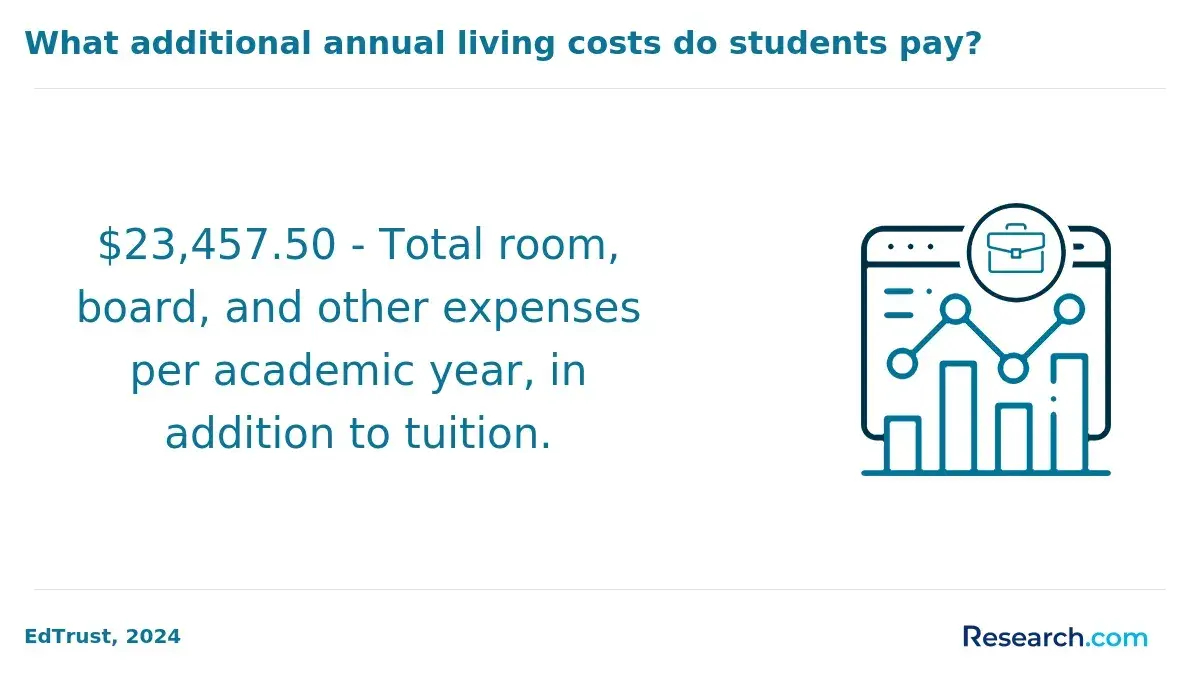
Tuition costs can differ significantly based on program format and institution type-online degrees usually have lower fees than on-campus options, and public universities tend to charge less than private schools. Accelerated or part-time formats are common among adults balancing work and family, influencing overall cost and completion time.
- Federal Financial Aid: Adults over 30 often mistakenly believe federal aid is only for traditional students, but the Federal Student Aid office confirms eligibility extends to anyone enrolled at least half-time in an accredited program. Key sources include Pell Grants, which provide need-based, no-repayment funding, alongside subsidized and unsubsidized loans that help cover tuition and living expenses.
- Employer Tuition Assistance: Many employers, especially in industries valuing Data Science, offer tuition reimbursement programs. These benefits can cover part or all of the tuition fees, so working adults should consult their HR department to explore available options.
- State Adult Learner Grants: Various states provide targeted grants designed to help non-traditional students return to school. Since availability varies, researching specific local programs is essential for potential financial support.
- Specialized Scholarships: Professional associations within the Data Science field sometimes award scholarships aimed at career changers and adult learners, offering a tailored funding source beyond general scholarship pools.
- Income-Share Agreements (ISAs): Increasingly popular as an alternative to upfront tuition payments, ISAs require repayment as a percentage of post-graduation income. While they reduce immediate financial burden, terms vary widely and suit students confident in their employment prospects post-degree.
Employers generally respect a data science bachelor's degree earned after 30-especially from a regionally accredited institution. Surveys from SHRM and insights from LinkedIn Workforce Reports show hiring managers prioritize the credential and skills over the graduate's age or the time taken to complete the degree.
The diploma itself appears on resumes and during background checks-age does not reduce its value.
- Professional Maturity: Employers often see adult learners positively because they bring real-world experience, discipline, and perseverance-qualities essential in data science roles requiring critical thinking and problem-solving.
- Industry Standards: In sectors like finance, healthcare, and technology, a bachelor's degree in data science is usually a non-negotiable baseline for entry-level roles. Completion at age 35 holds the same weight as completion at age 22.
- Age Bias Mitigation: While age bias can exist in some fields, employers in data science typically focus on skills and accomplishments. Many companies actively endorse lifelong learning, recognizing continuous education as a marker of commitment and adaptability.
- Statistic: NACE's Employer Survey found 82% of employers value candidates with non-traditional education paths, including adult learners returning to school after age 30.
- Resume Impact: The degree listed is viewed independently from age. Employers verify credentials but do not evaluate how long it took or when it was earned during initial screening.
Adult learners pursuing a data science bachelor's degree after age 30 often bring significant professional experience that can translate into academic credit-shortening their degree completion time. Prior work experience in data science degree programs is increasingly recognized by colleges through various credit conversion methods:
- Prior Learning Assessment (PLA): PLA evaluates work experience, training, and informal learning to award credits. Students submit portfolios or documentation aligned with course outcomes. Institutions like Excelsior College and Thomas Edison State University offer robust PLA programs, allowing adult learners to earn up to 30 credits.
- Portfolio Evaluation: Students compile detailed portfolios showcasing professional projects and achievements mapped to academic objectives. Faculty or PLA evaluators determine how much credit applies-this is effective for professionals involved in real-world data analysis, programming, and machine learning.
- CLEP and DSST Exams: These exams let students test out of foundational general education or technical courses. Although no DSST exam currently covers data science specifically, successful completion can reduce the total credits needed.
- ACE-Recommended Credit: The American Council on Education reviews industry certifications for college credit eligibility. Credentials like Certified Analytics Professional (CAP) or programming certificates may qualify, awarding credit for prior knowledge.
The Council for Adult and Experiential Learning (CAEL) reports that adult learners typically earn between 15 and 30 credits through PLA and related assessments-nearly an entire academic year. Admissions offices generally view applicants with credit for professional experience in bachelor's degree after 30 as strong candidates, recognizing their prior learning as a valuable asset rather than a gap.
Adult data science students enhance their applications by clearly documenting relevant experience in resumes and portfolios, linking skills directly to course competencies. This strategy reassures admissions counselors about readiness and often results in a substantially compressed degree path-making the pursuit of a data science bachelor's degree highly feasible.
Those seeking affordable degree options may also explore programs like an online MBA under $35k for complementary skills and career growth.
Admission requirements for data science bachelor programs geared toward adult learners typically require flexibility to reflect varied educational backgrounds. Many institutions recognize that applicants over 30 may follow nontraditional academic paths and adjust criteria accordingly.
- Minimum GPA: Generally, a minimum cumulative GPA of 2.0 to 2.5 from prior undergraduate work is expected for admission. However, programs with open or rolling admissions often waive strict GPA cutoffs, especially when applicants demonstrate relevant professional experience.
- Standardized Test Waivers: Applicants aged 25 and older usually qualify for SAT or ACT waivers, acknowledging that standardized test performance may not reflect the skills of mature students returning to education.
- Letters of Recommendation: Some programs request 1-2 letters to evaluate academic readiness or work ethic. Adult learners frequently submit professional rather than academic references if needed.
- Personal Statement: A personal statement or essay is often required, allowing applicants to explain career goals, motivation for pursuing the degree, and relevant experience-particularly useful if previous academic records are weak.
- Residency and Transfer Credits: Policies tend to be flexible with transfer credits and awarding credit for work experience or certifications, shortening time-to-degree for adult learners.
- Low GPA Options: Academic renewal, grade forgiveness, or conditional admission tracks are common for applicants with earlier low GPAs, providing opportunities to prove their capabilities through initial coursework.
Programs that feature open or rolling admissions prioritize candidate readiness and motivation rather than solely grades or scores, aligning well with the needs of adult learners. Prospective students should honestly assess their academic history and seek schools with policies tailored to adult learners and nontraditional students to find the best fit.
For those exploring alternative degrees, some career changers might also consider a graphic design online degree as a complementary or preparatory credential in creative data roles.
Adult learners pursuing a data science degree after age 30 face unique challenges such as caregiving duties, full-time employment, and financial pressure.
These factors often extend program duration or raise dropout risks, as consistent study time competes with family and job responsibilities. Research from the Institute for Women's Policy Research highlights these barriers and the importance of structured strategies to overcome them.
- Caregiving Demands: Child and eldercare reduce study availability, requiring adaptable schedules and extra assistance to maintain academic success.
- Time Management Frameworks: Techniques like prioritization and dedicated study blocks help adult learners juggle coursework with other responsibilities.
- Employer Flexibility: Workplaces that provide adjustable hours or financial aid support are key to sustaining degree momentum.
- Family Support: Contributions from spouses or relatives in domestic tasks create a more conducive environment for consistent studying.
- Institutional Resources: Access to childcare, emergency aid, and adult learner offices mitigates unexpected obstacles and financial hardship.
Effective time management techniques like the Eisenhower Matrix and time-blocking enable learners to prioritize academic work while honoring personal commitments. Case studies reveal that setting aside specific evenings or weekends for coursework helps maintain steady progress.
Supportive employers-offering flexible schedules, remote work, or tuition assistance-boost the ability to balance jobs and studies. Family involvement, including shared household duties, further facilitates regular study routines.
Institutions that provide resources such as campus childcare and emergency financial aid significantly improve completion rates among adult data science students. Experts advise prospective enrollees to assess their support networks and proactively engage with their college's adult learner services to arrange necessary accommodations and plan workloads effectively.
Research from the National Student Clearinghouse reveals that frequent, focused advising significantly improves completion rates for adult learners pursuing a data science bachelor's degree. Programs that provide specialized support create an environment helping adults manage education alongside work and family life.
When assessing data science programs, prospective students should ensure these essential support structures are in place:
- Dedicated Adult Learner Advisors: Advisors experienced with non-traditional students provide tailored guidance on degree planning, time management, and academic challenges, reflecting the complexities adult learners face.
- Prior Learning Assessment Offices: These offices review professional and military experience to grant academic credit, accelerating degree completion by recognizing relevant real-world skills.
- Flexible Tutoring and Academic Help: Evening and weekend tutoring options, including virtual sessions, accommodate adults balancing jobs and family responsibilities.
- Virtual Library Access: Remote availability of research materials and databases enables students to study effectively from any location without needing to visit campus.
- Career Services for Career Changers: Specialized support such as résumé reviews, networking events, and coaching helps individuals transitioning into data science industries connect education with employment.
- Peer Support Networks: Connections among fellow adult learners foster community, motivation, and shared strategies for managing educational demands.
Before committing to a data science program, ask how these support services are adapted to adult learners and whether they are readily accessible-robust infrastructures in these areas strongly correlate with higher success and degree attainment rates for students over 30.
What Graduates Say About Getting a Data Science Bachelor's Degree After 30
- Jireh: "Enrolling in the data science bachelor's degree program after 30 was a transformative choice-especially because the financial support options made it manageable without sacrificing my personal responsibilities. The program's accreditation assured me of its quality, boosting my confidence when entering the job market. These factors combined to give me a smooth and encouraging learning experience that reignited my career ambitions."
- Henrik: "Reflecting on my journey through the data science program, I appreciate how the professional career outcomes spoke volumes about the program's real-world relevance. The financial aid provided crucial breathing room, allowing me to focus on intensive coursework without stress. Above all, I found the curriculum's accreditation key in opening doors with reputable employers, validating my skills in competitive environments."
- Weston: "Taking on a data science degree after 30 was daunting at first, yet the program's structured financial support and scholarships significantly eased the burden. I soon realized that the program's accreditation was more than a title-it was a passport to better career prospects in a crowded field. These experiences underscored the value of pursuing higher education without age limits, fueling both my personal growth and professional advancement."
Other Things You Should Know About Data Science Degrees
Earning a data science bachelor's degree after 30 can positively impact long-term earning potential by opening doors to higher-paying roles that require formal credentials.
While starting later may reduce the total years in the workforce, many employers value the combination of practical experience and academic knowledge that adult learners bring. The tech industry's strong demand for data science skills often translates to competitive salaries regardless of age at graduation.
Yes, several institutions offer accelerated data science bachelor's programs tailored for adults over 30, often incorporating credit-for-experience options. These programs recognize prior work experience and learning, which can shorten the time needed to complete the degree. Flexible scheduling and online course delivery are common features to accommodate working adults and family commitments.
No. Employers usually focus on skills, projects, internships, and degree quality, not age. In 2027, a data science bachelor's from an accredited college meets the same hiring standard whether the student graduates at 22 or 42. Strong Python, SQL, statistics, and portfolio work matter most.
- Data Science in 2026: Is It Still Worth It? | Towards Data Science https://towardsdatascience.com/data-science-in-2026-is-it-still-worth-it/
- Noble Desktop Blog - Learn to Code, Design & Create https://www.nobledesktop.com/learn/data-science/too-old-to-learn-data-science
- Top 10 Data Science Challenges & Smart Solutions (2025) https://brollyacademy.com/data-science-challenges/
- What Does it Take to Earn a Master's in Data Science? https://datascienceprograms.com/grad-school/ms-in-data-science-requirements/
- Data Science Academy https://akademiadatascience.pl/en
- How to Go For a Data Science Career Change at 30? https://www.analyticsvidhya.com/blog/2023/09/career-change-at-30/
- Data Science Degree Admission Requirements: What You Need https://hakia.com/degrees/data-science/admission-requirements/
- Challenges to Mastering Data Science and How to Overcome It https://www.usdsi.org/data-science-insights/challenges-to-mastering-data-science-and-how-to-overcome-it
- Best Data Science Bachelor's Degrees Online https://www.computerscience.org/degrees/best-online-bachelors-data-science/
- Why 80% of Data Science Students Fail, And How You Can Actually Succeed - Ski Dev Inc https://skidevinc.com/why-data-science-students-fail-and-how-to-succeed/


