2027 Industry Demand for Journalism Master's Graduates: Job Outlook & Hiring Trends

Co-Founder and Chief Data Scientist
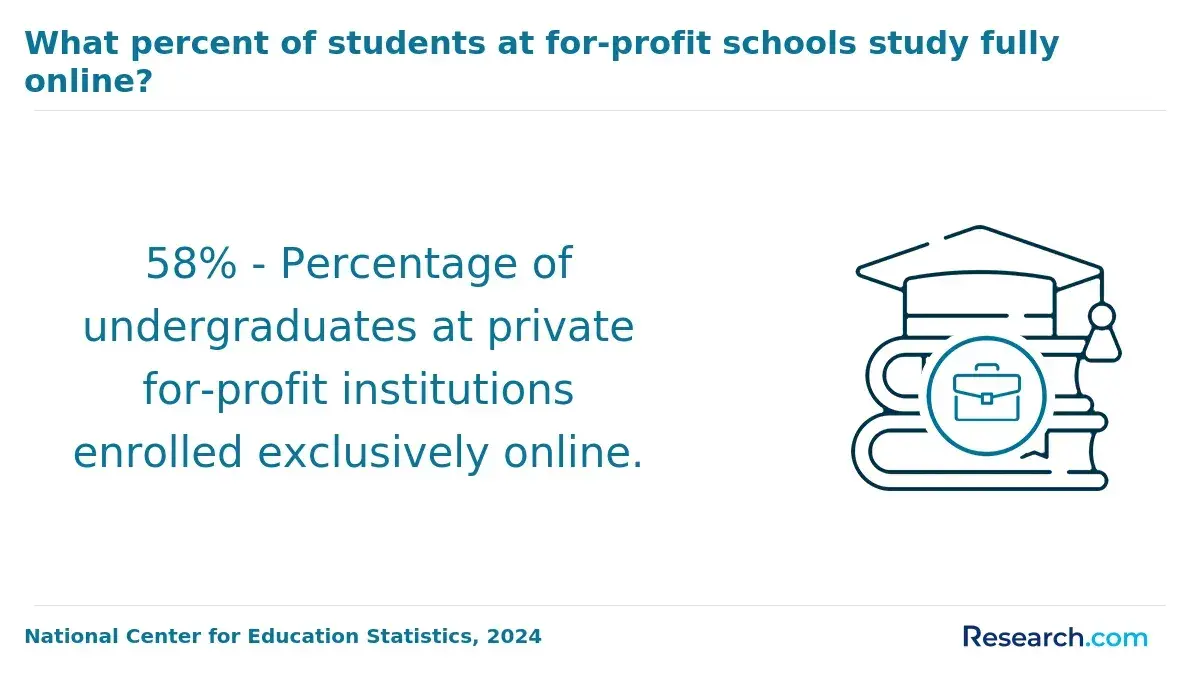
The shifting landscape of media and communications increasingly demands journalism master's graduates equipped with specialized skills beyond traditional reporting. Employers now emphasize expertise in data analysis, digital storytelling tools, regulatory compliance, and stakeholder engagement, distinguishing candidates in roles like investigative reporter, content strategist, and media analyst. This evolution particularly affects working professionals and career changers who seek flexible online programs that combine technical training with leadership and portfolio development. According to the National Center for Education Statistics, enrollment in graduate online programs grew nearly 15% in recent years, reflecting adult learners' prioritization of accessibility and paced advancement amid complex job market dynamics.
This article examines hiring trends, credential expectations, and skill priorities shaping journalism master's outcomes to help readers assess alignment with their career and financial goals.
Key Things to Know About Industry Demand for Journalism Master's Graduates
- Employers increasingly seek journalism master's graduates with digital storytelling and data analytics skills, emphasizing specialization over broad generalist training; this narrows viable roles but enhances fit in niche media sectors.
- The 2024 National Center for Education Statistics highlights a 22% rise in online journalism master's enrollment among adult learners, reflecting cost and schedule tradeoffs impacting retention and credential completion timing.
- Industry demand favors candidates with hands-on multimedia experience, creating barriers for programs lacking integrated practicum components and influencing graduates' immediate job market competitiveness.
What is the Current Job Outlook for Journalism Master's Graduates?
The current job outlook for journalism master's graduates reflects a complex interplay of evolving employer demands, technological shifts, and sector-specific dynamics. The labor market for these graduates does not simply expand uniformly but rather shifts toward specialized roles that require both traditional reporting expertise and advanced digital competencies.
Understanding how these factors influence hiring trends and career progression is critical for candidates navigating journalism master's graduate employment trends.
- Industry Demand Shift: Job market demand for journalism master's degree holders is concentrated in niches where advanced storytelling and data literacy converge. Digital media firms, public relations, and nonprofit sectors increasingly seek graduates who can create multimedia content and analyze audience data, compensating for declines in legacy newsrooms.
- Specialization Value: Employers increasingly prize expertise in beats like health, science, and investigative journalism, where complex subject matter expertise enhances content credibility. Master's-level training differentiates candidates within leadership pipelines but does not replace the need for hands-on reporting experience.
- Geographic and Remote Variation: While major urban centers remain hotspots for hiring journalism master's graduates, the expansion of remote and hybrid work has broadened candidate pools but also intensified competition. Job openings are often tied to regional media hubs, yet remote roles demand extra adaptability to digital collaboration tools.
- Credential Nuance: Unlike some professions, journalism rarely mandates formal licensure or certification. However, continuous learning in media law, digital platforms, and ethical standards is essential to maintain employability and meet employer expectations for advanced roles.
- Technology Adoption: Mastery of content management systems, data visualization software, and social media analytics is now a baseline expectation in many job descriptions. Graduates lacking these skills may find limited prospects, as employers prioritize candidates who can seamlessly integrate technology into storytelling workflows.
- Career-Transition Relevance: Candidates entering journalism from other fields find that a master's degree provides a meaningful credential for accessing specialized roles. However, practical experience and portfolio strength remain decisive in hiring decisions, underscoring the importance of combining academic credentials with applied project work.
Those interested in budget-conscious paths may explore resources on FAFSA approved online colleges offering relevant programs to balance cost with career impact.
Which Industries Hire the Most Journalism Master's Graduates?
The demand for journalism master's graduates centers on sectors where complex narratives, ethical scrutiny, and evolving technology demands outpace entry-level capabilities. Employers in these fields value graduates' ability to integrate investigative methods, data analysis, and strategic communication to navigate regulatory environments and shifting public expectations.
- Traditional News Media: Although no longer the exclusive market, newspapers, magazines, and broadcast outlets remain important, particularly for roles demanding investigative rigor and editorial leadership. Master's degrees here support adaptability to digital platforms and multimedia storytelling, reflecting industry shifts toward data-driven content strategies.
- Public Relations and Corporate Communications: Finance, healthcare, technology, and government sectors recruit graduates to manage crisis communication, stakeholder engagement, and media relations. The advanced credential signals preparedness for high-stakes messaging calibrated to regulatory compliance and public trust concerns.
- Nonprofit and Advocacy Organizations: Roles in research, grant writing, and social issue communication require graduates to apply ethical frameworks and multimedia skills to mission-oriented storytelling. These employers prioritize investigative strength combined with audience-specific messaging.
- Data Journalism and Digital Analytics: Tech companies and startups capitalize on graduates' hybrid expertise in quantitative methods and journalistic integrity. This sector demands ongoing adaptation to rapid innovation cycles and nuanced misinformation analysis.
- Education and Academic Research: Increasing employment as instructors and curriculum developers highlights the profession's need to evolve through scholarship and pedagogy. Credentials beyond practical expertise are necessary here, emphasizing research skills and training capabilities.
What are the Most Common Job Titles for Journalism Master's Degree Holders?
Job titles for journalism master's graduates often reflect a strategic employer effort to segment candidates by experience level, skill specialization, and role expectations within evolving media ecosystems. This taxonomy signals where graduates fit on the spectrum from hands-on content producers to specialized analysts or managers-shaping salary tiers, advancement prospects, and job flexibility.
For example, hiring managers use these distinctions to align master's-level expertise with roles requiring a blend of editorial judgment, digital-savvy storytelling, and leadership potential, particularly as competition and cross-platform demands increase.
- Reporter/Journalist: Typically an entry-to-mid-level designation emphasizing core competencies in investigation and news gathering. Employers expect candidates to demonstrate practical, real-time reporting skills, often valuing a strong portfolio over formal licensure.
- Content Strategist: This role bridges editorial insight with audience engagement metrics. It reflects a shift toward data-informed content planning across digital channels, rewarding graduates who combine storytelling nuance with analytic capabilities.
- Communication Specialist: Found mostly outside traditional newsrooms, this title underscores adaptability in corporate or nonprofit environments where public relations and internal messaging require journalism-trained clarity and credibility.
- Editor or Managing Editor: Reserved for those with demonstrable leadership and decision-making skills, this senior role demands experience in personnel mentoring, content curation, and strategic oversight, often distinguishing master's graduates with supervisory aspirations.
- Data Journalist: A niche but growing segment emphasizing quantitative analysis and visualization proficiency. Such roles require a hybrid mastery of statistics and narrative craft, increasing the value of specialized coursework within master's programs.
- Digital Media Producer: Focused on creating multimedia content, including podcasts and video, this role highlights the demand for combined creative and technical fluency amid converging media platforms.
One graduate shared that early job searches exposed unexpected variations in title nomenclature across sectors. While "reporter" remained a common entry point, she discovered two adjacent roles-"content strategist" and "communication specialist"-that better matched her digital production skills but required translating her journalistic training into corporate language.
This process entailed evaluating job descriptions closely, noting technical skill requisites over traditional editorial tasks, and weighing remote work options. Her hesitation about leadership roles like managing editor stemmed from limited direct mentorship experience, highlighting how job title distinctions concretely influenced her career planning and expectations.
How Does Salary for Journalism Master's Graduates Compare to Other Advanced Degrees?
Salary comparisons for journalism master's graduates reveal structural market factors that sharply differentiate earnings from those holding other graduate degrees. Unlike fields such as business or healthcare, journalism compensation is often constrained by narrower industry demand and the absence of licensure or specialized certification, affecting both entry-level pay and long-term growth.
- Industry Premium: Fields like technology and healthcare command higher salaries due to profitability and critical societal roles, whereas journalism occupies a niche with modest financial upside, reflecting media sector economics rather than graduate capability.
- Role Specialization: Journalism master's holders typically fill positions in reporting, content strategy, or communications, roles that emphasize portfolios and practical experience over credential signaling, producing more variable salary trajectories than credential-heavy professions.
- Credential Signaling: Without mandatory licenses like in law or engineering, journalism degrees serve mostly as foundational qualifications, so experience and industry connections heavily influence compensation, diminishing the degree's direct pay premium.
- Geographic Variation: Pay is significantly shaped by location, with media hubs offering more opportunities but varying cost-of-living balances, whereas other advanced degrees often benefit from broader geographic demand and specialized employer networks.
- Advancement Ceiling: Mid-career journalism salaries tend to plateau below those in finance or STEM, limiting return-on-investment potential for students prioritizing salary growth across career stages.
Students weighing a journalism master's program against alternative graduate paths should recognize these dynamics in salary growth and specialization premiums for journalism master's degree holders across career stages. Such understanding is essential when selecting affordable, accredited paths, especially for career changers navigating ROI and job outlook.
For those seeking flexible, cost-conscious options that align with distinct industry demands, exploring the best online CACREP counseling programs can offer a useful comparative framework for evaluating graduate ROI across fields.
What Hiring Trends are Shaping Demand for Journalism Master's Talent?
Demand for journalism master's graduates hinges on their ability to integrate technical proficiency with strategic adaptability, reflecting evolving newsroom and media organization priorities. Employers now favor candidates who move beyond traditional reporting to demonstrate fluency in data interpretation, digital toolsets, and cross-departmental collaboration.
For example, investigative reporters increasingly require skills in open-source intelligence and data visualization, while editorial leaders must manage teams through rapid digital transitions.
- Technical Fluency: Master's graduates are expected to navigate complex content management systems, multimedia production technologies, and analytics platforms that drive editorial decision-making, placing a premium on hands-on experience with integrated newsroom tools.
- Data-Driven Reporting: The contemporary journalism environment prioritizes professionals who can analyze large datasets to uncover impactful stories, which often distinguishes master's-level candidates in hiring pools focused on depth of analytical rigor.
- Interdisciplinary Collaboration: Competence in liaising across editorial, legal, marketing, and technology teams reflects rising employer demand for communication skills that enable agile content strategies within complex organizational structures.
- Leadership Capability: Graduates demonstrating prior experience or readiness to helm agile project teams gain a competitive edge, as newsroom management increasingly involves steering digital transformation efforts and coordinating multifaceted talent.
- Credential Alignment: Employers look for credentials signaling mastery of current industry workflows and certification on evolving digital platforms, which often serves as a proxy for both adaptability and currency in skills.
These factors collectively shape hiring competitiveness and salary positioning, underscoring that mastery of applied, cross-functional skills often weighs more heavily than academic pedigree alone in journalism career trajectories.
What Skills and Specializations are Most in Demand for Journalism Master's Roles?
Employers hiring journalism master's graduates increasingly favor candidates whose advanced skills align with the complexities of digital media environments, data-driven narratives, and strategic communication roles. This demand reflects a shift in hiring practices where mastery of multiplatform storytelling and analytic tools directly influences newsroom output and organizational reputation.
For example, a digital media outlet screening applicants may prioritize data journalism specialists proficient in Python or Tableau to enhance investigative projects focused on accountability reporting, rather than relying solely on traditional reporting talent.
- Data Proficiency: Graduates skilled in statistical analysis and data visualization enable newsrooms to produce evidence-based stories that elevate credibility and engage audiences more effectively. Their technical expertise supports roles that require turning complex datasets into understandable, compelling narratives, meeting growing employer expectations.
- Multimedia Production: Competence in video, audio, and interactive formats addresses the need for versatile content tailored for mobile and social media platforms. Employers expect these graduates to deliver diverse formats that maintain audience retention in fast-paced digital ecosystems.
- Investigative Expertise: Deep knowledge of legal frameworks and ethical standards equips graduates for senior editorial positions demanding rigorous source verification and cross-border research. This specialization is critical in environments fighting misinformation and fostering public trust.
- Strategic Communication: Understanding audience analytics, SEO, and digital marketing principles positions graduates for managerial roles blending editorial with business goals. Employers value this intersection for driving revenue and shaping content strategy within increasingly convergent media operations.
- Cross-Functional Agility: Interdisciplinary skills linking journalism with public relations or political science broaden career pathways, enhancing adaptability in roles requiring client engagement, policy reporting, or consultancy.
Prospective students and career changers assessing in demand skills for journalism master's graduates should weigh these specializations against evolving job descriptions and sector demands. Flexible, affordable programs that integrate these competencies support positioning candidates for competitive hiring landscapes, especially for adult learners balancing cost and return on investment.
Notably, individuals seeking hybrid expertise may find value examining human resources online masters programs to complement communication and leadership capabilities within media industries.
How Do Employers Describe the Value of Journalism Master's Graduates?
Employers in news organizations increasingly associate master's-level journalism graduates with capabilities that extend well beyond the traditional reporter role. These candidates are often seen as equipped to tackle the complexities introduced by digital transformation and heightened audience engagement demands.
Their advanced credential signals both specialized expertise and a professional readiness that shapes how hiring managers screen and prioritize applicants, especially for leadership and data-centric positions.
- Technical Proficiency: Graduates demonstrate competence with digital storytelling platforms, data analytics, and multimedia production, aligning their skills with platforms and formats currently prioritized in competitive newsrooms. This technical fluency reduces training overhead and accelerates integration into evolving workflows.
- Applied Problem-Solving: Employers value evidence of project-based experience such as capstones or internships where candidates have tackled real-world editorial or investigative challenges, distinguishing them from those with primarily theoretical training.
- Leadership Readiness: Holding a master's often correlates with preparedness for roles involving team coordination, editorial strategy, and decision-making responsibilities, enabling these graduates to assume supervisory or project management duties earlier in their careers.
- Credential Differentiation: For senior or specialized roles like digital content strategists and investigative reporters, employers frequently prefer candidates with graduate study, reflecting the higher expectations for subject mastery and ethical rigor required to maintain newsroom credibility.
- Cross-Functional Communication: Master's programs emphasize strategic media management and collaborative editorial practices, which many organizations interpret as an asset for navigating complex stakeholder relationships and organizational goals.
One graduate recalled during a late-2023 hiring cycle how an editor explicitly linked their master's degree to a faster onboarding expectation. During the interview, the panel scrutinized a data journalism project embedded in their portfolio, probing for details on methodology and audience impact. The graduate learned that while the degree was beneficial, the employer weighed it alongside demonstrated adaptability across multiple content formats-someone equally capable in traditional reporting and digital innovations was preferred.
Salary discussions revealed a modest premium for the master's, but with an implicit demand for quick, tangible results. This nuanced feedback underscored how employers differentiate master's candidates by their practical readiness and capacity to lead amid newsroom pressures, rather than viewing the degree solely as a credential or academic accomplishment.
What ROI Do Journalism Master's Graduates Typically See from Their Degree Investment?
Return on investment (ROI) for journalism master's graduates extends beyond sharply defined salary increases, encompassing a broader set of measurable career impacts that affect long-term professional viability. Graduates often find that leveraging advanced skills translates into more strategic roles, credibility in competitive markets, and sometimes essential credentials that reshape hiring criteria.
Consider a mid-career professional who uses an affordable, flexible online program to gain digital storytelling competencies, enhancing their promotion prospects without interrupting income flow. This scenario highlights how ROI for journalism graduates is a compound metric influenced by multiple interrelated factors.
- Tuition Affordability: Lower-cost programs, especially those online, reduce upfront financial barriers and minimize debt load, crucial for adult learners balancing work and personal expenses.
- Opportunity Cost: Flexible scheduling allows students to maintain employment, preserving earnings during study and shortening the time needed to recoup the investment.
- Earnings Growth Potential: ROI aligns with salary increases tied to niche skills like data journalism or multimedia, not just general pay raises.
- Promotion Access: Employers often regard a master's degree as a gateway to leadership roles in reporting or editorial functions, influencing upward mobility.
- Credential Value: Some sectors weigh portfolios and digital expertise over degrees; however, a master's credential can differentiate candidates in specialized or compliance-focused positions.
- Licensure and Certification: While uncommon in journalism, niche compliance or ethics certifications connected to master's programs can open career paths otherwise inaccessible.
- Employer Tuition Support: Reimbursement programs can significantly improve ROI by lowering net educational costs and incentivizing degree completion.
- Market Resilience: Graduates equipped with emerging multimedia and analytical skills are better positioned to adapt within evolving newsroom and digital-media environments.
What Job Search and Hiring Strategies Work Best for Journalism Master's Candidates?
Job search strategies for journalism master's graduates need to directly address how candidates translate advanced training into employer-recognized skills amid increasingly sophisticated hiring filters. Unlike generalist searches, targeting nuanced roles that value graduate-level expertise, such as investigative units or digital content strategy teams, can significantly improve success rates.
Employers often rely on automated keyword screening and specific project evidence, so presenting relevant, field-specific credentials and practical work samples is essential to bypass early-stage rejections. This approach aligns job hunting with realistic career-change or advancement trajectories within competitive media landscapes.
- Portfolio Evidence: Build and maintain a multimedia portfolio reflecting current digital media trends. A portfolio showcasing investigative reports, data journalism, or multimedia stories provides concrete proof of skills employers prioritize, moving beyond academic claims to practical output.
- Credential Positioning: Customize applications to highlight graduate-level research, ethics, and digital storytelling skills. Tailoring résumés and cover letters to echo language used in job descriptions helps overcome automated screening tools that filter broad, generic submissions.
- Employer Targeting: Identify organizations and roles that explicitly value master's-level qualifications, such as specialized media outlets or research-intensive departments. This focused targeting reduces wasted effort on positions unlikely to prioritize advanced degrees.
- Interview Preparation: Prepare to demonstrate adaptability to newsroom technologies and data literacy. Interviews increasingly assess situational awareness of digital workflows and audience analytics, reflecting the operational realities of modern journalism roles.
- Timing Applications: Apply strategically in synchronization with industry hiring cycles and budget periods. Understanding publication calendars and fiscal timelines allows candidates to engage when hiring volume peaks and managers have bandwidth for thorough evaluations.
Networking remains important but is most effective when combined with targeted efforts through professional associations and referrals, reflecting the competitive nature of journalism hiring. Candidates who integrate these strategies will better align with labor-market realities and improve their positioning within the specialized job market for journalism master's graduates.
For adult learners seeking balance and affordability, exploring accredited online options like a masters in child development online can provide flexible schedules and cost-effective pathways, a consideration relevant for those comparing cross-disciplinary online graduate degrees.
How Will Future Trends Like AI And Automation Affect Hiring for Journalism Master's Graduates?
AI and automation are reshaping hiring for journalism master's graduates by redefining role requirements rather than eliminating positions. Employers increasingly prioritize candidates who combine editorial judgment with technical fluency to manage data-driven content and multimedia workflows.
For example, newsrooms integrate automated transcription and fact-checking tools, yet they rely on human expertise for verification, ethical decision-making, and nuanced storytelling under evolving digital platforms. This shift influences how skill sets are evaluated and how hybrid roles emerge within newsroom teams.
- Skill Integration: Employers seek graduates who blend traditional journalistic judgment with proficiency in data visualization, content management systems, and emerging digital tools to enhance reporting accuracy and audience engagement.
- Automation-Resistant Tasks: Routine functions like data scraping or transcription are increasingly automated, but responsibilities involving ethical oversight, contextual analysis, and nuanced verification remain critical and human-dependent.
- Cross-Functional Collaboration: Journalism master's graduates must collaborate effectively with AI system developers and digital teams, enabling smoother implementation of automation and content distribution technologies in newsroom environments.
- Advancement Linked to Digital Literacy: Career progression now often depends on continuous skill development in advanced digital workflows alongside leadership in managing algorithm-driven audience metrics.
- Employer Screening Priorities: Hiring managers increasingly screen for candidates' adaptability in leveraging AI-assisted tools and sustaining editorial integrity amid misinformation risks heightened by automation.
These dynamics highlight why students considering an affordable, accredited online journalism master's program should seek curricula emphasizing both digital literacy and ethical frameworks in equal measure. Such preparation aligns with labor market demands where future trends such as AI and automation are poised to significantly influence hiring for journalism master's graduates.
Alongside journalism careers, those evaluating options might compare related fields with strong digital components, such as pursuing a forensic science bachelor degree online, which similarly integrates technical skill sets with applied judgment.
What Do Graduates Say About Industry Demand for Journalism Master's Graduates?
- Joey: "Balancing a full-time job while pursuing my master's in journalism was tough, but I chose part-time study to manage the workload without quitting my income source. This approach delayed my graduation by a year but gave me the chance to build a portfolio through weekend freelance assignments. In the end, those clips proved crucial when applying for my current role, even though I missed out on some internships that demanded full-time availability."
- Morgan: "With limited savings, I was hesitant to dive into an expensive journalism master's, so I prioritized programs offering paid internships and networking opportunities. That decision paid off as I secured an internship with a major news outlet during the summer, which directly led to a staff writer job after graduation. However, I quickly realized that without additional certifications, salary growth can plateau in certain editorial roles."
- Hudson: "I came to journalism as a career changer and had only a few months to decide between fast-track and traditional programs. I picked a one-year accelerated path, aiming to enter the workforce quickly. While it was intense and left little room for elective specialization, the compressed timeline forced me to focus on multimedia storytelling skills, which helped me land a remote digital content position-though some peers with longer programs landed more stable desk jobs."
Other Things You Should Know About Journalism Degrees
Program connections are crucial in 2027 for journalism master's graduates. Strong industry ties can facilitate job placement by providing exclusive internship opportunities and networking events, enhancing chances of employment in a competitive market.
For career changers, practical skill-building-such as multimedia storytelling, data analysis, and digital content creation-can be far more valuable than theoretical study alone. Employers often expect journalism graduates to hit the ground running with hands-on capabilities. Selecting programs with strong experiential components and portfolio development opportunities improves hiring prospects and reduces the time needed to gain workplace credibility.
Flexible scheduling and online options are crucial for professionals balancing jobs and study, but these features can affect peer networking and real-time industry interaction. Programs that combine flexibility with synchronous activities and live workshops tend to keep engagement higher, leading to better long-term job outcomes. Candidates should weigh the convenience of asynchronous courses against potential limitations in mentorship and timely industry exposure.
Lower-cost programs reduce upfront financial risk but may offer fewer direct employer connections and less personalized career support. Conversely, higher-priced programs often provide stronger alumni networks, dedicated job placement services, and more immersive internships that can justify the investment over time. Candidates must balance immediate budget constraints against the added value of enhanced hiring access and long-term career advancement opportunities.
References
- Graduates pivot careers due to AI and job automation https://ise.org.uk/knowledge/insights/431/graduates_pivot_careers_due_to_ai_and_job_automation/
- Journalism Career Pathways & Earnings https://collegeroi.org/roi/major/journalism/
- Journalism Job Market: A Growing Landscape - Shoolini University https://shooliniuniversity.com/blog/journalism-job-market-a-growing-landscape/
- Top Journalism Skills to Master in 2026 - St Pauls Institute - SPICE https://www.stpaulsice.com/top-skills-every-aspiring-journalist-must-learn-and-how-our-course-covers-them/
- 5 Tips to Improve Your Job Search | Society of Professional Journalists https://jobs.spj.org/career-resources/find-the-job-1/5-tips-to-improve-your-job-search-2
- How will a Master's Degree Prepare Me for Next-Generation Journalism? https://www.sacredheart.edu/news-room/news-listing/how-will-a-masters-degree-prepare-me-for-next-generation-journalism/
- The Future of AI in Journalism: Opportunities and Challenges | MIT Shillong https://mituniversityindia.edu.in/blogs/campus_canvas/the-future-of-artificial-intelligence-in-journalism-exploring-opportunities-and-challenges/
- Employment Trends Journalists, Reporters, Correspondents For Hire – journalist.net https://journalist.net/journalists/by-topic/employment-trends
- Journalism Hiring Trends - Media Contacts https://www.media-contacts.co.uk/journalism-hiring-trends/
- Hunting for Job Opportunities? Here are Some Tips. https://www.icfj.org/news/hunting-job-opportunities-here-are-some-tips