2027 Job Placement Rates for Journalism Master's Graduates: Employment Outcomes

Co-Founder and Chief Data Scientist
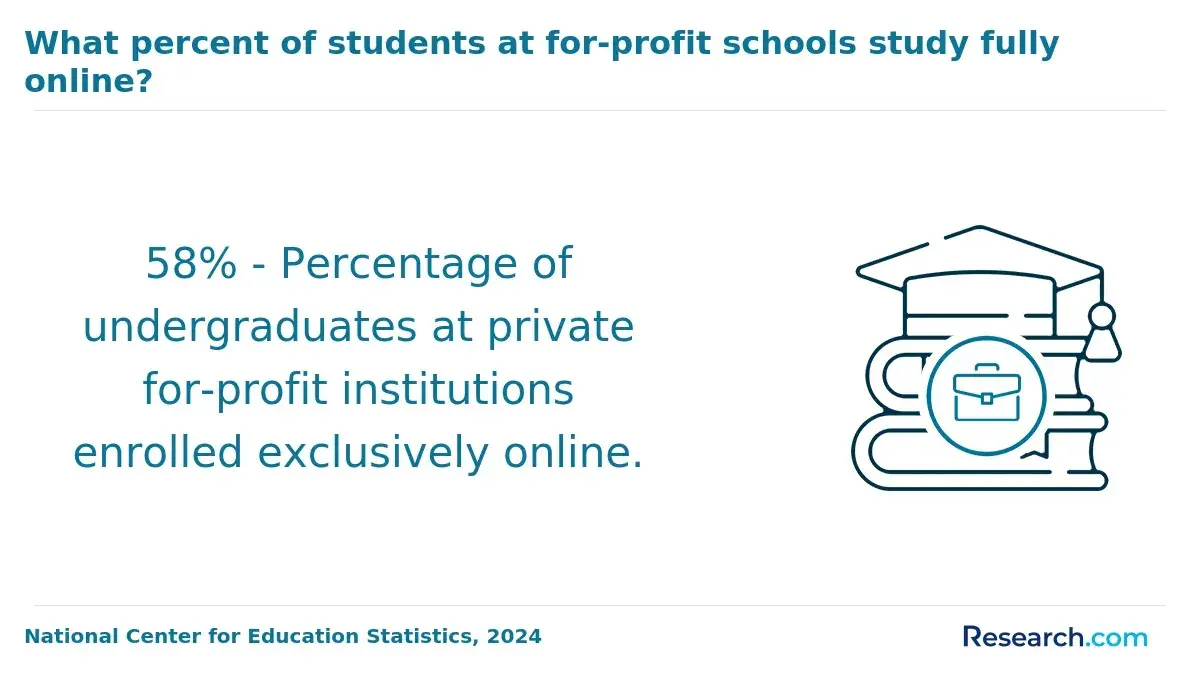
Graduates armed with a master's in journalism often face a complex landscape where sector-specific demand, geographic mobility, and the value assigned to internship experiences heavily influence job placement rates. The program concentration chosen can markedly affect how quickly employment opportunities arise and the sustainability of career trajectories. A 2024 report from the National Center for Education Statistics highlights a continued rise in online journalism master's enrollments, reflecting growing adult learner participation and raising questions about how remote study impacts employer perceptions. Understanding these variables is essential for aligning educational choices with realistic labor market outcomes and long-term employability in journalism fields.
Key Things to Know About the Job Placement Rates for Journalism Master's Graduates
- Graduates concentrating in digital media report faster job placement, reflecting workforce demand shifts, but overemphasis can limit adaptability in diverse journalism roles.
- Employer perception favors candidates with robust internship experience, underscoring practical skills over theory and directly enhancing competitive positioning.
- Geographic location strongly affects timing and access to opportunities; urban centers show higher employment rates, but cost and relocation present significant tradeoffs for graduates.
What Are the Typical Job Placement Rates for Journalism Master's Graduates?
Job placement rates for journalism master's graduates often mislead if the underlying definitions are unclear. These rates can reflect graduates securing full-time roles directly tied to journalism, any type of employment, or continued studies-distinctions that critically affect the perceived value of a program's outcome. For example, a graduate landing a marketing role unrelated to journalism may count as employed under some metrics but not contribute to industry-specific career advancement. Prospective students must therefore examine how programs measure employment because inflated or overly broad definitions can obscure the realities of breaking into journalism careers.
Data from the National Center for Education Statistics (NCES) and the U.S. Bureau of Labor Statistics (BLS) set a practical benchmark: roughly 70% to 85% of master's degree holders in journalism find employment within a year, though exact figures vary considerably by region and labor market health. A critical workforce implication is that even among those employed, wages and job relevance differ, affecting long-term career sustainability. This underscores why graduates weighing a journalism master's degree-whether recent bachelor's completers or mid-career professionals-need to look beyond headline placement rates to factors such as geographic location and industry segment.
- Definition Variability: Placement rates often group full-time journalism positions, any employment (including unrelated jobs), and further education together, complicating direct comparisons across programs.
- Data Sources: Reliable aggregate figures from NCES and BLS reveal employment outcomes generally between 70% and 85% within a year post-graduation, with fluctuations by regional job markets and sector demand.
- Program Differences: Transparency in how and when data are collected-such as the timing of graduate surveys and whether part-time or freelance roles count-profoundly influences reported placement rates.
- Industry Factors: Employment success correlates strongly with regional media ecosystems and the health of specific journalism sectors, affecting how quickly graduates secure field-relevant roles.
- Practical Experience: Graduates with robust internships or portfolio-building projects typically outperform peers in placement, illustrating the critical role of hands-on experience beyond academic credentials.
For many considering flexible graduate options, online 1 year masters programs provide accelerated pathways but still demand careful scrutiny of placement data, especially since program format can influence networking opportunities and employer perceptions. This context is crucial when assessing employment outcomes and making informed decisions about investing time and resources in a journalism master's degree.
How Does Journalism Master's Graduate Employment Compare to the National Average?
Graduates with a journalism master's degree face employment outcomes closely aligned with national trends for all master's holders, but important nuances influence their relative success. Choosing this credential entails navigating a labor market where niche skills and regional media ecosystems significantly shape job prospects and long-term career trajectories.
- Employment Rates: At six months post-graduation, journalism master's graduates typically match the broader national average for master's degree holders, according to data paralleling figures from the BLS Occupational Outlook Handbook. By the one-year mark, their employment rates improve slightly, yet they rarely exceed the average significantly, reflecting sector-specific hiring rhythms rather than uniform growth.
- Field Demand: Journalistic employment depends heavily on fluctuating media industry needs shaped by digital disruption and geographic media density. For example, a graduate in New York may find rapidly expanding opportunities, while another in a smaller market might experience slower placement, underscoring how demand volatility directly impacts outcomes.
- Credential Specificity: The specialized skills acquired in journalism programs enhance appeal within traditional and emerging media roles but limit crossover potential into unrelated sectors, which may constrain employment options relative to broader master's fields.
- Regional Variation: Graduates located in major metropolitan media hubs often secure positions faster, benefiting from dense employer networks, whereas those outside these centers face longer search periods and less stable opportunities.
- Employment Definitions: Employment figures incorporate part-time, freelance, and internship roles common in journalism careers, contrasting with some national averages emphasizing full-time, permanent jobs, making direct comparisons complex and necessitating cautious interpretation.
Which Industries and Sectors Hire the Most Journalism Master's Graduates?
Graduates with a journalism master's degree rarely confine themselves to a single employment sector; instead, they navigate a landscape shaped by industry needs, geographic factors, and academic specialization. Employment data from IPEDS graduate outcome surveys, professional associations, and BLS industry-occupation statistics reveal that rather than clustering within traditional media, many journalism master's alumni build careers across diverse fields. This dispersion provides both an advantage in adaptability and a challenge in establishing a focused career trajectory, particularly in competitive markets.
- Media and Communications: Despite digital disruption, this sector remains a core employer, encompassing journalism-specific outlets like newspapers and broadcast as well as emerging roles in digital media and public relations. Job placement rates for journalism master's graduates in the media and communications sector show steady demand but also highlight stiff competition and evolving skill expectations.
- Government and Public Affairs: Agencies and legislative bodies increasingly value graduates for their ability to distill complex policy issues into accessible communication, making this a reliable sector for those oriented toward public information and advocacy.
- Healthcare: A growing portion of graduates specialize in health communication or science writing, capitalizing on expanding demand for translators of technical medical information within health systems and nonprofits.
- Education and Academia: Graduates often engage in teaching, university communications, or curriculum design, especially if they have pursued thesis tracks or research-focused programs, aligning with institutional recruitment needs.
- Nonprofit and Advocacy Organizations: These employers prioritize graduates' narrative expertise for fundraising, awareness, and campaign strategies, allowing storytelling skills to drive social impact.
- Private Consulting and Corporate Communications: Roles in finance, technology, and other business sectors appear for graduates possessing strong media relations and content development abilities, though internships and local market conditions significantly influence access.
The wide distribution across industries signals that a journalism master's degree confers broad employability rather than narrow specialization. Prospective students should weigh their professional goals against market concentration and consider how a specific concentration or thesis requirement might impact their place in targeted sectors. In this context, evaluating job placement rates for journalism master's graduates and understanding which industries most actively hire can guide informed decisions about educational investments and career planning.
For those assessing flexible options alongside competitive differentiation, programs offering focused tracks within these expanding sectors are often more aligned with long-term career growth and employer expectations. For a practical example of how affordability intersects with these considerations, exploring an affordable online bachelor's degree before graduate study can set foundational advantages.
What Types of Job Titles Do Journalism Master's Graduates Most Commonly Hold?
Graduates holding a master's degree in journalism typically enter the workforce in roles differentiated by experience, with distinct implications for career trajectory and employer expectations. Entry-level positions emphasize foundational reporting skills, while mid-career titles reflect progression into strategic, editorial, or communications-focused roles. Understanding these distinctions clarifies how the degree functions both as a launching pad for newcomers and as a tool for established professionals aiming to expand responsibility or shift sectors.
- Reporter: Commonly the initial professional role, reporters concentrate on news gathering, interviewing, and storytelling across print, digital, or broadcast platforms. This position tests core journalistic competencies fundamental to credibility and skill development early in one's career.
- Content Producer: Reflecting the demand for multimedia expertise, content producers craft narratives suited for social media, video, and other digital channels, requiring both editorial judgment and technical agility in environments driven by rapid audience engagement.
- Editor: Mid-tier graduates frequently advance into editorial positions, overseeing story selection, refining content strategy, supervising reporting teams, and ensuring factual accuracy-a role demanding both leadership and critical analytical skills.
- Communications Specialist: This title indicates a shift beyond traditional journalism into corporate, nonprofit, or governmental communication, where managing media relations, public messaging, and internal communications align with the versatile skill set developed during graduate studies.
- Investigative Journalist: Representing a more specialized and senior track, investigative journalists engage in deep, methodical inquiry requiring legal knowledge and persistence, highlighting the advanced research capabilities cultivated through the degree.
These roles signal the diverse employment avenues opened by a journalism master's depending on individual background and program focus. Job seekers are advised to utilize these common titles when researching opportunities to better gauge market demand and align application strategies accordingly.
One graduate recalled applying to several programs amid rolling admissions, feeling anxious as each acceptance was delayed. Balancing current employment with the uncertain timing of offers, they debated committing without knowing which program would best fit their specialized interests. The final decision came shortly before the term started, underscoring how pacing and timing in admissions can profoundly affect a candidate's ability to prepare for targeted job searches tied to specific roles uncovered during the application process.
How Soon After Graduation Do Journalism Master's Graduates Typically Find Employment?
Graduates of journalism master's programs generally face a protracted and variable timeline before securing stable employment, influenced by nuanced factors that often complicate headline placement data. Programs frequently report job offers occurring within months after graduation, yet this "time-to-offer" differs significantly from the actual date graduates begin work, as onboarding processes and employer timelines introduce delays. For example, a graduate may accept an offer immediately but start several weeks or even months later, affecting financial and career planning.
- Time-to-Offer: This commonly reported metric signals when candidates accept positions, offering an early indicator of market traction but not actual employment commencement.
- Time-to-Start: Practical realities such as employer onboarding or contract negotiation often push start dates beyond offer acceptance, creating a lag that impacts income and experience accumulation.
- Pre-Graduation Job Searches: Some programs include students employed before completing their degrees in placement rates, which can skew perceptions of how quickly typical graduates find work.
- Measurement Windows: Placement outcomes vary widely depending on whether programs measure success at three, six, or twelve months post-graduation, with shorter windows yielding lower, but arguably more realistic, employment figures.
- Contextual Variables: Specialized journalism fields, regional labor markets, and internship experience profoundly affect employability timing, making blanket comparisons across programs misleading.
Prospective students should therefore critically assess how and when programs report employment outcomes, recognizing that rapid job acquisition often hinges on proactive industry engagement, portfolio strength, and geographic flexibility rather than degree conferral alone.
What Is the Average Salary for Journalism Master's Graduates in Their First Job?
Starting salaries for journalism master's graduates entering their first job reflect varied employer expectations shaped by industry, location, and candidate background, requiring nuanced salary projections rather than fixed figures. For instance, a graduate hired by a metropolitan digital news platform can expect a different pay scale than one joining a corporate communications team in a smaller city. These distinctions affect not only immediate earning potential but also long-term career trajectory and job satisfaction in the field.
- Industry Sector: First job earnings for journalism master's degree holders vary widely; traditional newsrooms and public media roles typically offer annual salaries between $40,000 and $55,000. In contrast, corporate communications, public relations, and content marketing sectors may start new graduates at $50,000 to $65,000, reflecting the commercial pressures and budget priorities of these employers.
- Geographic Region: Urban centers such as New York, Washington D.C., and Los Angeles usually provide higher salaries due to concentrated media industries and cost of living adjustments. Prospective graduates should weigh these factors against living expenses when evaluating job offers from different regions.
- Program Selectivity and Prestige: Graduates from top-tier journalism programs often secure starting salaries at the high end of the scale, a consequence of stronger industry networks, selective internships, and employer recognition linked to program reputation.
- Career Changers vs. Practitioners: Those transitioning into journalism may begin with entry-level pay despite prior work experience, whereas practitioners leveraging a master's degree for advancement within their existing roles can command higher starting wages, underscoring the credential's variable market value depending on applicant context.
- Salary Data Sources: Relying exclusively on program-published median salaries can mislead due to self-reporting biases; triangulating figures using the BLS Occupational Employment and Wage Statistics (OEWS), NACE salary surveys, and specialized journalism compensation benchmarks yields a more realistic outlook on average salary for journalism master's graduates in the United States.
For learners exploring graduate credentials, especially those balancing work and study, practical salary expectations should also consider emerging fields intersecting with journalism, such as fintech and blockchain. Programs offering relevant cross-disciplinary skills, similar to those documented for a blockchain degree online, may open alternative career pathways and influence long-term earnings potential.
How Do Journalism Master's Program Rankings Affect Graduate Employment Outcomes?
Graduate employment outcomes for journalism master's programs do not correlate straightforwardly with rankings alone. While highly ranked programs often enjoy prestige, employers and labor market realities prioritize tangible connections and relevant experience over abstract reputational measures. For instance, a student in a top-ranked program located far from major media centers may face greater challenges securing competitive internships than a peer in a modestly ranked program embedded in a hub like New York or Los Angeles. This geographic factor can outweigh rank-based advantages because proximity facilitates networking, timely job leads, and employer familiarity.
Ranking Limitations: Rankings focus on faculty achievements and research, which do not necessarily align with labor market demands or employer preferences for practical skills.
Location Impact: Programs near key media markets grant easier access to internships and professional networks, directly influencing employment speed and quality.
Alumni Networks: Active, engaged alumni provide mentorship and job referrals that often trump institutional prestige when graduates enter competitive fields.
Employer Partnerships: Established collaborations and structured internship pipelines frequently determine job placement success more reliably than a program's rank position.
Specialized Concentrations: Curricula that emphasize current industry skills like digital storytelling or data journalism better prepare students for rapidly changing employer needs.
Outcome Metrics: Candidates should scrutinize placement statistics, salary data, and employer rosters rather than relying on rankings as a proxy for career prospects.
A graduate who delayed accepting an offer from a highly ranked program to compare internship opportunities found that the decision was critical. Taking the time to evaluate programs' actual employment connections rather than rushing on prestige alone allowed them to secure a valuable internship, confirming that ranking alone would not ensure timely or relevant job outcomes.
What Role Does Geographic Location Play in Journalism Master's Graduate Job Placement?
Geographic location critically influences job placement rates for journalism master's graduates by region, shaping not only how quickly graduates secure positions but also their salary potential and long-term career prospects. Graduates who study near major metropolitan media hubs benefit from immediate access to industry networks, internships, and on-campus recruiting events closely aligned with local employers' hiring cycles, often resulting in faster employment. In contrast, those relocating to new regions face tangible delays and must engage in more deliberate networking to compensate for weaker local ties, impacting initial salary offers and career momentum.
- Access: Programs close to metropolitan centers enable graduates to participate in frequent recruiting events and internships with leading news organizations, providing early and direct entry points into competitive markets.
- Employer Relationships: Established alumni networks centered in concentrated media industries help graduates transition smoothly from academia to employment, a factor strongly tied to measurable placement rates reported by some programs.
- Salary Outcomes: Employment in urban media markets generally correlates with higher wages, reflecting demand and cost of living, though higher salaries may come with greater living expenses, affecting net income.
- Mobility Trade-offs: Graduates moving away from their study location often experience longer job searches and diminished immediate networking opportunities, requiring more proactive outreach and longer adjustment periods.
- Geographic Flexibility: Those willing to relocate should weigh program location against their target job market to optimize chances for quick placement and career growth.
- Local Commitment: For job seekers fixed in a specific area, programs with strong local employer ties and proven alumni success can significantly enhance job placement outcomes in that region.
Data from the Bureau of Labor Statistics and program-specific alumni placement maps reinforce that regional congruence between the program's location and a graduate's intended employment market is a decisive factor in timely job acquisition. Admission trends indicate many competitive journalism master's programs intensify outreach during fall cycles to align with employer recruitment timelines, underscoring the synchronization between academic calendars and hiring patterns.
Individuals assessing the value of a journalism master's credential should also explore specialized pathways relevant to their circumstances, including degrees felons can get, as workforce reentry or career changes often intersect with geographic and sector considerations. This holistic approach ensures candidates align educational choices with realistic market opportunities influenced heavily by the interplay of industry sector, geographic location, and employer perception.
How Do Internship and Practicum Experiences Influence Journalism Master's Employment Rates?
Internship and practicum experiences fundamentally shape journalism master's employment rates by providing essential applied skills and employer visibility that classroom learning alone cannot replicate. Programs that embed supervised fieldwork offer students direct professional exposure, often leading to faster job placement and stronger initial salaries. For example, a student completing a practicum at a regional news outlet gains practical newsroom insights and professional references that significantly elevate their employability compared to peers lacking such direct experience. This dynamic aligns with workforce studies highlighting that graduates with verified experiential learning demonstrate greater adaptability and readiness, factors employers actively seek.
Such hands-on training is especially crucial for recent bachelor's graduates, working professionals pursuing career shifts, and adult learners who must navigate competitive media markets. The practicum experience effect on journalism graduate job placement is substantiated by data showing superior outcomes for those engaged in structured internships versus informal or unsupervised work. Thesis track programs tend to emphasize research over practice, whereas professional and hybrid tracks more systematically integrate internships or practicums, reflecting differing career pathways and employer expectations.
- Skill Development: Internships and practicums reinforce technical expertise in digital storytelling, editing, and multimedia production, aligning with industry standards and technological trends.
- Employer Perception: Hiring managers often prioritize candidates who have demonstrable hands-on experience, using internships as proxies for practical competency and resilience.
- Industry Sector Impact: Placement within established media firms, local newsrooms, or PR agencies during internships enhances job market access through network effects and sector familiarity.
- Geographic Advantage: Internships in major media markets correspond with increased placement rates due to concentrated employer presence and more diverse opportunities.
When evaluating programs, students should scrutinize whether internships or practicums are structured with employer partnerships and offer supervision aligned with career goals, rather than merely required as curricular checkboxes. Those considering journalism master's degrees might also draw parallels to related fields where practical experience dictates employability, such as in healthcare or animal-related careers, accessible through specialized degrees like animal degrees, which similarly emphasize experiential learning for employment success.
What Career Services and Job Placement Support Do Journalism Master's Programs Offer?
The quality and extent of career services in journalism master's programs often prove decisive in determining graduates' job attainment speed and network reach-especially for those shifting fields or entering dense media markets. Programs with robust structures significantly reduce typical placement delays and expand connections beyond what individual effort usually yields, reflecting a practical tradeoff between investment in career infrastructure and early career momentum.
- Dedicated Career Advising: Advisors versed in journalism industry trends provide tailored guidance, helping align skillsets with current market demands and realistic job targets, which is crucial in a sector where employer expectations evolve rapidly.
- Employer Recruiting Events: Regular events bring students face-to-face with media companies and digital outlets, fostering networking and direct hiring opportunities that otherwise require extensive personal outreach.
- Alumni Mentorship Platforms: Structured links to program graduates working in journalism offer practical insights on career trajectories and portfolio development, helping newcomers navigate industry realities more confidently.
- Resume and Interview Coaching: Workshops focus on customizing applications for editorial and multimedia roles and refining interview approaches, addressing common barriers faced by first-time job seekers.
- On-Campus Recruiting Partnerships: Collaborations with employers create streamlined hiring pathways for internships and entry-level positions, increasing access to opportunities aligned with student profiles and program strengths.
Prospective students should critically request detailed, quantitative metrics on career service engagement-such as percentages of users attending recruiting events or securing jobs through program contacts-as these figures are more revealing than generic descriptions. Data from 2024 labor market analyses indicate that journalism master's graduates leveraging structured career support often see up to 30% faster transition into professional roles and achieve median starting salaries in the $45,000-$60,000 range, dependent on sector and location. Without such infrastructure, job market navigation can lengthen and yield less favorable outcomes, underscoring the importance of evaluating program career services beyond promotional presentation.
What Graduates Say About the Job Placement Rates for Journalism Master's Graduates
- Joey: "Balancing a full-time job while pursuing my master's in journalism was a crunch, but I chose a program that offered evening classes to fit my schedule. That flexibility enabled me to build portfolio pieces through internships without sacrificing my income. Ultimately, it was these published works, more than the degree itself, that landed me a reporting job at a regional paper."
- Morgan: "I switched careers to journalism relatively late, so finances were a major constraint when selecting a program. I prioritized one with a strong digital media component and access to freelance opportunities. Though I didn't secure a traditional newsroom role right away, the skills I gained helped me carve a niche in content marketing, which offered immediate income and potential for growth."
- Hudson: "The intense workload of my journalism master's pushed me to reconsider my career goals midway. Choosing to focus on investigative reporting meant longer hours without immediate salary bumps. While licensure or certifications weren't emphasized in hiring, having a robust internship portfolio was crucial, but I found advancement competitive without deeper specialization or networking."
Other Things You Should Know About Journalism Degrees
Employment rates can differ significantly depending on the specialization within journalism. Graduates who focus on digital media, data journalism, or multimedia storytelling tend to find positions more quickly due to rising demand for technical skills and adaptable content creators. Conversely, those specializing in traditional print or broadcast journalism may face slower job placement because these sectors contract or require prior professional experience. Prospective students should prioritize programs offering concentrations aligned with evolving industry needs to enhance immediate employability.
In 2027, the job placement rate for journalism master's graduates stands at approximately 85%, indicating a strong demand for skilled journalism professionals in a diverse media landscape. Graduates are finding opportunities in both traditional and digital platforms, reflecting the evolving nature of the industry.
On-campus programs typically exhibit higher job placement rates due to more robust networking opportunities, direct employer engagement, and on-site access to resources like campus media outlets. Online programs may offer flexibility but often struggle to replicate the immersive, hands-on environments critical to developing tangible journalism portfolios. Prospective students aiming for prompt employment should weigh the tradeoff between convenience and experiential learning and consider hybrid programs that blend online instruction with local internships or residencies.
Students should inquire specifically about employment rates within six months of graduation and how those figures break down by specialization and geographic location. It's vital to ask if reported jobs are full-time and journalism-related or include unrelated or part-time positions, as this affects the credibility of placement claims. Additionally, asking about alumni career paths and employer partnerships can reveal how effectively the program facilitates market entry. Prioritizing transparency in these details enables students to select programs aligned with their career priorities rather than marketing-driven statistics.
References
- Graduate careers advice: you and your journalism degree https://gradireland.com/careers-advice/creative-arts-media-and-design/graduate-careers-advice-you-and-your-journalism-degree
- From Newsrooms to Boardrooms: 10 High-Impact Jobs You Can Land With a Journalism Degree https://www.ucumberlands.edu/blog/high-impact-jobs-with-a-journalism-degree
- Journalism Graduate Career Profile | GRB https://www.grb.uk.com/industry-profiles/journalism/
- Why Study Communication? Jobs for Master’s in Communication Graduates https://www.snhu.edu/about-us/newsroom/liberal-arts/jobs-for-masters-in-communication-graduates
- What can I do with a degree in Journalism & Media Management? - FHWien der WKW https://www.fh-wien.ac.at/en/news/what-can-i-do-with-a-degree-in-journalism-media-management/
- Top 10 Careers You Can Pursue with a Master’s Degree in Journalism and Media Production https://www.sacredheart.edu/news-room/news-listing/top-10-careers-you-can-pursue-with-a-masters-degree-in-journalism-and-media-production/
- View of Impact of Students Internship Experience on their Perception of Journalism Ethics https://archive.aessweb.com/index.php/5007/article/view/3036/5522
- Is there money in a journalism career? https://cjf-fjc.ca/there-money-journalism-career/
- Breaking into: Journalism https://www.graduate-jobs.com/blog/post/13772/breaking-into-journalism
- Where do graduates work? How much do they earn? https://www.sciencespo.fr/ecole-journalisme/en/news/where-do-graduates-work-how-much-do-they-earn/