2027 Highest-Paying Journalism Master's Specializations Ranked

Co-Founder and Chief Data Scientist
Salary differences across Journalism master's specializations increasingly reflect shifting industry demands and evolving organizational priorities rather than mere academic prestige. Specializations tied to technically complex roles or requiring advanced credentialing tend to command higher compensation, driven by labor market scarcity and tighter credential barriers.
Regional concentration of certain fields amplifies wages through localized demand, while some specializations compensate for intensified workload and leadership expectations. Industry volatility also influences pay structures, with roles aligned to emerging digital and data competencies often benefiting from premium salaries. This article compares master's specializations through the lens of compensation trends, workforce alignment, and long-term career impact rather than salary alone.
Key Benefits of the Highest-Paying Journalism Master's Specializations
- Specializations emphasizing data journalism align with a 2024 Poynter Institute finding that 68% of newsrooms seek candidates with analytical skills, indicating stronger employer demand for quantitative expertise in storytelling.
- Advanced multimedia reporting tracks higher salary potential but often requires costly technology investments and training, posing an access barrier that influences enrollment decisions among career changers.
- Investigative journalism master's graduates face longer project timelines that limit output frequency, a tradeoff impacting early-career income growth despite typically enhanced reputational value within the industry.
What are the top-paying careers for journalism master's graduates?
Salary potential among journalism master's graduates is less a simple function of degree completion and more a reflection of how well specialization choices align with current labor market demands, technological shifts, and strategic skill sets prized by employers.
Compensation disparities in journalism careers often stem from factors such as regulatory complexity, leadership scope, domain-specific expertise, and the critical business impact of the roles within media ecosystems or related industries.
- Media Directors ($90,000-$150,000+): These positions command premium pay due to their executive-level responsibility for overarching content strategies, multi-channel brand management, and budget oversight. Data from Glassdoor and the U.S. Bureau of Labor Statistics highlight how the blend of leadership acumen and digital media fluency required in this role creates a scarcity that justifies higher salaries.
- Investigative Journalists ($75,000-$130,000): Specialization in legal or data journalism elevates earning potential here, as deep technical knowledge and the ability to handle sensitive, high-stakes information are critical. Employers in prominent national outlets reward these skills given the regulatory risks and reputational stakes tied to investigative work, according to PayScale statistics.
- Broadcast News Analysts and Anchors ($70,000-$120,000): Reflecting their role as trusted, public-facing professionals, these specialists benefit from graduate-level expertise in multimedia storytelling and communications. Their compensation corresponds with demand for authoritative voices that can engage broad audiences reliably in highly competitive markets, as documented in Lightcast labor assessments.
- Corporate Communications Managers ($65,000-$110,000): These professionals leverage journalism skills combined with business strategy to shape corporate narratives and manage crisis communications. The valuation of these roles in sectors like finance and tech reflects high stakes around reputation management and regulatory scrutiny, as supported by Robert Half reports.
- Public Relations Management ($65,000-$110,000): Overlapping with communications management but more externally focused, PR managers drive brand perception and stakeholder engagement at scale. The salary premium mirrors the need for strategic messaging capabilities within complex organizational structures facing fast-moving market pressures.
- Digital Content Strategists ($60,000-$95,000): As content consumption shifts online, mastery of analytics, SEO, and platform-specific publishing grows increasingly valuable. While entry pay is moderate, advanced experience in influencer marketing or data-driven content creation markedly boosts compensation, aligning with emerging digital labor market insights.
- Social Media Managers ($60,000-$95,000): Demand for managing brand presence in real time across multiple channels supports solid salaries, particularly for those with expertise in analytics and trend forecasting. This role's growth corresponds with the rapid evolution of social platforms and the increasing monetization of digital engagement.
- Science and Environmental Journalists ($55,000-$90,000): Specialized knowledge in these fields secures stable demand and a modest salary premium driven by growing public interest and regulatory complexity surrounding environmental issues. The Bureau of Labor Statistics notes that expertise here requires not only communication skills but substantive scientific literacy.
- Editorial Managers ($60,000-$100,000): Managing editorial workflow and content quality at high-volume or high-impact outlets entails significant operational responsibility, often requiring leadership in digital transformation initiatives. Salary elevation is tied to this leadership role balancing content integrity with publishing efficiency.
- Multimedia Journalists ($55,000-$90,000): Journalists adept at converging video, audio, and written formats command higher wages in organizations prioritizing storytelling versatility. Compensation reflects both technical skills and the ability to operate under deadline pressure in fluid newsroom environments.
Choosing a specialization with a clear alignment to industry needs, technical scarcity, or leadership trajectory is crucial for maximizing long-term salary growth in journalism. This dynamic is especially evident when analyzing the highest-paying journalism master's careers in the US and the top journalism master's specialization salaries in North America, where market pressures amplify rewards for niche expertise and managerial impact.
For those exploring graduate degrees with financial prudence, examining options like the cheapest online MSW programs is advisable, illustrating the importance of balancing investment and outcome in graduate education planning beyond journalism as well.
Which industries pay the highest salaries for journalism master's graduates?
Salary disparities aWhat are the top-paying careers for journalism master's graduates? cross industries for master's graduates in journalism stem largely from distinct economic pressures, operational risks, and the demand for highly specialized communication expertise. The intrinsic value of journalism skills fluctuates significantly depending on an industry's revenue scale, regulatory complexity, technical challenges, and the strategic role communication plays, particularly in environments where errors carry outsized consequences.
- Financial Services ($85,000-$95,000): This industry commands top salaries due to its massive economic scale and the critical need for accurate, clear communication on complex fiscal matters. Business and financial journalism graduates translate dense economic data into narratives that directly impact investor decisions and compliance, making their roles pivotal. According to PayScale's 2024 salary data, positions in financial communications regularly surpass $90,000 because mistakes can carry substantial financial and legal risks.
- Technology ($80,000-$90,000): Tech firms offer lucrative positions for journalism graduates skilled in digital and data storytelling who can demystify complex innovations for diverse audiences. The rapid growth and innovation within the sector, combined with its digital-first content strategies, fuel high demand for storytellers who enhance user engagement. LinkedIn's 2024 workforce analytics indicate salaries here often exceed $85,000, reflecting competition for professionals who bridge communication gaps between technical and business teams.
- Healthcare and Pharmaceuticals ($75,000-$85,000): Communicators armed with health or science journalism specialization are essential in translating evolving medical research, regulatory updates, and public health directives. The need for precision is amplified by regulatory oversight and potential public impact, especially during health crises. According to Robert Half's Talent Solutions, starting salaries in healthcare communication roles align around $80,000, often escalating with expertise due to the sector's high stakes and technical complexity.
- Public Relations and Corporate Communications ($65,000-$75,000): Journalism graduates focusing on crisis management and strategic communication find roles that offer solid salaries tied to the organization's market profile and industry volatility. While median salaries on average align near $70,000, sectors such as defense, energy, and large corporate firms often pay a premium for investigative rigor and media literacy that reduces reputational risk.
- Energy and Utilities ($70,000-$80,000): This sector pays well because of its regulated environment and the significant public scrutiny surrounding environmental impact and compliance. Journalism skills help translate technical and policy details into clear messages for stakeholders, while the scarcity of skilled communicators familiar with this niche drives compensation upward.
- Legal and Regulatory Communications ($65,000-$78,000): Communication professionals versed in legal journalism or regulatory affairs provide vital clarity in sectors faced with heavy compliance demands. The complexity of legal documentation and high liability create demand for specialists who can accurately interpret and disseminate sensitive information, resulting in salaries above many generalist communication roles.
- Media and Publishing (Specialized Outlets) ($60,000-$75,000): While traditional media salaries have generally declined, specialized vertical publications in finance, technology, or health maintain stronger pay scales. These outlets rely on subject-matter expertise and journalism precision, sustaining salaries at this tier despite broader industry volatility. Glassdoor's 2024 insights illustrate the wage premium in these focused niches.
- Government and Public Affairs ($60,000-$70,000): Journalism graduates working in public information offices face budgetary constraints but benefit from job stability. The need to communicate policy, data, and public health information under regulatory scrutiny commands moderate salary levels, with occasional boosts in specialized agencies or federal roles.
- Education and Nonprofits ($50,000-$65,000): Pay tends to be lower here due to funding limits, although journalism masters with a focus on educational content or advocacy communication can achieve modest compensation increments. These roles often require multifaceted skillsets beyond pure journalism, impacting salary negotiation leverage.
- Entertainment and Creative Industries ($45,000-$60,000): Positions focused on storytelling, content creation, or media production tend to offer lower salary ranges for journalism graduates, constrained by less predictable revenue streams and higher labor supply. Compensation in this sector favors those who combine journalism expertise with digital media proficiencies linked to audience monetization.
Which journalism specializations have the strongest job outlook?
The strength of a journalism specialization's job outlook hinges not on current popularity but on its alignment with shifting industry demands driven by technological advances, economic changes, and evolving content consumption habits. Specializations that equip graduates to navigate digital transformation, regulatory complexities, and cross-media integration are better positioned to offer stable employment and salary growth over the long term.
- Multimedia Journalism: This specialization leads in job demand due to its integration of video, podcasting, and interactive formats responding to the fragmentation of audience attention across platforms. Data from the U.S. Bureau of Labor Statistics (2024) highlights faster-than-average employment growth linked to media companies investing heavily in cross-platform storytelling. Though freelance opportunities abound, continuous upskilling is critical as technological innovation accelerates and competition remains stiff.
- Data Journalism: Increasingly vital in an era marked by the proliferation of data and the need for transparency, data journalism is growing faster than traditional reporting roles. According to Glassdoor Economic Research, organizations across sectors-from news outlets to NGOs-prioritize candidates skilled in data visualization and analytics, offering a measure of automation resistance and cross-industry relevance. The main challenges include mastering technical tools and blending analytical skills with compelling narrative construction.
- Health and Science Journalism: The demand for specialists who can interpret complex scientific information accurately for general audiences is reinforced by public and regulatory emphasis on credible medical and environmental reporting. Labor market trends show steady hiring patterns supported by the niche expertise required and higher earning potential. Continuous education is necessary to keep pace with scientific advancements and maintain editorial integrity.
Other specializations such as political and investigative journalism contend with cyclical demand patterns influenced by political climates and budgeting priorities, which contribute to employment volatility. Meanwhile, emerging niches like social media strategy face saturation risks and shifting employer priorities, limiting their long-term stability.
A mid-career journalist who pivoted into data journalism recalls their initial uncertainty about handling the steep learning curve but found relief in the field's growing stability and high demand. They described investing significant time in acquiring software proficiency and analytical methods while realizing that the ability to translate complex datasets into accessible stories sharply differentiated their skill set. The adaptation period was intense but ultimately led to more predictable job opportunities and stronger employer interest, reinforcing the value of specialized technical expertise amid ongoing media industry disruptions.
Which journalism master's specializations have the best long-term salary growth?
Long-term salary growth in journalism master's specializations hinges on career advancement ceilings, scarcity of experienced professionals, and shifting industry priorities rather than initial pay levels. Several fields may begin with modest earnings but benefit from compounding demand shifts, leadership pipelines, and evolving market forces that significantly boost compensation over time.
- Data Journalism: This specialization shows robust salary trajectory as digital newsrooms increasingly rely on data-driven storytelling and investigative techniques enhanced by coding and analytics. Labor statistics indicate rising market valuation for professionals merging technical skills with editorial insight, leading to substantial long-term wage growth as they ascend to strategic and leadership roles within data-centric media operations.
- Digital Media Management: Combining editorial expertise with competencies in audience analytics, content monetization, and social media strategy propels graduates into impactful managerial positions. Economic research highlights accelerated salary gains tied to the growing demand for professionals adept at navigating algorithm-driven content distribution and digital engagement metrics, creating notable salary progression potential over a career span.
- Public Relations and Corporate Communications: Journalism master's graduates focusing here benefit from stable and expanding demand across industries for advanced communication skills including crisis management and brand strategy. The sector's structure offers consistent upward mobility and compensation increases as professionals move into senior executive roles responsible for stakeholder relations and organizational reputation.
- Broadcast Journalism with Multimedia Production Focus: While exhibiting moderate wage growth, this path's compensation trajectory depends heavily on adaptation to shifting consumer preferences toward video content and technological integration. The competitive market and automation trends moderate income acceleration, making long-term growth less pronounced.
Prospective students should weigh these specialization paths within the broader context of career advancement and salary potential in journalism master's programs to align their choices with evolving labor market realities. Evaluating the operational demands and leadership conversion rates of each discipline offers clearer insight into which specializations truly deliver long-term financial returns and sustainable employability. For those considering alternative but related fields, exploring options like an online MLIS can also influence strategic career planning.
What skills lead to the highest salaries in journalism careers?
Compensation in journalism careers is largely determined by specialized skills rather than broad academic credentials alone. Professionals who develop expertise in high-demand areas consistently gain access to senior roles, accelerated promotion trajectories, and entry into more lucrative industry segments.
Skills that combine technical complexity, strategic influence, and revenue impact tend to command the highest salaries.
- Digital Content Creation and Multimedia Proficiency: Mastery of multimedia production tools and cross-platform storytelling enhances a journalist's versatility and market value. Data from Glassdoor Economic Research highlights that digital storytelling capabilities influence hiring in many digital-first newsrooms where multimedia content drives traffic and advertising revenue, directly linking to pay premiums.
- Data Journalism and Analytical Capabilities: The ability to analyze datasets and shape data-driven narratives positions journalists for investigative and business reporting roles with higher earning potential. U.S. Bureau of Labor Statistics reports and McKinsey workforce studies emphasize how data fluency equips journalists to produce exclusive insights less susceptible to automation, justifying higher salaries.
- Specialized Expertise in Technical or Business Domains: Deep knowledge in subjects like finance, healthcare, or technology differentiates journalists, fulfilling employer demand for authoritative coverage in complex sectors. Lightcast labor market data shows these specialists frequently command salaries above generalist peers due to their scarce combination of subject matter and reporting skills.
- Audience Engagement, SEO, and Social Media Strategy: Skills that grow and maintain audience loyalty translate into measurable revenue gains, especially from advertising and subscriptions. Journalists proficient in SEO and social media strategy often attain roles with direct influence on organizational growth, as noted by PayScale analyses linking these competencies to compensation increases.
- Leadership and Project Management Skills: Managing editorial teams and content strategy carries significant responsibility, reflected in senior role salaries. McKinsey workforce reports detail how leadership in newsroom operations integrates operational decision-making and long-term planning, which consistently raises compensation ceilings.
One journalism master's graduate recalled a challenging admissions experience underscoring how timing can influence career pathways. Applying through rolling admissions, they submitted materials early but faced multiple weeks of silence, creating uncertainty about acceptance and financial aid.
This delay forced a difficult decision deadline for employer support and relocation logistics. Ultimately, when their acceptance arrived, it validated the strategic gamble to prepare extensively beforehand, highlighting how persistence and timing are just as critical as skill acquisition in navigating the career progression landscape.
Which certifications increase salary potential after graduation?
Certifications in journalism function as strategic labor market signals that often accelerate salary growth by unlocking access to specialized roles, enhancing credibility during competitive hiring processes, and shortening promotion timelines in technical or leadership tracks.
These credentials do not merely supplement academic achievements; they validate practical expertise valued by employers navigating the digital transformation and data-centric demands of modern media.
- Certified Broadcast Meteorologist (CBM): While traditionally meteorology-focused, this certification boosts salary potential for journalism grads working in broadcast environments with weather or environmental reporting. Glassdoor Economic Research data reveals that professionals holding the CBM can see salary increases between 10% and 15%, reflecting employer preference for niche expertise that substantiates technical credibility and audience trust in specialized content segments.
- Digital Marketing Certification: For journalism graduates specializing in digital storytelling or social media management, certifications from recognized bodies like the Digital Marketing Institute or Google enhance measurable skills in audience analytics, content optimization, and monetization strategies. PayScale reports salary uplifts ranging from 8% to 12%, underscoring the advantage of merging editorial insight with marketing competencies in increasingly converged newsrooms.
- Certified Data Journalist (CDJ): With newsrooms increasingly relying on big data for investigative reporting and visualization, the CDJ credential validates advanced skills in tools like Python, R, and Excel. Lightcast findings indicate a 15% long-term salary premium over peers lacking data expertise, as this certification aligns with employer demand for analytical rigor and expanded storytelling capabilities crucial to high-impact journalism roles.
The choice to pursue these or other certifications should carefully weigh time, cost, and alignment with career goals, especially given divergent employer emphasis on hands-on experience versus formal qualifications.
Prospective students navigating the highest-paying journalism master's certifications for salary growth must also consider how such credentials complement or compete with evolving industry expectations. Those exploring broader professional transitions alongside journalism might investigate options like an online PsyD program as alternative pathways.
How do online and campus specialization salaries compare?
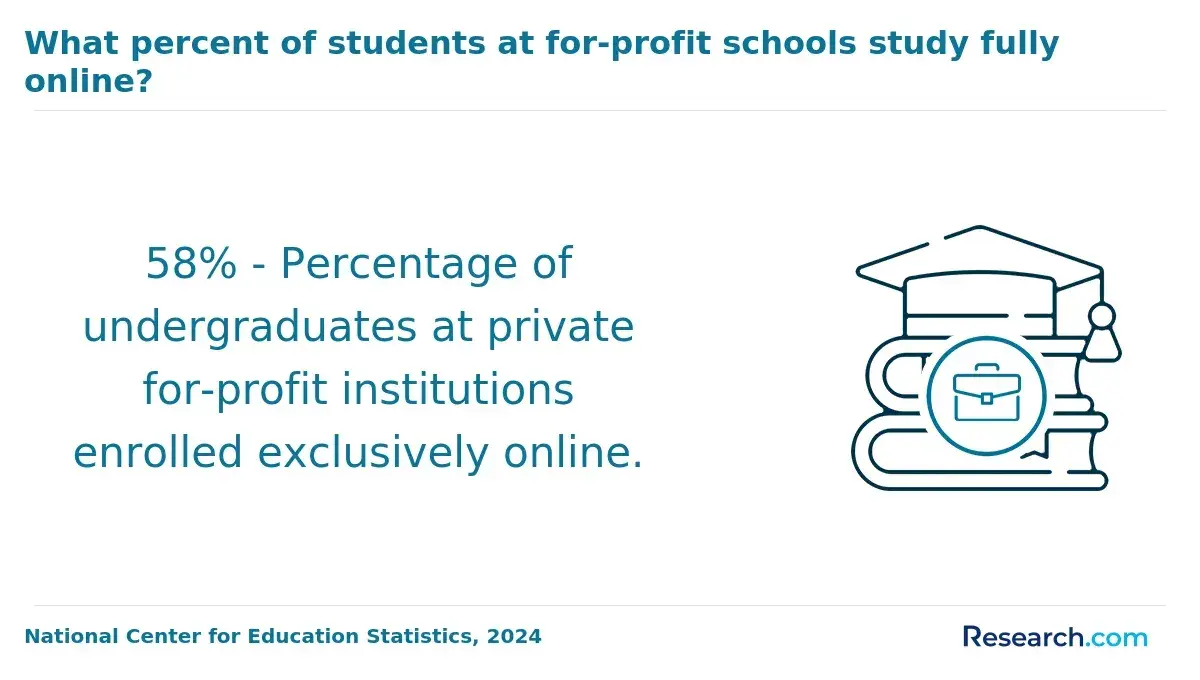
Salary outcomes between online and campus master's specializations in Journalism are influenced more by program content and experiential learning than by delivery format alone. While median earnings for graduates from online and in-person programs tend to be comparable-around $68,000 for online and $72,000 for campus graduates as reported by the National Center for Education Statistics in 2024-the structural factors behind these figures are complex.
Campus programs often provide direct access to internships, employer recruitment, and immersive labs, creating pathways into lucrative subfields such as investigative reporting and multimedia strategy. Conversely, online programs may excel in delivering flexible, skill-focused curricula that cater to working professionals enhancing their portfolios while studying.
For many working adults enrolled in online Journalism specializations, part-time pacing can delay salary acceleration despite continued employment and experience growth during study. On-campus cohorts frequently benefit from early-career networking and institutional ties that help secure higher-paying roles upon graduation.
This dynamic suggests that initial salary disparities often stem from differential access to employer-facing opportunities rather than intrinsic credential value. Employers increasingly emphasize demonstrated skills and project work, which means graduates' compensation trajectories reflect how thoroughly programs integrate applied learning and industry connections-not simply whether learning was remote or in person.
Employer perceptions of online degrees in Journalism have evolved, with many viewing strong online programs with targeted industry partnerships and project-based curricula on par with traditional formats. However, specialized subfields requiring hands-on training may still favor campus graduates in salary outcomes due to access to physical resources and mentorship.
Ultimately, compensation differences hinge on how effectively programs-regardless of delivery mode-enable students to leverage professional networks and produce market-relevant competencies that signal value to employers in a competitive media landscape.
Which specializations are best for career advancement among working professionals?
Advancement in journalism careers among working professionals depends largely on selecting specializations that not only build relevant skills but also align with organizational promotion pathways and leadership roles.
Certain master's specializations stand out because they facilitate access to higher responsibility positions and salary growth by matching evolving employer demands and managerial pipelines.
- Data Journalism: Mastery of data analysis and visualization skills increasingly positions graduates for roles requiring interpretation of complex information in sectors like media, finance, and government. PayScale and Glassdoor Economic Research show these professionals often earn 10%-15% above journalism averages within five years, reflecting quicker promotion velocity. This specialization enhances cross-industry mobility and eligibility for leadership in investigative and corporate reporting.
- Strategic Communication: Focused on message crafting to influence public perception, this specialization is favored in corporate, nonprofit, and crisis management roles that typically include faster salary increases and promotions. Labor market data from Lightcast affirm that professionals leveraging both industry connections and strategic communication expertise tend to navigate competitive landscapes more successfully, accessing senior communications and policy roles.
- Digital Media Management: This area addresses content strategy and platform analytics, skills closely tied to managerial appointments in urban media markets. According to McKinsey workforce insights, digital media managers command salary premiums and leadership opportunities by meeting market demands for monetization and multi-platform storytelling. The necessity for continual skill renewal underscores the specialization's alignment with dynamic organizational structures and rapid technological change.
Are the highest-paying journalism specializations also the most stressful?
Higher-paying journalism master's specializations generally align with elevated stress levels due to the structural demands of their roles. Positions such as investigative, data, and broadcast journalism require managing high-stakes content under intense deadline pressure, navigating ethical complexities, and often shouldering significant public accountability.
The scarcity of these roles combined with the expectation for accuracy, speed, and impact effectively raises both the workload and the emotional burden. Industry data from 2024 highlights that burnout rates in these sectors frequently exceed those in lower-paid, more routine journalism fields, underscoring a direct correlation between salary potential and stress factors in high salary journalism careers.
Stress levels in journalism vary significantly depending on organizational context and the nature of the role even within similarly high-paying specializations. For example, the presence of strong newsroom support structures, advanced automation tools for data processing, or collaborative team environments can moderate pressures, while solo or early-career journalists commonly experience amplified workload strain.
Conversely, roles offering more predictable schedules, such as technical writing or academic journalism, tend to present less immediate deadline pressure but also lower salary ceilings. Students and professionals must carefully weigh these dimensions, balancing financial incentives with long-term career sustainability and personal well-being.
Those evaluating graduate paths might also consider interdisciplinary skills from other fields or connect with programs focusing on resilience training, such as some emerging physics programs that emphasize practical stress management in research-intensive environments.
How can students align specialization choices with long-term career goals?
Specialization decisions in journalism master's programs significantly shape career trajectory, earning potential, and leadership opportunities. Aligning these choices with industry demand and personal career direction is crucial for maximizing long-term success.
Strategic specialization selection goes beyond academic requirements to reflect labor market realities and evolving professional roles.
- Evaluate Labor Market Demand Trends: Use data from sources like the U.S. Bureau of Labor Statistics to identify specializations showing growth, especially those intersecting with digital media, data analytics, or communications strategy. These areas offer more stable job prospects and salary potential compared to traditional reporting roles.
- Assess Skill Transferability: Choose specializations that develop skills adaptable beyond journalism, such as investigative reporting sharpening research and analysis useful in legal consulting, policy research, or corporate communications. Avoid tracks confined to narrow media formats that limit career mobility amid industry shifts.
- Understand Specialization-to-Role Pathways: Some fields, like broadcast or sports journalism, may offer quicker job entry but often cap salary growth and leadership opportunities. Conversely, multimedia storytelling or data journalism can open broader roles in marketing, PR, or digital content management with higher ceilings.
- Weigh Short-Term Job Access Versus Long-Term Growth: Recognize that specializations meeting immediate demand may plateau quickly. Emerging fields like AI-assisted journalism or corporate content strategy require continual skill upgrades but provide stronger compensation and career advancement potential.
- Consider Lifestyle and Workload Implications: Balance your priority on job stability and work-life balance by comparing high-pressure newsroom roles with more flexible content marketing or consultancy positions, which vary widely in stress and schedule demands.
Students seeking comprehensive guidance can also explore related fields with transferable skills; for example, reviewing the best online electrical engineering degree programs for veterans demonstrates how cross-disciplinary education pathways align with evolving career landscapes, reinforcing the importance of broad skill applicability.
What Graduates Say About the Highest-Paying Journalism Master's Specializations
- Joey: "After completing my master's specialization in journalism, I quickly realized that employers in this field heavily weigh practical experience and portfolios over formal licensure. I focused on building a diverse body of freelance work and internships during the program, which opened up remote opportunities that fit my lifestyle. While the coursework was rigorous, the real challenge was navigating competitive entry-level roles where networking proved just as important as academic credentials."
- Morgan: "The program gave me a solid foundation, but I found the career path wasn't as linear as I expected. Many hiring managers prioritized certifications and hands-on projects when evaluating candidates. I eventually pivoted toward digital content strategy within newsrooms, which allowed me to leverage my journalism skills while embracing a growing demand for social media expertise. Salary growth remains modest without a traditional license, but the flexible roles available in this niche made the trade-offs worth it."
- Hudson: "One of the most valuable takeaways from my journalism master's specialization was understanding how varied employer expectations are across different media sectors. Some companies placed little emphasis on formal degrees but highly valued specialized internships, which I pursued aggressively. The flexibility to enter the workforce sooner and work remotely helped ease the transition, though I'm aware that climbing the ladder often requires ongoing certification or niche skills that go beyond the master's curriculum."
Other Things You Should Know About Journalism Degrees
Among top-paying journalism specializations, the emphasis on technical skills versus storytelling can differ significantly, impacting both learning and employability. For example, specializations like data journalism or multimedia journalism demand strong proficiency with software tools, coding, and data analysis, which lengthen the technical learning curve and often require additional practice beyond traditional coursework. In contrast, investigative reporting programs typically prioritize narrative construction and ethical research but may offer fewer technical skill-building opportunities. Prospective students should weigh their willingness to invest in technical training against their narrative strengths, as employers increasingly seek candidates who can integrate both capabilities fluently.
Program structure varies widely and can affect both time to completion and practical experience gained. Specializations with mandatory internships or capstone projects provide valuable real-world exposure, which enhances employability but can extend program duration or workload. Conversely, programs focused on coursework alone may allow faster graduation but might leave graduates less prepared for immediate industry demands. Students aiming for a balance between earning potential and hands-on training should prioritize programs explicitly requiring professional practica or collaborative projects with media outlets, even if this demands a heavier initial commitment.
Choosing between a narrowly focused specialization and a broader interdisciplinary approach depends on career goals and adaptability to industry shifts. Heavily specialized programs can lead to higher starting salaries due to targeted expertise but may limit flexibility if market demands change. Broader programs offer versatile skills across several journalism areas, potentially facilitating lateral moves or roles in evolving sectors but might start with lower initial salaries. For students prioritizing immediate salary gains, intensive specialization aligned with high-demand niches is typically better. However, those considering longer-term career resilience should weigh the value of interdisciplinary training more heavily.
References
- Top 10 Careers You Can Pursue with a Master’s Degree in Journalism and Media Production https://www.sacredheart.edu/news-room/news-listing/top-10-careers-you-can-pursue-with-a-masters-degree-in-journalism-and-media-production/
- Top 10 Highest-Paying Jobs in Mass Communication 2026 https://www.nexford.edu/insights/highest-paying-jobs-in-mass-communication
- Top 10 High-Demand Careers in Journalism & Mass Communication (2025) https://aaft.com/blog/mass-communication/top-10-high-demand-careers-in-journalism-and-mass-communication/
- 10 Most Affordable Master’s In Journalism Online - GradSchoolHub.com https://www.gradschoolhub.com/affordable/online/masters/journalism/
- Top 10 High-Paying Careers in Journalism (2026 Guide) https://journalijmrr.com/top-10-high-paying-careers-in-journalism/
- Career Opportunities in Journalism: A Guide for Graduates https://jgu.edu.in/opjgublog/career-opportunities-in-journalism-a-guide-for-graduates/
- Best Career Paths & Jobs After MA Journalism and Mass Communication https://indirauniversity.edu.in/blogs/jobs-after-ma-journalism-and-mass-communication
- What Can You Do with a Journalism Degree? (2026) | Extern https://www.extern.com/post/what-can-you-do-with-a-journalism-degree-guide
- Online Master’s in Journalism Degree Programs https://www.mastersincommunications.com/related-degrees/masters-in-journalism
- From Newsrooms to Boardrooms: 10 High-Impact Jobs You Can Land With a Journalism Degree https://www.ucumberlands.edu/blog/high-impact-jobs-with-a-journalism-degree