2027 Cost per Credit for Online Journalism Master's Programs: Tuition Comparison Guide

Co-Founder and Chief Data Scientist
Choosing an online journalism master's program often hinges on more than just the advertised per-credit tuition. Unexpected mandatory fees, varying residency requirements, and accreditation status can complicate direct comparisons. For prospective students balancing career shifts or geographical constraints, understanding these nuances is crucial.
Recent data from the National Center for Education Statistics highlights a 12% rise in online graduate enrollments since 2023, reflecting growing demand but also intensifying competition among programs with diverse cost structures. This guide examines the full financial landscape, including hidden expenses and financial aid options, to help decision-makers accurately assess the true cost and professional value of their investment.
Key Things to Know About the Cost per Credit for Online Journalism Master's Programs
- Per-credit costs vary sharply by institution type, with public universities often offering lower rates but tighter residency rules, forcing some candidates to weigh cost savings against geographic constraints impacting enrollment timing.
- Mandatory fees and hidden program expenses frequently raise total costs by 10-15%, a crucial factor since employers increasingly scrutinize accreditation and licensure compliance, affecting perceived degree legitimacy in professional hiring.
- Financial aid strategies that emphasize merit-based and need-based awards can offset sticker shock; however, diverse program delivery formats correlate with varying employer acceptance, influencing mobility and long-term career trajectory for online graduates.
What Is the Average Cost per Credit Hour for Online Journalism Master's Programs, and How Does It Compare Across Institution Types?
Evaluating the average cost per credit hour offers a more precise measure than total tuition when comparing online Journalism master's programs, especially for working professionals balancing budget constraints with career goals. Total program price often obscures real financial impact because credit requirements vary widely; focusing on per-credit costs reveals how affordable each incremental decision to enroll in a course will be amid fluctuating workloads or life circumstances.
For instance, a student planning part-time study while maintaining employment benefits significantly by targeting lower per-credit rates, effectively controlling expenses as program duration adjusts.
IPEDS data demonstrate distinct pricing patterns across institution types that directly influence cost-conscious enrollment decisions: public universities generally offer the most accessible per-credit pricing, particularly for in-state residents, with rates often between $400 and $700. Private nonprofit colleges reflect their specialized curricula and faculty with higher charges, typically averaging $900 to $1,400 per credit.
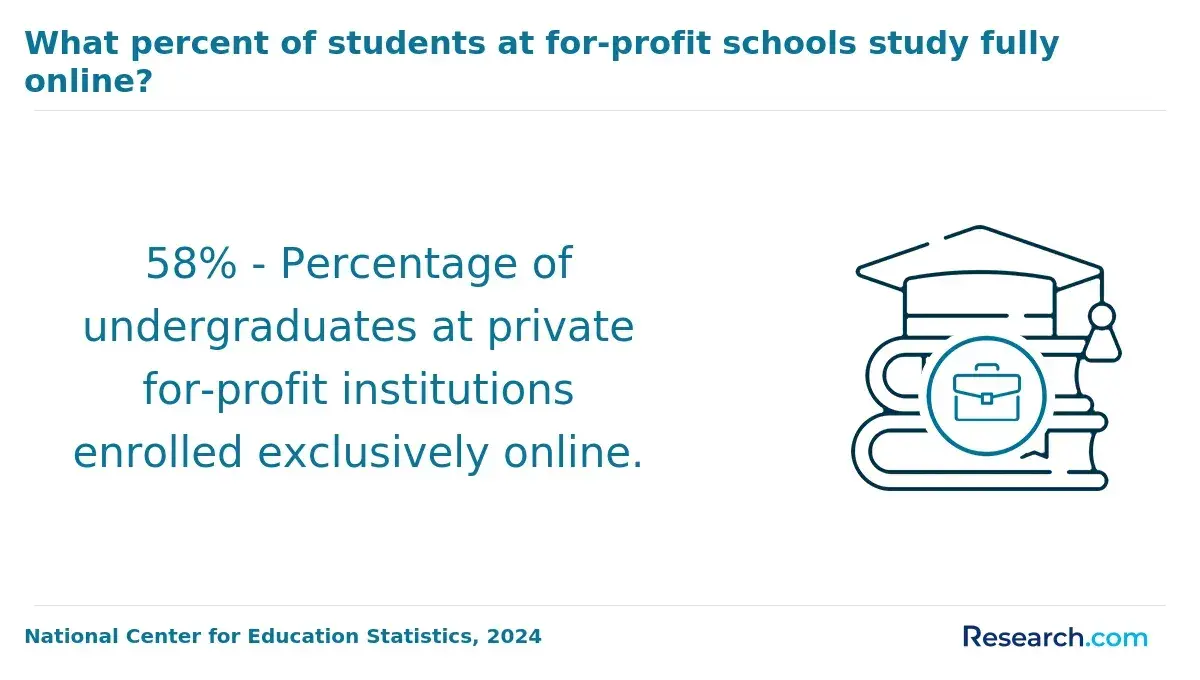
Private for-profit schools usually command comparable or slightly elevated per-credit fees but may incorporate additional fees and less predictable financial aid availability, complicating direct cost comparisons.
Several factors create notable discrepancies between advertised per-credit rates and the actual amounts students pay, all of which affect budgeting and perceived value.
- Residency Impact: In-state versus out-of-state status can increase public university costs by 50% or more, significantly shifting total investment.
- Program Fees: Mandatory technology, materials, and accreditation fees often apply per credit or semester, inflating total costs beyond base tuition.
- Institutional Pricing Models: Some schools embed fees into their per-credit price, while others require separate payments, resulting in sticker price disparities across comparable programs.
This article will systematically analyze these tuition variables alongside total credit hour demands, residency distinctions, fee structures, and realistic financial aid outlooks. By anchoring decisions in per-credit costs supplemented with full program expense framing, readers can develop comprehensive, context-rich cost estimates for online Journalism master's programs.
Such nuanced evaluation supports strategic enrollment choices, balancing affordability with program quality and projected employability in journalism careers. For practical guidance, this approach replaces simplistic sticker shock with detailed financial clarity grounded in the complexities unique to journalism education.
To complement this detailed tuition comparison, readers can also explore curated evaluations of focused pathways such as one year masters programs that may offer accelerated routes balancing cost and time investment.
How Many Credit Hours Are Typically Required to Complete an Online Journalism Master's Program, and How Does That Affect Total Tuition?
Credit hour requirements critically shape both the duration and affordability of an online journalism master's degree, with direct consequences for graduate employability and return on investment. Choosing between programs with differing credit demands can mean the difference between manageable debt and an extended financial burden that delays career advancement.
Most online journalism master's programs require somewhere between 30 and 48 credit hours, but some rigorous or research-focused tracks push beyond 60 credits. This variation reflects institutional standards, such as accreditation rules, options for thesis versus non-thesis pathways, and the inclusion of practicum or internship components essential for real-world experience and employer recognition.
Each additional credit accrues tuition costs, which can offset differences in per-credit rates and sometimes lead to higher total expenses despite a seemingly lower sticker price per credit.
Credit Hour Range: Programs vary, typically demanding 30 to 48 credits; however, more comprehensive tracks involving thesis research or extended experiential learning often require 60 or more credits.
Practicum and Internship Credits: Many programs incorporate mandatory practicum or internships that add not only credit hours but also supplementary fees for supervision or placement-these can significantly elevate the final cost beyond standard tuition calculations.
Total Tuition Impact: For example, a 30-credit program charging $500 per credit totals $15,000, whereas a 48-credit program at $400 per credit amounts to $19,200 plus internship fees. The lower per-credit price does not guarantee overall affordability.
Hidden Costs and Fees: Additional expenditures can include technology fees, software licenses, and travel for fieldwork, all affecting the total cost of attendance beyond tuition.
Decision-Making Tip: Calculate total program cost as (Credit Hours × Per-Credit Cost) + Practicum Fees to accurately compare financial commitments between programs and make cost-conscious enrollment decisions aligned with career goals.
Which Online Journalism Master's Programs Offer the Lowest Cost per Credit Hour Among Accredited Institutions?
Choosing an online master's program with the lowest cost per credit hour can be critical for students self-funding their education or balancing financial constraints alongside career transitions. For accredited options, the University of Arkansas offers a Master of Arts in Journalism at about $350 per credit for 33 credits, totaling approximately $11,550.
However, mandatory technology fees increase the actual cost, though the in-state rate applies universally regardless of residency.
Eastern Illinois University presents a Master of Science in Journalism and Public Affairs charging near $376 per credit over 36 credits, resulting in roughly $13,536 in tuition. Fees related to online delivery and registration add to costs, and students must meet minimum enrollment requirements to secure this rate.
The University of Florida's online Master's in Journalism and Mass Communication lists around $312 per credit for out-of-state students with a 33-credit total, amounting to about $10,296. Florida residents pay less, but technology fees are extra. This uniform online rate simplifies budgeting for non-resident students.
Missouri State University's 36-credit Master of Science in Journalism comes at $328 per credit, estimating about $11,808 in tuition plus a required student activity fee. Enrollment is rolling and open to all students at the same rate, which can favor flexible pacing.
The University of Nevada, Reno offers a 30-credit program at roughly $334 per credit, totaling near $10,020. Residency does not affect costs, but a distance education fee increases the final expense. These figures provide a snapshot but verifying current tuition and mandatory fees directly with institutions is essential when comparing accredited online journalism master's programs with affordable accredited tuition.
For students evaluating financial and credential value, such careful review supports informed decisions about potential return on investment. Exploring detailed comparisons alongside program reputations can help balance cost with employability and credential credibility, especially for first-generation and place-bound learners seeking practical access to quality journalism education.
Comprehensive financial planning should include all associated expenses beyond base tuition, reflecting the nuances of each program's cost structure and enrollment conditions to build a realistic all-in estimate. This approach aligns with evaluating affordable online degree programs.
How Do In-State vs. Out-of-State Tuition Rates Apply to Online Journalism Master's Programs, and Which Schools Offer Flat Tuition Regardless of Residency?
Many public universities historically maintained traditional residency-based tuition models for online graduate programs, charging out-of-state students higher rates than residents. This stems from the conventional rationale that state taxpayers subsidize education for residents, a logic less applicable to online courses, where delivery costs do not vary substantially by student location.
Over time, a growing number of institutions have shifted to flat tuition pricing for online Journalism master's degrees, eliminating financial penalties tied to residency and enhancing cost predictability for nonresident learners.
This pricing shift is particularly consequential for prospective Journalism master's students living outside a program's state. Differential tuition can substantially inflate total costs, often doubling per-credit expenses and thereby affecting a student's ability to budget and ultimately complete the degree.
Some states and regions mitigate this gap through reciprocity agreements and interstate compacts like WICHE and SREB, which offer discounted or resident-equivalent rates to students from participating states, although eligibility criteria and benefits vary widely.
Examples of public institutions that have adopted uniform, residency-neutral per-credit tuition for their online Journalism master's include:
- University of Nebraska: Implements a uniform per-credit rate, removing residency distinctions for online students.
- University of Utah: Charges the same tuition per credit hour to all online graduate students regardless of state.
- West Virginia University: Offers a flat tuition fee for its online graduate programs in Journalism, without residency differentiation.
- University of North Texas: Applies residency-neutral pricing policies across its online Journalism and communication master's degrees.
- Mississippi State University: Maintains a consistent tuition rate for online students from all states in its master's offerings.
Nonetheless, many programs still enforce out-of-state surcharges that can create financial barriers for distant students, a factor requiring careful scrutiny. Tuition policies frequently change and may not be fully transparent on marketing sites.
Verification through official bursar or financial aid offices is crucial to develop an accurate, comprehensive cost picture needed for informed decision-making about enrollment and long-term affordability.
One recent online Journalism master's graduate recalled that the uncertainty around tuition and admissions timing added stress to their enrollment decision. Their chosen program operated on rolling admissions, and delays in confirming residency classification complicated financial planning. "I applied early, hoping to lock in in-state tuition, but because I moved states shortly before applying, it took weeks to sort out my residency status," they explained.
"I was hesitant to commit without clear cost info, which made me hesitate just as application deadlines approached. Fortunately, proactive communication with the bursar's office helped me understand the flat tuition policy before finalizing enrollment, avoiding unexpected fees."
What Mandatory Fees Are Added to Per-Credit Tuition for Online Journalism Master's Programs, and How Much Do They Increase the Real Cost?
Online journalism master's programs often present per-credit tuition rates that understate the true financial commitment required, as mandatory fees reliably increase the actual cost students face. These additional charges, which can push program expenses 10% or more above advertised tuition, reflect operational necessities but also complicate budgeting and program comparison.
For example, a program listing $700 per credit might add $80 to $100 in fees per credit, raising the effective cost close to $800 per credit and significantly impacting total debt or out-of-pocket expenses.
Technology Fees: These fees support digital platforms and infrastructure required for remote learning, commonly assessed per term or credit and ranging from roughly $50 to $200 per term. Over a two-year degree, this accumulates to several hundred dollars beyond tuition.
Program Fees: Specific to journalism coursework, these might cover access to specialized databases, virtual newsroom software, or speaker events, often charging $100 to $500 each semester depending on program amenities.
Student Services Fees: Encompassing academic advising, career support, and library access, these fees recur each term but can cumulatively add $500 or more over the course of the degree.
Graduation Fees: Typically one-time costs in the range of $75 to $150 for processing diplomas and organizing commencement ceremonies, necessary but sometimes overlooked in upfront cost estimates.
Practicum or Clinical Fees: Less common but essential for hands-on journalism projects or internships, these charges can add several hundred dollars for supervision, equipment, or site access, varying widely by institution.
Disclosure of these fees often lacks transparency, appearing fragmented or buried in institutional materials, which can mislead prospective students comparing programs solely on per-credit rates. Carefully requesting an itemized, comprehensive fee schedule-including all recurring and one-time charges-is critical before enrollment decisions.
Students and working professionals should prioritize establishing a full, prorated all-in cost per credit-combining tuition plus mandatory fees-as the cornerstone of financial comparison and planning in pursuit of an online journalism master's degree.
How Do Online Journalism Master's Program Costs Compare Between Public and Private Universities?
Per-credit tuition rates for online journalism master's programs show distinct patterns between public and private universities, which materially affect the total cost and perceived value of these degrees. Public institutions generally offer lower per-credit prices, reflecting established state subsidies, legislative tuition caps, and operational efficiencies gained through economies of scale.
For instance, a working professional pursuing a journalism degree from a public university may benefit from significantly reduced tuition while accessing large, well-supported online infrastructures and resources designed for high enrollment.
In contrast, private nonprofit and for-profit universities often set higher per-credit tuition fees, though some private nonprofits are increasingly adjusting their prices to compete nationally for online enrollment. Those higher fees tend to fund smaller cohort sizes, lower faculty-to-student ratios, and extensive academic and career support services.
Such investment may enhance job placement and networking opportunities, critical for professionals aiming to pivot careers. However, prospective students must carefully assess whether these qualitative benefits justify the increased cost compared to public options, especially when budgeting the overall expense of graduate education.
Key considerations include:
- Cost Comparison: Public universities' online journalism graduate programs usually maintain lower tuition per credit, while private institutions vary widely, with some notably higher rates balanced by competitive private nonprofit offerings.
- Structural Factors: State appropriations and legislative controls help keep public tuition in check, unlike private programs where tuition flexibility often coincides with tailored, resource-rich experiences.
- Program Value: Private schools commonly emphasize boutique educational settings and employer brand recognition, factors that can influence long-term career outcomes beyond immediate tuition costs.
- Accreditation and Credibility: Both public and private programs typically hold regional accreditation, which is essential for licensure and employer acceptance, ensuring lower cost should not come at the expense of credential legitimacy.
- Total Cost Insight: Beyond tuition, hidden fees, mandatory charges, and the availability of financial aid materially affect net price, underscoring the importance of calculating an all-in cost estimate for fair comparison.
For working professionals balancing career shifts, or recent graduates weighing long-term debt, these cost and value factors critically inform enrollment decisions. Those evaluating online journalism programs should also consider flexible delivery formats, residency policies, and financial aid landscapes to find the best fit between affordability and program quality.
First-generation students and place-bound learners can find valuable options among affordable public programs but should verify that a lower-cost online credential matches employer expectations and licensing requirements to avoid surprises after graduation. Tools like the best online degrees for stay at home moms listings provide helpful perspectives on program accessibility and support tailored for nontraditional students navigating similar concerns.
Are There Online Journalism Master's Programs With Tuition Locked In at Enrollment, and How Does Tuition Lock Affect Long-Term Cost Planning?
Locking in tuition rates can significantly stabilize the long-term cost of an online Journalism master's degree, an advantage especially relevant for students stretching their studies over multiple years. Without such guarantees, annual tuition hikes often increase the total cost well beyond initial estimates, creating budgeting challenges for working professionals and part-time enrollees.
However, tuition lock policies differ markedly by program, making it crucial to scrutinize their specific terms before relying on them in financial planning.
- Coverage Period: Some programs lock tuition for an entire academic cohort, others only for a defined number of semesters or a single academic year.
- Continuous Enrollment: Students frequently must maintain uninterrupted enrollment; any leave of absence can void the locked rate and expose them to higher charges.
- Eligibility Limits: Certain tuition locks apply only to in-state learners or particular online tracks, narrowing who can benefit.
- Documentation: Confirming the tuition lock terms in writing is essential to avoid misunderstandings about conditions that might terminate the guarantee.
For part-time or nontraditional students balancing fluctuating schedules, securing a tuition lock can be a strategic hedge against unexpected cost increases. Yet the diversity in institutional approaches means this option often demands proactive inquiry and clear contractual understanding to avoid surprise expenses during prolonged program completion.
One graduate recounted hesitating to submit an early application, uncertain how quickly the program's rolling admissions might close spots affecting the tuition rate guarantee. She delayed decision-making while gathering work samples, worried a later start might forfeit any tuition lock offer.
Ultimately, the program's clarity on maintaining the locked rate through continuous enrollment gave her the confidence to proceed cautiously, ensuring cost stability while finishing prerequisites on her own timeline.
What Financial Aid, Scholarships, and Employer Tuition Benefits Are Available to Reduce the Net Cost of an Online Journalism Master's Degree?
Reducing the net cost of an online Journalism master's degree requires careful navigation of financial aid options, each with distinct tradeoffs that influence affordability and career planning. For instance, while federal unsubsidized graduate loans are accessible to most students and help cover upfront tuition, interest accrual during enrollment adds long-term repayment costs-crucial for candidates funding themselves without employer support.
- Federal Graduate Loans: Provide broad eligibility but increase lifetime debt, demanding consideration of future earning potential in Journalism roles.
- Graduate Assistantships: Often limited to on-campus cohorts, these can substantially offset tuition but may be unavailable or highly competitive for online students, who should verify program-specific accessibility.
- Institutional Scholarships: Merit- and need-based aid exists but tends to be scarcer at the graduate level compared to undergraduate offerings. Online candidates should monitor application timelines and restrictions, especially since some awards prioritize full-time or in-person enrollment.
- Professional Association Awards: Specialized journalism organizations sometimes grant scholarships or grants targeting experienced or demographically specific applicants, serving as supplementary aid rather than replacements for institutional funding.
- Employer Tuition Reimbursement: For working professionals, employer-sponsored programs offer practical cost reduction. The IRS tax exclusion allows up to $5,250 per year tax-free; exceeding this threshold results in taxable income. Proactively negotiating reimbursement terms in employment contracts can be a key factor in managing education expenses.
Applicants should proactively engage with financial aid offices to request comprehensive net cost estimates that reflect scholarships, fees, and aid beyond sticker prices. Comparing programs exclusively on published per-credit tuition overlooks hidden costs and aid variability, impairing effective decision-making.
This approach aligns with the diverse financial aid options for online journalism master's programs, enabling better alignment of educational expenses with expected career trajectories.
Given the complex landscape, many prospective students explore quick certifications that pay well as alternative or complementary pathways to manage financial and professional risk during career transitions into Journalism.
How Does the Cost per Credit for Online Journalism Master's Programs Differ by Delivery Format-Synchronous, Asynchronous, or Hybrid?
Cost per credit in online journalism master's programs differs notably by delivery format, reflecting complex institutional and student-driven tradeoffs beyond sticker tuition. Synchronous programs typically entail higher per-credit costs due to investments in live-online platforms, real-time technical support, and scheduling systems designed to accommodate diverse student time zones.
These fixed infrastructure expenses increase operational overhead, occasionally making synchronous tuition marginally more expensive. In contrast, asynchronous programs leverage pre-recorded content that scales efficiently, enabling institutions to enroll larger cohorts without proportional cost increases, which often translates into comparatively lower per-credit pricing.
Hybrid models, combining online study with periodic on-campus sessions, sometimes impose additional cost layers. Maintaining physical spaces for in-person components and supporting travel or lodging for students can push total expenses beyond tuition alone.
For working professionals balancing jobs and family, synchronous learning's rigid schedules risk extending time-to-degree if live attendance becomes untenable, indirectly raising long-term costs beyond per-credit fees. Hybrid formats add similar hidden costs like childcare or travel even when their tuition matches fully online alternatives.
Institutional Costs: Live-session technology and scheduling infrastructure drive marginally higher tuition in synchronous programs.
Scalability and Infrastructure: Asynchronous delivery scales with lower incremental costs, often reducing per-credit rates.
Student Time and Indirect Costs: Fixed synchronous schedules or hybrid travel demands can extend program length or generate hidden expenses.
Fit and Financial Efficiency: Selecting a format aligned with personal schedules and learning preferences often yields greater financial value by enabling steady progress and timely completion.
Evaluating the tuition differences between synchronous asynchronous and hybrid journalism programs is only a starting point. Holistic cost assessments should also account for mandatory fees, accreditation, and financial aid to build a true total cost estimate.
This is especially important for working adults navigating online degrees for working adults, recent graduates, and place-bound students assessing professional value versus cost. Understanding how delivery format influences both direct and indirect costs informs smarter enrollment decisions that balance affordability with educational and career outcomes.
What Is the Minimum GPA Requirement for Journalism Master's Program Admission, and How Does Selectivity Relate to Per-Credit Cost?
Minimum GPA requirements for online journalism master's programs typically cluster around a 3.0 undergraduate GPA, but this threshold is not uniform. Some programs admit students with GPAs as low as 2.75 to diversify their applicant pool, whereas top-tier programs may demand a 3.5 or higher, reflecting increased selectivity and competition.
However, this baseline should not be mistaken for an admission guarantee. In practice, admitted students at highly selective programs usually present GPAs significantly above the minimum, often combined with strong portfolios or relevant professional experience. This reality means applicants near the minimum GPA threshold might improve their admission chances-and maintain comparable tuition costs-by focusing on moderately selective programs rather than highly selective ones where admission is less certain.
Contrary to common assumptions, higher selectivity does not always translate into higher per-credit tuition in online journalism programs. While many elite programs charge premium rates, some moderately selective or less selective institutions impose similar or higher costs due to factors such as faculty specialization, institutional reputation, or student services quality.
Consequently, prospective students should evaluate cost and selectivity together to optimize their investment, ensuring at least one or two target programs align with their academic profile to base tuition planning on realistic admission prospects.
- Selectivity: Programs with high selectivity often command higher tuition, but exceptions exist where moderately selective programs maintain premium pricing without commensurate admission difficulty.
- Admissions Strategy: A practical approach involves identifying programs where applicants are competitive, balancing admission probability with tuition cost to avoid overpaying for uncertain entry.
- Cost Versus Outcomes: Elevated tuition does not guarantee proportionally better career outcomes; employers in journalism prioritize quality portfolios and experience over institutional prestige alone.
- Hidden Considerations: Applicants must also factor in mandatory fees, financial aid availability, accreditation status, and delivery format as they calculate the all-in cost and professional value of their degree.
What Graduates Say About the Cost per Credit for Online Journalism Master's Programs
- Joey: "Balancing a full-time job while pursuing an online journalism master's was a real challenge, but the program's flexible schedule made it possible. I chose this route because relocating for school wasn't an option, and I needed coursework that fit around my work hours. Though I landed a solid internship through their network, I quickly learned that employers here weigh portfolio pieces far more heavily than the degree itself when hiring."
- Morgan: "With limited savings and a desire to pivot from marketing to journalism, I opted for the online master's to minimize expenses and debt. The hands-on assignments helped me build a compelling portfolio, which directly led to a remote reporting job. However, I found that without traditional newsroom experience or a license, salary growth feels capped, so I'm actively seeking certification to broaden my prospects."
- Hudson: "Time was my biggest constraint after deciding to pursue journalism while managing family responsibilities. The decision to enroll online allowed me to work internships remotely, which was crucial. After graduating, I realized that many hiring managers favor candidates with extensive practical experience over those with just academic credentials, so I continue to focus on freelance opportunities to keep competitive."
Other Things You Should Know About Journalism Degrees
Regionally accredited schools generally charge higher per-credit tuition for online journalism master's programs compared to nationally accredited institutions. However, regionally accredited degrees tend to carry greater weight with employers and are more widely recognized if you pursue further education. For students prioritizing long-term career flexibility and transferability, paying a premium at a regionally accredited institution is often justified despite initial cost savings offered by nationally accredited programs.
For-profit institutions typically present competitive or lower per-credit costs than nonprofit universities but often have less rigorous curricula and weaker employer recognition in journalism. This cost difference can mask hidden risks such as lower program quality, less career support, and reduced alumni network strength. When weighing options, prioritize nonprofit programs unless the for-profit provider has a strong track record of journalism industry placement and transparent outcomes data.
Per-credit cost is one piece of a complex decision. Students should integrate this metric with program reputation, learning format, faculty expertise, and post-graduation employment data. For working professionals balancing income loss against tuition, a moderate per-credit rate paired with flexible scheduling and strong employer connections will often outperform the cheapest option. Prioritize programs offering transparent cost structures and measurable career outcomes over those focusing solely on low per-credit prices.
References
- How long does it take to get a master's degree? | edX https://www.edx.org/resources/how-long-does-a-masters-degree-take
- Tuition & Costs – The W Online https://www.muw.edu/online/costs/
- Gain new skills on your own terms with tuition-free education. https://www.guildeducation.com/discover
- Rolling Admissions Guide: What, When, Why? https://www.ivywise.com/blog/what-does-rolling-admissions-mean/
- What Financial Aid Options Are Available for Online Education? - Lakewood University https://lakewood.edu/online-education-financial-aid-3/
- Cost of Online Education vs. Traditional Education [2025]: Comparison https://educationdata.org/cost-of-online-education-vs-traditional-education
- Fee comparisons / Jschool.com.au / Journalism Education and Training https://www.jschool.com.au/feecomparisons.php
- Funding Your Online Master’s Degree: How to Pay Less with Financial Aid https://www.onlinemastersdegrees.org/financial-aid/
- Financial Aid for Master's Degrees https://online.norwich.edu/online/paying/financial-aid-masters-degrees
- Course Delivery Formats 101: Synchronous, Asynchronous, and Blended/Hybrid Learning Explained https://www.iacet.org/events/iacet-blog/blog-articles/course-delivery-formats-101-synchronous-asynchronous-and-blended-hybrid-learning-explained/