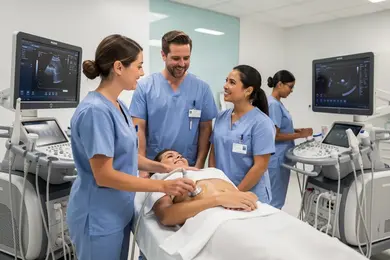
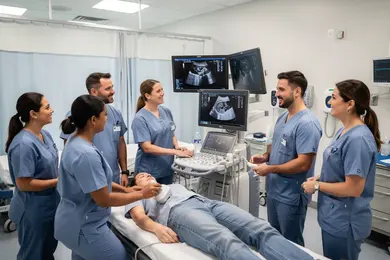
2027 Industries Hiring Graduates With an Ultrasound Technology Degree

Co-Founder and Chief Data Scientist
Where can graduates with an ultrasound technology degree find meaningful employment? This question is crucial as workforce demands evolve. Approximately 24% growth is projected in sonography-related roles over the next decade, reflecting rising healthcare needs and technological advancements. Graduates benefit from versatile skills that apply beyond traditional clinical settings, extending to specialized diagnostic labs, outpatient care centers, and even medical equipment manufacturing.
Understanding where graduates typically work helps clarify available career opportunities and job stability. This article explores the key industries hiring ultrasound technology degree holders to guide readers toward informed decisions about their professional pathways.
Key Benefits of Industries Hiring Graduates With an Ultrasound Technology Degree
- Diverse industries hiring ultrasound technology graduates offer broader career opportunities and greater employment flexibility, from healthcare to veterinary and manufacturing sectors.
- High demand for ultrasound technology skills supports long-term career growth, with the U.S. Bureau of Labor Statistics projecting 14% job growth through 2032.
- Working across multiple industries helps graduates develop transferable skills, enhancing adaptability and expanding their professional experience in dynamic work environments.
What industries have the highest demand for ultrasound technology majors?
Demand for ultrasound technology majors stretches across multiple industries, with healthcare leading the need for skilled professionals. The U.S. Bureau of Labor Statistics notes a projected 14% growth in employment for diagnostic medical sonographers from 2022 to 2032, signaling strong, sustained interest from employers.
Several sectors are actively recruiting graduates, each applying ultrasound expertise in unique ways.
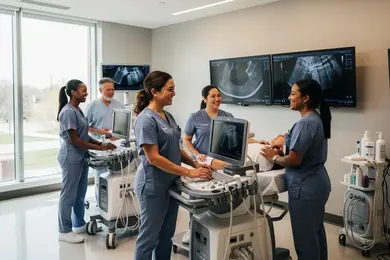
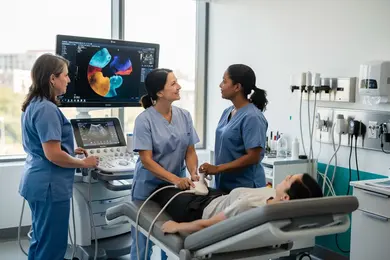
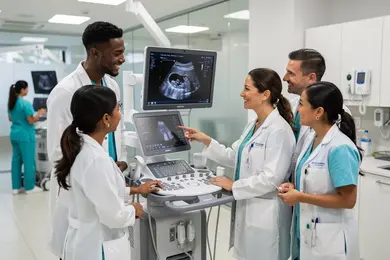
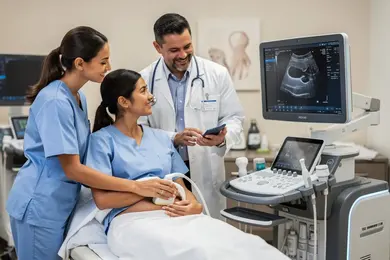
- Healthcare Facilities: Hospitals, outpatient centers, and physician offices dominate hiring by requiring ultrasound technologists to conduct diagnostic imaging for cardiovascular, obstetric, and abdominal conditions. Their workflow prioritizes accurate imaging to support patient diagnosis and ongoing care management.
- Medical and Diagnostic Laboratories: These settings employ ultrasound graduates to perform specialized imaging necessary for laboratory diagnostics and to assist quality control processes. The role supports collaborative healthcare through precise data collection and image analysis.
- Specialized Clinics: Clinics focused on women's health, cardiology, and related specialties depend heavily on ultrasound technology for non-invasive diagnostic techniques that aid preventative care and chronic disease monitoring. Ultrasound technologists help deliver vital imaging services tailored to specific patient needs.
- Veterinary Medicine: Veterinary hospitals and clinics increasingly hire ultrasound professionals for animal diagnosis and treatment. This expansion reflects the growing application of ultrasound technology in enhancing animal health and veterinary care options.
- Research Institutions: Universities and biomedical research organizations utilize ultrasound technology majors to support clinical research and develop new imaging methodologies. These roles combine technical expertise with experimental science to advance medical imaging innovations.
For prospective students exploring career paths in ultrasound technology, understanding these industries hiring ultrasound technology graduates in the US can guide informed decisions. Those interested in diverse healthcare fields might also consider related programs such as online pharmacy programs, which offer complementary expertise and broaden job prospects.
Which industries have the strongest job outlook for ultrasound technology graduates?
Job outlook for ultrasound technology graduates is typically evaluated by examining industry growth trends, workforce demand, and projected hiring needs. The U.S. Bureau of Labor Statistics forecasts employment for diagnostic medical sonographers, including ultrasound technologists, to grow 14% from 2022 to 2032, significantly faster than the average for all occupations. This robust growth reflects factors like an aging population and increased reliance on non-invasive diagnostic tools.
Below are key industries driving strong demand for ultrasound technology professionals.
- Healthcare: Hospitals, outpatient centers, and specialized imaging clinics lead demand due to expanding diagnostic imaging needs in cardiology, obstetrics, and radiology. Rising patient volumes and technological advancements continually boost hiring opportunities in these settings.
- Veterinary Medicine: Enhancements in animal diagnostics have made ultrasound a standard tool for veterinarians. Increased use in pet care and livestock management creates growing demand for technologists skilled in veterinary ultrasound applications.
- Sports Medicine and Rehabilitation: Ultrasound's role in assessing musculoskeletal injuries, guiding treatment, and monitoring recovery drives increased adoption by sports teams, rehab centers, and orthopedic clinics focused on comprehensive patient care.
- Medical Research and Biotechnology: Research institutions and biotech firms rely on ultrasound technology for experimental studies, prenatal health monitoring, and clinical trials. This sector's growth aligns with expanding medical research and drug development initiatives.

What entry-level jobs are available for ultrasound technology graduates?
Entry-level roles serve as vital stepping stones for ultrasound technology graduates, enabling them to develop practical skills and integrate into clinical settings. Approximately 75% of these graduates find employment within six months of completing their programs, reflecting positive hiring trends.
Below are common beginner positions that offer valuable experience in the field.
- Diagnostic Medical Sonographer: Professionals in this role conduct ultrasound exams, capturing images of organs or fetal development. They prepare initial findings to assist physicians, honing both technical and patient communication skills.
- Cardiac Sonographer Assistant: Assistants support cardiologists by operating echocardiography equipment to evaluate heart function. This role focuses on ensuring image quality and gaining specialized knowledge in cardiac imaging.
- Ultrasound Technician Intern: Interns play a supportive role by preparing patients, maintaining ultrasound devices, and documenting diagnostic information. This position is essential for gaining hands-on clinical familiarity.
- Vascular Sonographer Trainee: Trainees learn to image blood vessels and identify circulatory issues. Emphasis is placed on mastering ultrasound technology and vascular anatomy to build expertise in this specialty.
An ultrasound technology degree graduate shared that starting in an entry-level position involved a steep learning curve but was rewarding. He described adapting to fast-paced clinical environments while mastering equipment setup and patient interaction. "It was challenging to balance technical precision with compassionate care," he said, "but each experience built my confidence." He highlighted how early roles helped him understand workflow complexities and the importance of teamwork in delivering quality diagnostic results.
What industries are easiest to enter after graduation?
Industries that are easier to enter for ultrasound technology graduates typically feature high volumes of entry-level hiring, accept a broad range of academic backgrounds, and require minimal specialized experience. Recent workforce data indicates that over one-third of new medical imaging roles are occupied by recent graduates, illustrating a consistent demand for fresh talent.
Below are several sectors where new graduates often find accessible opportunities.
- Healthcare Facilities: Hospitals and imaging centers frequently recruit recent graduates to fill routine diagnostic roles. The steady need for skilled technicians combined with structured training programs makes this sector welcoming to those starting their careers.
- Outpatient Care Centers: These centers offer flexible entry points, valuing core technical abilities and patient communication skills that graduates typically develop during their studies. Their hiring processes tend to be less restrictive, focusing on foundational competencies.
- Rehabilitation Services: Facilities specializing in physical therapy utilize ultrasound technology for treatment monitoring and assessments. They provide various hands-on roles that quickly build practical experience for entry-level professionals.
- Veterinary Clinics: Increasing demand in animal healthcare creates less competitive hiring environments. Skills gained in ultrasound technology translate effectively to veterinary diagnostics, making this a growing option for graduates.
- Mobile Diagnostic Services: Expanding community healthcare needs drive hiring in mobile ultrasound units. These roles offer exposure to diverse clinical settings and typically welcome graduates with adaptable technical skills.
What industries offer the best starting salaries for ultrasound technology graduates?
Starting salaries for ultrasound technology graduates differ considerably across industries, influenced by factors like workforce shortages, funding availability, and demand for specialized skills. Entry-level compensation typically ranges between $58,000 and $72,000, reflecting these variables.
The following sectors consistently offer some of the best-paying entry-level ultrasound technology jobs in the US.
- Hospitals and Outpatient Care These settings often provide starting salaries from $55,000 to $65,000, fueled by the need for skilled technologists in a variety of diagnostic roles. High patient volume and diverse clinical applications increase demand for qualified ultrasound technicians.
- Specialized Imaging Centers Focused on advanced diagnostic procedures, these centers usually offer between $60,000 and $70,000. Their emphasis on complex imaging equipment and higher technical requirements justifies competitive compensation.
- Cardiovascular and Vascular Clinics Due to the expertise required for vascular ultrasound testing, entry-level salaries can range from $60,000 to $75,000. The critical nature of these procedures and specialized skill sets drive higher pay.
- Research and Development Positions in medical device companies or research institutions often start above $70,000, reflecting the high-level technical knowledge and innovation focus. Graduates here engage with cutting-edge ultrasound technologies, attracting premium salaries.
For those exploring education pathways linked to healthcare, an online health admin degree can complement ultrasound technology skills and potentially enhance career opportunities.

Which skills do industries expect from ultrasound technology graduates?
Expectations for graduates with an ultrasound technology degree differ across industries but universally stress the importance of combining hands-on expertise with effective workplace skills. Research from the American Society of Radiologic Technologists in 2022 reveals that over 85% of employers prioritize candidates who balance technical skill with interpersonal abilities.
Below are several core skills that employers commonly seek.
- Technical Expertise: Employers require graduates to efficiently handle ultrasound equipment and interpret diagnostic images accurately. This skill ensures dependable imaging quality, which directly impacts patient diagnoses and treatment success across healthcare settings.
- Attention to Detail: Precision in examining images and identifying subtle irregularities is essential. Graduates must apply keen observational skills to minimize diagnostic errors, supporting patient safety and trustworthy clinical outcomes.
- Communication Skills: Clear, compassionate communication is vital when explaining procedures to patients and coordinating with healthcare teams. Strong interpersonal skills improve patient comfort and enable effective sharing of diagnostic information.
- Problem-Solving Ability: Adaptability in handling unique patient circumstances or equipment challenges is highly valued. Graduates who can troubleshoot and adjust imaging techniques enhance diagnostic efficiency and workflow continuity.
- Professionalism and Ethics: Upholding confidentiality and adhering to ethical guidelines establishes trust and maintains compliance with healthcare regulations, which is critical in all professional environments.
A professional with an ultrasound technology degree shared her perspective, emphasizing how these skills come to life daily. She recalled moments when unexpected patient needs required quick adjustments to scanning protocols, demanding both technical know-how and empathetic communication. "It's not just about capturing an image," she reflected, "it's about understanding the patient's concerns and problem-solving on the spot to get the best results." She noted that balancing ethical responsibilities while working in fast-paced settings continually shapes her approach, reinforcing that these skills extend beyond textbooks into real-world patient care and teamwork.
Which industries require certifications for ultrasound technology graduates?
Certifications play a critical role across various industries employing ultrasound technology graduates, ensuring compliance with professional standards and technical competency. Nearly 70% of employers in healthcare and related sectors prefer or require certified candidates to meet regulatory and patient safety demands. These credentials help validate clinical skills and maintain industry credibility.
Below are key industries where certifications are essential.
- Healthcare: Hospitals, outpatient clinics, and diagnostic imaging centers often mandate certification to demonstrate clinical competence and adherence to patient safety protocols. Regulatory standards and legal requirements drive credentialing, supporting graduates in meeting current medical practice guidelines.
- Specialized Medical Fields: Areas such as obstetrics, cardiology, and radiology rely heavily on ultrasound technology certifications to ensure expertise in advanced imaging techniques. Employers prioritize candidates with relevant credentials to confirm precision in diagnostic procedures and compliance with professional expectations.
- Government and Military Healthcare: These sectors require certifications to comply with federal healthcare regulations and quality assurance measures. Certified technologists contribute to maintaining high standards of patient care in structured and highly regulated environments.
- Diagnostic and Mobile Imaging Services: Outpatient diagnostic centers and mobile imaging providers prefer or require certified staff to meet accreditation and insurance requirements. Certifications enhance employability by establishing a verified level of knowledge and skill in various ultrasound applications.
Which industries offer remote, hybrid, or flexible careers for ultrasound technology graduates?
Workplace flexibility has expanded significantly across many industries due to advances in digital tools and changing workforce expectations. In fact, nearly 60% of professional jobs now offer some form of remote or hybrid work. These shifts create valuable remote job opportunities for ultrasound technology graduates seeking adaptable career paths.
Below are several industries known for flexible work arrangements in this field.
- Telemedicine: This sector increasingly depends on remote ultrasound specialists to interpret images and provide consultations without onsite presence. Secure digital transmission of ultrasound images enables flexible scheduling and location independence while ensuring diagnostic precision.
- Medical Imaging Services: Many diagnostic centers implement hybrid roles where technologists perform scans onsite, and radiologists remotely review images. This workflow supports blended schedules and locations by combining clinical work with remote collaboration.
- Academic and Research: Flexible career options in ultrasound technology often appear in project-based research tasks involving data collection, image analysis, and reporting. Remote or hybrid setups support multi-center collaborations and allow focused, independent work periods.
- Healthcare Technology: Companies developing ultrasound equipment frequently employ graduates in product testing, training, and consulting roles. These jobs benefit from virtual collaboration platforms that accommodate varied project timelines and geographic dispersion.
Graduates aiming to explore flexible career arrangements can also find fast-track schools that accelerate entry into this evolving job market. For more insights on these programs, consider visiting fast track schools that prepare candidates effectively for flexible roles in ultrasound technology.
What industries have the strongest promotion opportunities?
Promotion opportunities for ultrasound technology graduates often depend on industry growth, organizational structure, and demand for experienced professionals. Studies show that more than 60% of career advancements occur through internal promotions in expanding healthcare sectors.
Below are key industries known for offering clear advancement pathways and long-term career growth potential for those with an ultrasound technology degree.
- Healthcare Institutions: Hospitals and large medical centers typically feature hierarchical management structures supporting advancement. Ultrasound technologists can progress into supervisory or administrative roles overseeing imaging departments, benefiting from well-established leadership pipelines.
- Diagnostic Imaging and Radiology: This industry frequently invests in new technology and service expansion, which creates roles in quality assurance, staff training, and multimodal imaging management. It encourages skill development and leadership growth for ultrasound technologists pursuing specialized expertise.
- Educational Institutions: Colleges and universities offering healthcare training provide pathways from clinical educator to program coordinator or director. Graduates contribute to curriculum development and assume leadership roles that advance their careers within academic settings.
- Rehabilitation and Sports Medicine Clinics: Increasing reliance on ultrasound imaging in these clinics creates demand for technologists who combine clinical skills with patient care coordination. Promotion opportunities often arise through lead technician roles and interdisciplinary teamwork focusing on treatment planning.
- Medical Research Facilities: These settings emphasize innovation, offering career growth through project leadership, protocol design, and mentoring junior staff. Ultrasound technology graduates here contribute to advancing medical research with technical specialization.
For those considering education options aligned with industry demands, exploring ultrasound tech online programs can provide flexible pathways into these growing career advancement paths.
How do you choose the best industry with an ultrasound technology degree?
Choosing the best industry with an ultrasound technology degree career paths involves evaluating your personal career interests and preferred work environments. Graduates should consider whether they thrive in fast-paced clinical settings, outpatient care, or research environments while reviewing long-term growth and employment stability within those fields.
The U.S. Bureau of Labor Statistics projects a 14% growth rate in diagnostic medical sonography jobs from 2022 to 2032, highlighting promising prospects but varying across specialties. Matching an industry to your strengths, such as communication skills and attention to detail, can also improve job satisfaction and professional success.
Comparing industries requires examining advancement and professional development opportunities alongside workplace flexibility and overall industry stability. Some sectors may have clearer pathways to leadership or specialization, while others prioritize ongoing education and certifications.
It is essential to research industry expectations thoroughly and align them with your career goals before deciding, ensuring a sustainable and rewarding employment path. For those interested, exploring programs like the cheapest BSN to MSN online can complement career growth and broaden opportunities within allied health fields.
What Graduates Say About Industries Hiring Graduates With an Ultrasound Technology Degree
- Khai: "Starting my career in ultrasound technology opened doors in a range of healthcare settings, but I found pediatric imaging to be the most rewarding place for a new graduate. It helped me develop not only technical proficiency but also the patience and communication skills crucial for working with young patients and their families. This foundation has truly shaped my growth as a healthcare professional, allowing me to contribute meaningfully every day."
- Julio: "Working in ultrasound technology initially felt overwhelming, but it quickly became clear how versatile and valuable the skills I was learning were. The industry pushed me to sharpen my problem-solving and analytical abilities, especially when adapting to diverse patient needs and new imaging techniques. Reflecting on my journey, I see how this career has equipped me with a solid professional toolkit essential for long-term success."
- Jayden: "The impact of a career in ultrasound technology goes far beyond the clinical skills it offers. Choosing diagnostic imaging allowed me to engage with cutting-edge medical technology while developing a deep understanding of patient care. This career path has profoundly influenced my perspective on teamwork and ongoing education in healthcare, making me a more compassionate and informed practitioner."
Other Things You Should Know About Ultrasound Technology Degrees
Graduates with an ultrasound technology degree are commonly recruited by hospitals, outpatient diagnostic imaging centers, and specialized medical clinics such as cardiology or obstetrics offices. Employers may also include research institutions and mobile imaging services that offer on-site diagnostic exams. These organizations value candidates who can operate ultrasound equipment safely and interpret images accurately.
While healthcare remains the primary employer, some graduates find opportunities in veterinary medicine where ultrasound is used to diagnose animal health conditions. Additionally, certain industrial sectors utilize ultrasound technology for non-destructive testing to evaluate material integrity, though these roles typically require additional technical training beyond the standard degree.
Industry-specific regulations greatly influence employment by setting standards for certification, scope of practice, and patient safety. Healthcare institutions, for example, must comply with regulatory bodies such as the American Registry for Diagnostic Medical Sonography (ARDMS). Understanding and adhering to these regulations is essential for job retention and career advancement within ultrasound technology fields.
References
- 15 Reasons To Start A Career As An Ultrasound Technician https://aiht.edu/blog/reasons-to-start-a-career-as-an-ultrasound-technician/
- Advance Your Career in UltrasoundThe Scan https://aiumthescan.blog/2025/11/25/advancing-your-career-in-ultrasound-opportunities-for-sonographers-and-physicians/
- Ultrasound Technician School https://www.cambridgehealth.edu/ultrasound-technician/ultrasound-technician-school/
- Travel Ultrasound Tech Jobs | Anders Group Top Medical Staffing Firm https://www.andersgroup.org/travel-ultrasound-tech
- Choosing the Right Ultrasound Technologist Program https://www.amgmedicalinstitute.com/blog/choosing-the-right-ultrasound-technologist-program-key-factors-to-consider/
- Top 5 Paying Medical Imaging Jobs for 2025 https://www.ultrasoundschoolsinfo.com/top-5-paying-medical-imaging-jobs/
- Sonographer Jobs – Find Jobs in Sonography | Ultrasound JOBS by ARDMS https://ultrasoundjobs.ardms.org/
- 10 Skills Every Ultrasound Technician Needs to Succeed - Meridian College https://www.meridian.edu/10-skills-every-ultrasound-technician-needs-to-succeed/
- Career Pathways After Ultrasound Technician Training | National Polytechnic College https://npcollege.edu/career-options-for-ultrasound-techs/
- Careers in Sonography | Find Ultrasound Jobs | ARDMS https://www.ardms.org/discover-ardms/career-center/careers-in-sonography/