2027 Kinesiology Specializations for Graduate Health Program Preparation

Co-Founder and Chief Data Scientist
Health professionals aiming to enter graduate programs face a critical challenge: selecting a kinesiology specialization that aligns with evolving admissions flexibility and workforce demands. A recent National Center for Education Statistics report shows a 15% surge in part-time adult enrollment since 2022, driven by career shifters balancing jobs and family.
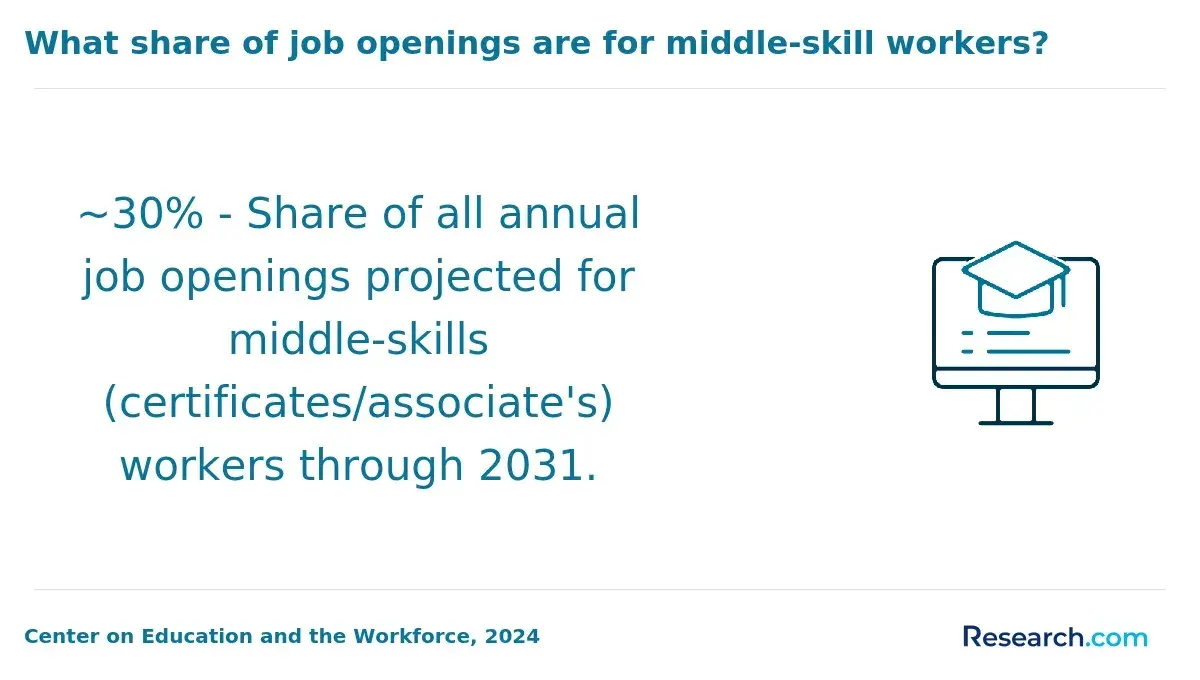
This trend signals that rigid, full-time, in-person programs risk excluding many qualified candidates, pressuring students to prioritize adaptable, hybrid curriculums. Simultaneously, the U. S. Bureau of Labor projects a 14% growth in exercise physiologists and related roles through 2031, heightening pressure to choose specializations that directly cater to emerging sectors.
This article examines key kinesiology specializations and their structural nuances to help prospective students optimize graduate preparation for timely, practical career advancement.
Key Things You Should Know
- Specializing in biomechanics versus exercise physiology shifts career trajectories sharply: biomechanics graduates see 22% higher median salaries in rehab tech roles, yet face 18-month average degree timelines versus 12 months for physiology.
- Employers in clinical rehabilitation prioritize candidates with neurokinesiology specialization, correlating with a 35% increase in job placement rates but narrowing geographic hiring pools to urban centers.
- The rising costs of advanced specialization certificates-averaging $4,500 annually per program per the National Center for Education Statistics-force aspirants to weigh ROI against multi-year income deferral risks in a tightening health workforce market.
What are the main kinesiology specializations for graduate health programs?
Choosing a kinesiology specialization for graduate health program preparation directly affects employability and aligns with specific workforce needs. Exercise physiology remains the most strategic specialization for applicants aiming at medical school or competitive health programs, given its practical application to chronic disease management and preventive healthcare.
With U.S. medical school applications rising by about 23% since 2019 but enrollment growth limited to 8.8%, an exercise physiology background offers a critical competitive edge.
Biomechanics, essential for careers in physical therapy, orthopedics, and ergonomics, demands strong skills in physics and quantitative analysis. This field suits those targeting clinical rehabilitation roles or the development of sports technology. Motor control emphasizes neural and muscular coordination, ideal for candidates prepared for research-intensive programs focused on neurological conditions. However, this path requires readiness for substantial lab work and research commitments.
Rehabilitation sciences focus on restoring function after injury and intersect with occupational and physical therapy programs. This path involves extensive clinical hours and teamwork across disciplines, which some may find a tradeoff against the narrower applied focus. These top kinesiology fields for graduate health studies correspond to distinct graduate program prerequisites, employer expectations, and career trajectories.
Prospective students should weigh their tolerance for lab versus clinical work and evaluate this in light of admission challenges linked to expanding applicant pools. For those considering broader career options, including leadership in sports administration, exploring how to become a high school athletic director offers complementary insight into career pathways within kinesiology graduate health program specializations in North America.
Which kinesiology specialization fits physical therapy, occupational therapy, or public health?
The biomechanics specialization offers the strongest foundation for a physical therapy career due to its direct application in diagnosing and treating musculoskeletal issues. This alignment is critical given the U.S. Bureau of Labor Statistics' projection of 15% growth in physical therapist employment through 2032, creating approximately 9,700 annual openings.
Prioritizing a kinesiology specialization for physical therapy career applicants means intensive focus on biomechanics, anatomy labs, and hands-on clinical exposure-elements essential to meeting licensure and employer expectations but often at the cost of broader health topics.
Conversely, students targeting occupational therapy should lean toward kinesiology tracks emphasizing motor control, neurorehabilitation, or ergonomics, which better correspond to occupational therapy's emphasis on daily living adaptations rather than strictly physical mechanics. Public health paths suit specializations such as community health promotion, exercise epidemiology, or health behavior, concentrating on population-level interventions rather than individual rehabilitation.
The practical tradeoff for students is clear: selecting a specialization misaligned with the target graduate program can undermine both application strength and post-graduate employment. Clinical exposure varies significantly-physical therapy demands direct patient rehabilitation skills; occupational therapy requires client-centered functional assessment; public health focuses more on program planning and data analysis.
Applicants must weigh these distinct emphases carefully and consider how their coursework aligns with not only program prerequisites but also real-world professional demands. For those exploring career pivots or advancement, understanding these nuances is paramount. For additional insights into related degree paths, evaluate healthcare administration degree programs designed for accelerated advancement.
What accreditation should a kinesiology graduate program have?
Accreditation profoundly shapes outcomes for graduate students pursuing kinesiology degrees geared toward health professional preparation. Regional accreditation combined with targeted approvals from bodies such as the Commission on Accreditation of Allied Health Education Programs (CAAHEP) or the Accreditation Council for Occupational Therapy Education (ACOTE) signals that programs meet training standards critical for licensure and clinical competency.
Without this, graduates risk delays in certification or may struggle to access quality internships essential for hands-on experience-especially relevant in neurorehabilitation contexts.
Employers in hospitals, outpatient clinics, and occupational therapy settings prioritize candidates from accredited kinesiology graduate programs because these credentials guarantee exposure to comprehensive coursework in neurophysiology, biomechanics, and motor learning theories. This foundation readies graduates to implement patient-specific interventions immediately upon hire.
With occupational therapy roles projected to grow by 12% from 2022 to 2032 and 9,000 openings yearly, programs endorsed by ACOTE or CAAHEP provide direct pathways into workforce areas demanding expertise in motor learning for aging populations.
Students evaluating kinesiology graduate program accreditation standards Canada or U.S. equivalents should weigh how specialized credentials align with practical career access and credentialing hurdles. Accredited programs often maintain clinical affiliations, giving students direct exposure to rehabilitation practices employers value. Conversely, nonaccredited degrees may limit professional scope, particularly in regulated specialties.
For those combining healthcare career shifts with education costs, exploring affordable options like master's in health administration can complement kinesiology training for interdisciplinary roles.
How do online and campus kinesiology programs differ?
Online kinesiology programs versus campus programs reveal significant differences in delivery that directly affect practical skill acquisition and employability. The limited hands-on training available online restricts exposure to essential biomechanical assessments and live movement analysis, skills that 81.2% of orthopaedic surgery physician assistants identify as critical for managing sports injuries.
Campus programs typically integrate clinical practicums and in-person labs that provide this direct, supervised experience, which employers highly prioritize when verifying clinical competencies.
Students weighing these differences between online and campus kinesiology degrees should consider employer expectations for documented clinical hours, particularly for roles in sports medicine or orthopaedic assisting. Online pathways offer scheduling flexibility but often require proactive efforts by students to secure quality local externships to meet credentialing requirements, a challenge less pronounced in campus settings where clinical affiliations are standard.
Financial and logistical tradeoffs also shape decision-making: campus study may involve relocation or commuting expenses but facilitates peer collaboration and immediate faculty feedback. Conversely, online programs reduce geographic barriers but shift responsibility onto students for arranging supervised practicals, which can impact readiness for specialties demanding strength and conditioning expertise.
For those analyzing educational pathways, insights from related fields can inform expectations-comparable considerations apply to nursing pathways, as seen in comparisons like Capella university vs WGU RN to BSN, where delivery method influences clinical access. Ultimately, students must realistically assess their work environment support and clinical placement options before choosing an online kinesiology program.
What courses are common in kinesiology graduate preparation?
A rigorous kinesiology graduate pathway demands balancing foundational science with pragmatic skills that respond to shifting workforce needs. Core coursework in biomechanics, exercise physiology, motor control, and research methods lays a scientific base essential for roles in rehabilitation or sports technology.
For instance, practical lab experience in motion analysis is a non-negotiable skill for candidates seeking work in applied biomechanics or emerging tech sectors in athletic performance.
When focusing on exercise and sport psychology within kinesiology, students must tackle psychological assessment and mental health interventions amid rising demand for sports-related clinical services. The American Psychological Association's 11% projected employment increase through 2032 signals substantial opportunity but also requires mastery of counseling techniques specific to athlete populations to meet integrated health team standards.
Prospective students face notable tradeoffs between curriculum intensity and field placements, especially when balancing full-time work. Those pursuing strategic pivots or career upgrades often prioritize courses with certification potential and interdisciplinary relevance.
Areas like neurophysiology, chronic disease management, and advanced exercise testing enhance employability beyond traditional athletic roles, such as in wellness program design or clinical rehabilitation settings. This selection process should be grounded in realistic scheduling and long-term career flexibility.
- In-depth anatomy and physiology tailored to physical activity
- Advanced statistics and experimental design competencies
- Applied research combined with wellness promotion skills
Employers increasingly value graduates capable of bridging biomechanics with psychological insights, making cross-disciplinary fluency a tactical asset for navigating complex health environments.
What admissions requirements do kinesiology graduate programs usually ask for?
Admission into graduate kinesiology programs demands more than academic credentials; alignment with evolving healthcare workforce needs increasingly shapes selection. A bachelor's degree with solid GPA-typically 3.0 to 3.5-in kinesiology, exercise science, or related fields remains foundational. However, applicants often face the practical tradeoff of needing substantial clinical exposure, such as internships in rehabilitation or exercise labs, to demonstrate applied skills beyond coursework.
Programs may waive standardized tests like the GRE, but competitive applicants benefit from strong quantitative and verbal evidence, especially where letters of recommendation speak to research acumen and work ethic.
Notably, workforce trends underscore the value of expertise linked to chronic disease prevention and management. For example, growing demand for nurse practitioners-projected to rise 45% over a decade per U.S. Bureau of Labor Statistics-reflects broader clinical exercise physiology requirements in supporting physical therapy and allied health roles.
Applicants should craft personal statements focused on movement science goals with documented clinical or research experience. Admissions reviews typically assess not only academic readiness but also certifications, healthcare volunteerism, and leadership in health initiatives, which bridge classroom knowledge with real-world relevance.
Navigating these filters effectively requires understanding this balance and prioritizing skills that meet employer expectations in an increasingly specialized kinesiology labor market.
How long do kinesiology graduate programs take, and what do they cost?
Choosing a graduate program in kinesiology requires balancing duration, cost, and specialized content against immediate workforce demands. Master's degrees typically take around two years, offering quicker entry but potentially less specialization, while doctoral programs exceeding three years may better position graduates for roles in neuromechanics and neurorehabilitation-fields facing intense demand as neurological disorders affect billions globally.
Costs can range widely: master's tuition often falls between $20,000 and $60,000, while doctoral programs exceed $70,000 when including fees and living expenses. Working professionals must weigh these expenses against income loss during extended study, particularly for doctorates. Public institutions usually provide more affordable tuition but might lack targeted neuromechanics coursework essential for employer preferences.
Employers frequently seek candidates with biomechanics expertise aligned to neurorehabilitation; thus, program content specificity can outweigh shorter duration or lower cost. Part-time and online formats offer flexibility but extend completion timelines, a factor critical for those needing ongoing employment income.
Students should prioritize:
- Alignment between program length and urgency to enter neuromechanics careers
- Tuition costs relative to projected regional salaries and repayment capacity
- Curricula explicitly focused on neuromechanics and neurorehabilitation to meet evolving workforce needs
Which careers can kinesiology graduates pursue in health fields?
Graduates with a kinesiology degree targeting health-related roles should anticipate significant credentialing and practical experience demands beyond foundational knowledge. Positions such as clinical exercise physiologists and rehabilitation therapists require certification and collaboration with medical professionals to effectively manage chronic diseases like diabetes or cardiac conditions.
The health sector's reliance on exercise science integrates with stringent clinical standards and insurance protocols, limiting opportunities to those who can navigate these systems. For example, managing patient adherence and securing insurance coverage constitute persistent barriers not addressed by basic academic programs. Meanwhile, community health roles demand grant writing and outcome reporting skills that are often outside the kinesiology curriculum, creating gaps graduates must fill.
Job prospects in hospitals and rehabilitation centers favor candidates with clinical experience and sometimes an advanced degree, reflecting employers' preferences for demonstrable competencies in exercise testing and patient counseling. Conversely, fitness industry roles-while easier to access-offer lower wages and less clinical interaction, representing a marked tradeoff for graduates prioritizing medical integration over broader wellness coaching.
Strategic upskilling that includes clinical certifications and interdisciplinary collaboration is essential to bridge the divide between exercise science and healthcare delivery effectively. Graduates who align their credentials with employer expectations and healthcare regulations position themselves to address chronic disease management within complex care environments.
What salaries and job outlooks apply to kinesiology-related health careers?
Salary potential within kinesiology-related health careers depends on specialization, educational background, and industry context. Entry-level roles like exercise physiologists or health coaches earn around $50,000 to $60,000 annually, while advanced positions in sports analytics or rehabilitation management often exceed $80,000, sometimes reaching $110,000.
These figures reflect evolving employer expectations that increasingly value integration of health data into practical decision-making frameworks.
Hospital adoption of certified electronic health record systems-used by over 97% of U.S. hospitals and 80% of office-based physicians-creates demand for kinesiology professionals adept in interpreting wearable sensor outputs and movement metrics. For example, a clinical exercise physiologist who translates patient mobility data into tailored treatment plans can directly improve recovery outcomes, thereby justifying higher wages and greater job security within healthcare settings.
Job growth in roles combining kinesiology, sports science, and health informatics is expected to outpace average rates by 10% to 15% in the next decade. This contrasts with slower growth for traditional physical training roles, which face saturation and lower employer demand. Success in this field requires balancing strong foundational knowledge in movement science with advanced technical competencies in data analytics and performance technology.
- Entry-level salaries start around $50,000 to $60,000 annually
- Advanced positions offering $80,000 to $110,000 reflect specialized technical skills
- Healthcare settings demand interpretation of electronic health records and wearable data
- Projected job growth of 10% to 15% favors data-driven kinesiology roles over traditional training jobs
What certifications or licenses may kinesiology students need after graduation?
Securing certifications or licensure is a non-negotiable step for kinesiology graduates targeting clinical, athletic, or rehabilitative careers, as employers consistently require verifiable credentials reflecting both competence and regulatory compliance.
For instance, those aiming for performance coaching often pursue the Certified Strength and Conditioning Specialist (CSCS) credential, which demands not only a bachelor's degree but also passing a challenging exam. Conversely, roles in general wellness or personal training allow quicker entry via certifications like Certified Personal Trainer (CPT), though these hold lower hiring priority in clinical settings.
Graduates planning to enter physical or occupational therapy domains face a longer credentialing timeline that includes state licensure exams and prerequisite certifications, which can delay workforce entry but open access to roles requiring direct patient care. Many hospital and outpatient employers strictly enforce licensure for clinical-facing positions, effectively creating a sharp divide between certified and uncertified candidates.
A 2024 National Center for Education Statistics report found kinesiology-related degrees are among the largest health-related credentials awarded and yield median earnings near $60,000 for early-career professionals. The data illustrates kinesiology's tangible return on investment but also signals intensified competition shaped by credential requirements.
Key considerations for prospective students include:
- Complexity and cost of certifications vary significantly, influencing how quickly graduates can enter their desired niches
- Certifications such as CSCS carry higher barriers but align with specialized, higher-wage roles
- Non-clinical health promotion jobs may require fewer credentials but offer varied earning potential and career trajectories
Other Things You Should Know About Kinesiology
Specializing narrowly can improve your fit for graduate programs like physical therapy or occupational therapy by targeting relevant skills and knowledge. However, a broader kinesiology focus often offers adaptable competencies useful across multiple health fields, increasing flexibility if your career goals change.
Weigh your certainty about a specific profession against future adaptability; for those committed to a particular path, targeted specialization typically enhances graduate and employer readiness.
In 2027, kinesiology students should assess their career goals, demand for specific health professions, and how specializations align with these interests. They should also consider faculty expertise, clinical opportunities, and how the specialization supports required graduate program prerequisites.
Kinesiology graduate programs vary widely in course load intensity and the sequencing of clinical or lab experiences. Programs with front-loaded, intensive coursework can delay gaining practical experience until later stages, slowing workforce entry.
Conversely, programs that balance coursework and applied experiences from the start enable faster skill accumulation and may shorten time to employment. Evaluate how program structure aligns with your time availability, financial constraints, and urgency to enter the workforce.
Many health employers expect or require advanced certifications or licenses beyond the kinesiology graduate degree, such as physical therapy licensure or exercise physiology certification. Selecting a kinesiology program that clearly supports or integrates preparation for these credentials enhances employability and career mobility.
Prioritize programs with direct pathways or established partnerships that facilitate obtaining these additional qualifications rather than programs offering only general kinesiology training.
References
- How Long to Get a Kinesiology Degree? | ValidGrad https://validgrad.com/blog/kinesiology-degree-duration/
- Kinesiology and Exercise Science Careers Guide https://teach.com/online-ed/healthcare-degrees/online-bachelors-kinesiology-exercise-science/career-outlook/
- Master's Degree in Kinesiology | UT San Antonio | Master's Program in Kinesiology | Earn Your Degree (MS) in Kinesiology https://future.utsa.edu/programs/master/kinesiology/
- How to Become a Kinesiologist (Degree & Salary) - Natural Healers https://www.naturalhealers.com/blog/applied-kinesiology/
- What Can You Do With a Kinesiology Major? | USAHS https://www.usa.edu/blog/what-can-you-do-with-a-kinesiology-major/
- Best Online Kinesiology Degree Programs, Updated for 2026 https://www.kinesiologydegrees.org/programs/online
- Kinesiology and Health Studies (MSc, PhD) https://www.uregina.ca/academics/programs/khs/master-phd-kinesiology-health-studies.html
- Accredited Programs https://akta.org/employment-opportunities/education/accredited-programs
- OT vs PT: How To Choose The Right Career Path For You - MAS Medical Staffing https://www.masmedicalstaffing.com/blog/ot-vs-pt-how-to-choose-the-right-career-path-for-you/
- Occupational Therapy Versus Physical Therapy https://www.webmd.com/pain-management/occupational-therapy-versus-physical-therapy