2027 Online Kinesiology Degrees With Human Performance Career Alignment

Co-Founder and Chief Data Scientist
Balancing a current job while pursuing a degree in kinesiology can quickly become untenable when traditional programs demand rigid schedules and in-person attendance. For many, limited access to flexible education presents a critical barrier to entering human performance fields, where demand for specialized skills is rising.
A 2024 National Center for Education Statistics report found that over 50% of adult learners prioritize enrollment in online programs to accommodate work and family obligations, signaling a clear shift in how professionals approach credentialing. This shift reshapes not only when but how students gain competencies aligned with evolving industry roles.
This article examines accessible online kinesiology degree options structured to meet these real-world constraints while directly aligning with human performance career trajectories, providing actionable insights for pragmatic educational planning and workforce transition.
Key Things You Should Know
- Online kinesiology degrees average 20% lower tuition than in-person programs but extend time-to-completion by 12% due to fewer practicum options, impacting opportunity cost for career pivots, according to NCES 2024 data.
- Employers seeking human performance specialists prioritize candidates with integrated certifications and hands-on experience; pure online degrees without hybrid practicums show 18% lower job placement rates per SHRM 2024 workforce analysis.
- Rapid industry shifts toward data-driven athletic training demand mastery in biomechanics tools, challenging many online kinesiology curricula to update swiftly, which may delay graduates' readiness for evolving employer standards.
What is an online kinesiology degree with a human performance focus and who is it best for?
Pursuing online kinesiology degree programs with a focus on human performance demands careful scrutiny of practical outcomes beyond curriculum content. Candidates should assess whether programs integrate applied biomechanics, physiology, and tailored training techniques that meet employer expectations in clinical rehabilitation, sports performance, or wellness sectors.
For example, transitioning from a support role to an exercise physiologist requires programs that not only deliver scientific knowledge but also cultivate the ability to design dynamic exercise prescriptions based on laboratory and field data.
The best candidates for online kinesiology degrees in human performance frequently juggle employment while seeking flexible study formats paired with required local internships or practicums for hands-on experience. Employers favor graduates adept at evidence-based intervention planning and human performance assessment, reinforcing the need to verify how programs align with real-world competencies and certification pathways.
Projected job growth of 10% for exercise physiologists through 2033 and median earnings near $58,000 underline reasonable economic prospects. However, graduates lacking rigorous online delivery, relevant internship access, or certification support may underperform in a competitive job market. Understanding these nuances is critical when evaluating educational investment and career outcomes.
For individuals considering how do I become an athletic director or pursuing related roles, attention to program quality and specialty focus can determine success. Strategic alignment of academic choices with market demand and practical training is key to navigating this evolving field effectively.
How do online kinesiology programs compare to campus-based options for studying human performance?
Online kinesiology degree programs vs traditional campus courses involve a key tradeoff between direct experiential access and flexible, self-directed learning. Workforce data shows kinesiology bachelor's graduates earn 85% placement within six months and 90% in health-related sectors, signaling comparable employability regardless of study format.
However, online students must proactively secure and manage practical components-labs, internships, clinical placements-without the embedded institutional networks campus programs offer.
Campus-based kinesiology pathways integrate hands-on experiences with local clinics or sports teams, often streamlining certification and placement efforts.
Conversely, online learners face logistical challenges coordinating externships independently, which can delay entry into specialty roles such as physical therapy support or athletic training. For instance, a remote student targeting strength and conditioning positions with professional sports franchises needs early planning to obtain region-specific internships and credentials.
Employer preferences in human performance fields emphasize documented practical experience and certifications over degree modality. Programs that combine flexible study with structured fieldwork and career resources mitigate this gap, supporting income continuity while advancing skills.
This balance underpins the appeal of the asynchronous model for working professionals pursuing a strategic pivot or advancement in kinesiology.
Prospective students should critically assess their capacity for self-motivation and independent networking. The flexibility and career outcomes of online kinesiology studies depend heavily on navigating these operational hurdles. For those considering further specialization, evaluating pathways such as a doctorate of healthcare administration can offer additional leverage in human performance leadership roles.

What types of online kinesiology degrees lead to human performance careers?
Among online kinesiology degree programs for human performance specialists, the key differentiator lies in applied training versus theoretical emphasis. Programs prioritizing biomechanics, exercise physiology, and real-world performance assessment better prepare graduates for roles where immediate facility with data-driven protocols and injury prevention is mandatory.
For instance, a candidate targeting employment with a collegiate athletic program must already demonstrate competence in practical, tech-enabled training methods, a requirement often unmet by degrees lacking integrated practicum components.
Graduate Pathways' 2024 analysis found that while education remains the largest post-degree pathway, closely behind are coaching, health promotion, and physiotherapy-related roles, each attracting nearly equal numbers of graduates.
This distribution underscores workforce demand but also highlights the tradeoff students face: degrees weighted toward theory frequently require extra certification or internships to align with employer expectations, particularly in licensed fields like physiotherapy.
Evaluating the best online kinesiology courses for careers in human performance therefore means assessing program alignment with state licensing needs and hands-on experience integration. Employers increasingly value applicants who have completed structured internships within their online learning.
Additionally, those considering an allied health career may compare options such as a healthcare administration degree online accredited for pathways involving broader health system roles.
How can you verify accreditation and program quality for online kinesiology schools?
Regional accreditation from recognized bodies such as the Higher Learning Commission, WASC, or Middle States Commission on Higher Education remains the essential baseline for evaluating accredited online kinesiology degree programs in the US. Employers and graduate programs typically require degrees from regionally accredited institutions to confirm that academic standards align with industry needs.
Beyond this, specialized programmatic accreditation from agencies like the Commission on Accreditation of Allied Health Education Programs (CAAHEP) provides an additional layer of quality assurance for online kinesiology schools, indicating curriculum alignment with professional competencies.
Graduation timelines, reporting outcomes, and practical training opportunities vary widely among online kinesiology programs. Some programs may claim accelerated completion in as little as 16 months, but students must critically assess whether expediting coursework compromises necessary practicum hours or hands-on experience, both of which heavily influence clinical readiness and employability in fields such as exercise physiology or physical therapy assistance.
Prospective students should verify state licensure requirements and employer recognition of credentials since deficient or unclear accreditation can result in ineligibility for licensing or employment.
To make informed decisions, utilize resources like the National Center for Education Statistics' College Navigator and request detailed curriculum and faculty data directly from institutions. Avoid programs that cannot provide transparent, verifiable information, which jeopardizes future certification pathways and career progression.
For those exploring pathways related to healthcare and physical therapy, comparing kinesiology options with online RN programs may provide insight into alternative routes with distinct licensure and labor market implications.
What coursework and specializations are common in online kinesiology and human performance programs?
Online kinesiology and human performance programs often fall short on practical skill development without integrated clinical or hands-on components. Students aiming for physical therapy or rehabilitation roles must navigate critical course selections such as human anatomy, exercise physiology, and biomechanics to meet certification and licensure requirements.
These foundational courses are non-negotiable for eligibility in positions with median wages near $101,020 and growth projections of 14% from 2023 to 2033 as noted by the U.S. Bureau of Labor Statistics cited by ASU Online.
Specializations like sports medicine, strength and conditioning, or occupational health directly influence employability by aligning study with regional demand and credential portability.
Pursuing a broad kinesiology study without targeted certifications often limits hiring prospects. Employers consistently prioritize documented clinical experience alongside validated certifications, making local internships a practical necessity alongside online coursework.
For example, professionals interested in corporate wellness or ergonomic consulting benefit from coursework focused on injury prevention and program design rather than clinical rehabilitation. Hybrid program models or partnerships with local clinics help bridge the gap between theory and practice, especially for manual therapy or biomechanics.
Students must weigh the tradeoff between flexible online study and necessary face-to-face experiences required for recognized credentials in competitive job markets.
What are the typical admission requirements for online kinesiology degrees in human performance?
Admission criteria for online kinesiology degrees focused on human performance often act as gatekeepers aligning candidates with workforce expectations. A typical threshold is a bachelor's degree in kinesiology, exercise science, biology, or a related health discipline; those without relevant degrees must complete prerequisite courses in anatomy, physiology, or biomechanics, which can delay entry and increase upfront effort.
Minimum GPA standards (commonly 3.0) and optional standardized test scores, such as the GRE, remain decisive factors, especially when applicants lack professional experience.
Experience in fitness, rehabilitation, or human performance sectors materially enhances candidacy by demonstrating applied skills, which admissions committees weigh heavily given employer preference for job-ready graduates.
Letters of recommendation are expected to validate competencies and motivation, often sourced from clinical or athletic supervisors. A statement of purpose outlining career objectives and program fit is also required, grounding the application in practical relevance to roles like strength and conditioning coach or rehabilitation specialist.
International applicants must meet English proficiency requirements through TOEFL or IELTS scores, typically a minimum of 80 or 6.5 respectively, reflecting workforce communication demands. Financially, programs such as LSU Online's master's degree charge $644 per credit hour, totaling over $23,000, forcing candidates to carefully evaluate return on investment versus entry-level salaries.
How long do online kinesiology programs take and what do they cost?
The decision to pursue an online kinesiology program involves balancing time, cost, and practical outcomes with workforce demands. Bachelor's degrees generally require four years full-time but can be accelerated or extended part-time, affecting total tuition and time-to-employment.
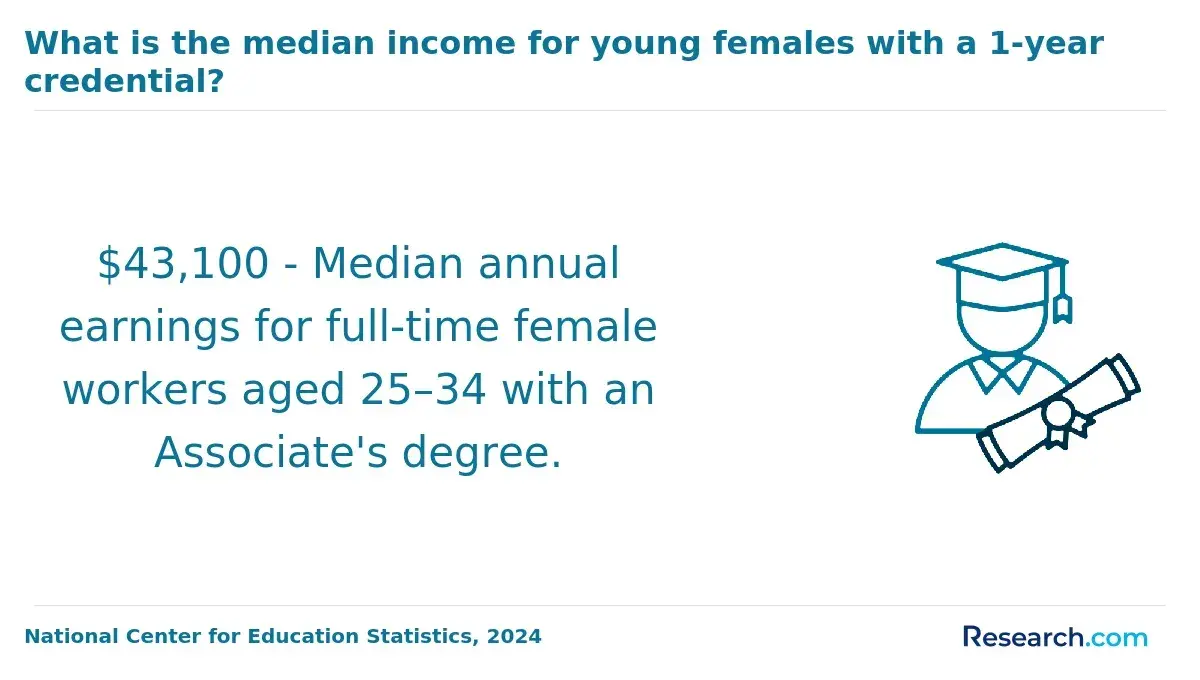
Associate degrees often function as foundational steps toward advanced study, typically completed in around two years. Master's programs add one and a half to two years beyond the bachelor's level, crucial for roles demanding deeper clinical expertise.
Cost structures vary significantly: public universities may charge between $5,000 and $15,000 annually for in-state online students, while private and out-of-state institutions often exceed $15,000, sometimes reaching $30,000 yearly. Additional fees for labs, internships, or certification prep ranging from $1,000 to $3,000 are common and should factor into budget planning.
Part-time enrollment offers flexibility for working professionals but can prolong total costs and delay credential acquisition. Full-time pathways require substantial upfront investment but enable faster entry into a competitive job market where employers value applied skills.
Workforce data projects a 13% growth in athletic training roles through 2033 with a median wage of $60,250. This underscores the benefit of programs emphasizing practical components such as internships or clinical hours to meet employer expectations and improve return on investment.
What human performance careers can you pursue with an online kinesiology degree?
Online kinesiology degrees provide foundational knowledge suited for roles like exercise physiologist, occupational therapy assistant, physical therapy aide, and wellness coach, where applied anatomy and movement science are essential. However, many of these positions demand hands-on certifications or supervised clinical hours that an online program alone cannot fulfill.
Pursuing advanced clinical roles, such as physician assistant (PA), represents a strategic pathway yielding significantly higher earnings-median salaries near $133,000 annually-and robust job growth projected at 28% through 2033 according to the U.S. Bureau of Labor Statistics. Yet, this path requires graduate-level training beyond a bachelor's degree in kinesiology.
Candidates must weigh the gap between theoretical knowledge and industry credentialing: sports coaching and fitness training allow faster entry but typically offer lower wages, whereas rehabilitative and allied health roles necessitate extended training, clinical experience, and certification. These tradeoffs directly affect timelines and earning potential.
Prospective students should critically assess whether online kinesiology curricula align with accreditation standards and licensure prerequisites in their targeted fields. For example, physical therapy technicians require verified clinical hours often infeasible through fully online programs. Bridging certifications and tailored coursework may expedite employment possibilities but demand deliberate planning.
What salary ranges and job outlook can graduates in kinesiology and human performance expect?
Graduates in kinesiology face a salary spectrum influenced heavily by work setting and specialization-early-career earnings typically fall between $40,000 and $55,000, yet roles demanding advanced credentials or experience can approach $80,000 annually.
For example, exercise physiologists at the 90th percentile earn around $79,830, underscoring that clinical, research, or athletic performance sectors reward expertise beyond a bachelor's degree.
This field demands measurable skills in data analysis, biomechanics, and client management rather than reliance on theoretical knowledge alone. Candidates who combine their degree with certifications and practical experience-such as internships or proficiency with electronic health records and fitness technology-are positioned to outpace peers. For instance, a Certified Exercise Physiologist employed in a hospital is likely to earn more than one working in community fitness.
Job competition intensifies for lucrative positions, pushing many toward additional graduate study or specialization to facilitate salary growth. While academia and clinical tracks extend salary progression timelines, corporate wellness and ergonomics roles may offer faster entry with moderate pay.
Overall, kinesiology graduates should weigh tradeoffs between immediate placement and long-term advancement, determining if investments in certifications or advanced degrees align with their desired work context and earning goals.
How do certifications and licenses affect careers in kinesiology and human performance fields?
Certifications and licenses decisively influence career viability in kinesiology by filtering candidates beyond academic achievement. For instance, exercise physiologists targeting cardiac rehabilitation roles often need the Certified Clinical Exercise Physiologist (CEP) credential, which employers typically mandate. Without such certification, candidates face limited eligibility, suppressed salary potential, and tenuous job security.
Employers rely on these credentials to verify practical competence across clinical, sports science, and wellness sectors, as kinesiology curricula vary widely in scope and rigor.
Licenses usually require continuing education and documented experience, compelling professionals to maintain standards aligned with evolving best practices. Conversely, entry-level fitness or community health positions may not demand certification but often present stagnant wage growth and restricted career mobility.
Consider personal trainers in commercial gyms versus licensed rehabilitative specialists in healthcare: trainers often operate without credentials but endure high turnover and income volatility, while credentialed professionals benefit from unemployment rates near 3%, according to University of Chicago kinesiology data, alongside improved career durability.
This disparity signifies how certifications reduce employment risk by signaling verifiable expertise to institutions constrained by legal and insurance frameworks.
Prospective students should conduct thorough research on required versus preferred certifications for targeted roles, budget realistically for ongoing exam and education expenses, and choose degree programs that align closely with licensing prerequisites to avoid investing in qualifications that hinder long-term employability despite robust field demand.
Other Things You Should Know About Kinesiology
Employers in human performance fields generally view online kinesiology degrees similarly to traditional degrees if they come from accredited institutions. However, program reputation and demonstrated hands-on experience matter significantly more than delivery format. Candidates should prioritize programs that integrate practical labs or internships to offset any perceived limitations of online study.
Online kinesiology programs with a human performance focus have a rigorous workload that combines theoretical study with applied science assignments. Expect a substantial time commitment, especially when completing virtual labs or practicums remotely. Compared to broader health sciences, kinesiology requires sustained engagement in biomechanics, exercise physiology, and human anatomy, so time management skills are essential for balancing coursework and any concurrent professional responsibilities.
While not all employers demand immediate certifications post-degree, acquiring specialized credentials soon after graduation is strongly recommended to enhance job prospects. Fields within human performance, such as strength and conditioning or exercise physiology, typically require certifications recognized by industry bodies. Graduates should plan to pursue these certifications strategically, as they distinguish candidates and enable access to higher-level positions or clinical roles.
References
- Is a Kinesiology Degree Right for You? | Corban University https://www.corban.edu/is-a-kinesiology-degree-right-for-you/
- How to Check if an Online Degree Is Real | Find Trusted Courses https://dsuonline.com/resources/blogs/how-to-check-if-an-online-degree-is-real/
- Online Masters in Kinesiology, Sport & Recreation in Texas - HSU https://www.hsutx.edu/academics/graduate-programs/kspr/
- Online Exercise Science Degrees: Top School Review https://www.edumed.org/online-schools/exercise-science-degrees/
- Master of Science in Kinesiology (Sport and Human Performance) https://catalog.shsu.edu/graduate-and-professional/college-departments/health-sciences/kinesiology/kinesiology-ma/
- Kinesiology and Human Performance AS https://flcc.edu/academics/programs/kinesiology-and-human-performance-as/
- What Jobs Are Available in Kinesiology? https://www.sports-management-degrees.com/faq/what-jobs-are-available-in-kinesiology/
- Health & Human Performance - Vanguard University https://www.vanguard.edu/academics/academic-programs/undergrad/kinesiology/health-human-performance
- Is Your Online Degree Legitimate? How to Verify Private University Approval https://matchtocollege.com/blog/verify-private-university-online-degree-approval
- American Kinesiology Association | Careers in Kinesiology https://americankinesiology.org/careers-in-kinesiology/